إنجليزي
 فرنسي
فرنسي إسباني
 روسية
روسية عربي
عربي إيطاليا
ثقافة الصين هي الحضارة القديمة الوحيدة غير المنقطعة في تاريخ الحضارة العالمية. وبعد أكثر من 5000 عام من التراكم، شكلت نظامًا كاملاً يكون أساسه الفلسفي "وحدة السماء والإنسانية"، والأخلاق والأخلاق جوهره، والجماليات الفنية هي الناقل له. وهو يتخلل كل جانب من جوانب الحياة الوطنية، وأصبح الرابط الروحي الذي يدعم الهوية الوطنية.
ويتجسد الجوهر الروحي للثقافة في تكامل الأيديولوجيات المتنوعة. إن المبادئ الكونفوشيوسية الأخلاقية المتمثلة في "الخير، والاستقامة، واللياقة، والحكمة، والجدارة بالثقة" ومفهوم "الانسجام في التنوع"، والحكمة الطاوية المتمثلة في "اتباع الطريق الطبيعي"، والمشاعر البوذية المتمثلة في التعاطف والإحسان، تشكل مجتمعة سعي الشعب الصيني القيمي إلى "الاعتدال والانسجام" و"تماثل الأسرة والدولة"، وتحقيق التوازن بين الزراعة الشخصية والمسؤولية الجماعية.
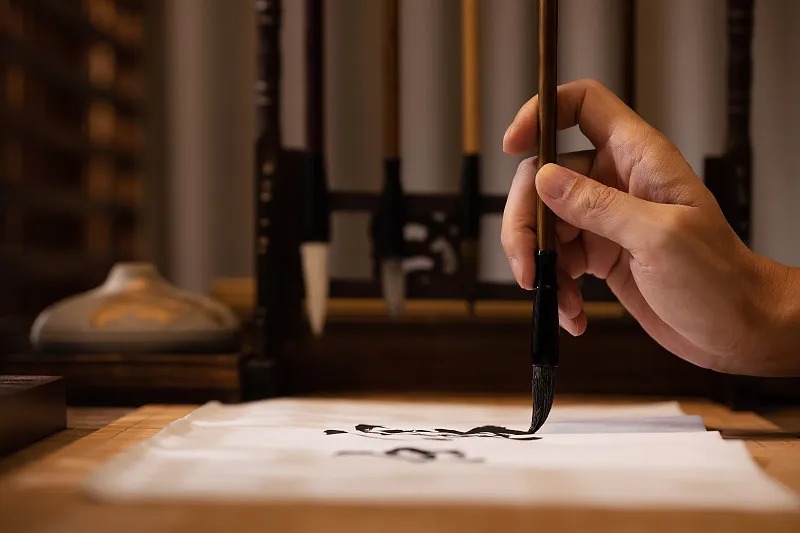
تعمل الرمزية الملموسة كتعبير حي عن الجوهر الروحي. يرمز التنين والعنقاء، باعتبارهما طواطم أساسية، إلى المثابرة والشمولية والفضائل الميمونة؛ يجسد "أصدقاء الشتاء الثلاثة" و"سادة الزهور الأربعة" السعي وراء المرونة والنزاهة الأخلاقية؛ تجسد "كنوز الدراسة الأربعة" جوهر ثقافة الشخصية الصينية، بينما أصبح الخزف والحرير سفراء ثقافيين للتبادل الدولي. يشكل مزيج الألوان الحمراء مع أرقام مثل "خمسة" و"تسعة" نظامًا رمزيًا مميزًا.
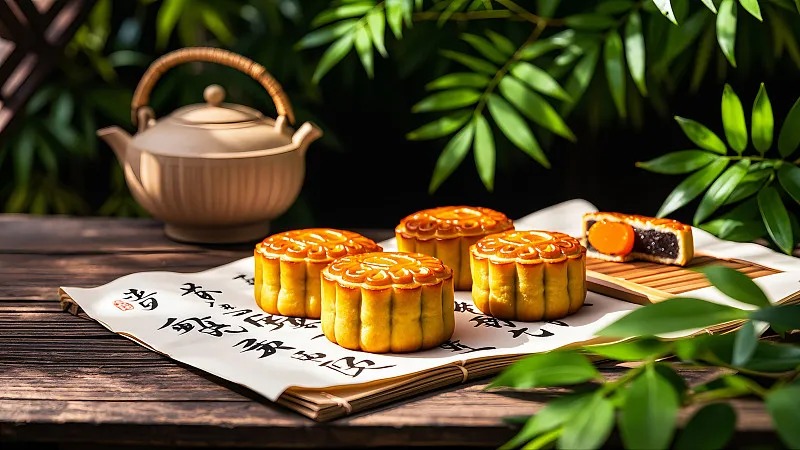
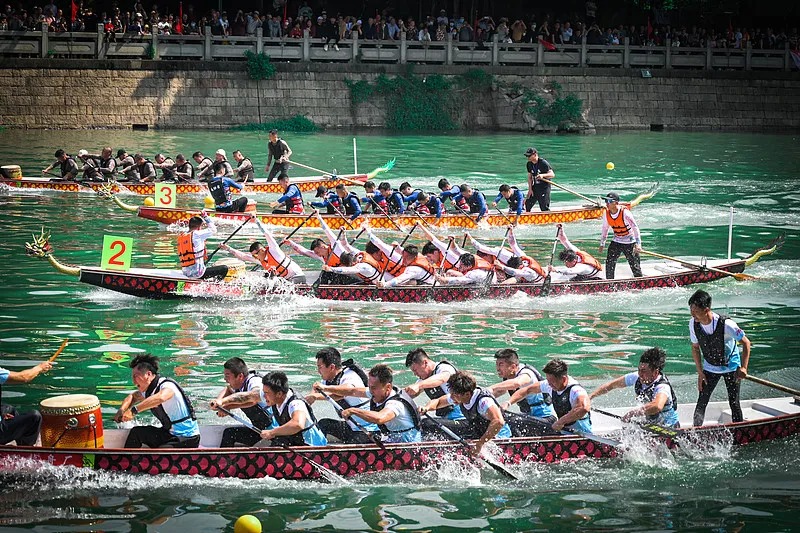
المهرجانات التقليدية والعادات الشعبية هي ميراث حي من الثقافة. إن لم الشمل خلال عيد الربيع، وعبادة الأجداد في عيد تشينغمينغ، والتعبير العاطفي خلال مهرجان قوارب التنين، والشوق للعائلة خلال عيد منتصف الخريف، واحترام كبار السن في عيد التاسع المزدوج، تربط إيقاعات حياة الشعب الصيني. تجسد هذه العادات القيم الأساسية مثل تبجيل الأسلاف، وبر الوالدين، والوطنية. الفنون الشعبية مثل عرائس الظل، وقطع الورق، والتطريز تنقل الأذواق الجمالية والتطلعات لعامة الناس من خلال الحرف اليدوية.

تعمل اللغة والفن كحاملين حيويين للثقافة. تجمع الحروف الصينية بين الشكل والمعنى، وتجسد الفلسفة الشعبية؛ الخط والرسم والأوبرا والرقص والموسيقى الشعبية التقليدية تخلق مجتمعة المجال الجمالي للجماليات الشرقية التعبيرية. واليوم، يتم تجديد هذه الأشكال الثقافية من خلال الابتكار الثقافي، وتجارب التراث الثقافي غير المادي، والتواصل بين الثقافات.
وتتمسك الثقافة الصينية بجذورها، وتحتضن الشمولية والانفتاح. إن الحكمة التي تراكمت بفضلها لم تشكل العالم الروحي للشعب الصيني فحسب، بل قدمت أيضا ثروة لا تقدر بثمن للتبادل والتعلم المتبادل بين الحضارات الإنسانية، لتصبح كنزًا روحيًا خالدًا.