إنجليزي
 فرنسي
فرنسي إسباني
 روسية
روسية عربي
عربي إيطاليا
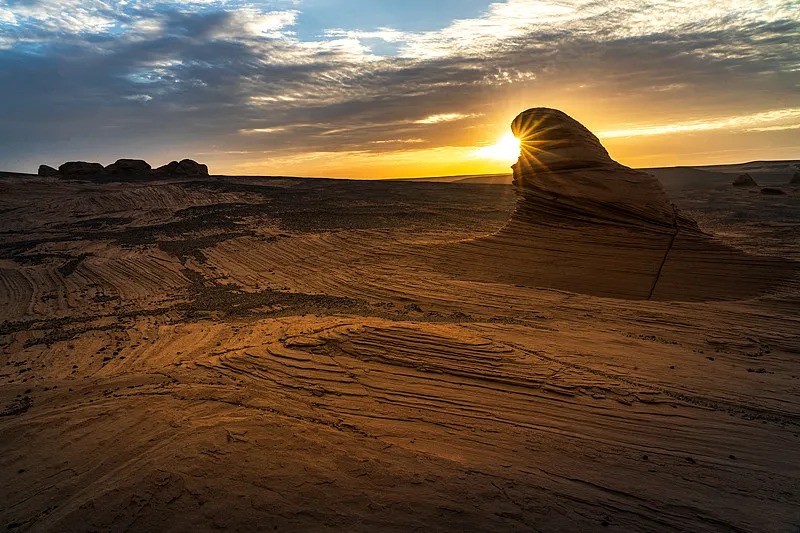
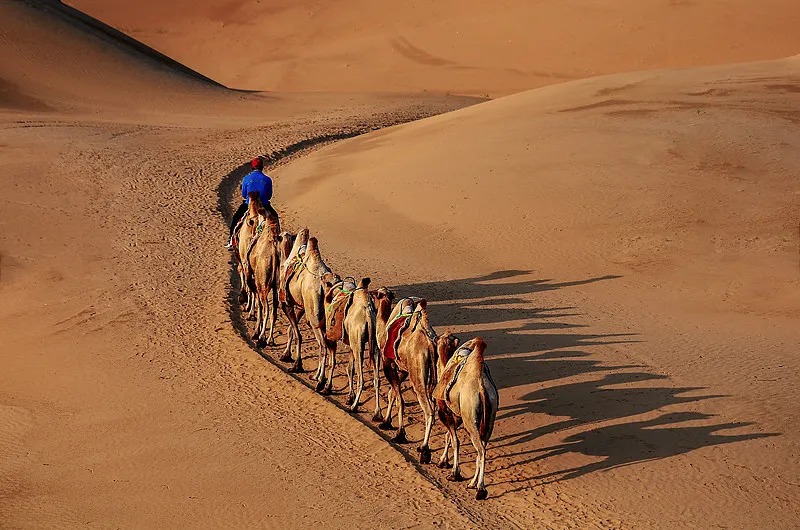
قبل أكثر من ألفي عام، انطلقت قافلة محملة بالحرير من مدينة تشانغآن (مدينة شيآن اليوم). ومن خلال عبور صحراء جوبي التي اجتاحتها الرمال والهضاب المغطاة بالثلوج، حملت بضائع وحضارات الشرق خطوة بخطوة إلى آسيا الوسطى وغرب آسيا وحتى إلى أوروبا. ولم يكن هذا الطريق، الذي عُرف لاحقًا باسم طريق الحرير، طريقًا سريعًا واحدًا ثابتًا. وبدلاً من ذلك، كانت عبارة عن شبكة واسعة من التجارة والتبادلات تمتد على مدى عشرات الآلاف من الكيلومترات عبر القارة الأوراسية. فهو لم يعيد تشكيل المشهد التجاري في العالم القديم فحسب، بل أصبح أيضًا الرابط الأقدم والأكثر تأثيرًا للحوار بين الحضارات في تاريخ البشرية.
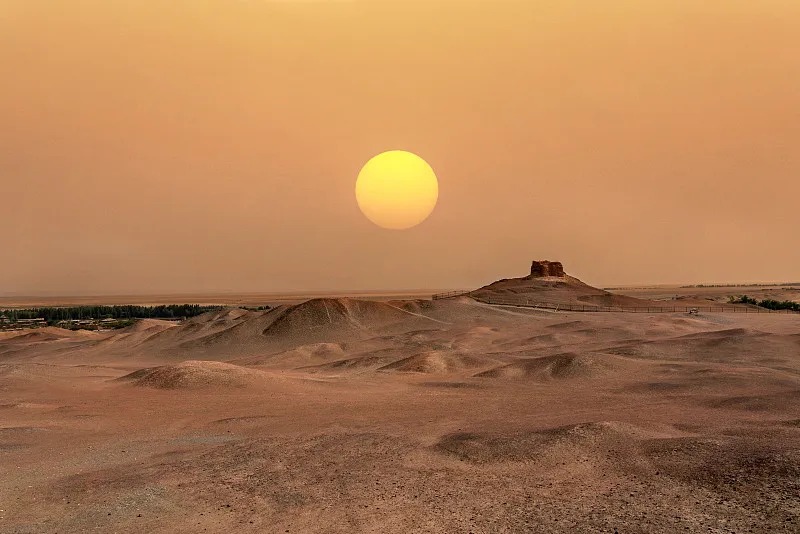
بدأ الافتتاح الرسمي لطريق الحرير مع "رحلة انفتاح المناطق الغربية" الرائدة التي قام بها تشانغ تشيان في عهد أسرة هان الغربية. في عام 138 قبل الميلاد، تم إرسال تشانغ تشيان في مهمة إلى المناطق الغربية. وبعد أن تحمل 13 عامًا من المصاعب والمخاطر، ترك آثار أقدامه عبر ما يُعرف الآن ببلدان مختلفة في آسيا الوسطى. على الرغم من أن مهمته كانت في البداية لتحالف عسكري، إلا أنه فتح بشكل غير متوقع قناة اتصال رسمية بين سلالات السهول الوسطى والمناطق الغربية. منذ ذلك الحين، سافر المبعوثون والقوافل التجارية من أسرة هان غربًا في تيار لا نهاية له، بينما تدفق المبعوثون والتجار من المناطق الغربية شرقًا، مما فتح قناة التبادل الرسمية بالكامل بين الشرق والغرب.
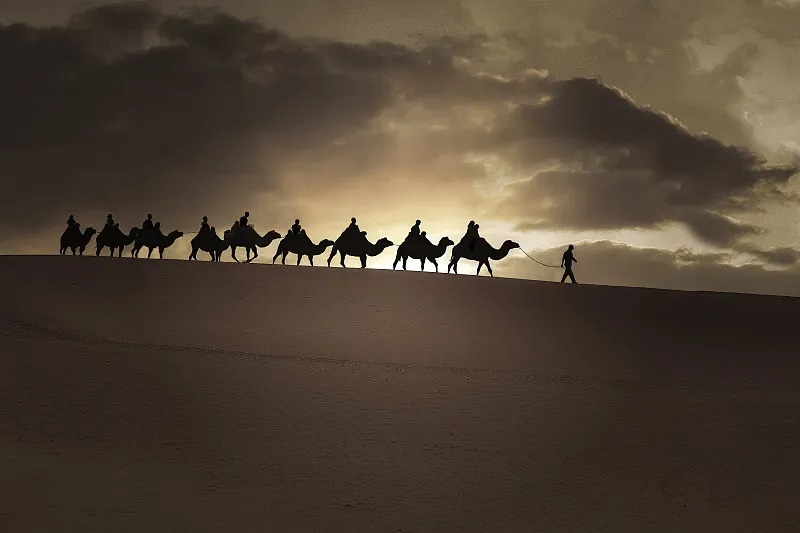
وصل طريق الحرير إلى عصره الذهبي خلال عهد أسرة تانغ القوية والمزدهرة. وأصبحت العاصمة تشانغآن أكثر المدن العالمية ازدحاما في العالم في ذلك الوقت، حيث يجتمع التجار والرهبان والمبعوثون من جميع أنحاء العالم. تصادمت وامتزجت اللغات والأديان والعادات المتنوعة هنا، وامتد طريق الحرير إلى كوريا واليابان وساحل البحر الأبيض المتوسط وشبه القارة الهندية، مشكلًا شبكة تبادل تغطي معظم القارة الأوراسية.
بالنسبة للعديد من الناس، يبقى انطباع طريق الحرير فقط مع انتشار الحرير الصيني باتجاه الغرب. ومع ذلك، فإن قيمته الأساسية كانت دائمًا هي تبادل الحضارات في الاتجاهين. إن ما سافر من الشرق إلى العالم لم يشمل فقط الحرير الرقيق والرائع، بل أيضًا الخزف الرائع والمتين، والشاي العطري، والاختراعات الأربعة العظيمة للصين القديمة التي غيرت مسار الحضارة العالمية بشكل عميق. تم إدخال صناعة الورق والطباعة والبارود والبوصلة إلى أوروبا عبر طريق الحرير، مما أدى إلى إرساء أساس تكنولوجي مهم لعصر النهضة الأوروبية وعصر الاستكشاف.
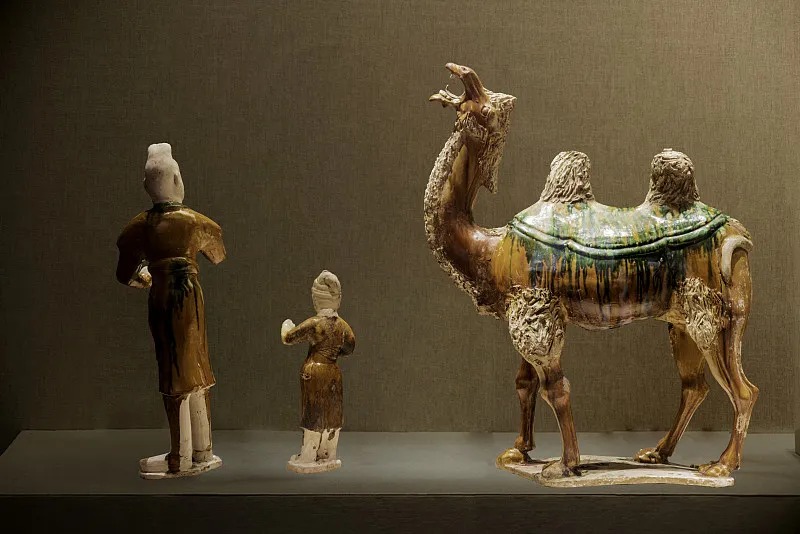
وفي الوقت نفسه، فإن ما تم جلبه إلى الصين عبر هذا الطريق كان عبارة عن منتجات وثقافات بعيدة المدى بنفس القدر. العنب والرمان والجزر والجوز، الشائعة الآن على طاولات الطعام الصينية، كلها أصلية في المناطق الغربية. تم إدخال البوذية والمسيحية النسطورية والإسلام عبر طريق الحرير، مما أثر بشكل عميق على الأنظمة الفلسفية والفنية والعقائدية في الصين. كما تم دمج علم الفلك والتقويم والطب والموسيقى والرقص من المناطق الغربية في الحضارة الصينية، مما ضخ حيوية لا نهاية لها في تنوع وشمولية الثقافة الصينية.
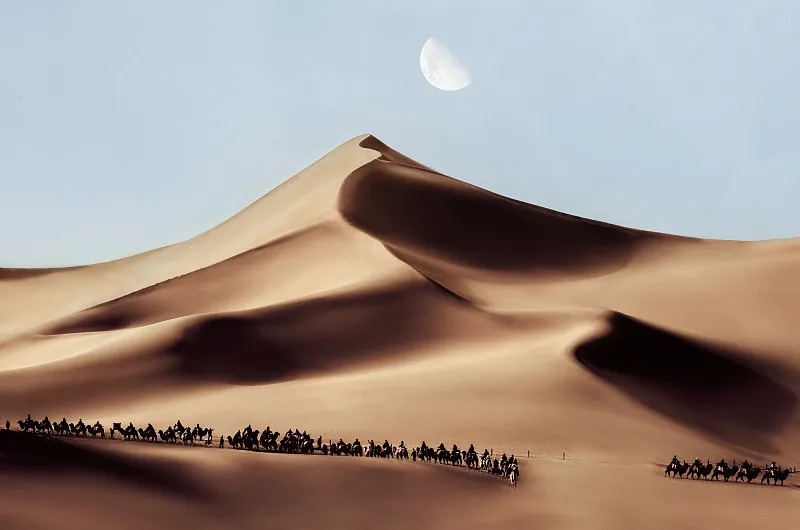
إن ما تركه طريق الحرير وراءه ليس مجرد سجلات في الكتب التاريخية، بل أيضًا تراثًا ثقافيًا حيًا لا يحصى. وتعد كهوف موغاو في دونهوانغ أفضل شهادة: فالجداريات والمنحوتات المرسومة في الكهوف تجمع بين التقنيات الفنية الصينية التقليدية والأساليب الفنية من الهند وبلاد فارس وحتى اليونان. لقد تجاوزت صورة أبسارا الطائرة الحدود الوطنية، وأصبحت كلاسيكية أبدية لتكامل الفن الشرقي والغربي. إن الروح الأساسية لهذا الطريق لم تكن قط الغزو والنهب، بل السلام والتعاون، والانفتاح والشمول، والتعلم المتبادل، والمنفعة المتبادلة.
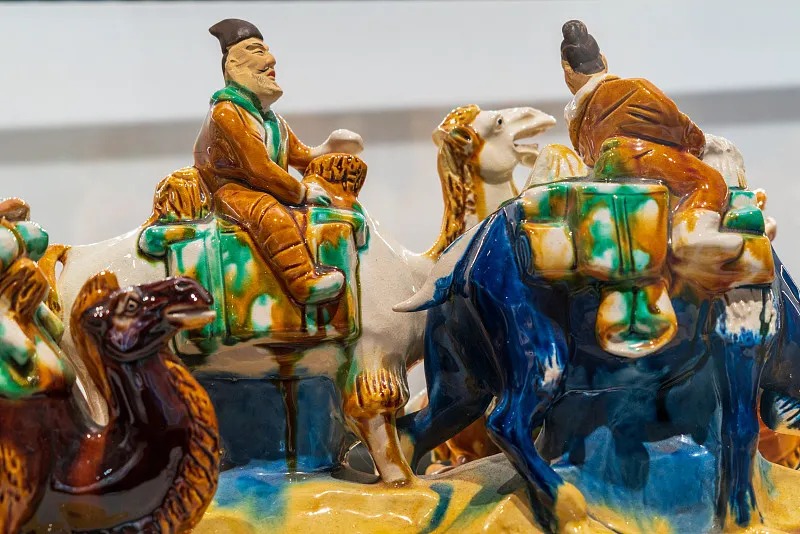
واليوم، تلاشى الرخاء القديم لطريق الحرير البري مع عصر الاستكشاف، لكن روح الحوار الحضاري الذي يحمله لم تختف أبدا. إن مبادرة الحزام والطريق التي اقترحتها الصين هي على وجه التحديد إرث وتسامي روح طريق الحرير. إن طريق الحرير في العصر الجديد هذا، مع وسائل النقل الأكثر ملاءمة والتعاون الأكثر انفتاحا، يعيد ربط البلدان في جميع أنحاء آسيا وأوروبا وأفريقيا، ويجدد التبادل الحضاري الذي دام آلاف السنين.
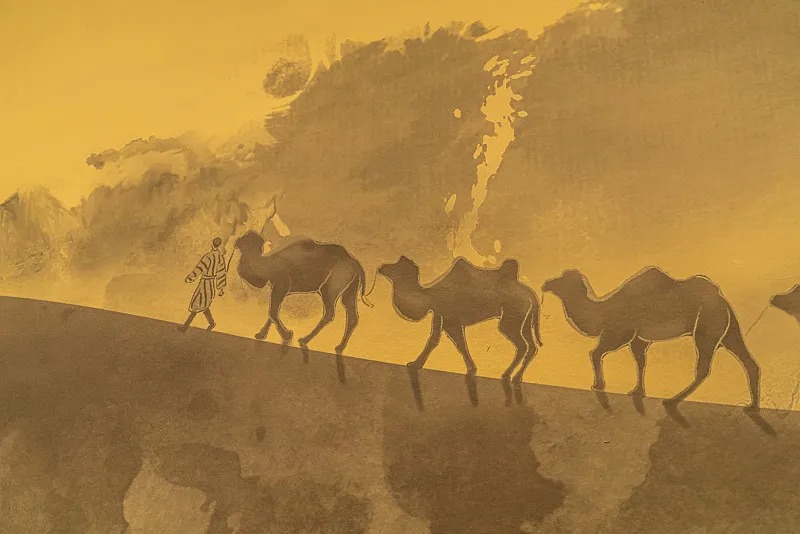
لقد مر أكثر من ألفي عام، واختفت أجراس الجمال في الصحراء منذ فترة طويلة، لكن القناعة التي تناقلتها طريق الحرير لم تتغير أبدا: الحضارات لا تتطور أبدا في عزلة. إن الانفتاح والشمول والتعلم المتبادل هو وحده القادر على جعل الحضارة الإنسانية لا نهاية لها. وهذا الطريق الممتد لآلاف السنين ليس فقط تراثًا تاريخيًا للصين، ولكنه أيضًا ثروة روحية مشتركة للبشرية جمعاء.