إنجليزي
 فرنسي
فرنسي إسباني
 روسية
روسية عربي
عربي إيطاليا
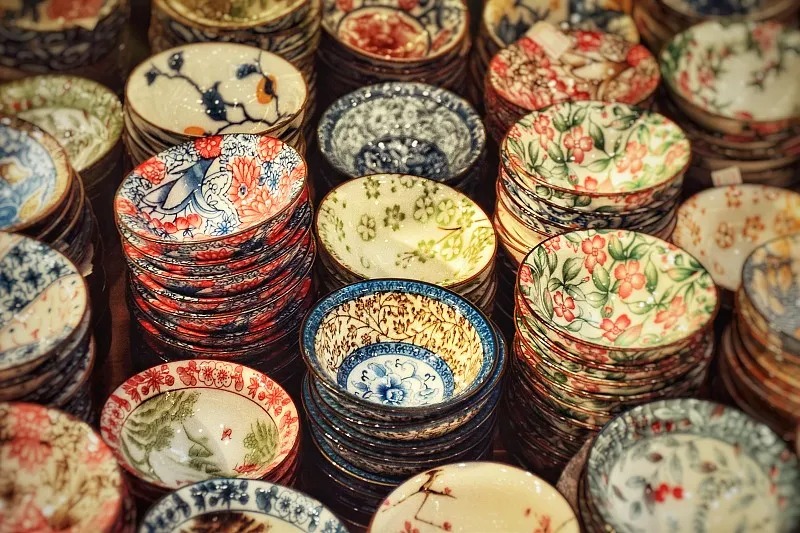
الفن الصيني كنز شرقي محفور بالشفرة الوراثية للحضارة الصينية. لقد توارثها آلاف السنين، وهي تفتخر بالتميز الحرفي المشهور عالميًا، فضلاً عن الجوهر الروحي الفريد والسعي الجمالي للشعب الصيني. ضمن الطيف الرائع للفن الصيني، يعد الخزف بلا شك الرمز الأساسي الذي يحظى بأعلى تقدير عالمي والإنجاز الأكثر تمثيلاً للحضارة الصينية. وفي اللغة الإنجليزية تحمل كلمة "الصين" معنى مزدوجا: البلد نفسه، والخزف. يجسد هذا المعنى المزدوج الدقيق العلاقة العميقة بين الخزف والثقافة الصينية. تم تطوير الخزف الصيني على مدار أكثر من 3000 عام، وشكل نظامًا سيراميكيًا كاملاً ومتنوعًا ومتطورًا للغاية، والذي يمكن تقسيمه إلى أربع فئات أساسية وفقًا لتقنية التزجيج وفترة الحرق والسمات الوظيفية. وتتميز كل فئة بخصائص جمالية ومعايير فنية وقيمة تاريخية مميزة، وتشكل معًا فصلاً رائعًا في تاريخ الفن الصيني.
I. الخزف الصقيل أحادي اللون: أصل الخزف الصيني وقمة الجماليات البسيطة
يعد الخزف المزجج أحادي اللون أقدم نوع ناضج من الخزف الصيني، والتجسيد النهائي للمفهوم الجمالي الصيني المتمثل في "الانسجام بين الإنسان والطبيعة". إنه يعرض جمال الوعاء بلون مزجج واحد فقط، مع متطلبات صارمة للغاية لجسم الطين، وتركيبة التزجيج، ودرجة حرارة الحرق. يُعرف باسم "البساطة في الخزف"، وهو نموذج لجماليات الحد الأدنى في الفن الصيني.
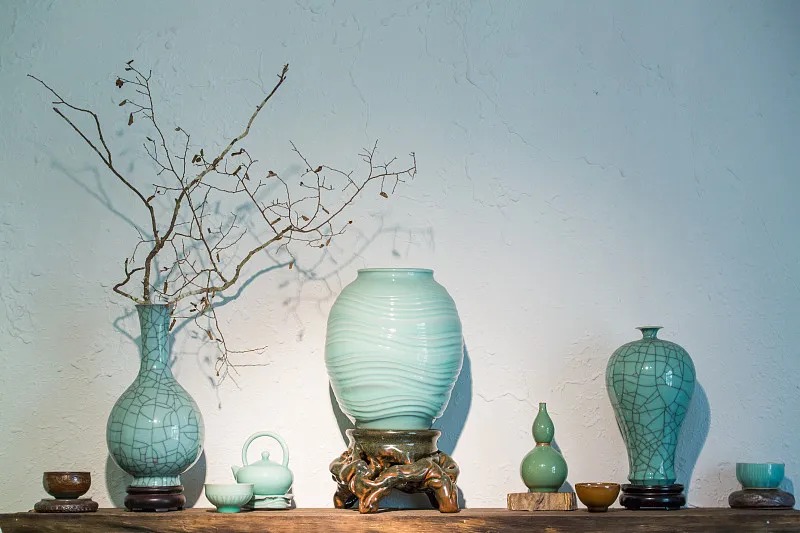
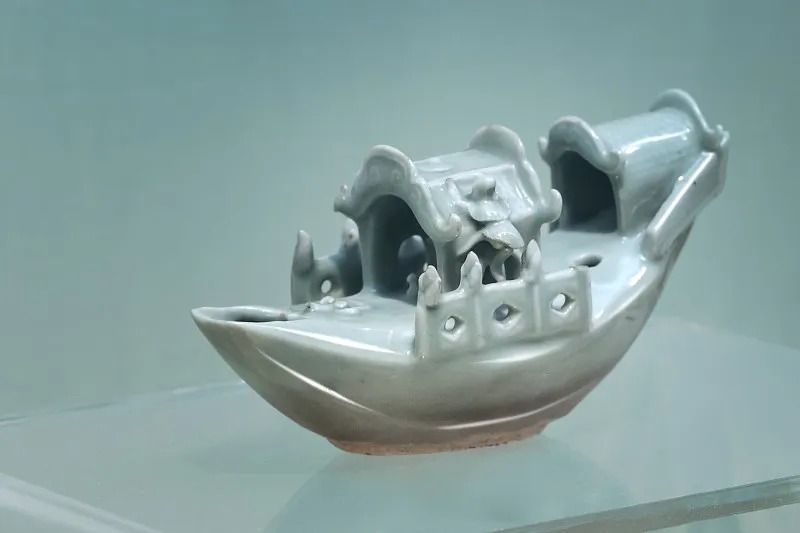
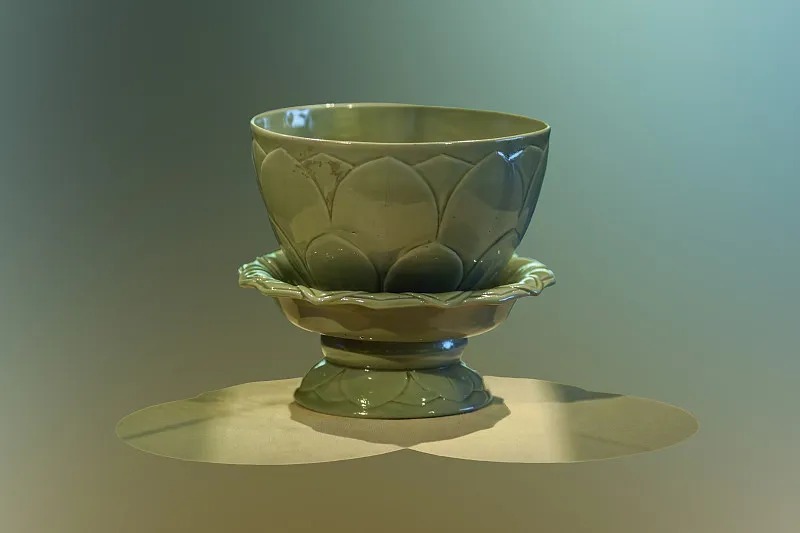
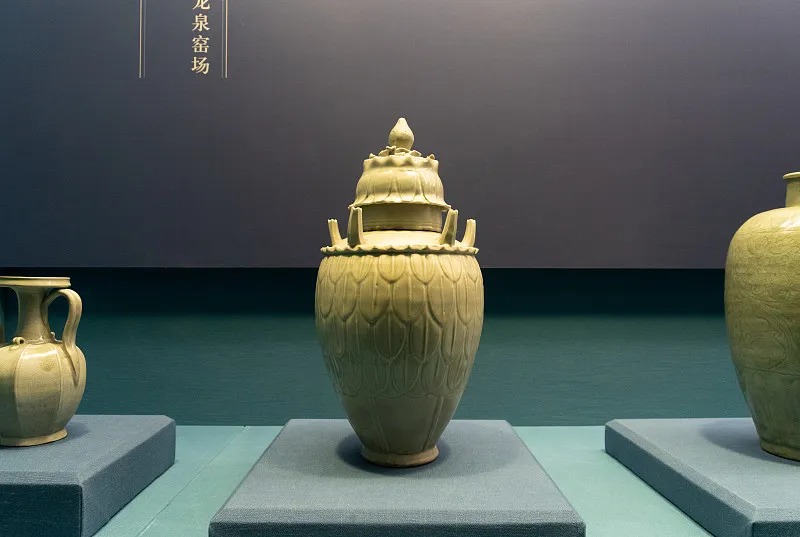
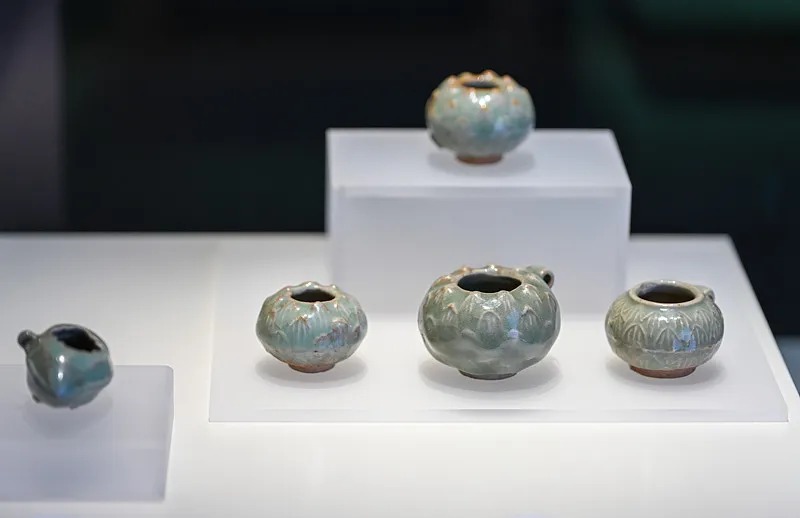
سيلادون، المعروف باسم "سلف" الخزف الصيني، تم إطلاق السيلادون الناضج لأول مرة في عهد أسرة هان الشرقية، مما يجعله أطول فئة من الخزف المنتج بشكل مستمر. يستخدم الحديد باعتباره الملون الرئيسي، ويتم إطلاقه في لهب اختزال لإنتاج لون أخضر فيروزي، مع السعي الأساسي للحصول على ملمس دافئ يشبه اليشم يوصف بأنه "مثل الجليد، مثل اليشم".
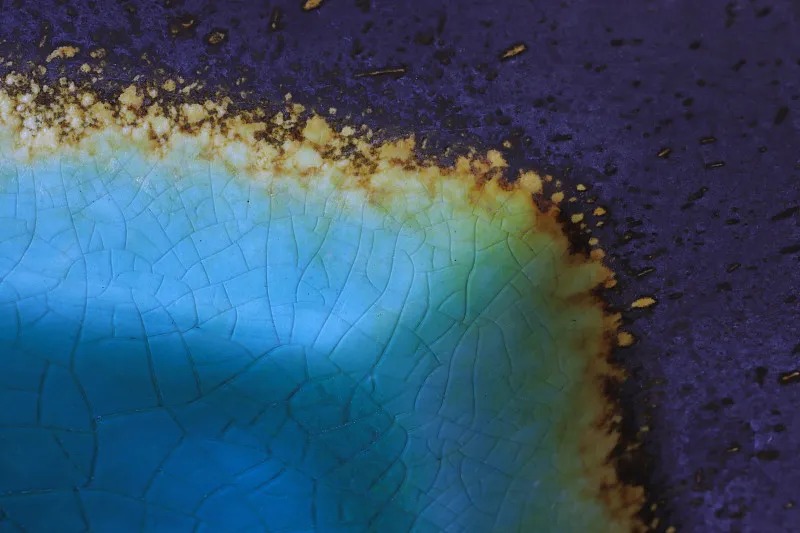
الممثلون الكلاسيكيون: سيلادون ملون سري من فرن يو كيلن لأسرة تانغ (حصريًا للعائلة المالكة، مع قطع الذروة المكتشفة من قصر معبد فامن تحت الأرض، الذي يتميز بطبقة زجاجية واضحة مثل مياه الخريف)؛ سيلادون سلالة سونغ لونغتشيوان كيلن (مع اللون الأخضر الفاتح والأخضر البرقوقي كطبقة زجاجية عالية الجودة، تم تصديره على نطاق واسع إلى الخارج خلال أسرتي سونغ ويوان كسلعة أساسية على طريق الحرير البحري)؛ سيلادون من عهد أسرة سونغ (أول الأفران الخمسة الكبرى، المشهور بتزجيجه باللون الأزرق السماوي الموصوف بأنه "لون السماء بعد المطر، عندما تتكسر السحب". مصنوع من العقيق الممزوج بالتزجيج، وقد نجا أقل من 100 قطعة حتى يومنا هذا، مما يجعله أسطورة في تاريخ الخزف العالمي). بالإضافة إلى ذلك، ينتمي سيلادون غوان كيلن وجي كيلن من أسرة سونغ أيضًا إلى نظام السيلادون. كانت شركة Ge Kiln رائدة في الجمالية الصينية للنقص بنمطها الطبيعي المتشقق المعروف باسم "الخيوط الذهبية والخطوط الحديدية".
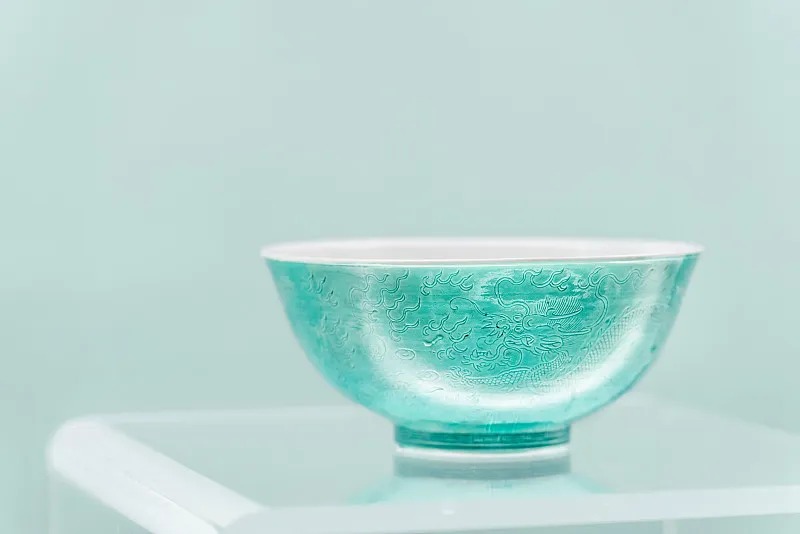
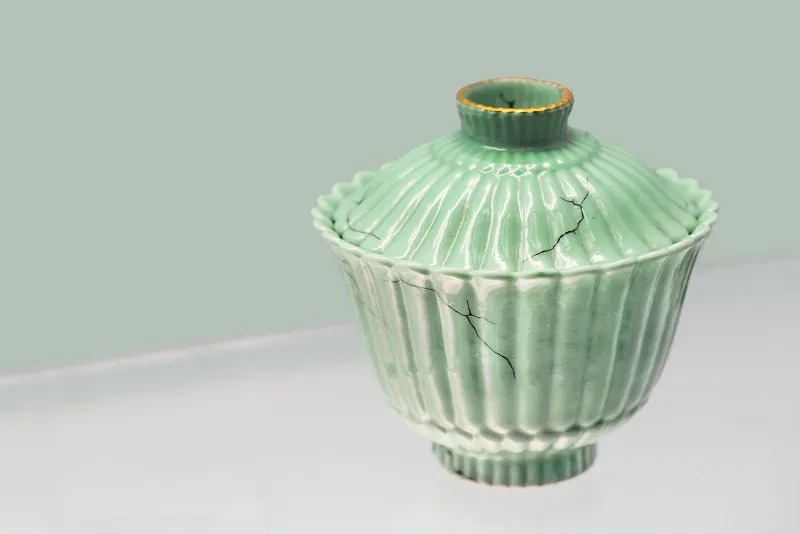
الخزف الأبيض علامة بارزة في تطور الخزف الصيني، فقد كسر احتكار السيلادون الذي دام قرونًا. ظهرت لأول مرة في عهد أسرة تشي الشمالية ونضجت بالكامل في أسرتي سوي وتانغ. جوهر إنتاجه هو تقليل محتوى الحديد في الجسم وتزجيجه لإطلاق طلاء أبيض نقي، والذي وضع أيضًا الأساس الأساسي لتطوير الخزف الملون في الأجيال اللاحقة.
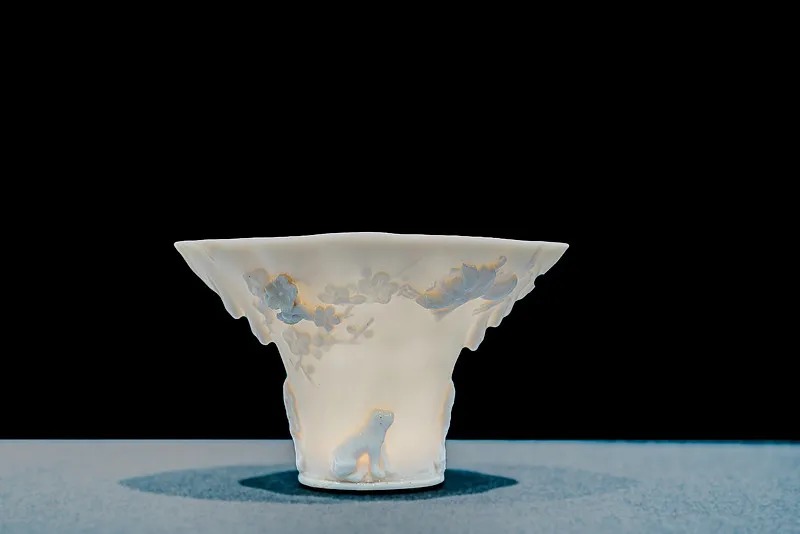
الممثلين الكلاسيكيين: الخزف الأبيض من عهد أسرة تانغ Xing Kiln (جوهر نمط "السيلادون الجنوبي والأبيض الشمالي"، مع طلاء زجاجي "مثل الفضة، مثل الثلج"، وهو بمثابة الخزف الرسمي لأسرة تانغ وأقدم الخزف الأبيض المُصدَّر)؛ الخزف الأبيض من عهد أسرة سونغ دينغ كيلن (فئة الخزف الأبيض الوحيدة بين الأفران الخمسة الكبرى، ذات جسم طيني ناعم وتزجيج أبيض عاجي دافئ، مشهور بزخارفه المنحوتة والمطبوعة، ويستخدم كخزف إمبراطوري لعائلة سونغ الشمالية المالكة)؛ الخزف الأبيض الحلو في عهد أسرة مينغ يونغله (قمة صناعة الخزف الأبيض، بجسم رقيق مثل جناح الزيز، شفاف تحت الضوء، وطبقة زجاجية دافئة كريمية، يُشار إليها باسم "أبيض مثل الثلج المتراكم، نقي مثل الدهون المتجمدة").
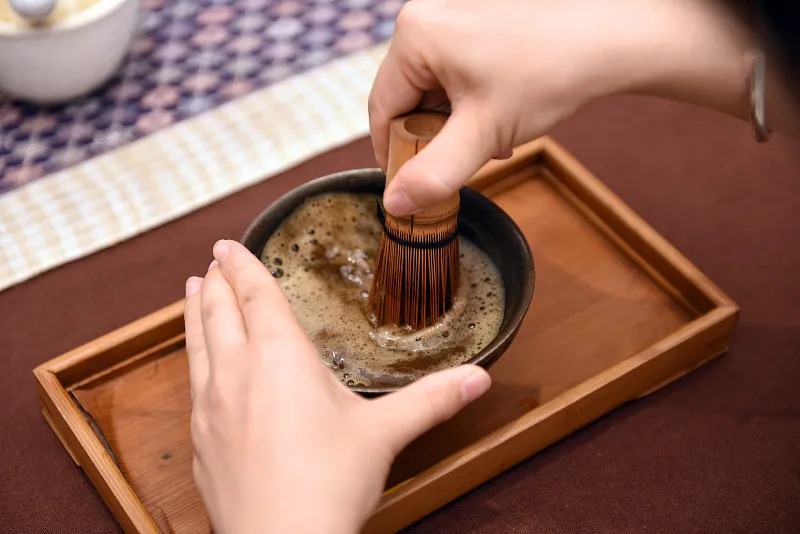
الخزف الأسود المصقول باستخدام الحديد كمادة تلوين، يتم تسخينه عند درجة حرارة عالية لإنتاج سطح زجاجي أسود نقي. ظهرت لأول مرة في عهد أسرة هان الشرقية ووصلت إلى ذروتها في عهد أسرة سونغ بسبب شعبية مسابقة الشاي المخصصة، لتصبح فئة أدوات الشاي الأساسية التي تسعى إليها المجموعات الشعبية والأدبية في عهد أسرة سونغ.
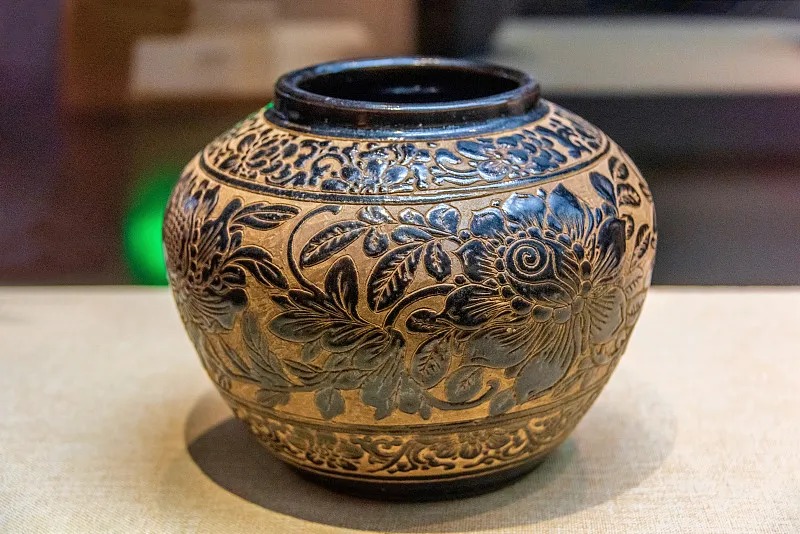
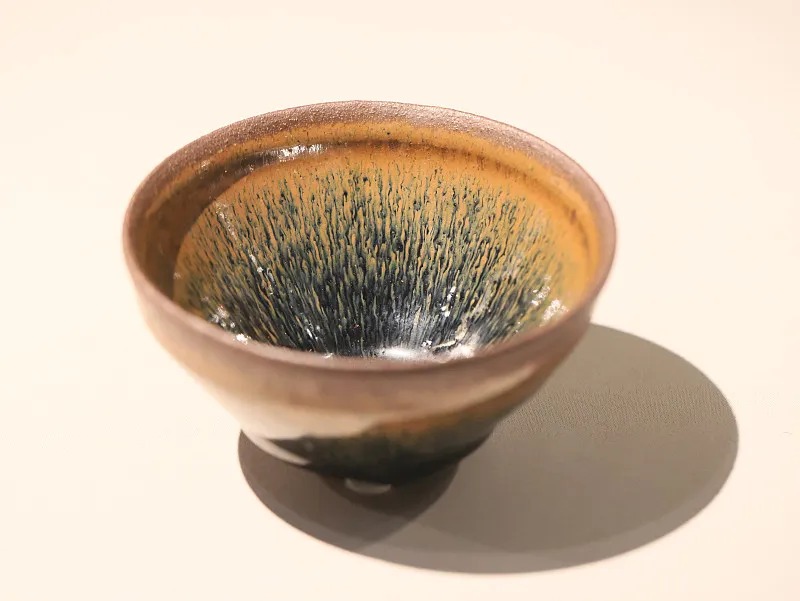
الممثلون الكلاسيكيون: أوعية شاي جيانزان من أسرة سونغ جيان كيلن (قمة الخزف الأسود المصقول، مع فراء الأرنب، وبقعة الزيت، ويوهين تينموكو كفئات من الدرجة الأولى. ومن بينها، لم يبق في العالم سوى ثلاثة أوعية ونصف كاملة من أوعية يوهين تينموكو، وهي مدرجة على أنها كنوز وطنية لليابان. ويمثل سطحها الزجاجي تقزحًا ملونًا تحت الضوء، مع صعوبة عالية للغاية في الحرق)؛ بورسلين Jizhou Kiln الأسود (يتميز بأوعية الشاي الورقية والأوعية المزخرفة بقطع الورق، والتي تطلق أوراقًا طبيعية على السطح الزجاجي، مما يخلق أنماطًا فريدة لا مثيل لها، ومليئة بخصائص الفن الشعبي).
الخزف المزجج أحادي اللون المميز وصلت حرفية التزجيج أحادي اللون إلى ذروتها في عهد أسرتي مينغ وتشينغ، مما أدى إلى ظهور العديد من التحف الفنية المتوارثة، بما في ذلك الخزف المزجج الأحمر مع النحاس كملون (أحمر لانغياو، أحمر جي / الأحمر القرابين، المعروف باسم "كنز بين آلاف الأفران" بسبب صعوبة حرقه الشديدة، يستخدم حصريًا للتضحيات الملكية)، خزف جي الأزرق المزجج مع الكوبالت مثل الملون، طلاء غبار الشاي، والتزجيج الأحمر القرمزي، كلها فئات كلاسيكية من أفران مينغ وتشينغ الرسمية.
ثانيا. الخزف الأزرق والأبيض: "الرمز الوطني" للخزف الصيني، الفئة الأكثر شهرة على مستوى العالم
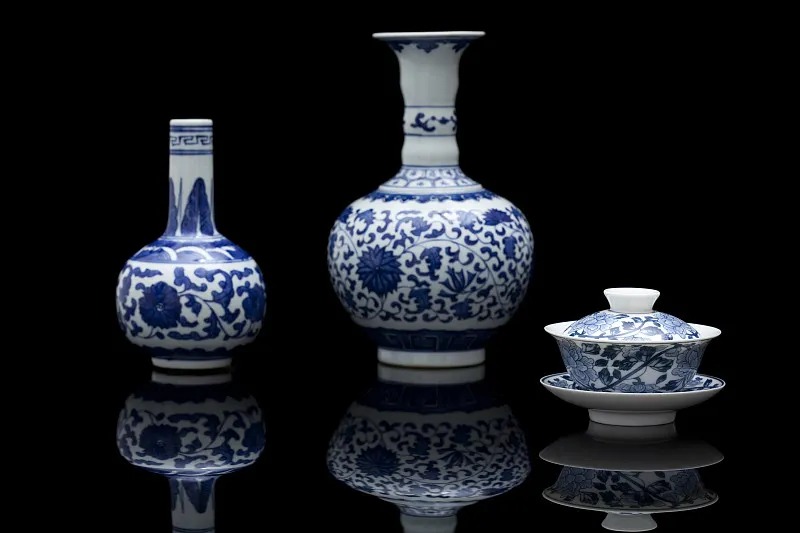
ينتمي الخزف الأزرق والأبيض إلى الخزف المزخرف تحت التزجيج، وهو الفئة الأكثر تمثيلاً للخزف الصيني، فضلاً عن فئة الفن الصيني الأكثر انتشارًا حول العالم. وهو مطلي بصبغة الكوبالت على جسم الخزف غير المزجج، ومغطى بطبقة من التزجيج الشفاف، ويتم تسخينه في خطوة واحدة عند درجة حرارة عالية تبلغ حوالي 1300 درجة مئوية. الأنماط الزرقاء والبيضاء لا تبهت أبدًا، فهي تجمع بشكل مثالي بين التطبيق العملي والفني. منذ أن نضجت في عهد أسرة يوان، احتلت منذ فترة طويلة المكانة السائدة للخزف الصيني، وتم تصديرها إلى الشرق الأوسط وأوروبا عبر طريق الحرير البحري، لتصبح الرمز الأساسي للثقافة الصينية التي تنتقل إلى العالمية.
لقد مر تطوير الخزف الأزرق والأبيض بعدة مراحل ذروة، مع الفئات الكلاسيكية الأساسية على النحو التالي:
1. الخزف الأزرق والأبيض في عهد أسرة يوان
لقد كان معلمًا بارزًا في نضج الخزف الأزرق والأبيض، حيث كسر تقليد الخزف العادي الذي كان سائدًا في عهد أسرتي تانغ وسونغ. يستخدم مادة الكوبالت "Suma-liqing" المستوردة، مع لون غني ومشرق وعلامات بقع من الحديد الطبيعي. الأوعية كبيرة وممتلئة، مع طبقات غنية من الزخارف، تغطي موضوعات مثل قصص الشخصيات والمناظر الطبيعية والزهور والطيور. يعد العمل التمثيلي، جرة Guiguzi Descending the Mountain، عملاً فنيًا رفيع المستوى في سوق الفن العالمي.
2.Yongle وXuande Era الخزف الأزرق والأبيض
الفرن الرسمي باللونين الأزرق والأبيض من فترتي يونغلي وزوانده في عهد أسرة مينغ، والمعروف باسم "العصر الذهبي للأزرق والأبيض". واستمرت في استخدام مادة كوبالت سوما ليكينج، ذات اللون الغني والثابت، والأشكال الكبيرة والمنتظمة، والزخارف الرائعة والقوية، لتكون بمثابة معيار للخزف الرسمي باللونين الأزرق والأبيض.
3. عصر تشنغهوا الخزف الأزرق والأبيض
خلال فترة تشنغهوا من أسرة مينغ، تحولت إلى مادة الكوبالت بينجدينجتشينغ المحلية، ذات اللون الأنيق والناعم، والجسم الرقيق والحساس، والأسلوب الجديد والأنيق، مما يشكل تباينًا حادًا مع النمط القوي والفخم ليونغلي وشواندي الأزرق والأبيض. إنه ممثل نموذجي لجماليات الأدب في عهد أسرة مينغ.
4. عصر كانغشي الخزف الأزرق والأبيض
يعتبر ذروة الخزف الأزرق والأبيض في عهد أسرة تشينغ، وكان رائدا في تقنية "فصل الماء"، التي يمكنها تقسيم اللون الأزرق والأبيض إلى ما يقرب من عشرة ظلال من الضوء والظلام، مع تأثير قوي ثلاثي الأبعاد، المعروف باسم "الأزرق والأبيض بخمسة ألوان". إنه يحتوي على مجموعة واسعة من المواضيع، وهو ذروة الحرفية باللونين الأزرق والأبيض في عهد أسرة تشينغ.
ثالثا. الخزف الملون: مثال لمهارة صناعة الخزف الصيني، الذروة الفنية الرائعة
الخزف الملون عبارة عن خزف حرفي مركب تم تطويره على أساس التزجيج الأحادي اللون والخزف الأزرق والأبيض، وينقسم بشكل أساسي إلى ثلاث فئات: الزخرفة تحت التزجيج، والزخرفة فوق التزجيج، والجمع بين الزخرفة تحت التزجيج والزخرفة فوق التزجيج. لقد كسر حدود اللون الزجاجي الأحادي واللونين الأزرق والأبيض، وقدم تأثيرات فنية بألوان غنية وزخارف مطلية. وصلت إلى ذروتها التكنولوجية في سلالات مينغ وتشينغ، وهي فئة شاملة من الخزف الصيني، فضلا عن نموذج للتكامل المثالي بين جماليات الفرشاة الدقيقة وحرفية السيراميك في الفن الصيني.
1.دوكاي (الألوان المتنافسة)
فئة كلاسيكية تجمع بين الألوان الزرقاء والبيضاء المزججة والألوان المزججة. أولاً، تم رسم الخطوط العريضة للزخرفة باللونين الأزرق والأبيض على الجسم؛ بعد الحرق في درجة حرارة عالية، يتم ملء الألوان الخمسة بالمخطط الأزرق والأبيض على التزجيج، ثم يتم حرقها مرة أخرى عند درجة حرارة منخفضة. الحرفية معقدة، والألوان مشرقة وحيوية. ذروتها هي Chenghua doucai من أسرة مينغ، مع العمل التمثيلي لكأس دجاج Chenghua doucai. إنها صغيرة ورائعة، وهي قطعة فرن رسمية من الدرجة الأولى، وهناك مقولة منذ العصور القديمة مفادها أنه "من الصعب شراء كوب دجاج تشنغهوا حتى بألف قطعة من الذهب".
2.Wucai (خمسة ألوان / الألوان القديمة / الألوان الصلبة)
خزف كلاسيكي ملون مزجج، يستخدم بشكل أساسي الألوان الأحمر والأخضر والأصفر والأزرق والأرجواني وغيرها من الألوان، ويتم رسمه على الخزف الأبيض المحروق، ثم يتم تسخينه مرة ثانية عند درجة حرارة منخفضة. الألوان قوية وغير مقيدة، بأسلوب مشرق وجريء. تعد جياجينغ ووانلي ووكاي من أسرة مينغ وكانغشي ووكاي من أسرة تشينغ من ذروة الأعمال، وهي واحدة من أكثر فئات الخزف الملون شيوعًا في أسرتي مينغ وتشينغ.
3.Falangcai (بورسلين مطلي بالمينا / بورسلين مطلي بالمينا)
الخزف الملون عالي الجودة للأفران الرسمية لأسرة تشينغ، والمعروف باسم "الفرن الرسمي بين الأفران الرسمية". تم تقديمه من تقنيات طلاء الجسم النحاسي الغربي في فترة كانغشي، وتم زرعه في الجسم الخزفي للاستخدام الملكي حصريًا، ونادرًا ما يتم تداوله بين الناس. مواد التزجيج نادرة وثمينة، وجميع اللوحات تم تنفيذها على يد رسامين من أعلى المستويات، بألوان زاهية وكاملة ومهارات رسم رائعة للغاية، والتي يمكن أن تعيد إنتاج سحر الفرشاة لأعمال الخط والرسم بشكل مثالي. تعتبر سلالات كانغشي ويونغ تشنغ وتشيان لونغ الثلاث ذروة صناعتها، وهي سقف صناعة الخزف الصيني الملون.
4.Famille Rose (الألوان الناعمة)
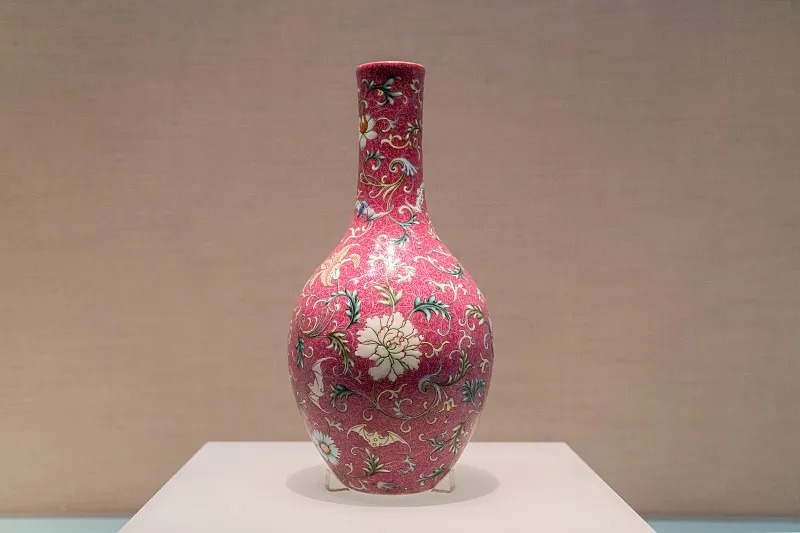
فئة الخزف الملون الأكثر شيوعًا في عهد أسرة تشينغ، ظهرت في أواخر فترة كانغشي ووصلت إلى ذروتها في فترة يونغ تشنغ. بالاعتماد على تقنية بورسلين المينا، فإنه يستخدم "الأبيض الزجاجي" كقاعدة، ويمكن أن تحقق الألوان انتقالًا متدرجًا ناعمًا، مع ملمس دافئ ورقيق، وتأثير قوي ثلاثي الأبعاد، وأسلوب أنيق وناعم، مما يشكل تباينًا حادًا مع ألوان wucai القوية. تحتوي على مجموعة واسعة من المواضيع، بدءًا من المناظر الطبيعية والزهور والطيور وقصص الشخصيات وحتى الأنماط الميمونة. إنه يتمتع بالروعة المطلقة للأفران الرسمية الملكية والسحر الواقعي للأفران الشعبية، وهو فئة الخزف الملون الأكثر انتشارًا وشعبية.
5.جوانجكاي (مينا كانتون)
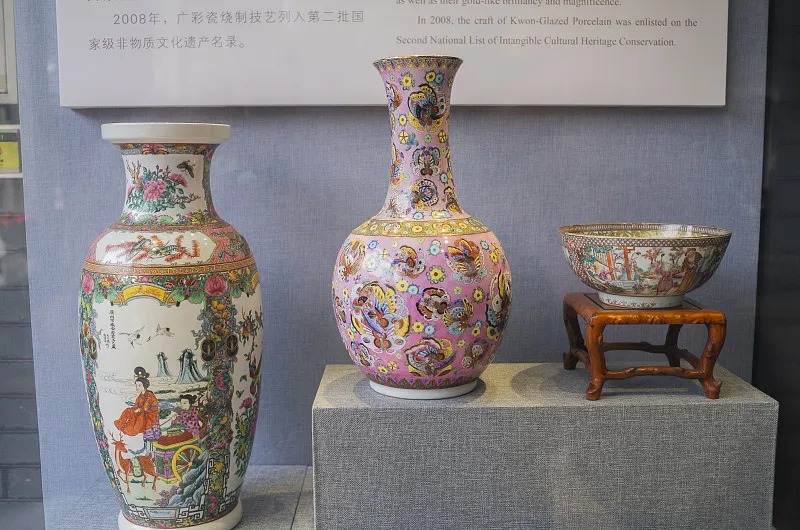
تصدير الخزف الملون المخصص خصيصًا للأسواق الخارجية في عهد أسرة تشينغ، مع اعتبار مدينة قوانغتشو مركز الإنتاج والمبيعات الأساسي. فهو يدمج الأساليب الجمالية الصينية والغربية، مع الألوان الغنية والكاملة، والزخارف المعقدة والرائعة، وعدد كبير من تقنيات الرسم الغربية والموضوعات الغريبة. إنها الفئة الأساسية لتجارة الخزف على طريق الحرير البحري في عهد أسرة تشينغ، وكانت تحظى بشعبية كبيرة بين العائلات المالكة والأرستقراطيين في أوروبا.
رابعا. فئات البورسلين الكلاسيكي المميزة
بالإضافة إلى الفئات الأساسية المذكورة أعلاه، هناك العديد من فئات الخزف الكلاسيكي الفريدة في الصين، والتي تعمل معًا على إثراء كنز الفن الصيني:
1. بورسلين حبوب الأرز (بورسلين لينجلونج)
واحدة من الخزفيات الأربعة الشهيرة في جينغدتشن (الأزرق والأبيض، وحبوب الأرز، والورد العائلي، والتزجيج الملون). إنه ينحت ثقوبًا مجوفة على شكل حبة الأرز على الجسم الخزفي، مملوءة بطبقة زجاجية شفافة. بعد الحرق، يصبح الوعاء شفافًا ودقيقًا بشكل رائع، ويجمع بين أناقة اللونين الأزرق والأبيض وروعة التجويف. إنها فئة كلاسيكية من أفران مينغ وتشينغ الرسمية.
2.Flambé Glaze (ياوبيان جليز) بورسلين
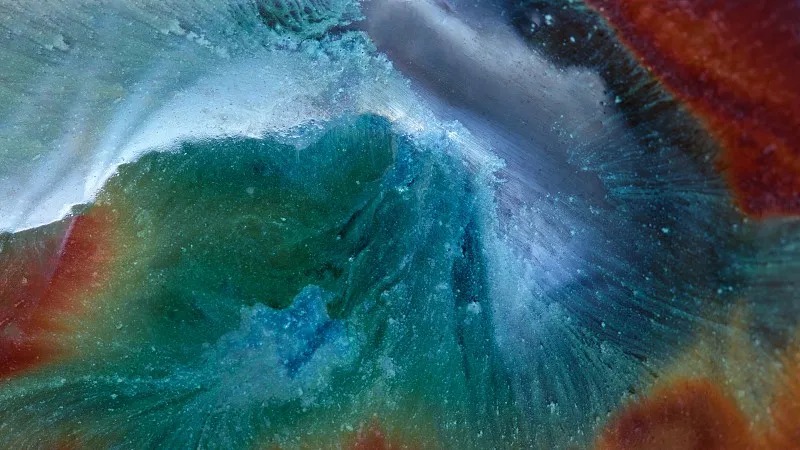
يتمثل جوهر التزجيج، الذي يمثله Jun Kiln، في أن التزجيج يخضع لعملية تحول طبيعية في الفرن أثناء الحرق في درجة حرارة عالية، مما يشكل لونًا وملمسًا مزججًا فريدًا. يوصف بأنه "لون واحد عند دخول الفرن، وعشرة آلاف لون عند ظهوره"، وكل قطعة غير قابلة للتكرار. من بينها، يعتبر فرن جون لأسرة سونغ وطبقة لانغياو الزجاجية المشتعلة من أسرة تشينغ بمثابة القمم التمثيلية.
3. النحت على البورسلين
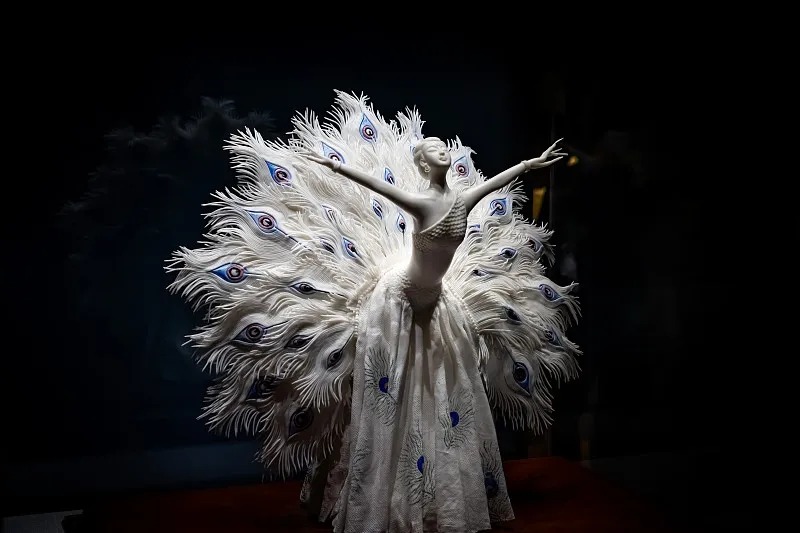
الأعمال الفنية النحتية المصنوعة من السيراميك، وتغطي العديد من الفئات مثل تماثيل بوذا، والمجسمات، والحيوانات، والزخارف. يعد النحت الخزفي في جينغدتشن هو الأكثر شهرة، حيث يتميز بحرفية رائعة يمكنها إعادة إنتاج تعبير الشخصيات وتفاصيل الأشياء بشكل مثالي. إنها فئة فريدة من الخزف الصيني الذي يجمع بين القيمة الزخرفية والفنية.
لقد كانت الروح الأساسية للفن الصيني دائمًا هي "الأوعية التي تجسد الداو". وراء التزجيج والديكور والحرفية لكل قطعة من هذه الخزفيات التي يبلغ عمرها ألف عام، يكمن تقديس الشعب الصيني للطبيعة، والتزامه بالأخلاق، وسعيه إلى تحقيق الانسجام. واليوم، يتم عرض هذه الخزفيات المتوارثة بهدوء في أفضل المتاحف في العالم مثل متحف القصر، والمتحف البريطاني، ومتحف اللوفر، ويتم تجديدها أيضًا في أيدي أجيال من حرفيي التراث الثقافي غير المادي. إنها ليست تراثًا ثقافيًا للصين فحسب، بل إنها أيضًا الثروة الروحية المشتركة للبشرية جمعاء، وتعمل كجسر عبر الحدود الوطنية وتربط الماضي بالحاضر.