
 إنجليزي
 فرنسي
فرنسي إسباني
 روسية
روسية عربي
عربي إيطاليا
قوانغتشو، عاصمة مقاطعة قوانغدونغ، هي واحدة من أهم المدن المركزية في جنوب الصين وأيضا مدينة المحرك الأساسية لمنطقة خليج قوانغدونغ وهونج كونج وماكاو الكبرى.
المعلومات الأساسية
الموقع: تقع في الجزء الشمالي من دلتا نهر اللؤلؤ، أسفل مجرى نهر اللؤلؤ، على حدود بحر الصين الجنوبي.
المساحة: حوالي 7434 كيلومتراً مربعاً.
السكان: يتجاوز عدد السكان الدائمين 18 مليون نسمة (إحدى المدن الكبرى في الصين).
الأسماء البديلة: يانغتشنغ، سويتشنغ، هواتشنغ، ويانغتشنغ.
التاريخ والثقافة
قوانغتشو هي مدينة تاريخية وثقافية صينية، يعود تاريخها إلى أكثر من 2200 عام، وهي نقطة انطلاق مهمة لطريق الحرير البحري. لقد كان ميناء مهمًا للتجارة الخارجية منذ العصور القديمة، وكان "المصنع الثلاثة عشر" في يوم من الأيام ميناء التجارة الخارجية الوحيد للصين، الذي يمتلك تقليدًا تجاريًا عميقًا وجينًا مفتوحًا.
الميزات الثقافية
تشتهر مسقط رأس الثقافة الكانتونية والأوبرا الكانتونية والموسيقى الكانتونية ومدرسة لينغنان للرسم في الداخل والخارج.
ثقافة الطهي: "الطعام في قوانغتشو" معروف جيدًا، وتم إدراج ثقافة شاي الصباح ومهارات الطبخ الكانتونية ضمن التراث الثقافي الوطني غير المادي.
المهرجان التقليدي: سوق زهور الربيع، ومهرجان بولو، وسباق قوارب التنين وغيرها من الأنشطة الشعبية الغنية والملونة.
الاقتصاد والوضع
الناتج الاقتصادي: يحتل الناتج المحلي الإجمالي باستمرار بين أفضل المدن على مستوى البلاد (يتجاوز 3 تريليون يوان في عام 2023).
مركز النقل: مع مطار بايون الدولي، أحد مراكز الطيران الرئيسية الثلاثة في الصين، ومحطة قوانغتشو الجنوبية، واحدة من أكبر محطات السكك الحديدية عالية السرعة في آسيا، فإن حركة الميناء تتصدر العالم.
المركز التجاري: يقام معرض كانتون (معرض الاستيراد والتصدير الصيني) هنا مرتين في السنة، في الربيع والخريف، منذ عام 1957. وهو الحدث التجاري الدولي الشامل الأطول عمرًا والأعلى مستوى والأوسع نطاقًا في الصين.
سيتي سكيب
مزيج حديث وتقليدي: ناطحات سحاب منطقة الأعمال المركزية في مدينة تشوجيانغ الجديدة، مع الحفاظ على عدد كبير من المباني التاريخية مثل معبد تشين كلان وشاميان وقصر شيغوان.
البناء البيئي: يشكل جبل بايون، ورحلة نهر اللؤلؤ الليلية، وأراضي هايتشو الرطبة، وما إلى ذلك نمط "الجبل - المياه - المدينة - الحقل - البحر"، الذي حصل على لقب "مدينة الحدائق الدولية".
حيوية الابتكار: تزدهر منطقة باتشو التجريبية للذكاء الاصطناعي والاقتصاد الرقمي وغيرها من التجمعات الصناعية الناشئة، حيث تضم العديد من الجامعات والمؤسسات البحثية.
تلخيص
قوانغتشو، عاصمة تجارية عمرها ألف عام، تجمع بين العمق التاريخي والحيوية الحديثة. ومن خلال موقف منفتح وشامل وروح عملية ومغامرة، تواصل قيادة التنمية الاقتصادية والثقافية في جنوب الصين. سواء كنت تتذوق المأكولات الكانتونية الأصيلة، أو تتجول في شوارع الممرات القديمة، أو تشعر بالنبض المبتكر لمدينة من الدرجة الأولى، فإن قوانغتشو تقدم تجارب فريدة وغنية.
1. معبد عائلة تشين (أكاديمية تشين)
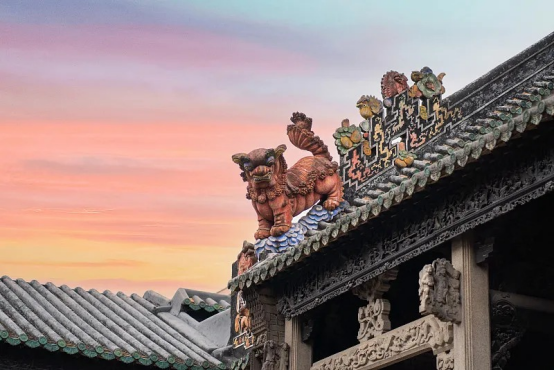
تم تشييد هذه التحفة المعمارية في عام 1888 في عهد جوانجكسو من أسرة تشينغ، وكانت عبارة عن مشروع مشترك بين عشيرة تشين من اثنتين وسبعين مقاطعة عبر مقاطعة قوانغدونغ، وتم الانتهاء منها بعد سبع سنوات من البناء. ويتميز بتصميم "ثلاثة أفنية، وثلاثة ممرات، وتسع قاعات، وجناحين"، ويمتد على مساحة 15000 متر مربع. يشتهر المجمع بـ "المنحوتات الثلاثة، ومنحوتتين، وصب واحد، ولوحة واحدة"، ويعرض منحوتات خشبية رائعة لـ "تنصيب الآلهة"، ومنحوتات حجرية لفواكه لينغنان، ومنحوتات من الطوب لـ "تجمع أبطال ليانغشان"، وزخارف من التلال الخزفية تصور "الخالدون الثمانية يعبرون البحر"، ومنحوتات جبسية من الزهور والطيور والحشرات والأسماك، ودرابزين من الحديد المصبوب بعنوان "جينيو" مانتانغ" (اليشم الذهبي يملأ القاعة). يتم الاحتفال به باعتباره "لؤلؤة الفن المعماري لينغنان".
2. برج كانتون (الخصر الصغير)
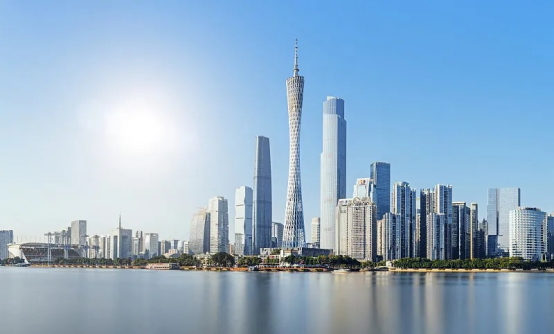
ويبلغ ارتفاعه الإجمالي 600 متر، وهو الأول في الصين والثالث في العالم لأبراج المراقبة السياحية. تم تصميمه من قبل شركة ARUP ومقرها المملكة المتحدة، ويتميز بتصميم "الخصر النحيف والصعود الحلزوني". تعد منصة المراقبة الخارجية التي يبلغ طولها 488 مترًا هي الأطول في العالم؛ تعد عجلة فيريس التي يبلغ طولها 450 مترًا أطول عجلة فيريس أفقية في العالم؛ تتميز قاعة مراقبة White Cloud Starry Sky التي يبلغ طولها 433 مترًا بأرضية زجاجية شفافة بالكامل؛ يوفر المطعم الدوار المكون من 107 طابق إطلالة بزاوية 360 درجة. وممر سبايدر مان هو أطول وأطول ممشى جوي في العالم. يعد عرض الضوء الليلي علامة بارزة في مدينة قوانغتشو.
3. جزيرة شاميان
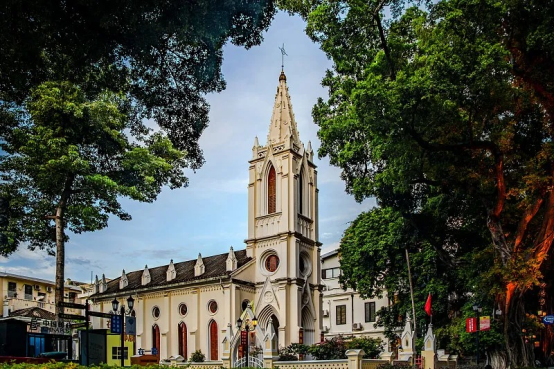
تمت استعادة الامتيازات البريطانية والفرنسية، التي تأسست بعد حرب الأفيون الثانية في عام 1859، في عام 1946. وتحتفظ المنطقة بأكثر من 150 مبنى على الطراز الأوروبي، بما في ذلك القنصلية البريطانية على الطراز الباروكي الجديد (1865)، وكنيسة لود الكاثوليكية ذات النهضة القوطية (1889)، ومساكن الشركات الأجنبية على طراز الممرات، وموقع بنك HSBC الكلاسيكي الجديد. وتمثل أكثر من 100 شجرة قديمة، يتراوح عمرها بين 100 و300 عام، معالم تاريخية. وكان هذا أيضًا موقع "مذبحة شاكي" عام 1925.
4. كاتدرائية شينغشين
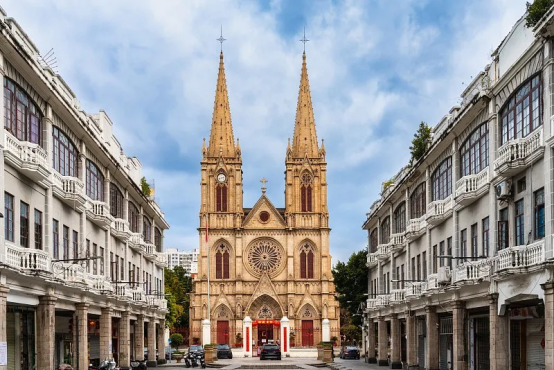
واحدة من الكنائس القوطية الأربع الحجرية بالكامل في العالم، تم بناؤها في البداية في عام 1863 واستغرق إكمالها 25 عامًا. صممه المهندس المعماري الفرنسي مينغ جيزانغ، ويبلغ ارتفاعه 58.5 مترا. جميع الجدران والأعمدة مبنية بالجرانيت من كولون، هونج كونج، باستخدام زيت التونغ بدلاً من الأسمنت. تتميز الأبراج المزدوجة بأقواس مدببة ودعامات طائرة، مع نوافذ وردية قطرها 7 أمتار ومزينة بزجاج متعدد الألوان. تم تزيين الأبواب بنقوش خشبية كانتونية من فواكه لينغنان، بينما تم تصميم فتحات التصريف على شكل الأسود الصينية.
5. يونغقينغفانغ
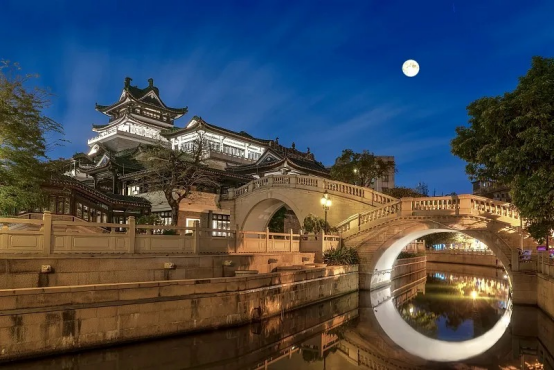
يقع هذا الموقع التاريخي على طريق إنينغ، وهو شارع الممرات الأكثر روعة في قوانغتشو، وتم بناؤه في عام 1931. وقد حافظ تجديده الجزئي في عام 2015 على الطراز المعماري الأصلي مع تعزيز السلامة الهيكلية. أثناء تفتيش الرئيس شي جين بينغ عام 2018، تم تصنيفها كمنطقة ذات مناظر طبيعية خلابة على المستوى 4A في عام 2022. تشمل مناطق الجذب الرئيسية: منزل أجداد بروس لي (مقر إقامة والده لي هاي تشيوان، وهو قصر كلاسيكي على طراز شيغوان)، وأكبر متحف للأوبرا الكانتونية في جنوب الصين، وجسر القمر (حيث يخلق انعكاس القمر المكتمل منظرًا ليليًا مذهلاً)، ومنطقة التراث الثقافي غير المادي التي تتميز بخزف غوانغكاي، وقوانغشيو. التطريز والمنحوتات العاجية والمينا ومكتبة Zhongshuge الشهيرة.
6. شارع بكين للمشاة
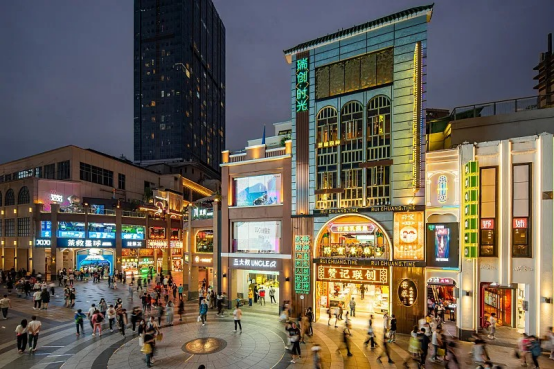
يعود تاريخ هذا الموقع إلى أسرتي تشين وهان، وقد تم إنشاء هذا الموقع باسم مدينة بانيو من قبل أسرة تشين في عام 214 قبل الميلاد. ظلت المدينة مركزًا حضريًا لأكثر من 2200 عام، وهو أمر نادر في تاريخ مدن العالم. في عام 2002، تم اكتشاف 11 طبقة من بقايا الطريق من عهد أسرة تانغ إلى فترة جمهورية الصين، وكل طبقة مرئية بوضوح تحت الممر الزجاجي. يعود تاريخ معبد بوذا العظيم، الذي بني في الأصل خلال فترة هان الجنوبية (917-971 م)، إلى ألف عام من التاريخ. وتشع تماثيل بوذا البرونزية الثلاثة، التي يبلغ ارتفاع كل منها 6 أمتار ووزنها 10 أطنان، روعة ذهبية في الليل، تذكرنا بمشاهد من فيلم "Spirited Away". يضم المعبد أيضًا مكتبة المعبد البوذي الوحيدة في مقاطعة قوانغدونغ.
7. شارع شانجشياجيو للمشاة
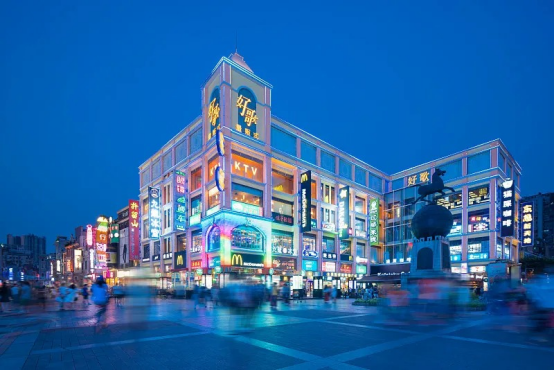
يقع هذا الشارع الأكثر سلامةً في مدينة قوانغتشو في قلب مدينة شيغوان، ويفتخر بثروة من المباني التي يعود تاريخها إلى أواخر عهد تشينغ وأوائل العصر الجمهوري. يتميز تصميم الممرات المستوحى من الأعمدة اليونانية القديمة بممرات مظللة بالشمس والمطر في الطابق الأرضي تتكيف مع مناخ لينغنان. تزدهر المنطقة بالمؤسسات العريقة: تاوتاجو (تأسست عام 1880)، أقدم مقهى ومتخصص مشهور في كعك القمر؛ Lianxianglou (1889)، المشهورة بكعك القمر المصنوع من عجينة اللوتس؛ حلويات حليب نانكسين (1934)، رواد الحليب مزدوج الطبقات وحليب الزنجبيل؛ Yinkai Char Siu (نمط حمالة الصدر char siu)؛ شنتيانجي (قارب جلد السمك اللذيذ)؛ متجر آيس كريم شونجي (آيس كريم جوز الهند)؛ وWuzhanji (zhuangyuan jidi congee، عصيدة الأرز التقليدية).
8. جبل بايون
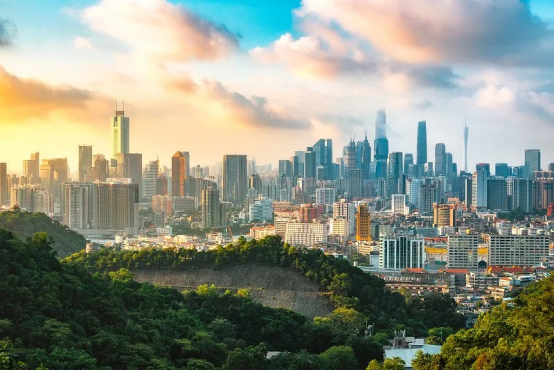
يضم جبل نانيوي الشهير، والذي يُطلق عليه اسم "عجائب يانغتشنغ الرائدة ذات المناظر الطبيعية الخلابة"، أكثر من 30 قمة مع قمته الرئيسية، موكسينغ ريدج، التي يصل ارتفاعها إلى 382 مترًا فوق مستوى سطح البحر - وهي الأعلى في منطقة قوانغتشو الحضرية. تبلغ مساحتها 28 كيلومترًا مربعًا مع تغطية خضراء تزيد عن 95%، وتُعرف باسم "رئة المدينة" في قوانغتشو. تشمل المواقع التاريخية: تراجع آن كيشينغ الكيميائي من فترة الممالك المتحاربة، وآبار جي هونغ الطبية من أسرة جين الشرقية، والتأملات الشعرية لشعراء أسرة تانغ هان يو وسو شي. تشمل مناطق الجذب الرئيسية: Moxing Ridge (أعلى قمة في الصين لمشاهدة شروق الشمس وغروبها)، ووادي Mingchun (أكبر منطقة طبيعية لمراقبة الطيور في البلاد)، ومعبد Nengren (أفضل معبد قديم محفوظ تم بناؤه خلال عصر Xianfeng من أسرة Qing)، وJiulong Spring (الأسطوري لمياهه العذبة الصافية)، وحديقة Yuntai (حديقة نباتية على الطراز الغربي).