إنجليزي
 فرنسي
فرنسي إسباني
 روسية
روسية عربي
عربي إيطاليا
1. حديقة الألفية (حديقة تشينغمينغ شانغهاي)
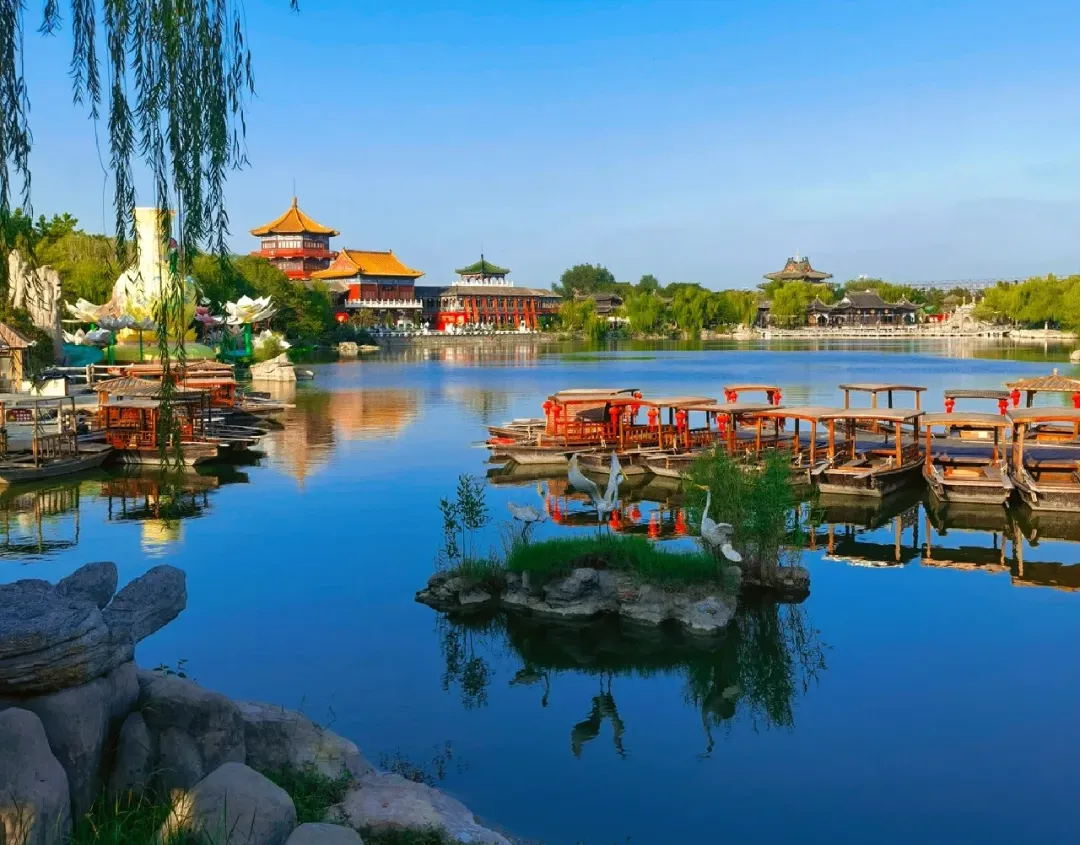
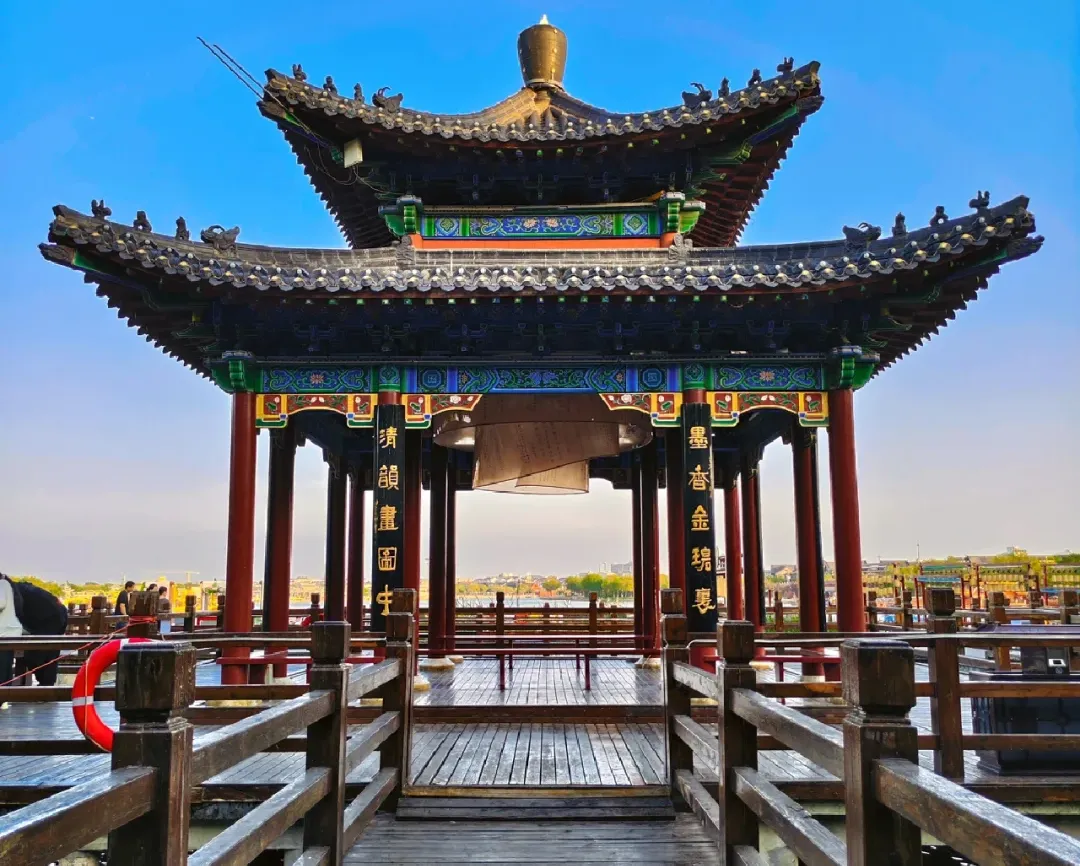
تم تصميم حديقة Qingming Shanghe على غرار لوحة Zhang Zeduan الشهيرة "على طول النهر خلال مهرجان تشينغمينغ"، وهي عبارة عن منتزه ترفيهي واسع النطاق يعيد إنتاج المشهد المزدهر لمدينة كايفنغ، عاصمة أسرة سونغ الشمالية. تبلغ مساحة الحديقة 600 مو، ويتدفق من خلالها نهر، وتم بناء الشوارع والمتاجر والمساكن ذات الطراز القديم على طول النهر. تقام العروض مثل مسيرات البلاط الإمبراطوري وعروض الفنون الشعبية وحفلات الزفاف التقليدية كل يوم في الحديقة، مما يسمح للزوار بالشعور كما لو أنهم عادوا إلى عهد أسرة سونغ الشمالية. يستخدم العرض الحقيقي الكبير "حلم العاصمة الشرقية للأغنية العظيمة" الذي يقام ليلاً تقنيات المسرح المتقدمة لتقديم صعود وسقوط أسرة سونغ الشمالية، بشكل صادم ومؤثر. بالإضافة إلى ذلك، تضم الحديقة أيضًا العديد من متاجر الوجبات الخفيفة التي تبيع وجبات كايفنغ الخفيفة التقليدية مثل الكعك المطهو على البخار مع حشو لحم الخنزير وكعك السكر المقلي، مما يجعلها مزيجًا مثاليًا من التجربة الثقافية والاستمتاع بالطعام.
2. محافظة كايفنغ
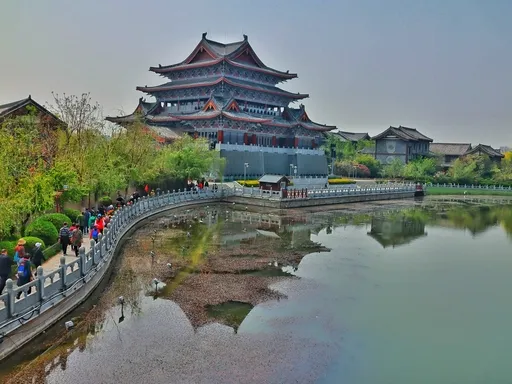
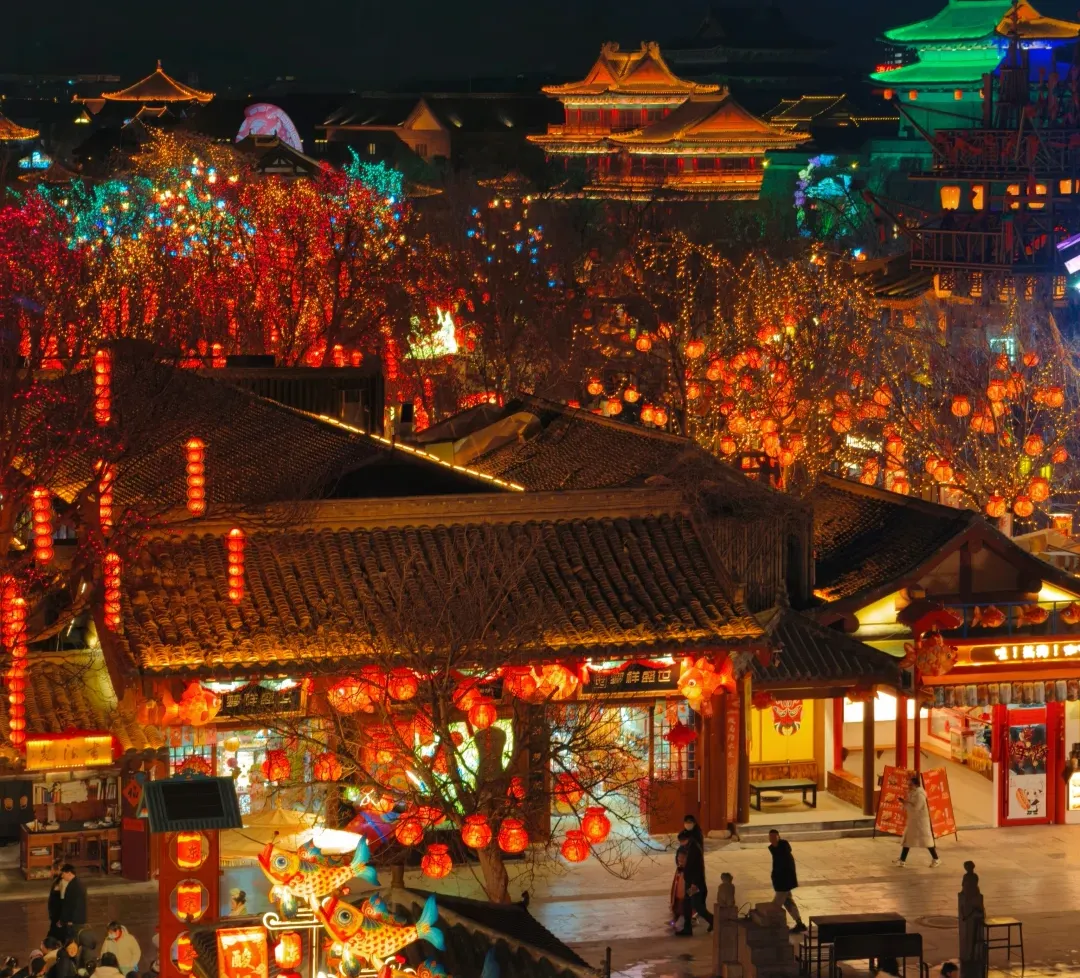
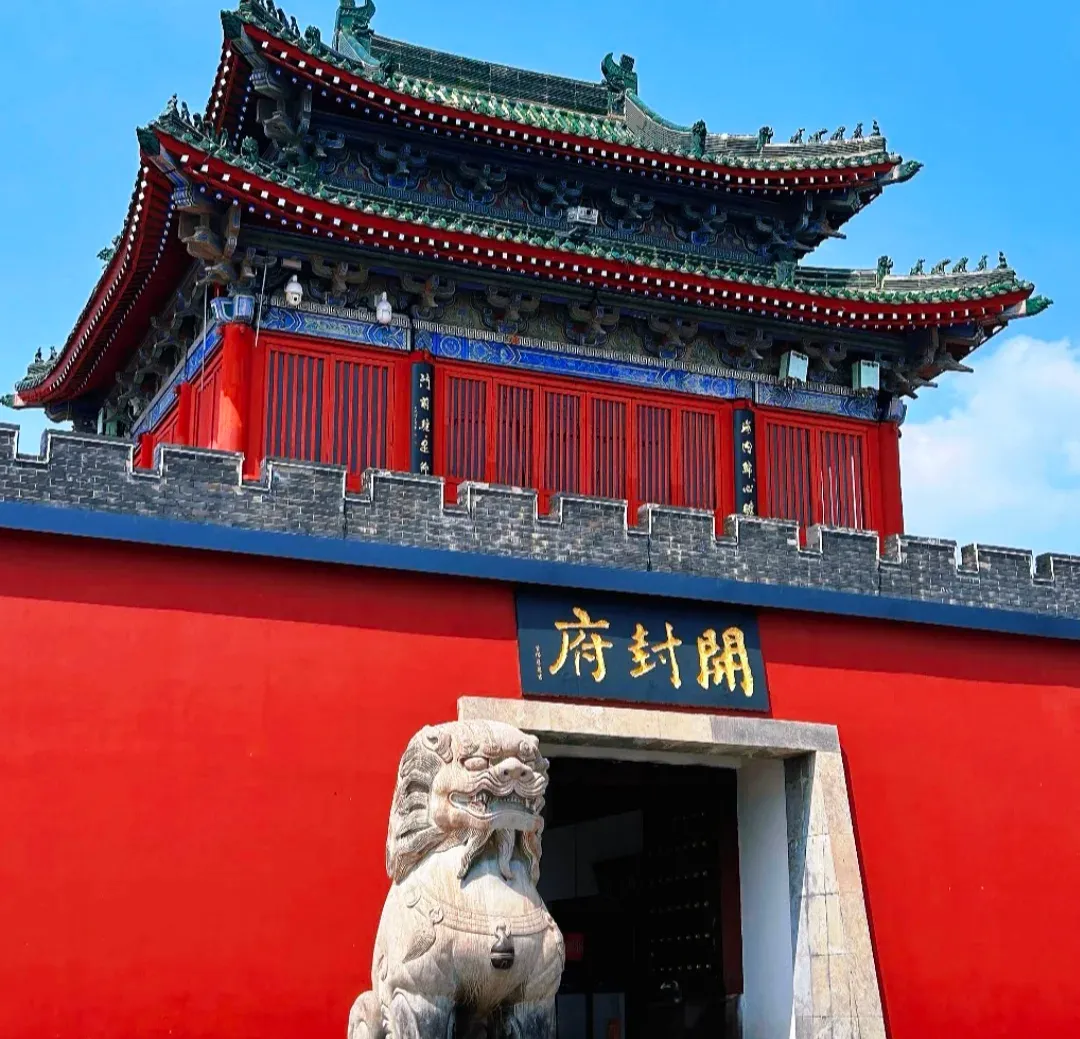
كانت ولاية كايفنغ، المعروفة باسم "المحافظة رقم 1 تحت السماء" في عهد أسرة سونغ الشمالية، هي المكتب الإداري للعاصمة، وتتمتع بمكانة بارزة في النظام الرسمي الإقطاعي. تحتفظ محافظة كايفنغ المرممة بالنمط المعماري لسلالة سونغ الشمالية، مع القاعات الكبرى وقاعات المحكمة وزنزانات السجون، مما يدل على التسلسل الهرمي الصارم والنظام القضائي في ذلك الوقت. ويرتبط ارتباطًا وثيقًا بالشخصية الأسطورية باو تشنغ، الذي اشتهر بنزاهته وحياده في الحكم في القضايا. في المحافظة، هناك معارض عن حياة باو تشنغ وأفعاله، وإعادة تمثيل لمحاكماته في المحكمة، مما يسمح للزوار بالإعجاب بالشخصية النبيلة لهذا المسؤول الصادق القديم. توفر الآثار الثقافية والمواد التاريخية المعروضة هنا أيضًا رؤى مهمة حول الحياة السياسية والقانونية والاجتماعية لأسرة سونغ الشمالية.
3. معبد داكسيانغ قوه
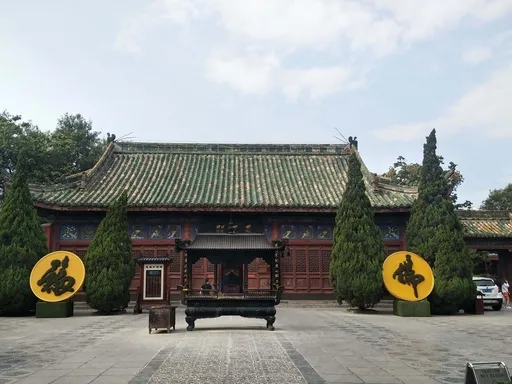
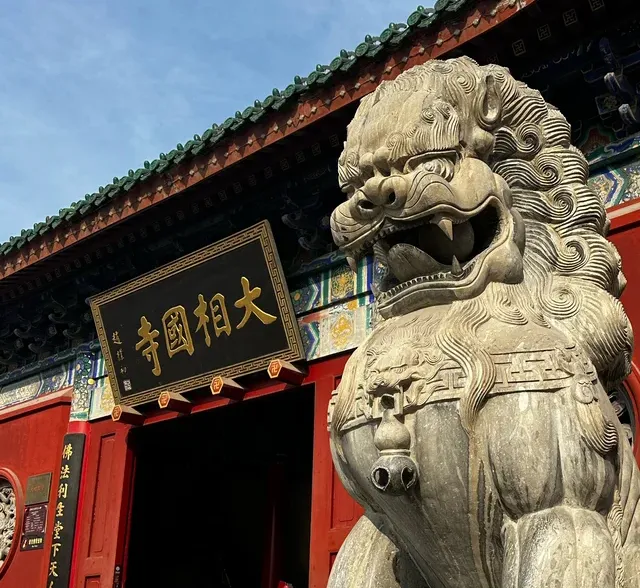
معبد بوذي قديم مشهور في الصين، معبد داكسيانغ قوه له تاريخ يزيد عن 1400 عام، تم بناؤه لأول مرة في عهد أسرة تشي الشمالية وازدهر في عهد أسرة سونغ الشمالية، وكان بمثابة المعبد الإمبراطوري لأسرة سونغ الشمالية. تشمل المباني الرئيسية للمعبد قاعة تيانوانغ، وقاعة ماهافيرا، وقاعة أرهات، ومن بينها تمثال مايتريا بوذا البرونزي الذي يبلغ ارتفاعه 7 أمتار في قاعة تيانوانغ، وتمثال غوانيين ذو الألف يد المصنوع من الخشب المذهّب في قاعة أرهات، وهما من روائع الصناعة اليدوية القديمة. ويرتبط معبد داكسيانغ قوه أيضًا ارتباطًا وثيقًا بقصة الراهب وو سونغ وهو يقاتل النمر في الرواية الصينية الكلاسيكية "هامش الماء"، مما يضيف لونًا أسطوريًا للمعبد. واليوم، لا يزال المعبد يحتفظ بالعديد من الآثار الثقافية القديمة ويقيم أنشطة بوذية منتظمة، ويجذب عددًا كبيرًا من المؤمنين البوذيين والسياح لزيارته وإبداء احترامهم.
4. حديقة التنين بافيليون
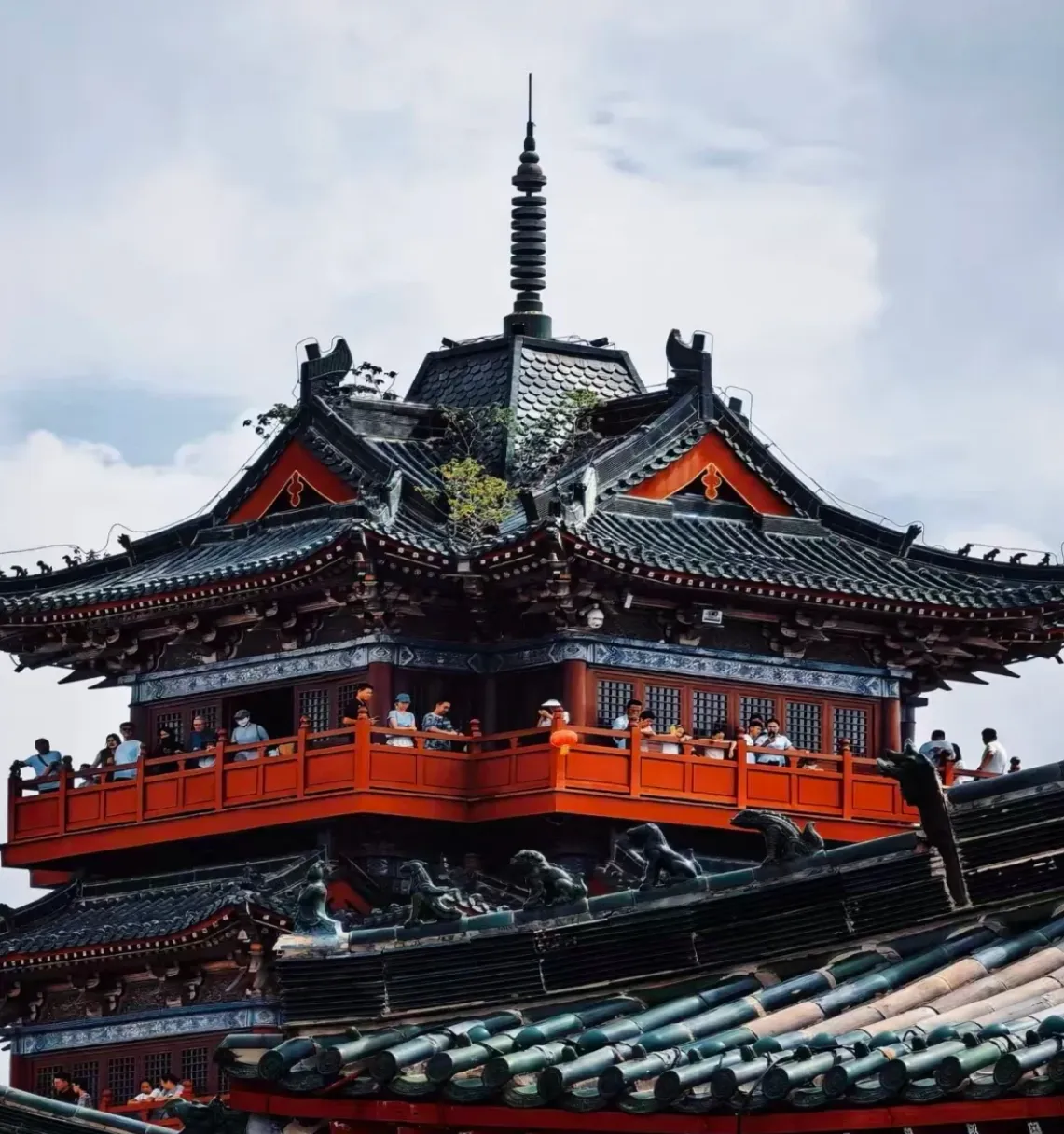
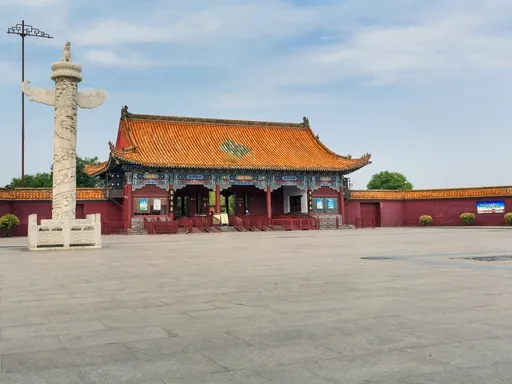
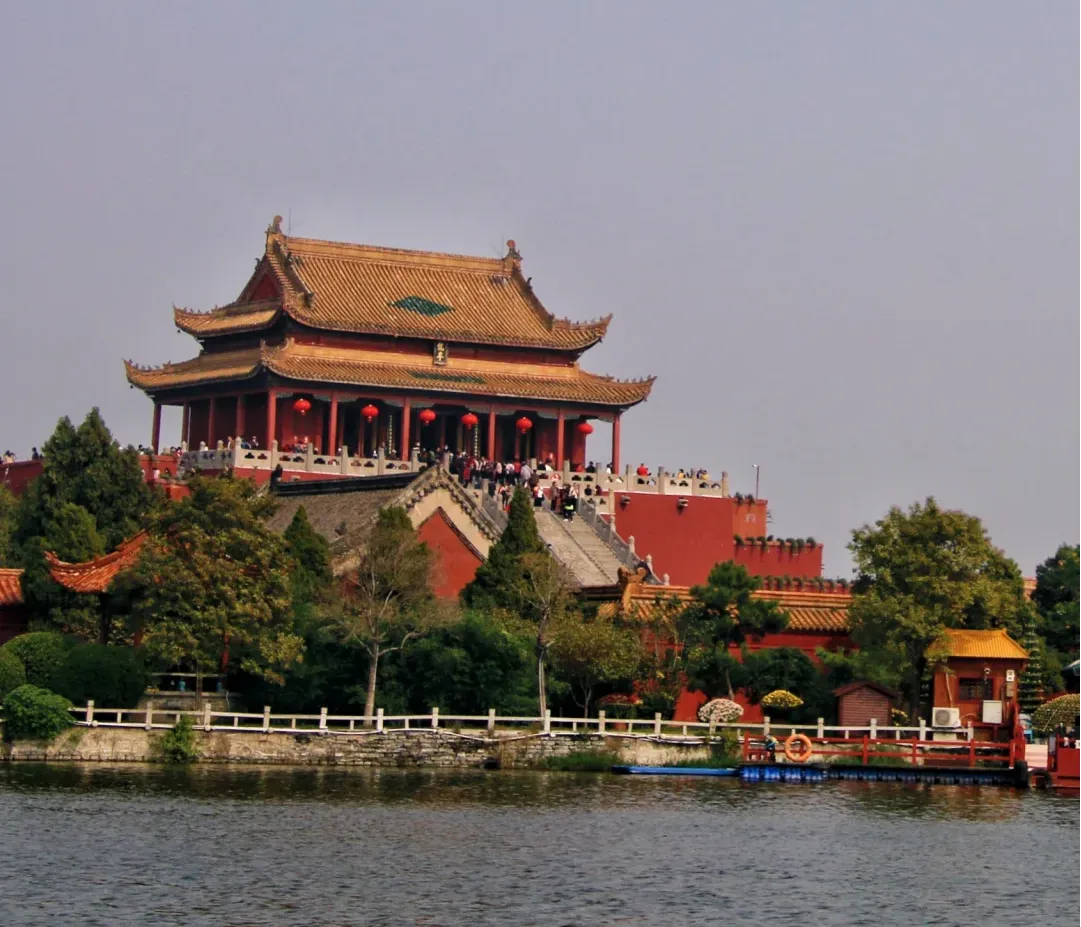
يقع منتزه دراجون بافيليون على أنقاض القصور الإمبراطورية في عهد أسرة تشو اللاحقة وسلالة سونغ الشمالية، ويعد مكانًا ثقافيًا خلابًا رئيسيًا في كايفنغ، ويتمحور حول جناح التنين، وهو عبارة عن مبنى طويل القامة. تم بناء جناح التنين على منصة من الطوب الأزرق يبلغ ارتفاعها 13 مترا، مع جناح كبير ومهيب في الأعلى، والذي كان في السابق المكان الذي أقام فيه أباطرة أسرة سونغ الشمالية الاحتفالات الكبرى. عند الصعود إلى قمة Dragon Pavilion، يمكنك الاستمتاع بإطلالة بانورامية على مدينة كايفنغ بأكملها. وتضم الحديقة أيضًا بحيرة باو تشنغ وبحيرة يو فاي، والتي سميت على اسم المسؤولين الشرفاء المشهورين والجنرالات الوطنيين، مما يضفي جوًا ثقافيًا قويًا. ويعرض معرض الأقحوان السنوي الذي يقام هنا آلاف أصناف الأقحوان، مما يجعل الحديقة بحرًا من الزهور ومقصدًا سياحيًا رئيسيًا في فصل الخريف.
5. المعبد الحديدي (معبد يوغو)
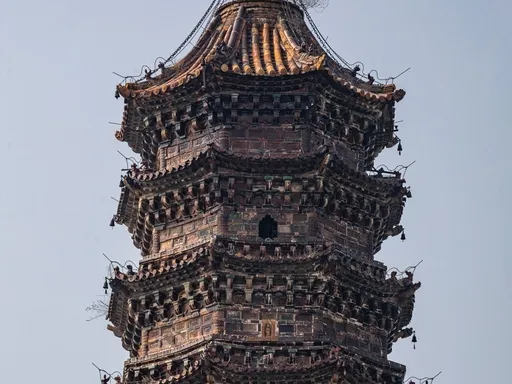
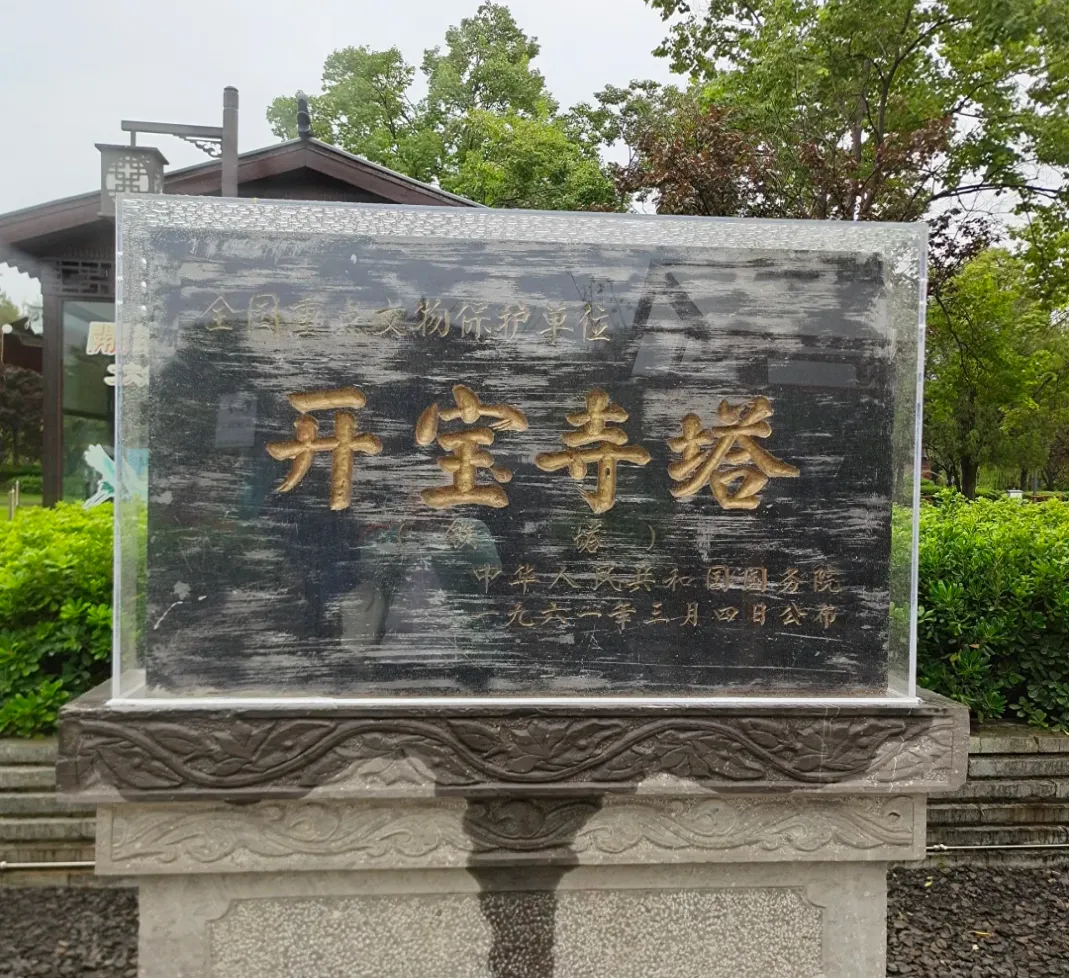
باعتباره واحدًا من المعابد القديمة الأربعة العظيمة في الصين، تم بناء الباغودا الحديدية في عهد أسرة سونغ الشمالية، وكان في الأصل جزءًا من معبد يوغو. على الرغم من أنه يسمى الباغودا الحديدية، إلا أنه في الواقع مصنوع من الطوب المزجج ذو اللون البني الداكن مثل الحديد، ومن هنا جاء الاسم. الباغودا عبارة عن باغودا مثمنة من الطوب مكونة من 13 طابقًا، بارتفاع 55.88 مترًا، مع منحوتات رائعة من الطوب المزجج في كل طابق، تصور أنماطًا مثل الأبسارات الطائرة والأسود وزهور اللوتس، وهي حية ونابضة بالحياة. على الرغم من تعرضه لآلاف السنين من الرياح والأمطار والحروب والزلازل، إلا أن الباغودا الحديدية لا تزال سليمة، مما يدل على التقنيات المعمارية والتزجيج الرائعة لسلالة سونغ الشمالية. إنه ليس فقط تراثًا معماريًا قديمًا ثمينًا ولكنه أيضًا رمز مهم لتاريخ كايفنغ وثقافتها.
6. معبد باوجونج
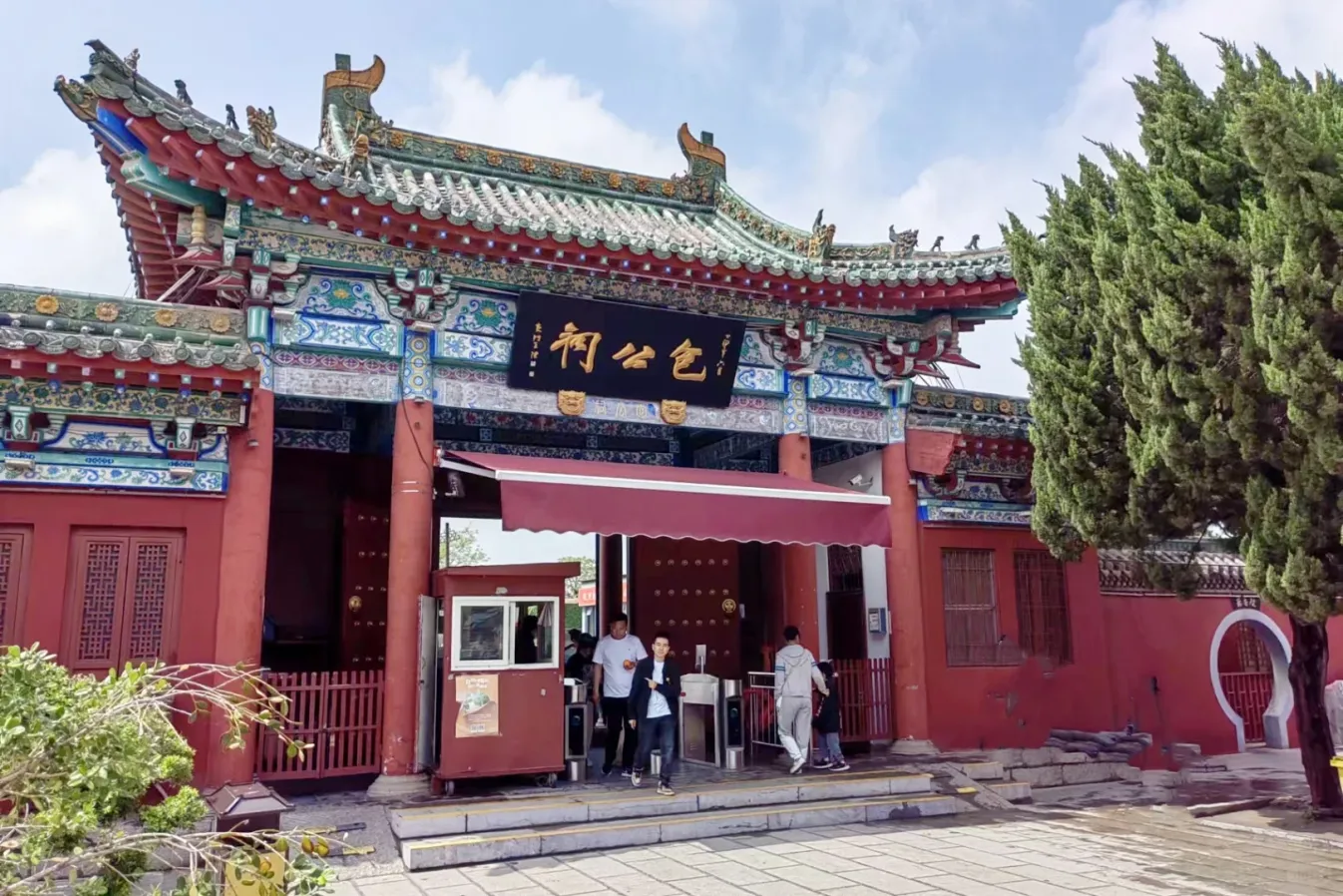
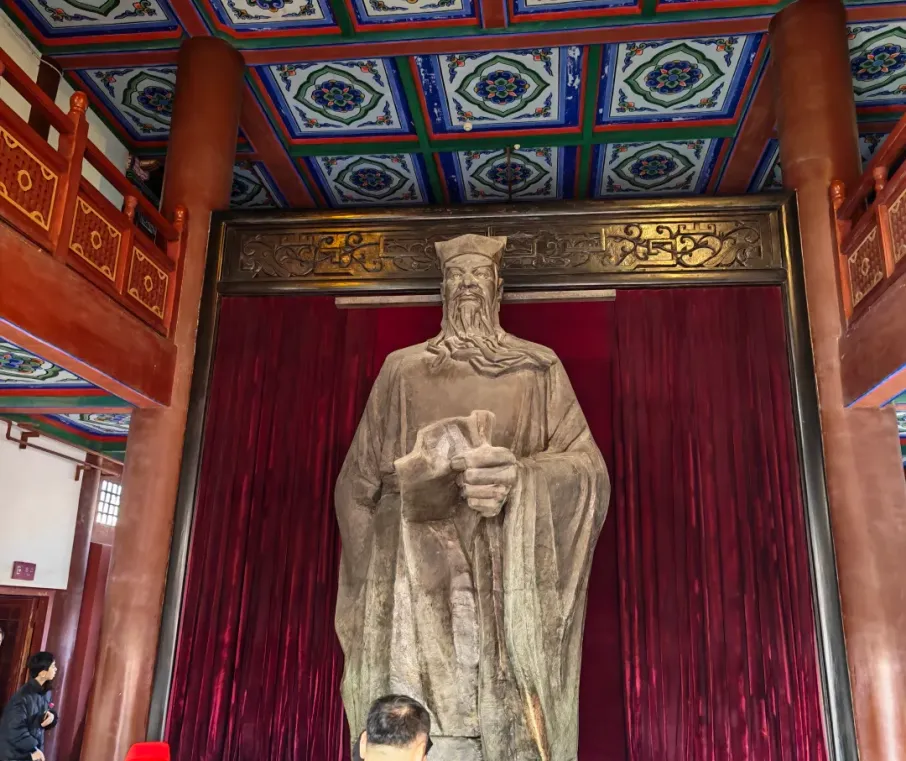
يعد معبد باوجونج، المخصص لباو تشنغ، المسؤول الصادق والمستقيم الشهير في أسرة سونغ الشمالية، مكانًا مقدسًا لإحياء ذكرى هذه الشخصية الأسطورية. تشمل المباني الرئيسية قاعة باو تشنغ التذكارية، وقبر باو تشنغ، وتمثال باو تشنغ، مع معارض عن قصص حياة باو تشنغ، وأفعاله في تطبيق القانون بنزاهة، والآثار الثقافية المتعلقة به. تحافظ منطقة المقبرة على القبر الأصلي لباو تشنغ وعائلته، مع ألواح حجرية تسجل حياته، مما يسمح للزوار بإبداء احترامهم لهذا المسؤول القديم الصادق. يعزز معبد باوجونج روح النزاهة والعدالة، التي لها أهمية تعليمية عميقة للمجتمع الحديث، مما يجعله وجهة شعبية لكل من السياح والأشخاص الذين يأتون للتعرف على ثقافة المسؤولين الشرفاء.
7. غابة الخط الصيني هانيوان
حديقة ثقافية واسعة النطاق تدمج فن الخط والآثار الثقافية والمناظر الطبيعية للحدائق، تأسست غابة هانيوان الصينية للخط على يد الخطاط الشهير لي تشينغ وي. فهو يجمع أكثر من 3500 منحوتة حجرية لأعمال الخط من قبل الخطاطين المشهورين من السلالات الماضية إلى الوقت الحاضر، والتي تغطي أنماط الخط المختلفة مثل النص العادي، والنص المتصل، والنص الجاري، ونص الختم. تم بناء غابة الخط على طراز الحديقة الكلاسيكية، حيث تحتوي على أجنحة وممرات وجسور حجرية تربط مناطق مختلفة، ويتم عرض المنحوتات الحجرية بشكل منظم في الحديقة. بالإضافة إلى تقدير أعمال الخط، يمكن للزوار أيضًا الاستمتاع بالمناظر الطبيعية الجميلة وتجربة التكامل بين فن الخط الصيني التقليدي وثقافة الحديقة، مما يجعلها جنة لمحبي الخط والسياح الثقافيين.