إنجليزي
 فرنسي
فرنسي إسباني
 روسية
روسية عربي
عربي إيطاليا
1.أكاديمية يويلو
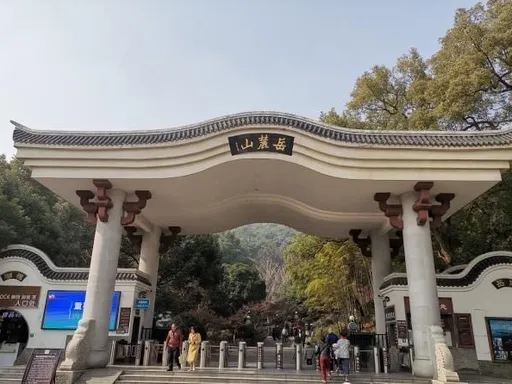
يقع جبل يويلو على الضفة الغربية لنهر شيانغ، وهو معلم ثقافي تنتشر فيه الأجنحة القديمة والغابات الخضراء. تأسست أكاديمية يويلو، التي تقع في منتصف الطريق أعلى الجبل، في عام 976 بعد الميلاد خلال عهد أسرة سونغ الشمالية، وهي إحدى الأكاديميات الأربع الكبرى القديمة في الصين. لقد قامت برعاية عدد لا يحصى من العلماء على مدى آلاف السنين، بفضل هندستها المعمارية الخشبية ونقوشها الحجرية وقاعات المحاضرات التي تحافظ على جوهر التعليم الكونفوشيوسي. ولا يزال شعار الأكاديمية "البحث عن الحقيقة من الحقائق" يتردد في الأوساط الأكاديمية.
2. جزيرة أورانج (جوزيتشو)
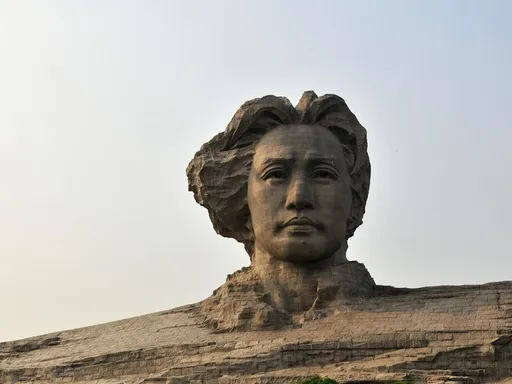
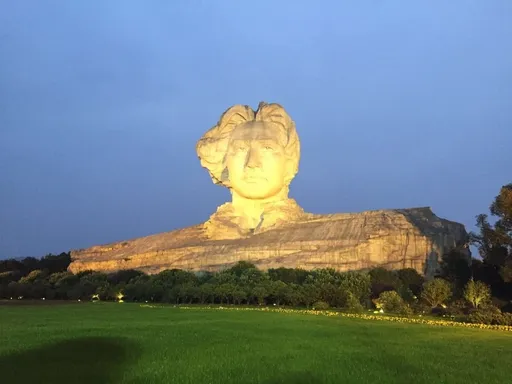
جزيرة طويلة وضيقة تمتد في منتصف نهر شيانغ، تشتهر جزيرة أورانج بالتمثال العملاق للشاب ماو تسي تونغ، والذي يبلغ ارتفاعه 32 مترًا ويطل على النهر. يعود تاريخها إلى أكثر من 1700 عام، وقد كانت بمثابة ملاذ شعري للأدباء منذ عهد أسرتي تانغ وسونغ. الجزيرة مغطاة ببساتين البرتقال. وفي الخريف، تشكل الثمار الذهبية والنهر الضبابي صورة هادئة. إنها أيضًا مساحة عامة نابضة بالحياة حيث يطير السكان المحليون الطائرات الورقية ويستمتعون بالنسيم.
3. متحف مقاطعة هونان
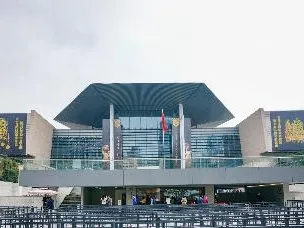
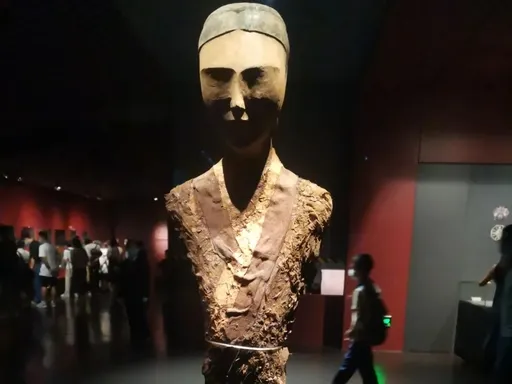
يعد المتحف موطنًا لآثار مقابر ماوانغدوي هان المشهورة عالميًا، وهو كنز دفين لتاريخ هونان. تكشف مومياء السيدة شين تشوي المحفوظة جيدًا والتي يبلغ عمرها 2100 عام، إلى جانب اللوحات الحريرية الرائعة والأواني المطلية بالورنيش وزلات الخيزران، عن الحضارة الرائعة لأسرة هان الغربية. تدمج الهندسة المعمارية الحديثة للمتحف العناصر الثقافية في هونان، وتسمح معارضه التفاعلية للزوار بالتعمق في القصص وراء القطع الأثرية، وربط الماضي بالحاضر.
4. منطقة شارع تايبينغ التاريخية
شارع للمشاة صاخب في قلب مدينة تشانغشا، ويحتفظ شارع تايبينغ بتصميم أسرة تشينغ. ويضم المقر السابق لجيا يي، المنزل السابق للباحث والشاعر الشهير من أسرة هان، حيث يمكنك أن تشعر بالوحدة والمشاعر الوطنية في هذا المنفى. يصطف الشارع بالمتاجر التقليدية التي تبيع وجبات تشانغشا الخفيفة مثل التوفو النتن وزيت السكر، فضلاً عن المحلات الثقافية والإبداعية التي تمزج بين السحر القديم والحيوية الحديثة.
5. مركز بحيرة ميكسي الدولي للثقافة والفنون
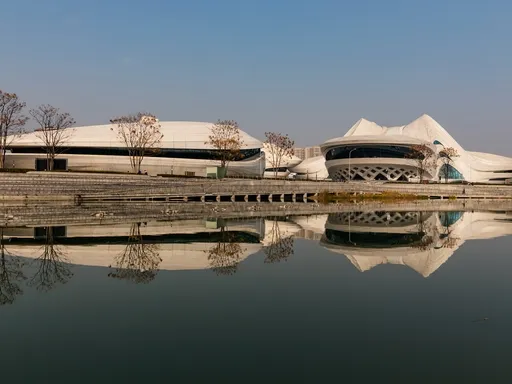
يعد هذا المركز أعجوبة معمارية حديثة صممتها الراحلة زها حديد، ويتميز بمنحنيات انسيابية وواجهات بيضاء تشبه ثلاث زهور متفتحة على ضفاف البحيرة. ويضم مسرحًا كبيرًا وقاعة للحفلات الموسيقية ومعرضًا فنيًا يستضيف عروض الأوبرا والباليه والمعارض ذات المستوى العالمي. وعلى خلفية بحيرة ميكسي، يتلألأ انعكاس المبنى على الماء، مما يرمز إلى قفزة تشانغشا من مدينة تاريخية إلى مركز ثقافي حديث.
6. معبد كايفو
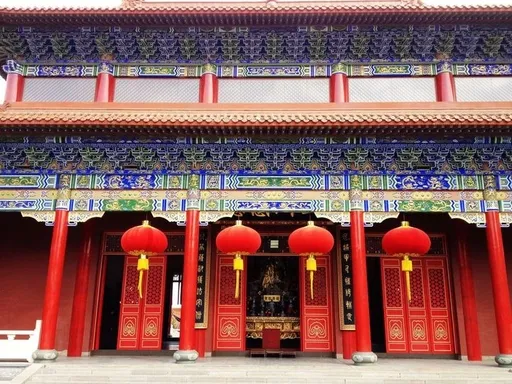
يعد معبد كايفو أحد أقدم المعابد البوذية في تشانغشا، وقد تم بناؤه عام 927 بعد الميلاد خلال فترة الأسرات الخمس والممالك العشر. تضم قاعتها الرئيسية ذات الجملونات ذات الحواف المزدوجة والسقف الوركي تماثيل بوذا الرائعة. يشتهر المعبد بفعاليات صلاة السنة القمرية الجديدة السنوية وزهور اللوتس المتفتحة في بركه في الصيف. إنه ملاذ هادئ في المدينة المزدحمة، حيث تهدئ أصوات الأجراس والأناشيد الروح.
7. موقع فرن تونغقوان القديم
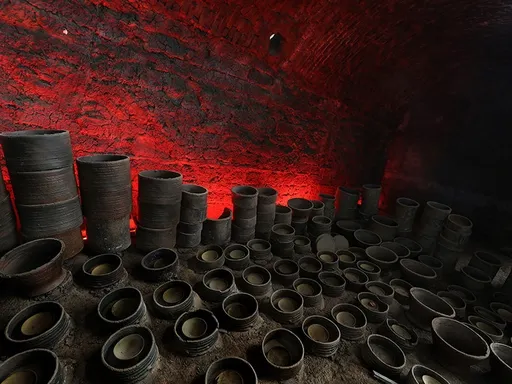
ازدهر فرن تونغقوان، وهو مسقط رأس الخزف الملون تحت التزجيج في الصين، خلال عهد أسرة تانغ. لقد كانت قاعدة رئيسية لإنتاج الخزف البحري، حيث تم تصدير بضائعها إلى جنوب شرق آسيا والشرق الأوسط وحتى أفريقيا. يحتفظ الموقع بآثار الفرن القديم وشظايا السيراميك وورش العمل. يعكس الجمع بين الأنماط الصينية والزخارف الأجنبية على الخزفيات التبادلات الثقافية على طول طريق الحرير البحري.