
 إنجليزي
 فرنسي
فرنسي إسباني
 روسية
روسية عربي
عربي إيطاليا
1. البوند
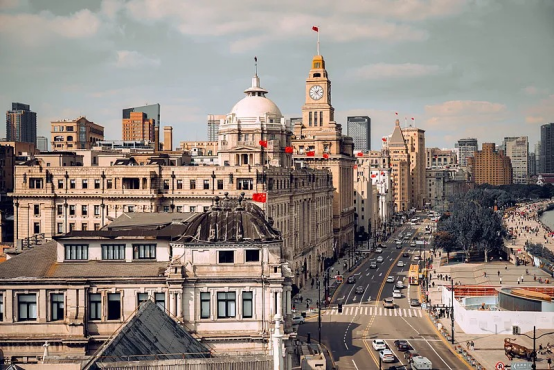
تقع منطقة البوند على طول الضفة الغربية لنهر هوانغبو، وتمتد مسافة 1.5 كيلومتر من جسر وايبايدو في الشمال إلى طريق جينلينغ الشرقي في الجنوب. تحافظ هذه الجوهرة المعمارية، التي تشكلت بين أواخر القرن التاسع عشر وأوائل القرن العشرين، على 52 معلمًا حديثًا تعرض أنماطًا متنوعة - من الطراز القوطي والباروكي إلى الطراز الروماني والكلاسيكي وعصر النهضة - مما أكسبها لقب "معرض العمارة العالمي". في الأصل كانت موطنًا لمؤسسات مالية مثل HSBC، وجمارك جيانغهاي، وساسون هاوس، ويتكشف أفق بوند في ثلاثة مستويات: منصة الواجهة البحرية على مستوى الأرض، ومجموعة من المباني التاريخية في المنتصف، وأفق سحاب بودونغ الحديث في المسافة. تم تصنيف منطقة البوند على أنها "منطقة حماية المشهد التاريخي والثقافي العالمي" في عام 1995، وهي بمثابة شهادة حية على التطور الحضري الحديث في شنغهاي.
2. برج راديو وتلفزيون لؤلؤة الشرق
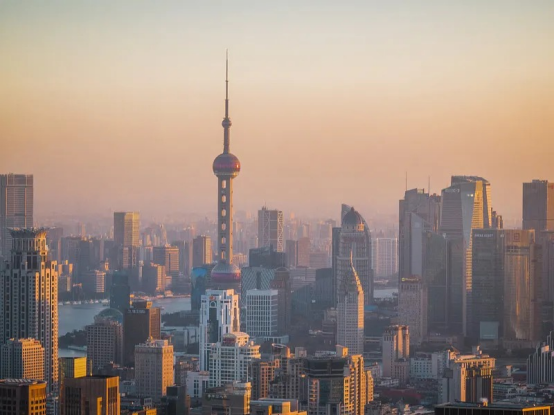
يقع هذا المعلم على طول نهر هوانغبو في لوجياتسوى بمنطقة بودونغ الجديدة، ويعد أحد المعالم الثقافية الأكثر شهرة في شنغهاي. تم الانتهاء من بناء البرج الذي يبلغ ارتفاعه 468 مترًا في عام 1994، وكان في يوم من الأيام أطول برج في آسيا وثالث أطول مبنى في العالم. ويتميز تصميمه، المستوحى من قصيدة تانغ "اللآلئ الكبيرة والصغيرة تسقط على طبق من اليشم"، بوجود 11 مجالًا مترابطة بأحجام مختلفة. وفي الداخل، يمكن للزوار استكشاف كبسولة فضائية ومطعم دوار ومتحف يعرض التاريخ الحضري لشانغهاي. تدعم منطقة تغطية البرج البالغة 80 كيلومترًا البث التلفزيوني اللاسلكي، بينما يتحول نظام الإضاءة الديناميكي الخاص به إلى محور نابض بالحياة في أفق شنغهاي ليلاً.
3. متحف شنغهاي
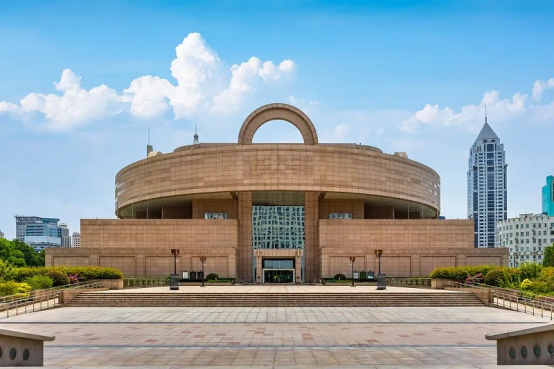
يقع في رقم 201 شارع رنمين في منطقة هوانغبو، وهو متحف فني قديم في الصين. تم الانتهاء من المتحف الجديد في عام 1996، بتصميمه المعماري الذي يرمز إلى "السماء المستديرة والأرض المربعة"، ويضم قاعدة مربعة تدعم هيكلًا رئيسيًا دائريًا. يضم المتحف 1.02 مليون قطعة أثرية، منها 140 ألف قطعة أثرية ثمينة، تغطي 21 فئة مثل المصنوعات البرونزية، والسيراميك، والخط واللوحات الفنية، والمنحوتات، ومصنوعات اليشم، والعملات المعدنية، والأثاث. يضم معرض الأدوات البرونزية كنوزًا وطنية مثل أسرة تشو الغربية دا كي دينغ وشانغ يانغ فانغ شنغ. يعرض معرض الخط والرسم أعمالًا أصلية لأساتذة مشهورين مثل Wang Xizhi وWang Xianzhi وSun Wei. يضم المتحف 11 قاعة عرض مواضيعية و3 مساحات عرض مؤقتة، تتبنى مزيجًا من التاريخ الشامل والعروض المواضيعية.
4. يو يوان
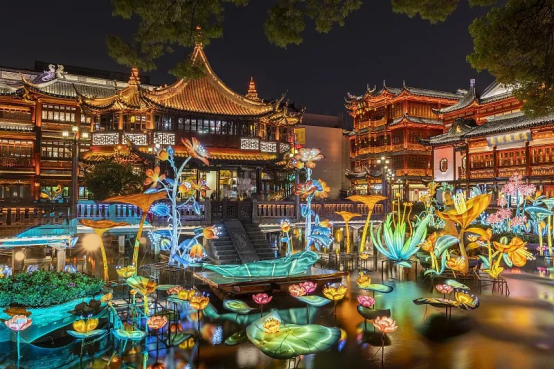
تقع هذه الحديقة الخاصة على طريق فويو في منطقة هوانغبو، وقد أنشأها بان يوندوان، مفوض إدارة مقاطعة سيتشوان، لوالده بان إن في عام 1559 (العام الثامن والثلاثين من حكم جياجينغ) وتم الانتهاء منها في عام 1577 (العام الخامس من حكم وانلي). يعكس اسم "يو" (يعني "مبهج لكبار السن") هدفه المتمثل في "الاستمتاع بكبار السن". تمتد الحديقة على مساحة 20 ألف متر مربع، وتنقسم إلى أقسام داخلية وخارجية بواسطة خمسة جدران تنين. تشمل أكثر من 40 منشأة قديمة قاعة الحبوب الثلاثة، ومبنى الجنينة الكبرى، والأسد الحديدي، ومبنى كوايل، وبرج دي يو، وجيد لينغلونغ، وممر مياه اليشم، وجناح تينغتاو، وبرج هانبي. كان في الأصل مقر إقامة بان إن، وزير العدل في عهد أسرة مينغ، ويضم الموقع أيضًا معبد إله المدينة المجاور. تم تصنيفها كوحدة وطنية لحماية الآثار الثقافية الرئيسية في عام 1982، وتحافظ هذه الحديقة التاريخية على تراثها الثقافي.
5. شارع المشاة طريق نانجينغ
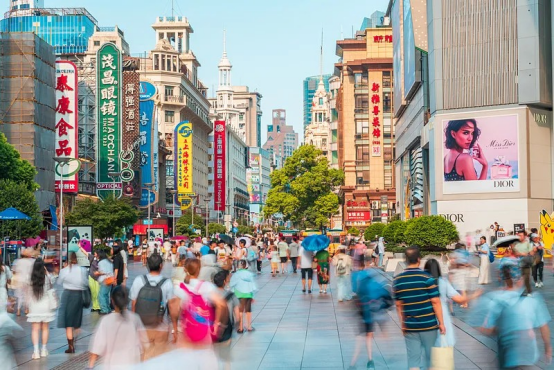
يقع طريق نانجينغ في منطقة هوانغبو في شنغهاي، ويمتد مسافة 5.5 كيلومترًا من منطقة بوند في الشرق إلى طريق يان آن الغربي في الغرب، ويمتد قسم المشاة فيه على مسافة 1033 مترًا. تم افتتاح هذا الطريق التاريخي رسميًا في عام 1999، وترجع أصوله إلى عام 1851 عندما تم تسميته لأول مرة باسم Huayuan Lane قبل إعادة تسميته إلى طريق نانجينغ في عام 1865. وبحلول أوائل القرن العشرين، أصبح المركز التجاري الأكثر حيوية في شنغهاي، حيث يضم أربعة متاجر كبرى: يونغ آن، وسينسير، وشين شين، وداكسين. اليوم، تحافظ منطقة المشاة على المعالم الشهيرة بما في ذلك ساحة القرن، ومسرح القرن الكبير، ومتجر شنغهاي الأول متعدد الأقسام، ومتجر هواليان متعدد الأقسام، والمدينة العالمية الجديدة. يتميز الطريق برصف من الطوب الملون، تكمله المقاعد والمنحوتات والمساحات الخضراء ذات المناظر الطبيعية. تعمل المنطقة تحت إدارة شبه مغلقة، وتمنع منعًا باتًا دخول المركبات الآلية باستثناء المركبات ذات الأغراض الخاصة.
6. مسرح شنغهاي الكبير
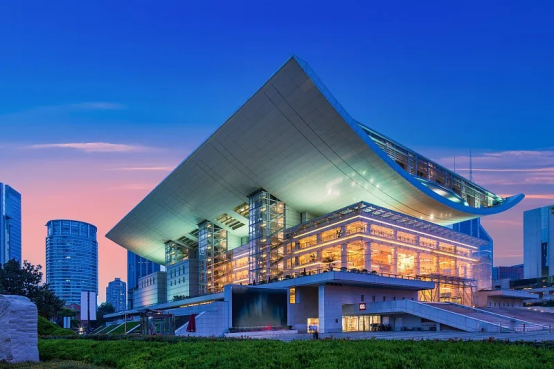
يقع هذا المجمع الثقافي التاريخي في 300 شارع رنمين في منطقة هوانغبو، وقد تم الانتهاء منه في عام 1998 كرمز للهوية الحضرية لشانغهاي. ويبلغ ارتفاع المبنى الذي تبلغ مساحته 63 ألف متر مربع، والذي صممته شركة الهندسة المعمارية الفرنسية شابونيه، 40 مترا في السماء. يشبه جدارها الساتر الزجاجي الشفاف وسقفها المقوس تنينًا أبيض يستعد للطيران. يضم المسرح ثلاث قاعات - كبيرة ومتوسطة وصغيرة - وتتسع القاعة الرئيسية لـ 1800 مقعد. تستخدم مرحلتها تكوينًا مثلثًا متقدمًا عالميًا، مدعومًا بأنظمة ميكانيكية مؤتمتة بالكامل. تُعد الساحة الأمامية المزينة بالنوافير الموسيقية والحدائق ذات المناظر الطبيعية بمثابة مركز ثقافي عام حيوي في منطقة ساحة الشعب.
7. موقع المؤتمر الوطني الأول للحزب الشيوعي الصيني
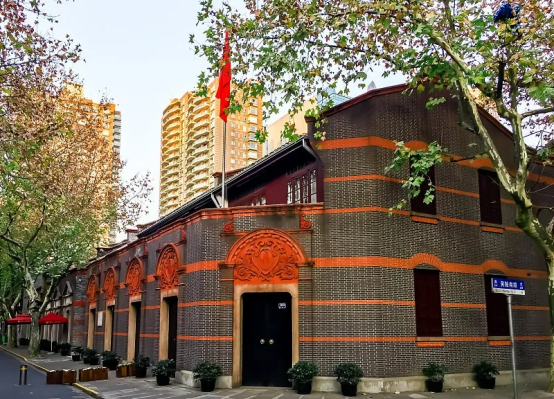
يقع هذا الموقع التاريخي في رقم 76 طريق شينغي في منطقة هوانغبو، وكان بمثابة مكان انعقاد المؤتمر الوطني الأول للحزب الشيوعي الصيني في عام 1921. تم تشييد المبنى في الأصل في عام 1920 باسم طريق وانغزهي رقم 106 في الامتياز الفرنسي، ويتميز المبنى بهندسة شيكومين المعمارية التقليدية مع هيكل من الطوب والخشب. جدرانه الخارجية مكسوة بالطوب الأحمر المكشوف، ويكملها جملون نصف دائري منحوت فوق المدخل. انعقد المؤتمر هنا في 23 يوليو 1921، ولكن تم نقله لاحقًا إلى بحيرة نانهو في جياشينغ بمقاطعة تشجيانغ، بعد تفتيش قامت به شرطة الامتياز الفرنسية. وبعد الترميم في عام 1952، تم تحويل الموقع إلى قاعة تذكارية وتم تعيينه كوحدة وطنية لحماية الآثار الثقافية الرئيسية في عام 1961. ويعرض معرض "البداية العظيمة: تاريخ تأسيس الحزب الشيوعي الصيني" أكثر من 300 قطعة أثرية ووثيقة تاريخية.
8. العالم الجديد
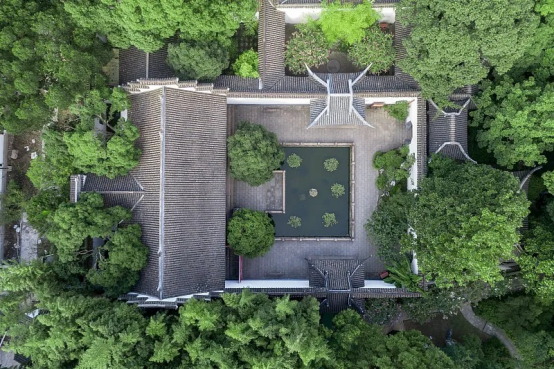
تقع هذه المنطقة التجارية على طريق Taicang في منطقة Huangpu، وقد تم تنشيطها من خلال عمارة Shikumen التاريخية في شنغهاي. كان الموقع يضم في الأصل مساكن حارة على الطراز القديم تم بناؤها في أوائل القرن العشرين في منطقة تايبينجتشياو. اعتمد مشروع التجديد، الذي بدأ في عام 1999، نهج "الحفاظ على المظهر الأصلي" أثناء تحديث التصميم الداخلي. تنقسم المنطقة إلى جنوب لي وشمال لي: يتميز جنوب لي بمباني حديثة تضم مراكز تسوق ودور سينما ومطاعم، بينما يحتفظ شمال لي بطراز شيكومين المعماري مع متاجر البوتيك والمطاعم والبارات. تحافظ منطقة زينتياندي على المناطق المحيطة بموقع المؤتمر الوطني الأول للحزب الشيوعي الصيني، حيث تمزج بين الحفاظ على التراث التاريخي والتنمية التجارية لتصبح نموذجًا للتجديد الحضري.
9. تيانزيفانغ
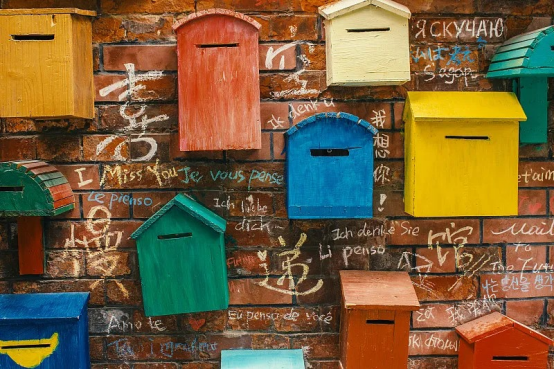
تقع هذه المنطقة الفنية في رقم 210 طريق تايكانغ في منطقة هوانغبو، وقد تم تحويلها من ممر شيكومين السابق في منطقة لوان. تم تسميتها في الأصل Zhichengfang وتم بناؤها في ثلاثينيات القرن العشرين، وتطورت تدريجيًا إلى مجموعة صناعية إبداعية بعد انتقال استوديو Chen Yifei إليها في عام 2001. تتميز المنطقة بخمسة ممرات رئيسية والعديد من الممرات الجانبية، مما يحافظ على أكثر من 80 مبنى شيكومين وأكثر من 200 أسرة. وتنتشر في الممرات مساحات تجارية بما في ذلك المعارض واستوديوهات التصميم ومحلات الحرف اليدوية والمقاهي والمطاعم. تحتفظ Tianzifang بالجو النابض بالحياة للحياة الحضرية في شنغهاي بينما تتعايش مع الصناعات الإبداعية، وتكون بمثابة مثال حي لدراسة الهندسة المعمارية في حارات شنغهاي والتحول الثقافي الحضري المعاصر.
10. قصر الفن الصيني
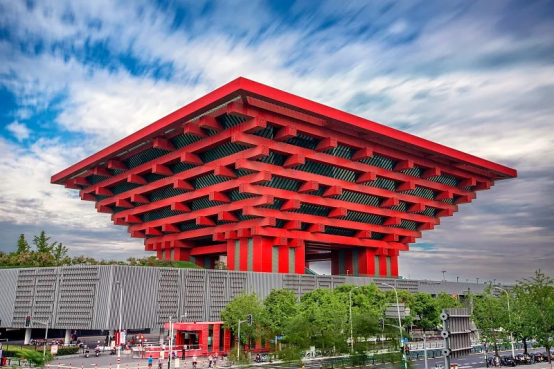
يقع المبنى في رقم 205، طريق شانغنان، منطقة بودونغ الجديدة، وكان في الأصل جناح الصين في معرض اكسبو شانغهاي العالمي 2010 وتم تحويله لاحقًا إلى متحف فني. يبلغ ارتفاع المبنى، الذي صممه هي جينغتانغ، 63 مترًا، بمساحة أرضية إجمالية تبلغ 166800 متر مربع. يتميز تصميمه العام بنمط مجموعة الأقواس ويعتمد اللون الصيني. وينقسم المبنى إلى قسمين: الجناح الوطني والأجنحة الإقليمية، ليشكلا الصورة المعمارية لـ "تاج الشرق". يضم متحف الفن 27 قاعة عرض، ويجمع ما يقرب من 14000 عمل فني حديث ومعاصر. يعرض المعرض الدائم "طلوع القمر فوق البحر - أصول الفن الصيني الحديث والمعاصر" تطور الفن الحديث والمعاصر في شنغهاي. يحتفظ المبنى بمنطقة العرض الديناميكية لـ Qingming Shanghe Tu من فترة المعرض العالمي.
11. معبد جينغان
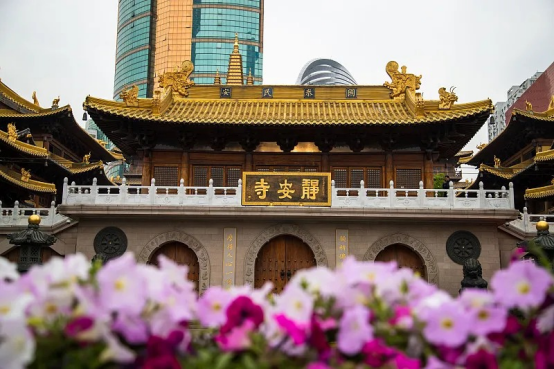
يقع هذا المعبد في 1686 طريق نانجينغ الغربي في منطقة جينغ آن، ويعد من بين أقدم الأديرة البوذية في شنغهاي. وفقًا للأسطورة، تم بناؤه لأول مرة في عام 247 بعد الميلاد خلال عصر تشيهو في مملكة وو في فترة الممالك الثلاث، وكان يُسمى في الأصل معبد هودو تشونغيوان. تم تغيير اسمه إلى معبد يونغتاي تشان في عهد أسرة تانغ وأصبح معبد جينغ آن في عام 1008 بعد الميلاد في عهد أسرة سونغ دازونغ شيانغفو. يقع المعبد في الأصل على الضفة الشمالية لنهر ووسونغ، وتم نقل المعبد إلى موقعه الحالي في عام 1216 بعد الميلاد خلال عصر جيادينغ في عهد أسرة سونغ الجنوبية. أعيد بناء الهياكل الحالية في عام 1880 م خلال عصر جوانجكسو في عهد أسرة تشينغ، وتتميز بتصميم متماثل على طول محور مركزي مع بوابة الجبل وقاعة الملوك السماوية وقاعة ماهافيرا مرتبة بالتسلسل. يضم المعبد آثارًا ثقافية بما في ذلك تماثيل بوذا المنحوتة في الحجر من فترة الأسرتين الشمالية والجنوبية وأجراس برونزية من عهد أسرة مينغ. تشتمل هندستها المعمارية على عناصر بوذية تبتية، مع تزيين سقف قاعة ماهافيرا بأبراج باغودا مذهبة.
12. معبد لونغهوا ومعبد لونغهوا
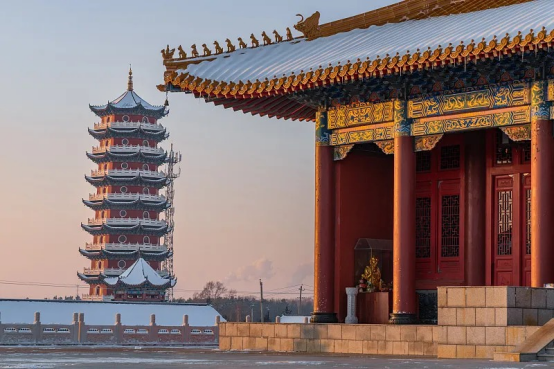
يقع معبد لونغهوا في 2853 طريق لونغهوا في منطقة كسوهوي، وهو أقدم معبد قديم في شنغهاي. وفقًا للأسطورة، تم بناؤه في الأصل عام 242 بعد الميلاد خلال عصر تشيهو في مملكة وو على يد سون تشوان، ملك وو، لوالدته. أعيد بناء الهياكل الحالية خلال فترة جوانجكسو من أسرة تشينغ. يمتد المعبد على مساحة 20 ألف متر مربع تقريبًا، ويضم محوره المركزي قاعة مايتريا، وقاعة الملوك السماويين، وقاعة ماهافيرا، وقاعة القديسين الثلاثة، ومقر إقامة الأباتي. تم بناء معبد لونغهوا في عام 977 بعد الميلاد خلال عصر تايبينغ شينغ قوه في عهد أسرة سونغ الشمالية، وهو عبارة عن باغودا مثمنة الشكل مكونة من سبعة طوابق مع أفاريز خشبية وجدران من الطوب، ويبلغ ارتفاعها 40.6 مترًا. يعرض كل مستوى أفاريز الخصر والمنصات المسطحة والزوايا المقلوبة. يتميز الجزء الداخلي منه بعمود أساسي من الطوب، بينما الجزء الخارجي مكسو بأفاريز خصر خشبية. في عام 2006، تم تعيين الباغودا كوحدة وطنية لحماية الآثار الثقافية الرئيسية.
13. متحف شنغهاي للعلوم والتكنولوجيا
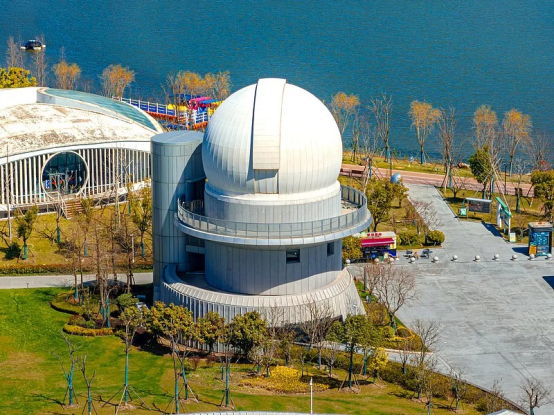
يقع هذا المتحف الشامل للعلوم الطبيعية والتكنولوجيا في No.2000 Century Avenue في منطقة Pudong الجديدة، وتم افتتاحه في عام 2001 بمساحة أرضية تبلغ 98000 متر مربع. تتميز هندستها المعمارية بجناحين صاعدين بشكل حلزوني على الجانبين الشرقي والغربي، مما يرمز إلى موضوع "الطبيعة والإنسانية والتكنولوجيا". يضم المتحف 11 منطقة عرض دائمة، بما في ذلك "التنوع البيولوجي" و"استكشاف قشرة الأرض" و"نور الحكمة" و"مهد المصمم" و"جنة قوس قزح للأطفال". كما أنها تضم أربعة أنواع خاصة من السينما: الشاشة العملاقة، والقبة، و4D، والمسارح الفضائية. تعرض المعروضات التفاعلية أكثر من 1000 قطعة أثرية، في حين يعزز متنزه Century Park وZhangjiabang Greenbelt المحيطان التجربة الخلابة.
14. برج شنغهاي
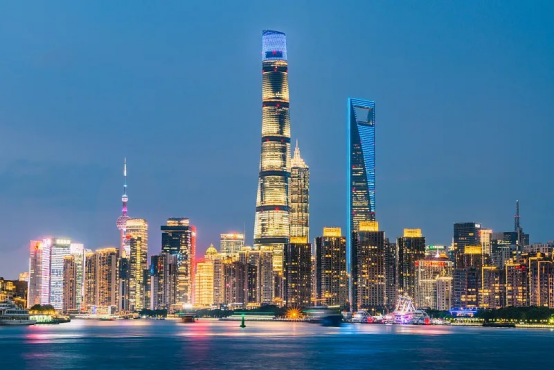
يقع في منطقة Lujiazui المالية والتجارية بمنطقة Pudong الجديدة، وهو مبنى تاريخي شاهق للغاية في شنغهاي. ويبلغ ارتفاع المبنى 632 مترًا، ويتكون من 127 طابقًا فوق الأرض و5 طوابق تحت الأرض، بمساحة إجمالية قدرها 578 ألف متر مربع. تم الانتهاء منه في مارس 2016. تم تصميم المبنى من قبل شركة الهندسة المعمارية الأمريكية جينسلر، ويتميز المبنى بشكل حلزوني تصاعدي بزاوية دوران 120 درجة لتقليل تأثيرات حمل الرياح. يتألف البرج من تسعة مجتمعات عمودية، بما في ذلك المكاتب والفنادق والمساحات التجارية ومنصات المراقبة. يعد سطح المراقبة، الذي يقع على ارتفاع 546 مترًا، واحدًا من أعلى منصات المشاهدة في العالم. يستخدم المبنى نظام جدار ستارة زجاجي مزدوج الطبقة، مما يخلق ردهة مفتوحة بين الجدارين. يعد برج شنغهاي حاليًا أطول مبنى في الصين وثاني أطول مبنى في العالم.
15. شارع دولون الثقافي
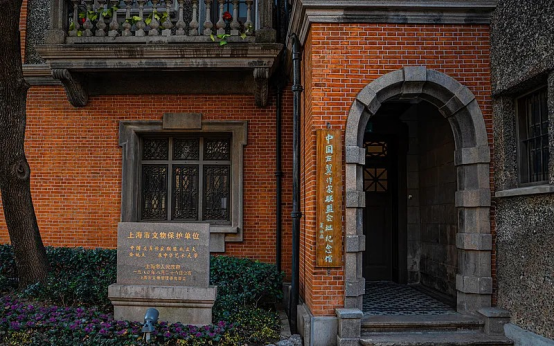
يقع طريق دولون في منطقة هونغكو، وكان يسمى في الأصل طريق دولان، وقد تم تشييده في عام 1911. ويمتد هذا الشارع على شكل حرف L بطول إجمالي يبلغ 550 مترًا. خلال عشرينيات وثلاثينيات القرن العشرين، أصبح طريق دولون مكانًا لتجمع الشخصيات الثقافية البارزة مثل لو شون، وماو دون، ويي شينغ تاو، ودينغ لينغ.
يحافظ الحي على المعالم التاريخية بما في ذلك مساكن كونغ شيانغشي وباي تشونغشي وتانغ إنبو. تقع على طول شوارعها مواقع التراث الثقافي مثل موقع الاجتماع التأسيسي لرابطة الكتاب اليساريين، ومقر إقامة لو شيون السابق، ومقر إقامة تشو كيوباي السابق، والموقع السابق لمكتبة أوشياما. في عام 1999، خضعت المنطقة لعملية تطوير وقائية لإنشاء شارع المشاهير الثقافيين، الذي يضم مرافق ثقافية وتجارية مثل تماثيل الشخصيات الشهيرة والمتاحف والمعارض الفنية ومحلات التحف.
16. مبنى مكتب بريد شانغهاي
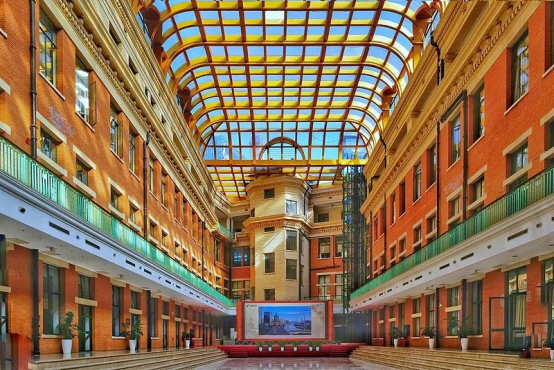
يقع في رقم 276 طريق Beisuzhou في منطقة Hongkou، عند التقاطع مع طريق Sichuan North، تم بناء هذا المبنى الخرساني المسلح المكون من 4 طوابق (مع أقسام جزئية تصل إلى 6 طوابق) في عام 1924 على الطراز المعماري الأوروبي الانتقائي. تبلغ مساحتها 25000 متر مربع، وتتميز واجهتها الرئيسية بأعمدة كورنثية رومانية قديمة تحيط بها منحوتات الآلهة، بينما يعلو البرج ذو الطراز الباروكي برج جرس وسارية علم. ويحتفظ المبنى بقاعة الخدمات البريدية الأصلية التي تبلغ مساحتها 1200 متر مربع، ويبلغ ارتفاعها 12.5 مترًا، وجدرانها وأرضياتها مكسوة بالرخام، ويتوجها سقف زجاجي. كان في السابق أكبر مكتب بريد في الشرق الأقصى، ويضم الآن متحف بريد شنغهاي الذي يعرض تطور الاتصالات البريدية. تم تعيين هذا المعلم التاريخي كوحدة وطنية لحماية الآثار الثقافية الرئيسية في عام 1996، ولا يزال يمثل شهادة على التراث البريدي الصيني.
17. مصدر بوند
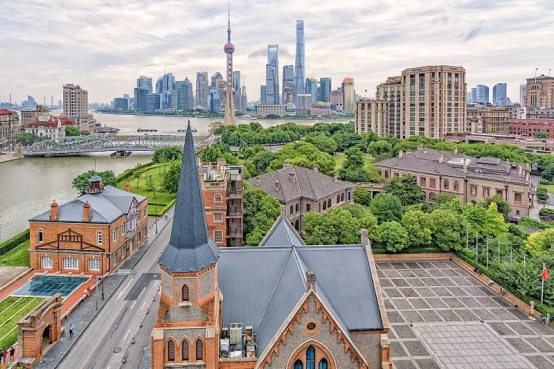
تقع هذه المنطقة في الطرف الشمالي من منطقة بوند في شنغهاي في منطقة هوانغبو، حيث يلتقي نهر سوتشو ونهر هوانغبو، وتمثل مهد التنمية الحضرية الحديثة في منطقة بوند. ويحافظ على المعالم التاريخية بما في ذلك القنصلية البريطانية الأصلية وقاعة تيانان الجديدة ومبنى تشن غوانغ ومبنى لانشين. تقع القنصلية البريطانية لعام 1872، وهي عبارة عن مبنى مكون من طابقين من الطوب والخشب مع ميزات الشرفة الأرضية المميزة، بجانب قاعة تيانان الجديدة ذات الطراز القوطي الذي يعود تاريخه إلى عام 1886، والتي أعيد بناؤها لاحقًا بعد حريق. من خلال التطوير القائم على الحفاظ على البيئة، تحافظ منطقة بوند سورس على تراثها المعماري مع إعادة استخدام المساحات الداخلية للمكاتب والفنادق والمطاعم والمرافق التجارية. تعمل المراكز الثقافية والتجارية مثل Rock Bund Source على إثراء عروض المنطقة.
18. طريق ووكانغ – شارع تاريخي وثقافي
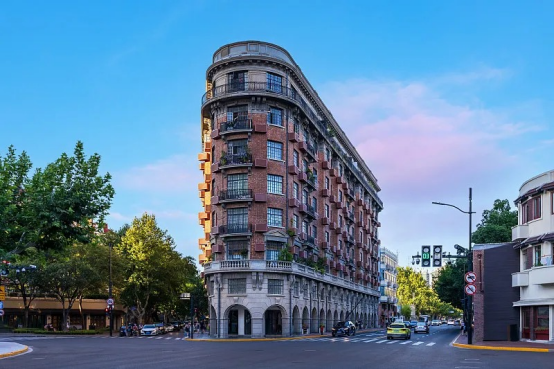
يقع في منطقة Xuhui، وكان اسمه في الأصل طريق Fukaisen، وتم بناؤه عام 1907 ويمتد إجماليًا إلى 1170 مترًا. تصطف على جانبي الطريق مساكن حديقة وشقق ومنازل حارة، وتتميز بمباني تاريخية على طرازات مثل الإسبانية وعصر النهضة الفرنسي وآرت ديكو. هناك 113 مبنى تاريخيًا على طول الطريق، بما في ذلك المساكن السابقة لهوانغ شينغ، وتانغ شاوي، وبا جين، وتشو زومين. يقع مبنى Wukang عند تقاطع طريق Huaihai الأوسط، وهو عبارة عن مجمع سكني على شكل قارب تم الانتهاء منه في عام 1924. الشارع مظلل بأشجار الدلب وله نطاق لطيف. في عام 2011، حصل على لقب "شارع الصين التاريخي والثقافي الشهير" من قبل وزارة الثقافة والإدارة الوطنية للتراث الثقافي، مما يجعله منطقة مهمة لدراسة الهندسة المعمارية السكنية الحديثة والمناظر الطبيعية الحضرية في شنغهاي.