إنجليزي
 فرنسي
فرنسي إسباني
 روسية
روسية عربي
عربي إيطاليا
1. منطقة واداداو للسياحة الثقافية
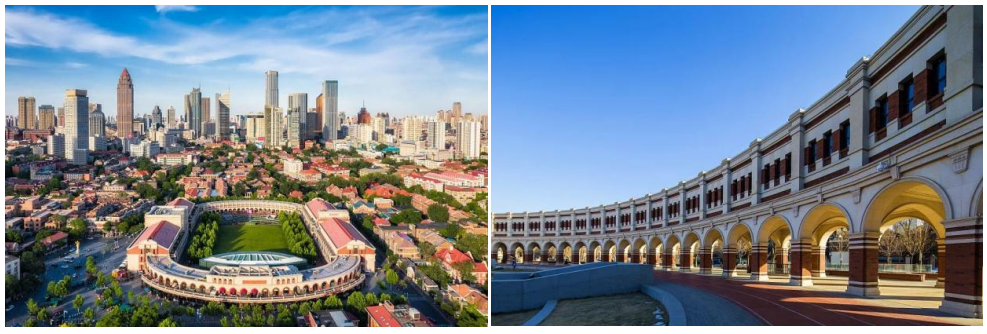
تقع منطقة السياحة الثقافية Wudadao في منطقة Heping في تيانجين. إنها ليست فقط قاعة الاستقبال بالمدينة ولكنها أيضًا شهادة حية على التاريخ المعماري الحديث للصين. ويغطي ستة شوارع بما في ذلك طريق تشنغدو وطريق تشونغتشينغ، ويضم أكثر من 2000 منزل على طراز الحدائق تم بناؤها في العشرينيات والثلاثينيات من القرن الماضي على الطراز المعماري من بريطانيا وفرنسا وإيطاليا وألمانيا وإسبانيا ودول أخرى. من بينها، هناك أكثر من 300 مبنى تاريخي ومساكن سابقة للمشاهير، مما أكسبه سمعة "معرض الهندسة المعمارية العالمي".
عند التجول هنا، تشعر أن كل خطوة تخطوها هي بمثابة الدوس على مفاتيح التاريخ. يمكنك رؤية الفيلات الريفية البريطانية النموذجية، والهندسة المعمارية الرومانية الفرنسية، والهندسة المعمارية القوطية الألمانية، والمباني الانتقائية التي تمزج بين العناصر الصينية والغربية. هذه الهياكل ليست مجرد طوب وحجارة باردة؛ كما أنها تشهد على التغيرات الدراماتيكية في الصين الحديثة. باعتبارها قلب المنطقة ذات المناظر الخلابة، خضعت ساحة مينيوان لعملية ترميم وقائية وهي الآن بمثابة غرفة معيشة في المدينة تدمج المعارض الثقافية والتجارب الترفيهية. ممراته الدائرية المفتوحة ومنصاته ذات الطراز الأوروبي تجعل الزائرين يشعرون وكأنهم في الساحة الرومانية القديمة. وتجدر الإشارة بشكل خاص إلى منطقة "مينيوان 1920" التي تمت ترقيتها، حيث تمت إزالة الجدران لتكشف عن المساحات الخضراء، وتضم المعارض الفنية والمقاهي والأسواق الثقافية، مما يحقق حوارًا مثاليًا بين العمارة التاريخية وأنماط الحياة المعاصرة. على طول Five Avenues، يعد ركوب عربة قديمة والاستماع إلى دقات الحوافر الهادئة التي تمر عبر مساكن المشاهير أفضل طريقة لتجربة سحر تيانجين في مزج العناصر الصينية والغربية ودمج الماضي والحاضر.
2. شارع الثقافة القديمة تيانجين
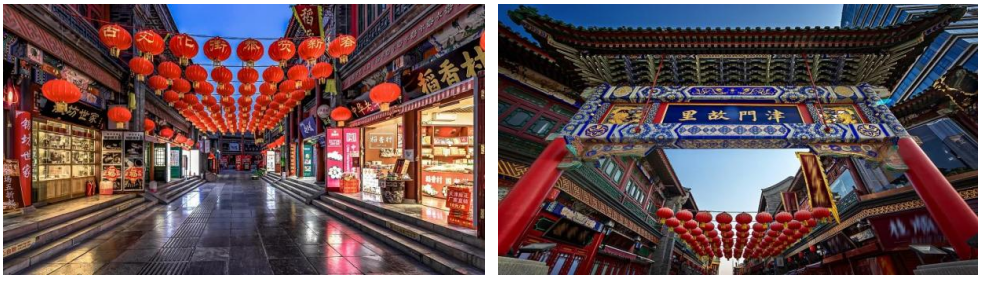
يقع شارع تيانجين الثقافي القديم، باعتباره أحد "المواقع العشرة ذات المناظر الخلابة في تيانجين"، في منطقة نانكاي على طول نهر هايخه، وهو بمثابة مهد حيوي لهذه المدينة التاريخية والثقافية. قبل وقت طويل من إنشاء تيانجين كحامية عسكرية وبناء المدينة، ازدهرت هذه المنطقة بالفعل كمركز للأنشطة التجارية والتبادلات الثقافية بسبب ازدهار تجارة نقل الحبوب. تتميز الهندسة المعمارية للشارع في الغالب بالأساليب الشعبية المستوحاة من عهد أسرة تشينغ، مع ما يقرب من مائة متجر تعرض مباني عصر تشينغ التقليدية. تم تزيين أبوابها ونوافذها بأنماط مرسومة نابضة بالحياة، في حين تضيف المنحوتات المعقدة من الطوب والمنحوتات الخشبية إلى الحرفية الرائعة، مما يخلق جوًا غارقًا في السحر القديم والأناقة الخالدة.
هذا المركز النابض بالحياة للعلامات التجارية العريقة والتراث الثقافي غير المادي في تيانجين يجعله الوجهة النهائية لاستكشاف ثقافة الطهي الفريدة في المدينة. تفضل بزيارة متحف "Niren Zhang" الفني للاستمتاع بالمنحوتات الملونة النابضة بالحياة والمتجذرة في الحياة الحضرية، حيث تشع أعمال مثل "Dream Doll" بدفء الفن الشعبي. في جمعية الرسم في يانغليوتشينغ، يمكن للزوار الاستمتاع بمطبوعات السنة الجديدة الخشبية النابضة بالحياة المليئة بالرمزية الميمونة - وخاصة "وفرة عام اللوتس" الخالدة، التي تجسد تطلعات سكان تيانجين نحو الرخاء. أثناء التجول على طول المسارات المرصوفة بالحصى، يمتلئ الهواء بالرائحة الحلوة لعصي العجين الملتوية الثمانية عشر في شارع جيفا شيانغ، بينما يتردد صدى الضحك الإيقاعي لرواد المقهى في الهواء. يقع معبد تيانهو (معبد تيانهو المبني إمبراطوريًا) بهدوء في قلب الشارع، وهو بمثابة شهادة على تاريخ النقل المائي القديم في تيانجين وتراثها الثقافي. تهمس قاعاتها المليئة بالبخور بالأسطورة الشعبية: "جاء معبد تيانهو أولاً، ثم مدينة تيانجين". يبدو الدخول إلى الشارع الثقافي القديم بمثابة فتح نافذة على تقاليد تيانجين الشعبية الغنية.
3. عجلة تيانجين عين فيريس ومصب نهر سانشا
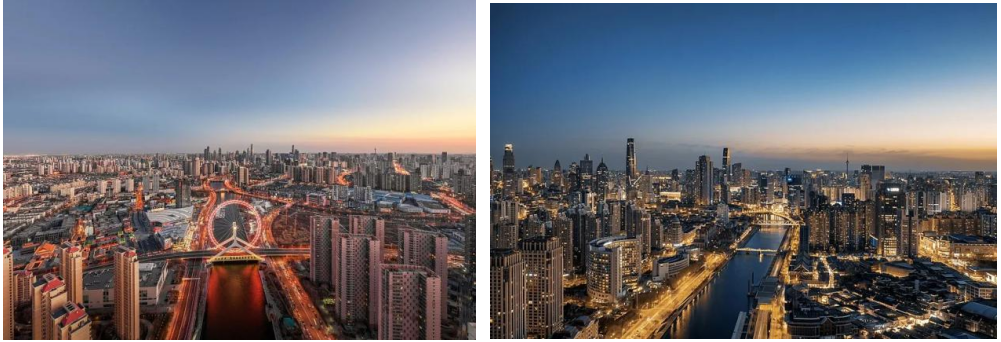
تمتد عجلة فيريس "عين تيانجين" على نهر هايخه، وتعد واحدة من المعالم الأكثر شهرة في المدينة. أكثر من مجرد عجلة فيريس تقليدية، يكمن تفردها في كونها عجلة فيريس الوحيدة المثبتة على الجسر في العالم. وبينما تصعد ببطء إلى ارتفاع 120 مترًا فوق مستوى سطح الأرض، يتكشف أمام عينيك المنظر البانورامي لمدينة تيانجين. يمثل مصب نهر ثري فوركس حيث تقع عجلة فيريس مصدر النهر الأم لتيانجين - نهر هايخه - ويعمل بمثابة مهد المدينة. المثل القديم "جاء أولا مصب نهر ثري فوركس، ثم جاء تيانجين وي" يجسد تماما هذه الأهمية التاريخية.
ومن عجلة فيريس، يمكنك مشاهدة ماضي تيانجين ومستقبلها من الأعلى. إلى الجنوب، يتكشف الأفق الحديث بعظمة، حيث ترسم ناطحات السحاب مثل برج تيانجين رحلة التحضر في المدينة. وفي الشمال، تظهر المناطق التاريخية مثل هونغتشياو وهيبي، حيث تتلاقى القناة الجنوبية ونهر زيا ونهر هايخه، مما يمزج الأحياء القديمة مع الهندسة المعمارية المعاصرة. وفي مكان قريب، يقف النصب التذكاري لمشروع تحويل نهر لوان وكنيسة وانغهايلو بمثابة شهادة صامتة على التاريخ والتقدم. في الليل، عندما تتوهج عجلة فيريس بأضواء نابضة بالحياة، وتندمج مع مناظر المدينة المتلألئة على طول نهر هايخه، فإن ركوبها يبدو وكأنه نزهة عبر مجرة متدفقة. بدءًا من تراث تيانجين العميق باعتباره "مهد تيانجين" وحتى الحياة العصرية المضاءة بالنيون، تم دمج كل هذه العناصر بسلاسة في "عين تيانجين".
4. المتحف البحري الوطني
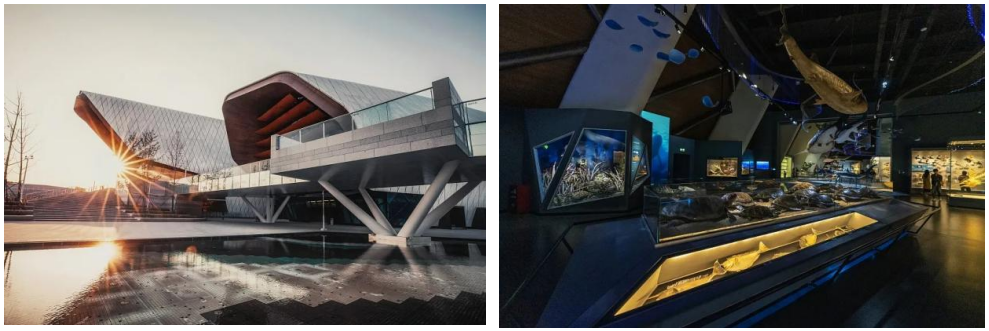
يقع المتحف البحري الوطني، الذي يطلق عليه اسم "المدينة البحرية المحرمة"، في منطقة بينهاى الجديدة في تيانجين. تدمج هذه المؤسسة البحرية الشاملة على المستوى الوطني بين الجمع والمعارض والبحث والتعليم. تشبه هندسته المعمارية زعانف الأسماك التي تصل إلى المحيط أو مجموعة من "الخلايا البحرية"، تعرض تصميمًا استثنائيًا يتناغم مع المناظر الطبيعية الساحلية المحيطة. ويتجاوز حدود المتحف التقليدية، ويسعى جاهداً لخلق مساحة غامرة لتجربة الثقافة البحرية.
تكشف مناطق العرض الست بالمتحف عن ملحمة بحرية كبرى. وتتتبع قاعة "المحيطات القديمة" أصول الحياة من خلال حفريات ثلاثية الفصوص والأمونيتات، بينما يضم قسم "المحيطات الحديثة" عينة من قرش الحوت العملاق بطول 9.4 متر ونماذج نابضة بالحياة لحوت العنبر، تعرض اتساع وعجائب الحياة البحرية. يمكن للزوار الدخول إلى "عصر التنانين" لتجربة هيمنة مخلوقات عصر الدهر الوسيط، أو استكشاف العلاقة العميقة بين الكون والمحيطات في معرض "المحيطات وعلم الفلك". إلى جانب العروض الثابتة، يقدم المتحف تجارب تفاعلية غامرة، بما في ذلك محاكاة الأنفاق تحت الماء التي تنقل الزوار إلى بيئات أعماق البحار. بالنسبة للعائلات، لا تعد هذه المساحة بمثابة فصل دراسي للعلوم فحسب، بل تعتبر أيضًا ملعبًا لإثارة الفضول. وعند الخروج من القاعات، يمكن للزوار التنزه على طول الممرات الساحلية، والاستمتاع بنسيم البحر، ومشاهدة غروب الشمس فوق المحيط، لتكتمل رحلة عميقة من المعرفة العلمية إلى تجارب الحياة في أحضان الحضارة الزرقاء.
5. منطقة سياحية على الطراز الإيطالي
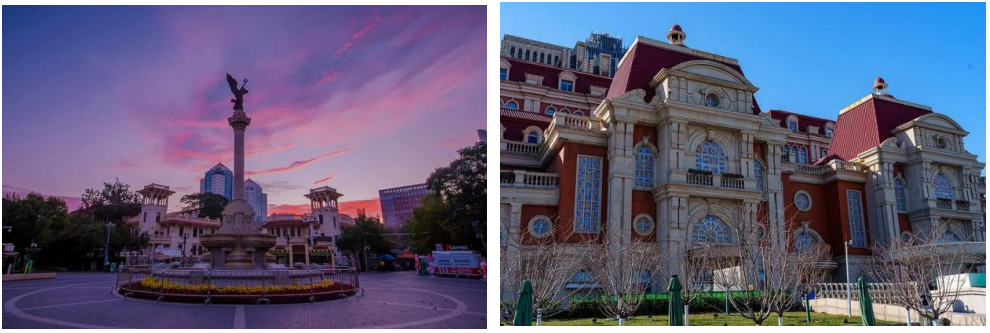
أثناء التجول في المنطقة ذات الطراز الإيطالي، تنقل الأعمدة الدائرية في ساحة ماركو بولو، وتماثيل دانتي، والأبراج والأقواس المنتشرة في كل مكان، الزوار على الفور إلى شبه جزيرة أبينين. كانت هذه المنطقة في الأصل جزءًا من امتياز تيانجين الإيطالي، وتضم أكبر مجموعة معمارية إيطالية خارج البر الرئيسي لإيطاليا. يحتفظ الحي بما يقرب من 200 مبنى أوروبي سليم يعود تاريخه إلى قرن من الزمان، بما في ذلك مقر إقامة Liang Qichao السابق والمعروف باسم "Yinbing Room".
إذا كانت الهندسة المعمارية عبارة عن موسيقى مجمدة، فإن منطقة يفينغ هي سيمفونية رائعة. هنا، يخفي كل مبنى صغير على الطراز الغربي قطعة من الحكاية التاريخية. عند السير في طريق مينزو رقم 44 ورقم 46، ستجد المبنى الأبيض الأنيق والمميز هو مكتب السيد ليانغ تشيشاو، "غرفة يينبينج". وهنا كتب كتبًا وصمم روائع أكاديمية مثل "أساليب البحث التاريخي عن الصين". وترمز الشخصيتان "يينبينغ" إلى قلقه واهتمامه بمستقبل الأمة، مما يعكس شغفه بالإصلاح وتعزيز البلاد، فضلاً عن اهتمامه العميق بالشعب. تعرض "غرفة Yinbing" التي تم ترميمها حديثًا الرحلة الفكرية للمفكر عبر مجموعة كبيرة من المخطوطات والكتب. واليوم، تم إضفاء حيوية جديدة على هذا الحي. في الليل، عندما تضاء الأضواء، تبدو المباني ذات الطراز الأوروبي أكثر رومانسية تحت الإضاءة المبهرة. يمكن للزوار القيام بجولة على متن حافلة مكشوفة ذات طابقين، والاستماع إلى النسيم اللطيف وموسيقى فناني الشوارع، أو رفع كأس في مطعم غربي في الهواء الطلق، والاستمتاع بـ "مشروب مشترك" عبر الزمن مع شخصيات تاريخية.
6. برج جين (منصة المراقبة بمركز تيانجين المالي العالمي)
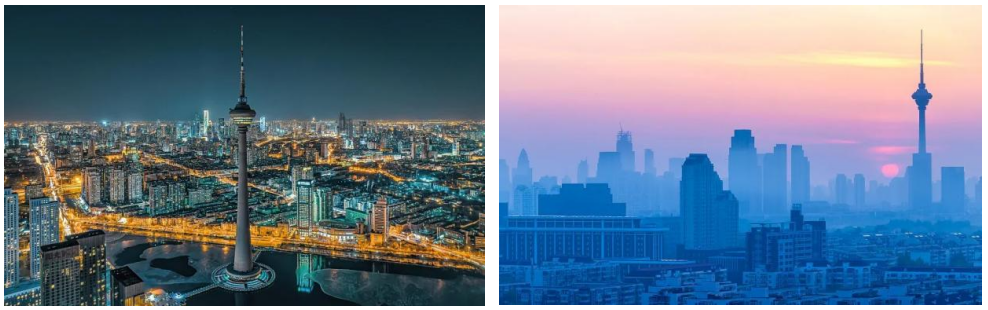
باعتباره عنصرًا رئيسيًا في مركز تيانجين المالي العالمي، يقف برج تيانجين كرمز بارز لصورة المدينة الحديثة. ويبلغ ارتفاعه 308 أمتار، ويضم "قلب تيانجين" - أول منصة مراقبة على ارتفاعات عالية في شمال الصين يتجاوز ارتفاعها 300 متر. يستغرق المصعد عالي السرعة ما يزيد قليلاً عن دقيقة واحدة للوصول إلى القمة، حيث توفر النوافذ البانورامية الممتدة من الأرض حتى السقف بزاوية 360 درجة إطلالة سلسة على المناظر الطبيعية الحضرية بأكملها في تيانجين دون أي نقاط عمياء.
وبالوقوف على قمة برج تيانجين، يمكنك تجربة "سحر المدينة والبحر والنهر" في المدينة بطريقة لا مثيل لها. إلى الشمال، يتدفق نهر هايهي عبر المدينة مثل شريط اليشم، بينما تتكشف المناظر الطبيعية التاريخية لسانشاهيكو وأزقتها القديمة أمام عينيك - مزيج نابض بالحياة من تراث تيانجين الطهوي والأصداء التاريخية. بالنظر إلى الجنوب، تجد المنطقة المالية الحديثة شاهقة بناطحات السحاب، حيث تعكس واجهاتها الزجاجية ضوء الشمس لتحدد مخطط المدينة ونبضها المستقبلي. من خلال نظام الجولات الرقمية الذكي والتلسكوب البصري المثبت في القاعة، يمكنك ربط المشهد المادي بالثقافة التاريخية المدفونة، والكشف عن الماضي والحاضر لكل حي. وهذا يحول تجربة المشاهدة الخاصة بك من الملاحظة البصرية إلى رحلة ذكية متعددة الأبعاد. ومع غروب الشمس، يتلألأ نهر هايخه بأمواجه الذهبية، ويرسم أفق المدينة بألوان برتقالية ناعمة. ستجد هنا "أجمل أفق" تيانجين ونقطة مراقبة مثالية لتقدير الحياة الحضرية البطيئة، مما يسمح لك بفهم صفاء المدينة وطموحها وسط سماء شاسعة وسحب لا حدود لها.
7. القاعة التذكارية لحملة بينجين
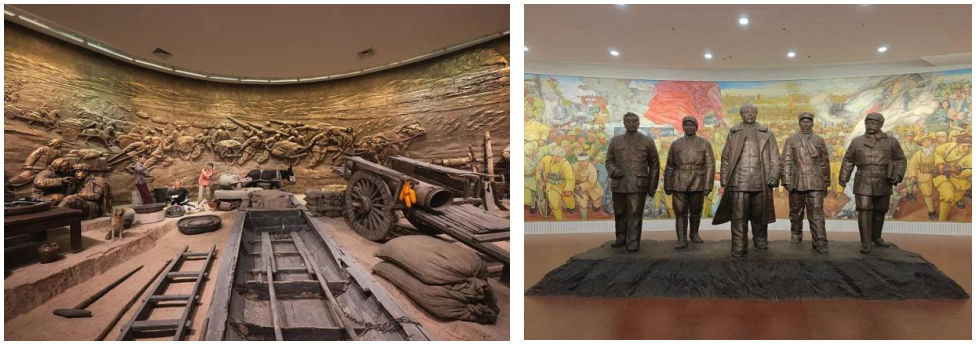
تقع القاعة التذكارية لحملة بينجين في منطقة هونغتشياو بمدينة تيانجين، وهي عبارة عن مجمع تذكاري موضوعي يعرض بشكل شامل النصر العظيم لحملة بينجين. تم الانتهاء من بناءه وافتتاحه في عام 1997، وهو ليس بمثابة نصب تذكاري لإحياء ذكرى التاريخ وتكريم الشهداء فحسب، بل أيضًا كقاعدة حيوية لوراثة التقاليد الثورية وتعزيز الروح الثورية. باعتبارها واحدة من مناطق الجذب السياحي الحمراء الرئيسية في تيانجين، فقد سجلت باستمرار أرقامًا قياسية جديدة للزوار في السنوات الأخيرة.
تتميز القاعة التذكارية بطراز معماري مهيب، حيث يقف هيكلها الرئيسي بشكل مهيب في ساحة النصر الواسعة. عند دخول القاعة الرئيسية، يصور التمثال البرونزي المهيب "الزحف نحو النصر" بوضوح المواقف البطولية لأمناء الحزب المركزيين الخمسة. من خلال أكثر من 2500 قطعة أثرية تاريخية ثمينة، وعروض الوسائط المتعددة، والمعارض البانورامية، يحيي المتحف الحملة الحاسمة التي شكلت مصير شمال الصين. من التخطيط العسكري الاستراتيجي إلى تحرير تيانجين الذي توقف القلب لمدة 29 ساعة خلال معركة تيانجين، ومن القصص الملهمة للمدنيين الذين يدعمون الخطوط الأمامية إلى اللحظات الثمينة من الاستيلاء السلمي بعد الحرب في بيبينج، تروي كل قطعة أثرية وصورة بصمت هذا التاريخ من الدم والنار. وفي عام 2024، استقبل المتحف 1.41 مليون زائر، مما يمثل زيادة بنسبة 50% على أساس سنوي. يأتي المزيد من الناس إلى هنا أكثر من أي وقت مضى لتكريم الشهداء بينما يستمدون القوة من أجل التقدم. لا يعيد هذا الموقع زيارة تلك الحقبة المضطربة فحسب، بل يمثل أيضًا أعلى تكريم لعدد لا يحصى من الأبطال الذين ضحوا بحياتهم من أجل قضية التحرير.
8. الموقع السابق لجامعة Beiyang
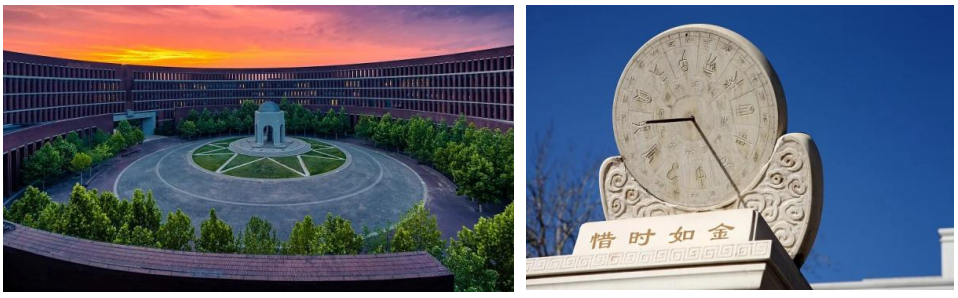
في الموقع السابق لجامعة Beiyang، يحيي الزوار شعور بالعصور القديمة والوقار. هذا هو مسقط رأس أول جامعة حديثة في الصين في التاريخ الحديث - جامعة Beiyang (سلف جامعة تيانجين اليوم). لم يشجع تأسيسها على ظهور النظام الأكاديمي الحديث في الصين فحسب، بل أنهى أيضًا تاريخ التعليم الإقطاعي الذي استمر لأكثر من ألف عام، إيذانا ببدء فصل جديد من التعليم الحديث في الصين. تم تصنيف المباني القائمة مثل المبنى الجنوبي (الذي تم بناؤه عام 1933) والمبنى الشمالي (الذي تم بناؤه عام 1936) كوحدات وطنية رئيسية لحماية الآثار الثقافية.
عند الدخول إلى هذا الموقع التاريخي الواقع داخل حرم جامعة خبي للتكنولوجيا، يمكن للمرء أن يسمع الأصوات الرنانة لأجيال من الطلاب الذين ثابروا خلال الصعوبات وكرسوا أنفسهم للتنمية الوطنية. هذه المباني نفسها هي تاريخ متجمد، بجدرانها المبنية من الطوب والأقواس الرائعة التي تشهد الرحلة الشاقة للتعليم العالي الحديث من بدايته إلى نموه. في متحف تاريخ الجامعة (الموجود في المبنى الجنوبي)، تعرض المعروضات المخطوطات والكتب المدرسية من الأيام الأولى للمدرسة، وإنجازات الخريجين البارزين. والأكثر إثارة للدهشة من بينها هي المعلومات المتعلقة برئيس مجلس الدولة تشو إن لاي، وهو خريج بارز تخرج من الصف الأول في القانون ثم تابع تعليمه من أجل تجديد شباب الصين. هنا، يمكن للمرء أن يقدر كيف تم تناقل شعار الجامعة المتمثل في "البحث عن الحقيقة من الحقائق" عبر الأجيال وتجربة تراث تيانجين العميق كشركة رائدة في التعليم الحديث. وهذا الحرم الجامعي الصغير ليس فقط قاعة أكاديمية، ولكنه أيضًا مثال روحي لسعي المثقفين الصينيين إلى الحقيقة والتفاني في خدمة الأمة.