إنجليزي
 فرنسي
فرنسي إسباني
 روسية
روسية عربي
عربي إيطاليا
1. الجبال المشتعلة
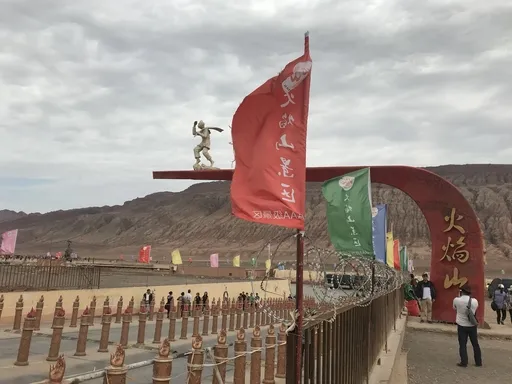
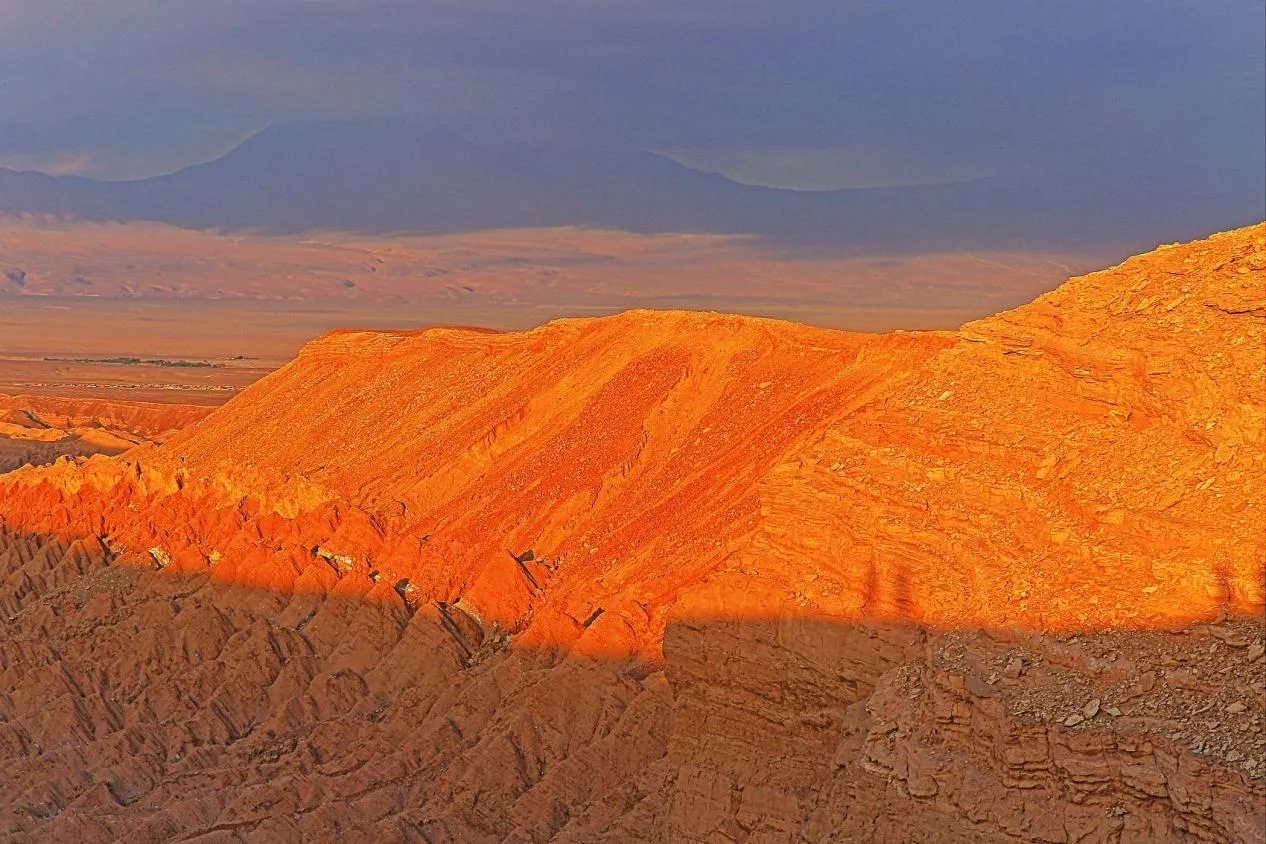
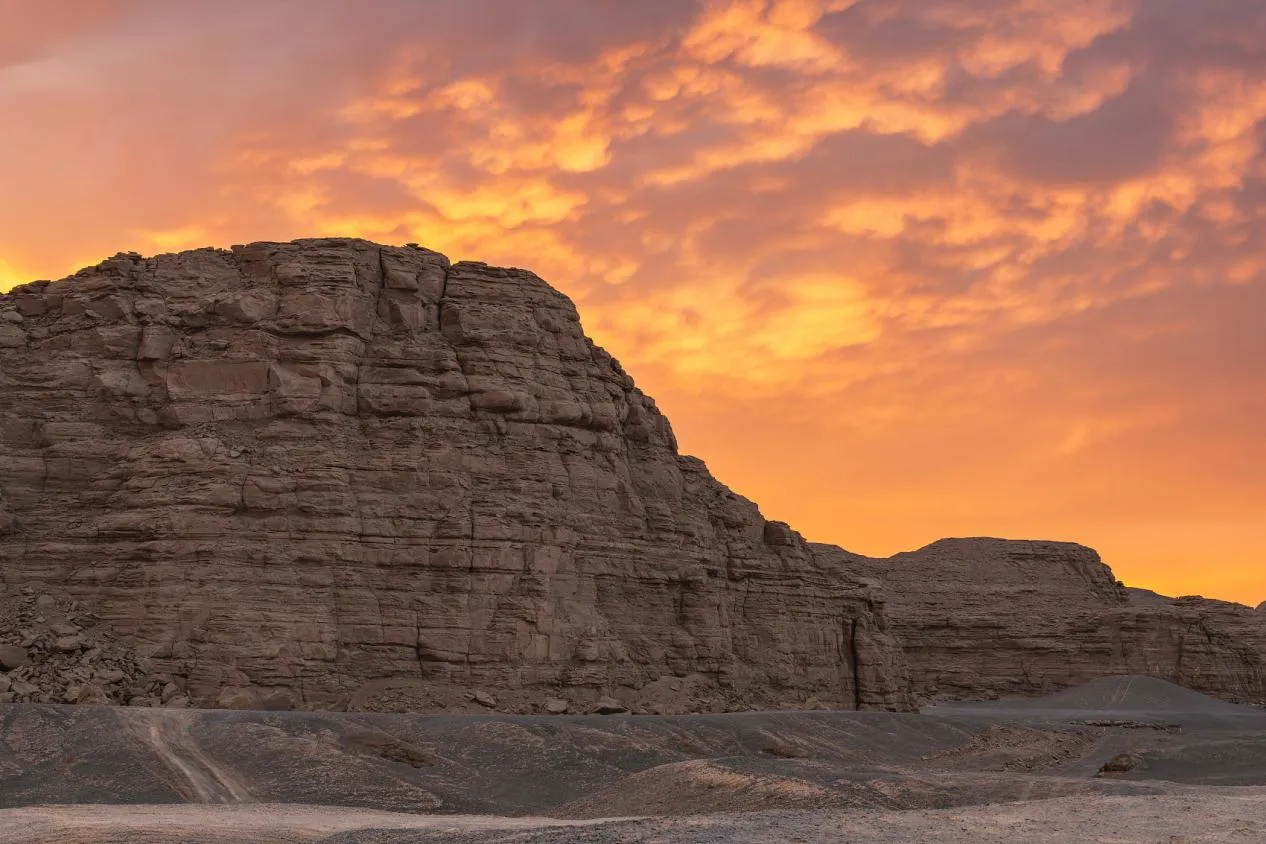
تشتهر الجبال المشتعلة بدرجات الحرارة المرتفعة للغاية والمناظر الطبيعية الفريدة من نوعها من الحجر الرملي الأحمر، وهي من المعالم الطبيعية الشهيرة في توربان، وقد اشتهرت بفضل الرواية الصينية الكلاسيكية "رحلة إلى الغرب". تمتد الجبال لمسافة 100 كيلومتر، وتتكون من الحجر الرملي الأحمر والصخر الزيتي، الذي يتوهج باللون الأحمر الساطع تحت أشعة الشمس الحارقة، ويشبه بحرًا من اللهب - ومن هنا جاء الاسم. يمكن أن تصل أعلى درجة حرارة هنا إلى أكثر من 47 درجة مئوية، ويمكن أن تتجاوز درجة حرارة السطح 80 درجة مئوية، مما يجعلها واحدة من أكثر الأماكن حرارة في الصين. وتوجد العديد من المواقع الثقافية والتاريخية حول الجبال، بما في ذلك آثار المدن القديمة والكهوف البوذية، مما يعكس موقع توربان المهم على طريق الحرير. يمكن للزوار ركوب التلفريك إلى قمة الجبل للاستمتاع بإطلالة بانورامية، وزيارة متنزه Journey to the West الترفيهي، والتعرف على الأساطير والتاريخ المحلي.
2. وادي العنب
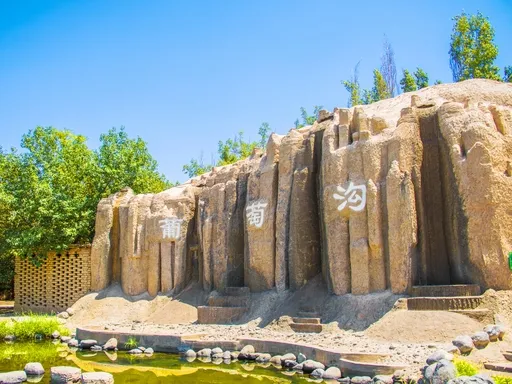
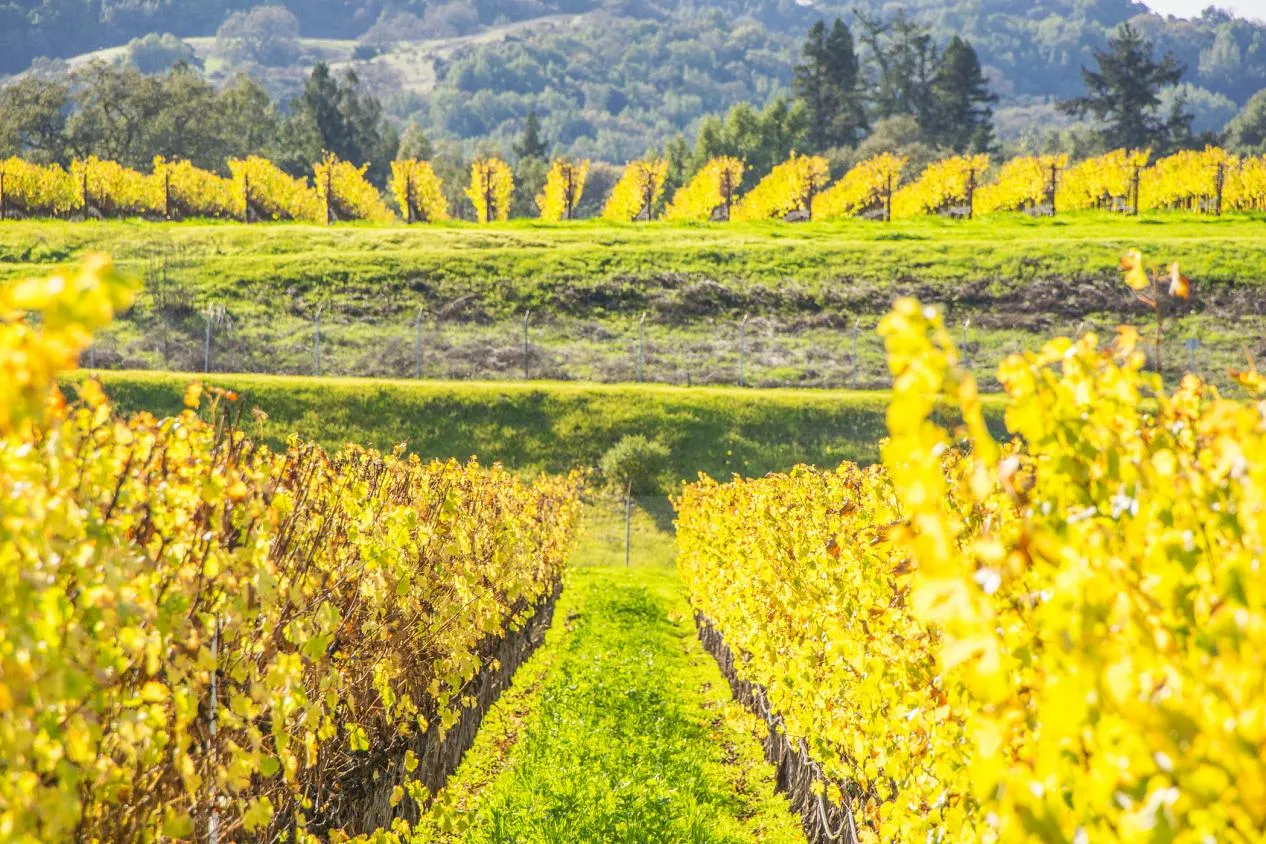
وادي العنب هو واحة خضراء في حوض توربان القاحل، وهي منطقة مشهورة عالميًا بزراعة العنب ويعود تاريخها إلى أكثر من 2000 عام. وتحيط بالوادي الجبال العالية، ويتم ريه بالينابيع الجبلية، مما يخلق مناخًا محليًا معتدلًا ورطبًا مثاليًا لزراعة العنب. ويوجد هنا أكثر من 100 نوع من العنب، منها العنب الأبيض بدون بذور، والعنب الأحمر، والعنب الأسود، المعروف بحلاوته وجودته العالية. الوادي مغطى بتعريشات العنب، وفي الصيف والخريف يتدلى العنب في عناقيد، مما يخلق مشهدًا جميلاً وفيرًا. يمكن للزوار المشي على طول الممرات الحجرية، وتذوق العنب الطازج، وزيارة مصانع نبيذ العنب، وتجربة أنشطة قطف العنب التقليدية للأويغور. توجد أيضًا قرى الأويغور في الوادي، حيث يمكن للزوار الاستمتاع بالموسيقى الشعبية وعروض الرقص وتذوق المأكولات الأويغورية الأصيلة، والانغماس في ثقافة العنب الفريدة في توربان.
3. أطلال جياوخه
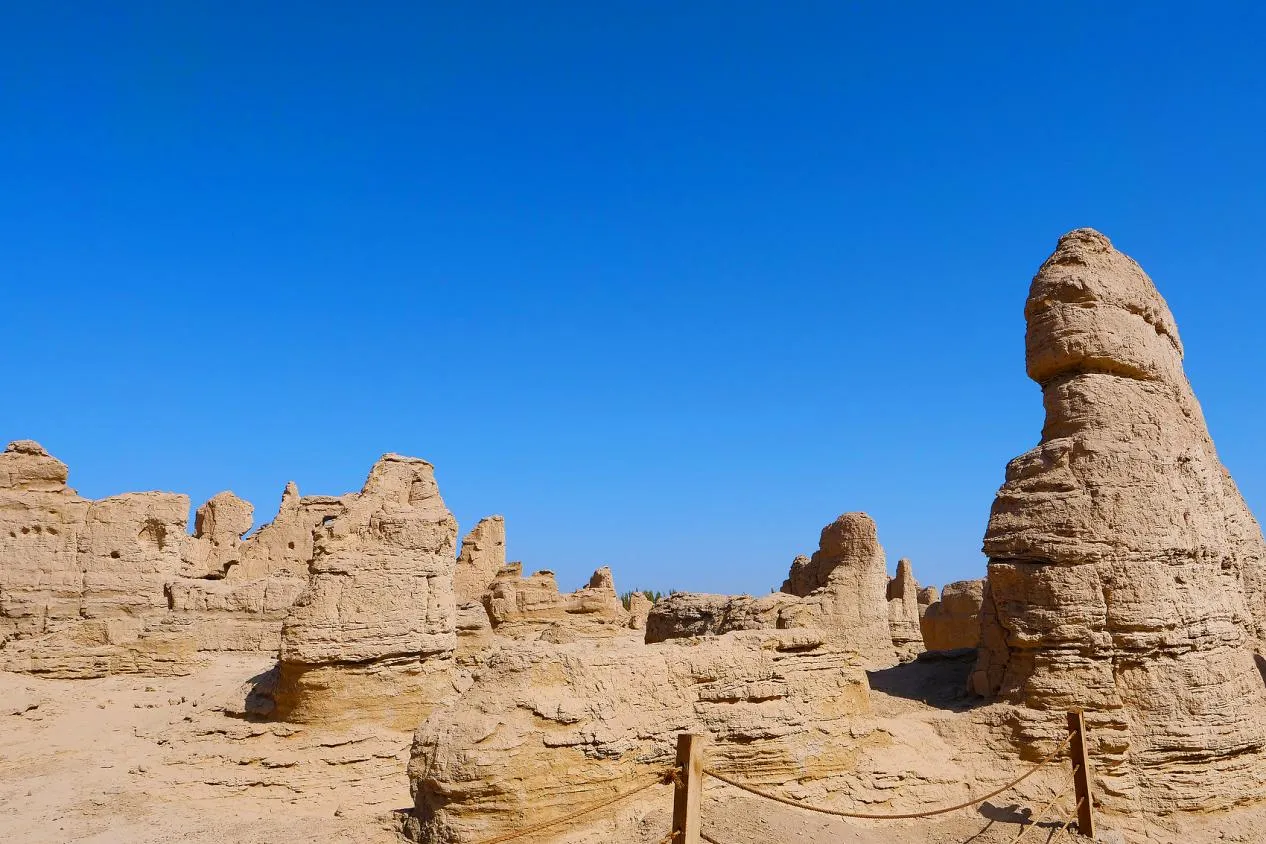
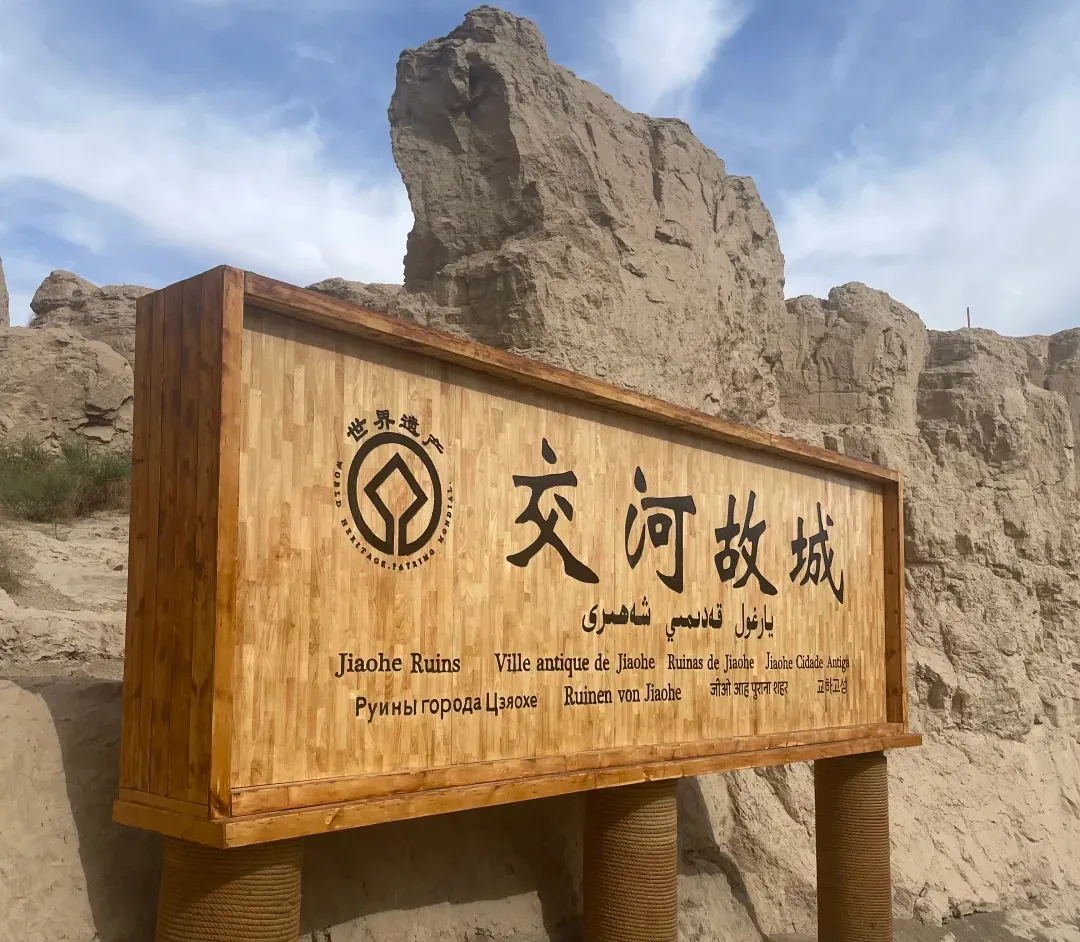
تعد أطلال جياوخه واحدة من أكبر أطلال المدن الترابية وأفضلها حفظًا في العالم، ويعود تاريخها إلى أكثر من 2300 عام وكانت ذات يوم مدينة مهمة على طريق الحرير. تم بناء المدينة على جزيرة ضيقة في وسط النهر، وتحيط بها المنحدرات، مما يجعل من السهل الدفاع عنها ويصعب الهجوم عليها. كانت عاصمة مملكة تشيشي القديمة وعملت فيما بعد كمركز عسكري وتجاري رئيسي خلال عهد هان وتانغ وغيرهما من السلالات. وتغطي الآثار مساحة قدرها 300 ألف متر مربع، مع شوارع ومنازل ومعابد وأسواق تم الحفاظ عليها جيدًا، وكلها منحوتة من الرواسب. تعكس الهندسة المعمارية الترابية الفريدة والتخطيط الحضري تقنيات التخطيط والبناء الحضري المتقدمة للشعوب القديمة في المناطق الغربية. يمكن للزوار التجول بين الآثار، وتخيل ازدهار طريق الحرير القديم، والاستمتاع بالفن المعماري الترابي الفريد، الذي صمد أمام اختبار الزمن والتآكل الطبيعي.
4. أطلال جاوتشانغ
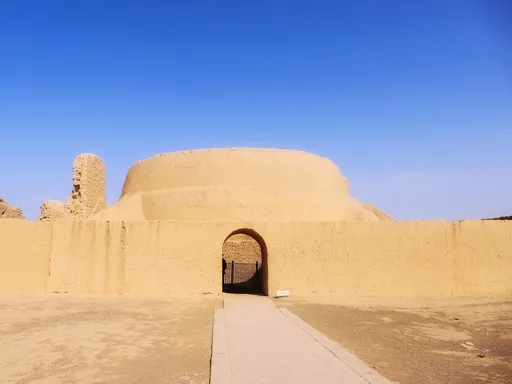
كانت أطلال جاوتشانغ، التي كانت ذات يوم مدينة طريق الحرير الصاخبة، عبارة عن مدينة ترابية ضخمة مدمرة ذات تاريخ يمتد لأكثر من 1400 عام. تأسست في عهد أسرة هان ووصلت إلى ذروتها في عهد أسرة تانغ، وكانت بمثابة مركز سياسي واقتصادي وثقافي مهم في المناطق الغربية. تبلغ مساحة المدينة 2.2 مليون متر مربع، مع تخطيط جيد التخطيط يشمل مدينة خارجية، ومدينة داخلية، ومدينة القصر. وتشمل الآثار أسوار المدينة والبوابات والشوارع والأسواق والمعابد والمقابر، وتعرض الأساليب المعمارية المتنوعة المتأثرة بالثقافات الصينية وآسيا الوسطى والبوذية. وقد أقام هنا الراهب البوذي الشهير شوانزانغ ذات مرة وألقى محاضرات خلال رحلته إلى الهند. يمكن للزوار استكشاف الآثار، وزيارة الكهوف البوذية ذات الجداريات المحفوظة جيدًا، والتعرف على صعود المدينة وسقوطها جنبًا إلى جنب مع التغيرات التي طرأت على طريق الحرير، واكتساب فهم أعمق للتبادلات الثقافية في العصور القديمة.
5. نظام الري كريز
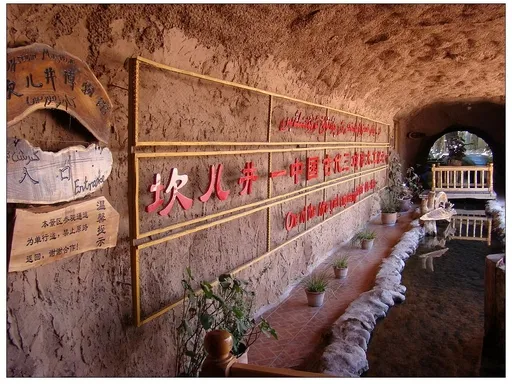
يُعد نظام الري كاريز أحد أعجوبة هندسة الحفاظ على المياه القديمة، وهو عبارة عن شبكة من القنوات الجوفية التي دعمت زراعة الواحات في توربان لأكثر من 2000 عام. وتتكون من ثلاثة أجزاء رئيسية: الآبار العمودية، والقنوات الجوفية، وخنادق الصرف السطحية. ومن خلال حفر الآبار العمودية لربط مصادر المياه الجوفية وبناء القنوات لنقل المياه إلى الحقول، يقلل النظام بشكل فعال من تبخر المياه في المناخ الصحراوي القاحل. يتجاوز الطول الإجمالي لقنوات كاريز في توربان 5000 كيلومتر، مما يجعلها واحدة من أكبر أنظمة الري في العالم، على قدم المساواة مع السور العظيم والقناة الكبرى. ويمكن للزوار زيارة متحف كاريز للتعرف على تاريخ وتقنيات بناء النظام، والمشي على طول القنوات تحت الأرض لرؤية المياه المتدفقة، والتعجب من حكمة ومثابرة شعب توربان القديم الذي حول الصحراء إلى واحة خصبة.

6. بيزكليك ألف كهوف بوذا
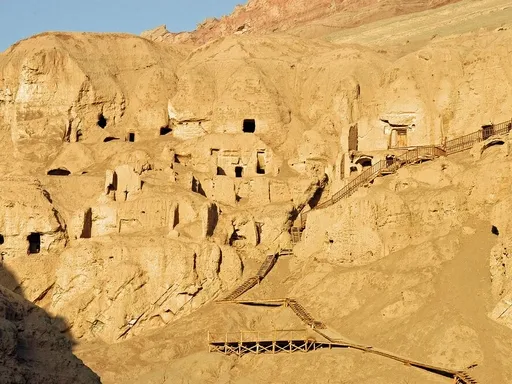
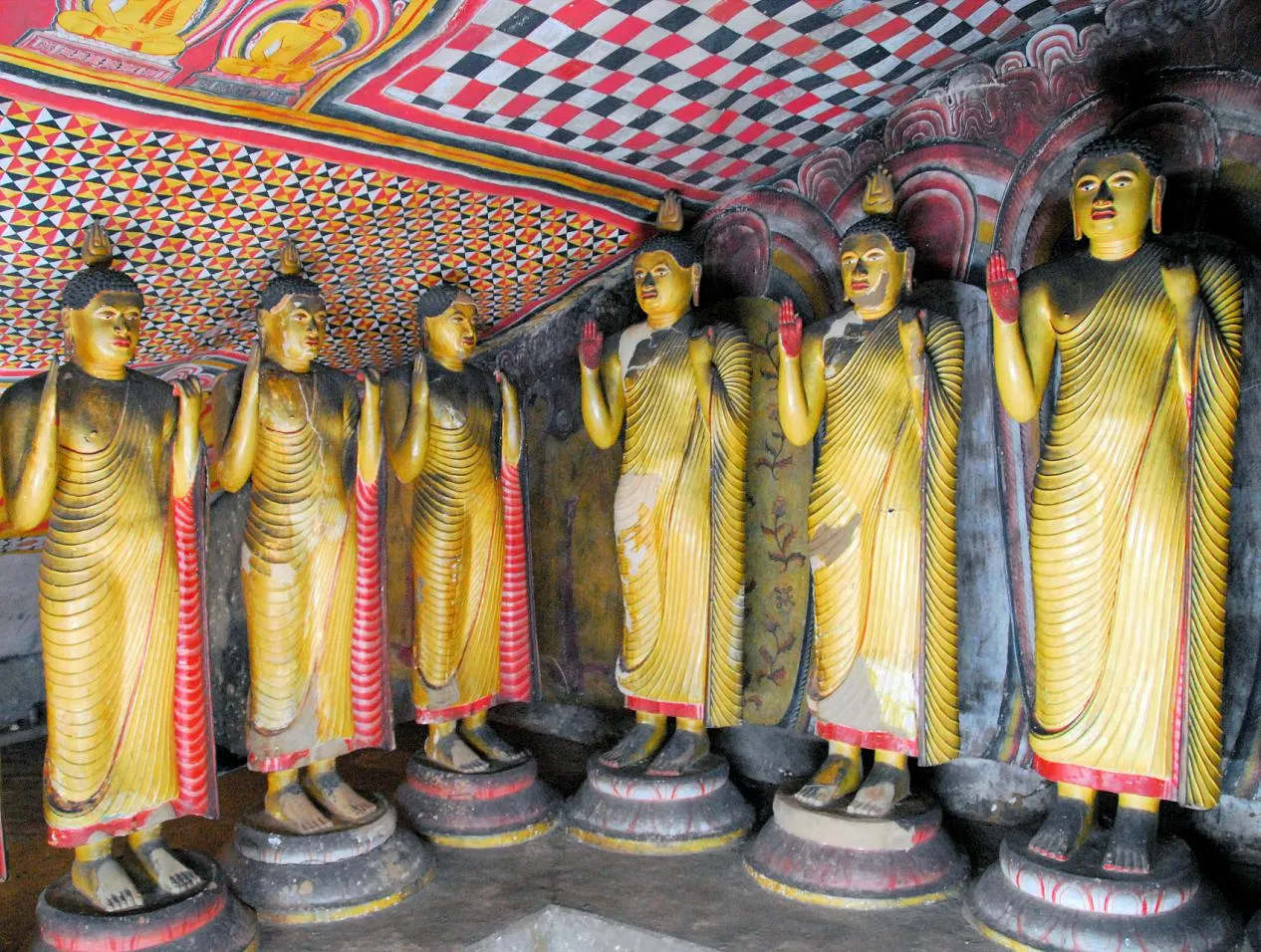
تقع كهوف بيزكليك ألف بوذا على منحدرات الجبال المشتعلة، وهي موقع فني بوذي مهم يعود تاريخه إلى القرن الخامس. يوجد في المجمل أكثر من 80 كهفًا، مع أكثر من 40 لوحة جدارية محفوظة تغطي مساحة تزيد عن 1200 متر مربع. تصور الجداريات قصصًا بوذية وصورًا للحكام ومشاهد من الحياة اليومية والتبادلات الثقافية، وتعرض مزيجًا فريدًا من الأساليب الفنية الصينية والهندية والفارسية وآسيا الوسطى. إنها وثائق تاريخية قيمة تسجل انتشار البوذية والتبادلات الثقافية على طول طريق الحرير. لسوء الحظ، تم نهب العديد من الجداريات من قبل المستكشفين الأجانب في أوائل القرن العشرين، ولم يتبق سوى شظايا في بعض الكهوف. يمكن للزوار الاستمتاع بالجداريات المتبقية، والتعرف على الفن البوذي والتاريخ الثقافي للمناطق الغربية، والتفكير في أهمية حماية التراث الثقافي.
7. مئذنة الأمين
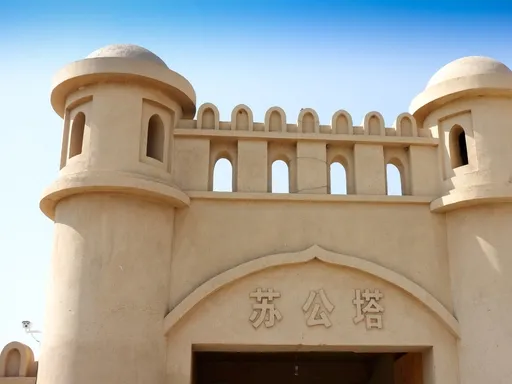
تقع مئذنة أمين، وهي تحفة معمارية إسلامية رائعة، في توربان وتم بناؤها في القرن الثامن عشر خلال عهد أسرة تشينغ. ويبلغ ارتفاعه 44 متراً، وهو ذو جسم أسطواني مزين بأنماط هندسية معقدة والخط العربي، وقمته مخروطية الشكل. تعد المئذنة جزءًا من مجمع مسجد أمين، ويجمع طرازها المعماري الفريد بين العناصر المعمارية الأويغورية والفارسية والهانية، مما يعكس التكامل الثقافي في شينجيانغ. يمكن للزوار صعود الدرج الحلزوني داخل المئذنة للاستمتاع بإطلالة بانورامية على مدينة توربان والصحراء والواحات المحيطة بها. يعد مسجد الأمين القريب مبنى إسلامي كبير به فناء واسع وديكورات رائعة، حيث يمكن للزوار التعرف على الثقافة الإسلامية والحياة الدينية لشعب الأويغور المحلي.