
 إنجليزي
 فرنسي
فرنسي إسباني
 روسية
روسية عربي
عربي إيطاليا
تقع ليجيانغ في شمال غرب مقاطعة يوننان على الحافة الجنوبية الشرقية لهضبة تشينغهاي-التبت، وهي مدينة ذات شهرة عالمية للتراث العالمي لليونسكو ومدينة تاريخية وثقافية وطنية. كما أنها كانت بمثابة مركز رئيسي على طول طريق تي هورس القديم وهي مسقط رأس الثقافة العرقية الناكسي. تمزج المدينة بسلاسة بين المناظر الطبيعية المهيبة للهضبة وتراثها الثقافي الذي يعود إلى آلاف السنين وتقاليدها العرقية المميزة: تحيط الجبال المغطاة بالثلوج بالمدينة القديمة، بينما تتدفق الأنهار المتدفقة عبر شوارعها، مما يجعلها وجهة رئيسية للسفر الترفيهي والسياحة الثقافية في الصين.
I. مناطق الجذب السياحي الأساسية
(1) مدينة ليجيانغ القديمة (مدينة دايان القديمة)
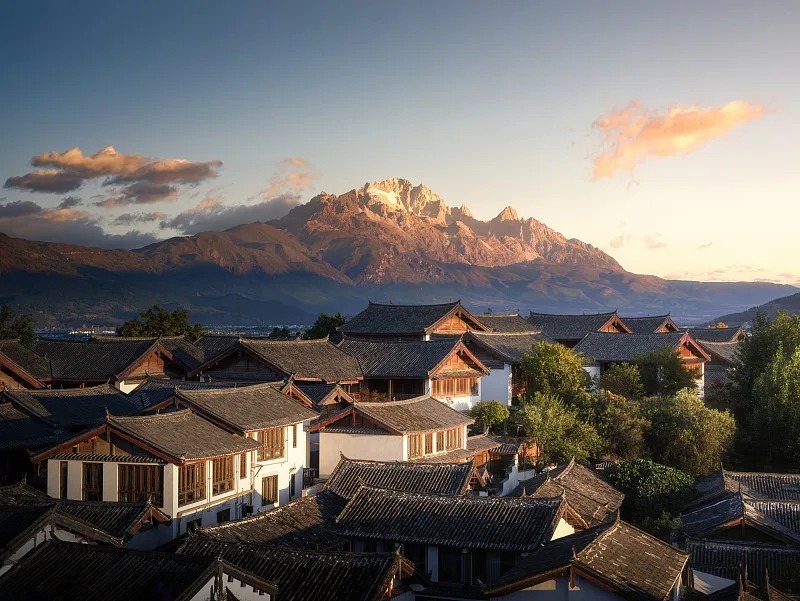
مدينة ليجيانغ القديمة هي واحدة من المدن القديمة القليلة الخالية من الأسوار في الصين، والتي تم بناؤها في الأصل خلال أواخر عهد أسرة سونغ وأوائل أسرة يوان، وتتميز بتاريخ يمتد لأكثر من ثمانية قرون وتم إدراجها في قائمة التراث العالمي ككل. تم بناء المدينة وسط مناظر طبيعية تتدفق من خلالها ثلاثة أنهار وشبكة من الشوارع والأزقة، وتقدم مشهدًا فريدًا حيث "تستقبل المياه المتدفقة كل أسرة وتزين الزهور المتفتحة كل نافذة". تشمل المعالم الرئيسية عجلة المياه الكبرى وشارع سكوير وقصر موفو ووانغو لو على جبل ليون. من بين هذه الأماكن، كان Square Street بمثابة المركز التجاري على طول طريق Tea-Horse القديم، الذي كان يعج بالنشاط. كان قصر موفو، الذي يُطلق عليه اسم "مدينة ليجيانغ المحرمة"، مقر إقامة زعماء قبيلة ناشي المتعاقبين، ويتميز بهندسة معمارية رائعة وتراث ثقافي عميق؛ من وانغو لو على جبل ليون، يمكن للمرء الاستمتاع بإطلالة بانورامية على المدينة القديمة بأكملها، مع الطوب الأزرق المرتب بعناية والبلاط الأسود الذي يخلق مشهدًا يحبس الأنفاس. تلتزم مساكن ناشي داخل المدينة بالتصميم المعماري الكلاسيكي المتمثل في "ثلاثة أفنية وجدار حاجز"، تعرض خصائص عرقية مميزة.
(2) جبل يولونغ الثلجي
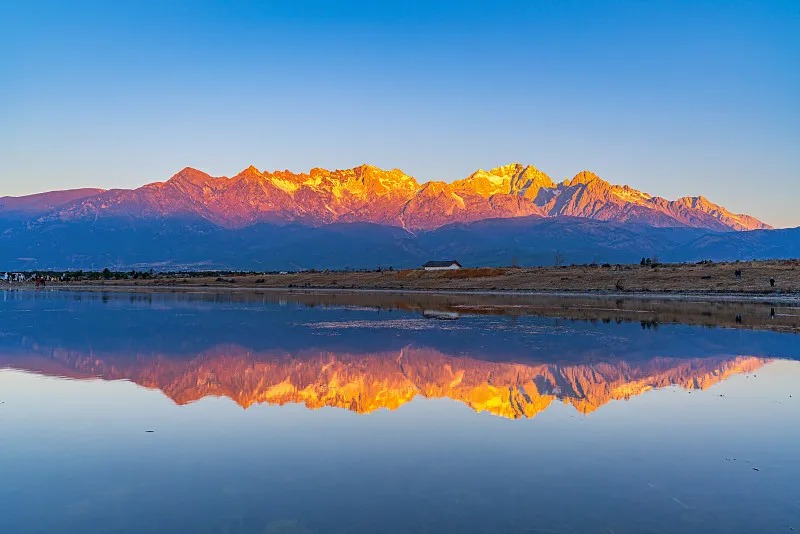
جبل يولونغ الثلجي هو سلسلة الجبال المعمرة المغطاة بالثلوج في أقصى الجنوب في نصف الكرة الشمالي ويحمل مكانة مقدسة لشعب ناشي. تبلغ قمته الرئيسية 5596 مترًا فوق مستوى سطح البحر، ويغطيها الضباب دائمًا وتغطيها الثلوج البيضاء، مما يوفر مشهدًا مهيبًا ومذهلًا. باعتبارها معلمًا بارزًا في ليجيانغ، تتكون المنطقة ذات المناظر الخلابة من عدة مناطق رئيسية: يوفر تلفريك Glacier Park إمكانية الوصول المباشر إلى منصة المراقبة على ارتفاع 4680 مترًا، مما يوفر إطلالات قريبة على الأنهار الجليدية المغطاة بالثلوج؛ يتميز وادي القمر الأزرق، الذي يتكون من المياه الذائبة من الجبال، بمياه زرقاء وخضراء صافية نقية ومهدئة، مما أكسبه لقب "جيوتشايقو الصغيرة في الهضبة"؛ تقع يونشانبينغ في أعماق الجبال المغطاة بالثلوج، وهي عبارة عن مرج شاسع في جبال الألب تحيط به القمم والغابات، وتشتهر بمناظرها الخلابة وكمكان رومانسي شهير؛ تعد ظاهرة الشتاء لانعكاس ضوء الشمس الذهبي في جبل يولونغ الثلجي مشهدًا طبيعيًا نادرًا.
(3) مدينة شوخه القديمة
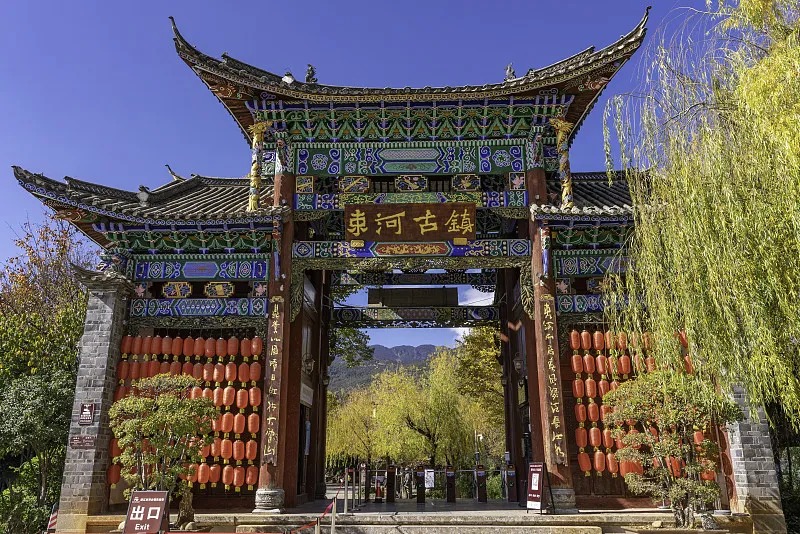
تُعد مدينة شوهي القديمة محطة مهمة على طول طريق تي هورس. بالمقارنة مع مدينة دايان القديمة، فإنها تظهر درجة أقل من التسويق وتحافظ على طابع المدينة القديمة الأكثر نقاءً وهدوءًا. تقع المدينة بين الجبال والمياه، وتتميز ببيئة هادئة، مع مناطق الجذب الرئيسية بما في ذلك جسر تشينغ لونغ الذي يعود تاريخه إلى قرن من الزمان، ومسبح جيودينغ دراغون، ومتحف طريق تي هورس. ينضح المسار القديم المرصوف بالحجارة بالسحر الريفي. مياه البركة صافية تمامًا، وتنتشر المساكن التقليدية في جميع أنحاء المنطقة، مما يجعلها مثالية للتنزه على مهل وتذوق الشاي والاسترخاء وتجربة نمط الحياة البطيء في المدينة - وهي وجهة مثالية للزيارات العائلية والاسترخاء.
(4) مدينة بايشا القديمة
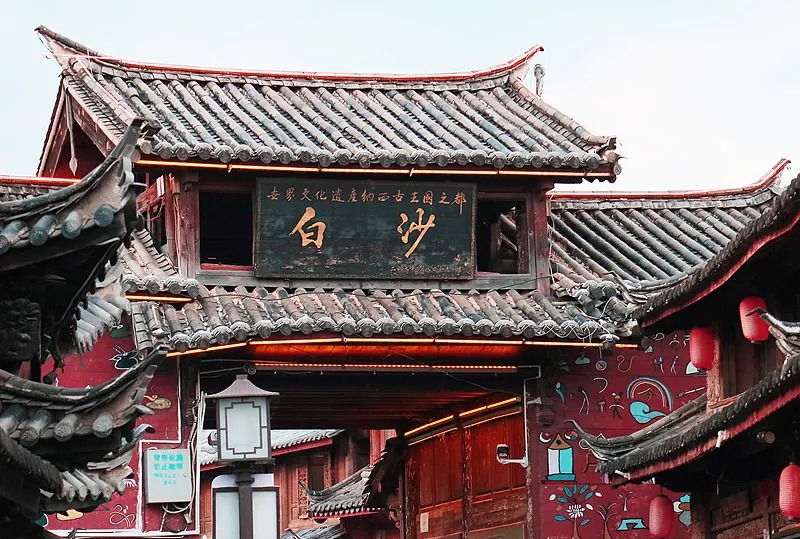
مدينة بايشا القديمة هي العاصمة القديمة لمجموعة ناشي العرقية منذ ألف عام والقرية الأكثر نظافة بين المدن القديمة الثلاث في ليجيانغ، وهي خالية من التنمية التجارية المفرطة وتتميز بالعادات المحلية البسيطة والأصيلة. تواجه المدينة جبل يولونغ الثلجي مباشرةً؛ عند النظر للأعلى، يتم الترحيب بالمناظر الطبيعية الرائعة المغطاة بالثلوج، مما يخلق جوًا غامرًا حقًا. أكثر ما يجذبها قيمة هو جداريات بايشا - لوحات جدارية يعود تاريخها إلى أسرة مينغ والتي تمزج بين الأساليب الفنية من ثقافات هان والتبت وناشي وباي، وتتميز برسومات فرشاة دقيقة ومحتوى غني، مما يجعلها كنزًا ثمينًا للتراث الثقافي غير المادي. بالإضافة إلى ذلك، تنتشر في المدينة ورش الصباغة التقليدية وأفنية ناشي القديمة، مما ينضح بإحساس حقيقي بالحيوية العرقية في جميع أنحاء المدينة.
(5) بحيرة لوجو (حول ليجيانغ)
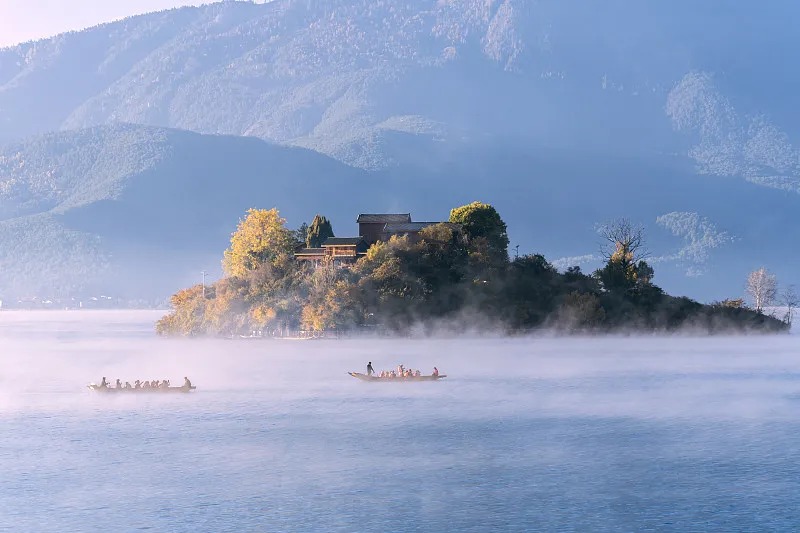
تشتهر بحيرة لوقو، الواقعة على حدود مقاطعتي يوننان وسيتشوان، بأنها "أرض ابنة الشرق" وجوهرة طبيعية على الهضبة. تتميز البحيرة بمياه صافية ولون أزرق عميق، وتحيط بها مناظر طبيعية خلابة تتغير مع كل موسم. إنها بمثابة قلب ثقافة العشيرة الأمومية لشعب موسو، مع الحفاظ على التقاليد القديمة المتمثلة في الزواج سيرًا على الأقدام. يمكن للزوار الاستمتاع بجولات القوارب في البحيرة، والتنزه عبر جسر Walking Marriage الشهير، واستكشاف شبه جزيرة Ligé، والاستمتاع بالسماء المرصعة بالنجوم المذهلة على ارتفاعات عالية في الليل، والانغماس في تقاليد Mosuo الفريدة والمناظر الطبيعية الخلابة على ضفاف البحيرة.
ثانيا. ثقافة إقليمية مميزة
(1) ثقافة دونغبا (الثقافة الأساسية لشعب الناكسي)
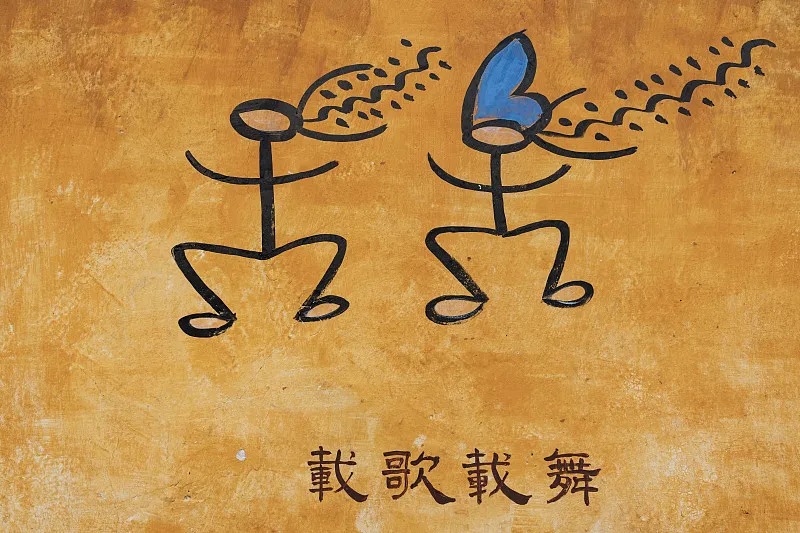
تشكل ثقافة دونغبا جوهر التراث التقليدي لمجموعة ناشي العرقية وتمثل كنزًا ثقافيًا ثمينًا غير ملموس للأمة الصينية. يُعد نص دونغبا نظام الكتابة التصويرية الوحيد الباقي في العالم، ويمتد تاريخه إلى أكثر من ألف عام؛ شخصياته بسيطة ولكنها حية، وتستخدم في المقام الأول لكتابة كتب دونغبا المقدسة وتوثيق التقاليد الشعبية. تم تصنيع ورق دونغبا المصنوع يدويًا من لحاء الأشجار القديمة، ويتميز بملمس متين يظل غير قابل للتآكل لآلاف السنين، مما يجعله حرفة ثقافية فريدة من نوعها وغير ملموسة. بالإضافة إلى ذلك، فإن العروض التقليدية مثل رقصة دونغبا وريميكو هي رقصات شعبية جماعية بدائية لشعب ناشي، تتميز بالغناء والرقص الديناميكي الذي يخلق جوًا نابضًا بالحياة مع الحفاظ على الذاكرة الثقافية القديمة للأمة.
(2) موسيقى ناشي القديمة
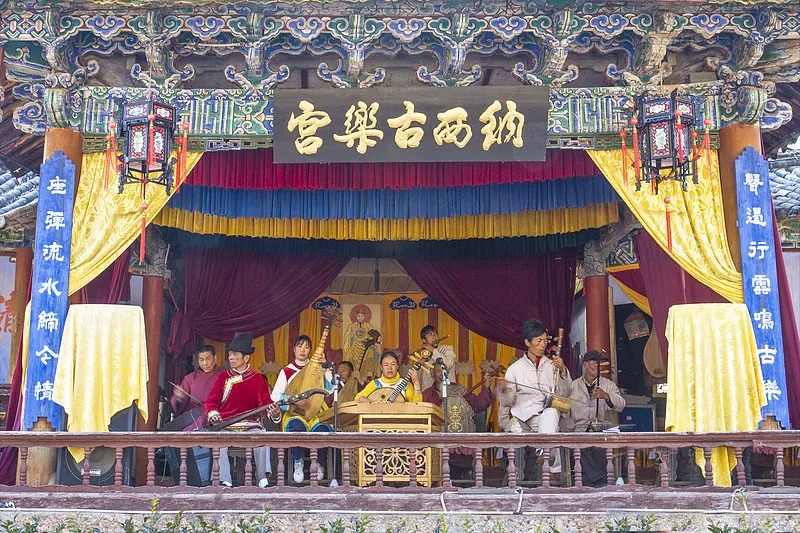
يُنظر إلى موسيقى ناشي القديمة على أنها "الأحفورة الحية للموسيقى الصينية"، حيث تعود أصولها إلى طقوس البلاط وموسيقى أسرتي تانغ وسونغ. بعد أن تم تناقلها منذ آلاف السنين، فإنها تحتفظ بموسيقى بسيطة ولكنها عميقة. تتميز هذه القطع التي يؤديها في الغالب فنانون محليون متمرسون، بجودتها اللطيفة والأثيرية وسحرها الدائم، وتجسد تراث ليجيانغ التاريخي الذي يعود تاريخه إلى آلاف السنين وتمثل تجربة ثقافية أساسية لا ينبغي تفويتها عند زيارة المدينة.
(3) العمارة الشعبية وثقافة الأزياء
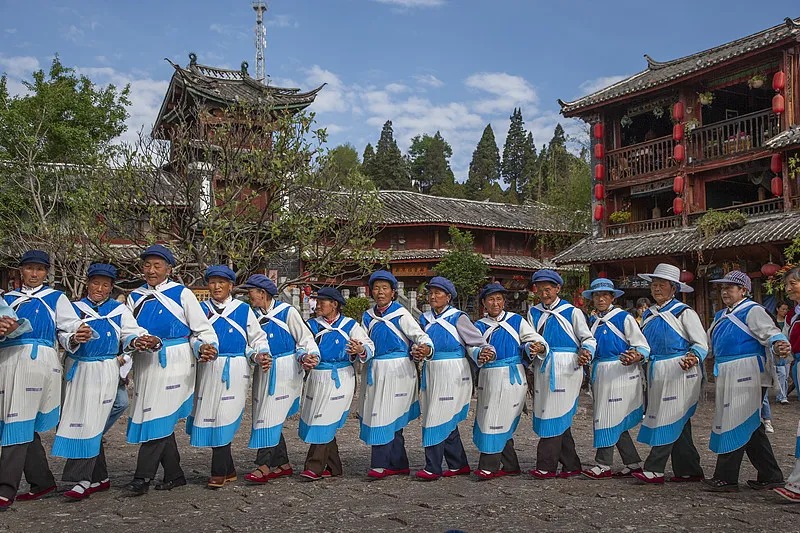
تتميز مساكن ناشي في ليجيانغ بخصائص إقليمية مميزة، وتتميز بالتخطيط الكلاسيكي لـ "ثلاثة أفنية مع جدار حاجز مركزي وأربعة جوانب محاطة بخمسة آبار سماوية". تم بناء هذه الهياكل في المقام الأول من الخشب، وتم ترتيبها بشكل أنيق، وتجمع بين التطبيق العملي والجاذبية الجمالية بينما تكون مناسبة تمامًا لمناخ الهضبة ومقاومة للغاية للزلازل. يرمز شال جلد الغنم الشهير "Pi Xing Dai Yue"، وهو سمة مميزة لملابس Naxi التقليدية، إلى اجتهاد الناس وبساطتهم والتزامهم بالعمل اليومي، وهو بمثابة شعار جوهري لثقافتهم.
(4) ثقافة المهرجانات التقليدية
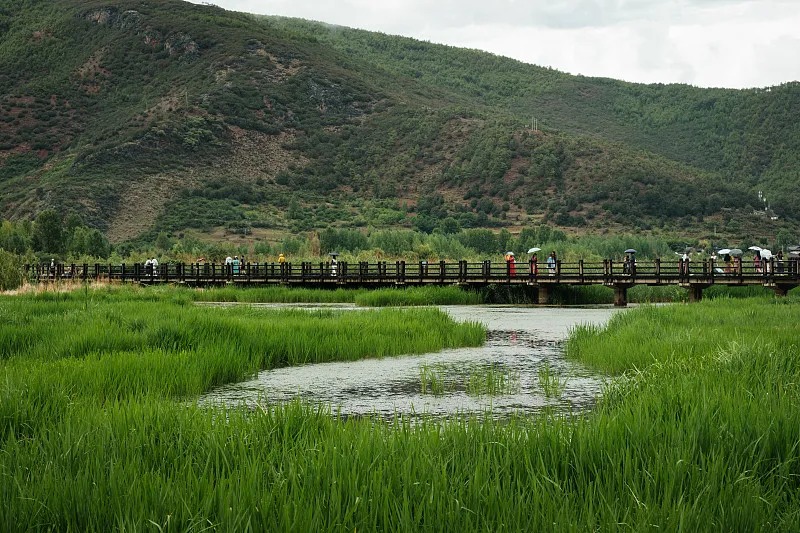
تشتهر ليجيانغ بمهرجاناتها الشعبية النابضة بالحياة، وأعظمها هو مهرجان سان ديو، وهو الاحتفال التقليدي بالعام الجديد لشعب ناشي، والمخصص لتكريم جبل تنين اليشم والصلاة من أجل البركات والرخاء، مما يجعله مهرجانهم الأكثر احتفالًا. وتمتلك الأحداث المميزة الأخرى مثل مهرجان الشعلة ومهرجان موسو للزواج على المشي سحرًا فريدًا، حيث تعرض بشكل جماعي التنوع الغني للثقافات العرقية المحلية.
(5) ثقافة قوافل الخيول على طول طريق الشاي-الخيول القديم
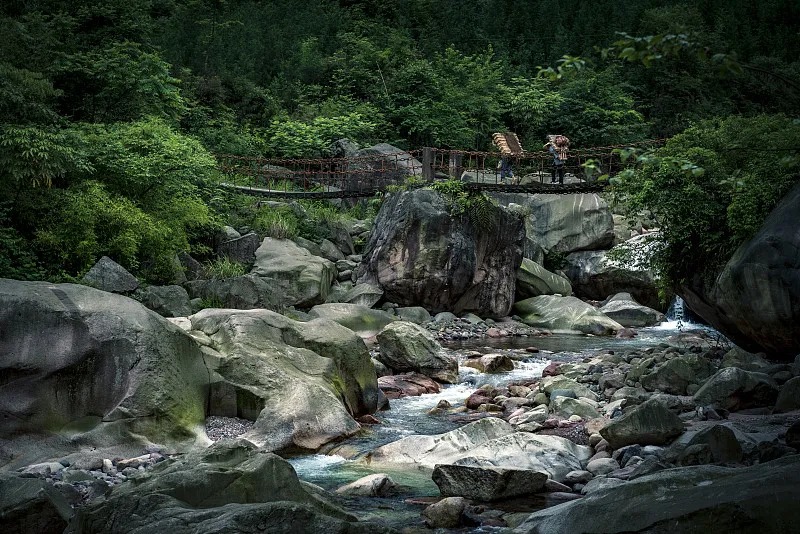
كانت ليجيانغ بمثابة مركز استراتيجي على طول طريق تي هورس القديم وعقدة مركزية للتبادلات التجارية بين يونان وسيتشوان والتبت. لآلاف السنين، اجتازت القوافل هذه الطرق الجبلية المغطاة بالثلوج، مما عزز الرخاء التجاري بينما أدى إلى ظهور ثقافة القوافل المميزة التي تتميز بالمرونة والولاء والروح الرائدة - وهي الثقافات التي شكلت بشكل عميق التنمية الحضرية في ليجيانغ والعادات المحلية والتراث الثقافي.
ثالثا. الأطعمة المتخصصة المحلية
(1) وعاء ساخن لأضلاع لحم الخنزير
يتميز طبق ليجيانغ المميز بأضلاع خنازير الهضبة المحلية، متبلة ومجففة بالهواء باستخدام الطرق التقليدية. المرق الناتج غني وأبيض وكامل الجسم ذو نكهة عطرية لذيذة. اللحم طري ولكنه ليس قاسيًا. يقدم هذا الطبق مع الخضار البرية المحلية وفطر الهضبة نضارة ورائحة استثنائية، مما يجعله طبقًا ساخنًا خاصًا يجب تجربته في ليجيانغ.
(2) ليجيانغ داون
هذه الوجبة الخفيفة الجافة الكلاسيكية لقوافل الخيول على طول طريق Tea-Horse القديم هي معجنات تقليدية متخصصة من ليجيانغ. متوفر بنكهات حلوة أو مالحة، النسخة الحلوة تمتزج مع جوز السكر البني، في حين أن النسخة اللذيذة تتميز بلحم الخنزير والبصل الأخضر المفروم. يتميز بسطح خارجي مقرمش، وجزء داخلي طري، وملمس غني وغير دهني، ورائحة مميزة، مما يجعله مناسبًا لجميع الأعمار.
(3) مسحوق الدجاج والفاصوليا البارد
تتكون وجبة الهضبة الخفيفة المميزة في ليجيانغ من الدجاج المطحون والبازلاء، وهي أطباق محلية خاصة بالمرتفعات. يقدم طرق تحضير متنوعة: تقدم المعكرونة الباردة الباردة طعمًا منعشًا وحامضًا حارًا يحفز الشهية ويقاوم الدهن. تتميز المعكرونة الباردة المقلية بأنها مقرمشة من الخارج وطرية من الداخل، ولها رائحة غنية، مما يجعلها طعام الشارع الأكثر أصالة وحيوية في المدينة القديمة.
(4) سمك ناشي مشوي
يتم إعداد هذا الطبق من أسماك البحيرة الطازجة التي يتم الحصول عليها من بحيرة لاشيهاي، ويتم تتبيله بمزيج توابل ناشي السري ثم يتم تحميصه ببطء على الفحم. تتميز الأسماك بمظهر خارجي مقرمش وداخلي طري، وتقدم نكهة غنية مع روائح عطرية مميزة، مما يجعلها طعامًا عرقيًا مثاليًا من المطبخ على ضفاف النهر.
(5) وعاء ساخن للماعز الأسود
تتميز هذه الأطباق بوجود ماعز أسود عالي الجودة يتم تربيته في المراعي الحرة على الهضبة، ويشتهر بلحومه الطرية الصلبة الخالية من أي رائحة غريبة أو مريبة. المرق واضح وحلو ولذيذ وغني بالمواد المغذية، مما يجعله طبقًا دافئًا مثاليًا لفصلي الخريف والشتاء في ليجيانغ، مع ملمس غني ومذاق مميز.
(6) مجموعة التخصصات المحلية
مروحة الحليب المحمص: منتج ألبان كلاسيكي في مقاطعة يونان مصنوع من الحليب الطازج، محمص على الفحم حتى يصبح طريًا وحلوًا؛ إن دهنها بصلصة الورد يعزز نكهتها. فطائر الأرز: مصنوعة من الأرز اللزج المملوء بحشوة دم لحم الخنزير السرية، مقلية في المقلاة إلى لون ذهبي ومقطعة إلى قطع للحصول على ملمس ناعم ومطاطي ورائحة طازجة. وعاء الفطر البري الساخن: متاح فقط خلال موسم الأمطار (يونيو-سبتمبر)، ويضم مجموعة مختارة من الفطر البري عالي الارتفاع بما في ذلك ماتسوتاكي، وفطر الدجاج، وفطر المحار، ويتم تقديمه في مرق غني بشكل استثنائي - طعام جبلي شهي فريد من نوعه حصريًا في ليجيانغ.
رابعا. أفضل وقت للسفر
تعتبر ليجيانغ وجهة مثالية طوال الفصول الأربعة، حيث يتميز كل منها بسحره الفريد. من مارس إلى مايو في فصل الربيع، تتزين البلدة القديمة بالزهور المتفتحة وتتمتع بمناخ معتدل؛ يوفر شهر يونيو إلى أغسطس في الصيف راحة باردة من الحرارة، مما يجعله مثاليًا لمراقبة الفطر البري والاستمتاع بالجبال الخضراء المورقة والمياه الصافية؛ يتميز سبتمبر إلى نوفمبر في الخريف بسماء صافية ومناظر طبيعية هادئة ومناظر جبلية مذهلة مغطاة بالثلوج. بينما يوفر شهر ديسمبر إلى فبراير في فصل الشتاء مناظر خلابة للقمم الذهبية المضاءة بنور الشمس والمناظر الثلجية البكر، مما يخلق تجربة غامرة تمامًا.