English
 French
 Spanish
 Russian
 Arabic
 Italy
Italy
As one of the cradles of human civilization, Asia has nurtured numerous ancient cultures including Mesopotamian civilization, Indus Valley Civilization, and Chinese civilization. This vast land boasts thousands of years of written history and a rich, diverse cultural heritage with profound roots. While each Asian culture possesses unique characteristics, centuries of cultural exchange have facilitated harmonious integration, adding invaluable treasures to the world's cultural treasury.
This Asian Culture Guide covers five major sections: traditions, heritage, arts, festivals, languages, and symbols, encompassing themes such as Asian cuisine, World Heritage sites, traditional festivals, performing arts, and cultural symbols of the Asian continent.
Asian traditions (Asian cuisine, Asian clothing, Asian social etiquette)
Asian diet
Asian traditional customs encompass the daily lives, social norms, and living habits of people across the continent, showcasing the rich diversity of life wisdom in different regions.
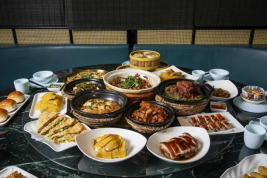
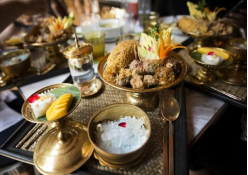
Asian culinary culture is rich and diverse, with each region boasting unique cooking styles and flavor characteristics. China's eight major cuisines each have their own strengths: Japanese cuisine excels in the exquisite presentation of ingredients' natural flavors, Indian cuisine is renowned for its richly layered spice combinations, and Thai cuisine is celebrated for its distinctive sour, spicy, fresh, and fragrant flavors. Additionally, specialty dishes such as Korean kimchi, Vietnamese pho, and Turkish kebabs collectively form a vibrant feast for the taste buds in Asia.
Asian clothing
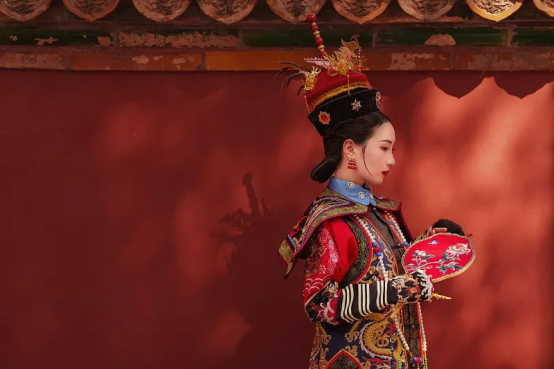
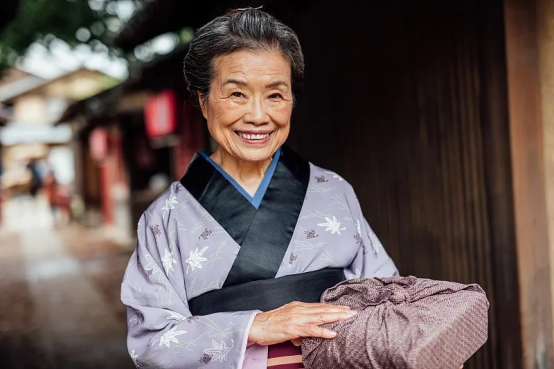
Traditional costumes of Asian countries carry unique cultural aesthetics and historical memories. China's Hanfu is dignified and elegant, Japanese kimonos are understated and exquisite, Korean hanbok is simple and generous, Indian saris are colorful and vibrant, and Vietnamese ao dai are light and beautiful. These costumes are not only choices for daily or festive occasions but also vivid carriers of regional culture.
Asian Social Etiquette
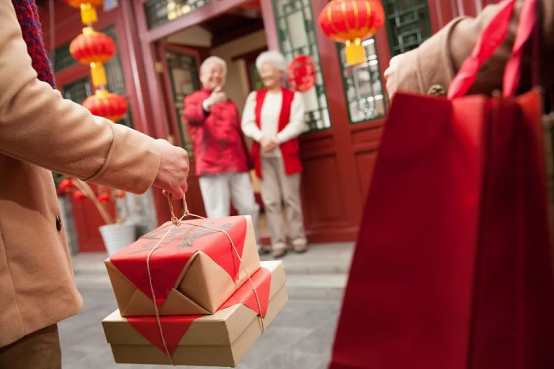
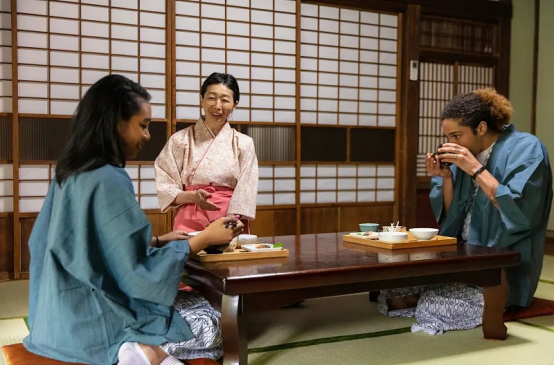
Social etiquette across Asia reflects the cultural values of its respective regions. In East Asia, people value respect for the elderly and care for the young, demonstrating humility and courtesy in their interactions. The traditional bowing gesture and polite greetings during meetings serve as concrete expressions of respect. Southeast Asians are renowned for their warm hospitality, emphasizing harmonious neighborhood relations and community cohesion. West Asia is celebrated for its welcoming spirit, where sharing food stands as a vital way to express friendship.
Asian Heritage
Asia's national heritage encompasses both tangible historical sites and intangible cultural traditions, with natural wonders holding equal significance alongside ethnic and folk cultures. As of 2025, the UNESCO World Heritage List includes 293 representative Asian sites, distributed as follows: 190 cultural heritage sites, 73 natural heritage sites, and 30 mixed cultural-natural heritage sites.

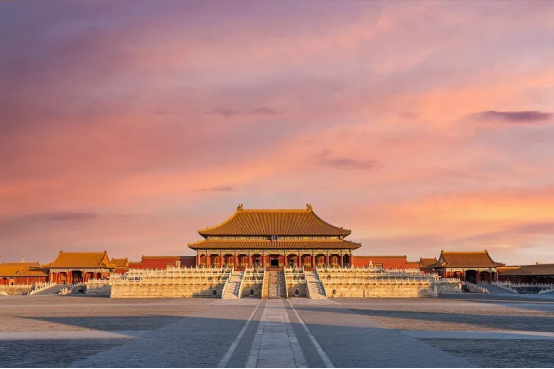
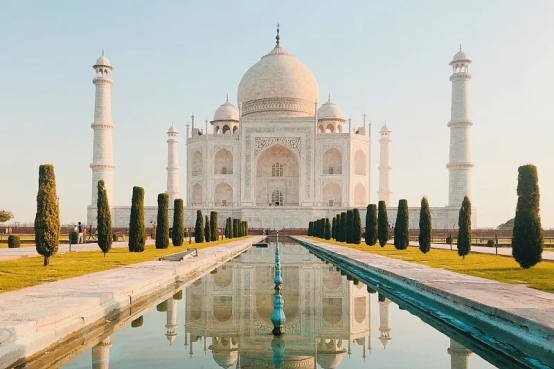
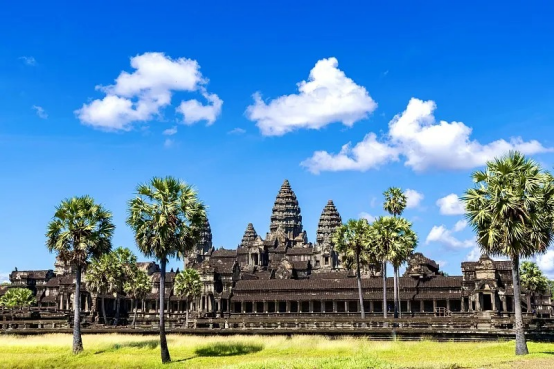
From the Great Wall and the Forbidden City in China, to the Taj Mahal in India, Angkor Wat in Cambodia, and the ancient city of Samarkand in Uzbekistan, these magnificent architectural treasures embody the architectural wisdom and civilizational memory of ancient Asian peoples, serving as precious witnesses to human history.
Ancient Asian Civilization Sites
The Urk site is located in the Fertile Crescent, the Harappa site is situated in the Indus Valley, and the Liangzhu ancient city site in China. These ancient civilization sites collectively reveal the development trajectory of early Asian civilizations, strongly proving Asia's significant status as the cradle of human civilization.
Asian Art and Crafts (Asian Art, Traditional Asian Handicrafts)
Asian Art
Asian traditional art forms are rich and diverse, encompassing both captivating performing arts and exquisite handicrafts, which fully demonstrate the pursuit of aesthetics and creative wisdom among Asian peoples.
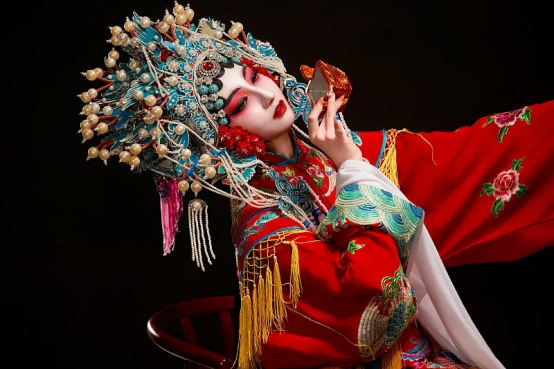
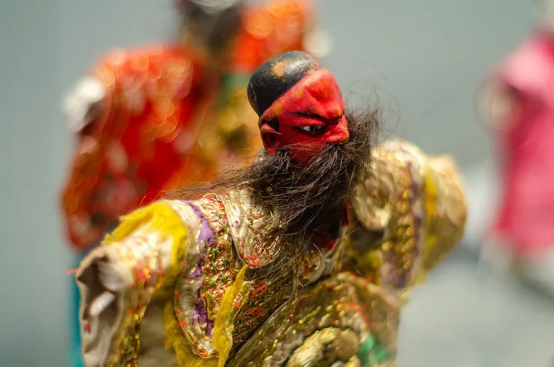
Chinese Peking Opera and Kunqu Opera, Japanese Kabuki and Noh Theater, Indian classical dance, Korean Bansori dance, and Thai puppetry—these performing arts forms integrate elements such as music, dance, and literature, not only preserving local historical legends but also conveying unique cultural emotions.
Asian Traditional Handicrafts
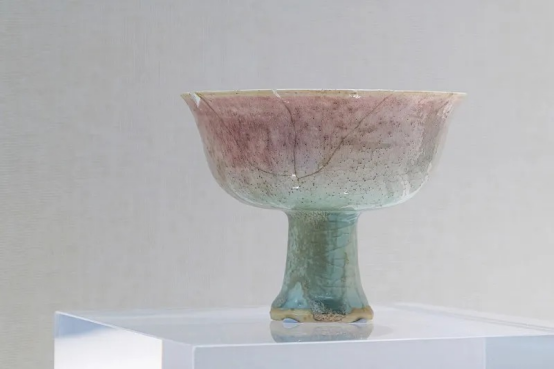
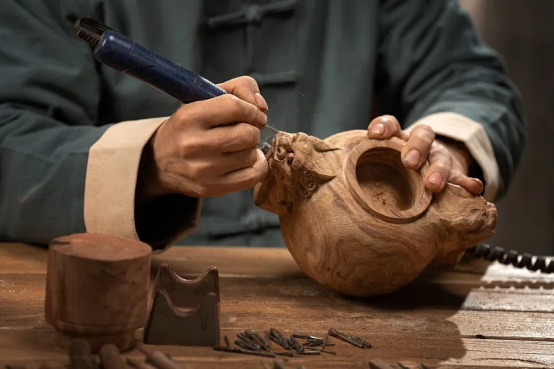
China's silk and porcelain, Japanese ukiyo-e and washi paper, Korean hanji and ceramics, Thai traditional woodcarving and silver ornaments, as well as Islamic-style decorative handicrafts—these exquisite handicrafts have been passed down for thousands of years and still radiate unique artistic charm today.
Asian festivals
Asia boasts a rich variety of traditional festivals, which embody people's aspirations for a better life and serve as significant vehicles for cultural heritage transmission. Festivals across different regions and ethnic groups exhibit notable differences in celebration methods and cultural connotations.
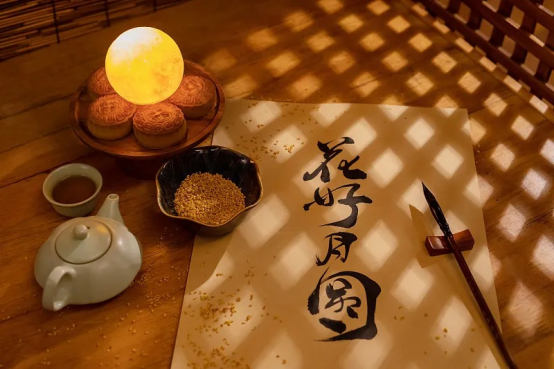
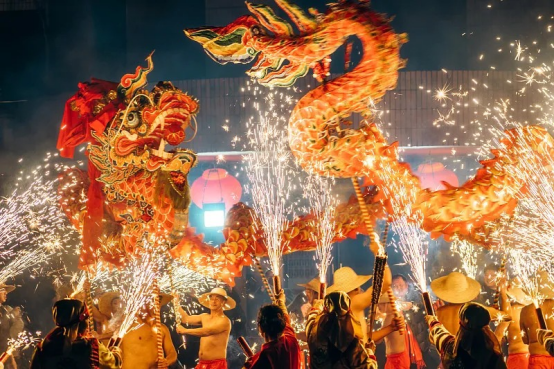
In East Asia, the Spring Festival and Mid-Autumn Festival embody the cherished hope for family reunions. South Asia's Diwali and Holi festivals celebrate the triumph of light over darkness through dazzling lanterns and vibrant colors. Southeast Asia's Loy Kong Festival and Songkran Festival welcome the new year with blessing rituals and water-splashing ceremonies. Meanwhile, the Eid al-Fitr and Eid al-Adha celebrations in West Asia serve as significant religious observances for Muslim communities.
Asian Ethnic Festival
In addition to the well-known classic festivals, many ethnic minorities in Asia also have unique traditional celebrations, such as the Tibetan New Year and the Dai Water Splashing Festival in China, the Cherry Blossom Festival in Japan, and Diwali in India. These distinctive festivals add more colorful connotations to the festival culture of Asia.
Asian Languages (Asian Languages and Scripts, Asian Classical Literature)
Asia is one of the continents with the richest linguistic diversity in the world, encompassing multiple language families such as the Sino-Tibetan, South Asian, Altaic, and Indo-European language families. Languages including Chinese, Hindi, Japanese, Arabic, and Bengali hold significant importance and have a large user base.
Asian Languages and Scripts
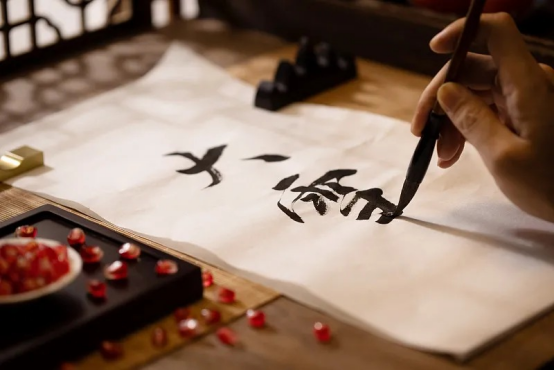
As the oldest surviving ideographic writing system, Chinese characters not only serve as the carrier of the Chinese language but have also profoundly influenced the writing systems of neighboring countries such as Japan, South Korea, and Vietnam, forming a unique Chinese character cultural sphere. Additionally, writing systems like the Arabic alphabet and Hangul have played significant roles in cultural exchanges across Asia.
Asian Classical Literature
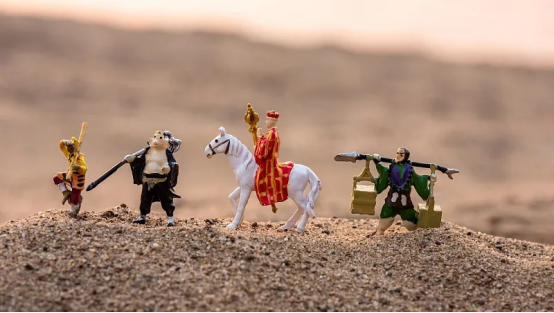
Asia's literary heritage is equally dazzling. China's "Dream of the Red Chamber" and "The Book of Songs", Japan's "The Tale of Genji", Arabia's "One Thousand and One Nights", and India's "Mahabharata" vividly showcase the thoughts and emotions of Asian people, serving as important treasures in the world's literary treasury.

Asian symbols (Asian cultural symbols, rare Asian species)
Every region in Asia possesses unique cultural symbols that serve as distinctive markers of Asian culture, embodying people's cultural identity and emotional memories.
Asian cultural symbols
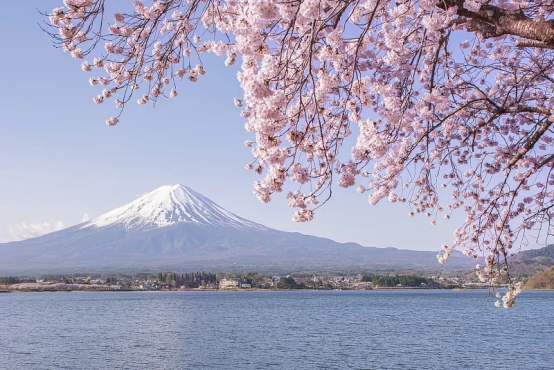
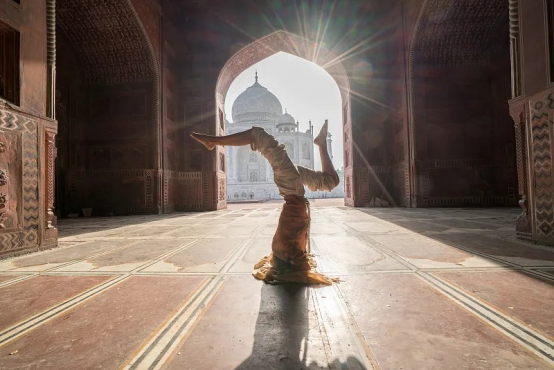
The dragon and the Great Wall of China, the cherry blossoms and Mount Fuji of Japan, the Taj Mahal and yoga of India, the elephants and stupas of Thailand, and the hot air balloons of Turkey—these iconic symbols have become the most intuitive impressions people have when perceiving the cultures across Asia.
Rare species in Asia
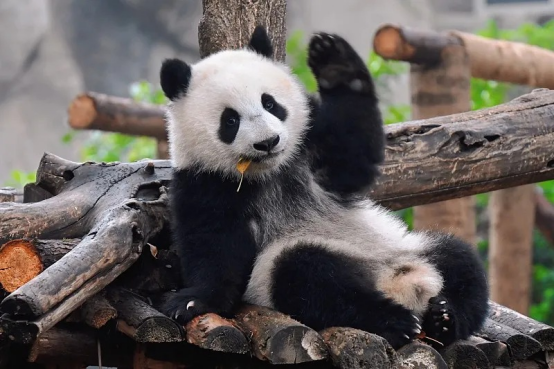
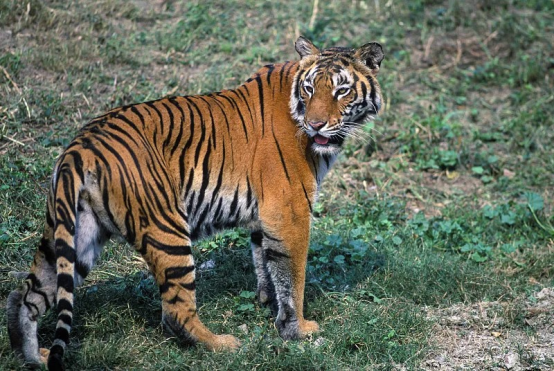
Asia is also home to numerous unique and rare species, such as China's giant pandas, India's Bengal tigers, and Indonesia's Komodo dragons. These rare species are not only important symbols of Asia's nature and culture, but also embody the concept of harmonious coexistence between humans and nature.