
 English
 French
 Spanish
 Russian
 Arabic
 Italy
Italy
China has a 5,000-year-old uninterrupted civilization. From the ancient oracle bone inscriptions to modern digital culture, from the traditional Spring Festival to the trendy Guochao culture, the culture here is both ancient and young, both traditional and modern. For international travelers, understanding Chinese culture can not only make your trip smoother, but also let you deeply experience the unique charm of this ancient country. This detailed cultural guide will take you into the world of Chinese culture, understand the festivals, art, food, etiquette here, making your luxury travel a deep cultural journey.
1. Traditional Festivals: Cultural Feast of Millennium Heritage
China's traditional festivals carry the emotions and memories of the Chinese people. Every festival has unique customs and cultural connotations, which is the best window for you to understand Chinese culture.
1.1 Spring Festival: The Chinese New Year
• Time: The first day of the lunar calendar, usually in January-February of the Gregorian calendar, it is the most important festival in China
• Customs: Paste Spring Festival couplets, set off firecrackers, have New Year's Eve dinner, give red envelopes, the whole family reunites, bid farewell to the old and welcome the new
• Experience: You can experience the Chinese reunion culture, feel the lively festival atmosphere, you can also visit the temple fair, watch dragon and lion dances
• Luxury Experience: Experience customized New Year's Eve dinner in high-end hotels, enjoy exclusive Spring Festival cultural experience
1.2 Other Traditional Festivals
• Qingming Festival: Tomb-sweeping and ancestor worship, outing and spring outing, it is a festival to remember the ancestors and get close to nature
• Dragon Boat Festival: Eat zongzi, race dragon boats, commemorate the patriotic poet Qu Yuan, it is China's traditional sports festival
• Mid-Autumn Festival: Appreciate the moon, eat mooncakes, the whole family reunites, it is China's reunion festival, also a romantic festival
• Chongyang Festival: Climb high, appreciate chrysanthemum, respect the elderly, it is China's old people's day, also a day to climb high and look far
2. Architecture Culture: Oriental Aesthetics of Harmony between Man and Nature
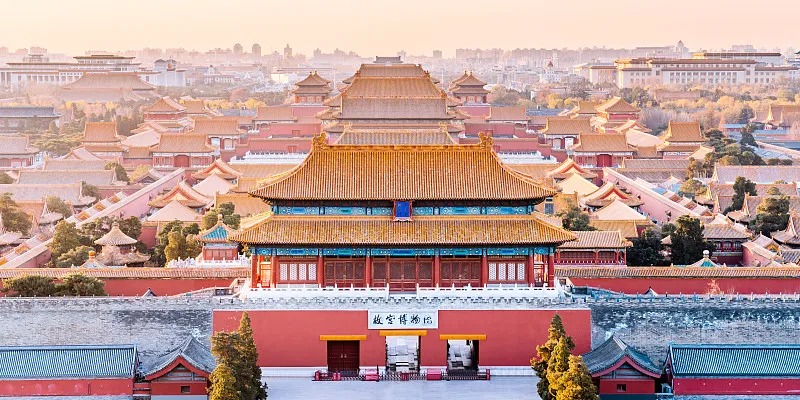
China's traditional architecture is the ultimate embodiment of Oriental aesthetics, emphasizing the harmony between man and nature, symmetry and harmony. From the royal palaces of the Forbidden City to the water towns of the south of the Yangtze River, every building contains profound cultural connotations.
• Forbidden City: The largest royal palace in the world, the imperial palace of the Ming and Qing dynasties, with a history of 600 years, it is the pinnacle of ancient Chinese architecture
• Great Wall: One of the eight wonders of the world, the Great Wall, is the ancient military defense project of China, and also the symbol of the Chinese nation
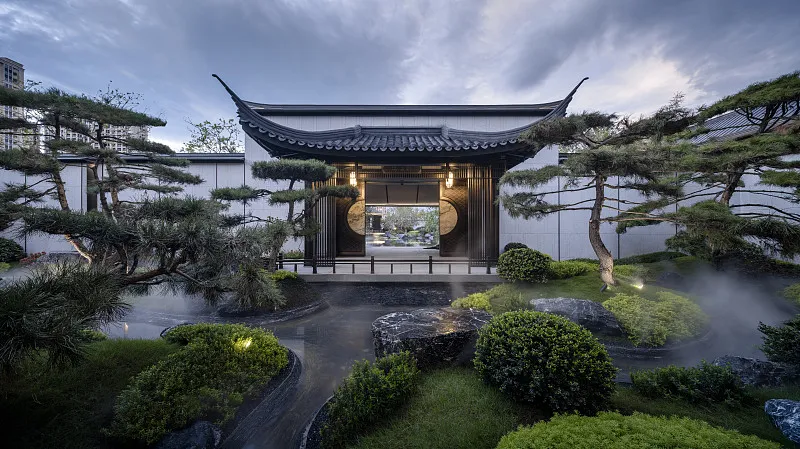
• Jiangnan Water Town: The ancient towns of Suzhou and Hangzhou, white walls and black tiles, small bridges and flowing water, it is the representative of Jiangnan culture in China
• Huizhou Architecture: The ancient villages of Anhui, horse head walls, brick carvings, wood carvings, it is the representative of traditional Chinese dwellings
• Modern Architecture: The Bird's Nest in Beijing, the Shanghai Center Building, are the representatives of modern Chinese architecture, the integration of tradition and modernity
3. Art Culture: The Ultimate Charm of Oriental Art
China's traditional art has a history of thousands of years. From the singing, reciting, doing and fighting of Peking Opera, to the brush and ink of calligraphy, from the tranquility of tea ceremony, to the artistic conception of traditional Chinese painting, every art has its unique charm.
3.1 Beijing Opera: The National Essence of China
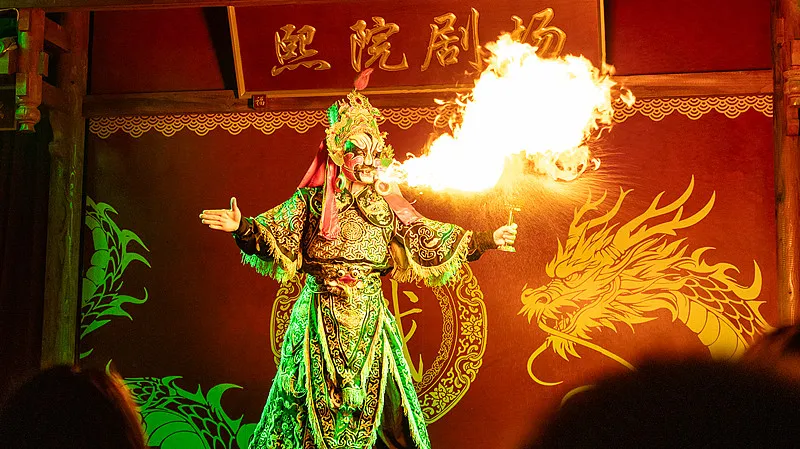
• Beijing Opera: The national essence of China, with a history of 200 years, it integrates singing, reciting, doing and fighting, it is the representative of Chinese opera
• Facial Makeup: Different colors represent different personalities, red represents loyalty, white represents treachery, black represents integrity
• Experience: You can watch professional Peking Opera performances at the Mei Lanfang Grand Theatre in Beijing, feel the charm of Oriental Opera
• Luxury Experience: Customized Peking Opera experience, you can put on costumes, make up, experience the performance of Peking Opera
3.2 Calligraphy & Traditional Chinese Painting
• Calligraphy: China's traditional art, writing Chinese characters with a brush, emphasizing the charm of brush and ink, it is the core of Chinese culture
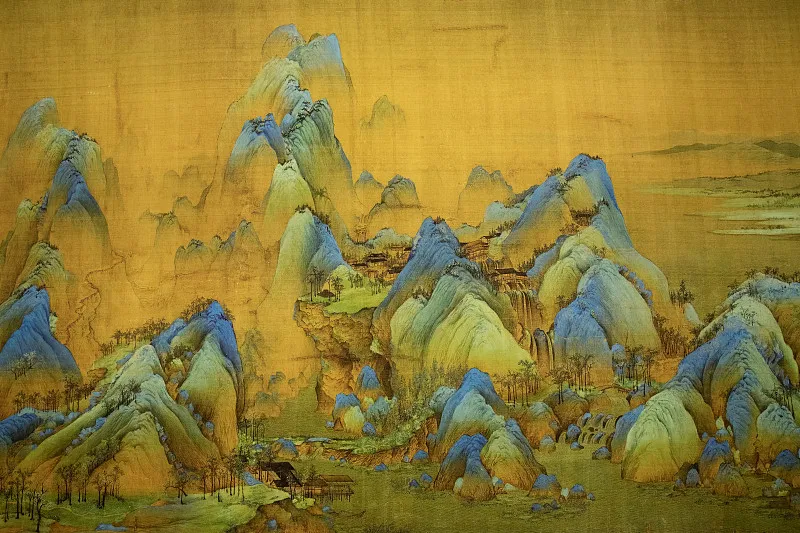
• Traditional Chinese Painting: China's traditional painting, emphasizing artistic conception, freehand brushwork, unlike Western realism, it pursues spiritual similarity
• Experience: You can experience calligraphy and traditional Chinese painting courses, learn to write and paint with a brush, feel Chinese art
• Luxury Experience: In the high-end art studio, learn with the master, customize your own calligraphy works
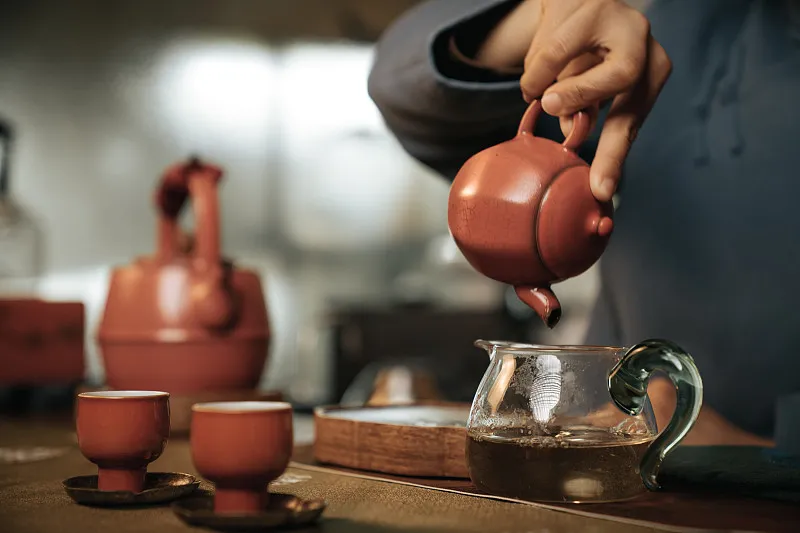
3.3 Tea Ceremony: The Life Aesthetics of Tranquility
• Tea Ceremony: China's tea culture, with a history of thousands of years, emphasizing quietness, harmony, joy and elegance, it is China's life aesthetics
• Types of Tea: Green tea, black tea, oolong tea, Pu'er tea, different teas have different tastes and effects
• Experience: You can experience China's tea ceremony, learn to make tea, taste tea, feel the quiet life
• Luxury Experience: In the high-end tea space, enjoy private tea ceremony experience, taste top-grade tea leaves
4. Food Culture: A Bite of China
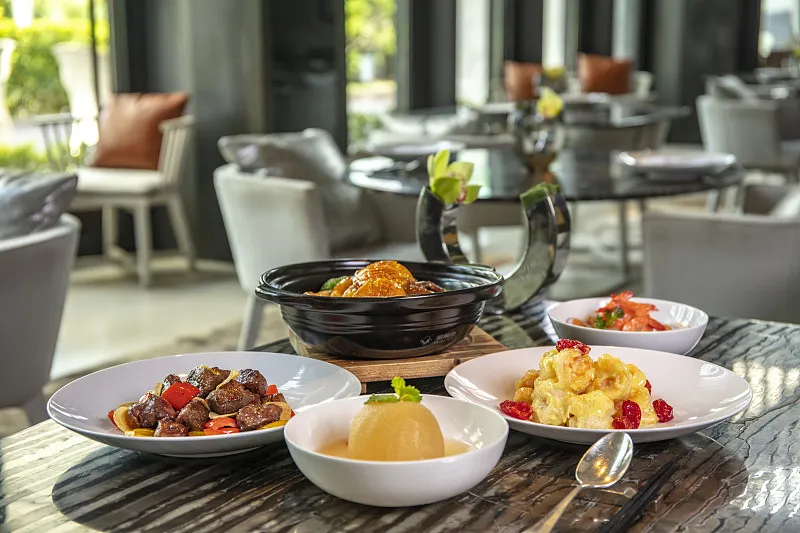
China's food culture is one of the most abundant food cultures in the world. The Eight Major Cuisines, the Manchu Han Imperial Feast, every dish has profound cultural connotations, not only the taste, but also the inheritance of culture.
• Eight Major Cuisines: Sichuan Cuisine, Shandong Cuisine, Guangdong Cuisine, Jiangsu Cuisine, Zhejiang Cuisine, Fujian Cuisine, Hunan Cuisine, Anhui Cuisine, each cuisine has a unique taste
• Sichuan Cuisine: Spicy and delicious, the representative dishes are Mapo Tofu, Boiled Fish, it is the most popular cuisine
• Guangdong Cuisine: Light and fresh, the representative dishes are White Cut Chicken, Roast Suckling Pig, it is the representative of high-end catering
• Jiangsu Cuisine: Light and elegant, the representative dishes are Squirrel Mandarin Fish, Salted Duck, it is the representative of Jiangnan diet
• Chopstick Culture: Chinese people eat with chopsticks, with a history of thousands of years, it is the representative of Chinese food culture
• Table Etiquette: Chinese people respect the old and love the young, when eating, the elders move their chopsticks first, when toasting, you need to use both hands
5. Etiquette Culture: The Hospitality of the Land of Rituals
China has been a land of rituals since ancient times, with a long etiquette culture. Understanding these etiquettes can make your trip smoother, and also let you better integrate into Chinese culture.
• Greeting: When Chinese people meet, they will shake hands, or nod and smile, now it is also popular to say hello
• Address: When Chinese people call others, they will use the surname plus the position, such as Manager Wang, Teacher Li, to show respect
• Gifting: When Chinese people give gifts, they will hand them over with both hands, and they will not open them in front of you, to show respect
• Red Envelope: During the Spring Festival or wedding, they will give red envelopes, which contain money, representing blessings
• Table Etiquette: When eating, don't knock the bowl with chopsticks, don't insert the chopsticks into the rice, these are impolite
• Respect: Chinese people respect the elders very much, so when communicating with the elders, be humble and polite
6. Modern Culture: The Integration of Tradition and Modernity
In modern China, culture is also constantly developing. Traditional culture and modern trends have merged, forming a unique Guochao culture, which retains traditional elements and adds modern design, deeply loved by young people.
• Guochao: The integration of traditional elements and modern design, such as the cultural and creative products of the Forbidden City, Li Ning's Guochao clothing, are very popular
• Short Video: China's short video culture is very developed, Douyin, Kuaishou, are platforms for young people to show themselves
• E-sports: China's e-sports culture is very developed, League of Legends, Honor of Kings, are the favorite of young people
• Cultural and Creative Products: The cultural and creative products of the Forbidden City, Dunhuang cultural and creative products, have turned traditional culture into modern products, which are very popular.
China's culture is the inheritance of five thousand years, the integration of ancient and modern, the collision of tradition and trend. Whether you want to experience the traditional Spring Festival, or feel the modern Guochao, whether you want to taste the food on the tip of the tongue, or experience the Oriental art, here can meet all your imagination. We hope this guide can help you deeply understand Chinese culture, start a deep, luxurious cultural journey, let your trip to China become an unforgettable cultural experience.