English
 French
 Spanish
 Russian
 Arabic
 Italy
Italy
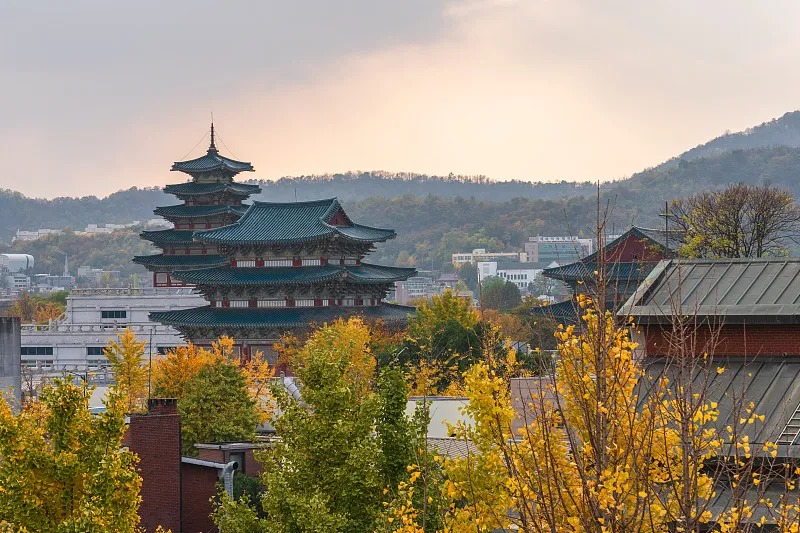
Korea, this peninsula country in East Asia, has a thousand years of cultural heritage. From the ancient capital of Seoul to the modern trendy city, from the traditional Hanbok and tea ceremony to the global Hallyu wave, the culture here carries its own passion and vitality. For international travelers, understanding Korean culture can make your trip smoother and let you experience the unique charm of this peninsula country. This detailed cultural guide will take you into the cultural world of Korea, understand the festivals, art, food, trends here, making your luxury travel a deep cultural journey.
1. Traditional Festivals: The Cultural Feast of the Peninsula
Korea's traditional festivals carry the emotions and memories of the Korean people. Every festival has unique customs and cultural connotations, which is the best window for you to understand Korean culture.
1.1 Gangneung Danoje: World Intangible Cultural Heritage
• Time: Every year from May to June, lasting for a month, it is Korea's grandest traditional folk festival
• Customs: Mountain god worship, mask dance, Gwangdae mask dance, as well as traditional ssireum wrestling, swinging, full of folk customs
• Experience: You can experience Korea's Danoje, watch the traditional sacrificial ceremony, feel the rich folk culture
• Luxury Experience: Private Danoje experience, with local villagers, experience the traditional sacrificial activities
1.2 Chuseok: Korea's Reunion Festival
• Time: The 15th day of the 8th lunar month, it is one of the most important festivals in Korea
• Customs: Ancestor worship, making songpyeon, family reunion, visiting ancestors' graves, it is Korea's traditional reunion festival
• Songpyeon: Korea's traditional dessert, made of glutinous rice, with sesame and chestnuts inside, it is the exclusive food of Chuseok
• Experience: You can experience Korea's Chuseok culture, learn to make songpyeon, feel the traditional family culture
2. Nature & Architecture: The Exquisite Aesthetics of the Peninsula
Korea's nature and architecture have their own unique aesthetics. From Jeju Island's volcanic island to Seoul's Gyeongbokgung, from the elegant Hanok ondol to the simple modern architecture, every place contains profound cultural connotations.
• Jeju Haenyeo: Korea's traditional folk custom, women diving to catch seafood without oxygen equipment, an ancient craft passed down for thousands of years
• Hanok Ondol: Korea's traditional heating system, it is Korea's traditional life wisdom, it can keep the whole house warm in winter
• Gyeongbokgung Guard Changing Ceremony: A royal ceremony passed down for 600 years, reproducing the guard changing tradition of the Joseon Dynasty
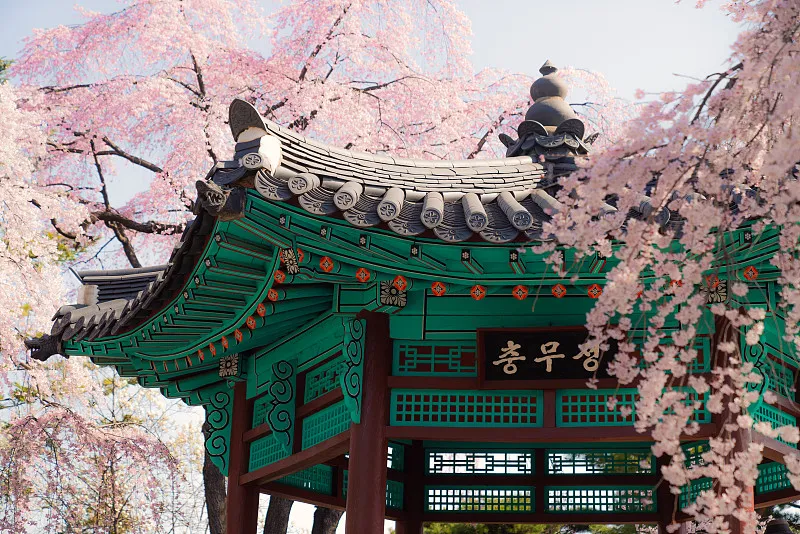
• Bukchon Hanok Village: A well-preserved traditional Hanok village, experience traditional Hanok life, feel Korea's traditional residential culture
• Goryeo Celadon: Korea's traditional ceramic art, with unique emerald glaze, it is a world-famous ceramic treasure
• Taekwondo: Korea's national sport, World Intangible Cultural Heritage, with unique etiquette and training system
3. Art Culture: The Vital Art of the Peninsula
Korea's art culture has a thousand years of inheritance. From the traditional tea ceremony to the exquisite Hanbok, from the lively folk dance to the global Hallyu wave, every art has its own unique charm.
3.1 Korean Tea Ceremony: Traditional Life Aesthetics
• Korea's tea ceremony, inherited the etiquette culture of hundreds of years, emphasizing etiquette and respect, it is Korea's traditional life aesthetics
• Korea's tea has unique yuja tea, omija tea, all are Korea's characteristic tea drinks
• Experience: You can experience Korea's traditional tea ceremony, learn the etiquette of making tea, taste Korea's characteristic tea drinks
• Luxury Experience: In the high-end tea space, enjoy private tea ceremony experience, taste top-grade Korean tea
3.2 Hanbok: Exquisite and Beautiful Traditional Clothing
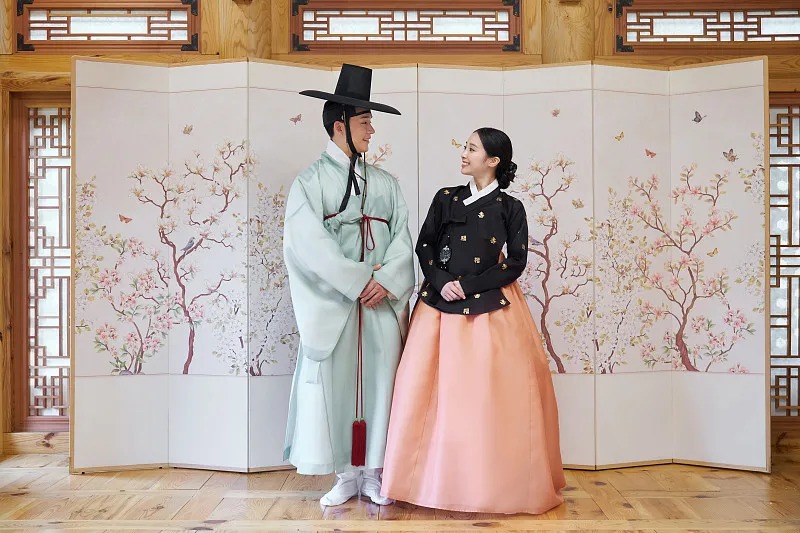
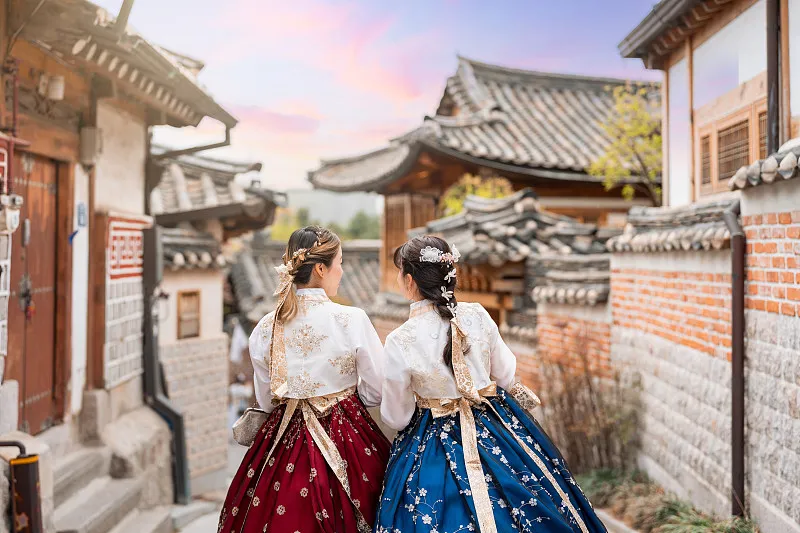
• Hanbok: Korea's traditional clothing, with a thousand years of history, beautiful lines, bright colors, it is the representative of Korea's traditional clothing
• The design of Hanbok balances beauty and practicality, you can wear multiple layers of clothes inside to keep warm in winter, very suitable for the peninsula climate
• Experience: You can experience Hanbok in Gyeongbokgung, wear traditional Hanbok, visit ancient temples, feel the traditional clothing culture
• Luxury Experience: Customized Hanbok experience, top-grade silk Hanbok, professional makeup and styling, leaving unforgettable travel memories
3.3 Traditional Folk Art
• Mask Dance: Korea's traditional folk dance, performing with masks, satirizing the nobles, it is the World Intangible Cultural Heritage
• Nongak: Korea's traditional folk dance, farmers' celebration dance, dancing with long ribbons, very lively, World Intangible Cultural Heritage
• Samulnori: Korea's traditional folk music, played with drums and gongs, full of vitality, it is the representative of Korea's traditional music
4. Food Culture: The Passionate Korea on the Tip of the Tongue
Korea's food culture has its own unique characteristics, emphasizing freshness, health and deliciousness. From the thousand-year-old kimchi to the lively BBQ, every dish is full of life passion.
• Kimchi: Korea's representative food, fermented cabbage, there are hundreds of different kinds, it is the World Intangible Cultural Heritage, Koreans eat it every meal
• Korean Soju: Korea's national wine, Hite soju, low alcohol, refreshing taste, it is the first choice for friends gathering
• Samgyetang: Korea's traditional health food, whole chicken with glutinous rice and ginseng inside, slow stewed, eat it in summer to nourish the body
• Budae Jjigae: Korea's characteristic food, integrating the peninsula's food characteristics, the pot cooked with various ingredients, very delicious
• Hangwa: Korea's traditional dessert, made of glutinous rice and honey, exquisite shape, it is Korea's traditional dessert
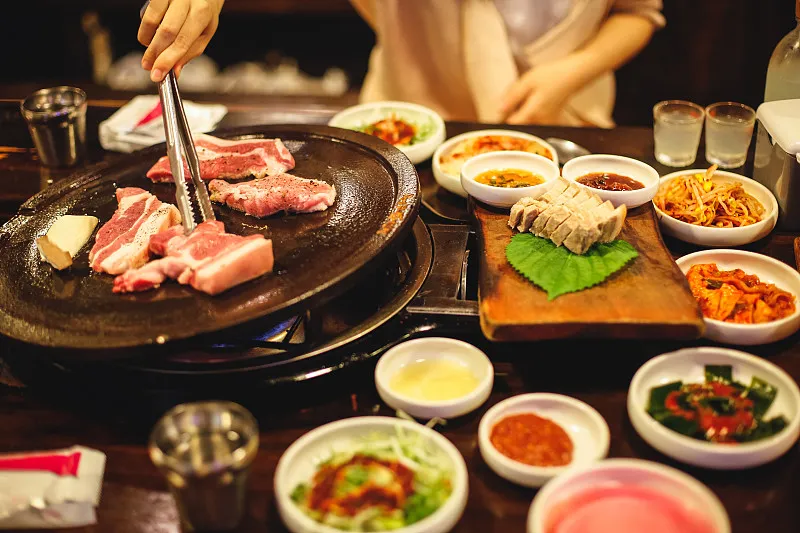
• Table Culture: When Koreans eat, they share dishes together, grill and eat at the same time, the atmosphere is warm and lively
5. Modern Culture: The Global Hallyu Wave
Modern Korea, culture is also constantly developing. Traditional culture and modern trends have merged, forming the global Hallyu wave, deeply loved by young people all over the world.
• K-pop: Korea's pop music, idol groups like BTS and BLACKPINK are popular all over the world, it is the representative of Korea's cultural output
• K-drama: Korea's TV series, works like Squid Game and The Glory have a large number of fans around the world
• Korean Beauty: Korea's beauty and skincare culture, skin management and medical beauty technology are all world leading
• Hongdae Art District: Seoul's art district, street performances, independent design, it is the gathering place of young people, full of vitality
• Myeongdong Shopping: Seoul's shopping paradise, various cosmetics and skin care products are all popular globally, it is the shopping heaven for tourists
Korea's culture is the thousand-year inheritance, it is passionate, it is vibrant. From the grand Gangneung Danoje to the haenyeo of Jeju Island, from the inheritance of kimchi to the global Hallyu wave, every culture here is full of unique charm. We hope this guide can help you deeply understand Korean culture, start a deep, luxurious cultural journey, let your trip to Korea become an unforgettable cultural experience.