
 English
 French
 Spanish
 Russian
 Arabic
 Italy
Italy
1. Henan Museum
A top-tier national museum, Henan Museum houses over 170,000 cultural relics that span 5,000 years of Chinese history, serving as a grand exhibition of Central Plains civilization. Its star exhibits include the 9,000-year-old Jiahu Bone Flute, the Fu Hao Owl Zun, and the Lotus and Crane Square Pot. The Jiahu Bone Flute is the earliest complete musical instrument ever discovered in China, proving that the ancient Chinese had a mature understanding of music theory. The Fu Hao Zun, a bronze ritual vessel, records the military exploits of Fu Hao, a powerful female general of the Shang Dynasty. The museum’s architectural style combines traditional Chinese courtyard layouts with modern design, creating a serene atmosphere for cultural appreciation. Special exhibitions and interactive activities regularly showcase the making of bronze and pottery, allowing visitors to connect with the ingenuity of ancient craftsmen.
2. Shaolin Temple (Songshan)
Founded in 495 AD during the Northern Wei Dynasty by Emperor Xiaowen to accommodate the Indian monk Batuo, Shaolin Temple is the birthplace of Chinese Chan Buddhism and Shaolin Kung Fu, a symbol of the integration of Zen and martial arts. The temple’s main halls, such as the Mahavira Hall, preserve ancient Buddhist statues and murals, including the Ming Dynasty “Five Hundred Arhats Worship Vairocana” mural, which secretly depicts 87 martial arts moves. The Shaolin Pagoda Forest, with 231 brick and stone stupas, is the largest of its kind in China, where each stupa commemorates an accomplished monk, reflecting the strict hierarchy of the monastic order. Today, visitors can watch authentic Shaolin Kung Fu performances, marvel at the monks’ rigorous martial arts training, and experience the tranquility of Chan meditation in the serene mountain setting.
3. Huangdi Hometown Scenic Area
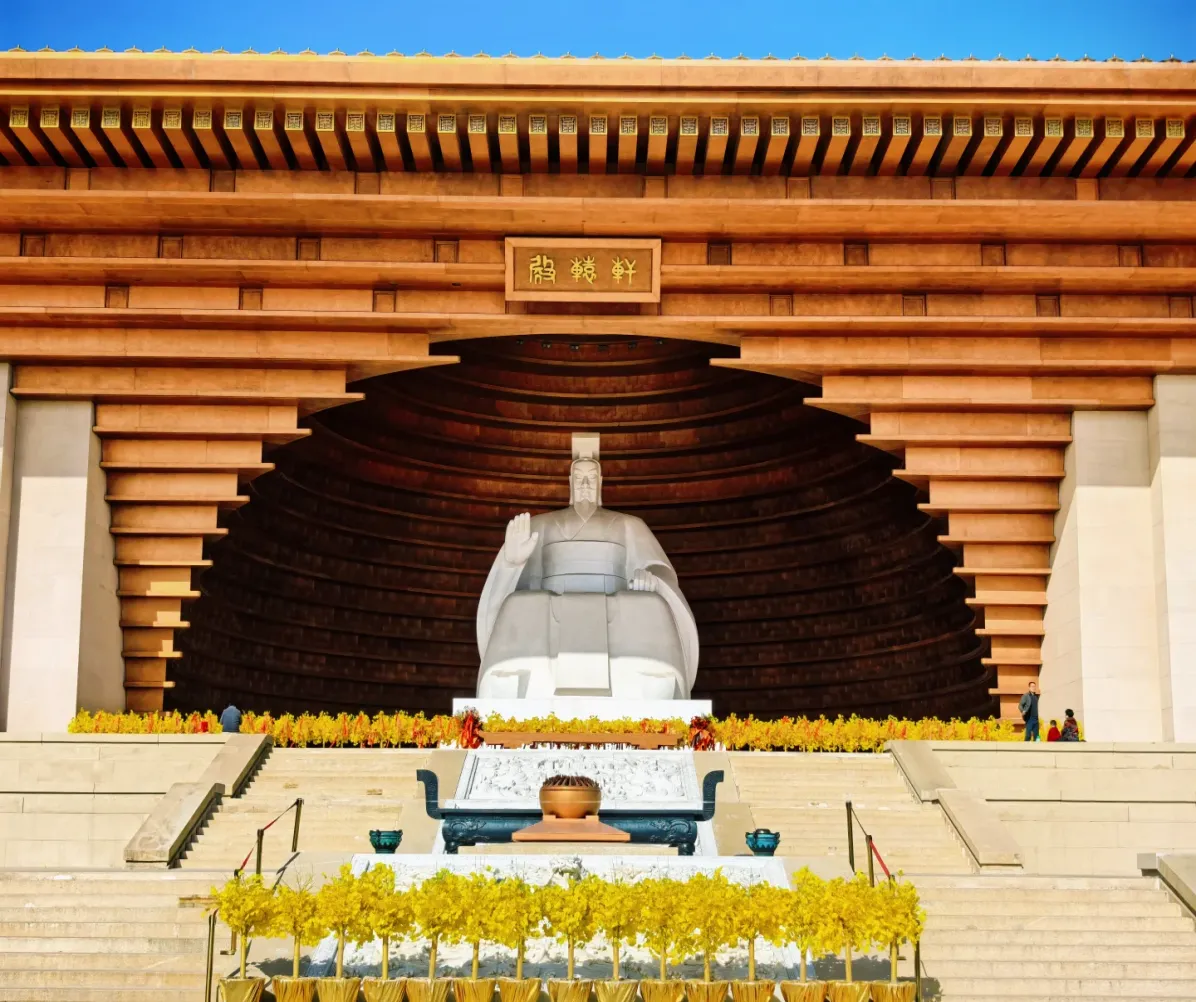
Located in Xinzheng, this scenic area is a sacred site for worshipping Huangdi, the common ancestor of the Chinese nation, with a history of ancestor worship dating back over 2,000 years. The core buildings include the Huangdi Memorial Hall, the Ancestor Worship Square, and the Ancient Cypress Garden, where ancient cypresses over a thousand years old stand tall, exuding a sense of solemnity and antiquity. Every year, the grand Huangdi Worship Ceremony is held here on the third day of the third lunar month, attracting Chinese at home and abroad to pay their respects, inherit the spirit of ancestor worship, and enhance cultural identity. The museum in the scenic area displays cultural relics related to Huangdi and the Neolithic Age, explaining the legends and historical records of Huangdi, and highlighting his contributions to the formation of early Chinese civilization.
4. Songyang Academy
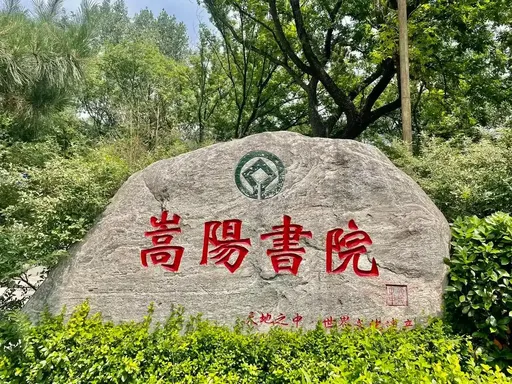
One of China’s four great academies of the Song Dynasty, Songyang Academy is nestled at the foot of Songshan Mountain, with a history of over 1,400 years as an important institution of higher learning and cultural dissemination. The academy’s architectural complex follows the traditional Chinese courtyard pattern, with pavilions, terraces, and corridors arranged in an orderly manner, surrounded by ancient pines and cypresses that create a quiet scholarly atmosphere. It was once a gathering place for renowned scholars such as Cheng Hao and Cheng Yi, who expounded on Confucian doctrines here, promoting the development of Neo-Confucianism in the Song Dynasty. The academy preserves many stone inscriptions, including the famous “Stele of the Imperial Edict for Songyang Academy,” which records the academy’s glorious history and imperial recognition. Today, it remains a place to study traditional Chinese culture, where visitors can imagine the lively discussions among ancient scholars.
5. Zhongyue Temple
As the largest and best-preserved Taoist temple among the Five Great Mountains, Zhongyue Temple has a history of over 2,000 years, dedicated to the God of Songshan, one of the five major celestial deities in Taoism. The temple complex stretches along the mountain, with grand buildings such as the Tianzhong Pavilion, Junji Hall, and the Imperial Library, displaying exquisite wood carvings, stone carvings, and mural art. The Junji Hall, the main hall, houses a magnificent statue of the God of Zhongyue, and its murals depict Taoist immortals and mythological stories with bright colors and intricate details. The temple also preserves numerous cultural relics, including ancient bronze tripods and stone steles from various dynasties. As an important site of Taoist culture, it hosts various Taoist rituals and folk activities every year, attracting devout believers and cultural enthusiasts from all over the world.
6. Dengfeng Observatory
Built in the Yuan Dynasty under the leadership of the astronomer Guo Shoujing, Dengfeng Observatory is the oldest existing astronomical observation building in China and an outstanding representative of ancient Chinese astronomical science and technology. The observatory consists of a tall observation platform and a stone gnomon, which was used to measure the length of the sun’s shadow to determine the solar terms and the calendar. Its precise design and scientific principles reflect the advanced level of astronomical observation in ancient China, making great contributions to the development of Chinese calendar science. The surrounding environment is quiet, and the ancient architectural style blends harmoniously with the natural landscape. Today, it serves as a museum of astronomy, displaying ancient astronomical instruments and introducing the history of Chinese astronomy, allowing visitors to admire the wisdom of ancient Chinese scientists.
7. Kang Baiwan Manor
Known as one of China’s three great manors, Kang Baiwan Manor is located in Gongyi, Zhengzhou, built by the Kang family who were prominent merchants and officials for over 400 years. The manor covers a vast area, with over 330 houses and 9 courtyards, featuring a unique architectural style that combines the grandeur of official residences with the practicality of folk dwellings. The buildings are decorated with exquisite wood carvings, stone carvings, and brick carvings, depicting traditional Chinese patterns such as dragons, phoenixes, and peonies, which carry auspicious meanings. The manor’s layout reflects the strict feudal hierarchy and the Confucian concept of family ethics. It also houses a large number of cultural relics, including ancient furniture, calligraphy, and paintings, recording the Kang family’s prosperity and the social customs of the Central Plains in the past centuries.