Inglese
 Francese
 Spagnolo
 Russo
Russo Arabo
Arabo Italia
Le arti e gli spettacoli tradizionali cinesi sono un'incarnazione concentrata del sistema estetico della civiltà cinese. Tramandati e sviluppati nel corso di migliaia di anni, hanno formato uno stile estetico orientale unico. A differenza dell'arte occidentale, che persegue la logica fondamentale della replica realistica, le arti tradizionali cinesi hanno sempre aderito al perseguimento fondamentale di "esprimere lo spirito attraverso la pennellata a mano libera", non fissandosi sulla replica di forme concrete ma lottando per la concezione artistica di "l'intenzione precede la pennellata e il dipinto trasmette l'intenzione". Integrano i pensieri filosofici, il carattere spirituale, gli interessi della vita e lo spirito nazionale del popolo cinese nella pennellata, nella luce e nell'ombra, nei toni vocali e nei movimenti di danza, creando un rotolo artistico che combina l'eleganza dei letterati con il calore della vita popolare, occupando una posizione unica nel mondo dell'arte.
I. Calligrafia tradizionale e arte pittorica di esprimere la filosofia attraverso pennello e inchiostro
La calligrafia cinese e la pittura tradizionale cinese sono i principali rappresentanti dell'arte tradizionale cinese e l'anima dell'estetica orientale. Condividono un comune sistema di pennello e inchiostro, aderendo al concetto fondamentale della "stessa origine della calligrafia e della pittura", utilizzando pennello e inchiostro come mezzi e carta e pietre d'inchiostro come supporti. Non sono solo espressioni dell'arte visiva ma anche manifestazioni concrete della mentalità e della personalità dello scrittore e creatore, integrando perfettamente la creazione artistica con la coltivazione personale e il pensiero filosofico, formando una categoria artistica unica al mondo.
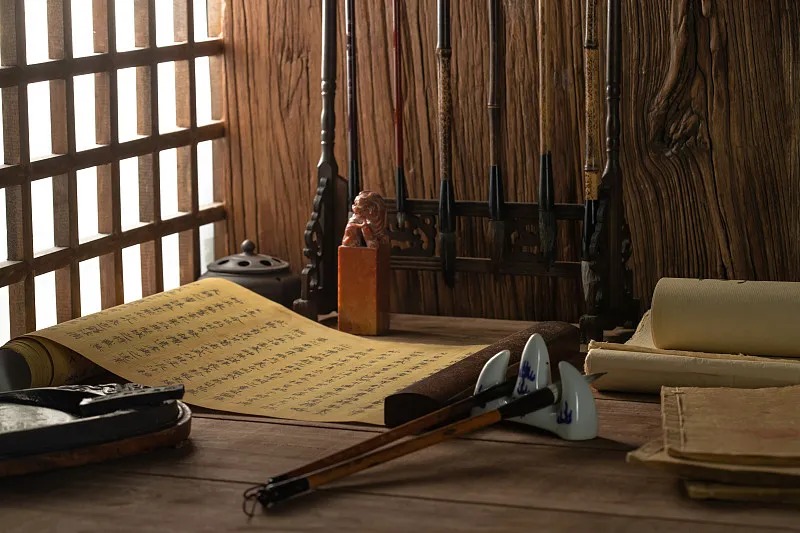
La calligrafia cinese è l'unica forma d'arte indipendente al mondo incentrata sui caratteri scritti, originati dalla natura ideografica unica e dalla struttura quadrata dei caratteri cinesi. Dalla scrittura in osso oracolare e le iscrizioni in bronzo della dinastia Shang alla scrittura su sigillo, alla scrittura clericale, alla corsiva, alla scrittura regolare e alla scrittura corrente, ogni stile porta il temperamento distinto della sua epoca. La scrittura in osso oracolare è antica e ingenua, le iscrizioni in bronzo sono dignitose e pesanti, la scrittura a sigillo presenta linee arrotondate, la scrittura clericale ha tratti a testa di baco da seta e a coda di rondine, la scrittura regolare è quadrata e standardizzata, la scrittura corrente è fluida e vivace e la scrittura corsiva è sfrenata e libera. Nel corso di migliaia di anni sono emersi innumerevoli maestri calligrafi: la "Prefazione alla collezione del padiglione delle orchidee" di Wang Xizhi della dinastia Jin orientale è acclamata come la "prima scrittura funzionante al mondo", con una pennellata aggraziata ed eterea; I calligrafi della dinastia Tang Ouyang Xun, Yan Zhenqing e Liu Gongquan fondarono ciascuno le proprie scuole di scrittura regolare, con "il tendine di Yan e l'osso di Liu" che resistettero attraverso i secoli; La scrittura corsiva di Zhang Xu e Huai Su ha spinto l'espressione emotiva ai suoi limiti, trasudando grandiosità. I "Quattro Maestri della dinastia Song" furono i pionieri dello stile calligrafico "intenzionale", ponendo maggiore enfasi sull'espressione emotiva e sul gusto personale, infondendo alla calligrafia un'aura letteraria più forte.
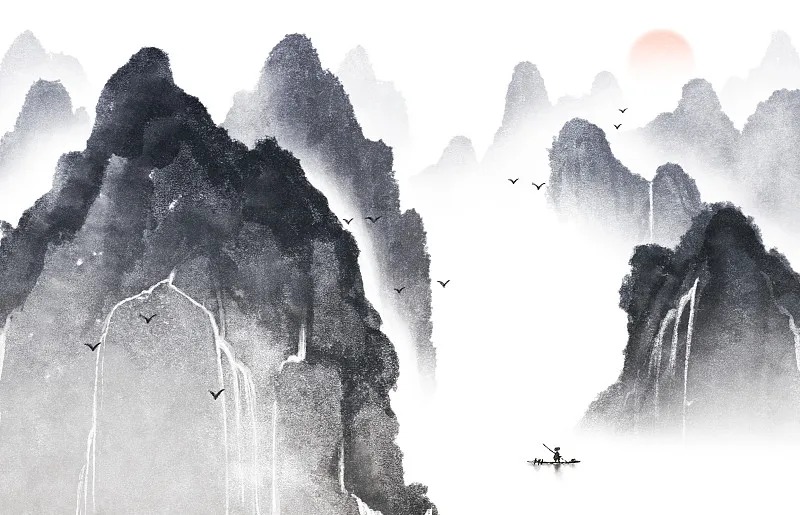
La pittura a inchiostro cinese utilizza inchiostro, carta di riso e seta come mezzo, con l'obiettivo principale di "catturare lo spirito attraverso la forma e trasmettere energia vibrante", integrando il concetto filosofico di "armonia tra cielo e umanità" nella sua creazione. La pittura cinese è divisa in tre categorie principali: paesaggi, fiori e uccelli e dipinti di figure. La pittura di paesaggio è acclamata come il "re dei dipinti", avendo origine dal lavoro fondamentale di Gu Kaizhi durante le dinastie Wei e Jin, evolvendosi attraverso i pionieristici paesaggi a inchiostro di Wang Wei durante la dinastia Tang e raggiungendo l'apice dell'arte paesaggistica letterata con "Dwelling in the Fuchun Mountains" di Huang Gongwang durante la dinastia Yuan, dove Fan Kuan e Ma Yuan della dinastia Song fondevano realismo e concezione artistica. La pittura di fiori e uccelli è incentrata sull'espressione delle aspirazioni attraverso gli oggetti, con "l'opulenza della famiglia Huang e l'eleganza rustica di Xu Xi" delle Cinque Dinastie che gettano le basi per la scuola. I meticolosi dipinti di fiori e uccelli dell'imperatore Huizong di Song durante la dinastia Song, insieme ai successivi progressi di Xu Wei e Zheng Banqiao nella pittura di fiori e uccelli a mano libera durante le dinastie Ming e Qing, elevarono il genere a nuovi livelli. La pittura di figura si è evoluta dalla "cattura dello spirito attraverso la forma" di Gu Kaizhi alla "Processione della carrozza imperiale" di Yan Liben e al "Ritmo aggraziato di Wu" di Wu Daozi durante la dinastia Tang, culminando in "Lungo il fiume durante il festival Qingming" di Zhang Zeduan durante la dinastia Song, che raffigurava vividamente scene storiche e vita urbana. La calligrafia e la pittura cinese hanno sempre aderito al concetto integrato di "poesia, calligrafia, pittura e intaglio di sigilli", con tecniche come la pennellata, lo spazio negativo e metodi di texture che incarnano la filosofia taoista dell'"interdipendenza tra essere e non-essere". In particolare, l'arte dello "spazio negativo" utilizza il principio di "trattare il bianco come nero" per dotare le opere di un potenziale immaginativo illimitato.
II. Arte popolare tradizionale della trasmissione dei fuochi d'artificio
Radicate nel popolo e al servizio della vita quotidiana della gente comune, le arti popolari tradizionali costituiscono un importante fondamento del sistema artistico cinese. Originati dalla vita e al servizio della vita, possiedono un distinto fascino di massa, caratteristiche regionali e praticità, incarnando la saggezza della vita e le aspirazioni della gente comune. Attraverso migliaia di anni di trasmissione orale e di insegnamento cuore a cuore, l'arte cinese ha sempre mantenuto un'atmosfera vibrante e concreta.
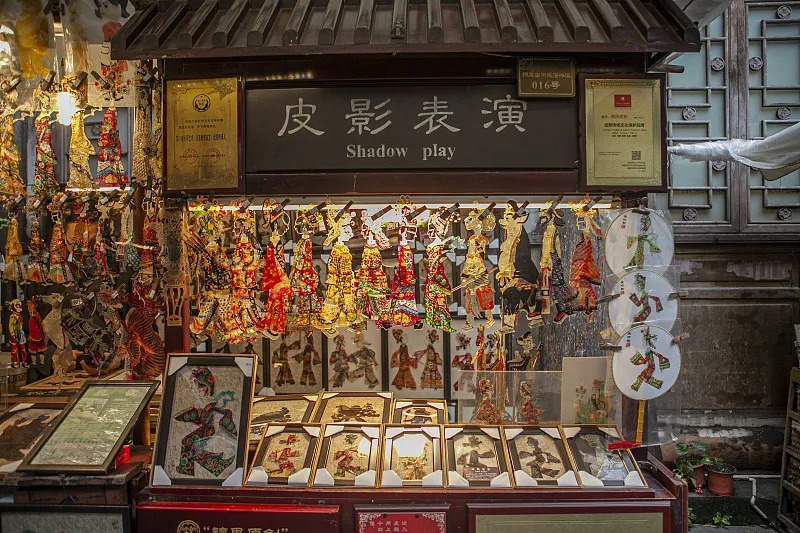
Il teatro delle ombre, acclamato come "l'antenato del cinema moderno", integra intaglio, pittura, opera e musica nella sua arte, incarnando la filosofia di "raccontare storie di secoli con un solo respiro e comandare eserciti con due mani". Le sue origini risalgono alla dinastia Han occidentale, raggiungendo la maturità durante la dinastia Tang e fiorindo durante la dinastia Song, con scuole regionali emergenti a Tangshan (Hebei), Shaanxi e Sichuan. La creazione di marionette ombra coinvolge oltre una dozzina di processi manuali tra cui la selezione della pelle, l'intaglio e la colorazione, e ogni squisita marionetta richiede mesi per essere completata. Traendo ispirazione da narrazioni storiche e leggende popolari, questi burattini servivano come intrattenimento primario e strumenti educativi per le comunità antiche. Ora riconosciuti come parte del patrimonio culturale immateriale dell'UNESCO, sono stati rivitalizzati attraverso l'integrazione con le forme d'arte contemporanea.
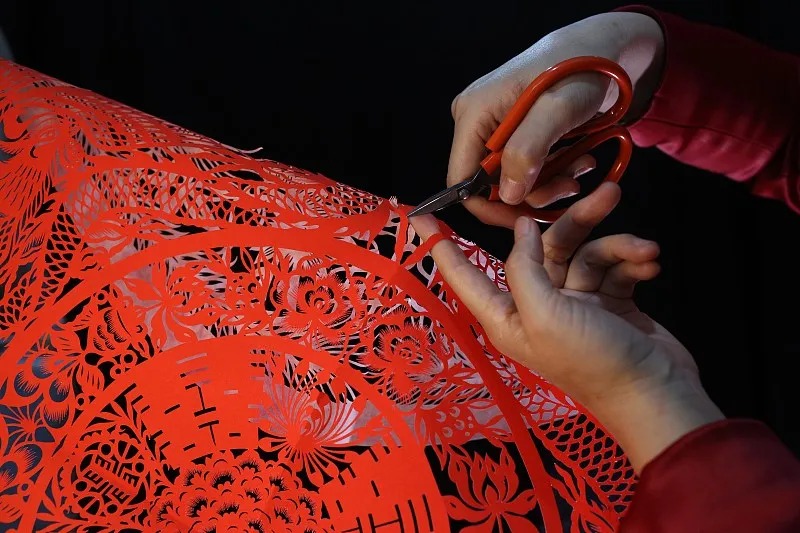
Il taglio della carta, l'arte popolare più praticata, prevede la creazione di disegni complessi tramite forbici o incisioni su carta. Con materiali facilmente reperibili e bassi costi di produzione, è stato profondamente apprezzato dal pubblico. Le sue origini risalgono al periodo delle dinastie del Nord e del Sud, dando origine a nette differenze stilistiche: lo stile nordico audace e sfrenato contrastava con l'approccio delicato e raffinato del sud. Tradizioni distintive includono il taglio della carta colorato della contea di Weixian nella provincia di Hebei e il taglio della carta di fogli di rame della città di Foshan nella provincia del Guangdong. I temi spesso portano un simbolismo di buon auspicio, con decorazioni festive per le finestre come ornamenti del Festival di Primavera, motivi nuziali e motivi di longevità. Disegni classici come le decorazioni delle finestre con i personaggi "Fu", "Abbondanza ogni anno" e "Il drago e la fenice portano buona fortuna" rimangono simboli culturali essenziali nelle celebrazioni tradizionali fino ad oggi.
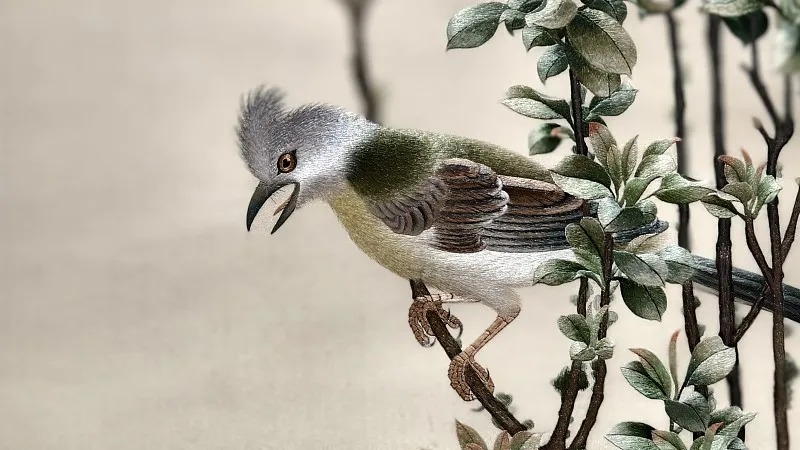
Il ricamo è considerato "l'arte sulla punta delle dita", che utilizza aghi come pennelli e fili come inchiostro, con una storia che dura da oltre duemila anni. Durante le dinastie Ming e Qing, si è evoluto nei "Quattro Grandi Ricami": ricamo Suzhou, ricamo Hunan, ricamo cantonese e ricamo Sichuan. Il ricamo di Suzhou è squisito ed elegante, con la sua tecnica di ricamo su due lati che non ha eguali; Il ricamo dell'Hunan è realistico e vigoroso, eccelle nel rappresentare bestie feroci; Il ricamo cantonese è opulento e grandioso, spesso ornato con fili d'oro; Il ricamo del Sichuan è delicato e vivace, con temi vivaci ed espressivi come i panda e le carpe. Inoltre, i ricami etnici come il ricamo Miao e il ricamo tibetano hanno ciascuno le loro caratteristiche uniche, fungendo da portatori fondamentali della cultura nazionale, dove ogni punto incarna l'estetica e le emozioni delle donne cinesi.
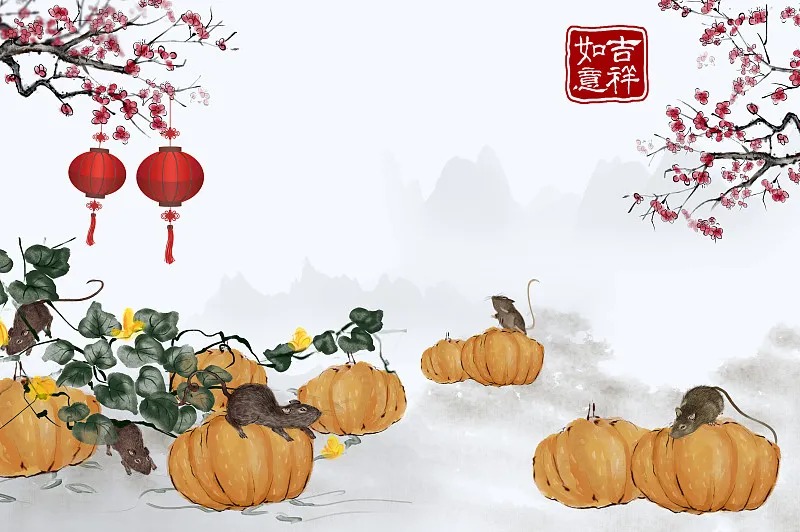
I dipinti di Capodanno sono i simboli popolari fondamentali del Festival di Primavera, originati dai dipinti delle divinità delle porte della dinastia Han, con tecniche di pittura di Capodanno su xilografia sviluppate durante la dinastia Song. Sotto le dinastie Ming e Qing emersero quattro principali aree di produzione, tra cui Yangliuqing a Tianjin e Taohuawu a Suzhou. I dipinti di Capodanno di Yangliuqing sono realizzati meticolosamente e "Abbondanza anno dopo anno" è un nome familiare; I dipinti di Capodanno di Taohuawu sono eleganti e corposi, riflettono l'estetica di Jiangnan; I dipinti di Capodanno di Yangjiabu sono audaci e intensi, emanando il fascino rustico del nord; I dipinti di Capodanno di Mianzhu presentano linee vigorose, che combinano umorismo e vitalità. I temi dei dipinti di Capodanno riguardano divinità delle porte, divinità della ricchezza e storie d'opera, incarnando le speranze delle persone di allontanare il male, evitare disastri e accogliere benedizioni. Sono una parte importante dei ricordi del Festival di Primavera per il popolo cinese.
Inoltre, anche le arti popolari come Tianjin Niren Zhang, le figurine di argilla Wuxi Huishan, gli aquiloni Weifang e le maschere dell'Opera di Pechino arricchiscono il panorama artistico della Cina. Radicati nella gente comune e tramandati di generazione in generazione, costituiscono una fonte inesauribile di ispirazione per l'alta arte.
III. Un sistema di arti dello spettacolo che combina elementi vocali e visivi
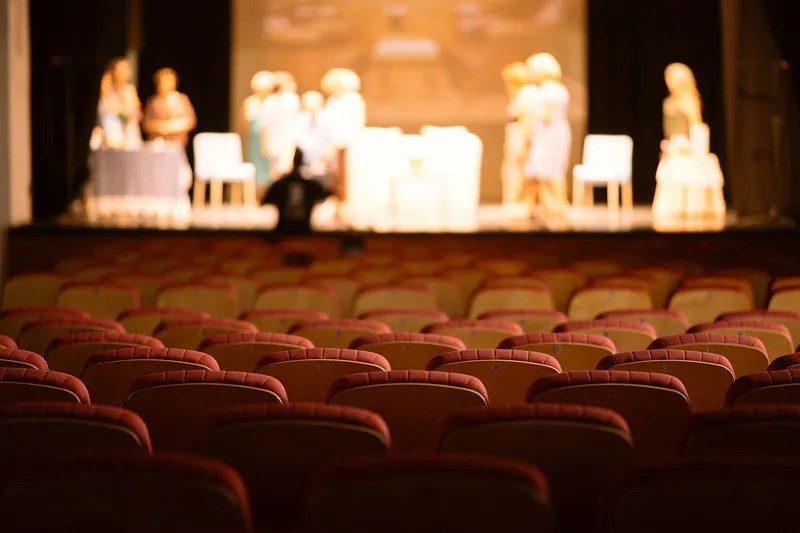
Le arti dello spettacolo tradizionali cinesi hanno formato un sistema completo che integra suono, forma, emozione e significato, utilizzando stili vocali, pose di danza e musica come vettori per fondere varie forme d'arte. Comprende sia l'eleganza dei templi che la vivacità della vita di strada e, attraverso millenni di eredità, si è evoluto in tre categorie principali: opera, danza etnica e musica popolare tradizionale.
L'opera cinese si colloca tra le tre tradizioni teatrali più antiche del mondo, integrando canto, recitazione, recitazione e arti marziali con le sue caratteristiche fondamentali di virtualità e stilizzazione. La virtualità si ottiene attraverso le performance degli attori che creano scene coinvolgenti, dove una frusta simboleggia la cavalcata e le formazioni circolari rappresentano lunghi viaggi. La stilizzazione si manifesta in elementi standardizzati tra cui tecniche vocali, movimenti scenici, maniche ad acqua, trucco facciale e costumi. Con oltre 300 generi d'opera, Kunqu Opera è venerato come "l'antenato di tutte le opere", celebrato per i suoi stili di canto melodiosi e classici senza tempo come *Il padiglione delle peonie* e *Il palazzo della vita eterna*. L'Opera di Pechino, acclamata come un "tesoro nazionale", sintetizza l'essenza di molteplici generi con ruoli chiaramente definiti (sheng, dan, jing e chou), mentre i "Quattro grandi artisti Dan" le hanno portato un successo globale. Opere regionali come Yu Opera, Yue Opera, Huangmei Opera e Pingju Opera possiedono ciascuna un fascino unico: le melodie vibranti ma accessibili di Yu Opera, la delicata eleganza di Yue Opera, la rustica semplicità di Huangmei Opera e la narrazione riconoscibile di Pingju formano collettivamente il vibrante giardino dell'arte teatrale cinese.
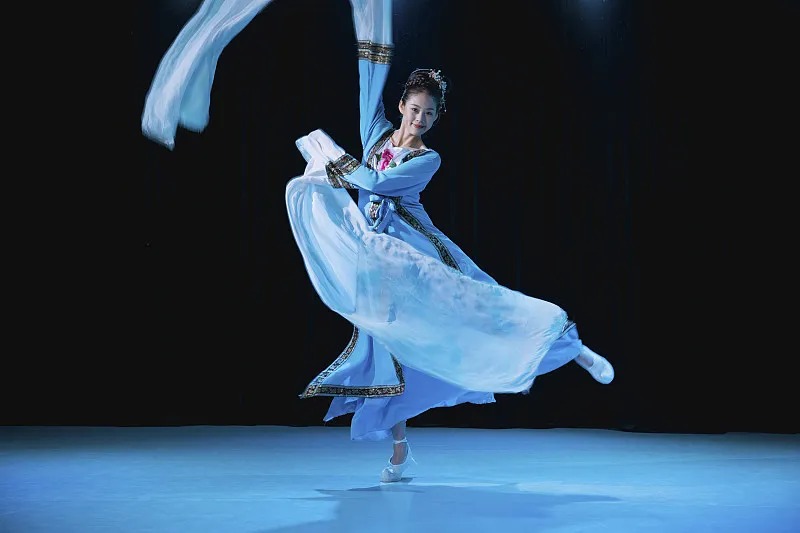
Le danze etniche cinesi si dividono in danza classica e danza popolare. La danza classica trae origine dalle danze di corte, dall'opera e dalle danze religiose, incorporando elementi di arti marziali e acrobazie, sottolineando "l'unità di forma e spirito, così come di corpo e mente". Opere come "Silk Road Flower Rain" e "Only This Verdant Green" mostrano una bellezza estrema. La danza popolare, d'altra parte, deriva dalla produzione e dalle attività di vita di vari gruppi etnici, tra cui Han Yangko, Dai Peacock Dance, Tibetan Guozhuang Dance e Mongolia Andai Dance, ciascuno con caratteristiche etniche distinte, che riflettono la natura pluralistica ma unificata della civiltà cinese.
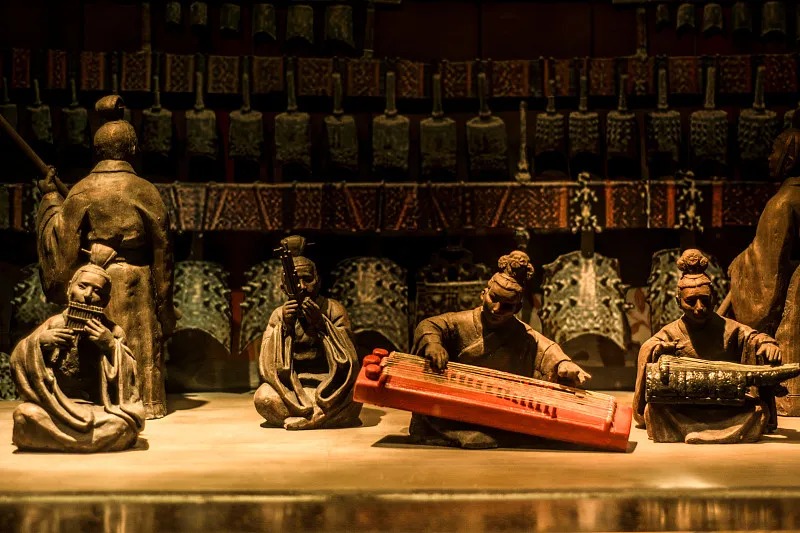
La musica popolare tradizionale cinese trasmette emozioni attraverso strumenti, ritmi e concezioni artistiche unici, con strumenti classificati in quattro tipi: fiati, archi, a pizzico e percussioni. Tra gli strumenti a fiato, il flauto è frizzante, lo xiao è distante e il suona è risonante; gli strumenti a corda sono rappresentati dall'erhu, dotato di forte potere espressivo; gli strumenti a pizzico includono il pipa, che combina forza e gentilezza, il guzheng, che è chiaro e brillante, e il guqin, conosciuto come la "principale delle quattro arti", con classici come "Alte montagne e acqua corrente" e "Tre variazioni sui fiori di pruno" che incarnano la ricerca dei letterati di auto-coltivazione e raffinatezza morale; gli strumenti a percussione sono incentrati su tamburi e gong, con i maestosi gong e tamburi che creano un grande slancio. La musica popolare enfatizza l'espressione artistica e la trasmissione emotiva, aderendo al principio della "musica che trasmette insegnamenti morali". Oggi, attraverso l'integrazione con la musica moderna, programmi come "La grande cerimonia della musica nazionale" hanno portato la musica popolare alla vista dei giovani, conquistando gradualmente la scena mondiale.
Le arti e gli spettacoli tradizionali cinesi sono la cristallizzazione estetica della civiltà cinese. L’eleganza della pittura con pennello e inchiostro, la vitalità delle arti popolari e il dinamismo delle arti dello spettacolo costituiscono collettivamente il fascino unico dell’estetica orientale. Tramandate per migliaia di anni, queste forme d'arte continuano a innovarsi con lo sviluppo dei tempi, salvaguardando le radici culturali e mostrando al mondo il profondo patrimonio e la vibrante vitalità della cultura cinese.