Inglese
 Francese
 Spagnolo
 Russo
Russo Arabo
Arabo Italia
I valori e lo stile di vita della cultura tradizionale cinese sono il nucleo spirituale della civiltà cinese che dura da oltre cinquemila anni, i geni culturali radicati nelle ossa e nel sangue della nazione cinese e i principi fondamentali che guidano la vita e la condotta del popolo cinese. Non si tratta di un freddo dogma sigillato nei testi antichi, ma di una cultura vivente profondamente integrata nel linguaggio e nel comportamento quotidiano, nell’ordine familiare e nelle operazioni sociali. Nonostante il passare dei millenni, continua a influenzare profondamente i modelli di pensiero, le norme comportamentali e gli attaccamenti emotivi del popolo cinese. Questo sistema culturale completo, con l’”armonia” come origine fondamentale, l’etica familiare come fondamento sociale, le norme rituali come standard comportamentali e i sentimenti patriottici come ricerca di valori, costruisce il mondo spirituale unico e il panorama di vita del popolo cinese.
I. L'origine spirituale con l'armonia come nucleo
L’intero sistema di valori tradizionali cinesi è radicato nel concetto filosofico fondamentale di “armonia”, profondamente radicato nella millenaria civiltà agraria cinese. Nel modello di produzione agricola che si basava sul clima per il sostentamento, gli antenati di Huaxia si resero presto conto che la sopravvivenza e lo sviluppo umano sono intrinsecamente legati ai ritmi naturali e all’interazione tra cielo e terra: semina primaverile, diserbo estivo, raccolto autunnale e stoccaggio invernale: tutte le attività produttive devono allinearsi con le stagioni naturali. Le piene e il prosciugamento dei fiumi, così come l’alternanza di climi freddi e caldi, determinano direttamente la sopravvivenza dei gruppi etnici. È stato questo profondo rapporto simbiotico con la natura che ha portato gli antenati a formare la visione centrale del mondo di "unità tra cielo e umanità", che rappresenta anche l'essenza fondamentale della cultura dell'"armonia".
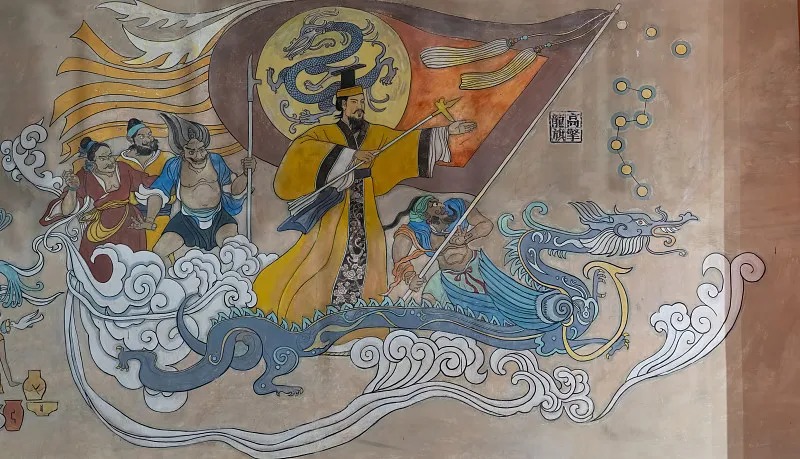
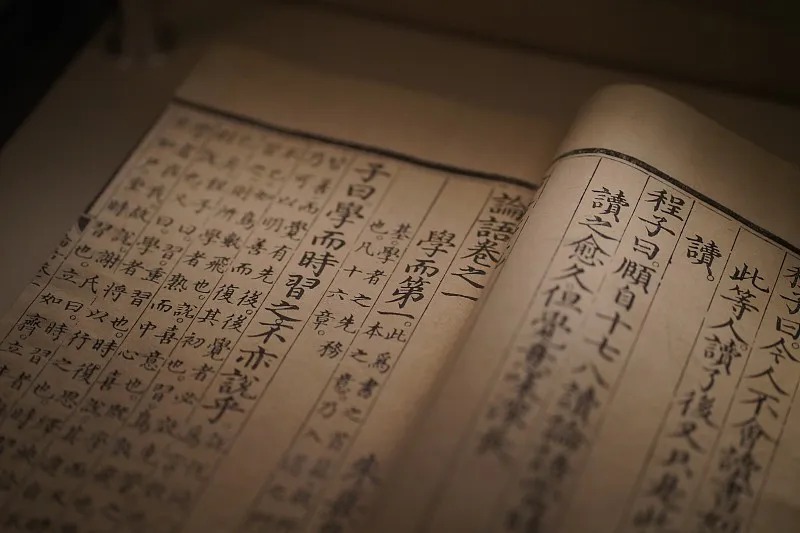
"L'unità del cielo e dell'umanità" non è una proposizione isolata di una singola scuola di pensiero, ma piuttosto un nucleo spirituale comune che permea i due principali sistemi ideologici tradizionali del confucianesimo e del taoismo. Da diverse dimensioni, costruiscono la concezione cinese di “coesistenza armoniosa tra uomo e natura”, formando un sistema ideologico complementare e simbiotico. Nel pensiero confuciano, l'essenza fondamentale dell'"unità del cielo e dell'umanità" è "l'armonia della virtù tra il cielo e l'umanità". Il confucianesimo sostiene che l'essenza della Via del Cielo è "benevolenza" e "bontà", che rappresentano una vitalità incessante, uno spirito inclusivo che abbraccia tutte le cose e una legge equilibrata e imparziale. Essendo l'apice della creazione tra tutte le cose in cielo e in terra, la missione principale dell'umanità non è conquistare la natura o trasformare il cosmo, ma coltivare il proprio carattere e l'integrità morale, allineando le proprie parole e azioni con le leggi della Via del Cielo, ottenendo così una risonanza spirituale tra gli esseri umani e l'universo. La Dottrina della Media afferma: "Quando la media e l'armonia vengono realizzate, il cielo e la terra trovano il loro posto e tutte le cose fioriscono". Questa affermazione chiarisce con precisione la ricerca ultima dell’”armonia” da parte del Confucianesimo: quando gli esseri umani raggiungeranno il più alto grado di equilibrio e armonia, il cielo e la terra troveranno il loro giusto posto e continueranno a prosperare, e la coltivazione morale individuale alla fine risuonerà con le leggi che governano l’universo. Questa filosofia si estende da una visione del mondo a una filosofia di vita, formando infine i valori fondamentali delle Cinque Costanti - "benevolenza, rettitudine, correttezza, saggezza e affidabilità" - trasformando il rispetto per il cielo e la terra in responsabilità e buona volontà verso gli altri, la società e la nazione.
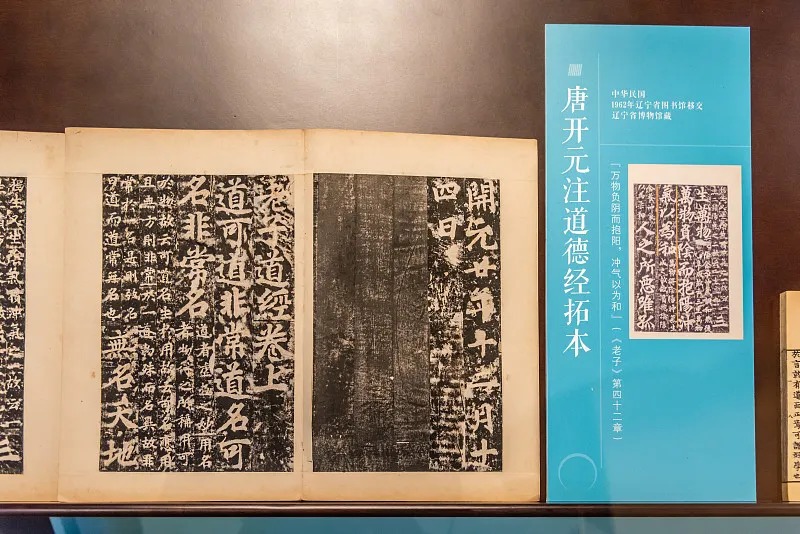
Nel sistema ideologico daoista, "l'unità del cielo e dell'umanità" si manifesta come il principio fondamentale del "Dao segue la natura". Laozi afferma esplicitamente nel *Tao Te Ching*: "L'uomo segue la terra, la terra segue il cielo, il cielo segue il Dao e il Dao segue la natura", rivelando profondamente il rapporto essenziale tra uomo e natura: l'uomo non è il padrone del cielo e della terra ma piuttosto una parte della natura; tutte le cose nel mondo seguono le proprie leggi intrinseche. La vera saggezza non sta nell’intervento forzato o nell’andare controcorrente, ma nell’abbandonare desideri soggettivi eccessivi, aderire alle leggi naturali delle cose e fondersi con il cielo e la terra. L'"armonia" perseguita dal daoismo è uno stato equilibrato, libero da coercizione o ossessione, che incarna l'inclusività e la magnanimità descritte come "il bene supremo è come l'acqua, che avvantaggia tutte le cose senza contese". *Sull'uguaglianza delle cose* di Zhuangzi estende ulteriormente questo concetto, proponendo l'idea di uguaglianza tra tutte le cose senza distinzioni di nobiltà o inferiorità, abbattendo i confini tra gli esseri umani e tutte le cose ed espandendo la connotazione di "armonia" a un regno più ampio. Questa filosofia si integra perfettamente con le responsabilità mondane del confucianesimo, consentendo ai cinesi di abbracciare l'ambizione di "coltivare se stessi, regolare la famiglia, governare lo stato e portare la pace nel mondo" in circostanze favorevoli, e di mantenere la magnanimità di "raccogliere crisantemi vicino al recinto orientale, contemplando tranquillamente le montagne meridionali" nelle avversità, costruendo così un mondo spirituale per il popolo cinese con un equilibrio tra tensione e rilassamento.
II. Sistema etico basato sulla famiglia
Se la cultura dell'“armonia” è il nucleo spirituale dei valori tradizionali cinesi, allora il sistema etico centrato sulla famiglia funge da fondamento sociale per il radicamento di questi valori. Nella cultura cinese, la famiglia non è mai stata semplicemente una comunità di sangue, ma l’unità fondamentale dell’ordine sociale, il portatore più essenziale dell’eredità culturale e il santuario spirituale supremo in cui gli individui possono trovare il proprio posto nella vita. L'origine di questo sistema può essere fatta risalire al sistema patriarcale del periodo Zhou occidentale, dove l'imperatore Zhou stabilì il sistema della primogenitura come nucleo centrale, dividendo i clan più grandi in clan più piccoli, costruendo così una "struttura omologa di famiglia e stato": la famiglia come uno stato in miniatura e lo stato come una famiglia allargata. L’ordine etico all’interno della famiglia è il fondamento dell’intero ordine sociale e del governo nazionale. Il pensiero confuciano propone il percorso di progressione della vita di "coltivare se stessi, regolare la famiglia, governare lo stato e portare la pace nel mondo", ponendo la "regolazione della famiglia" nel congiuntura critica tra coltivazione personale e governo dello stato. Ritiene che solo gestendo bene la propria famiglia, promuovendo buone tradizioni familiari e aderendo all'etica familiare si possa governare efficacemente lo stato e stabilizzare il mondo.
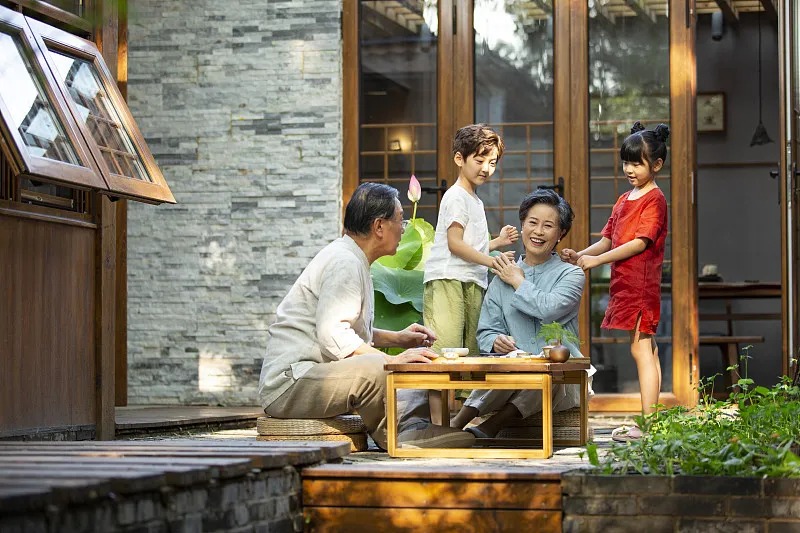
In questo sistema di etica familiare, la “pietà filiale” è senza dubbio il fulcro, venerata dai cinesi come “tra tutte le virtù, la pietà filiale viene prima”. Il concetto di “pietà filiale” nella cultura cinese è molto più che semplicemente sostenere i propri genitori; costituisce un sistema etico completo e multidimensionale che comprende tre dimensioni essenziali: il sostegno materiale, il rispetto spirituale e l'eredità dei valori familiari, nessuno dei quali può essere omesso. Il Classico della pietà filiale afferma: "La pietà filiale è la radice della virtù e il fondamento dell'educazione", considerando la pietà filiale come la pietra angolare di tutte le qualità morali e affermando che tutti gli insegnamenti nel mondo derivano dalla pietà filiale. Ciò ha reso la cultura della pietà filiale la pietra angolare dell’etica familiare cinese.
III. Linee guida di condotta sociale incentrate sull'etichetta
La Cina è da tempo conosciuta nel mondo come la “Terra dell’Etichetta”. L'"etichetta" è una componente cruciale della cultura tradizionale cinese, poiché funge da manifestazione concreta dei valori tradizionali nelle interazioni sociali quotidiane e nella vita pubblica, plasmando i comportamenti sociali e le norme comportamentali unici del popolo cinese. La cultura dell '"etichetta" della Cina può essere fatta risalire all'istituzione di riti e musica da parte di Zhou Gong durante il periodo Zhou occidentale. Dopo la fondazione della dinastia Zhou occidentale, lo Zhou Gong, basandosi sulla sintesi dei punti di forza e di debolezza dei sistemi delle dinastie Xia e Shang, formulò un sistema completo di riti e musica che copriva vari aspetti come sacrifici, assemblee di corte, interazioni sociali, vita familiare e funerali. Il principio fondamentale era che "i riti distinguono le differenze, la musica armonizza l'unità" - i "riti" erano usati per delineare l'ordine sociale e chiarire i confini dell'identità, mentre la "musica" serviva ad armonizzare le emozioni e unire le persone. I due si completarono a vicenda, trasformando i "riti" da fredde regole in insegnamenti profondamente radicati. Questo sistema considerava i "riti" come lo strumento principale per risolvere le controversie e regolare l'ordine sociale, consentendo a ogni individuo nella società di aderire alle norme comportamentali corrispondenti nei rispettivi ruoli, raggiungendo così l'armonia e la stabilità sociale.
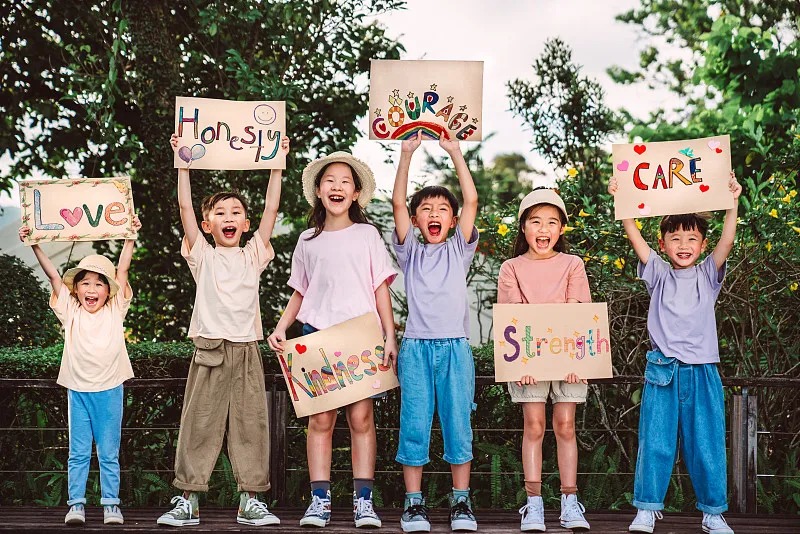
Dopo più di tremila anni di sviluppo, la cultura "Li" cinese ha da tempo abbandonato le sue iniziali formalità elaborate e si è evoluta in un insieme di norme sociali profondamente radicate e di saggezza per affrontare il mondo. La sua essenza fondamentale rimane invariata: "rispetto": rispetto per il cielo e la terra, rispetto per gli antenati, rispetto per gli altri e rispetto per se stessi. Nelle interazioni sociali quotidiane, i cinesi sostengono costantemente l’approccio di “trattare gli altri con umiltà”, rifiutando l’ostentazione, l’arroganza e l’autocompiacimento, sottolineando al contempo che “l’eccesso invita alla perdita e l’umiltà porta benefici”, trattando tutti coloro che li circondano con umiltà. Questa umiltà non è affatto un segno di inferiorità o codardia, ma piuttosto un'auto-coltivazione che nasce dal cuore, un rispetto per gli altri e un controllo su se stessi.
Nelle interazioni sociali, i cinesi considerano sempre "calore, gentilezza, rispetto, frugalità e umiltà" come tratti ideali della personalità: gentilezza, gentilezza, rispetto, parsimonia e arrendevolezza. Queste cinque virtù costituiscono i principi fondamentali che guidano il comportamento sociale cinese. Quando interagiscono con gli altri, enfatizzano il "mantenere la parola data". Confucio disse: "Una persona senza integrità è difficile da capire" e l'onestà è considerata il fondamento del proprio carattere. La virtù di mantenere le promesse viene celebrata di generazione in generazione, mentre gli atti di tradimento sono universalmente condannati. Di fronte a scelte che coinvolgono interessi, i cinesi danno priorità a “considerare la rettitudine quando si ottiene il profitto”, credendo che “un gentiluomo ama la ricchezza ma la acquisisce con mezzi adeguati”. Si rifiutano di compromettere i principi o l’etica per guadagni a breve termine, che è una linea di base morale radicata nella cultura cinese. Quando sorgono conflitti nelle relazioni, i cinesi sostengono “l’armonia prima di tutto”, evitando confronti o conflitti estremi. Tendono invece a entrare in empatia con gli altri, a risolvere le controversie attraverso la comunicazione e a raggiungere una convivenza armoniosa.
Le norme di etichetta cinesi non si riflettono solo nelle interazioni sociali quotidiane, ma formano anche un sistema completo dei "Cinque Riti", che permea ogni aspetto della vita sociale. I Jili (riti di buon auspicio) sono riti sacrificali usati per onorare il cielo, la terra, gli antenati e le divinità, esprimendo riverenza e gratitudine, e sono i principali tra i Cinque Riti. Gli Xuli (riti di lutto) sono riti funebri utilizzati per piangere i defunti e confortare le famiglie, dimostrando rispetto per la vita e ricordo dei defunti. I Junli (riti militari) sono riti cerimoniali per occasioni militari come schieramenti di truppe, ispezioni e trionfi, che mettono in mostra la disciplina militare e il prestigio nazionale. I Binli (riti degli ospiti) sono rituali diplomatici e sociali utilizzati nelle assemblee di corte, nelle visite diplomatiche e nei ricevimenti degli ospiti, standardizzando l'etichetta tra individui di status diversi. I Jiali (riti celebrativi) comprendono tutte le occasioni gioiose inclusi matrimoni, cerimonie di formazione, feste e banchetti, rappresentando l'etichetta più accessibile nella vita di tutti i giorni.
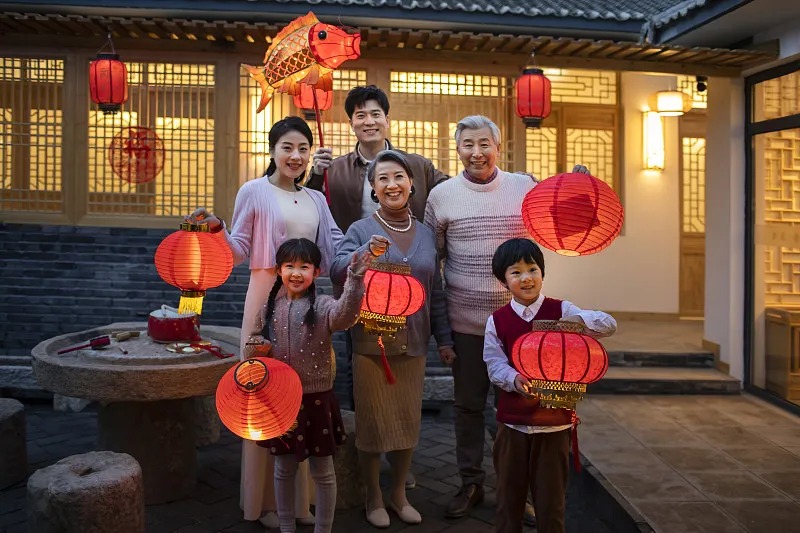
Questo sistema di etichetta permea ogni tappa significativa della vita cinese: dalla cerimonia della luna piena e della cerimonia dei cento giorni dopo la nascita di un bambino, ai rituali di raggiungimento della maggiore età della cerimonia della corona e della cerimonia della forcina, poi alla cerimonia nuziale quando avviene il matrimonio, e infine alla cerimonia funebre dopo la morte degli anziani. Ogni fase cruciale della vita ha norme di etichetta corrispondenti. Questi rituali non riguardano solo il senso cerimoniale, ma servono anche come educazione alla vita e come promemoria: la cerimonia di raggiungimento della maggiore età ricorda ai giovani di assumersi da ora in poi le responsabilità della famiglia e della società; la cerimonia nuziale ricorda alle coppie di rispettarsi a vicenda come ospiti d'onore e di restare insieme per tutta la vita; la cerimonia funebre ricorda ai discendenti di onorare i propri antenati e di non dimenticare mai le proprie radici.
Nella società moderna, la cultura tradizionale dell’etichetta ha subito una trasformazione creativa, scartando la feccia della gerarchia feudale e preservando i suoi valori fondamentali di rispetto, umiltà e gentilezza. Oggi, la cortesia negli ambienti pubblici, l’umiltà nelle interazioni interpersonali, il rispetto per gli anziani e la buona volontà verso gli altri sono tutte manifestazioni contemporanee della tradizionale cultura dell’etichetta. Questo insieme di norme di etichetta non solo modella l’immagine sociale cortese del popolo cinese, ma stabilisce anche un ordine sociale stabile e ordinato, consentendo alla cultura tradizionale di integrarsi veramente nella vita quotidiana del popolo cinese, rimanendo vibrante dopo migliaia di anni.