
 Inglese
 Francese
 Spagnolo
 Russo
Russo Arabo
Arabo Italia
1.Tempio Kaiyuan e West Street
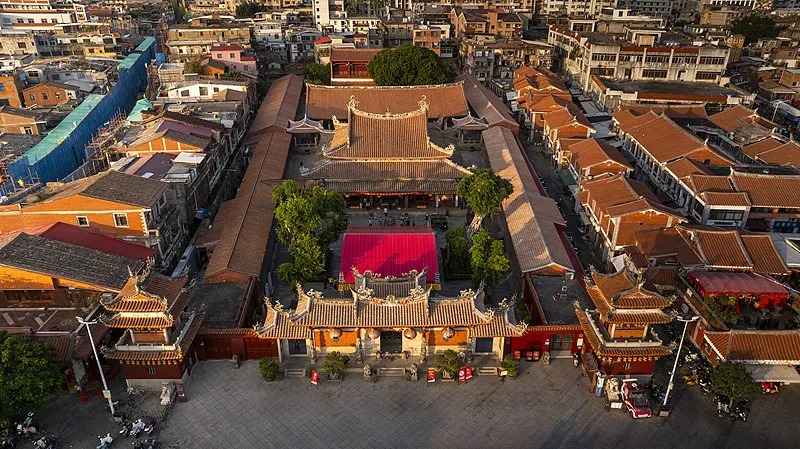
Il Tempio Kaiyuan, fondato durante la dinastia Tang, è il più grande tempio buddista di Quanzhou e una delle principali reliquie culturali sotto protezione nazionale. Le sue iconiche Pagode Est e Ovest, costruite durante la dinastia Song, sono alte più di 40 metri, con squisite incisioni in pietra sulle pagode raffiguranti storie buddiste e scene di vita quotidiana. West Street, situata all'ingresso del tempio, è la strada più antica di Quanzhou, con una storia di oltre 1.000 anni, fiancheggiata da antichi edifici porticati, vecchi negozi e bancarelle di snack tradizionali, che preservano il sapore originale dell'antica città di Quanzhou.
2.Montagna Qingyuan
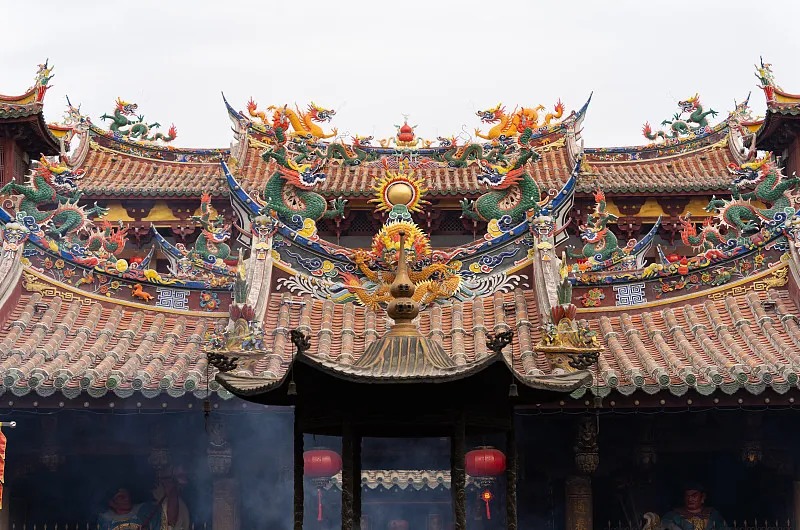
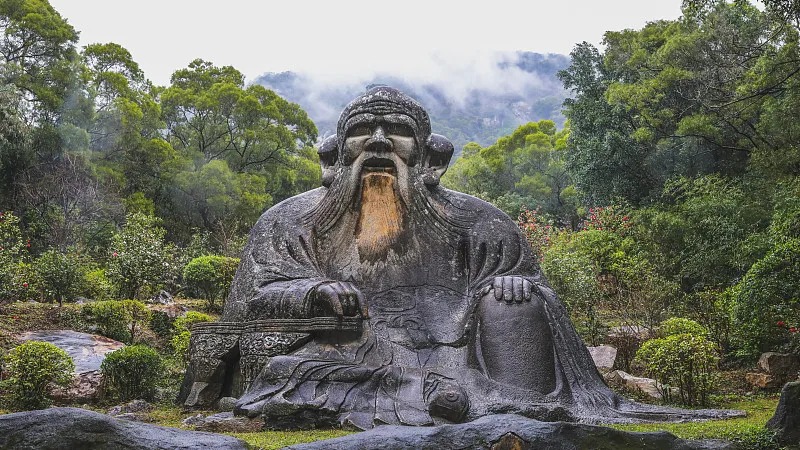
Un'area panoramica nazionale 5A e una famosa montagna culturale, nota per i suoi splendidi scenari naturali e le ricche testimonianze culturali. L'attrazione più famosa è la Roccia di Laojun, una gigantesca scultura in pietra di Laozi, il fondatore del Taoismo, scolpita durante la dinastia Song, alta 5,63 metri ed è conosciuta come un capolavoro dell'arte della scultura in pietra della dinastia Song. La montagna ha anche molte altre reliquie culturali, come il Palazzo Tianhou, il Wenmiao e le incisioni su pietra di famosi studiosi, che integrano le culture del buddismo, del taoismo e del confucianesimo.
3. Museo marittimo di Quanzhou
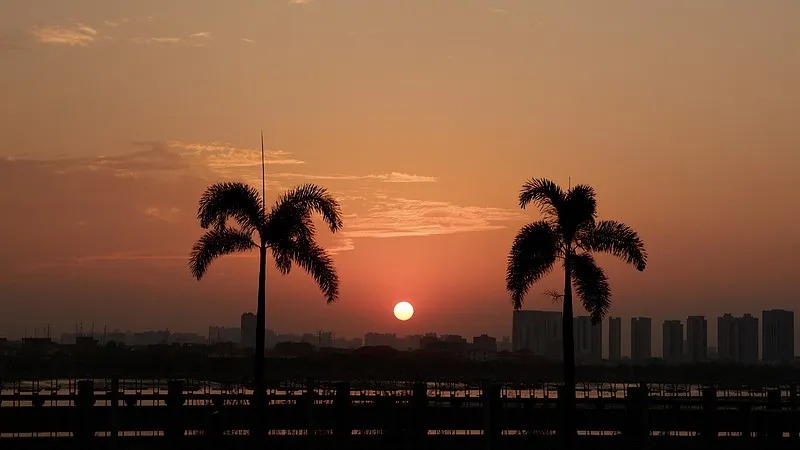
L'unico museo in Cina incentrato sulla storia del traffico marittimo, situato sulla riva del fiume Luoyang. Ha una vasta collezione di cimeli culturali legati alla Via della Seta Marittima, inclusi antichi relitti di navi, porcellane esportate all'estero, strumenti di navigazione e cimeli culturali religiosi provenienti da vari paesi. Il museo mostra vividamente la prosperità di Quanzhou come “porto più grande del mondo” durante le dinastie Song e Yuan, e gli scambi culturali tra la Cina e i paesi stranieri attraverso la rotta marittima.
4.Ponte Luoyang
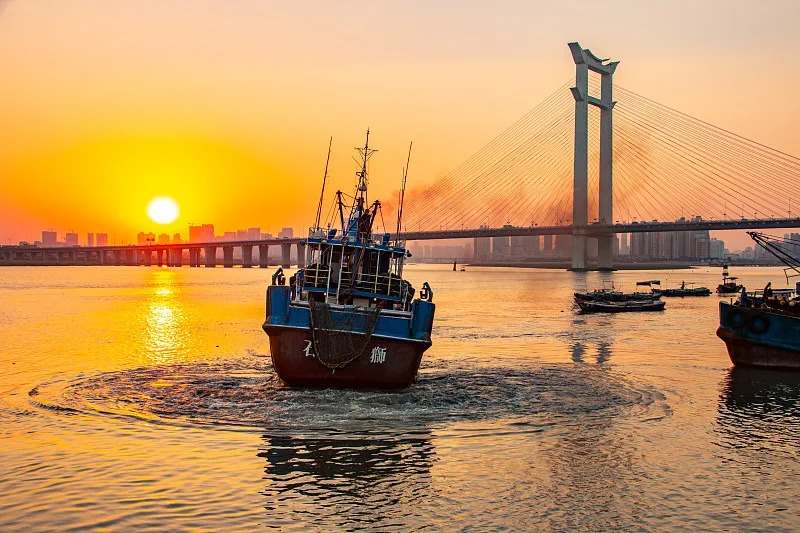
Uno dei quattro antichi ponti cinesi, costruiti durante la dinastia Song settentrionale, che attraversano l'estuario del fiume Luoyang. Si tratta di un innovativo ponte a travi di pietra dell'antica Cina, con una lunghezza totale di 834 metri. Il ponte è famoso per le sue tecniche di costruzione uniche, come l'utilizzo di tartarughe marine per stabilizzare i pilastri del ponte e la piantagione di ostriche per consolidare le fondamenta, che riflettono pienamente la saggezza degli antichi artigiani cinesi. Il ponte è circondato da uno splendido scenario costiero e lungo il ponte ci sono molti antichi padiglioni e sculture in pietra.
5. Città antica di Chongwu
Una città di difesa costiera in pietra ben conservata costruita durante la dinastia Ming, situata sulla costa della contea di Hui'an. La cinta muraria è costituita da enormi massi di granito, con una circonferenza di 2.567 metri, ed è dotata di torri di avvistamento, merlature e porte. Si tratta di una delle antiche opere di difesa costiera più complete della Cina. All'interno della città antica, ci sono le tradizionali case in pietra e il giardino delle usanze popolari delle donne Hui'an, dove puoi conoscere i costumi e le usanze uniche delle donne Hui'an, note per il loro duro lavoro e il loro bell'aspetto.
6.Villaggio Xunpu
Un tradizionale villaggio di pescatori famoso per la sua esclusiva usanza dei "capelli di fiori" e per le case con conchiglie di ostriche. Le donne del villaggio hanno la tradizione di indossare ogni giorno fiori colorati tra i capelli, creando un paesaggio di usanze popolari unico. Il villaggio è pieno di case costruite con gusci di ostriche, che non solo sono rispettose dell'ambiente ma hanno anche uno stile architettonico unico. Passeggiando negli stretti vicoli del borgo si respirano le forti usanze popolari marinare e la vita semplice dei pescatori.
7.Moschea Qingjing
La più antica moschea islamica esistente in Cina, fondata durante la dinastia Song, costruita in stile architettonico arabo. L'edificio principale è la Sala delle Preghiere, con un arco in pietra all'ingresso, su cui sono incise iscrizioni arabe. Sebbene la Sala delle Preghiere sia ora in rovina, le strutture rimanenti mostrano ancora la grandiosità e la squisita fattura della moschea. Si tratta di un'importante reliquia culturale che testimonia lo scambio culturale tra la Cina e il mondo arabo attraverso la via della seta marittima ed è elencata come una reliquia culturale chiave sotto protezione nazionale.