Inglese
 Francese
 Spagnolo
 Russo
Russo Arabo
Arabo Italia
Introduzione ai famosi punti panoramici di Zhuhai
1. La Strada degli Innamorati e la Statua della Ragazza Pescatrice di Zhuhai
Situata sulla riva della baia di Xianglu lungo la strada degli innamorati, la statua della ragazza pescatrice di Zhuhai fu completata nel 1982, progettata dal famoso scultore cinese Pan He. Con un'altezza totale di 8,7 metri, è composta da 70 pezzi di granito ed è la prima statua marittima di grandi dimensioni in Cina, nonché il simbolo urbano per eccellenza di Zhuhai. La statua racconta la commovente leggenda d'amore tra la figlia del re drago del Mar Cinese Meridionale e Haipeng, un giovane pescatore. La pescatrice porta una collana al collo, porta sulla schiena una rete da pesca, con le gambe dei pantaloni leggermente arrotolate, e tiene alta una perla brillante con entrambe le mani. Non solo porta con sé la convinzione marina tramandata di generazione in generazione dai pescatori di Zhuhai, ma simboleggia anche lo spirito aperto di Zhuhai di abbracciare il mondo. Oggi, la Strada degli Amanti e la Statua della Ragazza Pescatrice di Zhuhai non sono solo un'attrazione turistica nazionale di livello AAA, ma anche il portatore principale della cultura marina di Zhuhai, della cultura romantica e dello spirito della zona economica speciale, diventando il punto di riferimento culturale e turistico costiero più riconoscibile nella Greater Bay Area di Guangdong-Hong Kong-Macao.
2. Regno dell'Oceano di Chimelong, Zhuhai
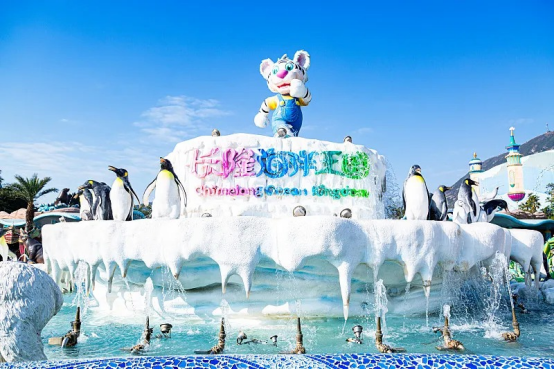
In quanto posizione centrale per la divulgazione e la diffusione della cultura marina cinese, il parco ha come fulcro la "conservazione marina, l'educazione scientifica, l'integrazione culturale e turistica" ed è diviso in sette aree tematiche tra cui Ocean Avenue, Dolphin Cove, Rainforest Flying e Ocean Wonders. Ospita rari animali marini come balene beluga, orsi polari, pinguini e squali balena. Tra questi, l'Acquario dello squalo balena possiede l'acquario in vetro acrilico più grande del mondo con un volume d'acqua di 31.000 metri cubi, che lo rende la sala espositiva sulla vita marina più grande del mondo. Il parco non solo crea un'esperienza di divertimento di livello mondiale, ma integra anche profondamente la cultura marina di Lingnan e la connotazione dello sviluppo integrato del GBA. Svolge attività di ricerca e studio sulle scienze marine, attività di assistenza pubblica per la protezione dell'ambiente e attività di scambio culturale e turistico Guangdong-Hong Kong-Macao durante tutto l'anno, integrando perfettamente la moderna industria culturale e turistica con la protezione ecologica marina e la comunicazione culturale. Non solo ha rimodellato il modello di sviluppo dei parchi a tema cinesi, ma è anche diventato il motore principale dello sviluppo di alta qualità dell'industria culturale e turistica nella Zona Economica Speciale di Zhuhai.
3. Isola Wai Lingding
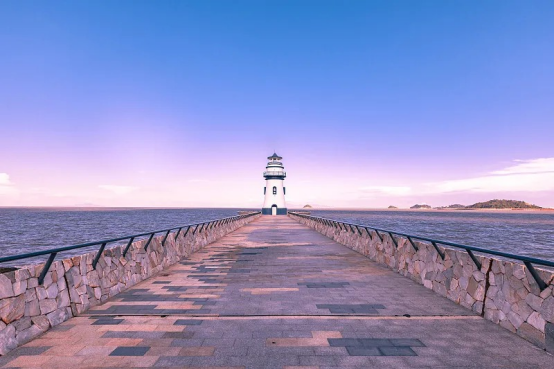
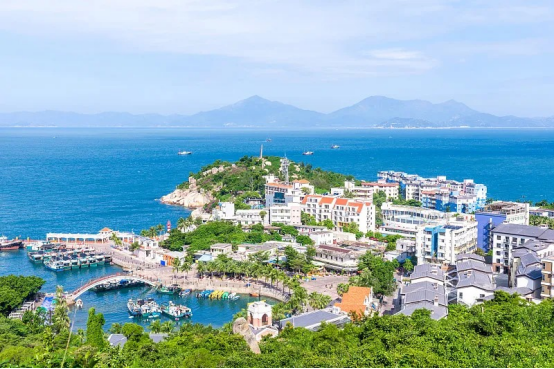
L'isola di Wai Lingding è stata fin dai tempi antichi un'importante arteria del traffico marittimo e una roccaforte di difesa costiera nell'estuario del fiume Pearl. Durante le dinastie Ming e Qing, era la principale roccaforte di difesa costiera delle Isole Wanshan, conservando cimeli storici come antiche torri faro e siti doganali, testimoniando la prosperità millenaria della Via della Seta Marittima e la storia della difesa costiera dell'estuario del Fiume delle Perle. L'isola copre un'area totale di 4,23 chilometri quadrati, con la sua vetta principale, il Lingding Peak, ad un'altitudine di 311,8 metri. Vanta magnifiche rocce, acque limpide e montagne e mari intrecciati, con spiagge di alta qualità come Lingding Bay, Ta Bay e Dadong Bay, e acqua di mare cristallina, che la rendono una rinomata località costiera nella GBA. Oggi, l'isola di Wai Lingding non solo conserva lo scenario ecologico originale dell'isola, ma esplora anche profondamente la cultura patriottica di Wen Tianxiang, la cultura della pesca marina e della caccia e la storia e la cultura della difesa costiera. Ha costruito paesaggi culturali come la piazza culturale Wen Tianxiang, le iscrizioni sulle scogliere e il ponte di osservazione del picco Lingding, integrando perfettamente la cultura patriottica, la cultura marina e il turismo dell'isola.
4. Nuovo Palazzo Yuanming
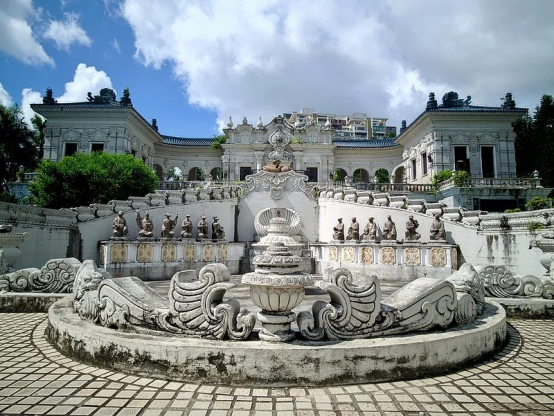
In stretta conformità con le norme architettoniche classiche dell'Antico Palazzo d'Estate a Pechino, il parco ha selezionato 18 delle 40 scene dell'Antico Palazzo d'Estate per il restauro 1:1, divise in tre sezioni principali: complesso dell'edificio reale, complesso dell'edificio del giardino Jiangnan e complesso dell'edificio in stile occidentale. Riproduce perfettamente paesaggi classici come la Sala della Luminosità Assoluta, Jiuzhou Qingyan, Pengdao Yaotai e la Grande Fontana delle Dimore Occidentali. Non solo ripristina la grandiosità dei giardini reali della dinastia Qing, ma integra anche la squisitezza dei giardini Lingnan, integrando perfettamente i giardini reali settentrionali, i giardini privati Jiangnan e l'architettura classica occidentale. Il parco non è solo una vetrina espositiva per l'arte architettonica, ma esplora anche profondamente la cultura reale della dinastia Qing e la storia moderna della Cina. Ospita spettacoli dal vivo su larga scala Dreaming Back to Yuanming Palace, mostre sulla cultura di corte della dinastia Qing, patrimonio culturale immateriale e attività popolari durante tutto l'anno. Ripristina la vita della corte della dinastia Qing attraverso un'interpretazione coinvolgente e racconta le vicissitudini dell'Antico Palazzo d'Estate, diventando una destinazione unica per l'esperienza culturale del giardino reale nella regione di Lingnan.
5. Area turistica dell'Arco Meixi
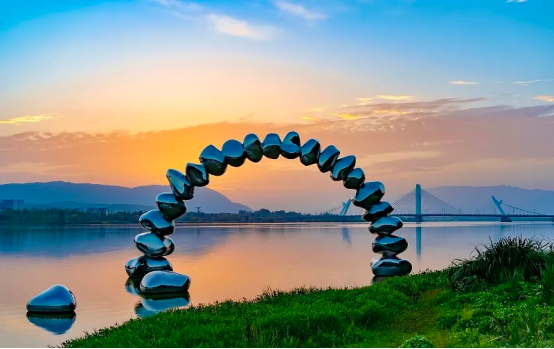
Il complesso degli archi è costituito da tre archi in pietra di granito, che adottano uno stile architettonico cinese-occidentale. Non solo conserva le norme degli archi tradizionali cinesi, ma integra anche gli elementi decorativi dell'architettura barocca occidentale. I motivi del drago scolpiti nella pietra, le bestie di buon auspicio, i motivi di fiori e uccelli sugli archi sono squisitamente scolpiti, conosciuti come "un fossile vivente dell'arte della scultura su pietra Lingnan". La zona sceneggiata conserva interamente anche l'antica residenza di Chen Fang. Questo complesso edilizio residenziale Lingnan, costruito per la prima volta nel 1891, copre un'area di 5.742 metri quadrati, integrando le caratteristiche stilistiche delle tradizionali abitazioni Lingnan, dell'architettura classica occidentale e dell'architettura Nanyang, ed è un modello di architettura cinese-occidentale nella moderna Zhuhai. Chen Fang era un famoso leader e industriale cinese d'oltremare nella Cina moderna, e la sua leggendaria esperienza di vita ha testimoniato la storia dei moderni cinesi d'oltremare che lavorano duramente all'estero e si prendono cura della loro madrepatria. Oggi, l'area turistica Meixi Archway è un sito espositivo fondamentale per la cultura cinese d'oltremare della Cina e la storia dei moderni scambi culturali sino-occidentali, nonché un'importante base educativa culturale cinese d'oltremare e una base di educazione patriottica nella Greater Bay Area di Guangdong-Hong Kong-Macao.
6. Isola di Dong'ao
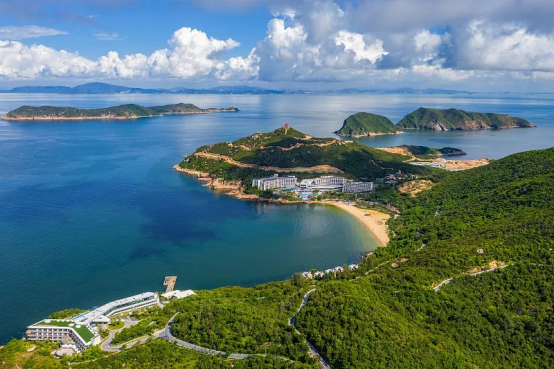
L'Isola di Dong'ao è stata fin dall'antichità un importante nodo della Via della Seta Marittima e una roccaforte di difesa costiera nell'estuario del Fiume delle Perle. Durante le dinastie Ming e Qing, era la principale fortezza di difesa costiera delle Isole Wanshan, conservando un gran numero di preziose reliquie storiche. La fortezza della postazione di armi di Dong'ao, costruita per la prima volta nel settimo anno del regno di Yongzheng della dinastia Qing (1729), è un'importante struttura militare di difesa costiera nell'estuario del fiume Pearl durante la dinastia Qing, costituita da mura cittadine, batterie di artiglieria e torri faro, che sono ancora ben conservate oggi. È stato testimone della storia della resistenza ai nemici stranieri e della protezione del territorio costiero nell'estuario del fiume Pearl durante la dinastia Qing. L'isola conserva anche il sito doganale del regno di Guangxu della dinastia Qing, che è un importante testimone del commercio estero e della storia doganale della Cina nei tempi moderni. L'isola è circondata da montagne e mare, con tre spiagge di alta qualità: Nansha Bay, Dazhu Bay e Xiaozhu Bay. Tra queste, Nansha Bay è conosciuta come la "Diamond Beach", una delle spiagge di migliore qualità nel delta del fiume Pearl. Oggi, l'isola di Dong'ao esplora profondamente la cultura marina preistorica, la cultura della difesa costiera delle dinastie Ming e Qing e la cultura della Via della seta marittima, integrando perfettamente storia e cultura con le vacanze costiere e diventando una nota località isolana nella zona della Grande Baia di Guangdong-Hong Kong-Macao.
7. Antica città di Tangjiawan
L'antica città di Tangjiawan è un luogo in cui sono emerse numerose celebrità nella storia cinese moderna. Ha dato i natali a un gran numero di figure che hanno influenzato il processo di modernizzazione della Cina, tra cui Rong Hong, il padre degli studenti cinesi all'estero, Tang Shaoyi, il primo Primo Ministro della Repubblica Cinese, Tang Guo'an, il primo presidente dell'Università Tsinghua, Tang Tingshu, un famoso industriale moderno, e Rong Guotuan, il primo campione del mondo cinese, guadagnandosi la reputazione di "il villaggio numero 1 delle celebrità moderne in Cina". L'area centrale dell'antica città, Shanfang Road, conserva un gran numero di edifici residenziali Lingnan della tarda dinastia Qing e della prima Repubblica cinese. Mattoni e piastrelle grigie, cancelli scorrevoli in legno e finestre della Manciuria completano le torri di guardia in stile occidentale e le case in stile straniero, formando uno stile architettonico cinese-occidentale unico, che è un modello di architettura moderna a Lingnan. Il Giardino Gongle nell'antica città, costruito per la prima volta nel 1910 da Tang Shaoyi, è l'unico giardino privato moderno nella regione del Lingnan. Integra le caratteristiche di stile dei giardini Jiangnan, dei giardini occidentali e dei giardini Lingnan e conserva un gran numero di manoscritti di celebrità e cimeli storici. Oggi, l'antica città di Tangjiawan è la principale vetrina espositiva della storia e della cultura moderna di Zhuhai, nonché un'importante e famosa città storica e culturale nella Greater Bay Area di Guangdong-Hong Kong-Macao.
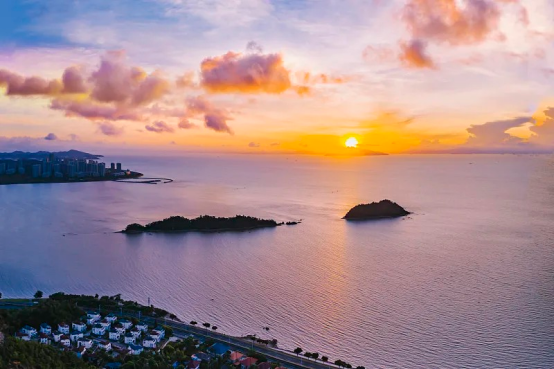
8. Isola Guishan
Nel 1950 qui scoppiò la battaglia per la liberazione delle isole Wanshan, la prima battaglia navale su larga scala dopo la fondazione della Marina dell'Esercito popolare di liberazione. Ruppe il blocco marittimo dell'estuario del fiume Perla da parte dell'esercito del Kuomintang e pose un'importante base per la costruzione della difesa costiera della Nuova Cina. Il presidente Mao Zedong scrisse personalmente un'iscrizione per la battaglia: "Dobbiamo costruire una potente marina". L'isola conserva reliquie rosse come il monumento ai martiri della nave da guerra di Guishan, il sito di sbarco della nave da guerra di Guishan e il memoriale della battaglia navale di Wanshan, che è una base di educazione patriottica nella provincia del Guangdong e un'importante posizione di educazione alla cultura rossa nella zona della Grande Baia di Guangdong-Hong Kong-Macao. Oltre al suo profondo patrimonio culturale rosso, l'isola di Guishan ha anche un lungo contesto storico. È l'area di mare dove passò Wen Tianxiang e scrisse Passing Lingding Ocean alla fine della dinastia Song meridionale. La piazza culturale Wen Tianxiang è costruita sull'isola per ereditare lo spirito patriottico. Durante le dinastie Ming e Qing, era una roccaforte di difesa costiera nell'estuario del fiume Pearl e un importante nodo della Via della seta marittima, conservando cimeli storici come torri faro e siti doganali. Oggi, l'isola di Guishan integra perfettamente la cultura rossa, il contesto storico e le vacanze sull'isola, diventando una destinazione culturale e turistica unica nell'estuario del fiume Pearl.