Inglese
 Francese
 Spagnolo
 Russo
Russo Arabo
Arabo Italia
Torre della gru gialla
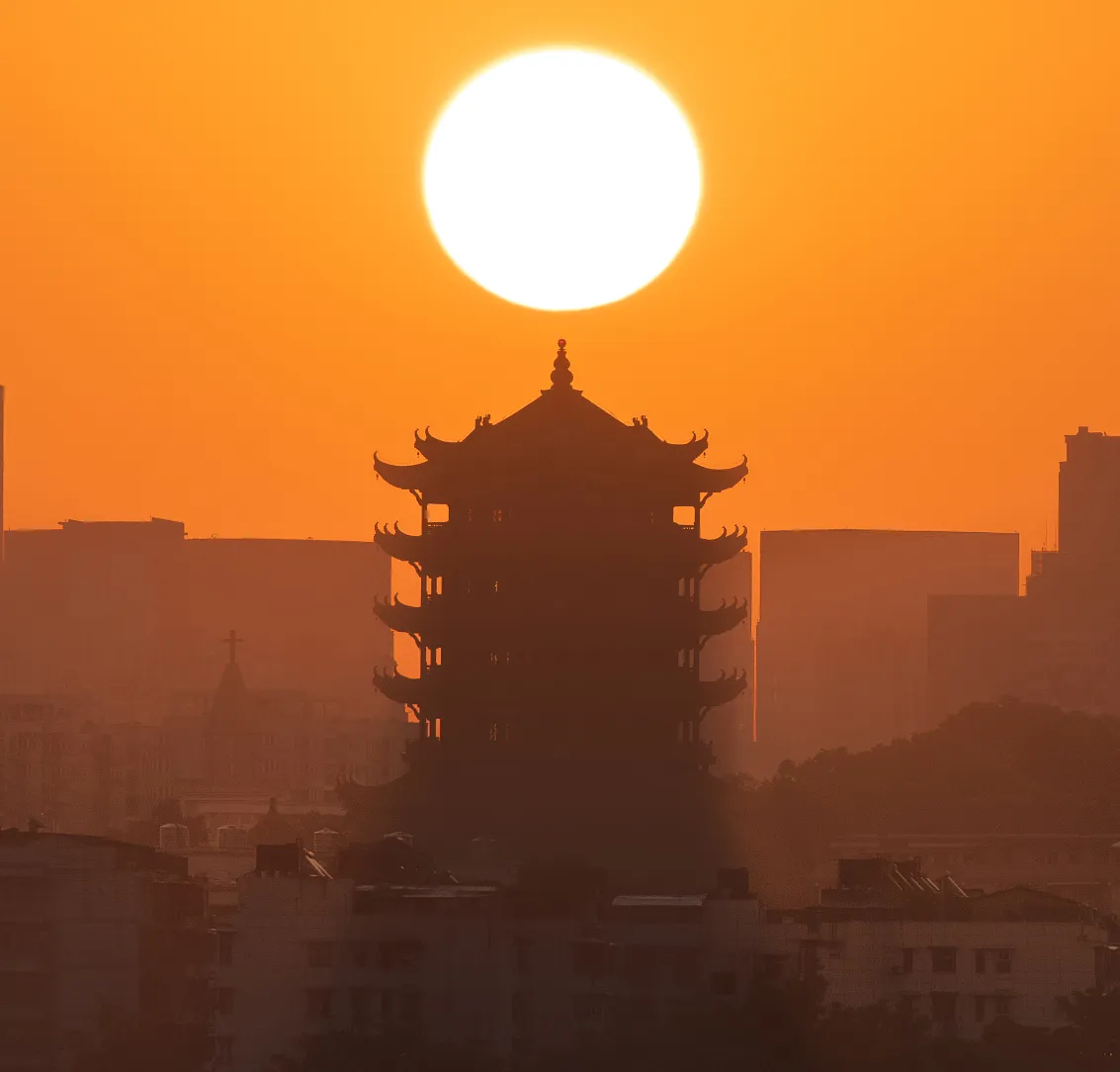
Essendo una delle "Tre Grandi Torri a sud del fiume Yangtze" della Cina, la Torre della Gru Gialla è appollaiata sulla Snake Hill vicino al fiume Yangtze. Con una storia che dura da oltre 1.700 anni, è stato distrutto e ricostruito numerose volte. Non è solo un capolavoro dell’antica architettura cinese con le sue grondaie gialle brillanti e le strutture a strati, ma anche un punto di riferimento culturale celebrato in innumerevoli poesie, come la Torre della Gru Gialla di Cui Hao. Salendo in cima, si può godere di una vista panoramica del fiume Yangtze e delle tre città di Wuhan (Wuchang, Hankou, Hanyang).
Area panoramica del lago orientale
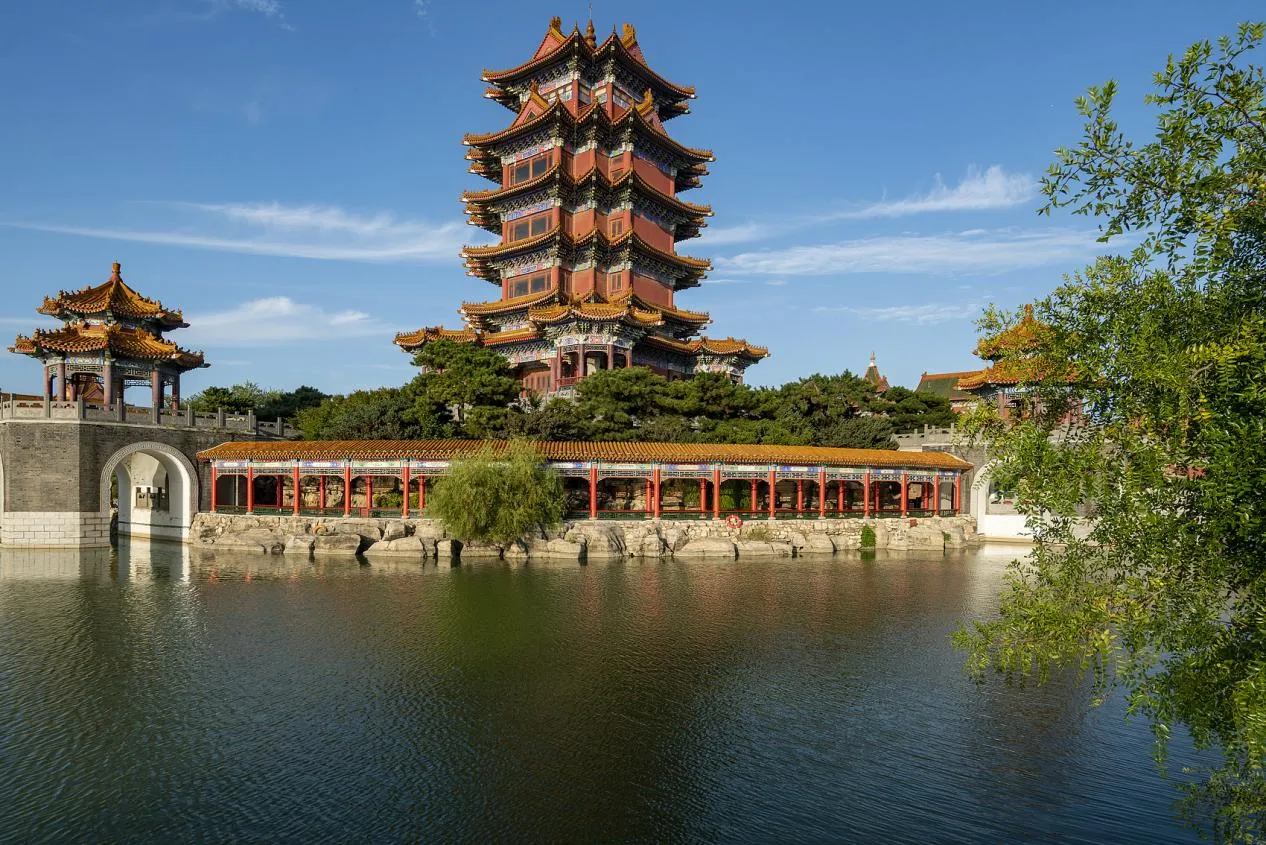
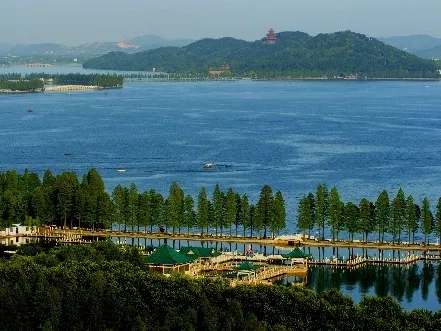
Il più grande lago urbano della Cina, il Lago Est è persino più grande del Lago Ovest a Hangzhou. Integra paesaggi naturali e attrazioni culturali, tra cui l'area panoramica di Tingtao, l'area panoramica di Moshan e il giardino dei ciliegi. L'East Lake Greenway è un luogo perfetto per il ciclismo, con salici che fiancheggiano le rive e fiori che sbocciano in tutte le stagioni. L'area panoramica di Moshan presenta ricchi elementi della cultura Chu, con reliquie ed edifici che riflettono la prosperità dell'antico stato Chu. È un paradiso ecologico naturale nella vivace città.
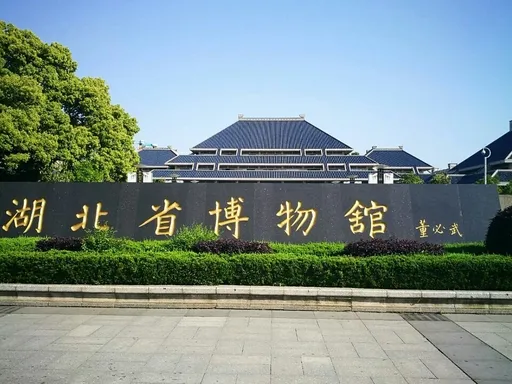
Museo Provinciale dell'Hubei
Un museo nazionale di prima classe, ospita oltre 240.000 cimeli culturali, tra cui tesori di fama mondiale come le campanelle Zeng Hou Yi e la spada di Gou Jian. Le campane Zeng Hou Yi Chime, risalenti a oltre 2.400 anni fa, sono un miracolo dell'antica fusione e della musica in bronzo cinese, ancora suonabili con toni perfetti. Lo stile architettonico del museo è una miscela di architettura in stile Chu, con fondamenta alte e ampie grondaie, che mettono in mostra il profondo patrimonio culturale dell’Hubei.
Tempio Guiyuan
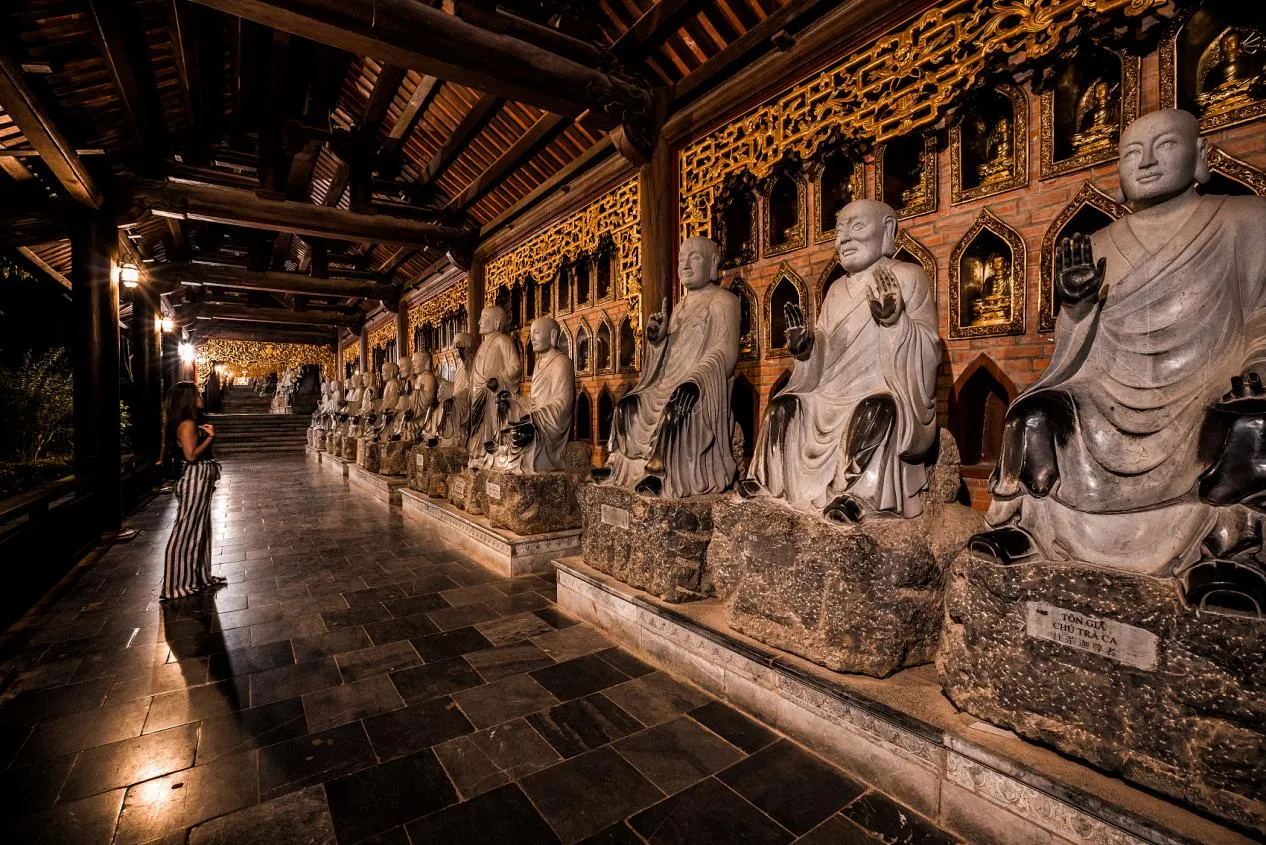
Fondato nel 1658 durante la dinastia Qing, il Tempio Guiyuan è uno dei templi buddisti più importanti dell'Hubei. È famoso per le sue 500 statue di Arhat nella Sala degli Arhat, ognuna con un'espressione e una postura uniche. Il tempio conserva anche preziose reliquie culturali come antiche scritture buddiste e opere di calligrafia. La tradizione di "contare gli Arhat" (selezionare casualmente un Arhat per predire la fortuna) è popolare tra i visitatori da secoli, aggiungendo una forte atmosfera culturale popolare.
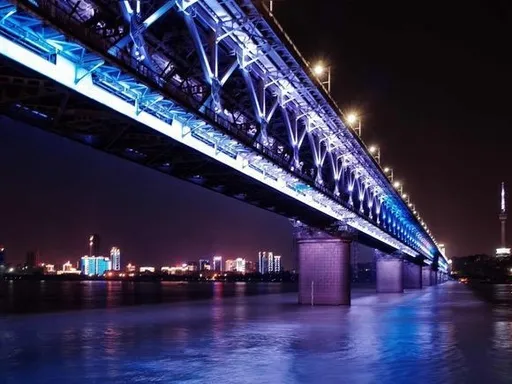
Ponte sul fiume Yangtze di Wuhan
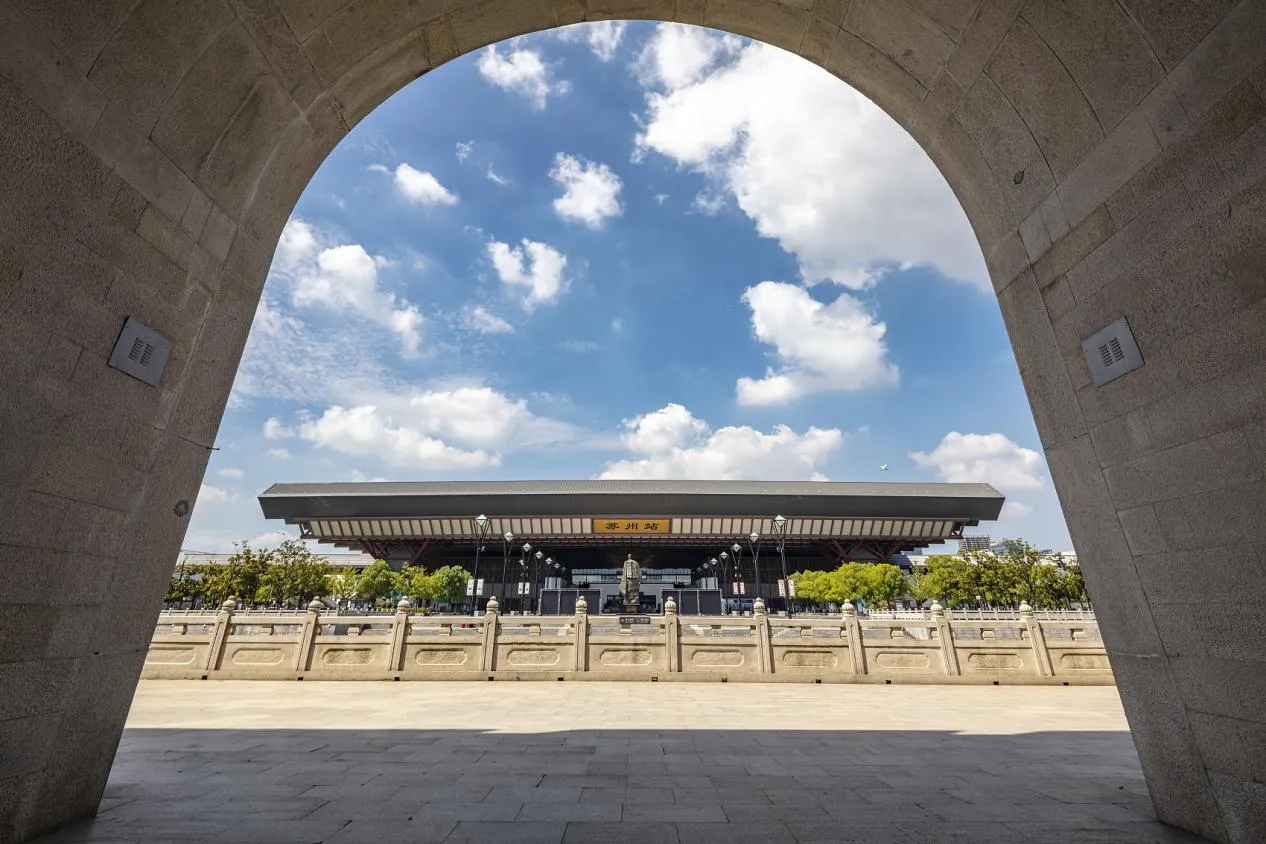
Il primo ponte a duplice funzione autostradale-ferroviaria sul fiume Yangtze, completato nel 1957. Collega Wuchang e Hanyang, con una lunghezza totale di 1.670 metri. Il ponte combina la moderna tecnologia ingegneristica con dettagli architettonici tradizionali, come le ringhiere decorative e le eleganti torri del ponte. Camminando o attraversando il ponte, puoi sentire la grandiosità del fiume Yangtze che scorre verso est, ed è anche un ottimo posto per ammirare il tramonto sul fiume.
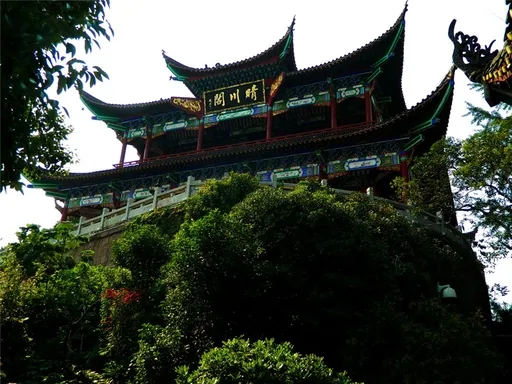
Padiglione Qingchuan
Di fronte alla Torre della Gru Gialla dall'altra parte del fiume, il padiglione Qingchuan si trova su Yugongji a Hanyang. Prende il nome dalla frase "Qingchuan chiaramente visibile, alberi Hanyang" nella poesia di Cui Hao. Il padiglione, insieme al Palazzo Yujiji e al Passo Tiemen, forma un gruppo di antichi edifici. Ha uno stile classico ed elegante e dal padiglione è possibile vedere il ponte sul fiume Yangtze e le onde ondulate del fiume, rendendolo un luogo in cui apprezzare sia il patrimonio culturale che lo scenario fluviale.
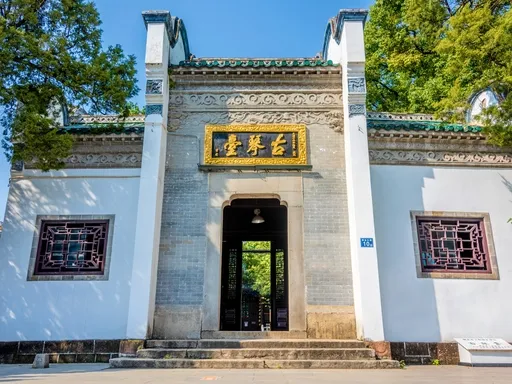
Piattaforma per liuto antico (Guzhantai)
Un luogo panoramico costruito per commemorare la leggendaria amicizia tra Yu Boya e Zhong Ziqi, conosciuta come la "Storia dell'Amico del Cuore". Si dice che Yu Boya suonasse il liuto qui e solo Zhong Ziqi potesse capire la sua musica. La piattaforma ha padiglioni, corridoi e una statua di Yu Boya che suona il liuto. È un luogo tranquillo pieno di fascino poetico, che simboleggia la nobile amicizia nella cultura cinese e attira ogni anno molti letterati e turisti.
Spiaggia del fiume Hankou
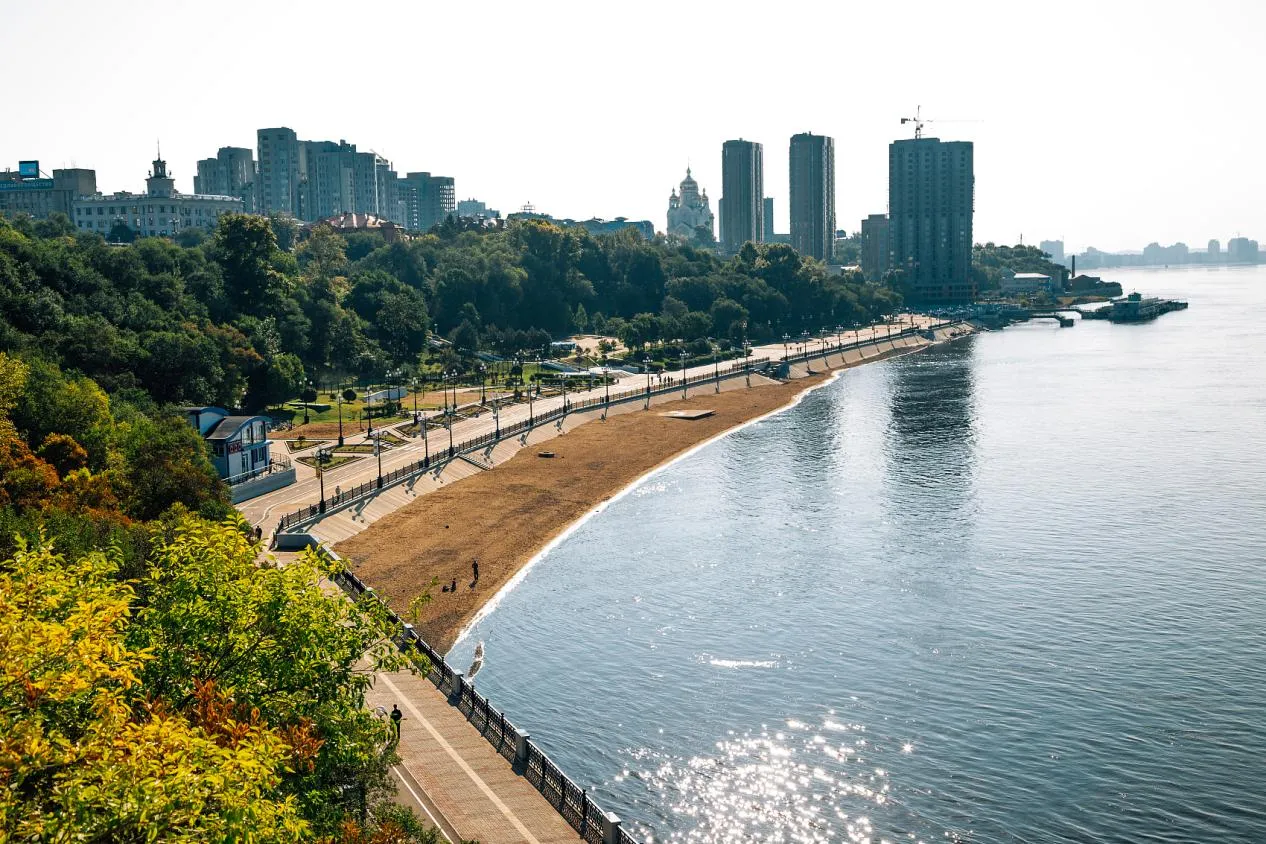
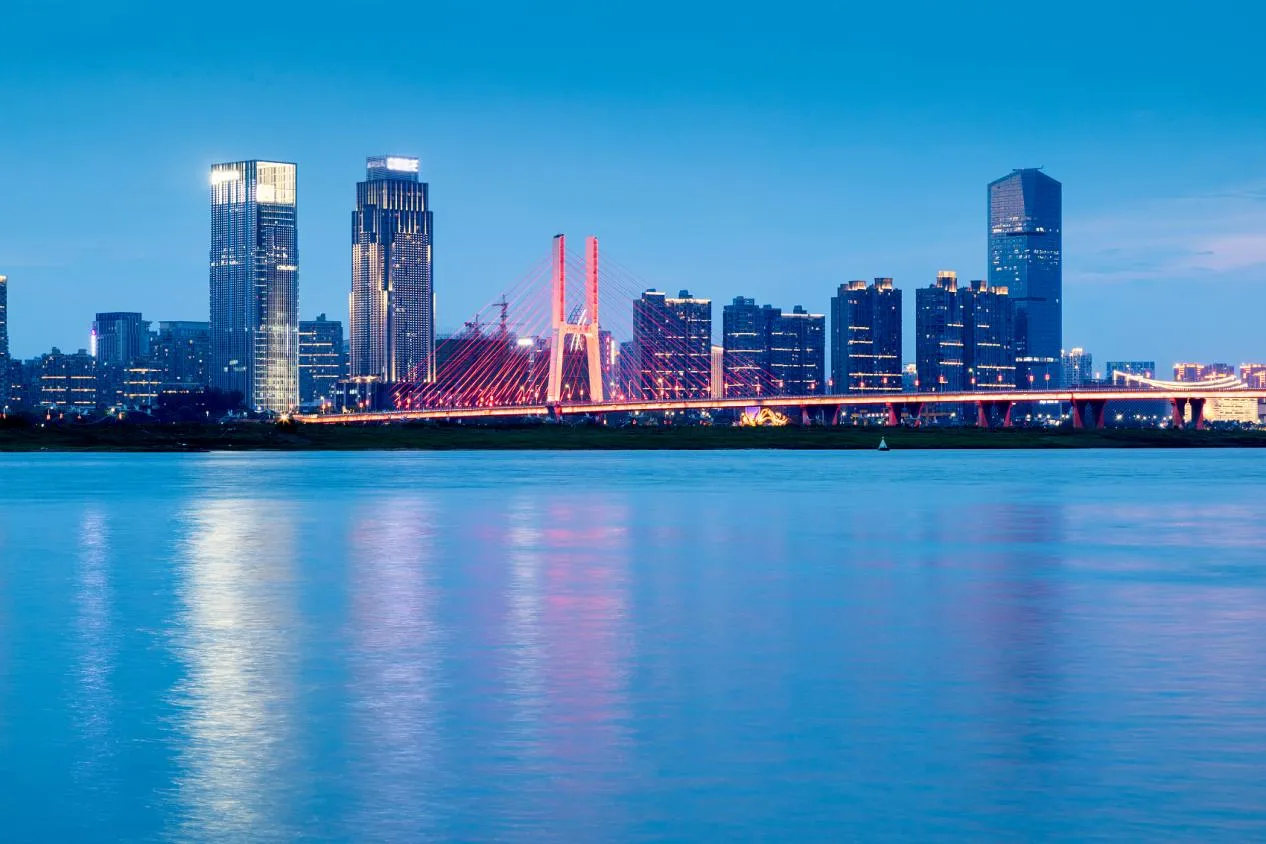
Estendendosi per 14 chilometri lungo il fiume Yangtze, Hankou River Beach è un moderno parco urbano sul lungomare. Ha prati verdi, giardini fioriti e strutture ricreative ed è uno dei luoghi di svago preferiti dai cittadini di Wuhan. In autunno, qui, i canneti sono in piena fioritura, presentando una scena di "onda bianca". Di notte, le luci lungo la spiaggia sono intense e il riflesso sulla superficie del fiume è particolarmente bello, rendendolo un luogo ideale per godersi la vista notturna di Wuhan.
Tempio Gude
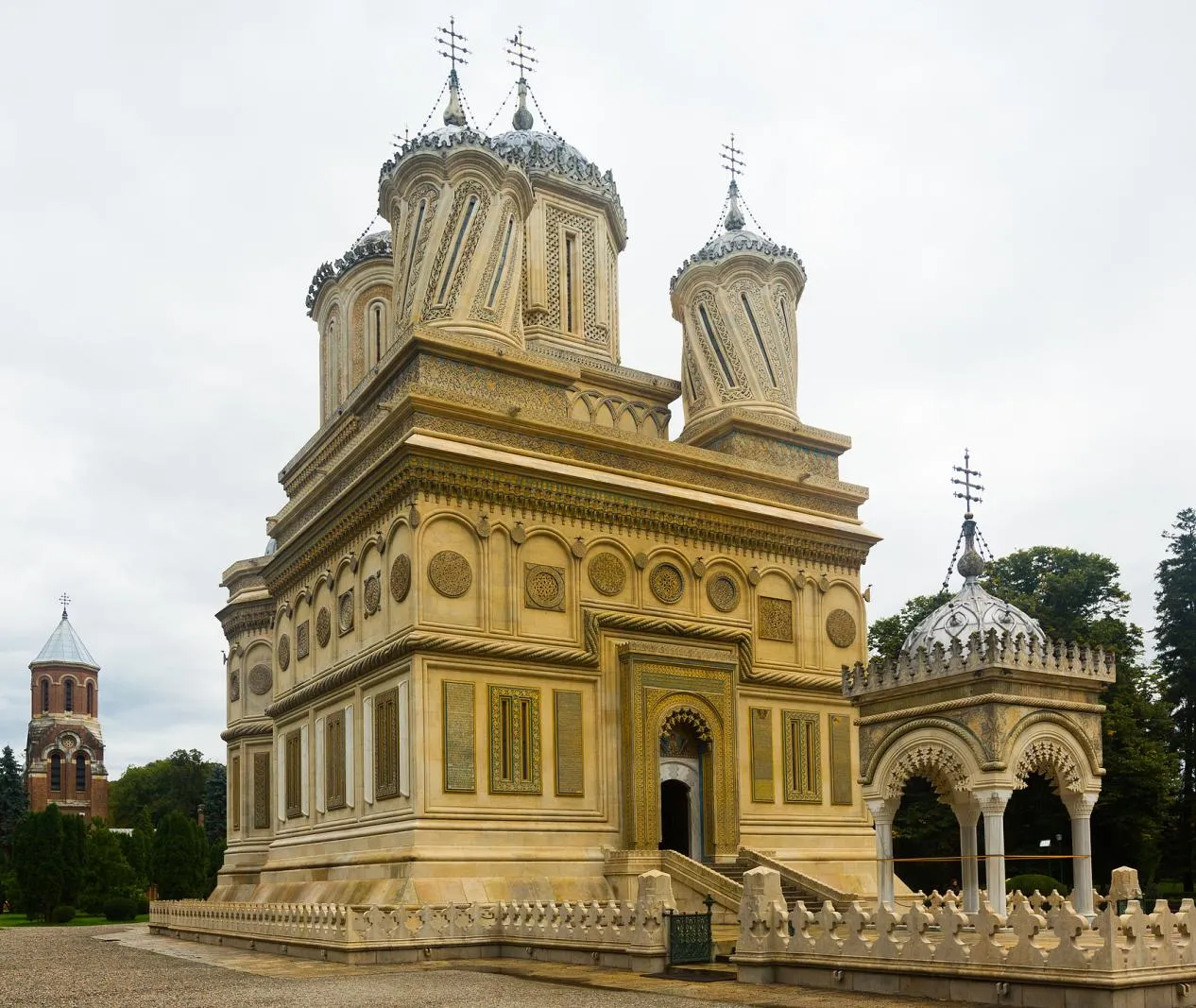
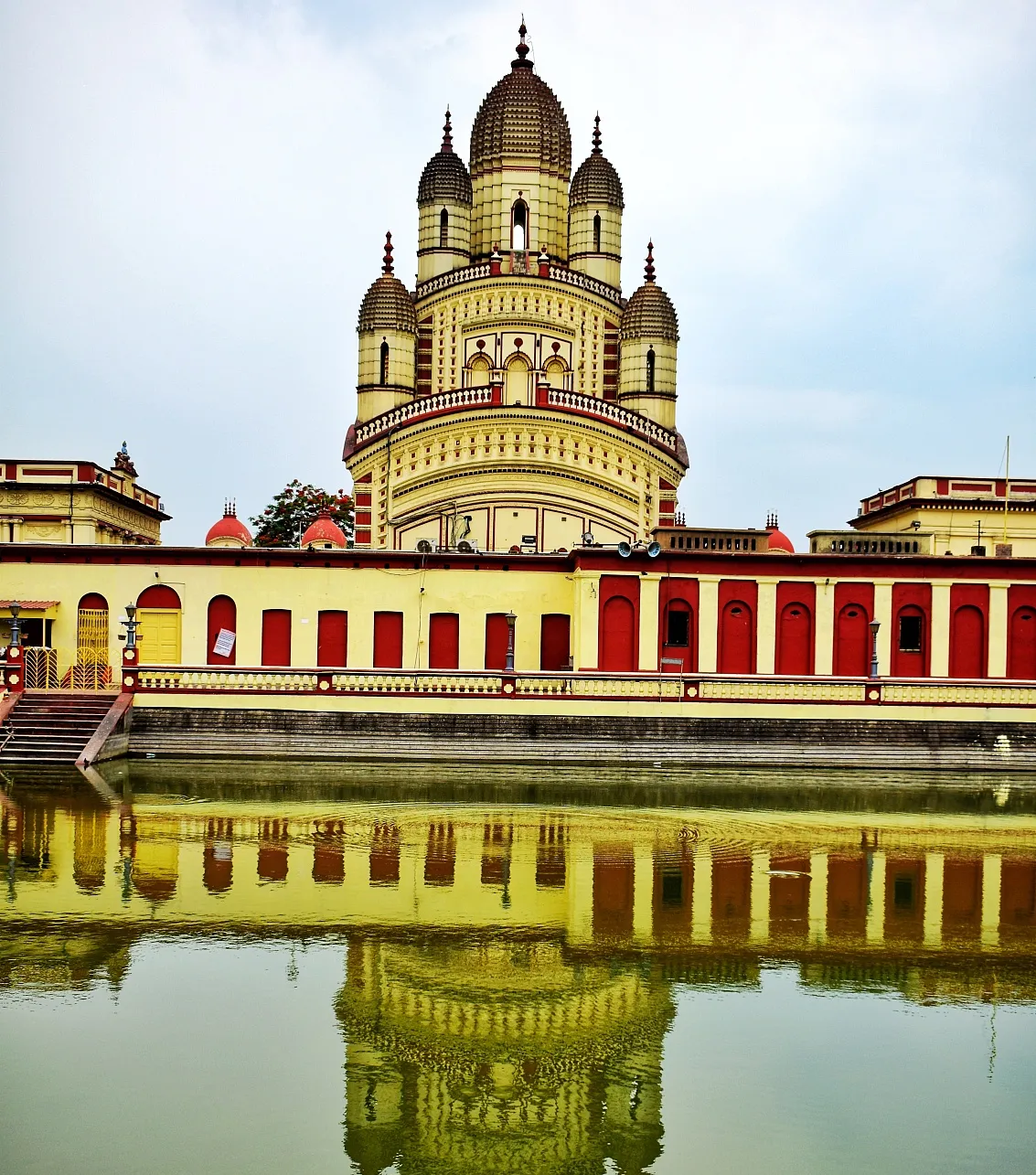
Un tempio buddista unico famoso per il suo stile architettonico esotico. Integra elementi architettonici tradizionali birmani, gotici, islamici e cinesi, con una magnifica e caratteristica sala principale. È uno degli unici due templi buddisti in stile birmano al mondo. L'interno del tempio è decorato con squisiti intagli e vetrate colorate, creando un'atmosfera solenne e misteriosa, molto diversa dai tradizionali templi cinesi.
Area di ecoturismo culturale di Mulan
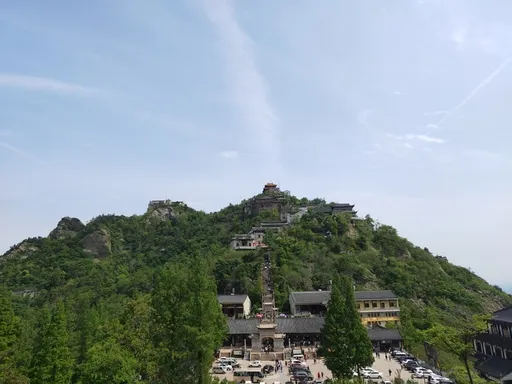
Situata nel distretto di Huangpi, è un'area panoramica completa che mostra la cultura Mulan, tra cui il monte Mulan, Mulan Tianchi, la prateria Mulan e il monte Mulan Yunwu. Racconta la storia di Hua Mulan che si arruolò nell'esercito al posto di suo padre. L'area presenta uno splendido scenario naturale, con cascate, foreste e praterie, nonché attrazioni culturali come templi e statue di Mulan. È il luogo ideale per sperimentare sia la bellezza ecologica che la cultura tradizionale.