Inglese
 Francese
 Spagnolo
 Russo
Russo Arabo
Arabo Italia
Progetto di irrigazione di Dujiangyan
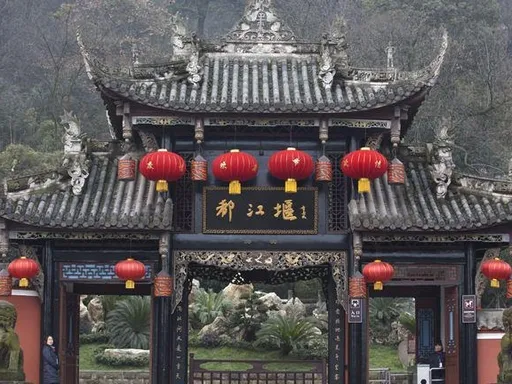
Costruito da Li Bing e suo figlio durante il periodo degli Stati Combattenti (intorno al 256 a.C.), Dujiangyan è il più antico e l'unico progetto di irrigazione senza dighe sopravvissuto al mondo ancora in funzione oggi, nonché patrimonio mondiale dell'UNESCO. Divide ingegnosamente il fiume Minjiang in fiumi interni ed esterni, risolvendo il duplice problema delle inondazioni e della carenza d'acqua nella pianura di Chengdu. I progetti principali, tra cui Yuzui, Feishayan e Baopingkou, incarnano l'antica filosofia cinese dell'armonia tra uomo e natura. I circostanti templi Erwang e Fulong sono dedicati alla commemorazione di Li Bing, con numerose iscrizioni e cimeli culturali che registrano la storia e la saggezza tecnica del progetto.
Montagna Qingcheng
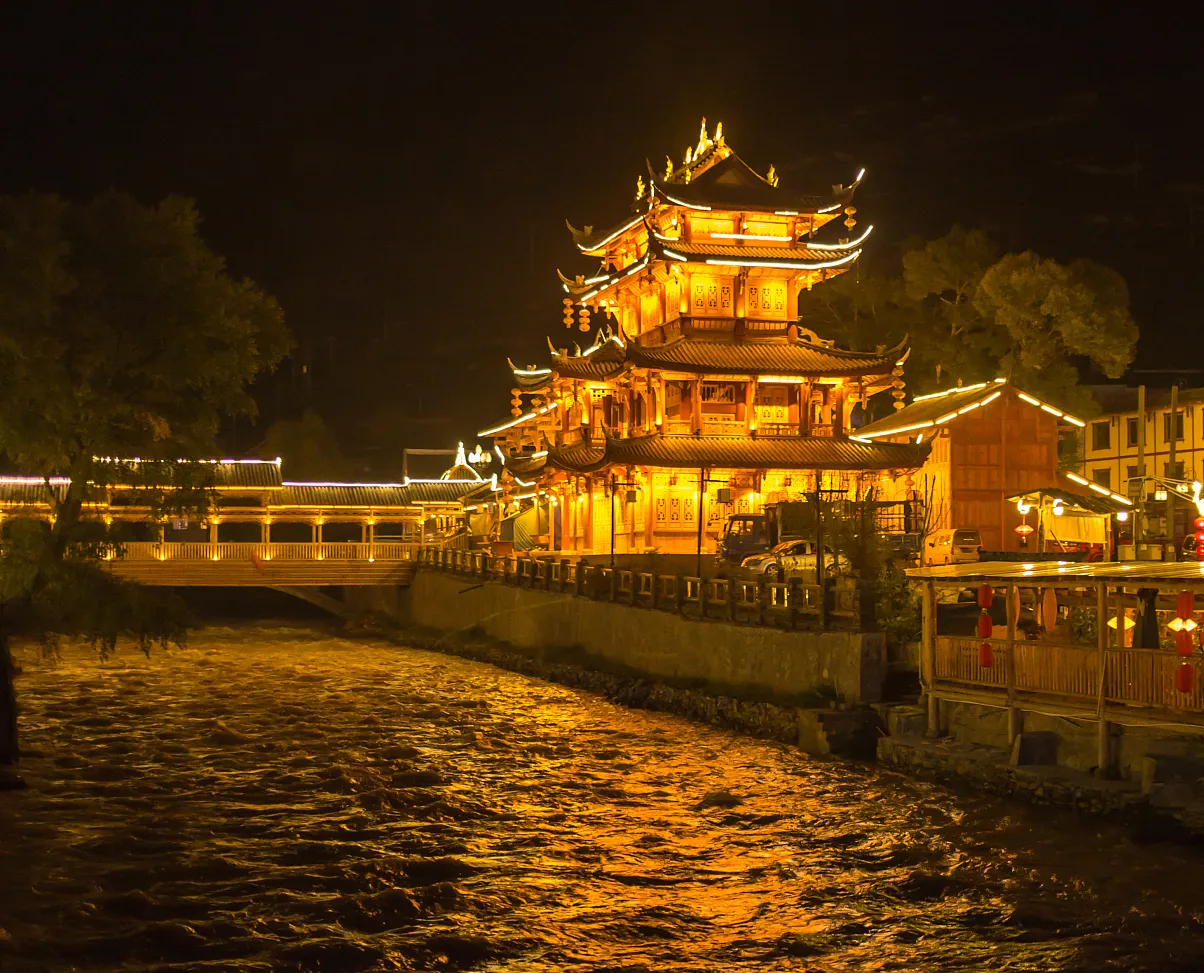
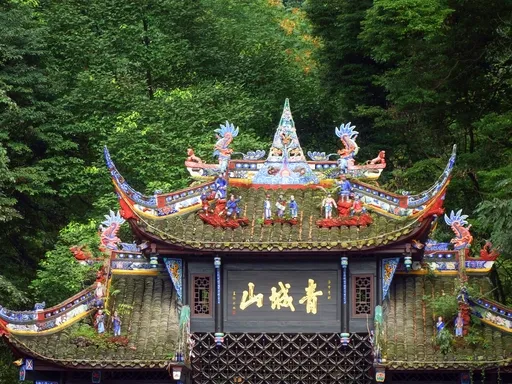
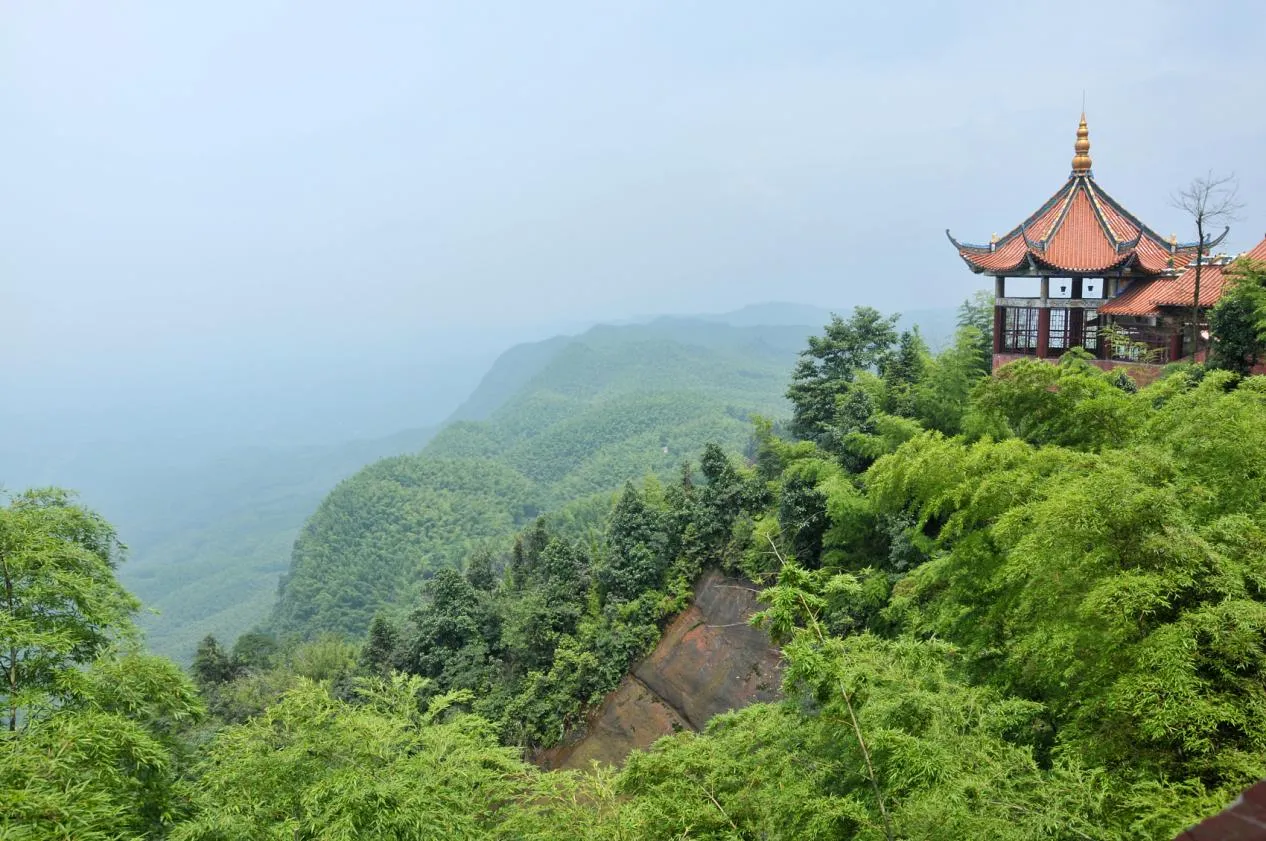
Conosciuta come “la montagna più serena sotto il cielo”, la montagna Qingcheng è il luogo di nascita del taoismo cinese. Ha una storia di oltre 2.000 anni, con il primo tempio taoista, il Tempio Zhangren, costruito qui durante la dinastia Han orientale. La montagna è ricoperta da fitte foreste e sentieri tortuosi, e i suoi templi e padiglioni taoisti sono sparsi tra le cime verdi, creando un'atmosfera tranquilla e sacra. Le principali aree panoramiche includono la Front Mountain con reliquie culturali come la Grotta Tianshi e il Palazzo Shangqing, e la Back Mountain famosa per la sua bellezza naturale di cascate, ruscelli e alberi secolari. È un sito patrimonio mondiale dell'UNESCO, insieme a Dujiangyan, e una destinazione popolare per gli studi sul taoismo, la conservazione della salute e le escursioni in montagna.
Santuario di Wuhou
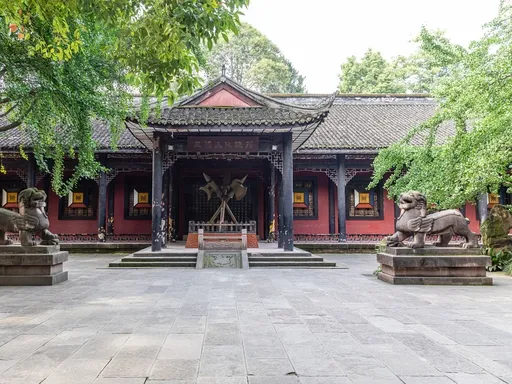
L'unico tempio in Cina dedicato sia a un monarca che al suo ministro, il Santuario Wuhou commemora Liu Bei, l'imperatore Zhaolie di Shu, e Zhuge Liang, il fedele primo ministro noto come Marchese Wu nel periodo dei Tre Regni. Costruito per la prima volta durante la dinastia Jin occidentale, il tempio è stato rinnovato e ampliato nel corso dei secoli, conservando un gran numero di edifici antichi, tavolette di pietra e cimeli culturali. Le famose “Stele dei Tre Regni” e la foresta di stele con iscrizioni di celebrità delle dinastie passate sono preziosi materiali storici per lo studio della cultura dei Tre Regni. L'adiacente Jinli Ancient Street, una tradizionale strada commerciale restaurata, ospita negozi di antiquariato, case da tè e bancarelle di snack del Sichuan, consentendo ai visitatori di sperimentare il fascino dell'antica Chengdu.
Cottage dal tetto di paglia Du Fu
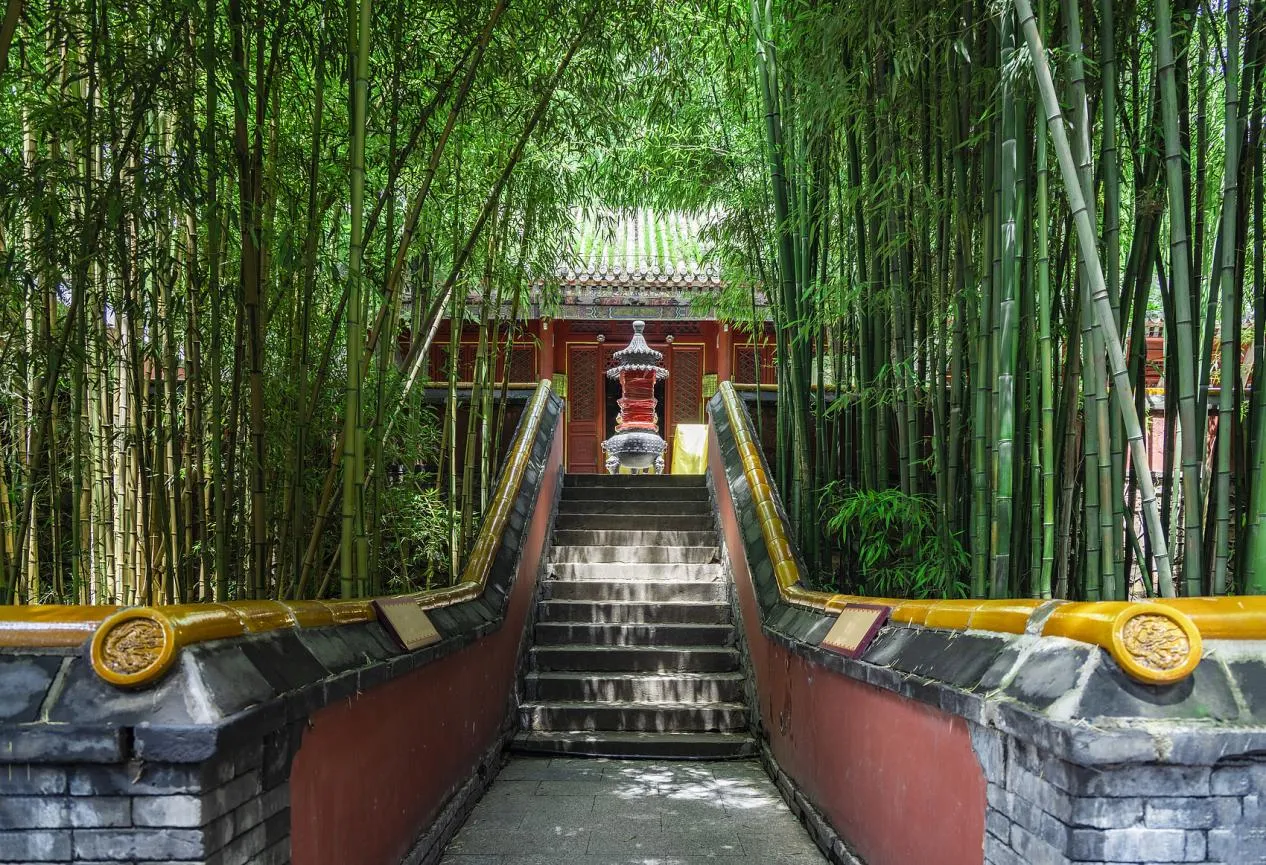
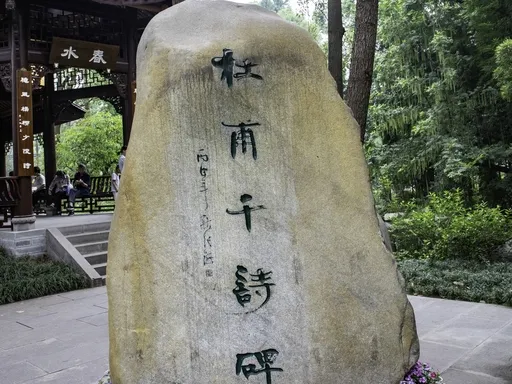
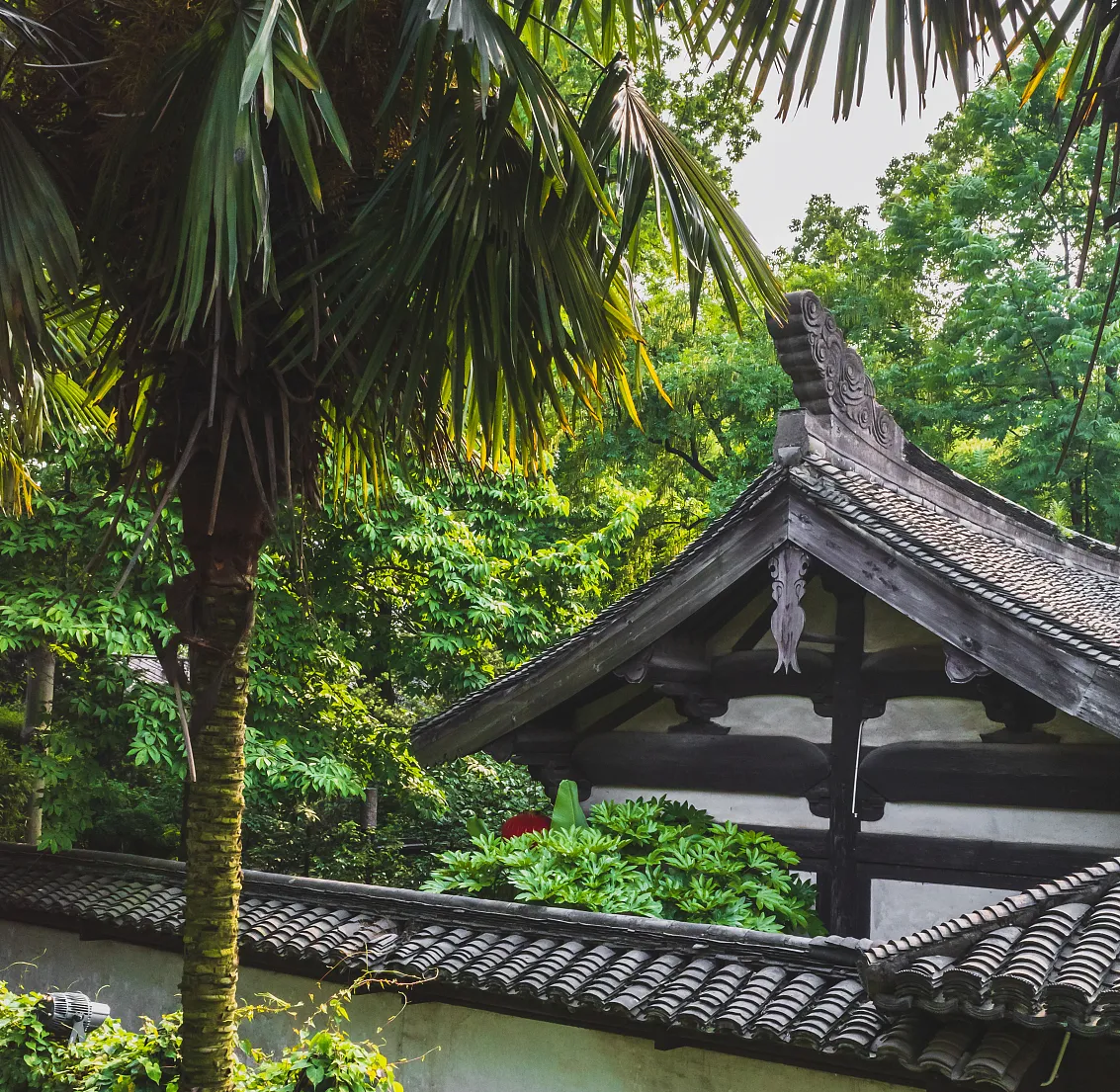
Questa è l'antica residenza dove il grande poeta della dinastia Tang Du Fu visse in isolamento per quattro anni. Nel 759 d.C., Du Fu fuggì dalla guerra e si stabilì a Chengdu, costruendo un cottage dal tetto di paglia vicino al torrente Huanhua. Durante il suo soggiorno qui, creò più di 240 capolavori, tra cui il famoso "Cottage dal tetto di paglia rotto dal vento autunnale". L'attuale zona panoramica, ristrutturata e ampliata attraverso le dinastie, è costituita da antichi edifici, giardini e un museo. Presenta il cottage dal tetto di paglia, la sala Huaishi e una vasta collezione di manoscritti, sfregamenti e relative reliquie culturali di Du Fu, che lo rendono un luogo sacro per gli amanti della letteratura cinese. I giardini tranquilli ed eleganti con bambù e acqua corrente riflettono perfettamente l'atmosfera poetica delle poesie di Du Fu.
Base di ricerca sull'allevamento del panda gigante
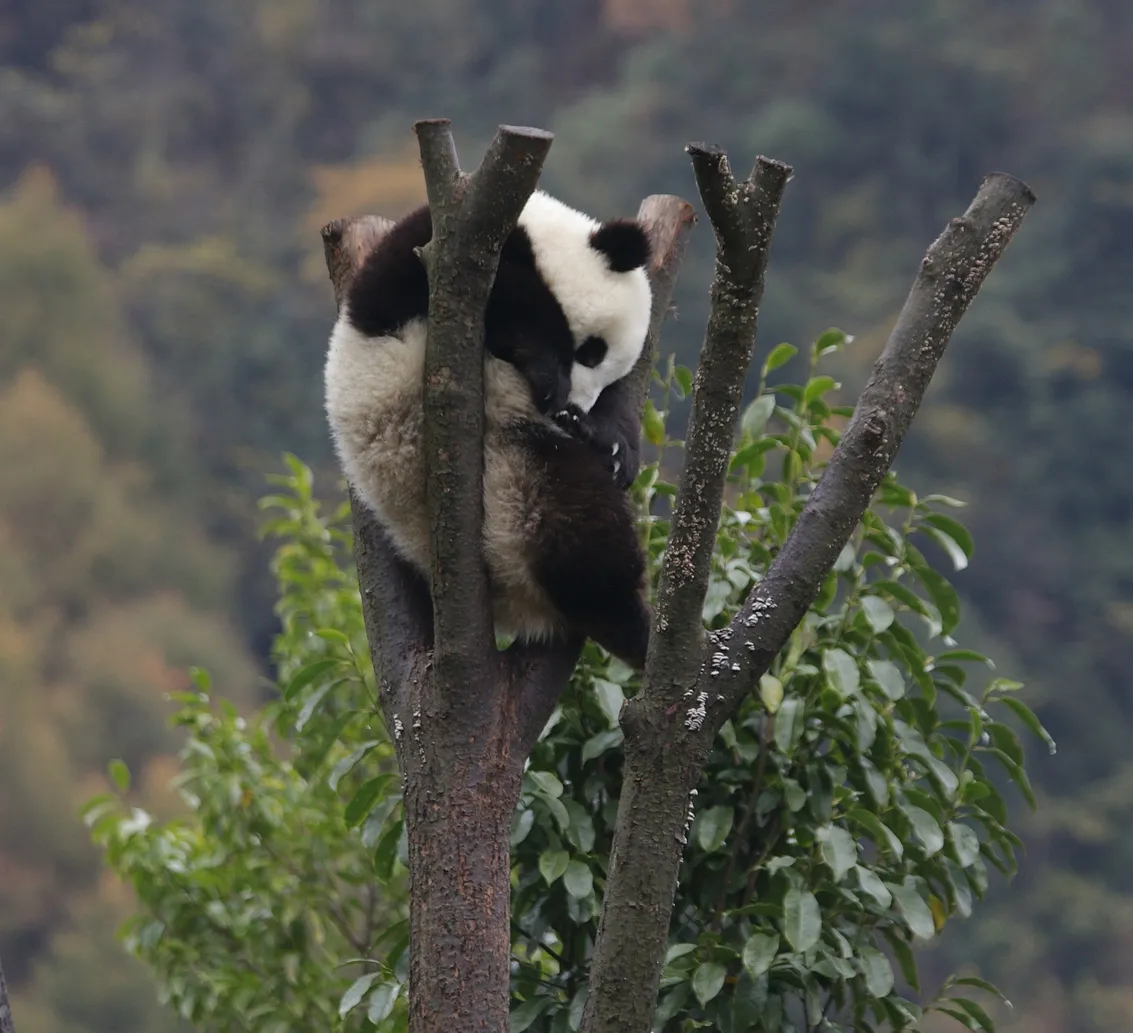
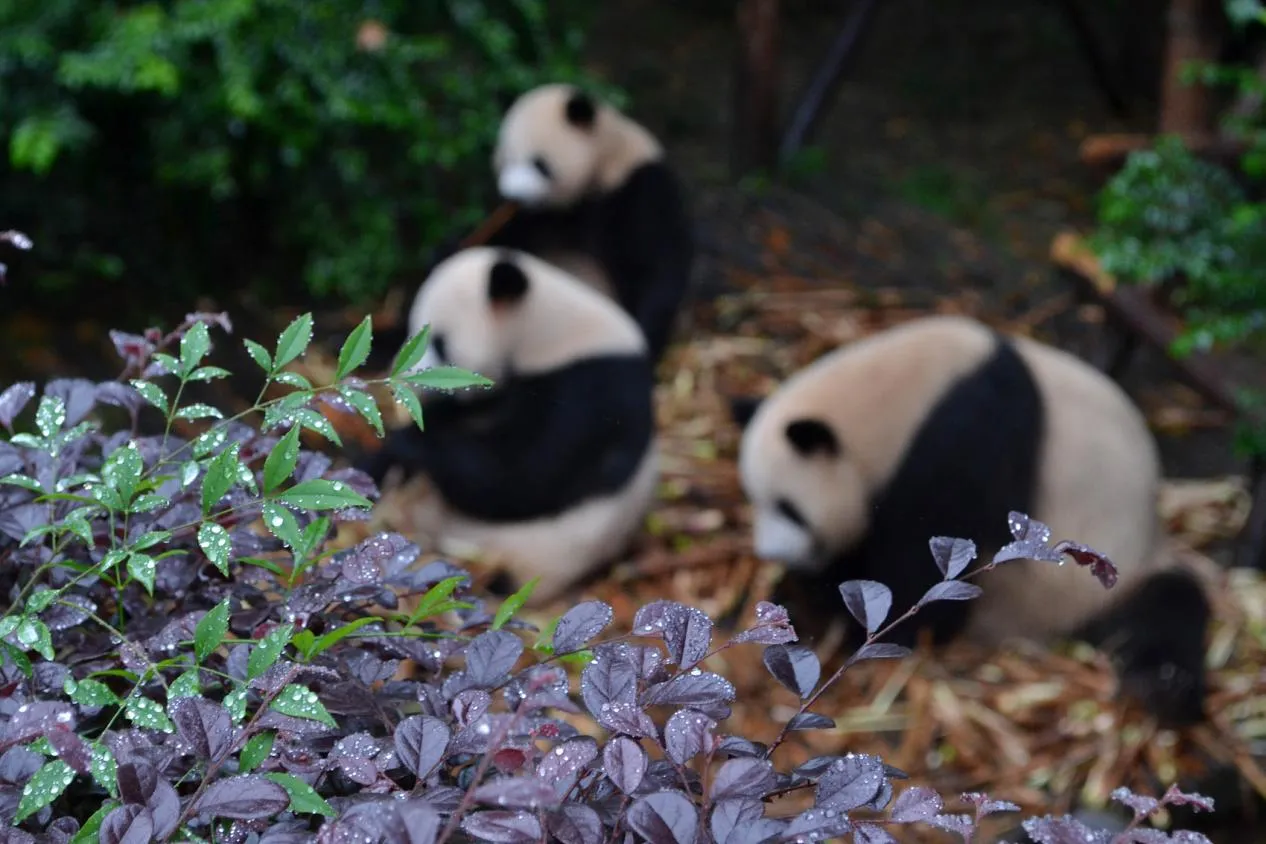
Situata alla periferia di Chengdu, questa base è un'istituzione leader a livello mondiale dedicata alla protezione, alla ricerca e all'allevamento dei panda giganti. Copre una vasta area con una vegetazione lussureggiante, simulando l'habitat naturale dei panda giganti. I visitatori possono osservare questi adorabili tesori nazionali mangiando bambù, giocando e riposando in diversi padiglioni e recinti. La base intraprende anche progetti di cooperazione internazionale nella conservazione dei panda e divulga la conoscenza sulla protezione della fauna selvatica. Non è solo un'attrazione imperdibile per i turisti nazionali e stranieri, ma anche un'importante base per la ricerca e la conservazione del panda gigante a livello globale.
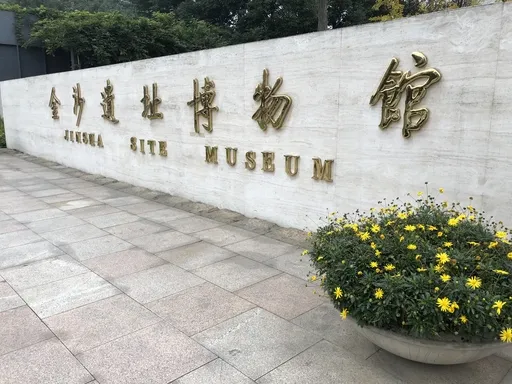
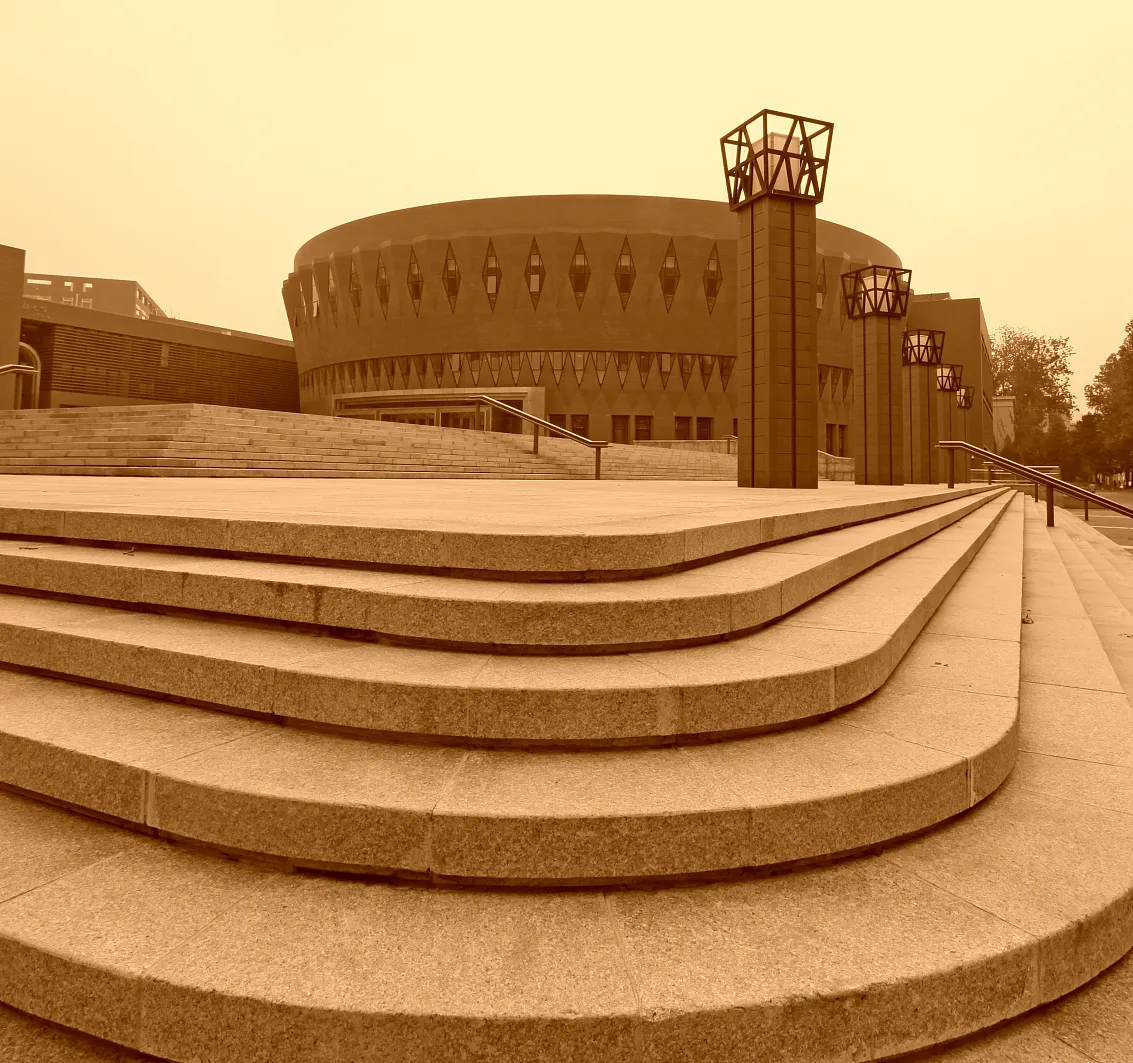
Museo del sito di Jinsha
Il sito Jinsha, scoperto nel 2001, è una parte importante dell'antica civiltà Shu, risalente a oltre 3.000 anni fa. Il museo espone un gran numero di preziose reliquie culturali rinvenute nel sito, la più famosa delle quali è la lamina d'oro dell'Uccello del Dio del Sole, divenuta il simbolo del patrimonio culturale cinese. Altre reliquie includono manufatti di giada, articoli in bronzo e sculture in avorio, che riflettono la superba maestria e le credenze culturali uniche dell'antico popolo Shu. Il museo combina sale espositive al coperto con un parco del sito archeologico all'aperto, consentendo ai visitatori di esplorare il mistero dell'antico regno Shu che un tempo fioriva nella pianura di Chengdu.
Vicoli larghi e stretti (vicoli Kuanzhai)
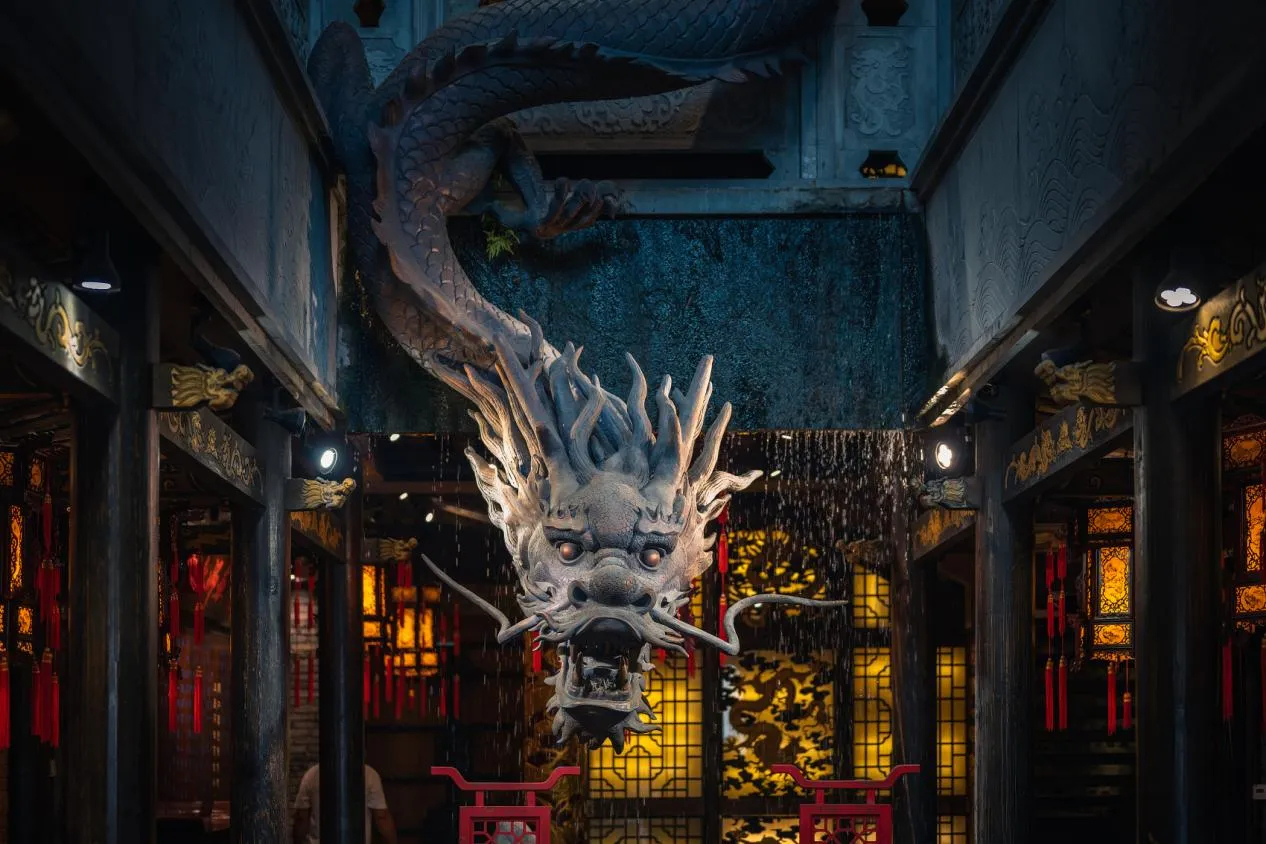
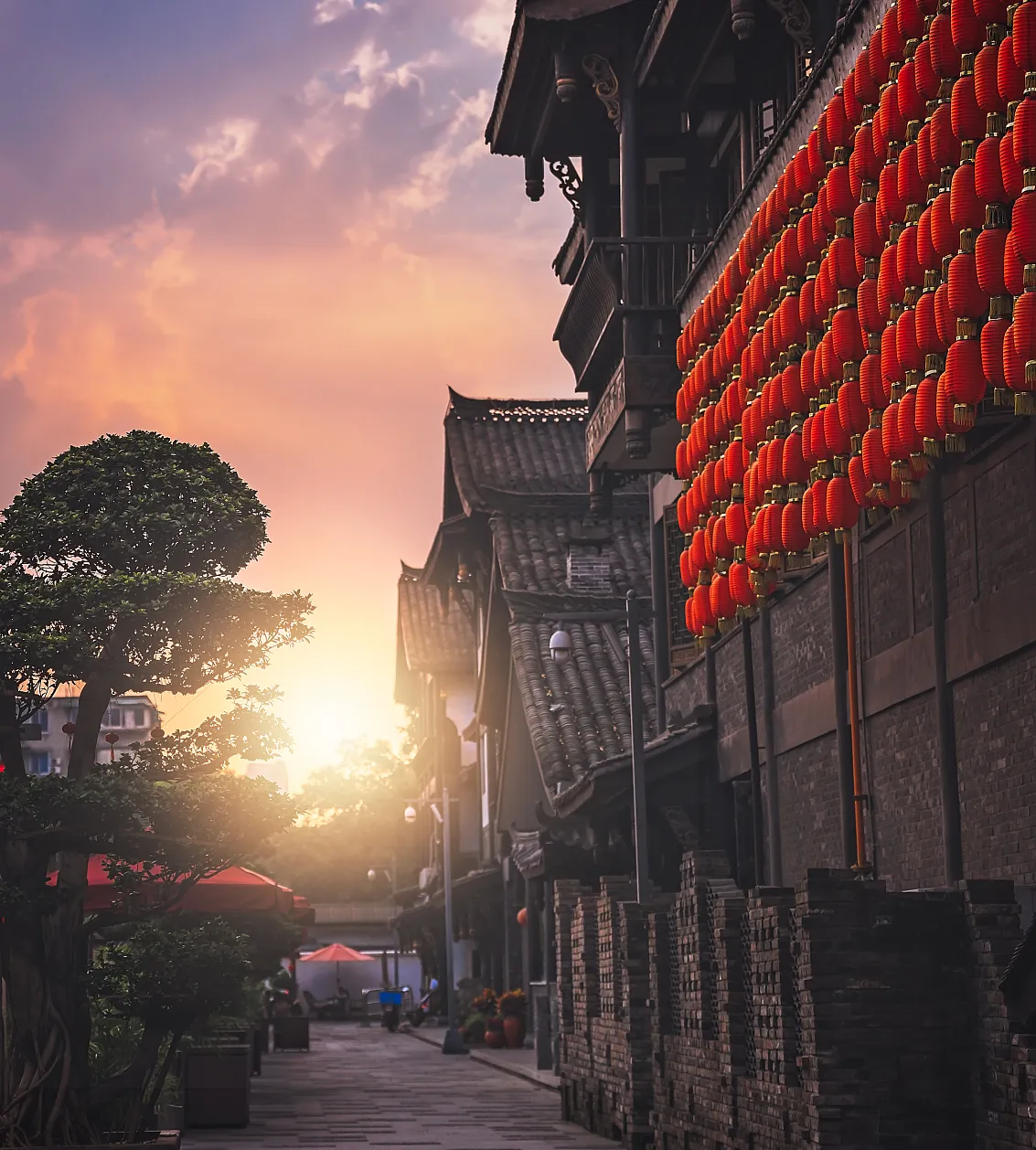
Si tratta di un antico complesso stradale ben conservato a Chengdu, composto da Kuan Alley, Zhai Alley e Jing Alley, con una storia di oltre 300 anni, risalente alla dinastia Qing. Originariamente era una zona residenziale per i soldati manciù e mongoli di stanza a Chengdu. Oggi, le tradizionali case a corte (Siheyuan) sono state ristrutturate e trasformate in case da tè, ristoranti, negozi di artigianato e luoghi per spettacoli di arte popolare. Integra perfettamente la cultura popolare tradizionale di Chengdu con elementi della moda moderna. Passeggiando qui, puoi gustare spuntini del Sichuan, guardare spettacoli popolari, bere il tè in un cortile e sperimentare la piacevole "vita lenta" di Chengdu.