Inglese
 Francese
 Spagnolo
 Russo
Russo Arabo
Arabo Italia
1. Gran Bazar Internazionale dello Xinjiang
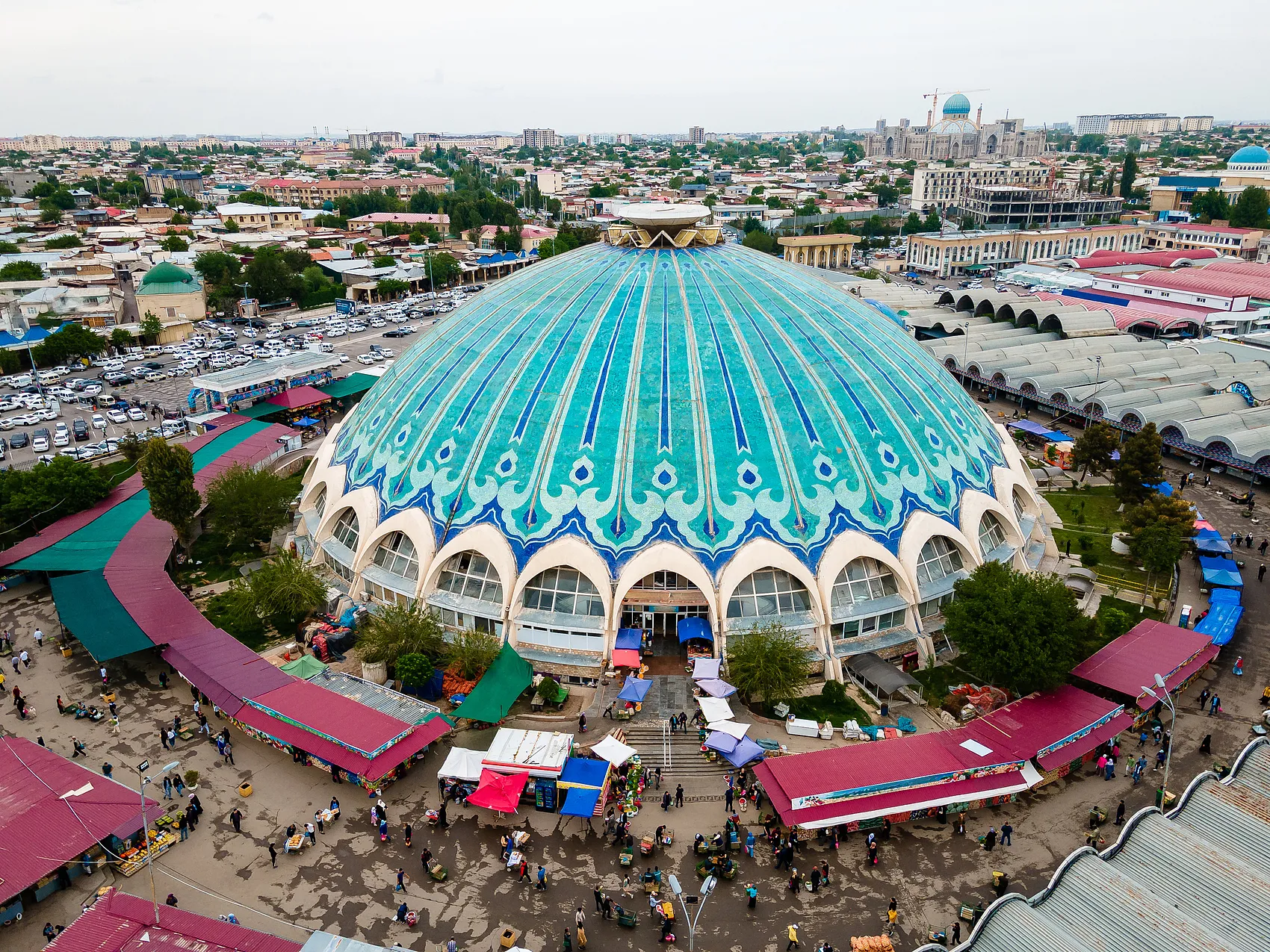
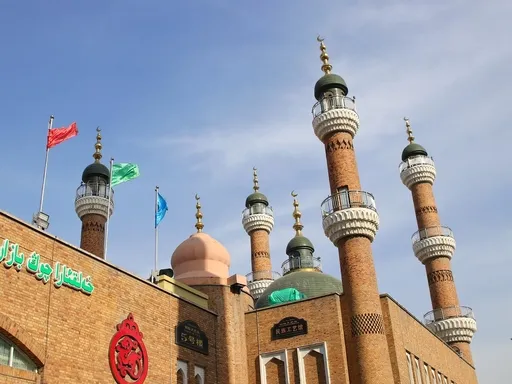
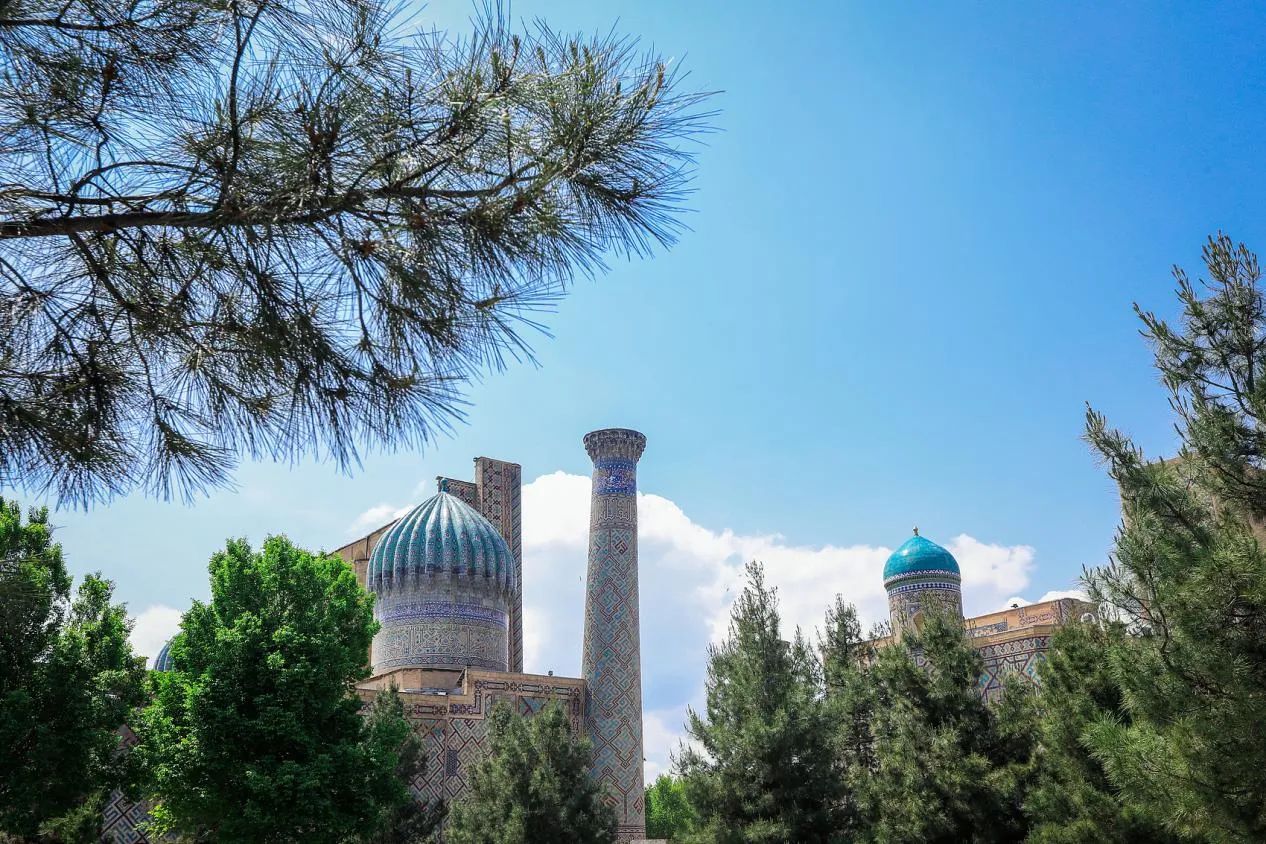
Il più grande bazar dell’entroterra asiatico, il Gran Bazar Internazionale dello Xinjiang è un simbolo vibrante del commercio e della cultura multietnica di Urumqi, profondamente radicati nell’eredità commerciale della Via della Seta. Coprendo una vasta area, la sua architettura combina gli stili islamici tradizionali con l'arte decorativa uigura: intricati intagli in legno, mosaici di piastrelle colorate e padiglioni a cupola che brillano sotto il sole. All'interno, file di bancarelle offrono una vasta gamma di prodotti: tappeti tessuti a mano, sciarpe di seta ricamate, delicati ornamenti di giada e spezie aromatiche. Gli artisti di strada suonano la dombra ed eseguono vivaci danze uigure, mentre le bancarelle di cibo servono specialità autentiche come spiedini di agnello arrosto, pane naan e tè dolce al latte. Non è solo una destinazione per lo shopping, ma anche un museo vivente in cui i visitatori possono immergersi nei costumi e nelle tradizioni quotidiane dei diversi gruppi etnici dello Xinjiang, sperimentando il fascino dell’integrazione culturale est-ovest che qui prospera da secoli.
2 Museo dello Xinjiang
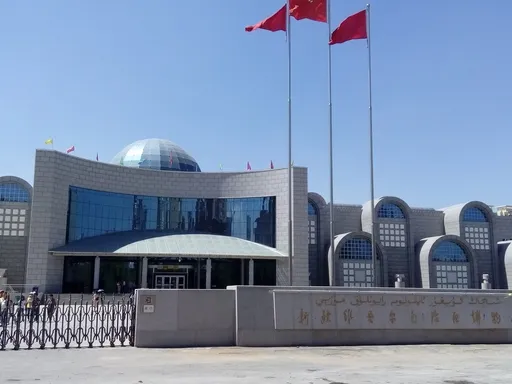
Pietra angolare della conservazione culturale dello Xinjiang, il Museo dello Xinjiang ospita una straordinaria collezione che racconta i 2.000 anni di storia della regione come crocevia di civiltà. I suoi reperti spaziano dall'età del bronzo ai tempi moderni, con punti salienti tra cui la ben conservata mummia Loulan Beauty, risalente a oltre 3.800 anni fa, che offre preziosi spunti sugli antichi popoli del bacino del Tarim. Il museo espone anche squisiti manufatti della Via della Seta: murales buddisti, tessuti di seta e porcellane provenienti dall'Asia centrale e dalle dinastie dell'entroterra cinese. La sezione dedicata alla cultura etnica mette in mostra costumi tradizionali, strumenti musicali e utensili quotidiani dei vari gruppi etnici dello Xinjiang, come le yurte dei kazaki e i ricami delle donne uigure. Attraverso esposizioni interattive e spiegazioni dettagliate, i visitatori possono ripercorrere la diffusione del buddismo, dell'Islam e di altre religioni nello Xinjiang, nonché gli scambi culturali che hanno trasformato la regione in un crogiolo unico.
3. Gran Canyon di Tianshan
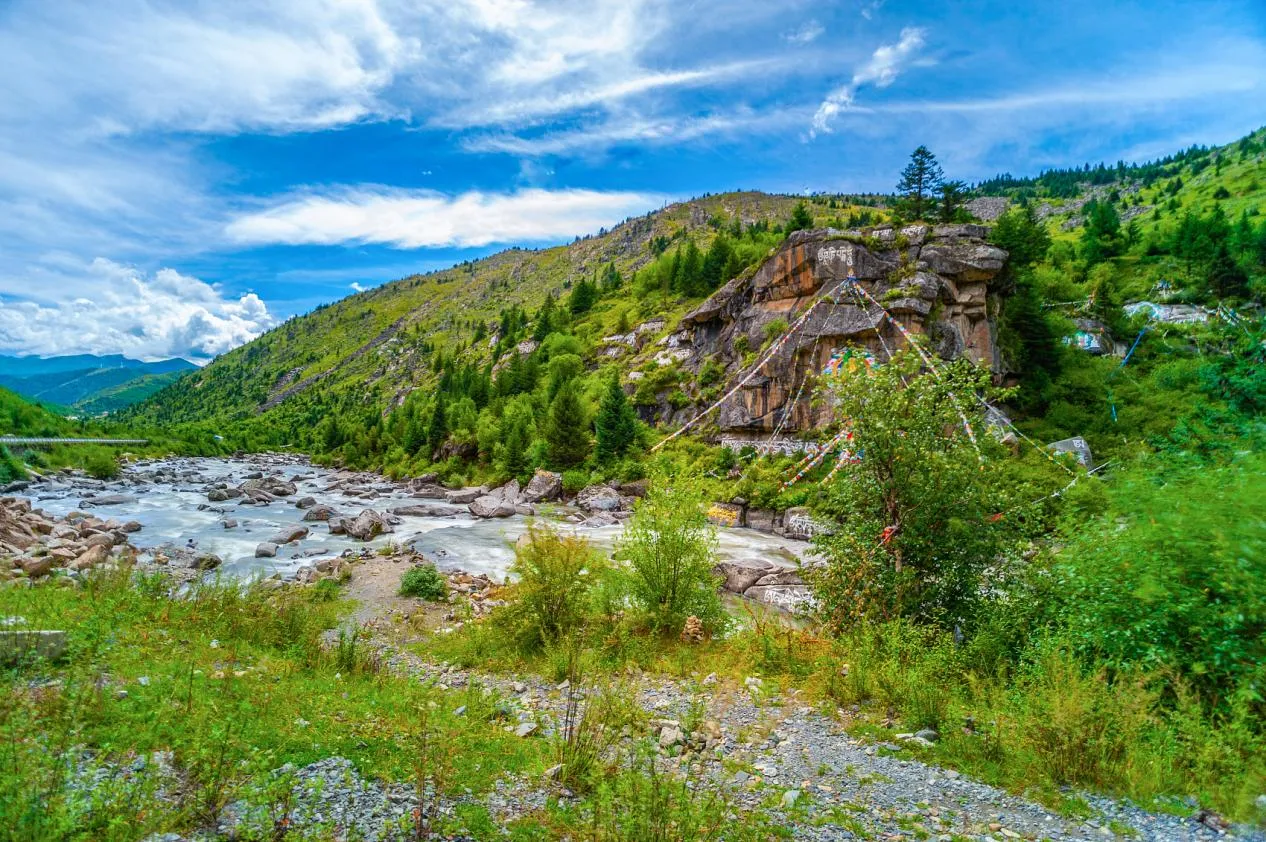
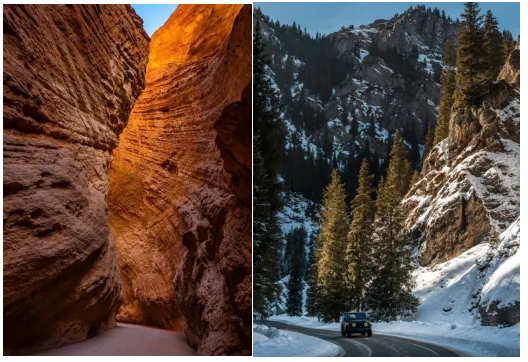
Estendendosi ai piedi settentrionali dei Monti Tianshan, il Tianshan Grand Canyon è un capolavoro naturale che integra paesaggi diversi, dalle cime innevate e fitte foreste alle praterie e ai canyon. È anche un sito patrimonio vivente della cultura nomade, dove pastori kazaki e mongoli hanno vissuto una vita pastorale per generazioni. Le scogliere di arenaria rossa del canyon si innalzano ripide, modellate da milioni di anni di erosione in bizzarre formazioni rocciose e gole tortuose. In estate la valle è ricoperta di erba verde e fiori di campo, mentre in autunno i boschi diventano dorati, creando uno scenario pittoresco. Ci sono anche antiche grotte buddiste sparse tra le montagne, con murales ben conservati che riflettono l'integrazione culturale lungo la Via della Seta. Gli appassionati di avventura possono fare escursioni lungo i sentieri, mentre gli amanti della cultura possono visitare i campi nomadi per sperimentare le usanze dei pastori, assaggiare i prodotti caseari tradizionali e godersi musica popolare e spettacoli di danza.
4 Parco della Collina Rossa
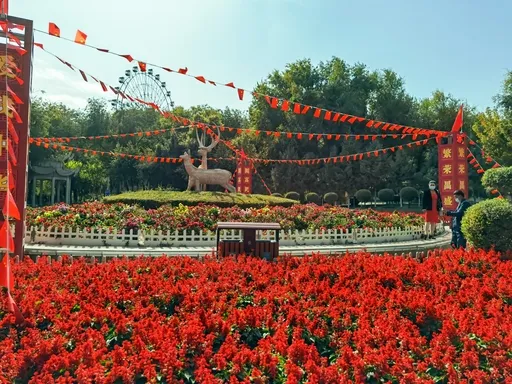
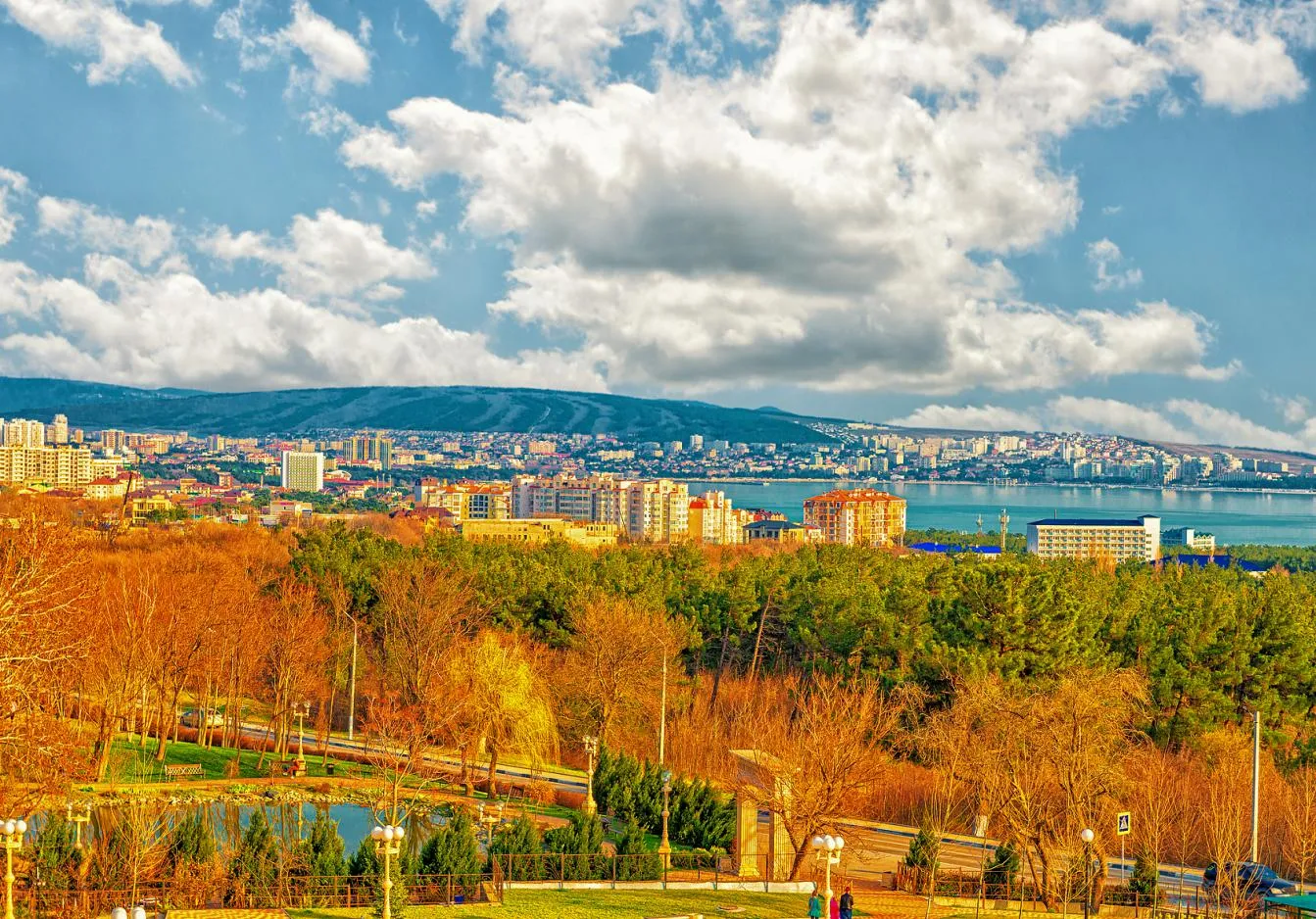
Arroccato sulle rive del fiume Urumqi, il Red Hill Park è un amato punto di riferimento con bellezza naturale e profondo significato culturale. La caratteristica principale del parco è la Red Hill, una collina di arenaria rossa alta 910 metri che si staglia sullo skyline della città. Secondo le leggende locali, la collina un tempo era un drago che cercò di bloccare il fiume, ed è stata per secoli un luogo sacro per i residenti locali. Sulla collina ci sono antichi templi e padiglioni, tra cui la Pagoda Zhenlong, costruita durante la dinastia Qing per “sottomettere il drago” e proteggere la città dalle inondazioni. Dalla cima della collina, i visitatori possono godere di una vista panoramica del moderno skyline di Urumqi, con grattacieli, strade larghe e le lontane montagne Tianshan che formano uno sfondo straordinario. Il parco è anche un luogo di ritrovo per la gente del posto, dove le persone praticano il Tai Chi, cantano canzoni popolari e fanno volare gli aquiloni, offrendo uno sguardo sulla pacifica vita quotidiana dei residenti di Urumqi.
5 pascoli Nanshan
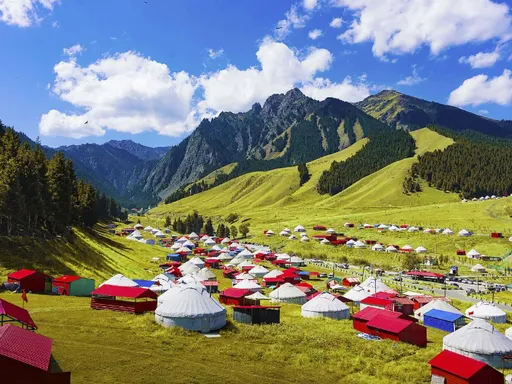
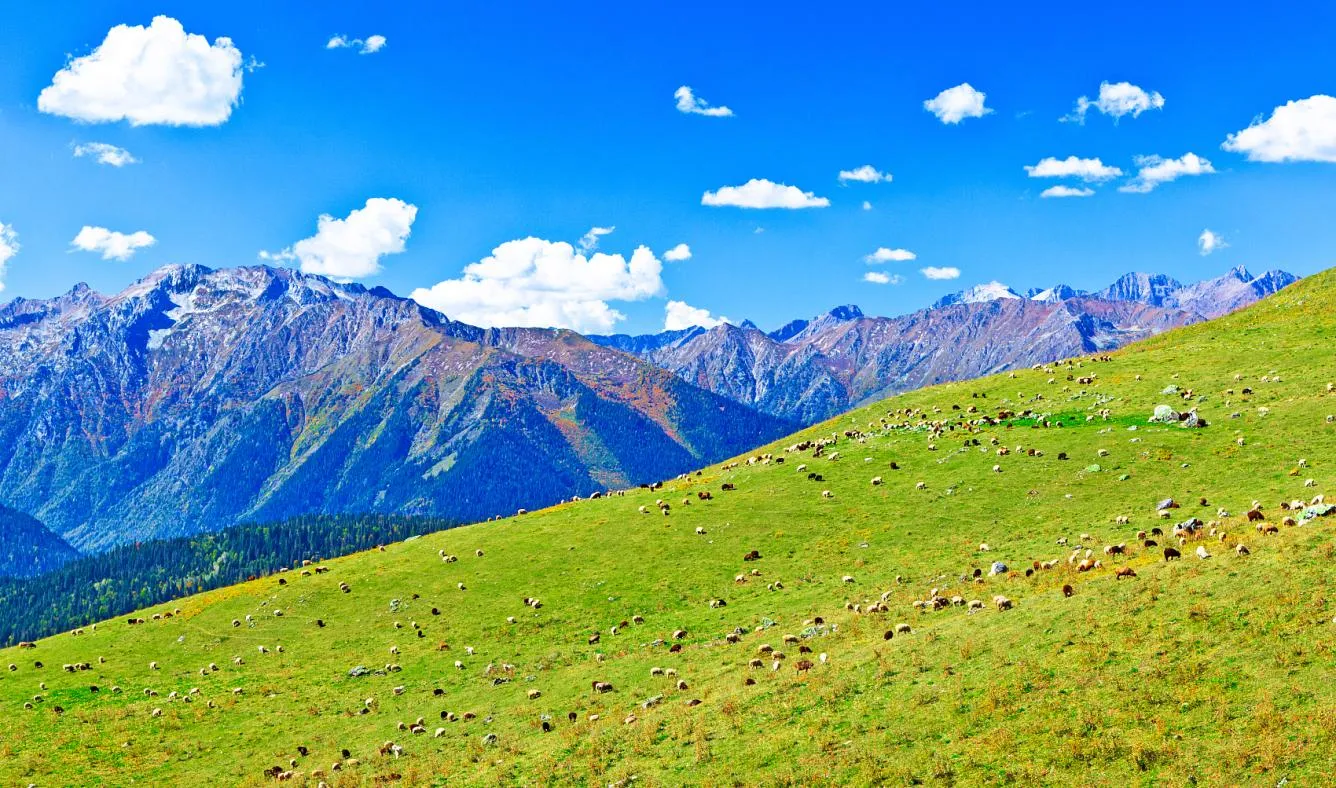
Situati nella periferia meridionale di Urumqi, i pascoli di Nanshan sono una vasta area di praterie alpine che per secoli è stata un terreno di pascolo tradizionale per i pastori kazaki. Fa parte delle colline pedemontane dei Monti Tianshan, con dolci colline verdi, limpidi ruscelli di montagna e yurte sparse, che creano un'idilliaca scena pastorale. In estate, i pascoli sono ricoperti di erba rigogliosa e fiori di campo colorati, e mandrie di bovini e pecore vagano liberamente. I visitatori possono soggiornare in yurte tradizionali, assaggiare l'autentica cucina kazaka come l'agnello intero arrosto e il kumiss e sperimentare attività popolari come l'equitazione, il tiro con l'arco e le danze popolari kazake. L’area conserva anche reperti storici, tra cui antiche incisioni su pietra e le rovine delle stazioni di posta della Via della Seta, che testimoniano il ruolo della regione negli scambi culturali est-ovest. In inverno, i Nanshan Pastures si trasformano in una stazione sciistica, attirando sciatori da tutto il paese.
6. Lago Celeste (Tianchi)
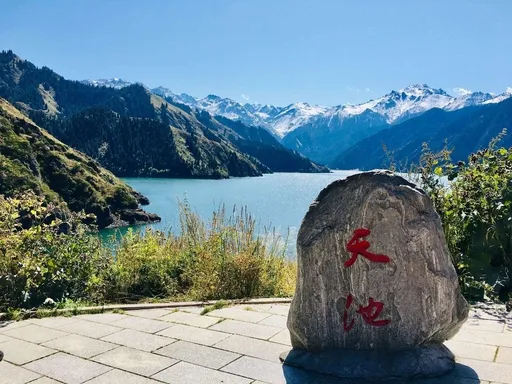
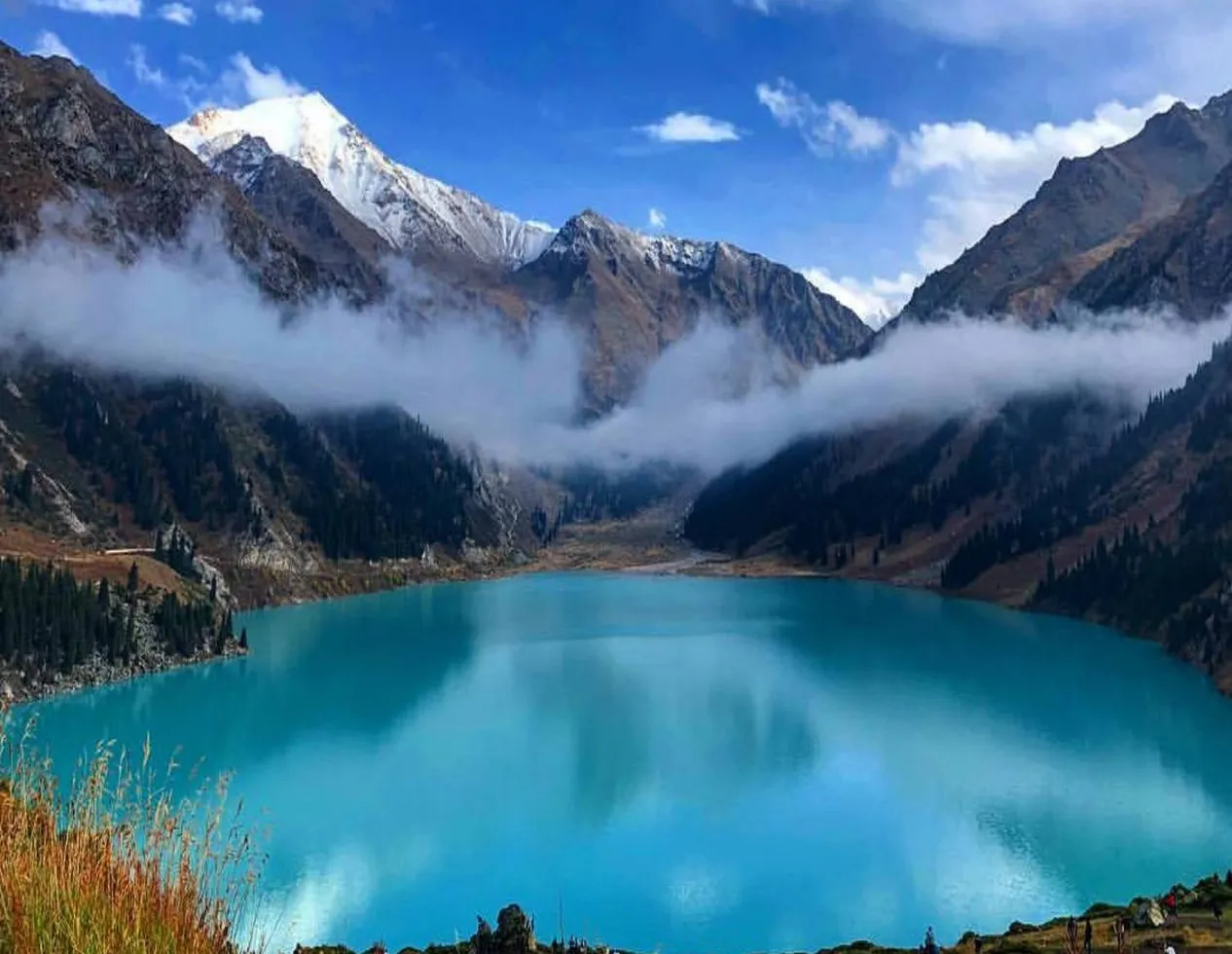
Sebbene amministrativamente faccia parte della città di Fukang, il Lago Celeste è una destinazione imperdibile vicino a Urumqi, situato ai piedi del Picco Bogda, la vetta più alta dei Monti Tianshan orientali. Questo lago alpino, con acqua blu cristallina, è circondato da montagne innevate e fitte foreste, guadagnandosi il soprannome di "Perla dei Monti Tianshan". Secondo le leggende taoiste, questo è il luogo dove la Regina Madre d'Occidente teneva i suoi banchetti celesti. Ci sono antichi templi e padiglioni taoisti intorno al lago, che aggiungono un tocco di fascino culturale allo scenario naturale. I visitatori possono fare un giro in barca sul lago, fare escursioni lungo i sentieri della foresta o andare a cavallo nelle praterie. In autunno, i boschi intorno al lago si colorano di oro e rosso, creando uno straordinario contrasto con l'acqua blu e il bianco della neve. Il lago ha anche ricche risorse ecologiche, con piante e animali rari come i leopardi delle nevi e le stelle alpine.
7. Area panoramica di Shuimogou
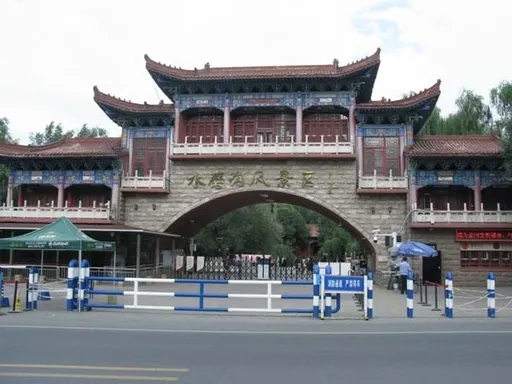
L'area panoramica di Shuimogou, conosciuta come il "giardino sul retro di Urumqi", è uno splendido paesaggio naturale combinato con attrazioni culturali. È caratterizzato da ruscelli gorgoglianti, fitte foreste e formazioni rocciose rosse uniche, che creano un ambiente sereno e pittoresco. L'area vanta una lunga storia di insediamenti umani, con antiche pitture rupestri e rovine di templi buddisti risalenti alle dinastie Han e Tang, che riflettono i primi scambi culturali nella regione. Ci sono anche attrazioni moderne, come il Tempio Shuimogou, un grande complesso buddista con un'architettura squisita e splendidi giardini. I visitatori possono passeggiare lungo i sentieri di legno, ascoltare il rumore dell'acqua che scorre e godersi l'aria fresca di montagna. In primavera, la zona è ricoperta di fiori di pesco e albicocco, mentre in inverno diventa un tranquillo paese delle meraviglie invernale, rendendola una destinazione popolare sia per la gente del posto che per i turisti tutto l'anno.