Английский
 Французский
 Испанский
 Русский
 Арабский
 Италия
1. Живописный район реки Лицзян
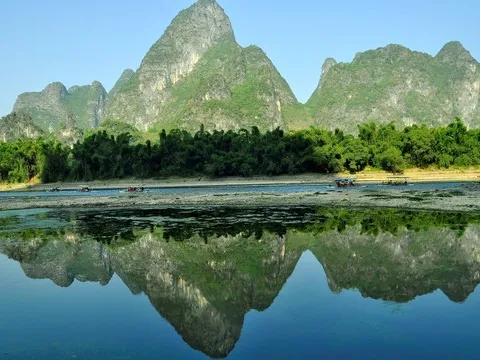
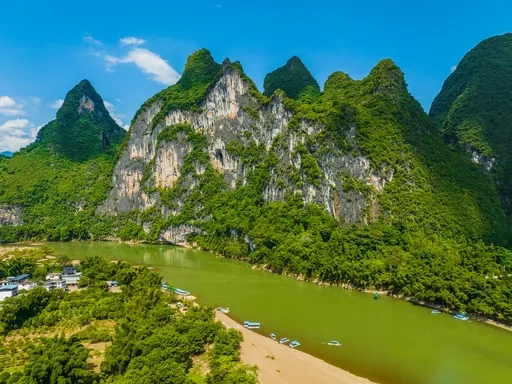
Реку Лицзян, символ красоты Гуйлиня, с древних времен хвалили как «горы и воды Гуйлиня — лучшие под небом». Имея тысячелетнюю историю, это был важный водный путь для культурного и экономического обмена между центральными равнинами и регионом Лингнан. 83-километровый круиз из Гуйлиня в Яншо проходит через чудесные карстовые ландшафты, такие как Холм Девяти Лошадей и Отражение Хуанбу. Вода в реке кристально чистая, а вершины с обеих сторон необычны и красивы. Местные этнические группы чжуан и яо жили у реки на протяжении поколений, а их рыбацкие песни и народные обычаи придают реке Лицзян уникальное культурное очарование.
2. Холм Слоновий Хобот (гора Сянби)
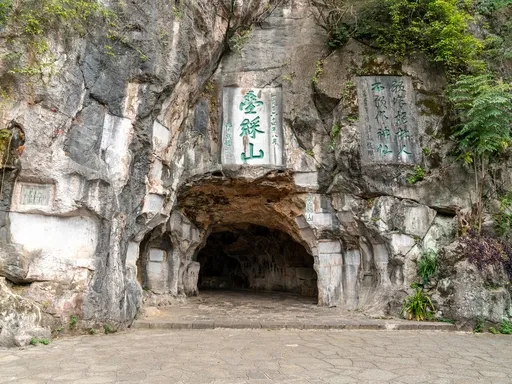
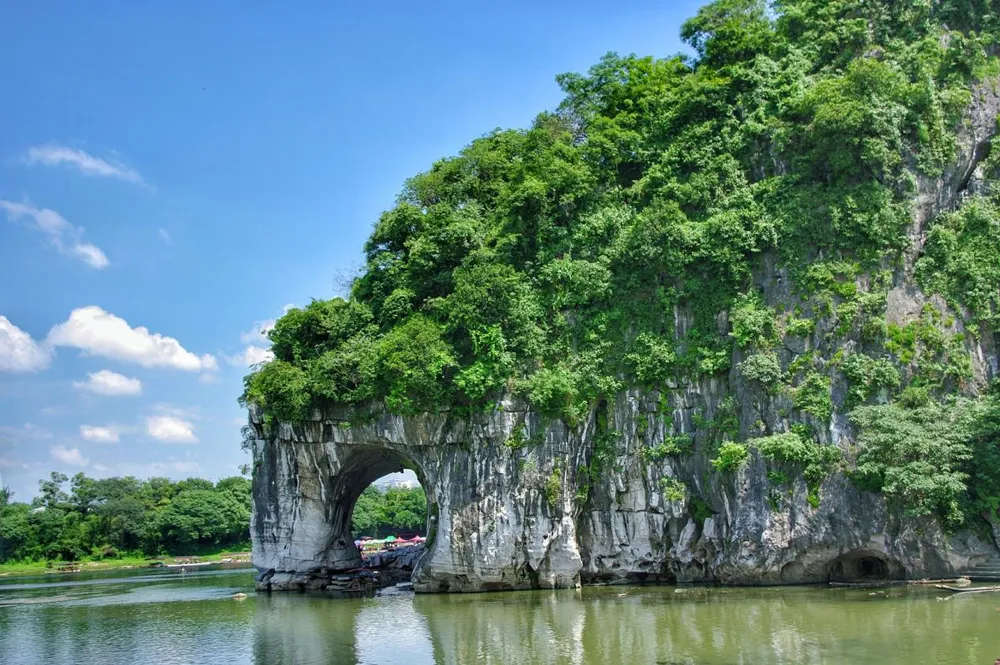
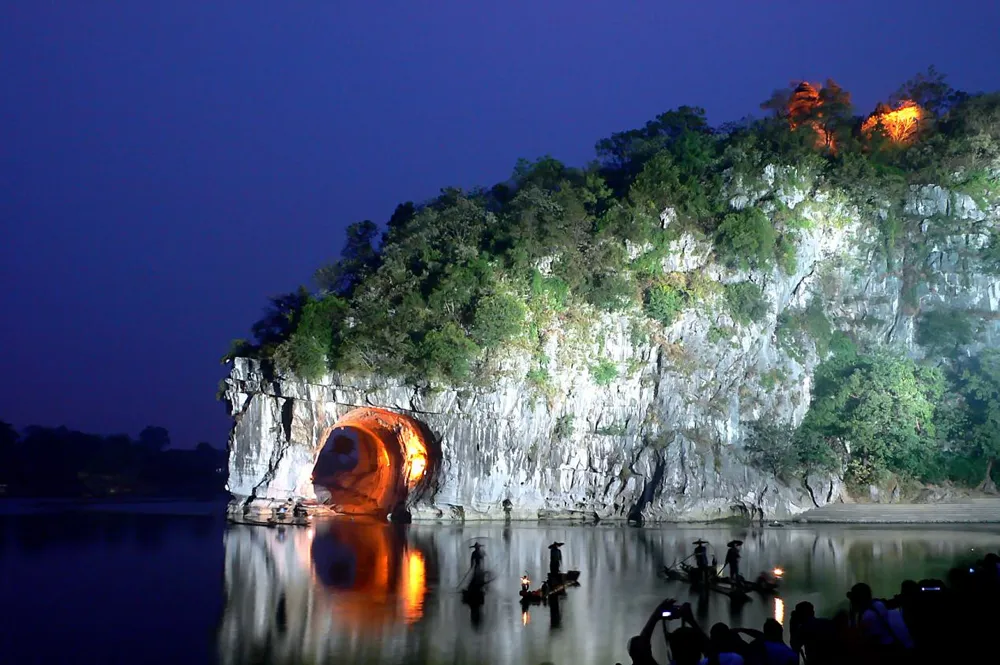
Как символ Гуйлиня, Холм Слоновьего Хобота получил свое название потому, что его форма точно напоминает гигантского слона, пьющего воду у реки. Он имеет историю, насчитывающую более 1000 лет, и был обязательным местом посещения для литераторов и поэтов со времен династий Тан и Сун. На горе имеется множество наскальных надписей, в которых записаны стихи и путевые заметки знаменитостей прошлого. Пещера Шуйюэ под хоботом слона – знаменитый пейзаж, где отражение луны в воде ночью образует чудесную картину. Это не только чудо природы, но и культурный носитель, несущий историческую память о Гуйлине.
3. Пик Одинокой Красоты и особняк принца Цзина
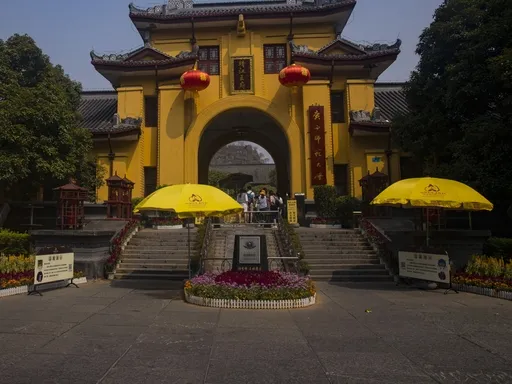
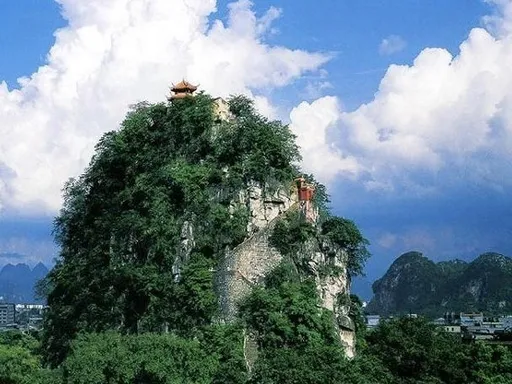
Одинокий пик Красавицы, стоящий в центре Гуйлиня, известен как «первая вершина Гуйлиня». На скале вершины можно найти знаменитую каменную резьбу «Горы и воды Гуйлиня — лучшие под небом». Особняк принца Цзин у подножия горы — императорская резиденция принца Цзинцзян династии Мин с историей, насчитывающей более 600 лет. Особняк имеет строгую планировку, с великолепными дворцами и элегантными садами. Это наиболее хорошо сохранившийся особняк феодального принца в Китае. Здесь посетители могут оценить идеальное сочетание древней китайской имперской архитектуры и карстового горного ландшафта, а также понять политический и культурный статус Гуйлиня во времена династии Мин.
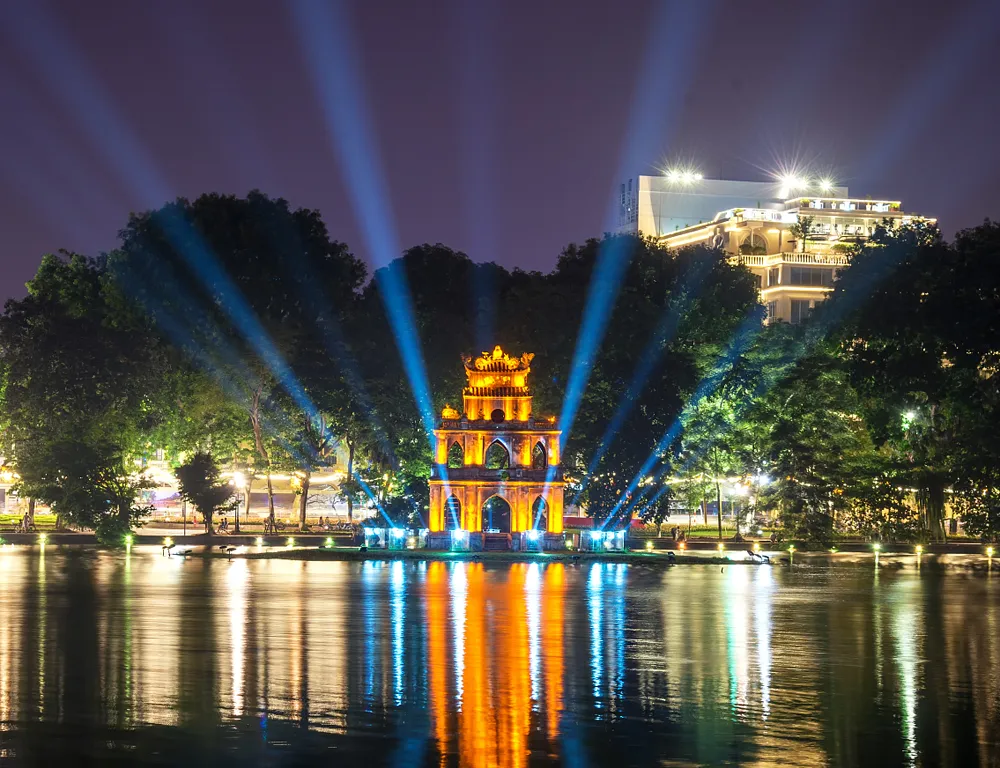
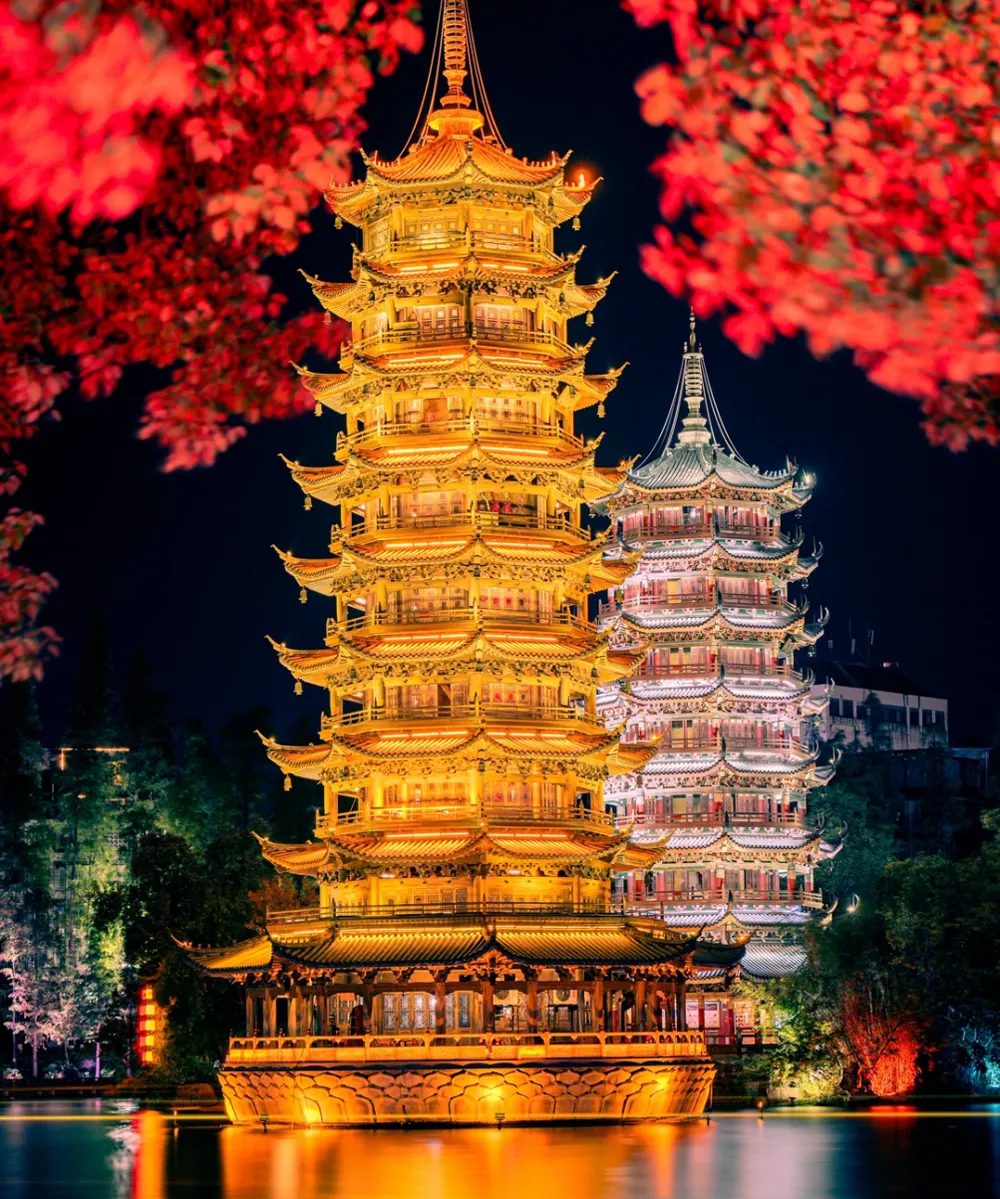
4. Живописный район двух рек и четырех озер.
Две реки (река Ли и река Цветения персика) и четыре озера (Вудское озеро, озеро Гуй, озеро Баньян и озеро Кедр) образуют основную водную систему городской территории Гуйлиня. После проекта реконструкции города он превратился в красивый живописный пояс, сочетающий в себе природные водные пейзажи и культурные реликвии. В живописном районе находятся древние здания, такие как башни-близнецы Солнца и Луны. Лунная башня сделана из меди, а Солнечная башня инкрустирована стеклом, которое особенно ослепляет ночью. Отправляясь в ночной круиз, посетители смогут пройти мимо древних мостов и традиционных жилищ, наслаждаясь неповторимым очарованием Гуйлиня, «водного города» на юге Китая.
5. Западная улица Яншо
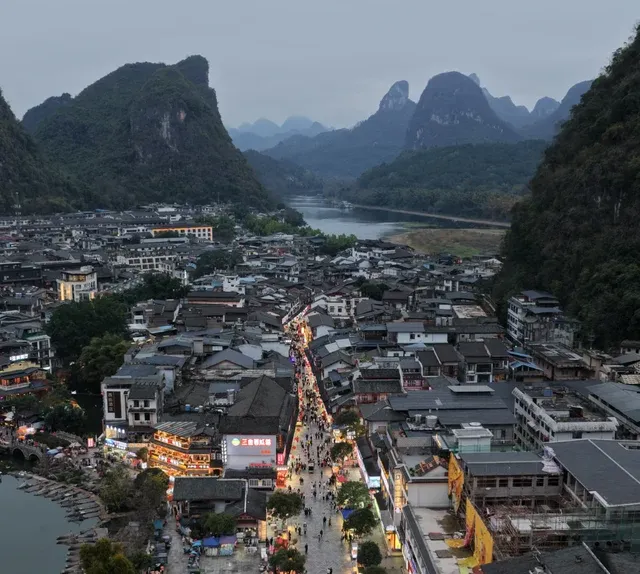
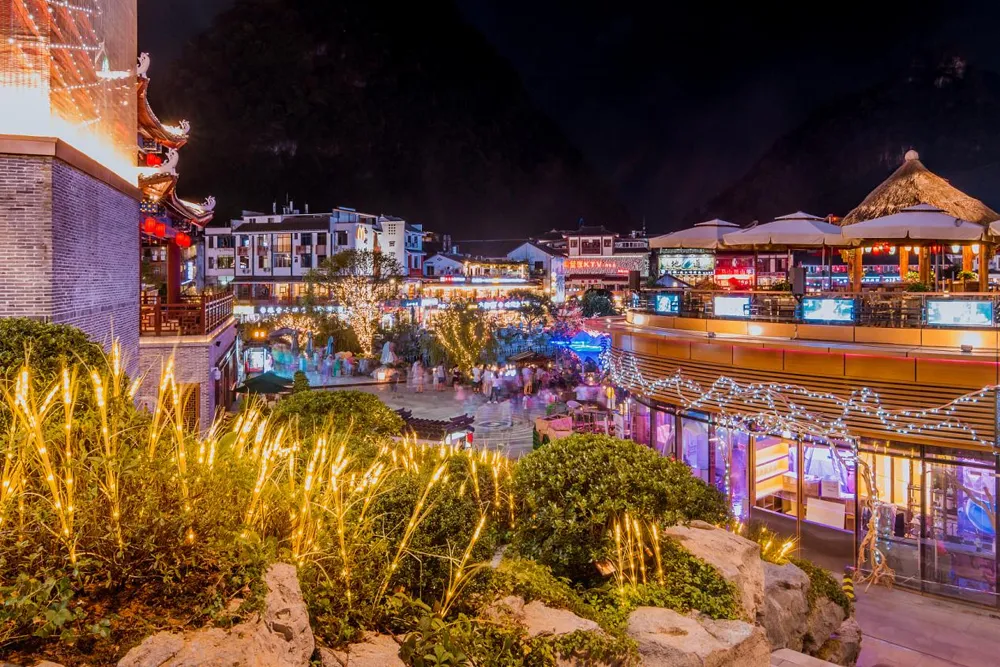
Западная улица Яншо, история которой насчитывает более 1400 лет, является одной из старейших улиц Гуанси и известной международной туристической пешеходной улицей. Первоначально это была торговая улица для местных жителей, а в наше время постепенно стала местом сбора иностранных туристов. Улица вымощена плитами из голубого камня, по обеим сторонам которой расположены китайские и западные здания. Здесь есть как традиционные китайские закусочные, так и западные кафе и бары. Это место, где смешиваются китайская и иностранная культуры. Посетители могут купить местные изделия ручной работы, попробовать настоящую рисовую лапшу Гуйлинь, а также пообщаться с иностранными туристами, окунувшись в уникальную межкультурную атмосферу.
6. Бамбуковый рафтинг по реке Юлун.
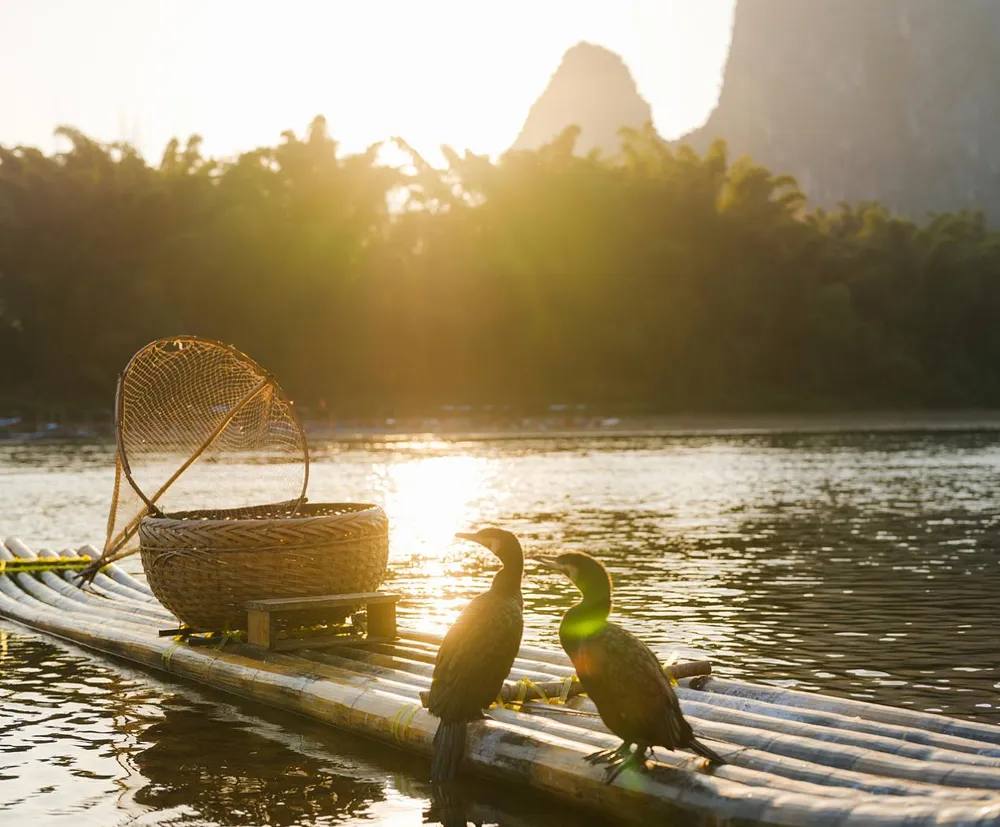
Река Юлун, приток реки Лицзян, известна как «Маленькая река Лицзян». Бамбуковый рафтинг по реке Юлонг — классический опыт. Река нежная и прозрачная, а горы по обе стороны зеленые и красивые. В отличие от оживленного круиза по реке Лицзян, река Юлун более тихая и красивая. Местные лодочники из поколения в поколение унаследовали традицию сплава по бамбуку, а некоторые умеют петь народные песни. Во время рафтинга посетители могут насладиться идиллическими пейзажами сельской местности Гуанси, фермерами, работающими на полях, и древними каменными мостами, перекинутыми через реку, ощущая мир и спокойствие вдали от городского шума и суеты.

7. Живописный район горы Дечай
Гора Дечай, расположенная на западном берегу реки Ли, получила свое название потому, что ее слоистые скалы выглядят как сложенная цветная парча. Это было известное живописное место со времен династии Тан, и многие литераторы и художники приезжали сюда, чтобы рисовать и писать стихи. На горе находится множество культурных реликвий и исторических мест, таких как павильон Диецай и храм Цзэнгун. Смотровая площадка на вершине горы — отличное место, откуда открывается панорамный вид на городской район Гуйлиня и извилистую реку Ли. Гора покрыта зеленой растительностью, а воздух свеж. Это одновременно живописная природа и культурная гора с долгой историей.