Английский
 Французский
 Испанский
 Русский
 Арабский
 Италия
1. Старый город Кашгара
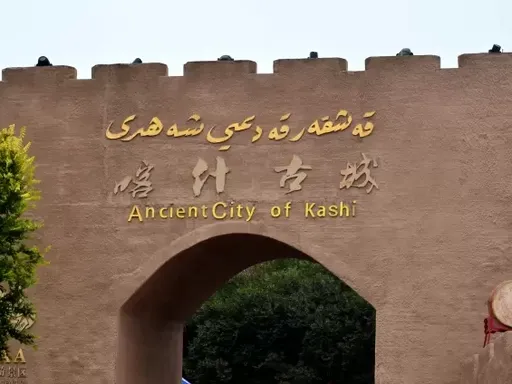
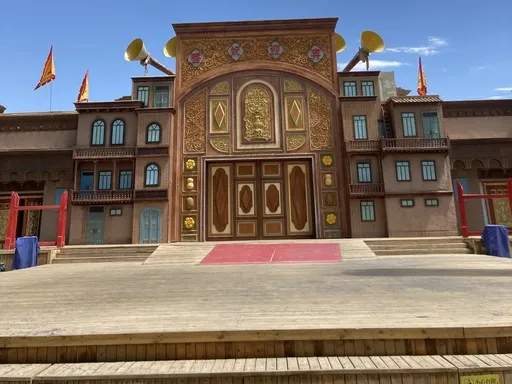
Живой музей уйгурской культуры, Старый город Кашгара имеет историю, насчитывающую более 2000 лет, и является одним из наиболее хорошо сохранившихся древних городов на Шелковом пути. Его лабиринтные улочки проходят через традиционные глинобитные и деревянные дома с резными деревянными дверями и яркими оконными решетками, демонстрирующими уникальное уйгурское архитектурное искусство. Старый город по-прежнему населен уйгурами, и посетители могут бродить по улицам и видеть, как местные жители пекут хлеб наан, ткут ковры и продают свежие фрукты и специи. Мечеть Ид Ках, расположенная в самом сердце старого города, является самой большой мечетью в Синьцзяне, с большим внутренним двором и изысканной исламской архитектурой. Каждое утро в старом городе проводится оживленная церемония открытия с народными танцами и музыкой, приветствующая гостей со всего мира. Это место, где история и повседневная жизнь органично сочетаются, предлагая захватывающий опыт уйгурских традиций и обычаев.
2. Мечеть Ид Ках
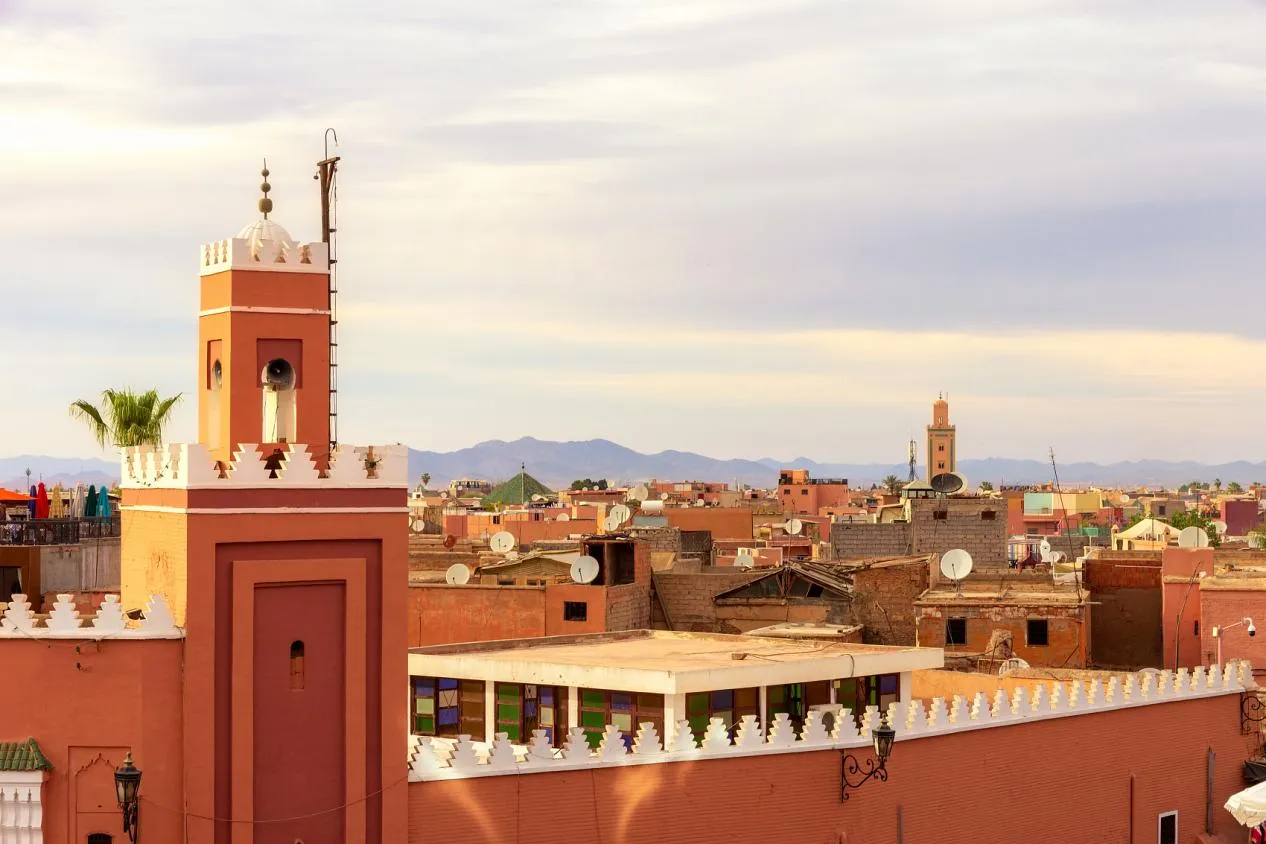
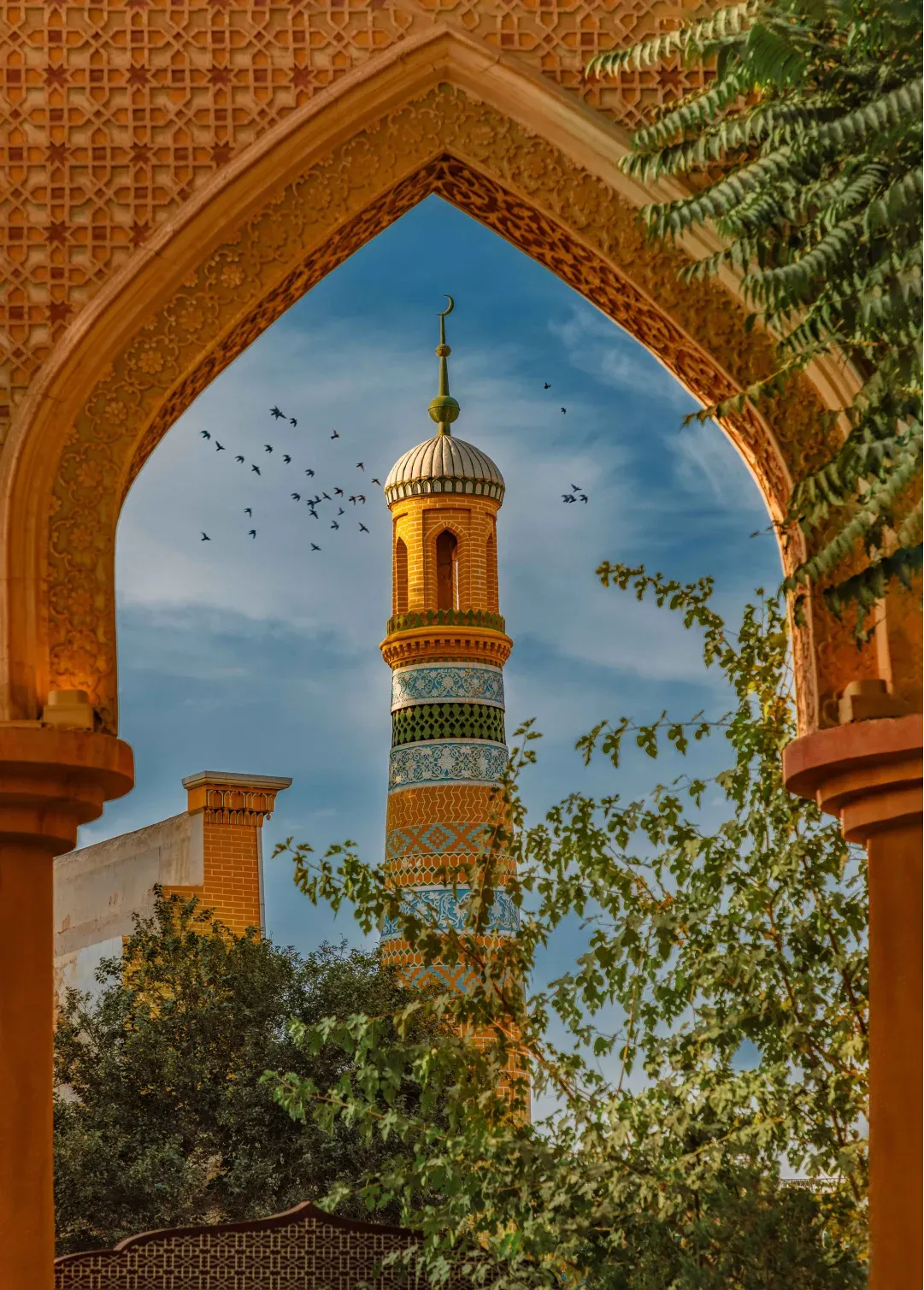
Мечеть Ид Ках, духовный центр уйгурских мусульман в Синьцзяне, представляет собой великолепный образец исламской архитектуры, история которой восходит к 14 веку. Мечеть занимает огромную территорию и имеет большой внутренний двор, вымощенный синим кирпичом, окруженный арочными коридорами и высокими минаретами. Главный молитвенный зал имеет деревянную крышу, поддерживаемую сотнями резных колонн, а стены украшены замысловатыми геометрическими узорами и арабской каллиграфией. Он может вместить десятки тысяч верующих во время крупных исламских праздников, таких как Ид аль-Фитр и Курбан-байрам. Мечеть является не только религиозным объектом, но и культурной достопримечательностью, свидетельствующей о распространении и развитии ислама в Синьцзяне. Посетители могут полюбоваться его архитектурной красотой и узнать об исламских обычаях и традициях, если они соблюдают религиозные правила и одеваются соответствующим образом.
3. Сад Сянфэй
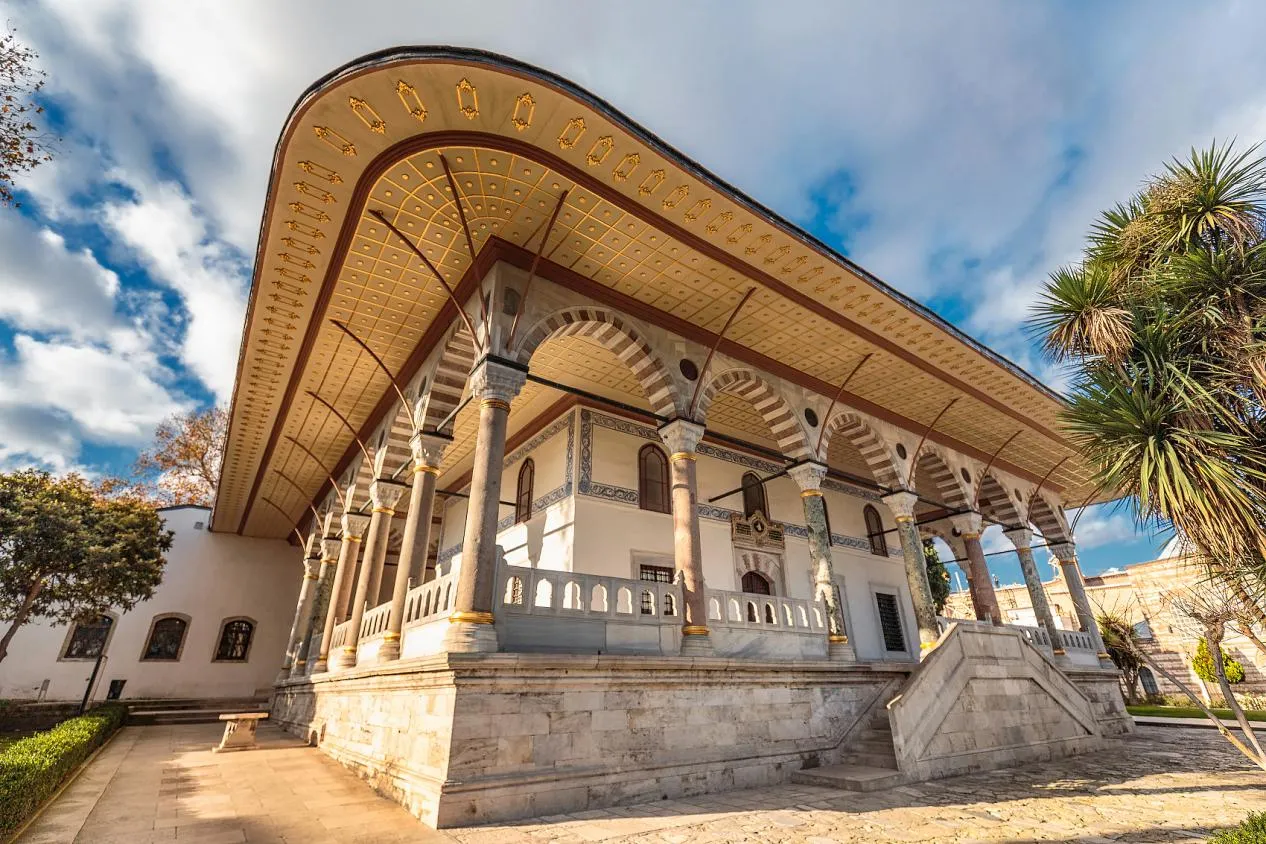
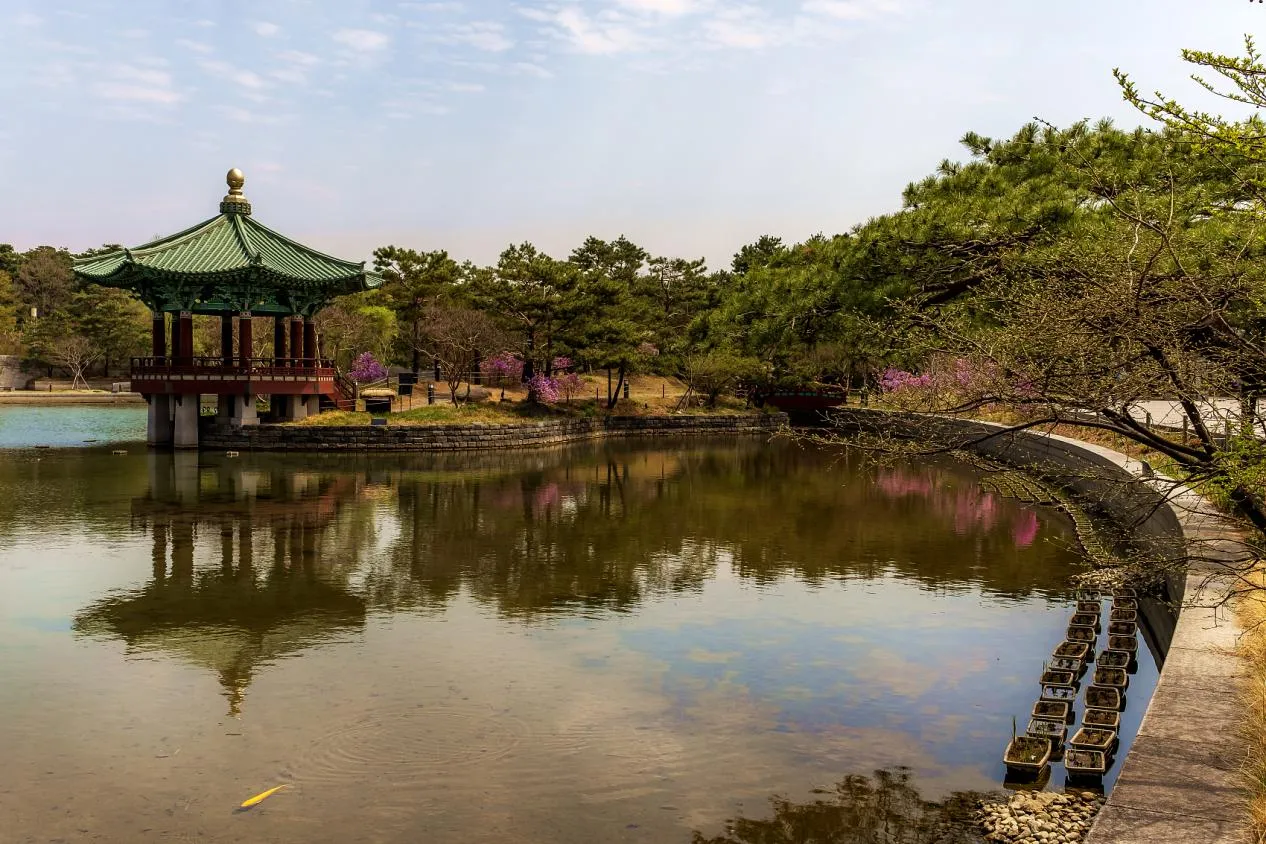
Сад Сянфэй, посвященный легендарной уйгурской красавице Сянфэй (Ароматной наложнице), представляет собой смесь уйгурского и ханьского архитектурных стилей с пышными садами, прозрачными бассейнами и изысканными павильонами. Согласно историческим данным, Сянфэй была уйгурской знатной женщиной, ставшей наложницей императора Цяньлуна во времена династии Цин, известной своей красотой и уникальным ароматом. В саду находится мавзолей Сянфэй, величественный мавзолей с белым мраморным куполом и яркими украшениями из плитки, а также выставочные залы, в которых представлены культурные реликвии и произведения искусства, связанные с ее жизнью. Окружающие сады наполнены различными цветами и деревьями, в том числе жасмином и розой, которые, как говорят, являются фаворитами Сянфэя. Посетители могут прогуляться по садам, послушать историю Сянфэя и насладиться мирной и красивой обстановкой, ощущая культурную интеграцию между уйгурским и ханьским народами.
4. Воскресный животноводческий базар.
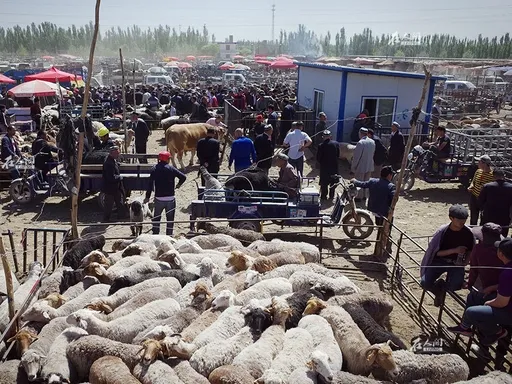
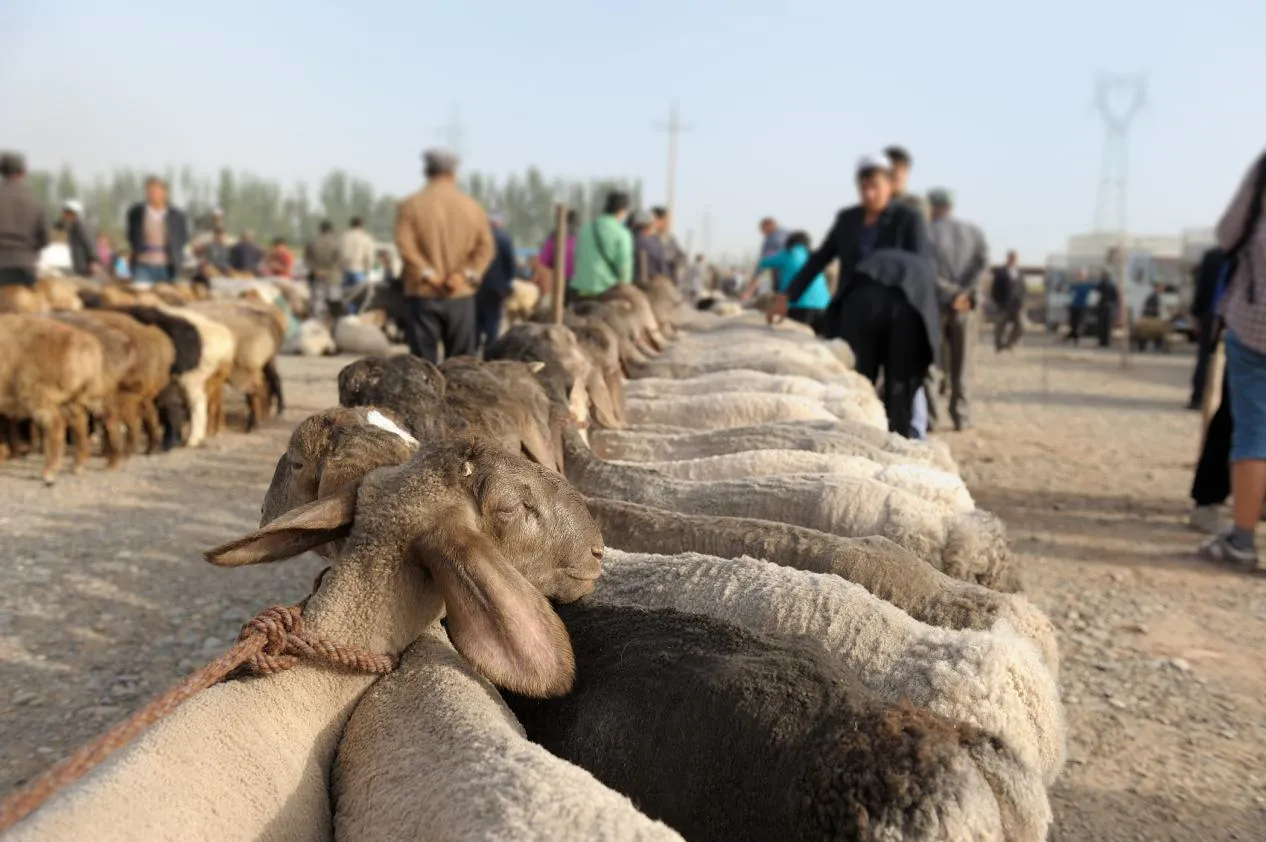
Воскресный животноводческий базар – один из крупнейших и наиболее оживленных традиционных рынков в Центральной Азии с историей, насчитывающей сотни лет. Базар, проводимый каждое воскресенье на окраине Кашгара, привлекает тысячи пастухов и торговцев из Синьцзяна и соседних стран Центральной Азии, которые приезжают торговать скотом, овцами, верблюдами, лошадьми и различными местными продуктами. Здесь кипит жизнь: стада скота заполняют поля, продавцы кричат, привлекая покупателей, а посетители могут попробовать настоящие уйгурские закуски, такие как самса и жареная баранина. Базар — это не просто место торговли, но и место культурных встреч, где люди разных этнических групп носят свои традиционные костюмы, поют народные песни и исполняют танцы, демонстрируя богатые и разнообразные культурные традиции региона. Это уникальная возможность познакомиться с подлинными народными обычаями и оживленной атмосферой западного Китая.
5. Каменный город в Ташкургане
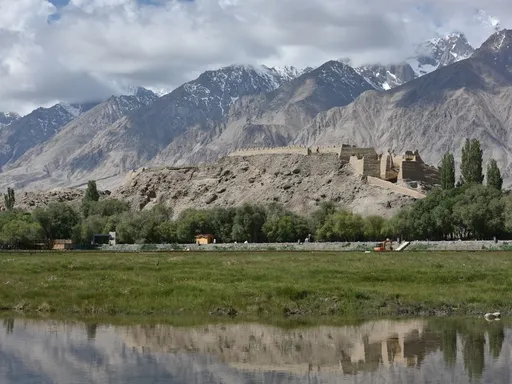
Каменный город в Ташкургане, расположенный на скалистой вершине холма на высоте 3700 метров, представляет собой стратегическую крепость с более чем 2000-летней историей, контролирующую пересечение южного и западного маршрутов Шелкового пути. Руины города, построенные из местного камня, включают толстые стены, сторожевые башни и дворцы, величественно стоящие на фоне Памирских гор. Когда-то он был столицей древнего Ташкурганского царства, а позже служил важным военным оплотом различных династий, становясь свидетелем бесчисленных торговых караванов и военных кампаний. Сегодня посетители могут подняться на руины, чтобы насладиться панорамным видом на долину реки Ташкурган и далекие заснеженные вершины Памира. В окрестностях проживает таджикский народ, известный своим гостеприимством и уникальными традициями орлиной охоты, что придает этому историческому месту богатое культурное измерение.
6.Озеро Байша
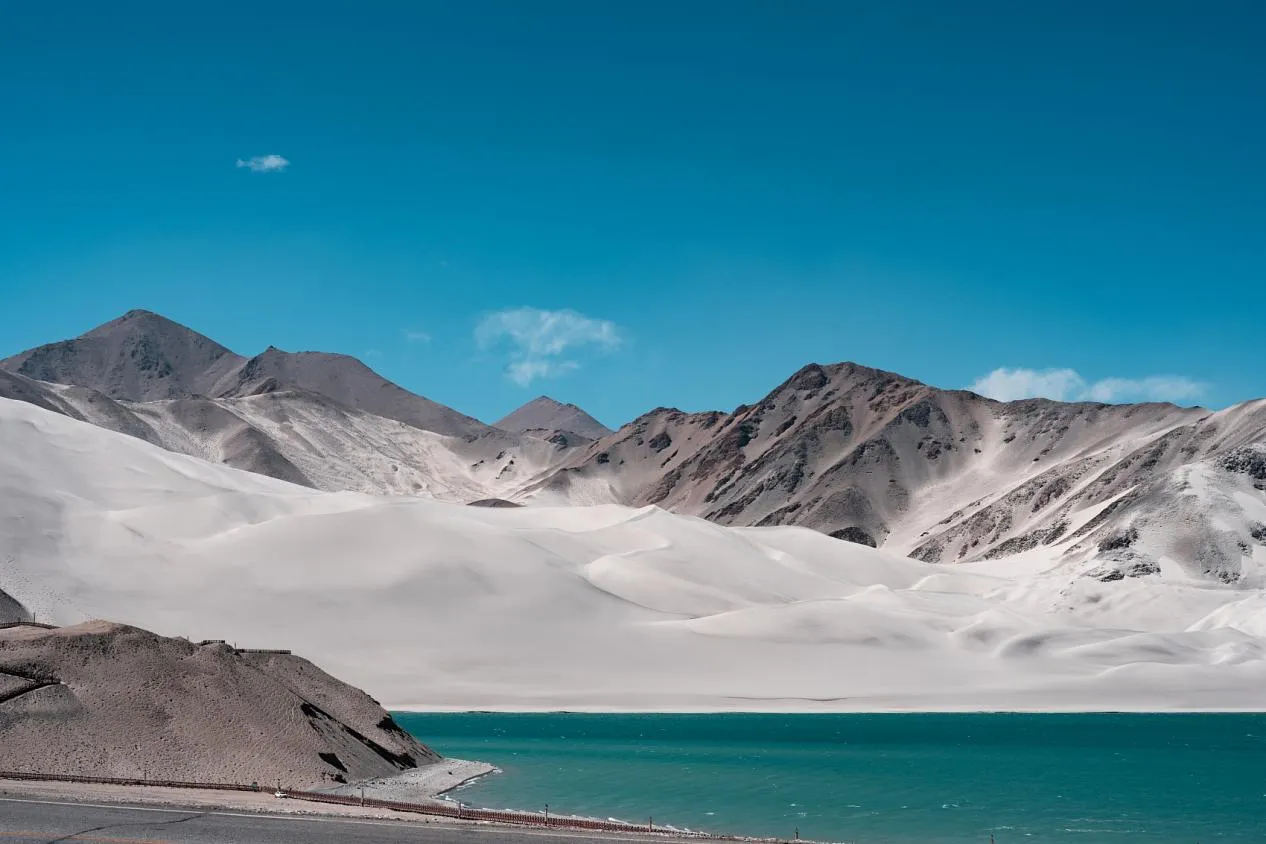
Озеро Байша, расположенное у подножия Памирских гор, представляет собой потрясающее альпийское озеро с кристально чистой голубой водой, окруженное белыми песчаными дюнами и заснеженными вершинами, создающими сюрреалистический и красивый пейзаж. Вода в озере настолько прозрачна, что отражает окружающие горы и небо, создавая зеркальный эффект. Белые песчаные дюны, образовавшиеся в результате ветровой эрозии, представляют собой уникальное чудо природы, резко контрастирующее с голубой водой и зеленой травой вокруг озера. Этот район также является важным местом обитания редких птиц, таких как лебеди и горные гуси. Посетители могут прогуляться по берегу озера, насладиться умиротворяющей атмосферой и сфотографировать захватывающие дух пейзажи. Близлежащие таджикские деревни дают возможность познакомиться с простыми и теплыми обычаями местного населения, что делает озеро Байша не только природной достопримечательностью, но и местом культурного отдыха.
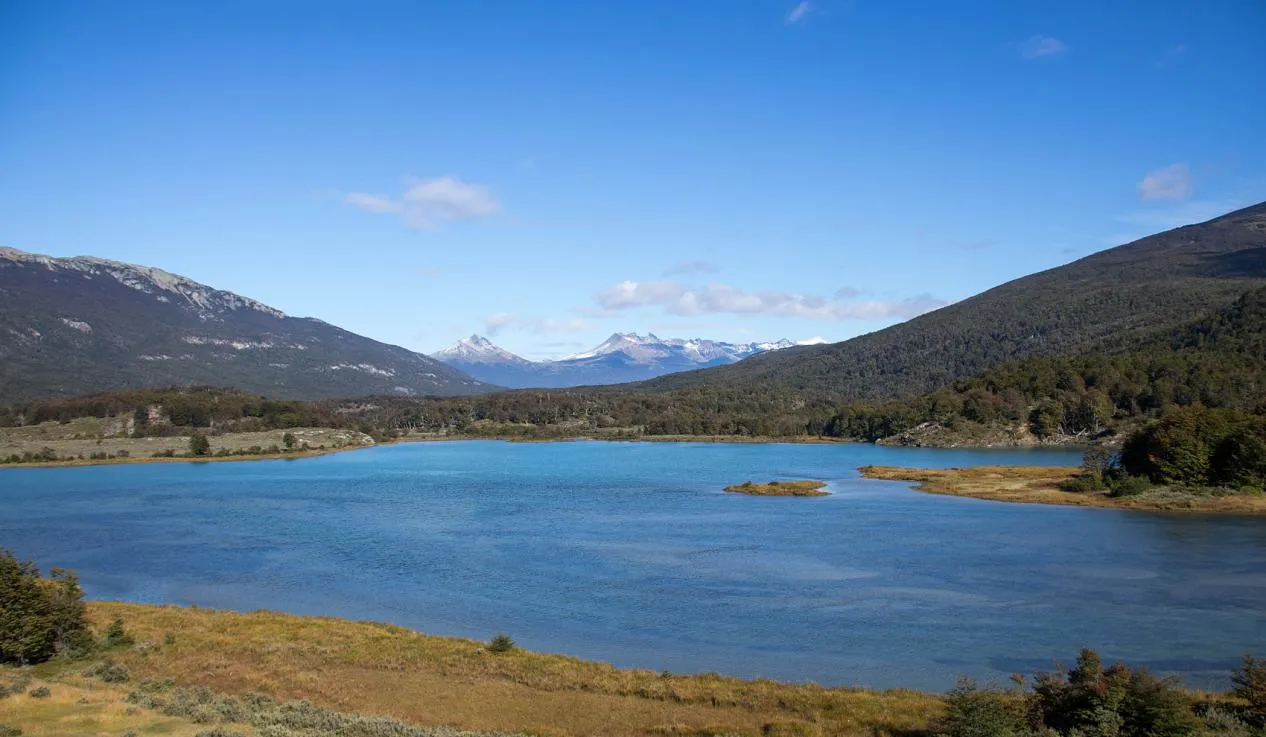
7. Озеро Каракуль
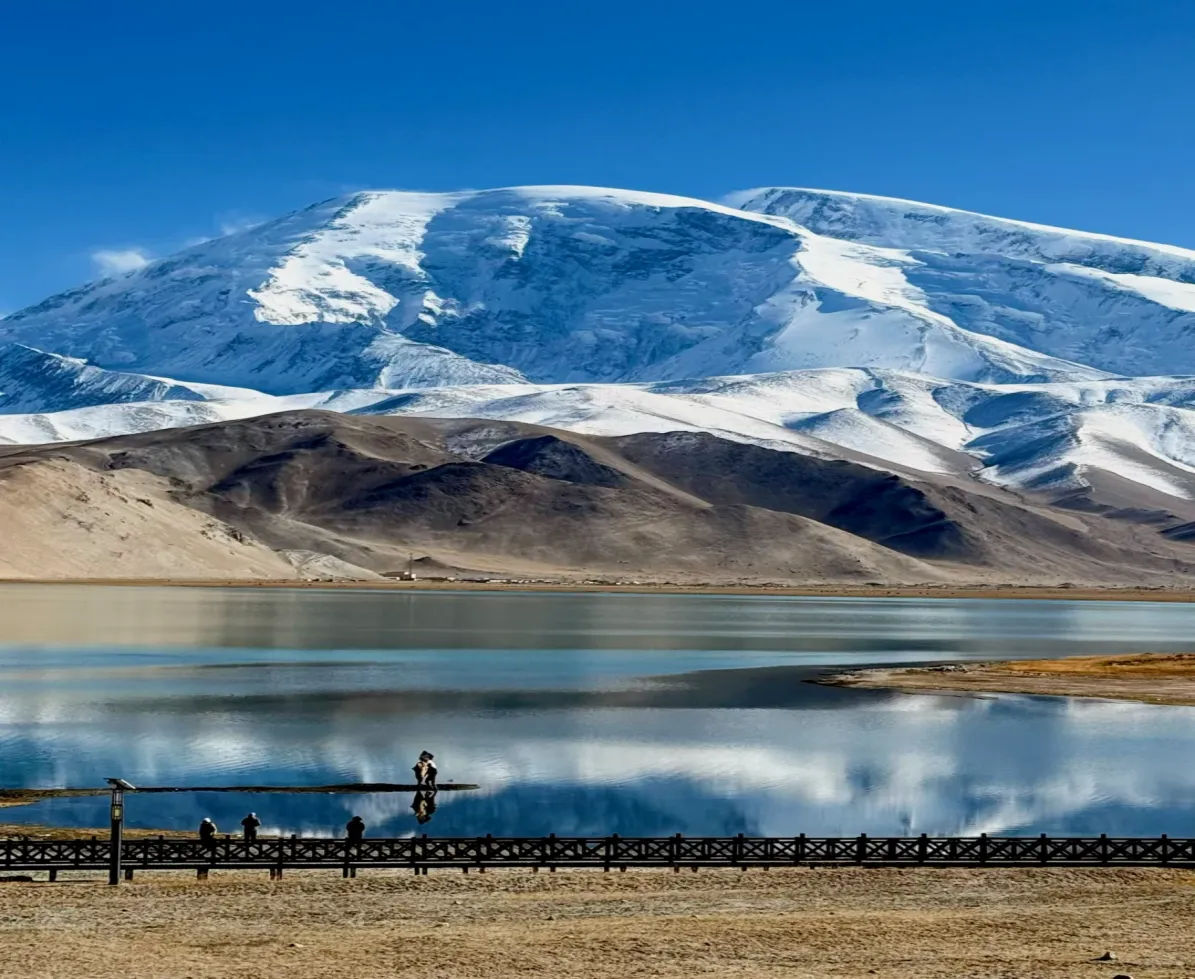
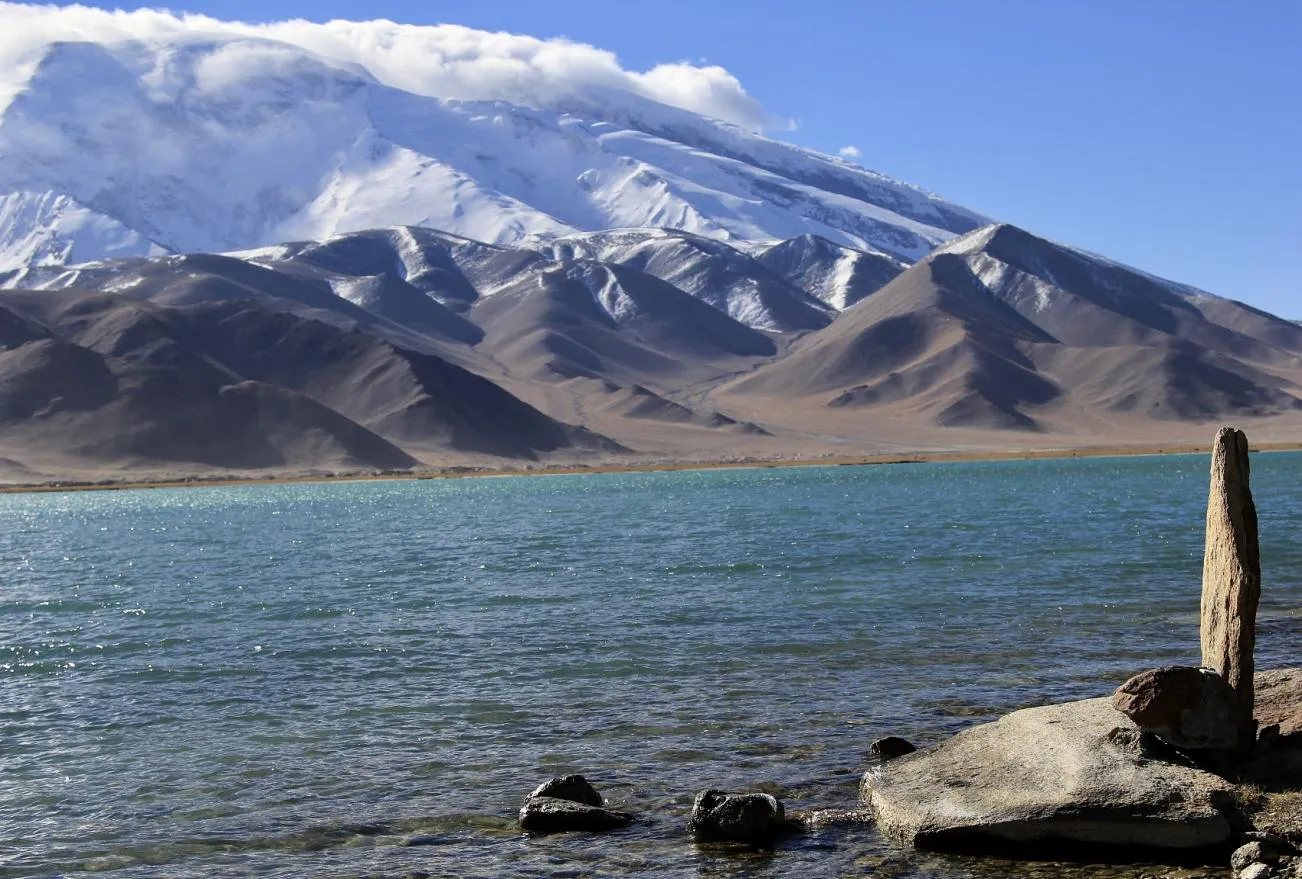
Озеро Каракуль, известное как «Черное озеро», является одним из самых высокогорных озер в мире, расположенным на высоте 3600 метров на Памирском плато. Окруженное высокими заснеженными вершинами, в том числе знаменитой Музтаг-Ата («Отец ледяных гор»), вода в озере меняет цвет на светлый: темно-синий в солнечную погоду и темно-серый в пасмурную погоду. Оно имеет долгую историю как место отдыха караванов Шелкового пути, а вокруг озера находятся руины древних почтовых станций. В этом районе живут кыргызские пастухи, которые живут в юртах и зарабатывают себе на жизнь выпасом скота. Посетители могут остановиться в юртах, попробовать кыргызскую кухню и покататься на лошадях вокруг озера, наслаждаясь великолепными природными пейзажами и простыми народными обычаями. Ночью небо над озером Каракуль наполнено звездами, предлагая незабываемые впечатления от наблюдения за звездами.