Английский
 Французский
 Испанский
 Русский
 Арабский
 Италия
Каменный лес (Живописный район Шилинь)
Каменный лес, внесенный в список Всемирного наследия ЮНЕСКО под эгидой Южно-Китайского карста, представляет собой великолепный ландшафт, сформировавшийся в результате 270 миллионов лет геологической эволюции. Занимая площадь более 350 квадратных километров, он имеет бесчисленные известняковые столбы, вершины и лабиринты, напоминающие каменный лес. Исторически эта территория была родиной народа сани, ветви этнической группы и. Эпическая легенда народа Сани об Ашиме глубоко укоренилась здесь: говорят, что Ашима, храбрая и красивая девушка, превратилась в каменный столб после сопротивления принудительному браку, который сегодня является священным символом в лесу. Культурные традиции процветают рядом с чудесами природы: посетители могут посмотреть народные танцы сани, послушать их задушевные баллады и попробовать местные деликатесы во время фестивалей. Каменный лес — это не только геологическое чудо, но и живое культурное наследие, демонстрирующее гармонию между человеком и природой на протяжении поколений.

Озеро Дианчи
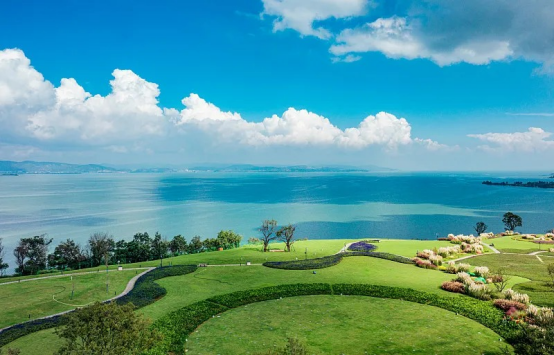
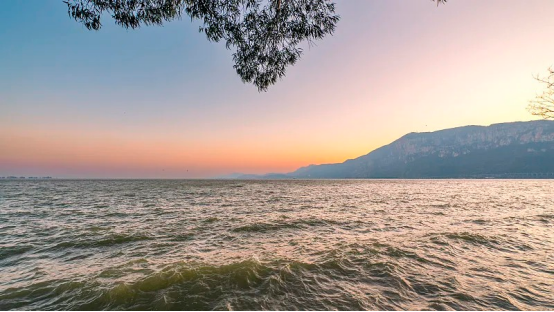
Озеро Дяньчи, известное как «Жемчужина плато», является крупнейшим пресноводным озером в Юньнани, занимающим площадь около 330 квадратных километров на южной окраине Куньмина. Его история насчитывает более 3000 лет и служит колыбелью ранней цивилизации Юньнани — королевства Дянь, которое процветало здесь от периода Воюющих царств до династии Западная Хань, оставив после себя изысканные бронзовые артефакты, отражающие его процветание. На протяжении веков Дианчи был культурной и духовной достопримечательностью для местных жителей; поэты и ученые восхваляли его красоту в бесчисленных стихах, и он был популярным убежищем для литераторов. Озеро окружено историческими достопримечательностями, в том числе величественным храмом Хуатинг и храмом Тайхуа, история которых насчитывает более тысячи лет. Сегодня Дяньчи также представляет собой важнейшую экосистему водно-болотных угодий, привлекающую каждую зиму тысячи перелетных птиц, а берег озера — любимое место жителей Куньмина, где они могут расслабиться, запустить воздушных змеев и отпраздновать традиционные фестивали, олицетворяя непринужденную атмосферу города «Город вечной весны».
Деревня национальностей Юньнани
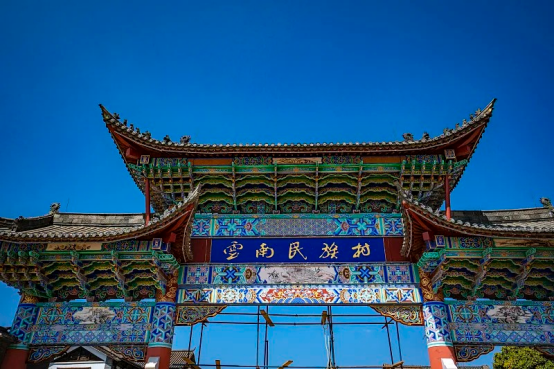
Деревня национальностей Юньнани, расположенная на южном берегу озера Дяньчи, представляет собой крупномасштабный культурный тематический парк, в котором представлены разнообразные традиции 25 этнических меньшинств Юньнани. Основанный в 1992 году, он занимает площадь 1300 му и представляет собой подлинные архитектурные копии жилищ каждой этнической группы — от элегантных домов Бай, зданий на бамбуковых сваях Дай до деревянных особняков Наси с черепичными крышами. В каждой деревне проходят живые демонстрации традиционных ремесел, таких как окрашивание галстуков, изготовление столовых приборов и ткачество, что позволяет посетителям пообщаться с ремесленниками и изучить старинные методы. Культурные представления являются изюминкой: ежедневные представления включают танцы Фестиваля факелов И, танец павлина Дай и тибетские народные песни. Во время крупных этнических фестивалей в селе проводятся грандиозные праздники, открытые для публики. Это не просто туристическая достопримечательность, это важное место для сохранения культуры и обмена, сокращающее разрыв между городскими гостями и богатыми этническими культурами сельской местности Юньнани.
Парк Дагуань и башня Дагуань
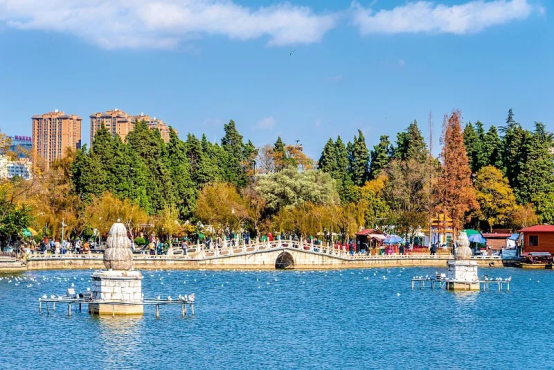
Башня Дагуань, расположенная в парке Дагуань на западном берегу озера Дяньчи, является одной из самых известных древних башен Юньнани, история которой восходит к династии Цин (1690 г.). Трехэтажная башня высотой 20 метров предлагает панорамный вид на озеро Дьянчи и далекие Западные холмы. Его величайшим культурным сокровищем является самый длинный куплет в Китае, составленный ученым Сунь Ранвэном в 18 веке. Этот куплет из 180 символов ярко изображает природные пейзажи Юньнани и рассматривает его длительные исторические изменения, сочетая литературное изящество с глубокой философией. Парк вокруг башни представляет собой классический китайский сад с павильонами, коридорами, прудами с лотосами и вековыми деревьями. Издавна это было место сбора литераторов и ученых, которые писали здесь стихи и картины, любуясь озером и горами. Сегодня это спокойное место отдыха как для местных жителей, так и для туристов, где можно оценить классическую архитектуру, насладиться традиционной китайской садовой эстетикой и погрузиться в богатую литературную атмосферу Юньнани.
Западные холмы (живописный район Сишань)
Западные холмы, простирающиеся вдоль западного берега озера Дианчи, представляют собой живописный горный массив, известный как «Спящая красавица», потому что его силуэт издалека напоминает лежащую девушку. Этот район представляет собой сочетание природной красоты и культурного наследия с густыми лесами, древними храмами и историческими местами. Храм Хуатинг, основанный во времена династии Тан, является одним из крупнейших буддийских храмов в Юньнани, может похвастаться великолепными залами и богатой коллекцией культурных реликвий. Храм Тайхуа, еще один древний храм, славится цветением сливы зимой, привлекая многочисленных посетителей. Гроты Драконьих ворот, высеченные в скале во времена династии Цин, являются изюминкой Западных холмов. Более 720 метров извилистых дорожек, павильонов и резьбы по камню ведут на вершину, где посетители могут насладиться потрясающим видом с высоты птичьего полета на озеро Дяньчи и город Куньмин. Западные холмы также были местом уединения для ученых и монахов на протяжении всей истории, и здесь было оставлено множество стихов и надписей, что сделало их важной культурной достопримечательностью Юньнани.
Сад Всемирной садоводческой выставки Куньмина
Экспо-сад, впервые открытый в 1999 году для проведения Международной садоводческой выставки, занимает площадь 218 гектаров у подножия Западных холмов. Это грандиозная выставка мирового садоводческого искусства, на которой представлены тематические сады из более чем 50 стран и регионов, а также всех провинций Китая. Зона китайского сада отражает разнообразие стилей садоводства разных регионов: от элегантных садов Сучжоу до смелых северных дворов. Международная садовая зона предлагает взглянуть на экзотические пейзажи, такие как французский сад, японский дзен-сад и тайский тропический сад. Культурные элементы интегрированы в каждый уголок: здесь есть традиционные китайские архитектурные комплексы, представления народного искусства и садоводческие мастерские. Знаменитый павильон Дагуань в саду — это современная дань исторической архитектуре Куньмина. Экспо-сад не только является туристическим объектом, но и стал важной базой для садоводческих исследований, экологического образования и культурного обмена, способствуя интеграции природы, искусства и различных культур.

Цветочный рынок Доу Нан
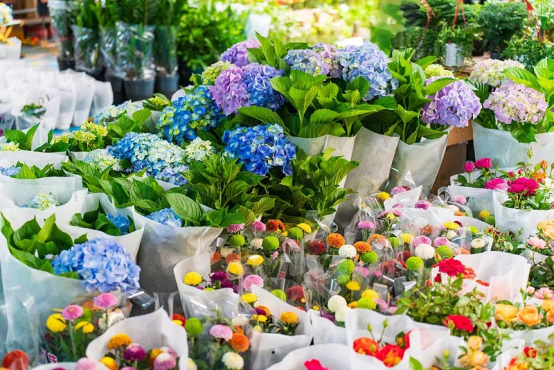
Цветочный рынок Доу Нань, крупнейший в Азии рынок торговли свежими цветами, является сердцем цветочной индустрии Куньмина, известным как «Город вечной весны» с цветущими цветами круглый год. Рынок имеет более чем 30-летнюю историю: он превратился из небольшого местного рынка в глобальный распределительный центр, где ежедневно продается более 10 000 сортов цветов и зеленых растений, а продукция экспортируется в более чем 50 стран и регионов. Помимо оживленных коммерческих операций, Доу Нань является культурным центром, отражающим цветочные традиции Юньнани. Местные жители издавна любят цветы, используя их на фестивалях, свадьбах и в повседневной жизни — например, искусство цветочных композиций народа Бай и костюмы на цветочную тематику народа И. На рынке регулярно проводятся фестивали цветочной культуры, конкурсы цветочных композиций и фольклорные представления. Для посетителей это не только место, где можно купить свежие цветы по доступным ценам, но и возможность погрузиться в яркую цветочную культуру Юньнани и ощутить страсть местных жителей к природе и красоте.