
 Английский
 Французский
 Испанский
 Русский
 Арабский
 Италия
Шангри-Ла, что на тибетском языке означает «солнце и луна в сердце», расположен в Тибетской автономной префектуре Дицин провинции Юньнань, на стыке Юньнани, Сычуани и Тибета. Он расположен в самом сердце объекта Всемирного природного наследия ЮНЕСКО, известного как «Три параллельные реки». При средней высоте 3300 метров и вдали от городского шума и суеты Шангри-Ла может похвастаться впечатляющими высокогорными пейзажами, включая заснеженные горы, озера, луга, каньоны и девственные леса, сохраняя при этом богатые и аутентичные тибетские народные обычаи и религиозную культуру. Многие действительно считают его «тайным раем на земле и райским плато». Ниже представлено всестороннее представление о Шангри-Ла с трех точек зрения: его основные достопримечательности, народная культура и самобытная кухня.
I. Основные достопримечательности: сосуществование чудес природы и исторической архитектуры
1. Национальный парк Пудакуо
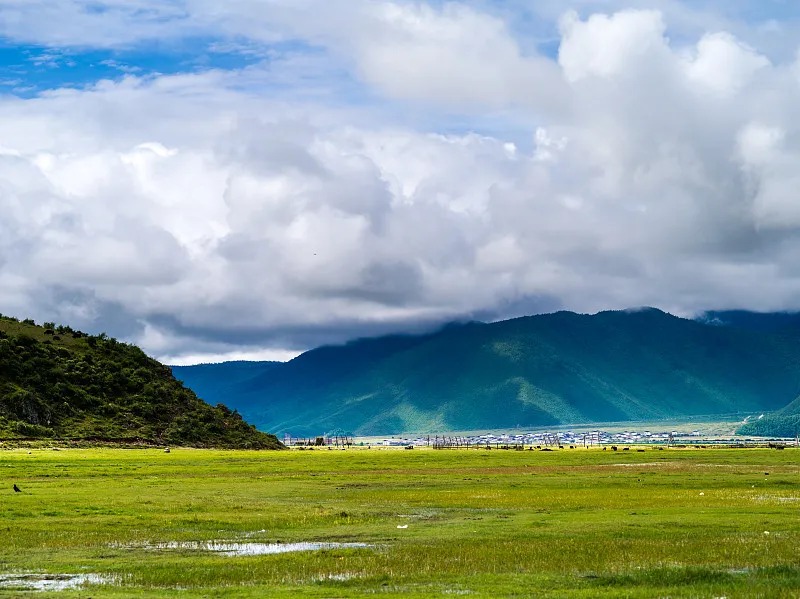
Первый национальный парк на материковой части Китая, а также экологическая визитная карточка Шангри-Ла, он полностью сохраняет первозданную экосистему плато. Живописная территория в основном состоит из трех основных регионов: озера Шуду, озера Битахай и субальпийского пастбища Милитанг. Кристально чистые альпийские озера отражают сплошные заснеженные горы и первозданные еловые леса; вода настолько прозрачна, что видно дно, а в лесах обитают птицы и животные, создавая исключительную экологическую среду. Весной и летом альпийские азалии, покрывающие склоны холмов у озера, цветут в ошеломляющем великолепии; осенью и зимой леса окрашиваются в яркие цвета, а снег покрывает горы, создавая безмятежную и неземную атмосферу, за что он заслужил репутацию «последней чистой земли на плато».
2. Храм Сунцзанлинь (Маленький дворец Потала)
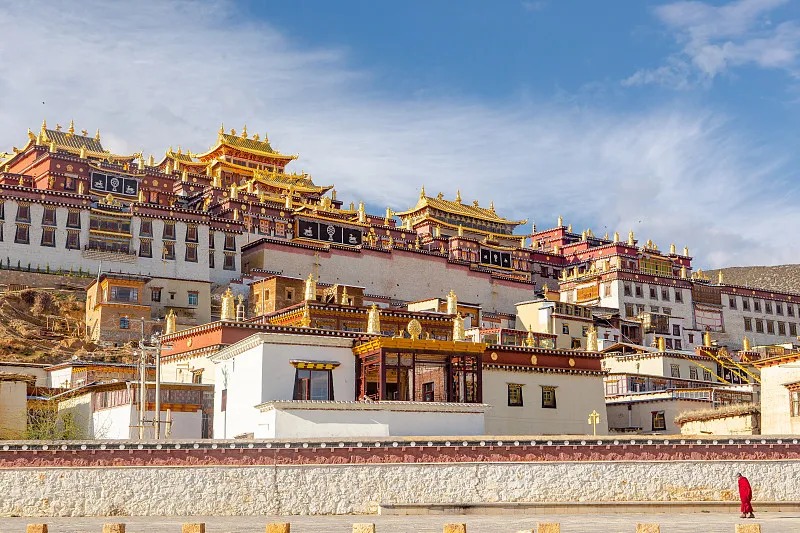
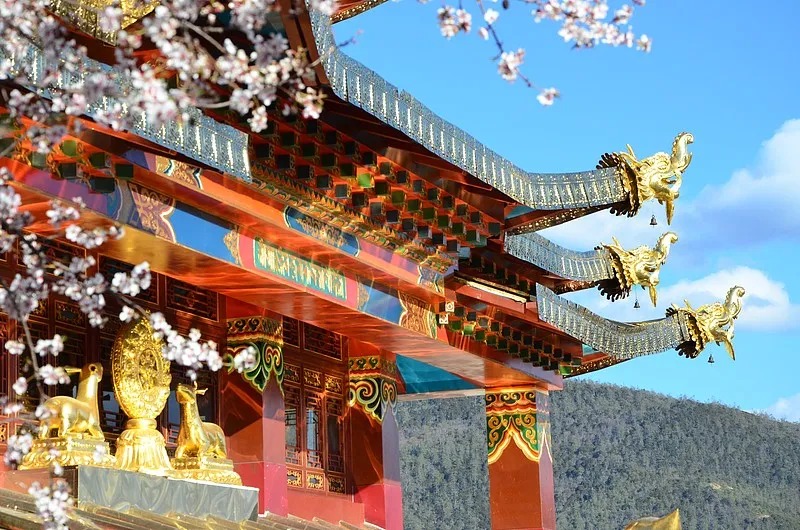
Этот храм, крупнейший буддийский монастырь гелугпа в провинции Юньнань и религиозный центр тибетской общины на северо-западе Юньнани, расположен среди гор и у воды. Его архитектурный комплекс представляет собой многослойные конструкции и величественные золотые крыши, представляя собой величественное и впечатляющее зрелище, напоминающее дворец Потала в Сизанге, за что он получил прозвище «Маленький дворец Потала». В монастыре хранятся тысячелетние тханки, изысканные фрески, древние статуи Будды и различные драгоценные религиозные артефакты, отражающие его глубокое религиозное наследие. Ежедневно можно увидеть преданных, обходящих Священные Писания и молящихся о благословениях. Традиционные церемонии, такие как Фестиваль Мерлангченпо в первый месяц тибетского календаря и Фестиваль фонарей в октябре, проходят с торжественным величием, ярко воплощая священную атмосферу тибетского буддизма.
3. Древний город Докзонг (Город лунного света)
Этот древний город, являющийся ключевым центром на 1300-летней Чайной дороге, является одним из наиболее хорошо сохранившихся жилых городов Китая в тибетском стиле. Его расположение соответствует мотиву восьмилепесткового лотоса из тибетского буддизма. Тропа из голубого камня, протоптанная за тысячелетия караванами, покрыта отпечатками копыт разной глубины, которые свидетельствуют о былом процветании торговли чаем и лошадьми. Центральной достопримечательностью города является массивное молитвенное колесо в парке Гуйшань высотой 21 метр. Это крупнейшее в мире молитвенное колесо из чистой меди, для вращения которого требуется более десяти человек, работающих вместе. Ночью лунный свет омывает древний город, а танцоры исполняют зажигательные танцы вокруг костра на площади, создавая очаровательную атмосферу.
4. Луга Напа Хай Йила
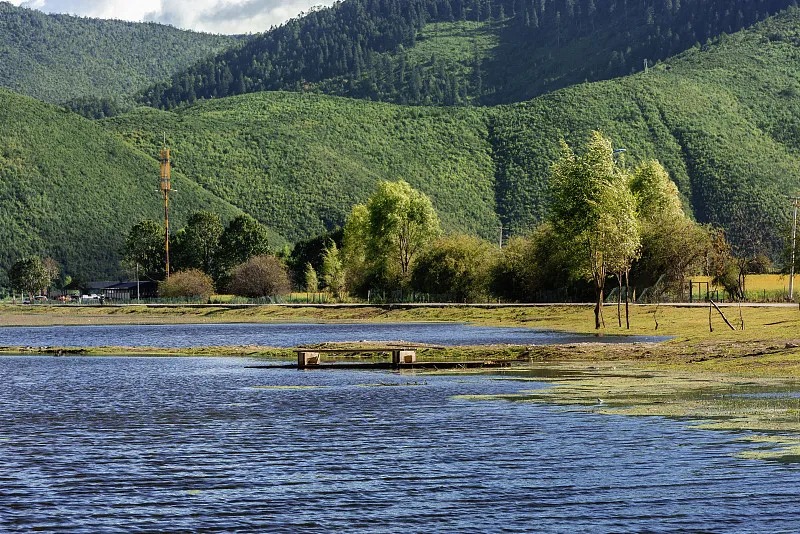
Знаменитые сезонные водно-болотные угодья плато Шангри-Ла служат жизненно важной средой обитания перелетных птиц на северо-западе Юньнани. Озеро Напа и луга Йила гармонично сосуществуют, а их пейзажи меняются в зависимости от сезона: во время обильных летних дождей озеро переливается обширными изумрудными водами, на поверхности которых отражаются заснеженные горы, плавно сливающиеся с небом; осенью и зимой, когда вода отступает, обширные луга становятся золотыми, изобилующими пышной растительностью. Ежегодно здесь останавливаются на зимовку редкие перелетные птицы, такие как черношейные журавли и горбатые гуси, а на лугах пасется крупный рогатый скот и овцы. Пейзаж предлагает целительное величие, позволяющее посетителям покататься на велосипеде вокруг озера или покататься на лошадях по лугам, погружаясь в красоту высокогорной дикой природы.
5. Снежная гора Мейли · Храм Фейлай
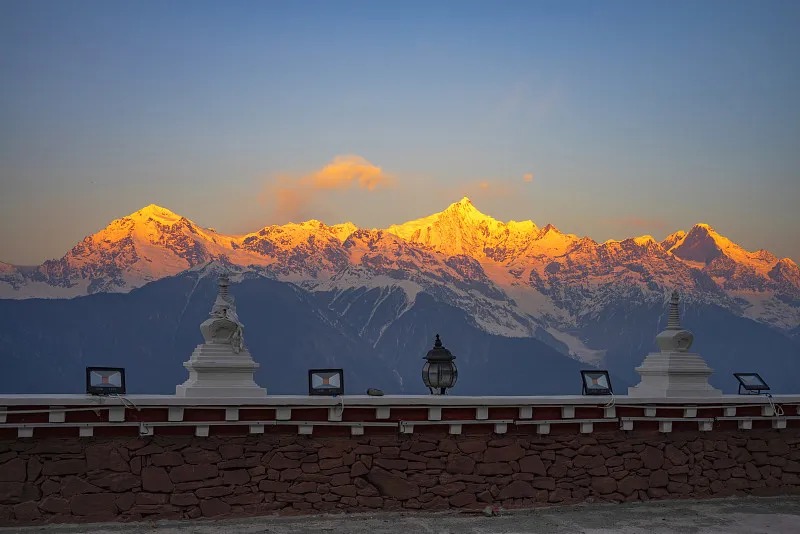
На вершине пика Кавагебо — самой высокой среди восьми священных гор Тибета и самой высокой вершины Юньнани — возвышается эта величественная заснеженная гора на высоте 6740 метров над уровнем моря, излучающая святость и величие своим вечным снежным покровом. Храм Фейлай служит главной точкой обзора, откуда открывается панорамный вид на Снежную гору Мейли и впечатляющий феномен «Залитые солнцем Золотые горы». На восходе солнца солнечный свет проникает сквозь облака, окрашивая снежные вершины в ослепительные золотисто-красные оттенки — захватывающее дух зрелище, которое очаровывает бесчисленное количество путешественников, ищущих Шангри-Ла. Ниже находится ледник Мингён и уединенная деревня Юбэн, где сходятся заснеженные вершины, ледники, каньоны и леса, что делает его популярным местом для пеших прогулок.
6. Ниша и отличительные достопримечательности
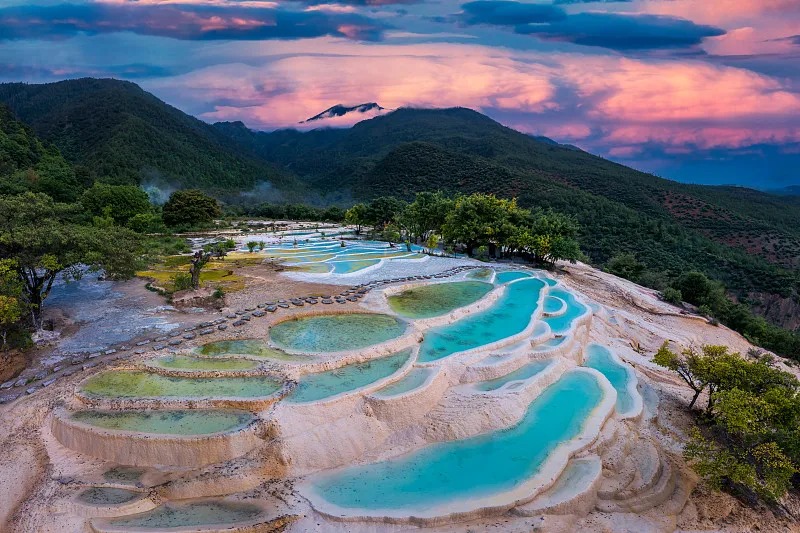
Байшуйтай, известный как «Китайский хлопковый форт», является редким примером рельефа из травертина из карбоната кальция в Китае. Слой за слоем молочно-белые террасные равнины расположены среди пышных зеленых гор, где мягко текут чистые и сверкающие источники, создавая сцену, напоминающую земной рай, окутанный неземной красотой, — природный рай для фотографии.
Бала Гезонг: известный как «Маленький Цзяннань Шангри-Ла», он расположен глубоко в горных долинах и отличается разнообразным ландшафтом, включающим заснеженные вершины, каньоны, девственные леса, ручьи и луга. Величественная снежная гора Гезонг возвышается среди безмятежных глубоких долин с нетронутой экосистемой и захватывающими дух пейзажами — это скрытая жемчужина, известная своей нетронутой природной красотой.
II. Народная культура: тысячелетнее наследие тибетских обычаев
1. Тибетская буддийская культура
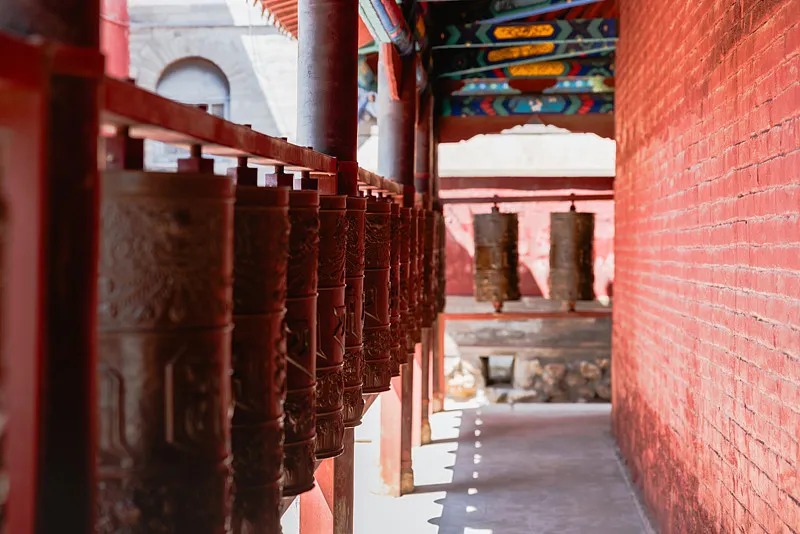
Религиозная культура составляет духовное ядро Шангри-Ла. Местные тибетцы сохраняют набожную веру и ежедневно проводят традиционные ритуалы, включая вращение молитвенного колеса, паломничество, сжигание благовоний, вывешивание молитвенных флагов и разбрасывание священных семян (лонгда). Нематериальное культурное наследие, такое как тысячелетняя живопись Тханка, мастерство изготовления тибетских благовоний и танец Кам, воплощает верования и эстетические чувства тибетского народа. Религиозные церемонии в различных монастырях проходят торжественно и достойно, сохраняя подлинную тибетскую буддийскую культурную систему в безмятежной и священной атмосфере.
2. Культура караванной торговли на древнем чайно-лошадином пути.
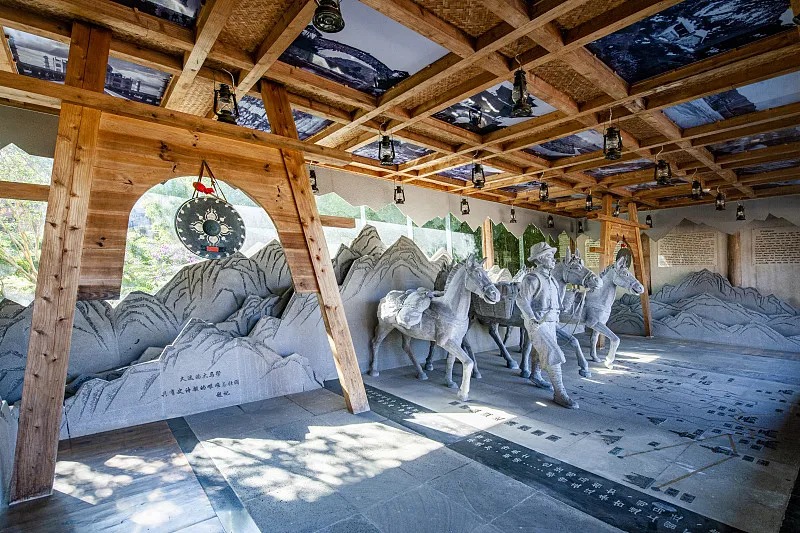
Древний город Друкгьял Дзонг, являющийся транспортным узлом на чайной лошадиной дороге Юньнань-Тибет, когда-то на протяжении более тысячелетия был крупным торговым центром, став свидетелем исторического обмена товарами и культурной интеграции между тибетцами и ханьскими китайцами. Здесь глубоко укоренилась древняя караванная культура; вековые магазины, склон Кожевников и исторический караванный путь в городе - все они свидетельствуют о путешествиях караванных торговцев, рассказывая о процветании и превратностях бывшей торговли чаем и лошадьми, и служат жизненным воплощением чайной и конной культуры Юго-Западного Китая.
3. Этнические группы и традиционные фестивали
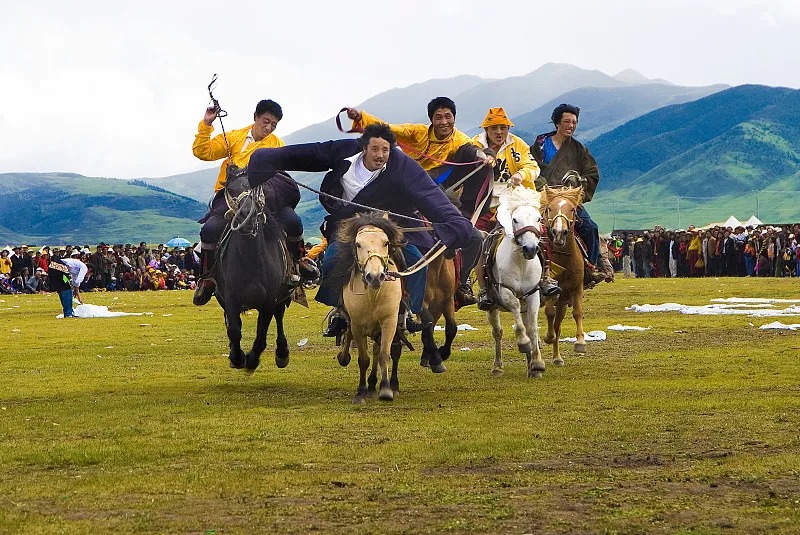
Шангри-Ла населен преимущественно тибетцами, население которых включает 25 этнических групп, включая народы наси, лису и бай. Этот регион представляет собой яркое сочетание разнообразных культур и уникальных народных традиций. На местном уровне сохранились многочисленные самобытные традиционные фестивали: тибетский Новый год, отмеченный ритуалами возжигания благовоний, церемониями поклонения божествам, чтением Священных Писаний и семейными встречами, считается самым грандиозным праздником года; Фестиваль лодок-драконов демонстрирует захватывающие скачки, соревнования по стрельбе из лука и конные представления на лугах; в то время как на Фестивале горного паломничества общины спонтанно отдают дань уважения священным горам и озерам в поисках благословений и мира — традиция, охватывающая тысячелетия.
Более того, танец Гочжуан — это традиционный народный танец, которым наслаждаются люди по всему региону. Каждый вечер на площади Лунного света в древнем городе Дуццзун проводится бесплатное танцевальное мероприятие Гочжуан на тему костра, где посетители из разных этнических групп присоединяются к местным тибетцам в танце рука об руку, создавая яркую и теплую атмосферу.
4. Традиционные методы нематериального культурного наследия
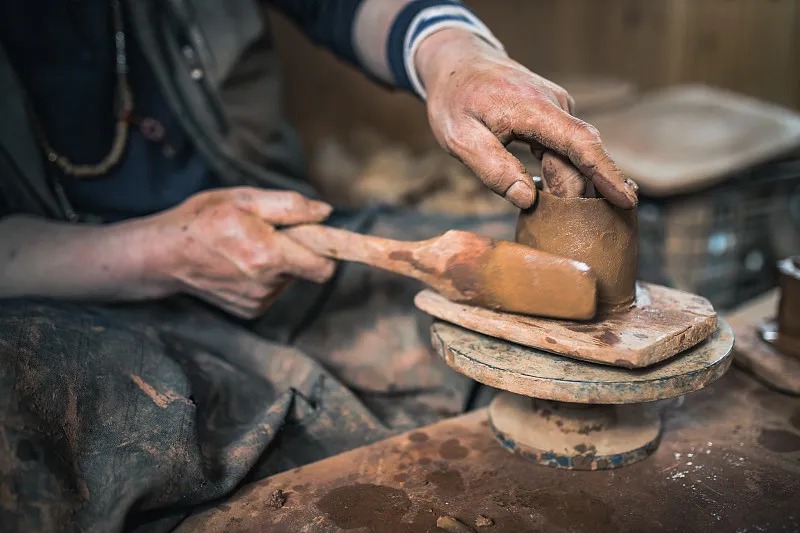
Черная керамика Никси: тысячелетнее нематериальное культурное наследие керамики ручной работы, происходящее из городка Ники в Шангри-Ла. Каждое изделие тщательно отливается вручную и обжигается на дровах, в результате чего получаются черные керамические горшки, чайные сервизы и сосуды, излучающие деревенский шарм, долговечность и прочность — настоящие отличительные изделия ручной работы региона плато. Посетители могут своими глазами увидеть весь процесс изготовления керамики.
Тибетское ткачество. Эти одеяла, изготовленные вручную из чистой шерсти плато, украшены традиционными тибетскими узорами ярких цветов и богатой текстурой. Сочетая в себе практичность и художественную ценность, они являются классическим примером тибетского культурного мастерства.
III. Фирменная кухня: аутентичные вкусы плато
Кухня Шангри-Ла основана на нетронутых ингредиентах плато, подчеркивая естественную свежесть, ароматные вкусы и питательные качества. Он отличается ярко выраженным тибетским кулинарным стилем с уникальными высокогорными характеристиками.
1. Фирменное блюдо
Курица в глиняном горшке Nixi: признанный на национальном уровне деликатес нематериального культурного наследия и фирменное блюдо Шангри-Ла, которое обязательно нужно попробовать. В этом блюде используются цыплята, выращенные на свободном выгуле, в сочетании с высокогорными ингредиентами, такими как грибы мацутакэ и цветы кордицепса, которые варятся на медленном огне в черных керамических горшках Ники. Бульон насыщенный и ароматный, а мясо нежное, но не жесткое, обладающее питательными свойствами, согревающими желудок — типичное кулинарное наслаждение региона плато.
Кухня яка из говядины: як, выращенный на свободном выгуле на плато, дает мясо твердое, но нежное, с естественным молочным ароматом и без привкуса рыбы или дичи. Классические блюда включают ручные блюда из говядины яка и горячую кастрюлю с говядиной яка. Прозрачное тушение прекрасно сохраняет первоначальный вкус в сочетании с традиционными тибетскими соусами для макания, обеспечивая освежающий и приятный вкус, который также помогает бороться с холодом высокогорных регионов.
Хайленд Мацутакэ: сезонный деликатес, доступный с июля по сентябрь каждого года. Его называют «королем грибов» и показывают в шоу «Укус Китая». Свежий мацутаке можно приготовить в виде сашими, зажарить на углях, обжарить или потушить в супе, он имеет нежную текстуру и насыщенный грибной аромат, что делает его незабываемым сокровищем плато.
2. Классические основные блюда тибетской кухни
Жапба: основной продукт питания тибетцев, приготовленный путем обжаривания высокогорного ячменя и измельчения его в мелкий порошок, который затем смешивается с чаем с маслом и скатывается в шарик. Он имеет насыщенную ароматную текстуру с натуральным ароматом ячменя, может быть приправлен белым сахаром и имеет характерный вкусовой профиль.
Пирог Цинке: приготовленный из обжаренной муки из высокогорного ячменя, он имеет хрустящий внешний вид и нежную внутреннюю часть с тонким оттенком мягкой кислинки ячменя и богатым ароматом, обеспечивающим превосходное сытость. Его вкус еще больше усиливается, если его подавать с чаем с маслом и сушеным мясом яка.
Булочки из остатков молока/пирожные из остатков молока: эти закуски, приготовленные из остатков молока, извлеченных из молока яка, в качестве начинки, имеют освежающий кисло-сладкий вкус. Являясь отличительным деликатесом тибетской кухни, они имеют мягкую и липкую текстуру, подходящую для людей всех возрастов, и их часто можно найти в киосках для завтрака в древних городах.
3. Фирменный напиток «Плато»
Чай с маслом: фирменный напиток тибетских регионов, приготовленный путем кипячения масла, кирпичного чая и соли. Он обладает насыщенным пикантным ароматом, быстро согревает желудок, облегчает симптомы высотной болезни и обеспечивает защиту от сухого высокогорного климата. Этот необычный напиток специально создан для высокогорных условий. Также доступен сладкий вариант, отвечающий предпочтениям туристов.
Ликер Цинке: ферментированный из высокогорного ячменя, он имеет низкое содержание алкоголя, имеет кисло-сладкий освежающий вкус и мягкое послевкусие. Это отличный выбор для тибетского гостеприимства, демонстрирующий характерные особенности плато.
Йогурт из яка: натуральный ферментированный из чистого молока яка, он образует на поверхности насыщенную сливочную корочку с густой текстурой и настоящим кисло-сладким вкусом. Не содержащий добавок, его вкус еще больше усиливается при посыпании белым сахаром, что делает его характерным десертом региона плато.
IV. Советы путешественникам
1. Оптимальное время путешествия: с мая по июнь цветут альпийские азалии при мягком и влажном климате; с сентября по октябрь осенние пейзажи захватывают дух, что совпадает с сезоном сбора грибов мацутакэ, предлагая лучшие виды и впечатления.
2. Адаптация к высоте: Шангри-Ла расположен на большой высоте; по прибытии посетители должны замедлить темп своей деятельности, избегать напряженных физических упражнений, пить достаточное количество воды и поддерживать достаточное тепло. Чай с маслом может эффективно облегчить симптомы горной болезни.
3. Советы по одежде: на больших высотах разница температур днем и ночью значительна, а ультрафиолетовое излучение является интенсивным. Отправляясь в путешествие, подготовьте водонепроницаемую куртку, легкую верхнюю одежду и солнцезащитные средства, чтобы обеспечить достаточную защиту от солнца и тепла.