
 English
 French
 Spanish
 Russian
 Arabic
 Italy
Italy
City Profile: Xi 'an, historically known as Chang' an, is the capital of Shaanxi Province and the ancient capital of thirteen dynasties. With a city-building history spanning over 3,100 years and a capital status extending for more than 1,100 years, it stands as the cradle of Chinese civilization and the starting point of the ancient Silk Road, often described as "half of China's history embodied in one city." Located in the heart of the Guanzhong Plain, it is surrounded by mountains and rivers, boasts a rich cultural heritage, and combines the profound legacy of a millennium-old capital with the vibrant energy of a modern metropolis. As the core hub for cultural tourism in Shaanxi, it features extensive transportation networks that connect scenic areas throughout the province, making it a world-class cultural tourism destination that integrates historical education tours, ancient capital exploration, intangible cultural heritage experiences, and authentic local cuisine.

I. Core Tourist Attractions
Xi'an boasts unparalleled cultural and tourism resources, combining world-class heritage sites, iconic landmarks from the Tang Dynasty, millennia-old architecture, and hidden urban gems—a perfect blend of past and present where every corner tells a story.
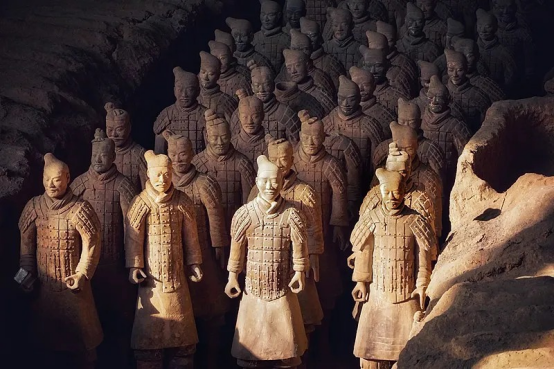
1. The Terracotta Army Museum of Emperor Qin Shi Huang: recognized as the eighth wonder of the world and a UNESCO World Heritage Site, it stands as Xi 'an's most iconic landmark. Over a thousand terracotta figures, each with distinct expressions and meticulously arranged formations, vividly recreate the majestic scale of the Qin dynasty army—a sight of overwhelming grandeur that leaves visitors awestruck. It is an essential destination for exploring Qin-Han civilization and tracing the origins of China's unified history.
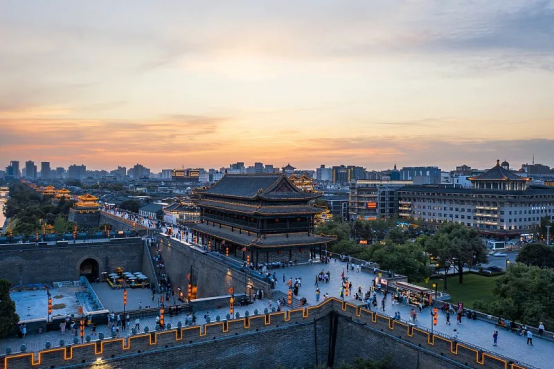
2. The Xi 'an Ming City Wall: The largest and best-preserved ancient city wall in China, it was reconstructed based on the ruins of the imperial city of Tang Dynasty's Chang 'an. With its simple yet elegant blue bricks and well-defined contours, it offers perfect opportunities for walking tours or cycling around the perimeter, providing panoramic views of the old city's streets and urban landscapes. At dusk, the setting sun casts a serene glow over the wall, creating an exceptionally relaxing atmosphere—making it an ideal spot to appreciate the essence of this historic capital.
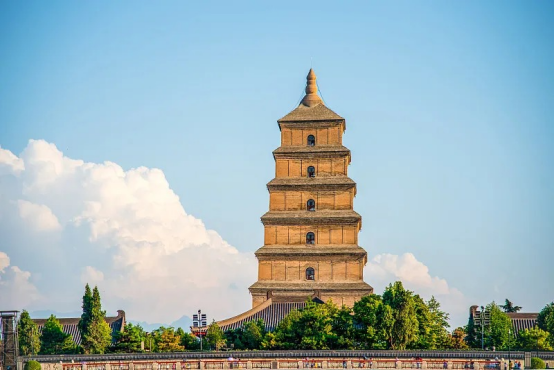
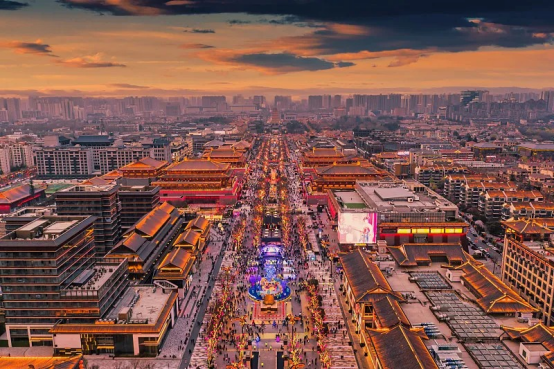
3. The Great Wild Goose Pagoda & Tang Dynasty Night City: A flagship cultural landmark of the High Tang era. Constructed under the direction of the eminent monk Xuanzang, this millennium-old pagoda stands with its red walls and ancient architecture exuding a profound Zen ambiance, serving as a testament to the splendor of the Tang Dynasty. Adjacent to it, the Tang Dynasty Night City centers on High Tang culture, featuring dazzling nighttime scenery and continuous lighting displays. Tang-style sculptures and traditional performances vividly recreate the grandeur of Chang 'an, allowing visitors to admire ancient architecture by day and enjoy the city's lights at night—a perfect blend of past and present.
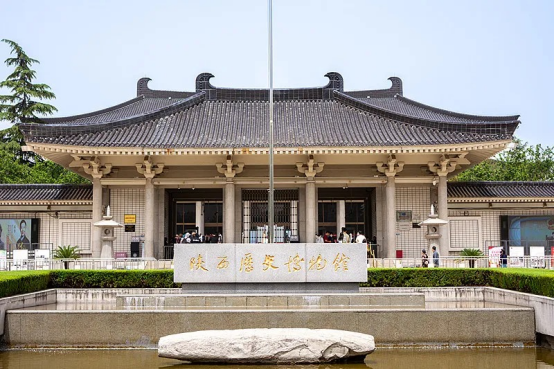
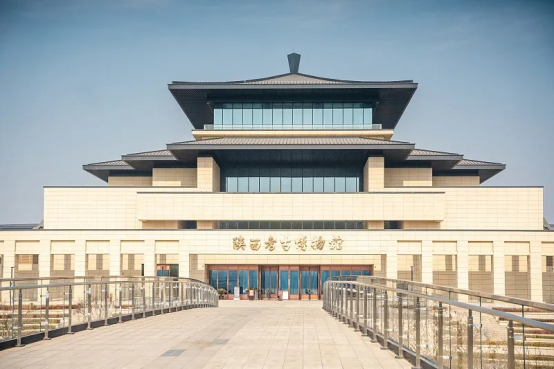
4. Shaanxi History Museum: A national top-tier museum renowned as the "Hall of Chinese Civilization." It houses over one million cultural relics, featuring an extensive collection of treasures from the Zhou, Qin, Han, and Tang dynasties that comprehensively trace China's millennia-long historical trajectory, making it a premier venue for historical research and in-depth exploration of Chang' an's cultural heritage.
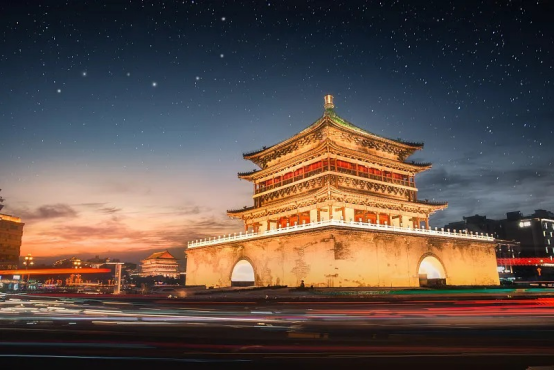
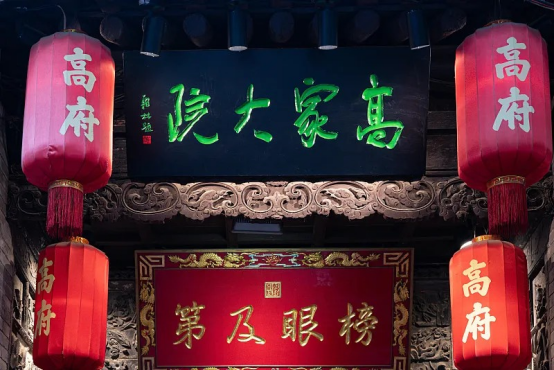
5. The Zhonggulou & Hui Min Street Historical District: A landmark in central Xi 'an, where the Bell Tower and Drum Tower stand facing each other with their grand ancient architecture and exquisite design, serving as a symbol of the old city's cultural heritage. The area encompasses historic streets such as Beiyuanmen, Xiyangshi, and Sajinqiao, making it both a hub of folk culture and the most vibrant region reflecting the authentic atmosphere of Guanzhong.
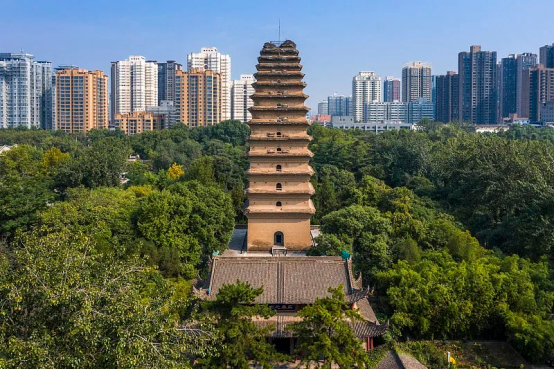
6. Xiaoyan Pagoda & Xi'an Museum: More serene and less crowded than the famous Great Wild Goose Pagoda, this site preserves the remains of the Tang Dynasty Jianfu Temple. The pagoda boasts a simple yet elegant design, surrounded by towering ancient trees and a tranquil atmosphere with few visitors, making it ideal for leisurely exploration and an immersive experience of Tang Dynasty architectural aesthetics—a hidden gem for those seeking a peaceful cultural getaway away from crowds.
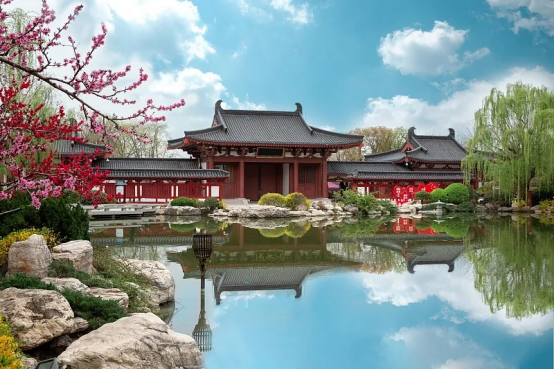
7. Huaqing Pool & Lishan Mountain: Nestled against Lishan Mountain and adjacent to the Wei River, this site has served since ancient times as an imperial hot spring palace. It blends natural landscapes with tales of romance from the Tang Dynasty and rich historical heritage, offering breathtaking scenery and profound cultural significance—ideal for hiking to admire the views or exploring the ruins of the ancient palace.

II. Regional Cultural Characteristics
As a millennium-old imperial capital, Xi'an boasts an unbroken cultural heritage and serves as the central hub for Chinese ritual music, Tang Dynasty culture, and Silk Road culture, renowned for its rich intangible cultural heritage and vibrant folk traditions.
The Culture of the High Tang Dynasty: As the capital during this golden era, Chang 'an preserves intact ritual systems, architectural heritage, and poetic traditions. Sites such as the Tang Paradise and the ruins of Daming Palace vividly recreate the imperial court's splendor and the vibrant daily life of the time, making it China's premier destination for experiencing authentic High Tang culture.
Intangible Cultural Heritage and Folk Culture: It boasts numerous national-level intangible cultural heritages, including Xi 'an Drum Music, Qin Opera, Northern Shaanxi Paper Cutting, Guanzhong Shadow Play, clay sculpture, and Shehuo performances. Qin Opera is characterized by its soaring, melancholic tones that embody the distinctive spirit of Northwest China; Xi' an Drum Music has been passed down for millennia and serves as a living fossil of ancient imperial court music; various folk arts are vibrant and vivid, fully preserving the traditional cultural essence of the Guanzhong region.
Cultural Heritage: Thirteen dynasties—from the Zhou, Qin, Han to Tang—made this city their capital, giving birth to a brilliant political, economic, and cultural civilization. As the starting point of the Silk Road, it has witnessed millennia of cultural exchange between China and the world. Historical figures, poetic allusions, and dynastic transitions have all taken root here, embodying the entire splendor of Chinese civilization over thousands of years.
III. Unique and Traditional Local Cuisine
Xi 'an cuisine epitomizes the quintessential Guanzhong flavor, featuring staple foods like noodles, braised dishes, and soups with a rich, authentic taste that blends everyday street snacks with elaborate festive feasts, making it the cornerstone of Northwest China's culinary heritage.
Meijiaomo: A iconic Xi'an delicacy featuring carefully selected braised meat that is tender and well-cooked, nestled within a crispy white jimo bun. Its crust is golden and aromatic while the interior remains soft and succulent, offering rich meat flavor without being greasy—hence its reputation as the "Chinese hamburger."
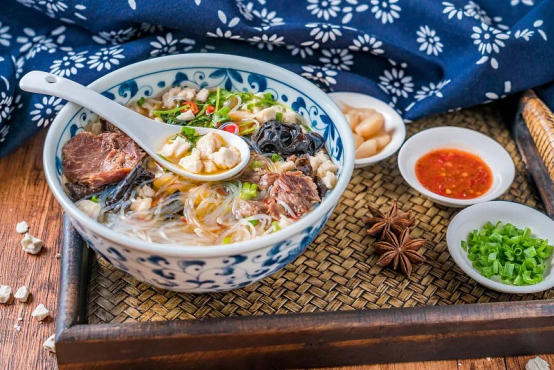
Mutton Steamed Buns: A classic intangible cultural heritage dish from Guanzhong region, these buns are soaked in rich lamb broth and served with tender mutton and sugar-glazed garlic. The broth is flavorful and intensely aromatic, while the buns are soft, chewy, and thoroughly seasoned—making it Xi 'an's most iconic signature dish.
signature dishes: Meatball spicy soup – fresh, aromatic, and chewy, a must-try breakfast in old Xi'an; Liangpi (cold noodles) – sour, spicy, smooth, and firm in texture; Zenggao (steamed cake) – soft, glutinous, sweet, and richly flavored with jujube aroma; Youpo noodles and biangbiang noodles – broad, chewy, and fragrant with hot oil, embodying the essence of Guanzhong noodle cuisine.
A collection of local specialties features a wide variety of distinctive snacks—including saozi noodles, buckwheat noodles, braised cold vermicelli, and persimmon cakes—each with distinct flavors. These dishes embody the authentic charm of Chang 'an, blending popular appeal with regional characteristics found throughout the city's streets.
IV. Summary of Urban Cultural and Tourism Characteristics
Xi 'an is a city where ancient and modern elements blend seamlessly over millennia. It boasts the timeless grandeur of the Terracotta Army and ancient city walls, as well as the dazzling splendor of the Tang Dynasty Night City; it houses cultural treasures spanning thousands of years alongside the vibrant atmosphere of its streets and alleys. Here, history remains fresh while contemporary charm avoids ostentation—visitors can immerse themselves in the cultural heritage of China and appreciate the splendor of the Tang Dynasty, or stroll through historic neighborhoods to savor authentic Guanzhong cuisine. As the core cultural tourism hub of Shaanxi Province, Xi' an offers both independent in-depth exploration and opportunities to connect with neighboring cities like Weinan and Baoji to create personalized itineraries, making it a premier ancient capital destination combining visual appeal, cultural richness, and experiential value.