
 English
 French
 Spanish
 Russian
 Arabic
 Italy
Italy
Weihai
Located at the eastern end of the Shandong Peninsula, Weihai is surrounded by the sea on three sides and embraced by mountains. It is China's first National Sanitary City, a National Forest City, and a place certified by the United Nations as "the most livable place for humans". Here, there is not only the pure romance of blue sea and sky, but also the profound history of the Sino-Japanese War of 1894-1895, as well as the integration of fishing village fireworks and Korean customs. It is a coastal secret land where "mountains are in the sea and the city is among the mountains".
I. Must-Visit Attractions: Mountains and Sea Reflecting Each Other, Scenery at Every Step
1. Liugong Island (5A Scenic Area, Epic of the Sino-Japanese War)
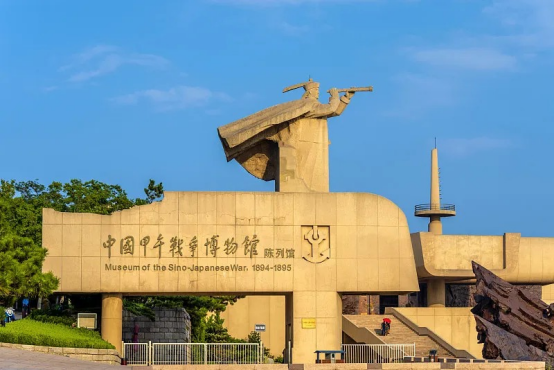
Weihai's spiritual landmark, located in Weihai Bay, reachable by boat in 15 minutes. It is the cradle of the Beiyang Navy and the ancient battlefield of the Sino-Japanese War of 1894-1895, with the China Sino-Japanese War Museum, the ruins of the Dingyuan Warship, and red-brick houses from the British lease period, known as "an open textbook of modern history". You can feed seagulls when taking the boat, and encounter the sea sunset when leaving the island in the evening.
2. Chengshantou ("The End of the Sky", Easternmost Tip of the Chinese Mainland)
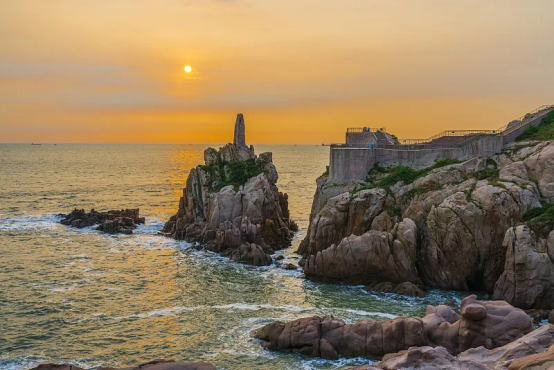
The easternmost end of China's mainland coastline and the first place in China to see the sea sunrise, historically known as "Chaowu". Emperors Qin Shi Huang and Han Wudi once made eastern tours to worship the sun here, leaving behind the Qinqiao Ruins and the First Emperor's Temple; the steep cliffs and the boundless sea are extremely magnificent. You can check in at the "End of the Sky" stone tablet and watch the first ray of sunshine jump out of the sea.
3. Huoju Eighth Street (Japanese-Style Romance, Internet-Famous Check-in Spot)
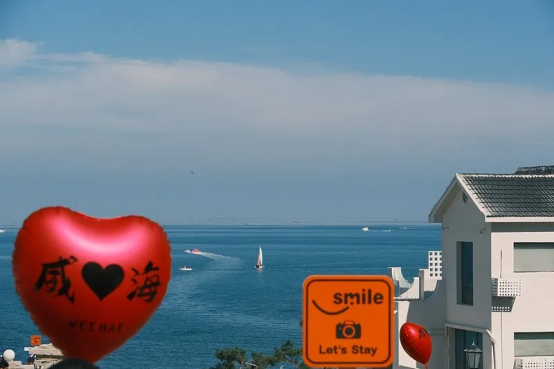
Weihai's "Little Kamakura", a street with a slope leading directly to the sea. Colorful Japanese-style buildings are scattered on both sides, and the end is the blue coastline. Visiting before 7 a.m. can help you avoid crowds and take clean Japanese-style photos; walking in the evening, the sea breeze is gentle, full of a sense of atmosphere.
4. Coastal Road (Gallery of Mountains and Sea, Paradise for Self-Driving/Riding)
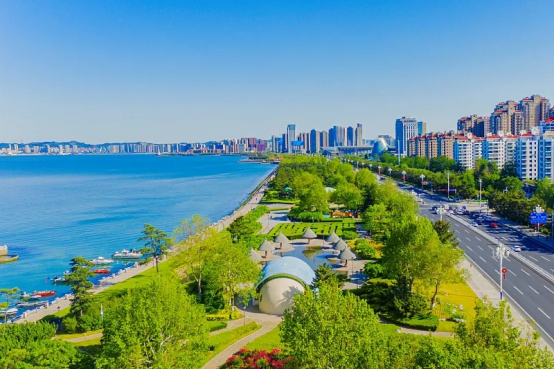
The essence of Weihai's scenery, from Half Moon Bay to International Beach, it is surrounded by mountains and sea, with cliffs and blue sea all the way, connecting scenic spots such as Maotou Mountain (the second viewing platform is the most classic), Putao Beach and Jin Beach. Traveling by self-driving, cycling or chartered car, every random shot is a wallpaper-level picture.
5. Naxianghai (Diamond Beach, Forest Bay)
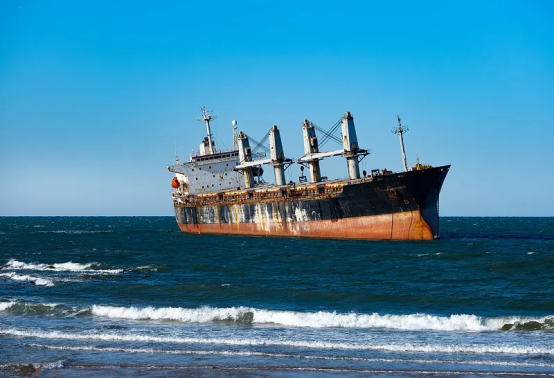
A popular resort in Rongcheng, with Diamond Beach, Windmill Coast and Forest Hot Spring. The sand is fine and the sea water is clear, making it a natural coastal beach. White windmills on the beach rotate with the wind, matched with the blue sea and green forest, as if in a fairy-tale world, suitable for taking photos, camping and parent-child activities.
6. Seaweed Houses (Jiaodong Folk Custom, Ecological Dwelling)
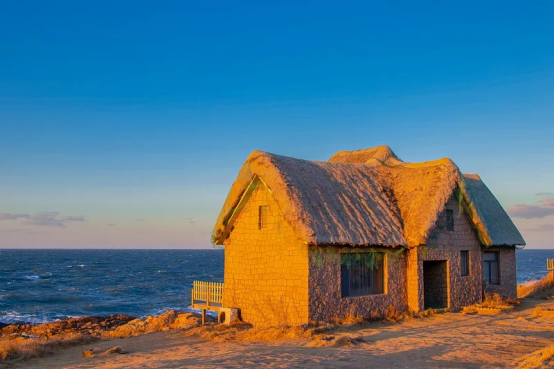
A characteristic traditional dwelling in Weihai, with stone walls and seaweed roofs. It is warm in winter and cool in summer, and can last for a hundred years without decaying, making it one of the world's representative ecological dwellings. Dongchu Island and Yandunjiao Village are well-preserved, and the simple seaweed houses set off against the blue sea and sky, showing the unique customs of fishing villages.
7. Hanyuefang (Korean-Style Customs, Night Market with Fireworks)
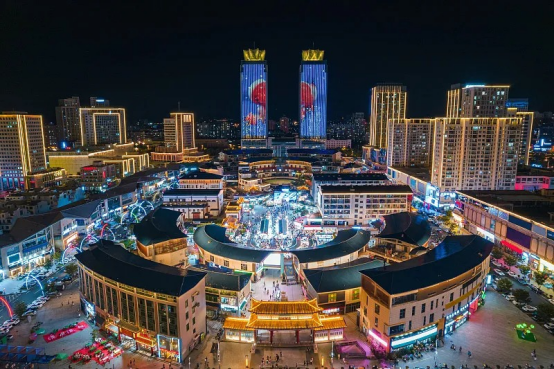
China's largest Korean-style themed block, full of Korean signs and Korean-style buildings, gathering authentic Korean food, cosmetics and clothing. At night, the lights are bright, and the night market snacks are various. You can taste Korean barbecue, army hot pot and spicy fried rice cakes, and experience "visiting South Korea without going abroad".
II. Characteristic Culture: Marine Charm and Ancient Rhythm, Inheritance of Intangible Cultural Heritage
1. Sino-Japanese War Red Culture
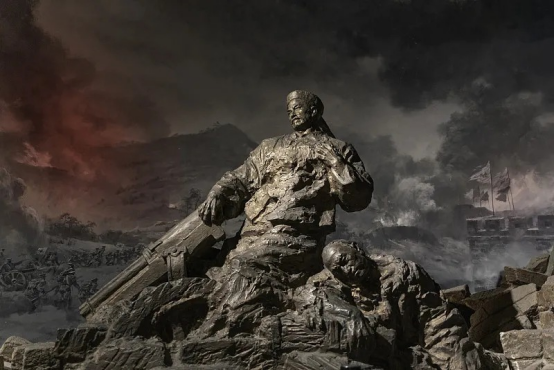
Weihai was the main battlefield of the Sino-Japanese War of 1894-1895. Liugong Island, Beiyang Naval Academy, World War I Chinese Laborers Memorial Hall, etc., form a "coastal patriotic education demonstration belt" of "defense - national humiliation - resistance - rejuvenation", with profound red heritage.
2. Fishing Village Folk Culture
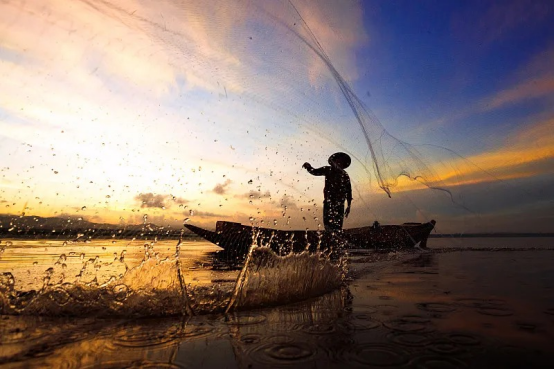
- Seaweed House Construction Craft: A national intangible cultural heritage, the crystallization of the wisdom of Jiaodong fishermen adapting to the marine environment, and was included in the UNESCO Intangible Cultural Heritage List in 2024.
- Fishermen's Work Songs/Fishermen's Gongs and Drums: A provincial intangible cultural heritage, labor ballads sung when going out to sea and fishing, with a sonorous rhythm and majestic momentum, showing the perseverance and boldness of fishermen.
- Jiaodong Flower Steamed Buns: A thousand-year-old dough sculpture art, made of flour as raw material and fruits and vegetables as color, hand-kneaded into patterns of flowers, birds, fish, insects and auspicious symbols. It is a must for festivals and is "edible works of art".
3. Korean Integration Culture
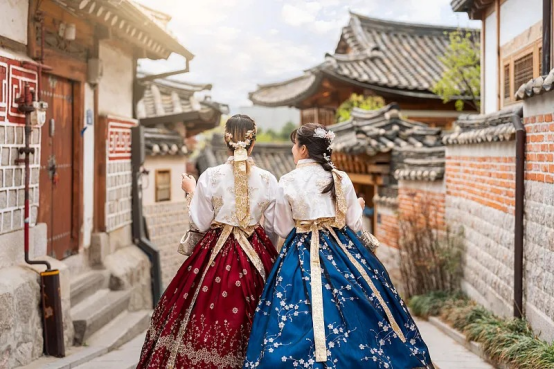
Weihai is across the sea from South Korea, with a strong Korean wave culture. Hanyuefang and Korean Commodity Trading Centers are everywhere, and Korean food, cosmetics and clothing can be seen everywhere. The "China-South Korea Cultural Festival" is held every year, where the cultures of the two countries collide and integrate.
4. Intangible Cultural Heritage Craftsmanship
- Weihai Tin Inlaid Tea Sets: With a history of a hundred years, it takes purple sand as the blank, and tin sheets are carved and inlaid with patterns such as "Eight Immortals Crossing the Sea", which is elegant and magnificent, and is a national intangible cultural heritage.
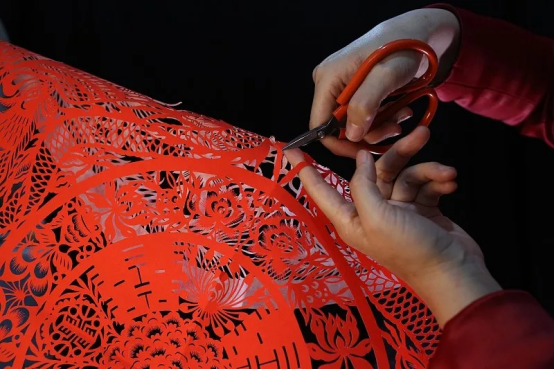
- Weihai Paper-Cutting: "Marine Paper-Cutting", with themes mostly of marine organisms and fishing village life, simple yet smart and plain and fresh. Rushan is the "Hometown of Paper-Cutting Art in China".
III. Local Cuisine: Fresh Seafood, Integration of Fireworks
1. Signature Seafood (Extremely Fresh)
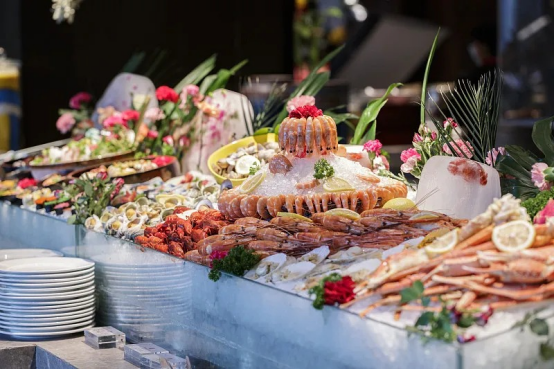
- Mackerel Dumplings: Weihai's "golden business card of food", a provincial intangible cultural heritage. Fresh mackerel is minced, mixed with chives for filling, with thin skin and large filling, full of soup, fresh but not fishy, and the soup bursts in one bite.
- Rushan Oysters: A national geographical indication product, with tender meat, fresh and not fishy, best steamed or grilled with garlic. "Eating oysters in winter is better than being a fairy."
- Sea Intestine Rice: A top delicacy in Jiaodong, with crispy sea intestines and rich sauce, covered with glutinous rice, so fresh that you can lick the plate, "a must-eat when coming to Weihai".
- Fish Pot with Pancakes: A classic of fishing villages, fresh fish stewed in an iron pot, with corn pancakes pasted on the edge of the pot. The pancakes absorb the fish soup, crispy and tasty, full of fireworks.
2. Characteristic Snacks (Market Fireworks)
- Rushan Fried Skewers: Weihai's version of "fried skewers". The ingredients are fried and brushed with secret sesame paste/sweet sauce, crispy on the outside and tender on the inside, with unique flavor, a must-try on the street.
- Shengjia Huoshao (Sheng Family Baked Cake): A Rongcheng intangible cultural heritage, baked with wheat straw, crispy on the outside and soft on the inside, salty and delicious, inheriting a 600-year-old taste.
- Weihai Clear Soup: The finale dish of banquets, fish balls made of flounder cooked in high soup, with clear soup and tender fish balls, fresh but not greasy.
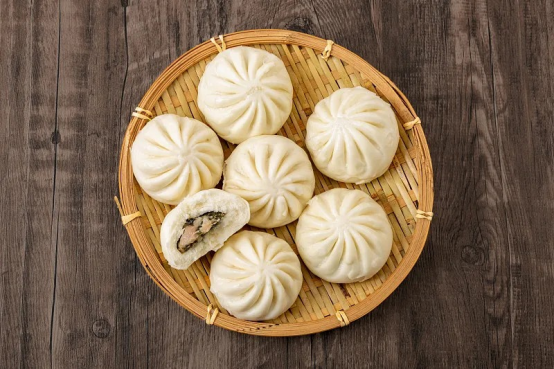
- Seaweed Steamed Buns: A daily breakfast, seaweed mixed with pork and shrimp, thin skin and large filling, full of fresh flavor.
3. Korean Food (Authentic Korean Flavor)
- Korean Barbecue: Tender meat and authentic sauce, served with lettuce and perilla leaves, fragrant but not greasy.
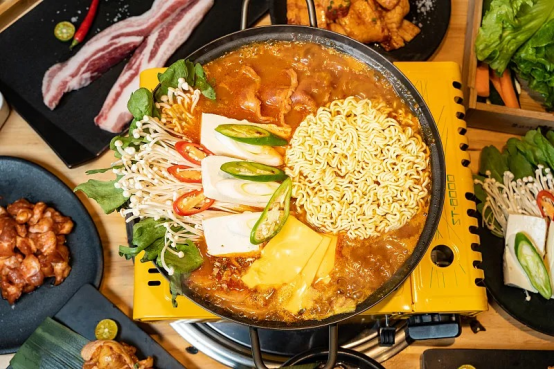
- Army Hot Pot: Rich ingredients and strong soup, spicy with a hint of sweetness, warm and comforting.
- Korean Jajangmyeon: Chewy noodles and mellow sauce, served with yellow radish to relieve greasiness, a must-eat in Hanyuefang.
IV. Best Travel Time
- Summer (June-August): A summer resort with warm sea water, suitable for swimming in the sea, beach camping and cycling along the coastal road.
- Autumn (September-November): Clear sky and fresh air, rich and delicious seafood, it is the best time to eat seafood and enjoy autumn scenery; you can go to Yandunjiao to see whooper swans after November.
- Winter (December-February): Watch Siberian whooper swans in Yandunjiao and Swan Lake, where white snow and white swans set off each other, like a fairy tale.
- Spring (March-May): Blooming flowers and gentle sea breeze, suitable for spring outings, cycling and visiting ancient cities.
V. Tips
- Transportation: Weihai Airport has direct flights to many cities in China; high-speed rail is convenient, taking about 2 hours from Jinan and Qingdao; urban buses cover major scenic spots, and self-driving or cycling is recommended for the coastal road.
- Clothing: The wind is strong by the sea, so pay attention to sun protection in summer, prepare a thin coat in spring and autumn, and keep warm and windproof in winter.