Inglés
 Francés
 Español
 Ruso
Ruso Árabe
Árabe Italia
1.Sanfang Qixiang (Tres carriles y siete callejones)
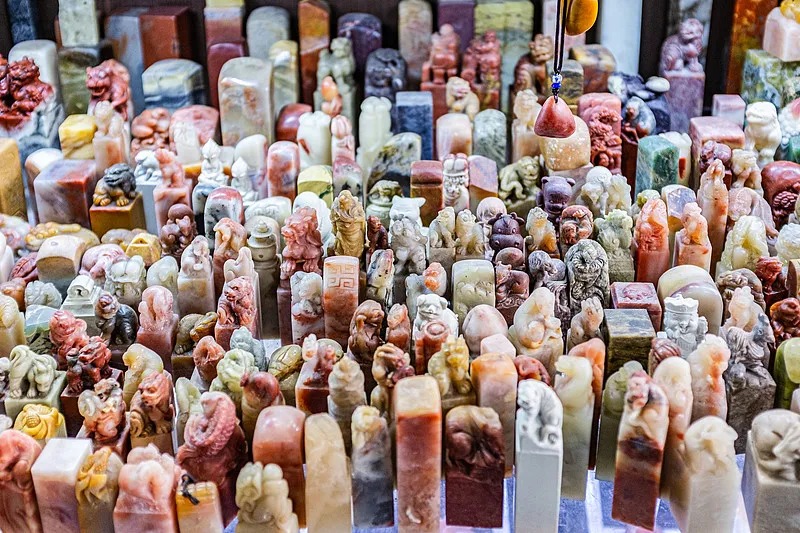
Un barrio antiguo bien conservado con una historia que abarca más de 1.700 años, conocido como un "fósil viviente del sistema de carriles de China". Era una zona residencial para la nobleza y las élites de Fuzhou durante las dinastías Ming y Qing, con casas tradicionales con patio de madera con techos de tejas grises y delicadas tallas de madera. Muchas figuras históricas, incluido el ministro patriótico Lin Zexu, vivieron aquí. Hoy en día, las calles están llenas de tiendas tradicionales que venden bocadillos de Fuzhou, como bolas de pescado y pasteles de arroz glutinoso, y lugares culturales que exhiben artesanía de estilo Min, como tallas de piedra de Shoushan y artículos de laca de Fuzhou. Integra perfectamente el patrimonio histórico, las costumbres populares y el turismo moderno.
2.Distrito histórico y cultural de Shangxiahang
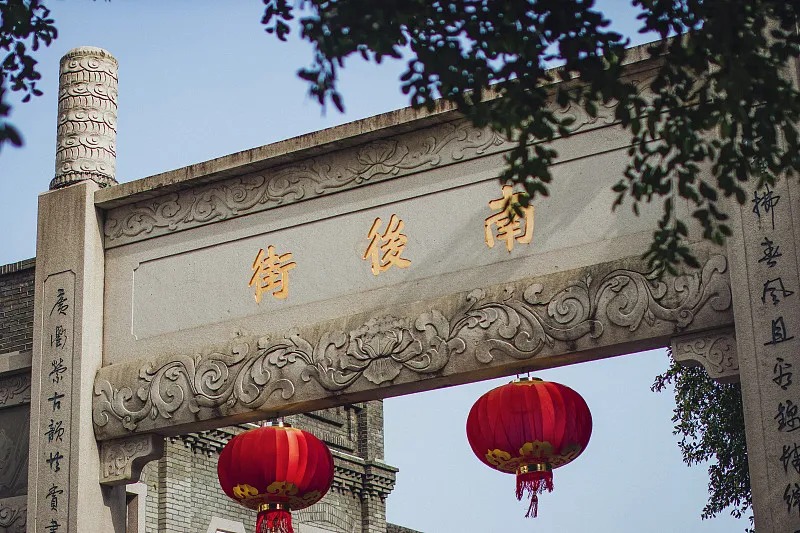
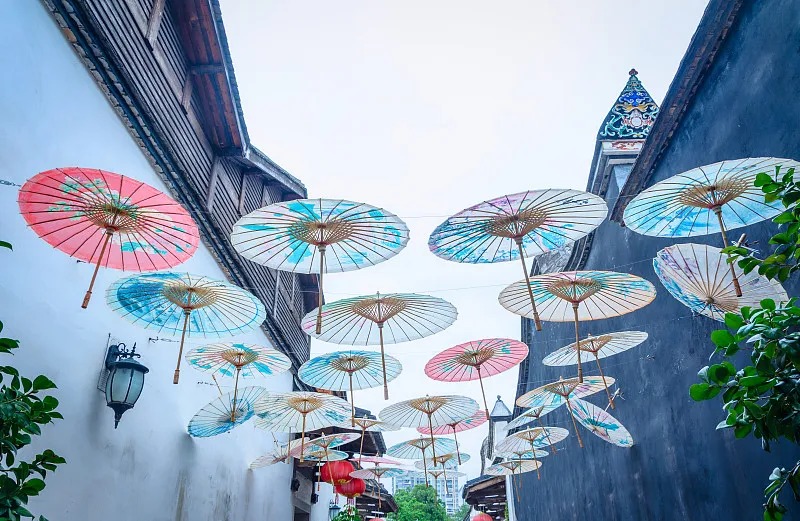
Un antiguo centro comercial a lo largo del río Min con una historia de más de 300 años, que alguna vez estuvo lleno de comerciantes y barcos de todo el país. Presenta una mezcla de edificios con arcadas de estilo Minnan, residencias con patio y estructuras de estilo occidental, lo que refleja el estatus de Fuzhou como centro comercial costero. El distrito renovado ahora alberga talleres culturales y creativos, casas de té tradicionales y restaurantes gourmet locales. La vista nocturna aquí es particularmente encantadora, con faroles rojos colgando a lo largo de las calles y el reflejo de las luces en el agua, recreando la prosperidad de la antigua ciudad ribereña.
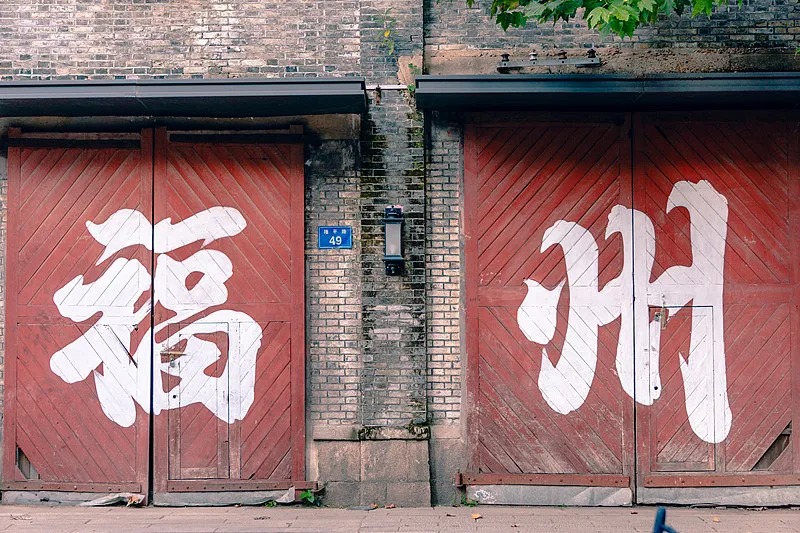
3.Parque de la montaña Yantai
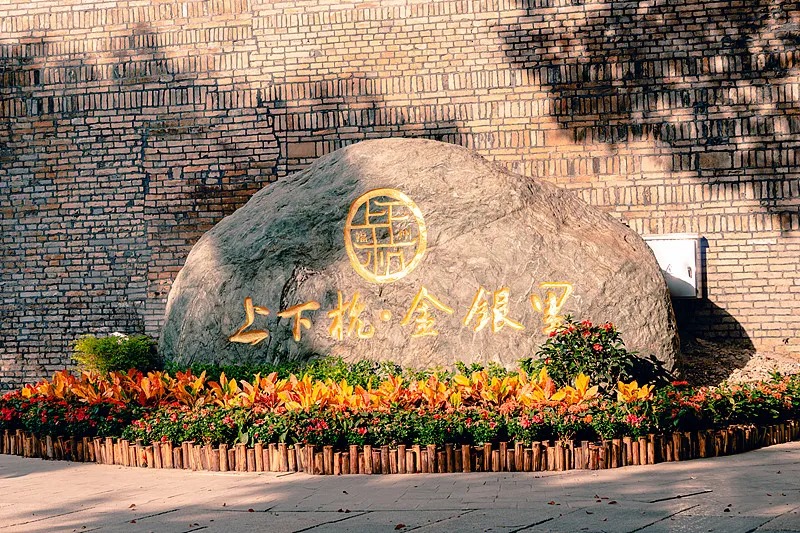
Ubicada sobre una pequeña colina junto al estuario del río Min, la montaña Yantai ha sido un punto estratégico de defensa costera desde la dinastía Ming, con antiguas torres de faro en la montaña. A finales del siglo XIX, se convirtió en una zona de concesión, lo que atrajo a consulados y comerciantes extranjeros para construir aquí villas y mansiones. Hoy en día, el parque conserva más de 160 edificios históricos bien conservados de diversos estilos, incluida la arquitectura gótica, barroca y colonial. Al subir a la cima de la montaña, podrá disfrutar de una vista panorámica del río Min que desemboca en el mar, el moderno horizonte de Fuzhou y las islas distantes.
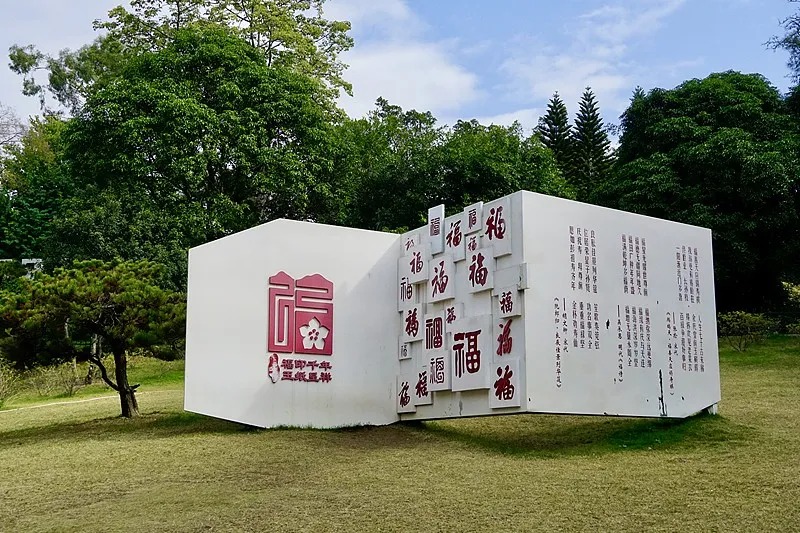
4.Ciudad de la cultura naviera de China (Mawei)
El lugar de nacimiento de la industria naval y la construcción naval moderna de China, con una historia estrechamente vinculada al movimiento de occidentalización de finales de la dinastía Qing. Incluye la antigua sede de la Academia Naval de Fuzhou, que formó a muchos oficiales navales destacados en la China moderna. Las salas de exposición exhiben preciosas reliquias culturales, como viejos buques de guerra, uniformes navales e instrumentos de navegación, que cuentan la historia de la ardua exploración del poder marítimo por parte de China. El área escénica también tiene un hermoso paisaje ribereño, con muelles antiguos y árboles verdes que crean una atmósfera serena.

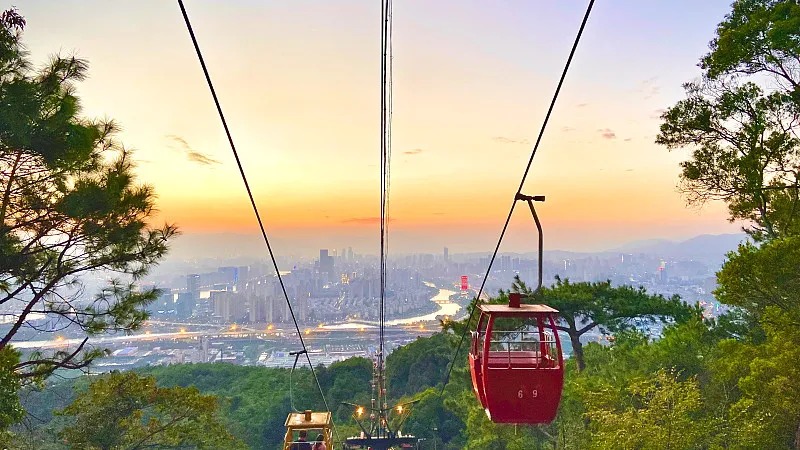
5.Área escénica de Gushan y templo de Yongquan
Una famosa montaña budista en las afueras de Fuzhou, conocida por sus frondosos bosques, escarpados acantilados y templos antiguos. El templo Yongquan, ubicado a medio camino de la montaña, es uno de los cuatro principales templos budistas antiguos de Fujian, fundado en la dinastía Tang. El complejo del templo incluye magníficos salones, pagodas y tallas de piedra, con una preciosa colección de escrituras budistas. La "Pagoda de los Mil Budas" en el templo es una exquisita obra de arte tallada en piedra. Al subir a la cima de Gushan, se puede contemplar toda la ciudad de Fuzhou y el vasto río Min.
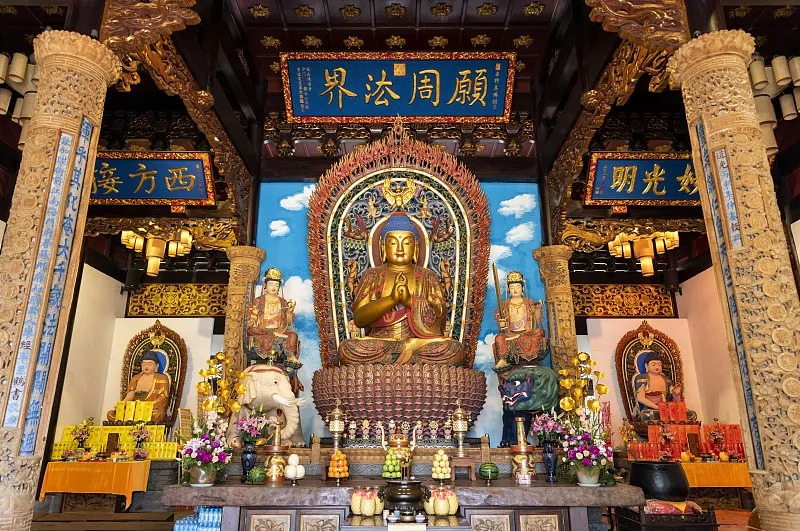
6.Parque del Lago Oeste
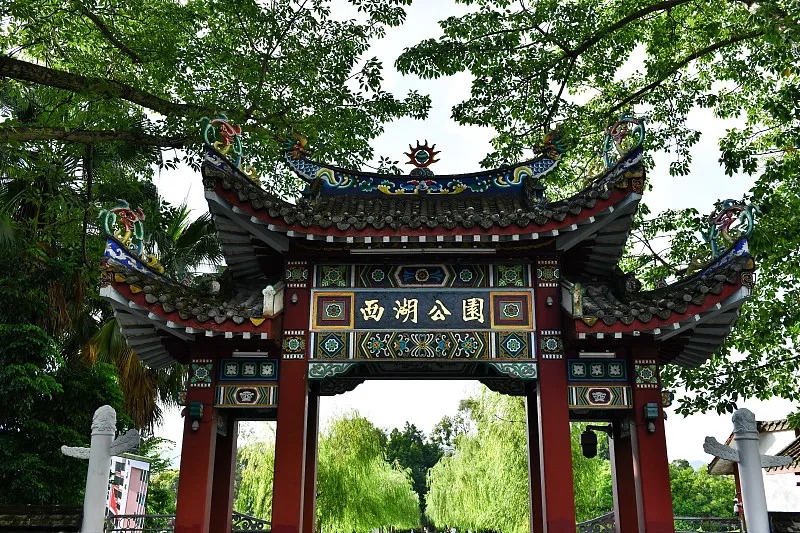
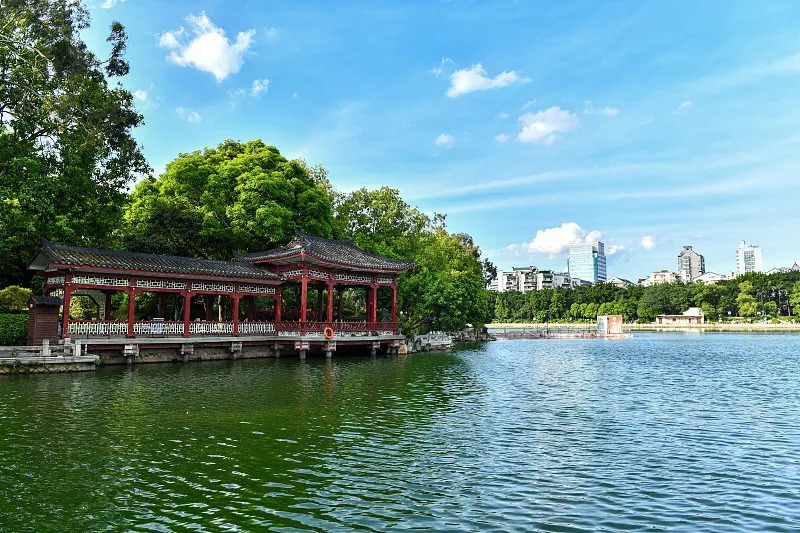
Uno de los tres principales jardines clásicos de Fuzhou, con una historia de más de 1.700 años, inicialmente construido como un foso y luego transformado en un jardín para la nobleza. Cuenta con pabellones, terrazas, torres y corredores esparcidos entre lagos y colinas, con sauces a lo largo de las orillas y flores de loto que florecen en verano. El parque también alberga reliquias culturales como la Academia Ziyang, que era un lugar para que los eruditos estudiaran y debatieran. Es un refugio tranquilo en la bulliciosa ciudad, amado por los lugareños para hacer ejercicios matutinos y paseos tranquilos.
7. Pueblo Cultural de Piedra de Shoushan
Ubicado en el lugar de nacimiento de la famosa Piedra Shoushan de China, este pueblo tiene una larga historia de extracción y tallado de piedra. El pueblo está rodeado de verdes montañas, con antiguas minas de piedra y talleres. Los visitantes pueden observar a los artesanos tallar la piedra Shoushan en exquisitas obras de arte, desde pequeños sellos hasta esculturas de paisajes a gran escala. También hay un museo que exhibe variedades raras de piedra Shoushan y preciosas obras talladas, presentando la connotación cultural y la herencia artesanal del tallado en piedra Shoushan, un patrimonio cultural intangible nacional.