Inglés
 Francés
 Español
 Ruso
Ruso Árabe
Árabe Italia
1. Área escénica de la montaña Qingxiu
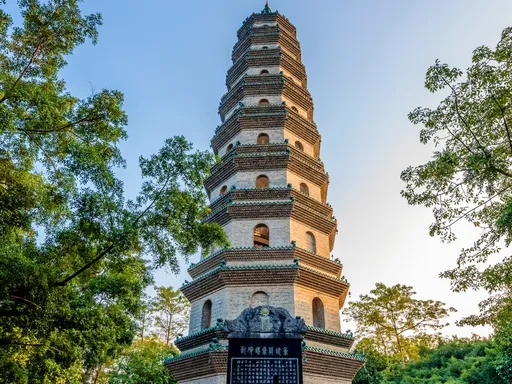
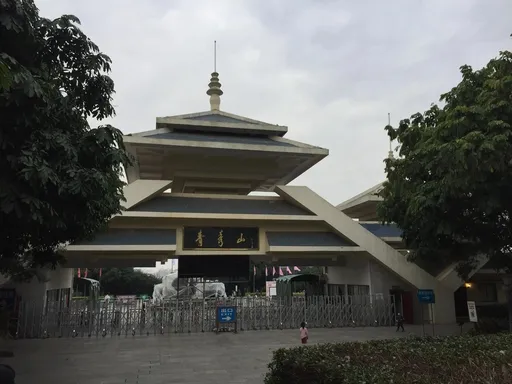
La montaña Qingxiu, un lugar escénico de nivel 5A situado a orillas del río Yongjiang, es aclamada como la "Esmeralda de la Ciudad Verde y el Fénix de la Patria Zhuang". Con una historia de más de 1.700 años, fue un centro turístico para literatos y funcionarios de las dinastías pasadas. El área escénica está dominada por paisajes de plantas subtropicales del sur, con imponentes árboles centenarios y flores exóticas que florecen durante todo el año. Reliquias culturales como la Pagoda Longxiang y la antigua residencia de los eruditos de la dinastía Ming se encuentran esparcidas por todas partes. También alberga cada año el gran Festival Folclórico de Zhuang “3 de marzo”, donde los visitantes pueden disfrutar de auténticos cantos, bailes y comida Zhuang, experimentando las fuertes costumbres étnicas de Guangxi.
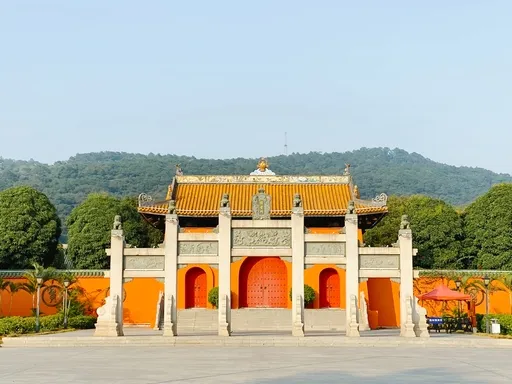
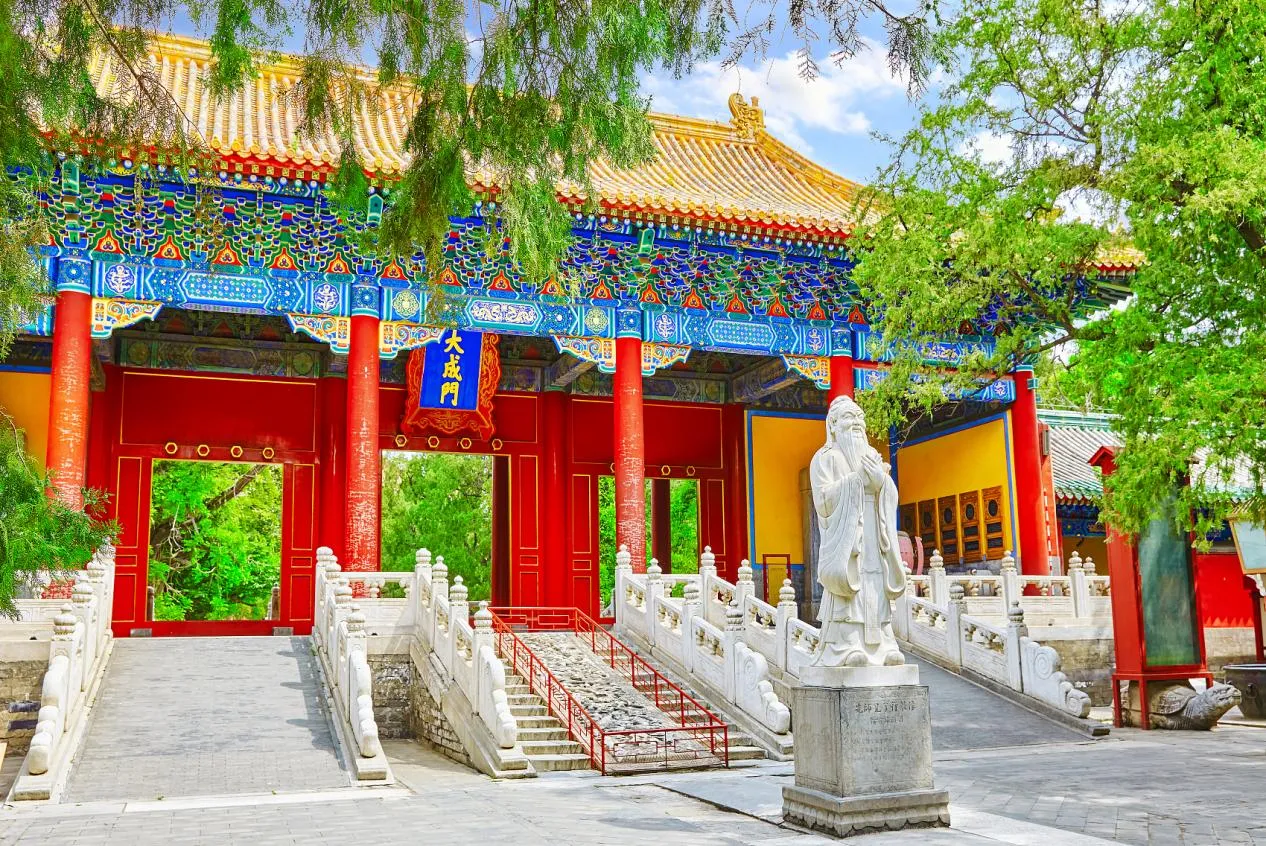
2. Templo de Confucio en Nanning
Como el templo de Confucio más grande y mejor conservado de Guangxi, tiene una historia que se remonta a la dinastía Song y fue reconstruido en la era moderna siguiendo las normas arquitectónicas tradicionales. El complejo del templo resplandece con paredes rojas y azulejos amarillos, y el Salón Dacheng, el edificio principal, es magnífico con exquisitas estructuras de dougong. Alberga una gran cantidad de reliquias culturales relacionadas con el confucianismo, como tallas en piedra de las Analectas y estatuas de Confucio y sus discípulos. Aquí se llevan a cabo rituales regulares como la celebración del cumpleaños de Confucio, lo que permite a los visitantes sentir la profunda influencia de la cultura confuciana en las áreas étnicas fronterizas.
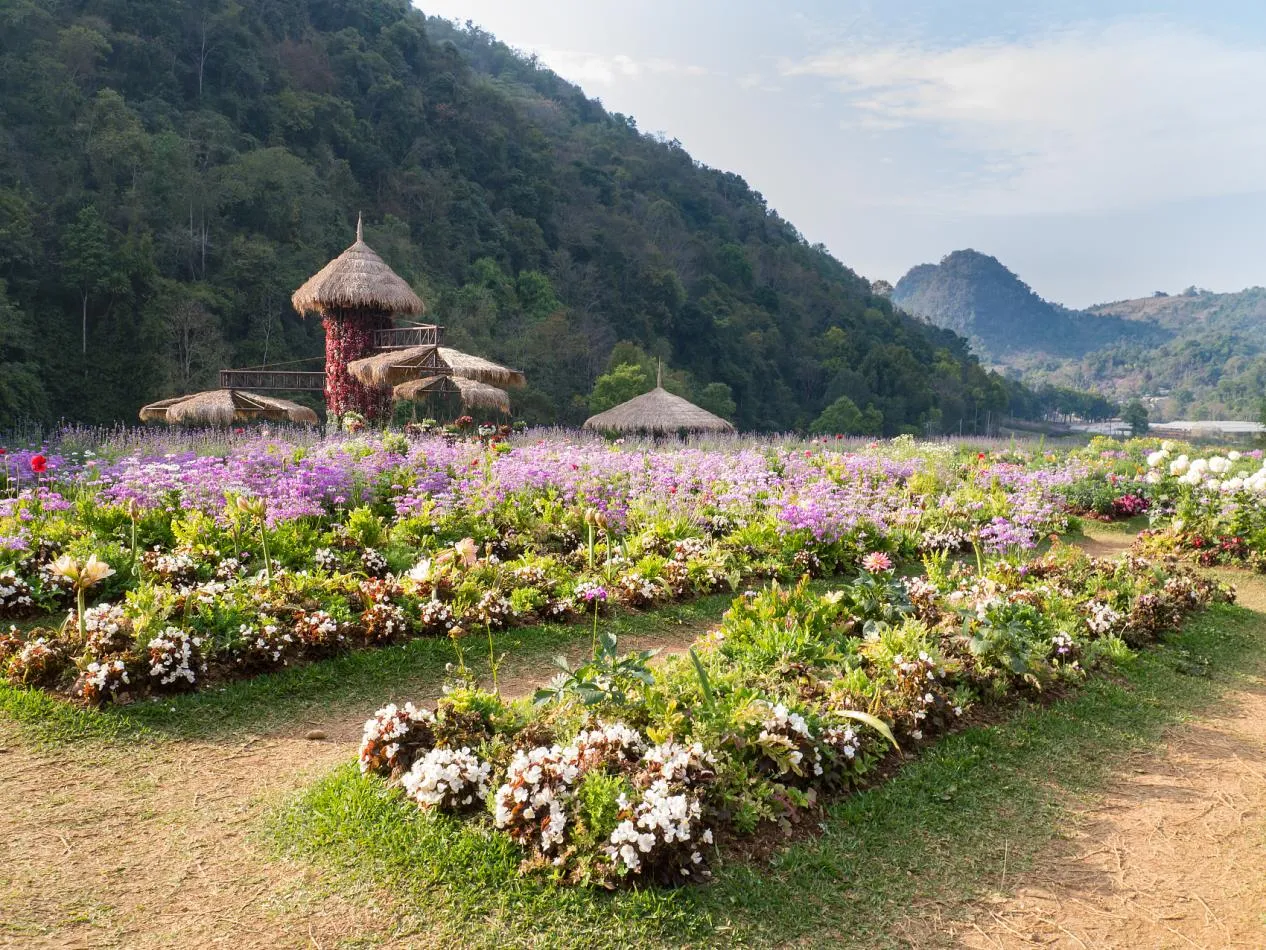
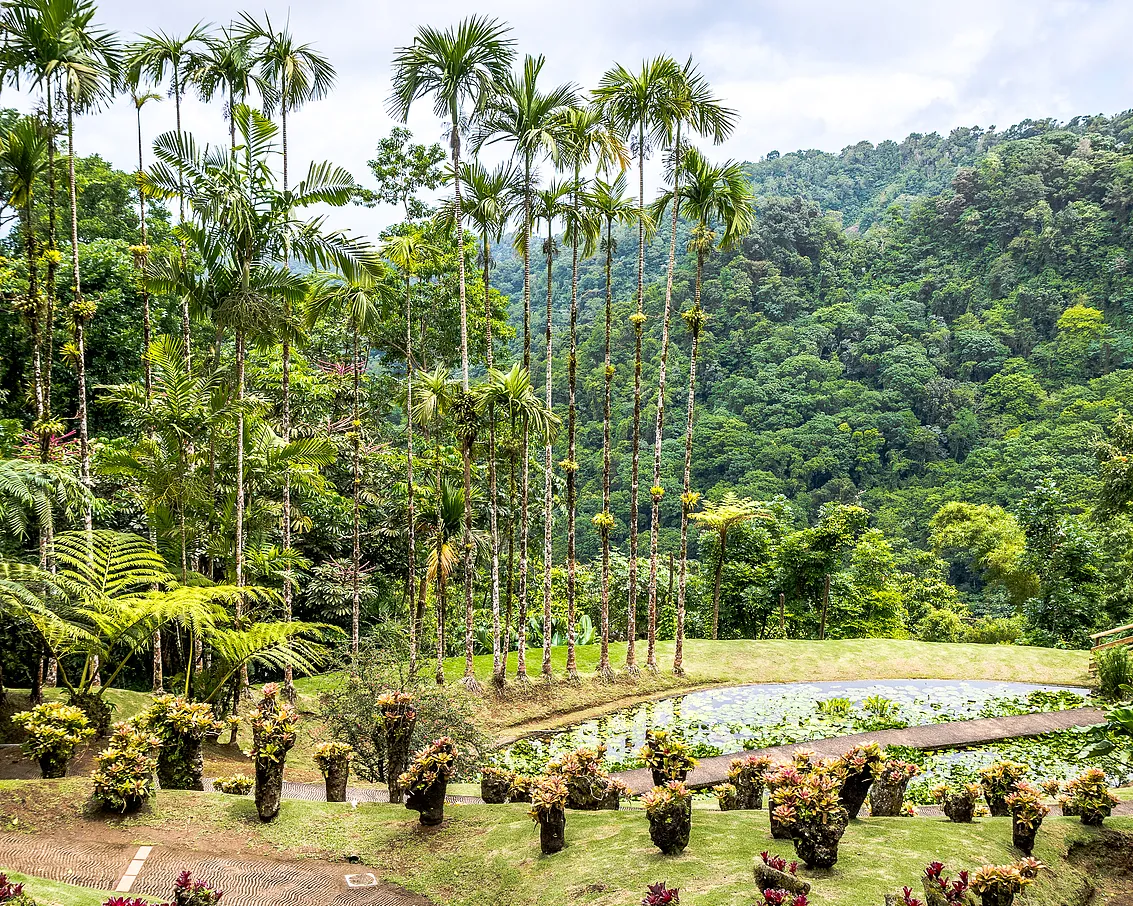
3. Jardín Botánico Medicinal de Guangxi
Es uno de los jardines botánicos medicinales más grandes de Asia, que integra la investigación científica, el turismo y la preservación de la salud. Fundada en la década de 1950, recolecta y cultiva más de 10.000 tipos de plantas medicinales de China y el sudeste asiático. El jardín está dividido en áreas funcionales como el Área de Hierbas Medicinales Chinas, el Área de Medicina Étnica Zhuang Yao y el Área de Plantas Medicinales Tropicales. No sólo muestra la antigua cultura de la medicina tradicional china, sino que también destaca el conocimiento medicinal étnico único de las minorías étnicas de Guangxi. Las visitas guiadas pueden ayudar a los visitantes a comprender los efectos mágicos de diversas plantas medicinales y las historias culturales detrás de ellas.
4. Cinturón panorámico del río Yongjiang
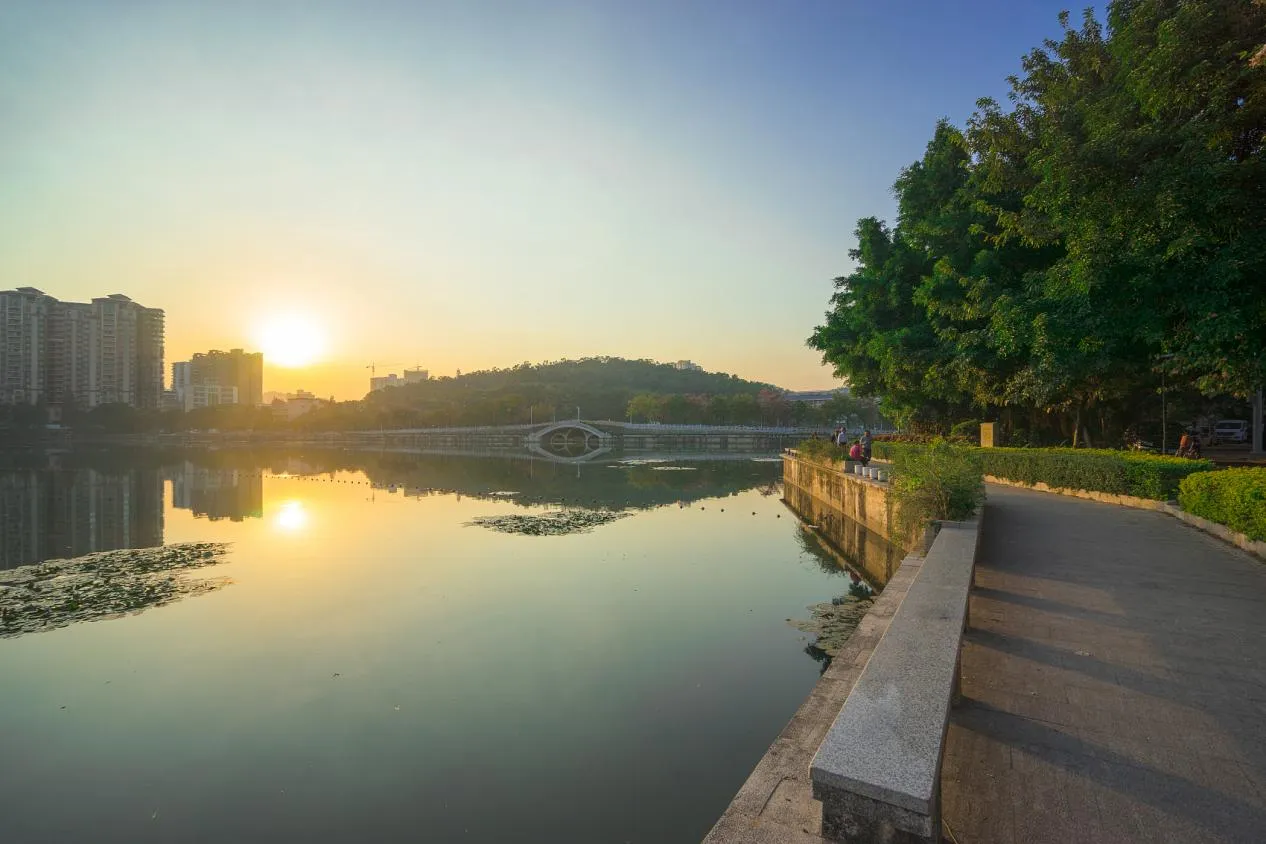
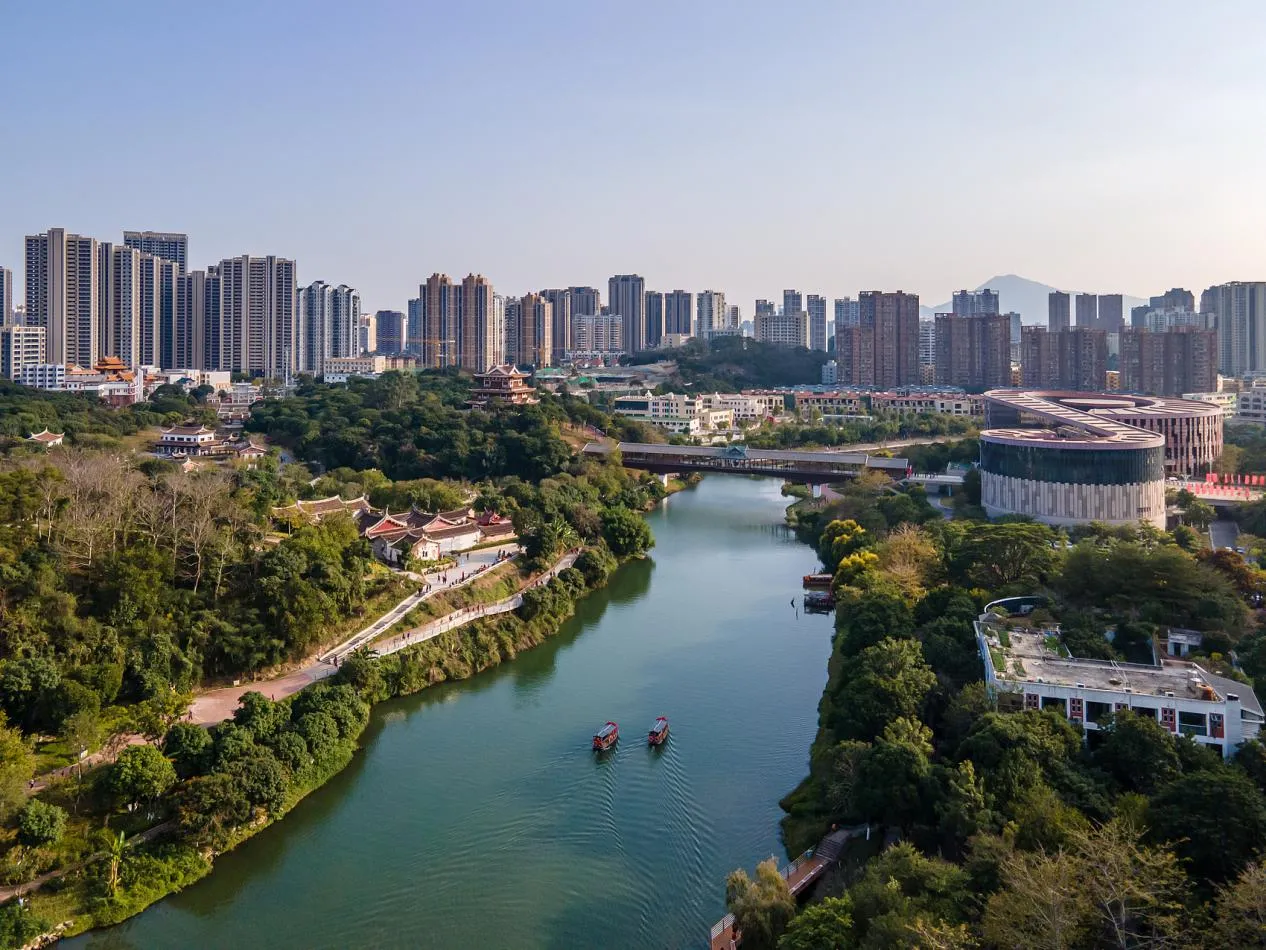
El río Yongjiang es el río madre de Nanning. El cinturón escénico se extiende a lo largo del río a lo largo de decenas de kilómetros, integrando paisajes naturales y cultura urbana. Históricamente, fue una importante vía fluvial en la antigua ruta de transporte entre el canal Lingqu y el río Yongjiang, testigo de la prosperidad del comercio de Nanning con el suroeste y el sudeste asiático. Hoy en día, las vías verdes ribereñas, las plazas culturales y los muelles históricos están interconectados. La vista nocturna del río Yongjiang es particularmente encantadora, con las luces reflejándose en el agua. Al realizar un crucero nocturno, los visitantes pueden apreciar el horizonte moderno de Nanning mientras sienten los cambios históricos a lo largo del río.
5. Museo de Guangxi
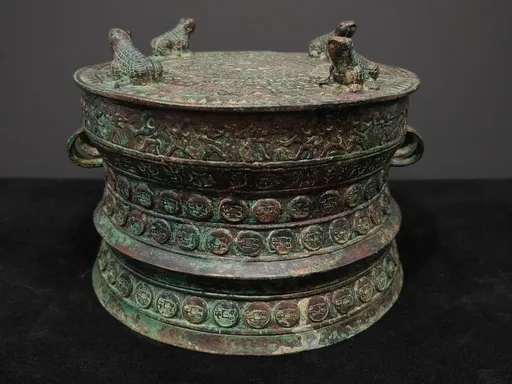
Fundado en 1934, el Museo de Guangxi es un museo completo que muestra la historia y la cultura étnica de Guangxi. Su colección incluye una gran cantidad de preciosas reliquias culturales, como el tambor de bronce del Período de los Reinos Combatientes, la cerámica del Neolítico y las reliquias culturales populares de varios grupos étnicos. Lo más destacado es la exposición de tambores de bronce, que muestra más de 300 tambores de bronce, lo que refleja la antigua cultura de tambores de bronce de los Zhuang y otros grupos étnicos de Guangxi. El museo también organiza periódicamente exposiciones temáticas sobre costumbres étnicas y acontecimientos históricos, lo que permite a los visitantes tener una comprensión profunda del patrimonio cultural de miles de años de Guangxi.
6. Parque Nanhu
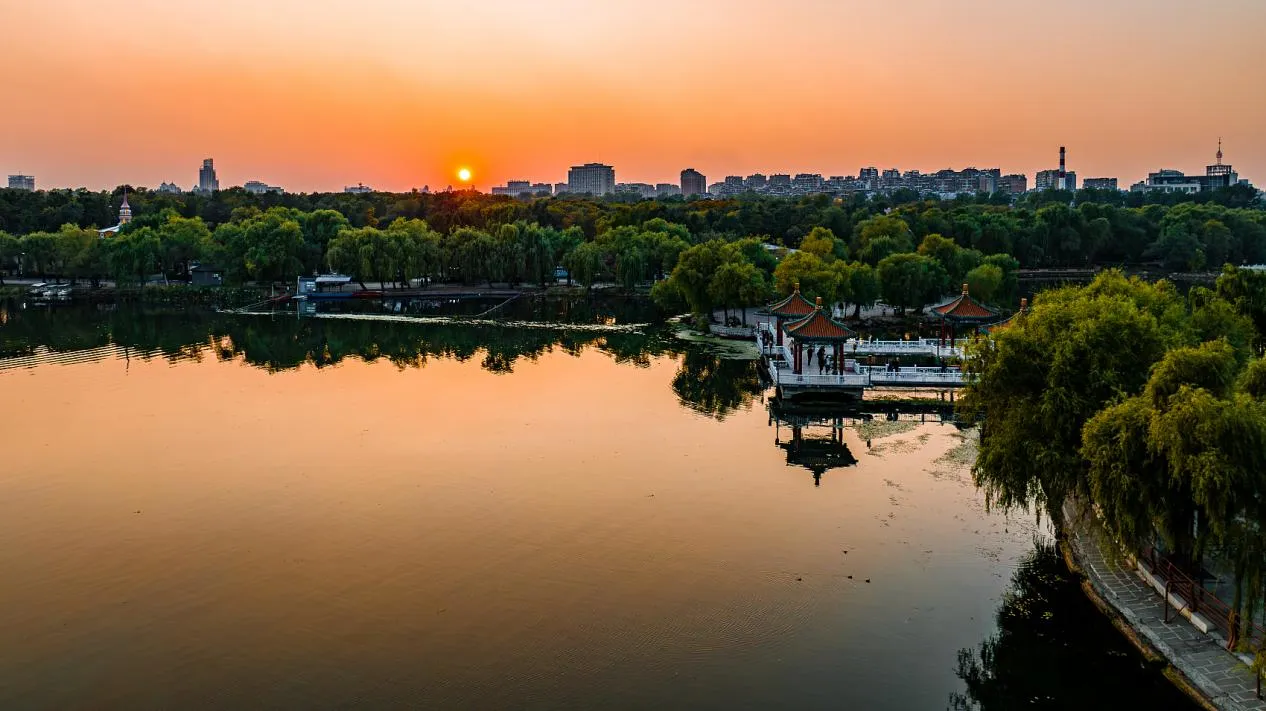
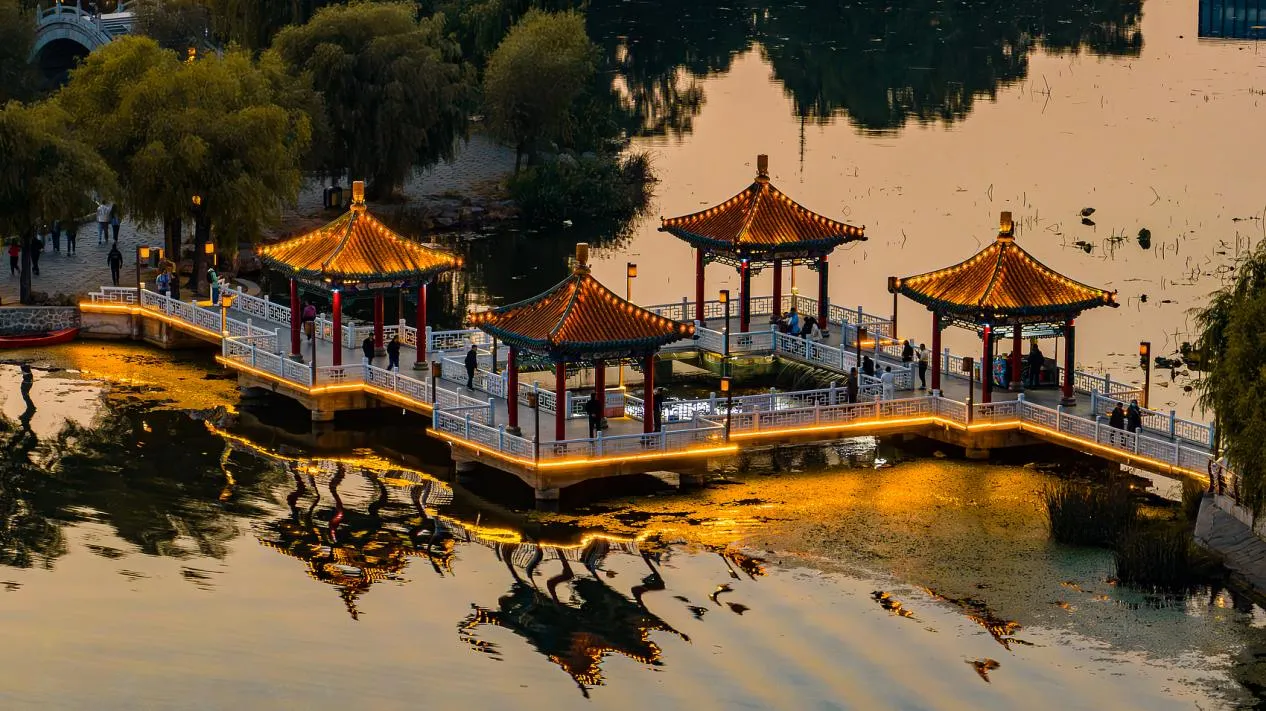
Ubicado en la zona central de Nanning, el Parque Nanhu es un parque urbano integral con una historia de casi cien años. El parque se centra en el vasto lago Nanhu, con frondosos árboles y hermosas flores a lo largo de la orilla del lago. Hay paisajes culturales como el Monumento a los Mártires Revolucionarios y el Jardín de Esculturas de Celebridades en el parque. También es un lugar importante para las actividades culturales de los ciudadanos de Nanning, donde todos los días se llevan a cabo bailes en cuadrilla, representaciones de arte popular y otras actividades. El lago es apto para paseos en bote y las vías verdes de los alrededores son ideales para caminar y correr. Combina a la perfección funciones de ocio urbano con muestras históricas y culturales.
7. Calle Vieja de Sanfang Qixiang
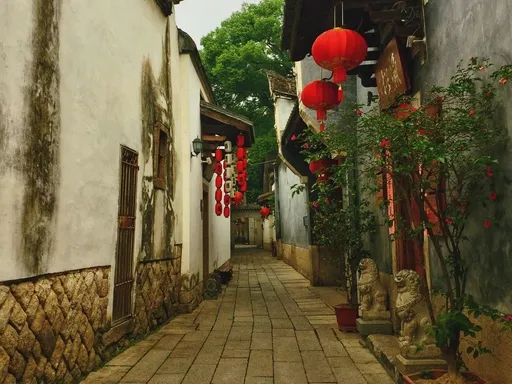
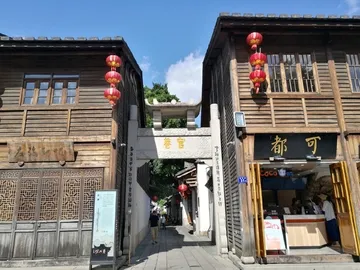
Sanfang Qixiang en Nanning es una antigua zona residencial bien conservada con el estilo arquitectónico típico de Lingnan, que se remonta a las dinastías Ming y Qing. Los tres carriles y siete callejones están dispuestos de manera ordenada, con caminos de piedra azul y casas con techo de tejas conectadas entre sí. Muchos edificios antiguos conservan exquisitas tallas de madera y piedra, que registran las escenas de la vida de los antiguos habitantes de Nanning. Hoy, la antigua calle se ha convertido en un bloque que integra muestra cultural, restauración y turismo. Los visitantes pueden probar bocadillos locales como fideos de arroz y pasteles de arroz glutinoso, comprar artesanías étnicas hechas a mano y sentir el fuerte estilo urbano antiguo.