Inglés
 Francés
 Español
 Ruso
Ruso Árabe
Árabe Italia
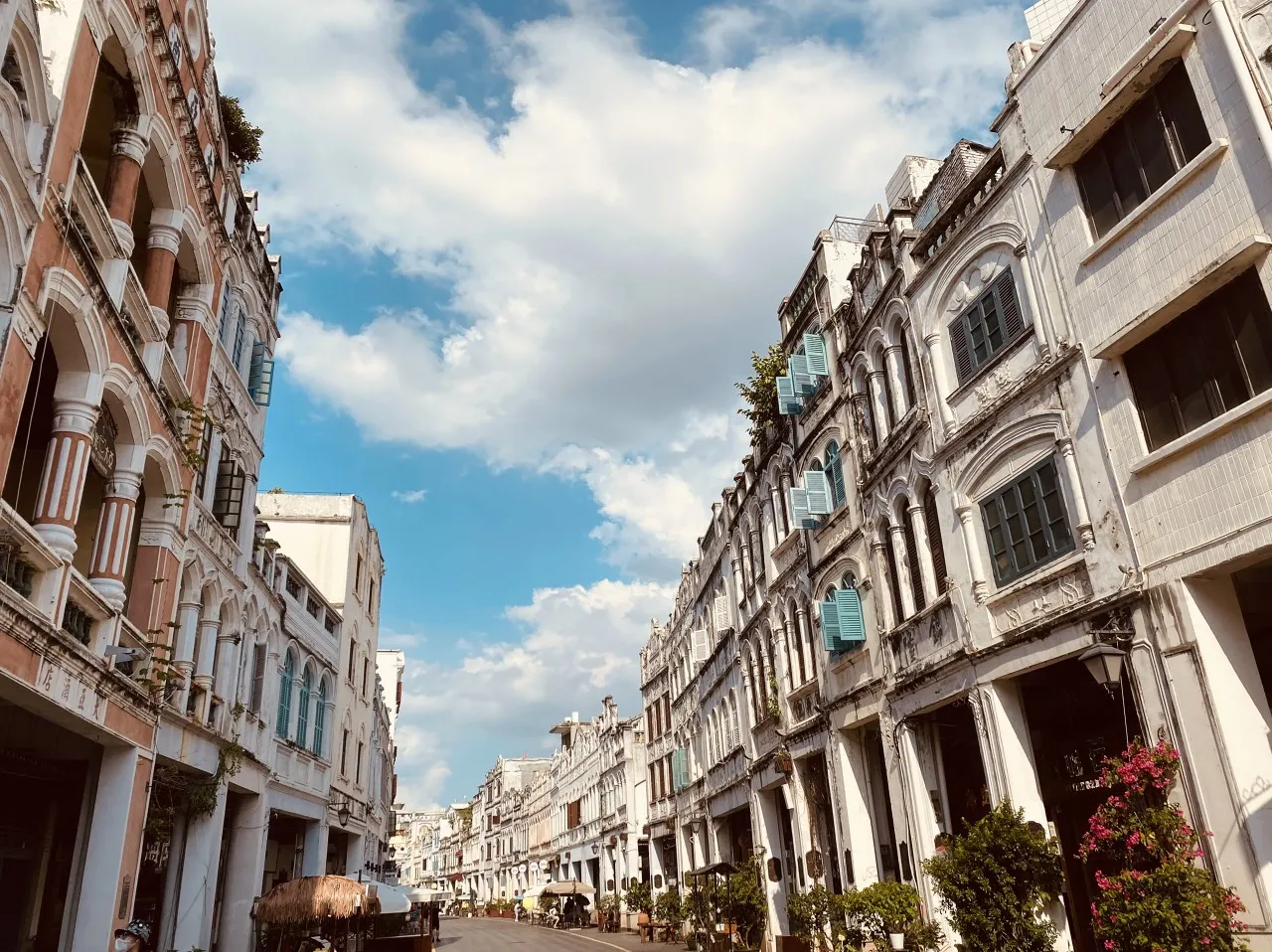
1. Calle antigua de Qilou
Una de las diez calles históricas y culturales más importantes de China, construida a finales de la dinastía Qing y principios de la República de China, integrando los estilos arquitectónicos residenciales Nanyang, Eurasiático y Qiongnan. Los edificios Qilou de color beige, verde claro y rosa se combinan con arcadas, tallas y contraventanas, mostrando el estilo de un puerto comercial centenario. Aquí hay edificios consagrados como el Hotel Daya y la Casa Antigua de Qiu. Las actuaciones de la Ópera Qiong, las tiendas de artesanía tallada en cocos y los refrigerios especiales como agua salada con limón y sopa de arroz picante en las calles y callejones condensan la cultura urbana del antiguo Haikou. El espectáculo de luces nocturno hace que la antigua calle brille con nueva vitalidad, que es un lugar de visita obligada para sentir el contexto histórico de Haikou.
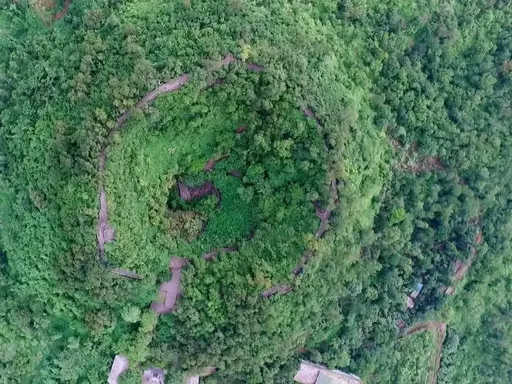
2. Geoparque Global Leiqiong (Grupo Volcánico Haikou)
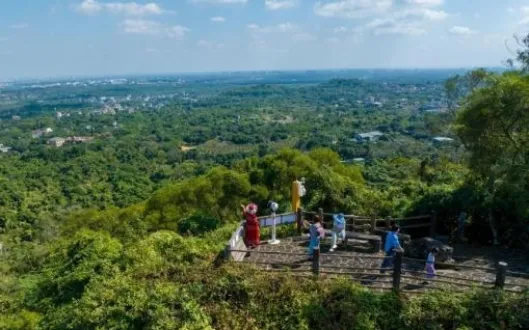
El único geoparque volcánico urbano de China, con más de 40 reliquias volcánicas. El paisaje central, el cráter Ma'anling, se formó hace 10.000 años y es el símbolo geográfico de la isla de Hainan. Aquí, no sólo puede subir a la cima para contemplar la vista panorámica del cráter, explorar túneles de lava como la cueva Xianren y la cueva Huolong, sino también visitar el Museo de Popularización de la Ciencia de los Volcanes para aprender sobre conocimientos geológicos. El pueblo circundante de Rongtang conserva una casa de piedra volcánica de 800 años de antigüedad. La vegetación primitiva y las plantas raras sobre las rocas volcánicas muestran la coexistencia armoniosa de los volcanes y la ecología.
2. Santuario Wugong
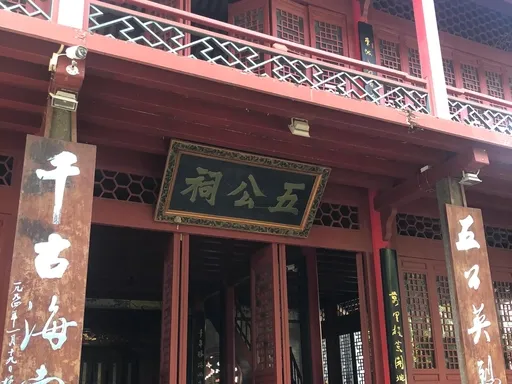
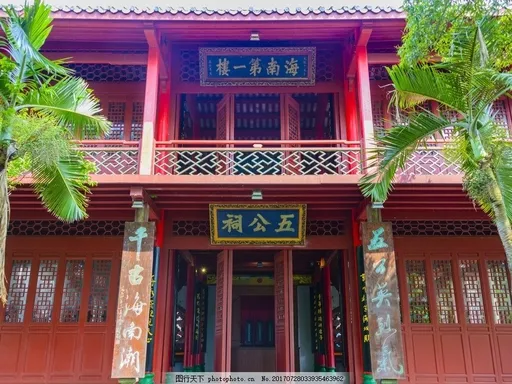
Conocido como "El primer edificio de Hainan", fue construido para conmemorar a cinco ministros leales y primeros ministros famosos que fueron exiliados a Hainan, incluidos Li Deyu en la dinastía Tang y Li Gang en la dinastía Song, portadores de la cultura única de funcionarios exiliados de Hainan. Los lugares escénicos como el Primer Edificio de Hainan, el Santuario Su Gong y el Manantial Fusu en el área escénica están dispersos de manera ordenada. El Santuario Su Gong conmemora la conferencia de Su Shi en Hainan cuando estaba exiliado. El antiguo árbol pagoda en el santuario fue plantado por el propio Su Shi y sigue siendo exuberante después de más de 900 años. Las exposiciones en Dongzhai y Xizhai muestran la antigua cultura e historia de los funcionarios exiliados en Hainan, y las paredes rojas y los azulejos verdes están llenos de herencia humanística.
3. Playa de vacaciones
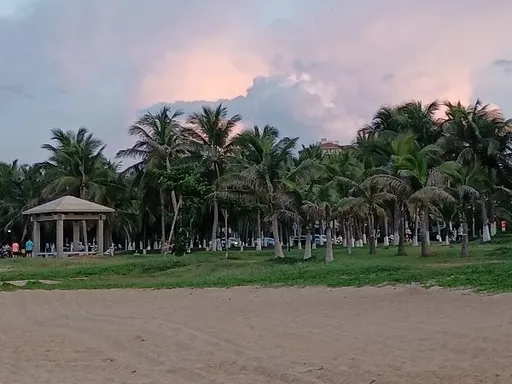
El área escénica costera abierta más representativa de Haikou, con 6 kilómetros de suaves playas que combinan con el mar azul y el cielo con cocoteros meciéndose, es un excelente lugar para el ocio y las vacaciones. Aquí hay una playa de baño vigilada por socorristas, donde se pueden practicar deportes acuáticos como motos acuáticas y bananas. El paisaje del atardecer por la noche es embriagador. Experiencias como barbacoas en la playa y ciclismo costero permiten a los turistas disfrutar de la comodidad del viento de coco y la rima del mar, y también es la primera opción para que los ciudadanos de Haikou se relajen a diario.
4. Academia Qiongtai
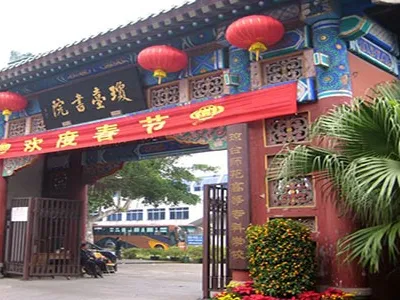
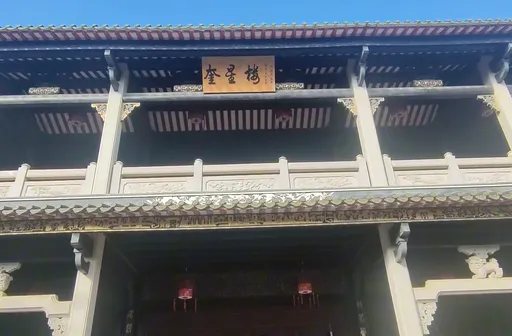
La antigua institución de aprendizaje más importante de Hainan, construida en la dinastía Qing, es un lugar importante para difundir la cultura confuciana y cultivar talentos, y también uno de los lugares de nacimiento de la ópera Qiong. El edificio Kuixing de la academia es magnífico, con exquisitas tallas y pinturas que muestran sencillez y elegancia. Conserva una gran cantidad de libros antiguos, inscripciones y reliquias culturales históricas, que muestran la prosperidad de la educación antigua en Hainan. Hoy en día, todavía se celebran aquí representaciones de la Ópera Qiong, conferencias culturales tradicionales y otras actividades, heredando el contexto humanista de Hainan.
5. Tumba de Hai Rui
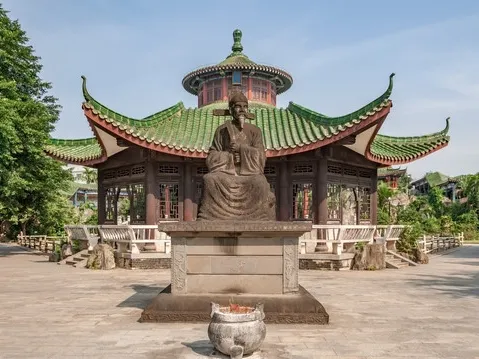
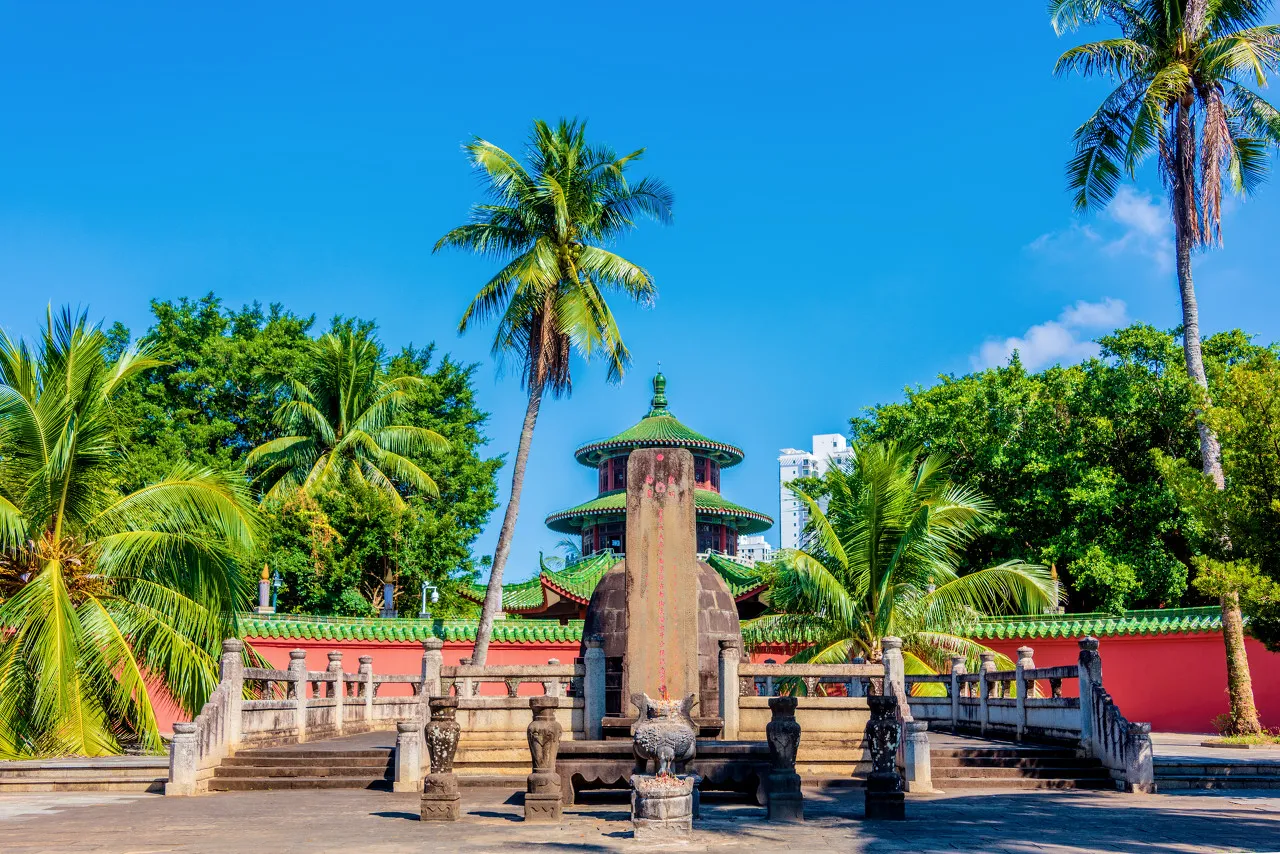
Construido para conmemorar a Hai Rui, un famoso funcionario honesto de la dinastía Ming, es una importante reliquia cultural en Hainan. El diseño del cementerio es riguroso y las estatuas de piedra, lápidas y mausoleos de Hai Rui son solemnes y solemnes. Las figuras de piedra, los caballos de piedra, las ovejas de piedra y otras esculturas de piedra alrededor son realistas y muestran el carácter recto y honesto de Hai Rui. El Salón Conmemorativo de Hai Rui en el parque muestra la historia de vida de Hai Rui y las reliquias culturales relacionadas, que es un lugar importante para promover la cultura de integridad y comprender la historia de Hainan en la dinastía Ming.
6. Campanario de Haikou
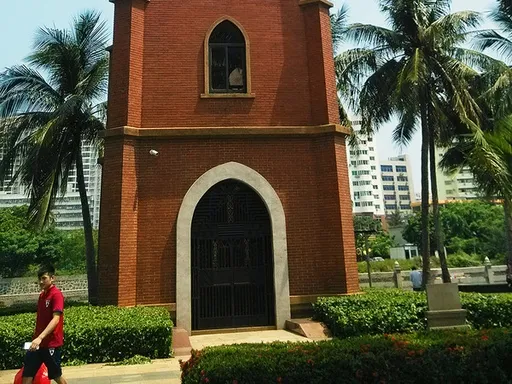
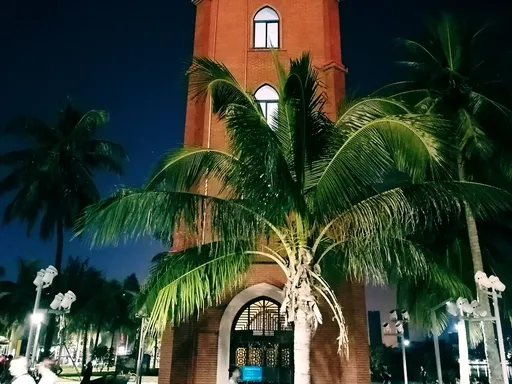
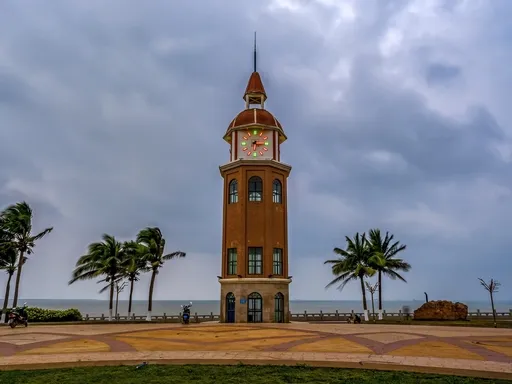
El hito urbano de Haikou, construido en 1928, adopta un estilo arquitectónico gótico. La campana que suena en hora ha pasado cien años, siendo testigo de los cambios de Haikou. El campanario se encuentra junto al mar junto a la antigua calle Qilou, con paredes blancas y techos rojos combinados con exquisitas tallas. No sólo es un lugar escénico popular para tomar fotografías, sino también un excelente lugar para contemplar el paisaje de la bahía de Haikou. Cuando las luces están encendidas por la noche, complementa los edificios Qilou circundantes, mostrando el romance de la ciudad costera.