Inglés
 Francés
 Español
 Ruso
Ruso Árabe
Árabe Italia
1. Grutas de Longmen (Patrimonio de la Humanidad por la UNESCO)
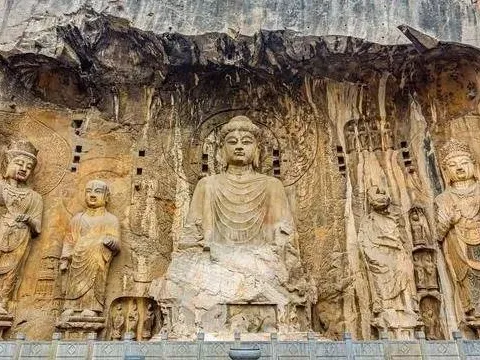
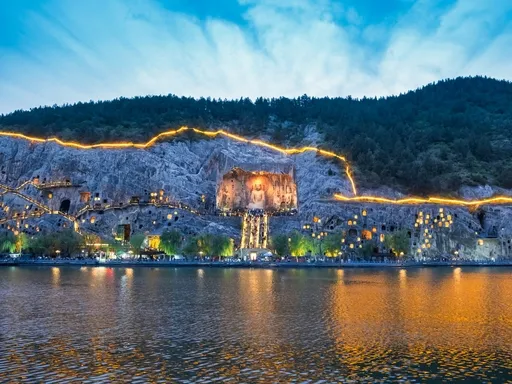
Talladas a lo largo de los acantilados a ambos lados del río Yi, las Grutas de Longmen son un tesoro de arte budista de fama mundial, cuya construcción comenzó en el año 494 d. C. durante la dinastía Wei del Norte y continuó durante más de 400 años durante las dinastías Sui y Tang. Hay más de 2.300 nichos, 100.000 estatuas y 2.800 inscripciones, entre las cuales la estatua del Buda Lushena en el templo Fengxian es la más magnífica, con una altura de 17,14 metros, con una expresión gentil y benevolente, y se dice que sigue el modelo de la emperatriz Wu Zetian de la dinastía Tang. Las inscripciones en las grutas, como el “Monumento al Capítulo Veintidós”, son materiales importantes para estudiar la caligrafía y la historia antiguas. Las grutas no sólo muestran las magníficas técnicas de tallado de los antiguos artesanos chinos, sino que también reflejan la prosperidad del budismo y los intercambios culturales entre China y países extranjeros. La vista nocturna de las Grutas de Longmen, iluminadas por luces, añade una atmósfera misteriosa y solemne a este antiguo patrimonio cultural.
2. Templo del Caballo Blanco
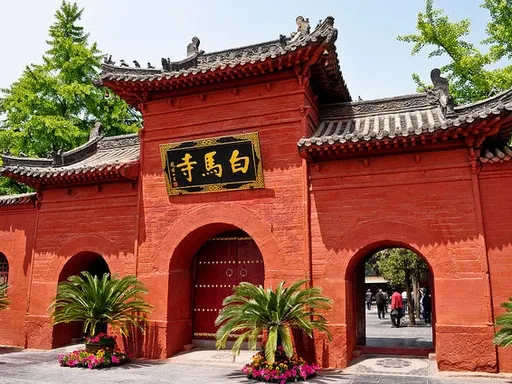
Aclamado como el primer templo antiguo de China, el Templo del Caballo Blanco fue fundado en el año 68 d. C. durante la dinastía Han del Este, lo que marcó la introducción oficial del budismo en China. Según la leyenda, dos monjes indios trajeron escrituras budistas a Luoyang en caballos blancos, por lo que el emperador ordenó la construcción de este templo para honrar a los caballos y consagrar las escrituras. Los edificios principales incluyen el Salón Tianwang, el Salón Mahavira y el Pabellón de la Colección de Escrituras, que conservan antiguas estatuas, pagodas e inscripciones budistas. En los últimos años, se han agregado complejos de templos budistas internacionales, incluidos templos de estilo indio, tailandés y birmano, lo que refleja la difusión e integración global del budismo. Los antiguos cipreses en el patio del templo son exuberantes y verdes, y el campanario y la torre del tambor se mantienen altos, creando una atmósfera pacífica y sagrada, lo que lo convierte en un destino importante para los creyentes budistas y los turistas culturales.
3. Parque de la ciudad de Sui y Tang Luoyang (Puerta Yingtian y Mingtang-Tiantang)
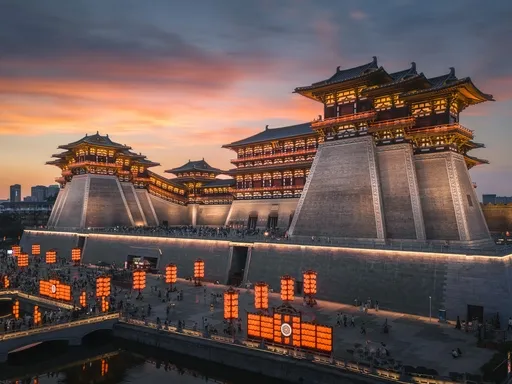
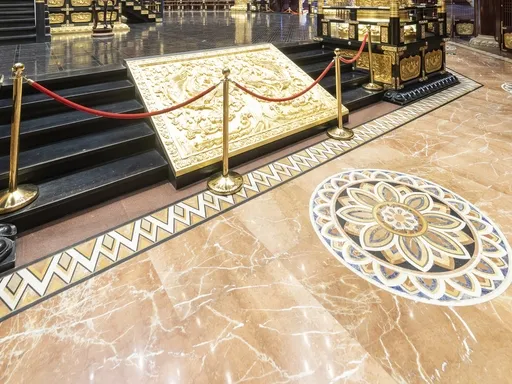
Como ciudad imperial de las dinastías Sui y Tang, el parque de la ciudad de Sui y Tang Luoyang es un sitio de patrimonio cultural clave que muestra la grandeza de la capital imperial de la dinastía Tang. La Puerta Yingtian, la puerta principal de la ciudad imperial, fue alguna vez el lugar de grandes ceremonias imperiales y visitas de enviados extranjeros, con sus magníficas ruinas restauradas para mostrar la gran escala de la arquitectura de la dinastía Tang. Mingtang y Tiantang fueron los edificios centrales del gobierno de Wu Zetian, siendo Tiantang el edificio más alto de Luoyang en ese momento, y sirvió como un lugar para que Wu Zetian adorara al cielo y llevara a cabo importantes actividades políticas. El parque utiliza tecnologías modernas, como proyecciones en 3D y actuaciones inmersivas como la “Fiesta de Música del Palacio Tang” para reproducir la prosperidad de las dinastías Sui y Tang, lo que permite a los visitantes viajar en el tiempo y experimentar las grandes escenas de la antigua capital imperial.
4. Montaña Laojun
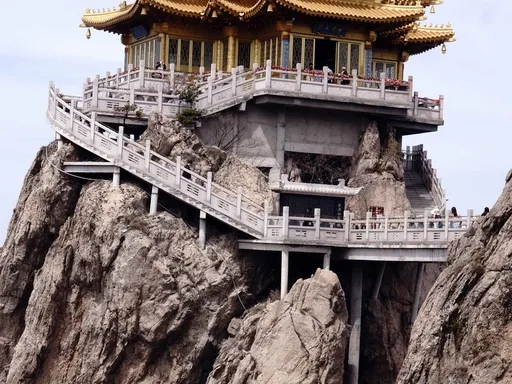
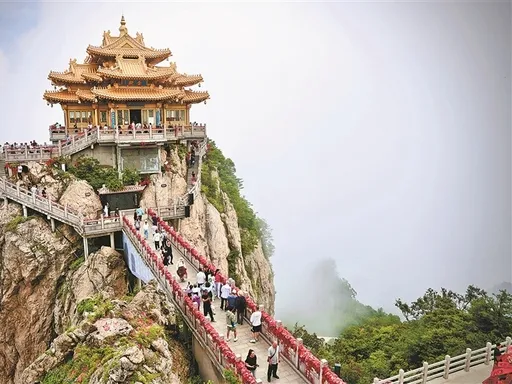
Una famosa montaña taoísta y un área escénica de nivel 5A, la montaña Laojun lleva el nombre del legendario antepasado taoísta Laozi, de quien se dice que practicaba y predicaba aquí. La montaña es famosa por su magnífico paisaje natural, que incluye picos empinados, rocas extrañas y densos bosques, especialmente la Pantalla de Pintura de Diez Millas, que ofrece vistas panorámicas de la belleza de la montaña. El complejo de templos taoístas Golden Top, ubicado en la cima de la montaña, consta de varios templos taoístas con azulejos dorados, que son particularmente deslumbrantes bajo la luz del sol. Temprano en la mañana o en la tarde, el mar de nubes envuelve las cimas doradas, creando una escena de cuento de hadas. Como tierra santa taoísta, hay muchos templos taoístas y reliquias culturales en la montaña, y los festivales culturales taoístas anuales atraen a un gran número de creyentes taoístas y turistas, promoviendo la herencia y el desarrollo de la cultura taoísta.
5. Piscina de Jiuzhou
La piscina Jiuzhou, un jardín real de las dinastías Sui y Tang, está ubicada en la ciudad imperial de Luoyang, con una historia de más de 1.400 años y sirvió como lugar para que emperadores y emperatrices se relajaran, entretuvieran y celebraran banquetes. La piscina está diseñada con la forma de los nueve continentes de la antigua geografía china, con pabellones, terrazas y corredores construidos alrededor del agua, y pequeñas islas conectadas por puentes de piedra, presentando un estilo típico de jardín acuático del sur de China. La piscina Jiuzhou restaurada conserva el diseño y el estilo arquitectónico originales, con agua clara que refleja los edificios antiguos, creando una imagen hermosa y serena. El espectáculo inmersivo “Danza del Fénix en la Capital Divina” que se lleva a cabo aquí utiliza luces, música y danza para reproducir los grandes banquetes y escenas culturales de la dinastía Tang, lo que permite a los visitantes experimentar el encanto de la próspera era Tang.
6.Parque Wangcheng
Como parque urbano icónico de Luoyang, el Parque Wangcheng está construido sobre las ruinas de la ciudad real de la dinastía Zhou, integrando cultura histórica, paisajes de jardines y apreciación de las peonías. El parque tiene un gran jardín de peonías con miles de plantas de peonías de cientos de variedades. Durante el Festival anual de las peonías de Luoyang, las peonías están en plena floración, coloridas y fragantes, lo que atrae a innumerables turistas que vienen a admirarlas. Además, el parque también incluye atracciones culturales como el Museo Tianzi Jia Liu, que exhibe reliquias de carros y caballos de la dinastía Zhou, que reflejan la grandeza de la familia real Zhou. El zoológico del parque y varias instalaciones de entretenimiento lo convierten en un destino popular tanto para locales como para turistas, combinando el patrimonio cultural con el ocio y el entretenimiento.
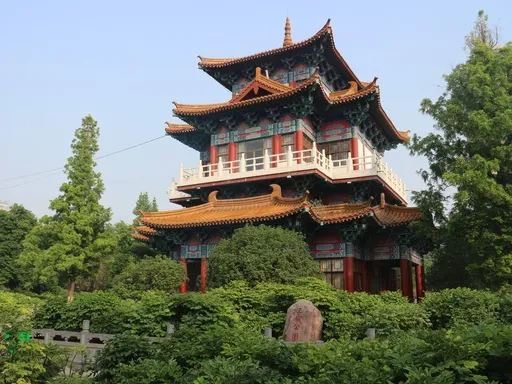
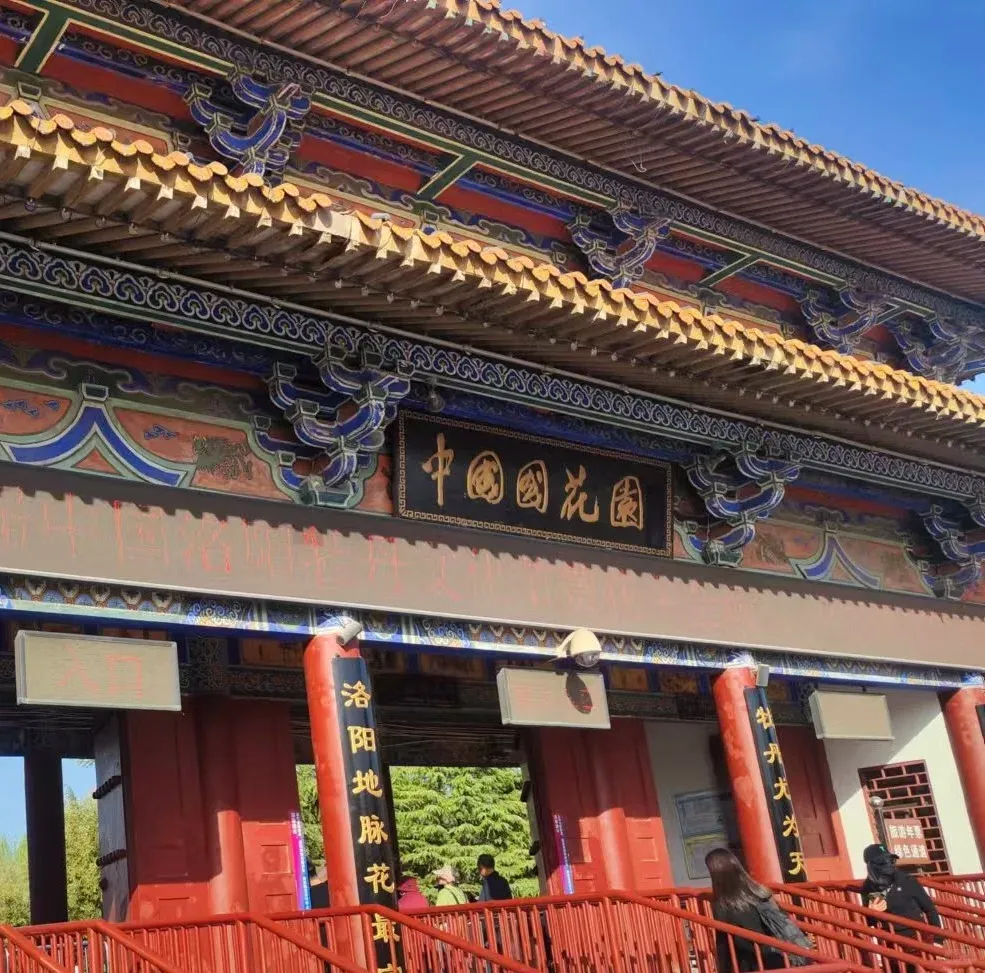
7. Jardín Nacional de Peonías de China
Conocido como la “ciudad natal de las peonías”, el Jardín Nacional de Peonías de China es el jardín de peonías más grande de China, con más de 400.000 plantas de peonías de más de 1.200 variedades, incluidas variedades raras y preciosas. El pueblo chino ha amado las peonías desde la antigüedad, ya que simbolizan riqueza, prosperidad y nobleza, y las peonías de Luoyang son reconocidas en todo el país por sus grandes flores, colores brillantes y ricas fragancias. El jardín no es sólo un lugar para apreciar las peonías, sino también una base para la investigación y la difusión cultural de las peonías, con un museo de la cultura de las peonías que muestra la historia, las técnicas de cultivo y el significado cultural de las peonías. Cada primavera, durante la temporada de floración de las peonías, el jardín es un mar de flores y se llevan a cabo diversas actividades culturales, como exposiciones de pintura de peonías y actuaciones folclóricas, lo que lo convierte en un lugar de visita obligada para experimentar la cultura de las peonías de Luoyang.