Inglés
 Francés
 Español
 Ruso
Ruso Árabe
Árabe Italia
1. Ruinas y Museo de Yinxu (Patrimonio de la Humanidad por la UNESCO)
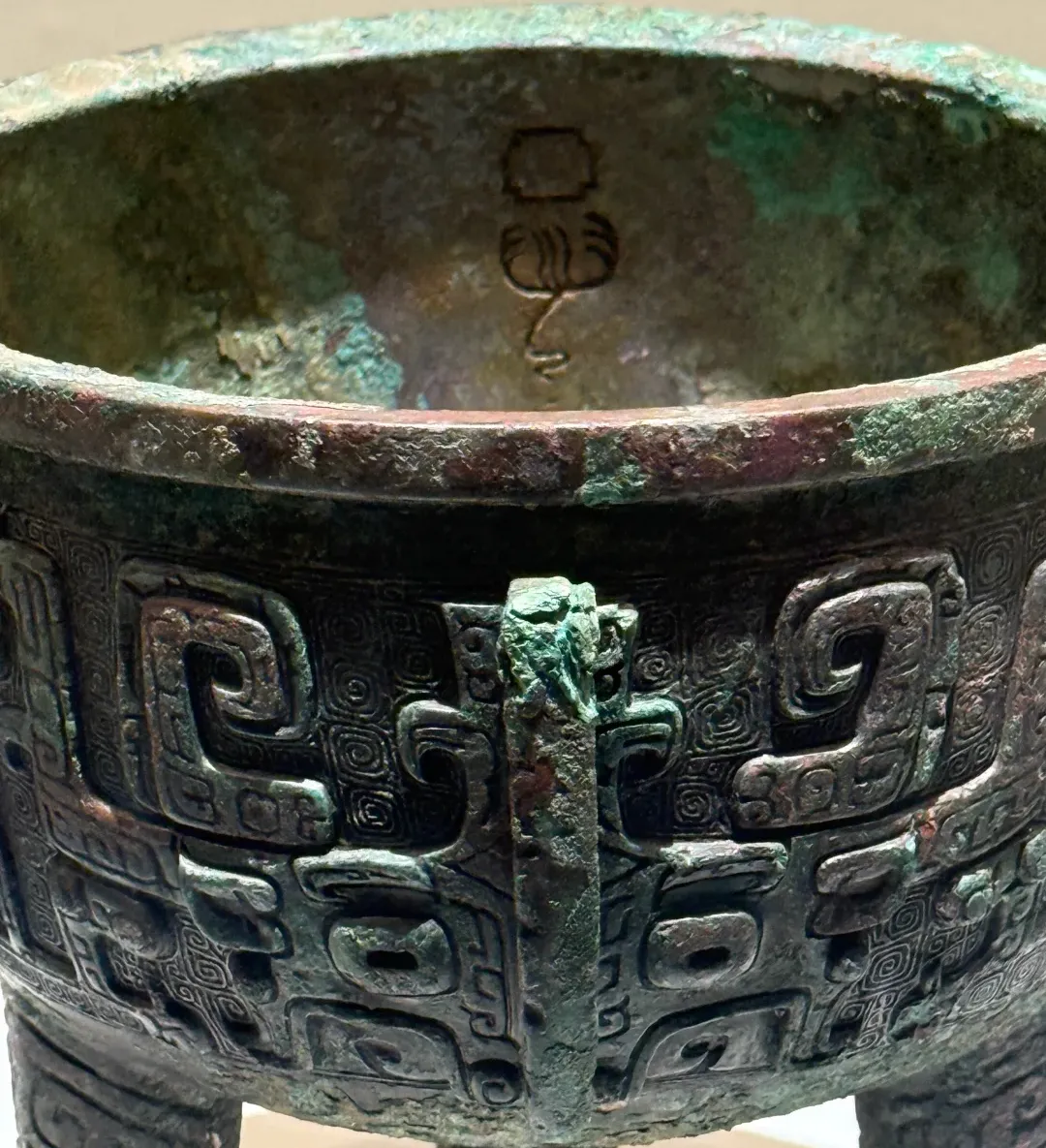
Yinxu son las ruinas de la capital de finales de la dinastía Shang, con una historia de más de 3.300 años, y es el primer sitio de capital antigua en China confirmado por documentos y excavaciones arqueológicas, incluidos huesos de oráculo. El sitio incluye las ruinas del palacio y del templo ancestral, las ruinas del mausoleo real y las ruinas de la ciudad de Huanbei Shang, con un diseño urbano único que es un representante típico de las primeras ciudades de Asia oriental. El Museo Yinxu exhibe una gran cantidad de reliquias culturales desenterradas en Yinxu, como huesos de oráculo, vasijas rituales de bronce y artefactos de jade. Los huesos del oráculo son los caracteres chinos maduros más antiguos descubiertos hasta ahora y registran la vida política, económica y cultural de la dinastía Shang, lo que hizo retroceder la historia creíble de China unos 1.000 años. La excavación de Yinxu y huesos de oráculo tiene un significado trascendental en el desarrollo de la civilización china e incluso de la civilización humana, lo que la convierte en un lugar indispensable para estudiar la historia y la cultura chinas antiguas.
2. Museo Nacional de Escritura China
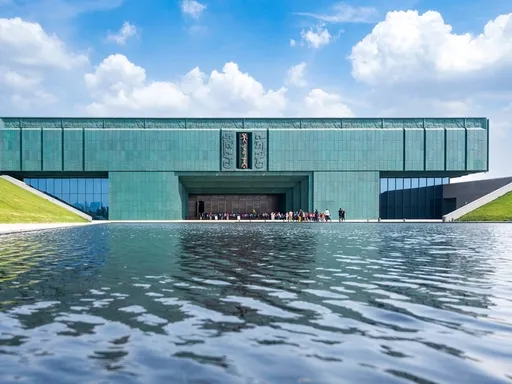
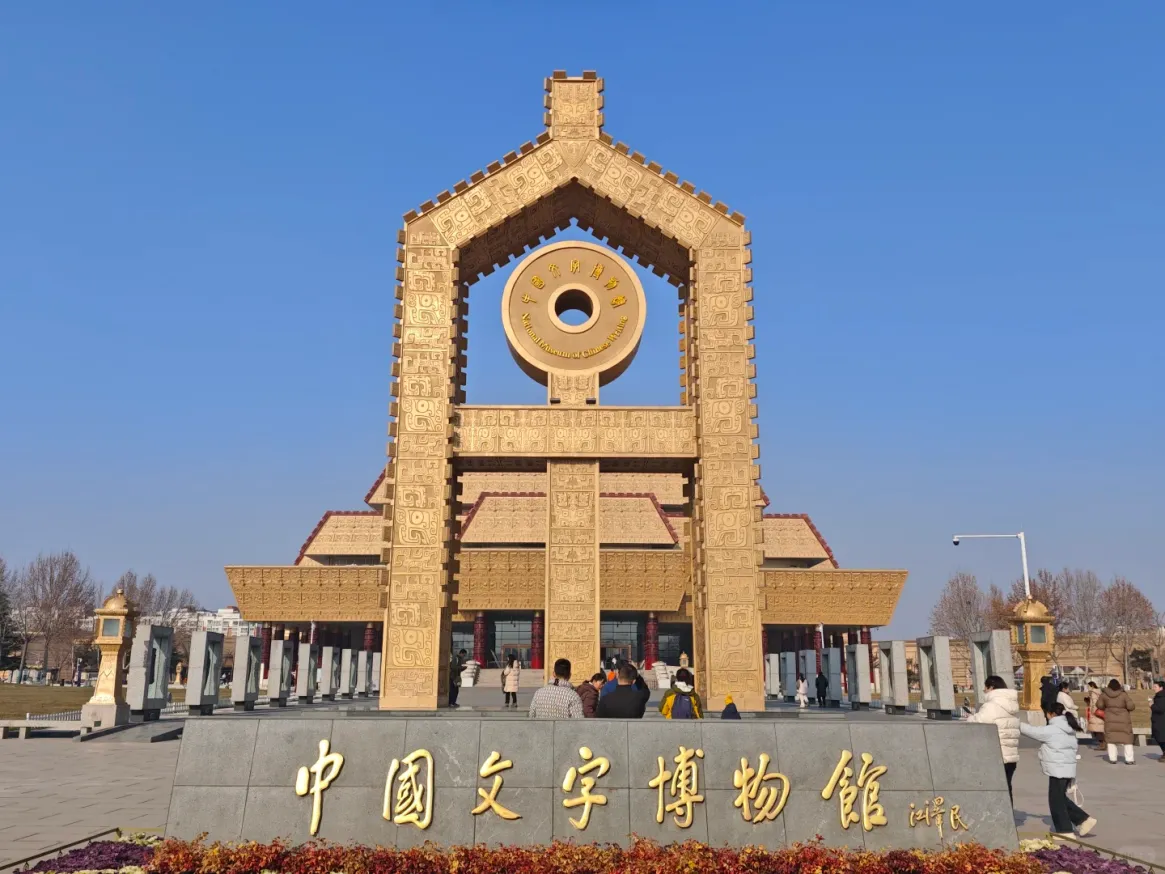
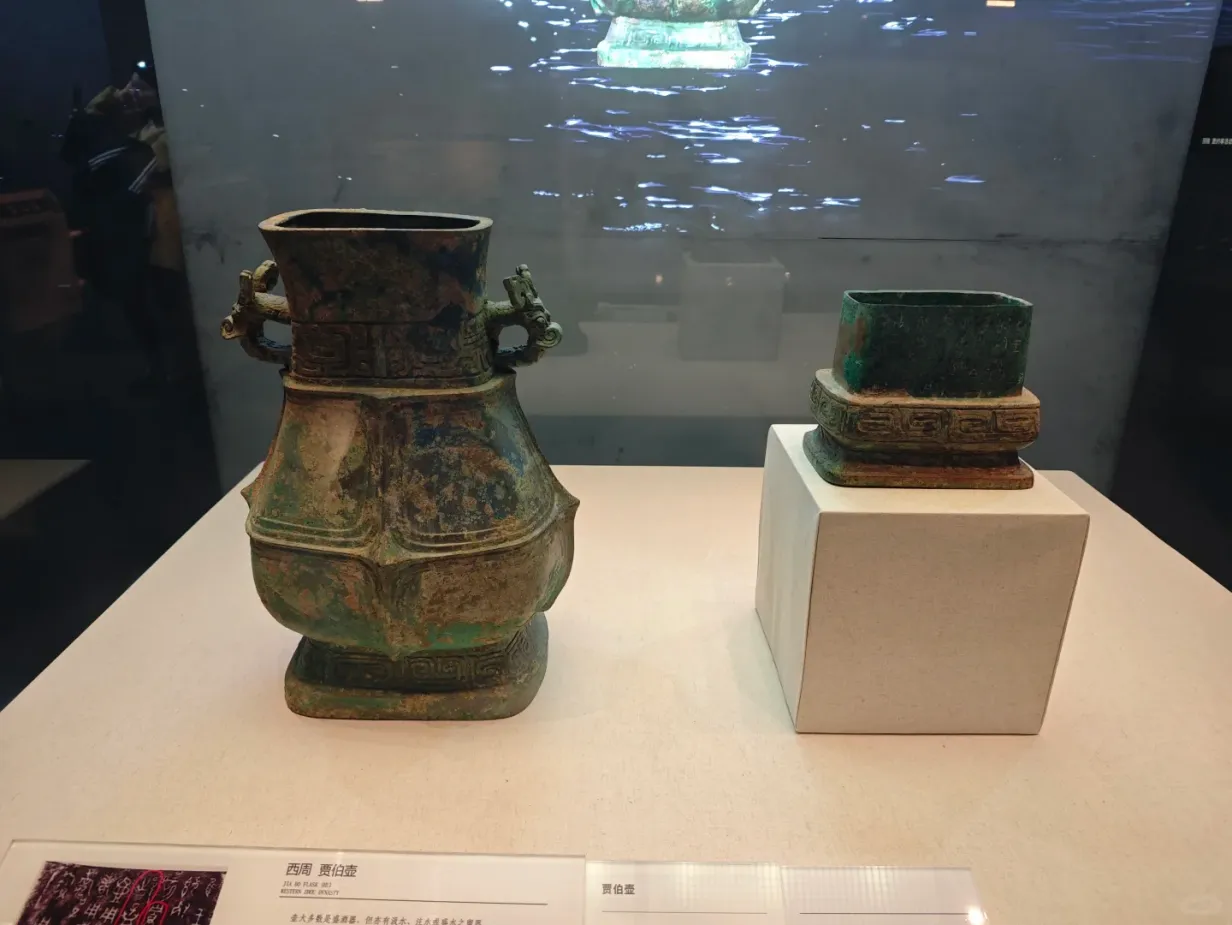
El primer museo del mundo dedicado a los caracteres chinos, el Museo Nacional de Escritura China, está ubicado en Anyang, el lugar de nacimiento de los huesos de oráculo, con la misión de proteger, exhibir y heredar la cultura de los caracteres chinos. El diseño arquitectónico del museo está inspirado en la forma de las inscripciones en huesos de oráculo, con una apariencia única y moderna. Recoge y muestra una gran cantidad de reliquias culturales relacionadas con los caracteres chinos, incluidos huesos de oráculo, inscripciones de bronce, tiras de bambú y trabajos de caligrafía, que muestran el proceso de evolución de los caracteres chinos desde la antigüedad hasta el presente. Las exhibiciones interactivas y las áreas de experiencia permiten a los visitantes intentar escribir inscripciones en huesos de oráculos y aprender sobre el proceso de producción de personajes antiguos, haciendo que la profunda cultura de los personajes sea más vívida y fácil de entender. El museo no sólo muestra la singularidad y el encanto de los caracteres chinos, sino que también promueve los intercambios culturales entre China y países extranjeros, mejorando la comprensión mundial de la cultura de los caracteres chinos.
3. Templo Yue Fei
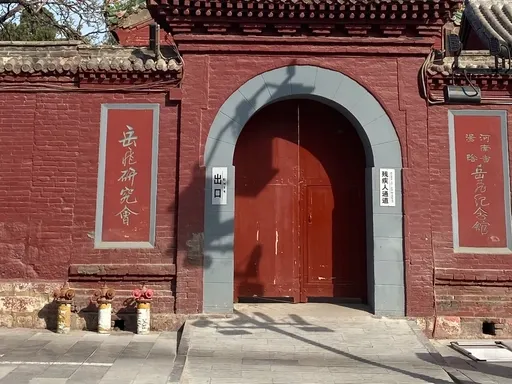
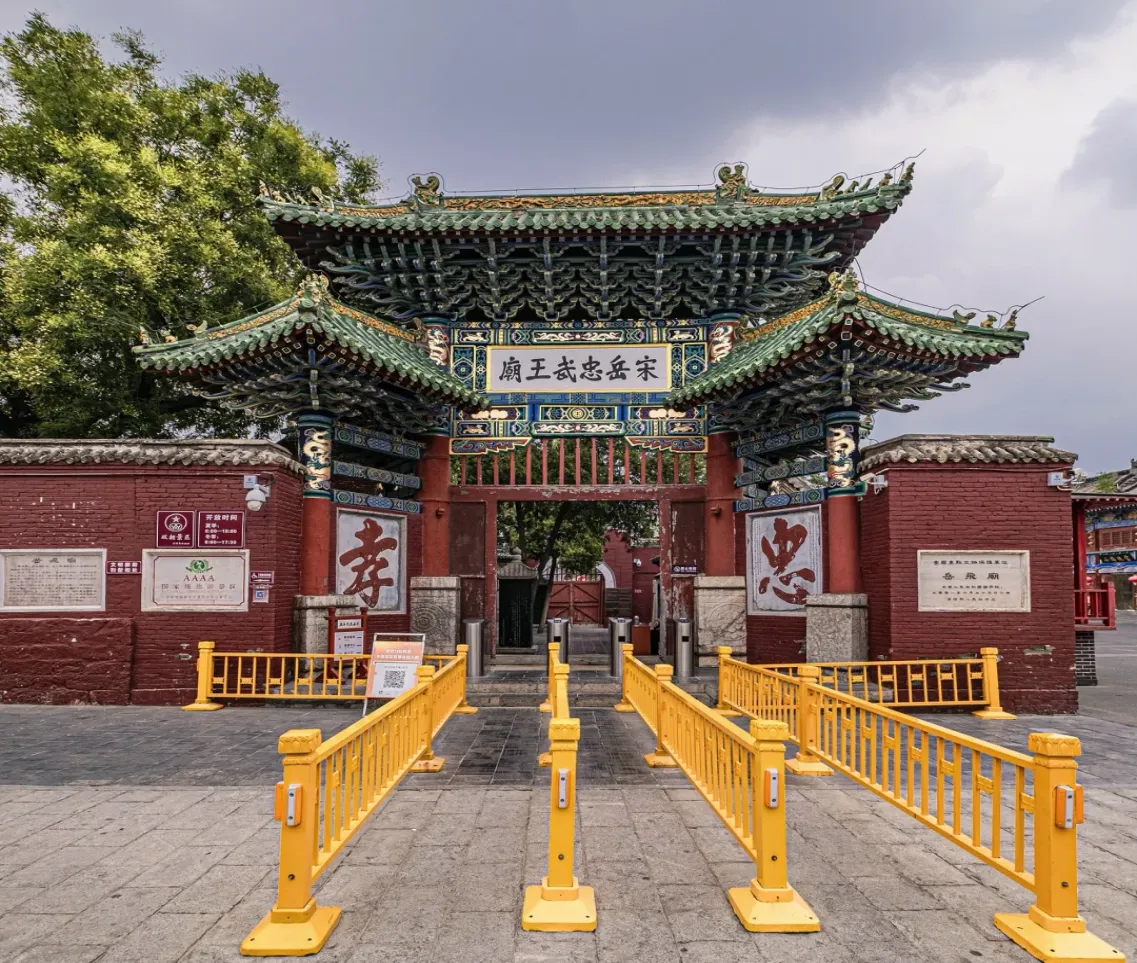
Ubicado en el condado de Tangyin, Anyang, el templo Yue Fei es un edificio conmemorativo dedicado a Yue Fei, un famoso general patriótico de la dinastía Song del Sur, que nació en Tangyin. El templo se construyó por primera vez en la dinastía Ming y ha sido renovado y ampliado muchas veces desde entonces, con un gran complejo arquitectónico que incluye el salón principal, las salas del ala y el mausoleo de Yue Fei. En el salón principal, hay una alta estatua de Yue Fei, con una expresión decidida y patriótica, y el dístico “Lealtad al país a través de los tiempos” cuelga a ambos lados, alabando su noble espíritu patriótico. El templo también exhibe reliquias culturales relacionadas con Yue Fei, como su escritura y suministros militares, y registra la historia de su vida de resistencia al ejército de Jin y defensa del país. El templo Yue Fei no es sólo una atracción turística sino también una base de educación patriótica, que inspira a generaciones de chinos a amar a su país y defender la justicia.
4. Canal Hongqi
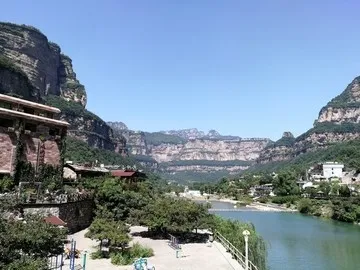
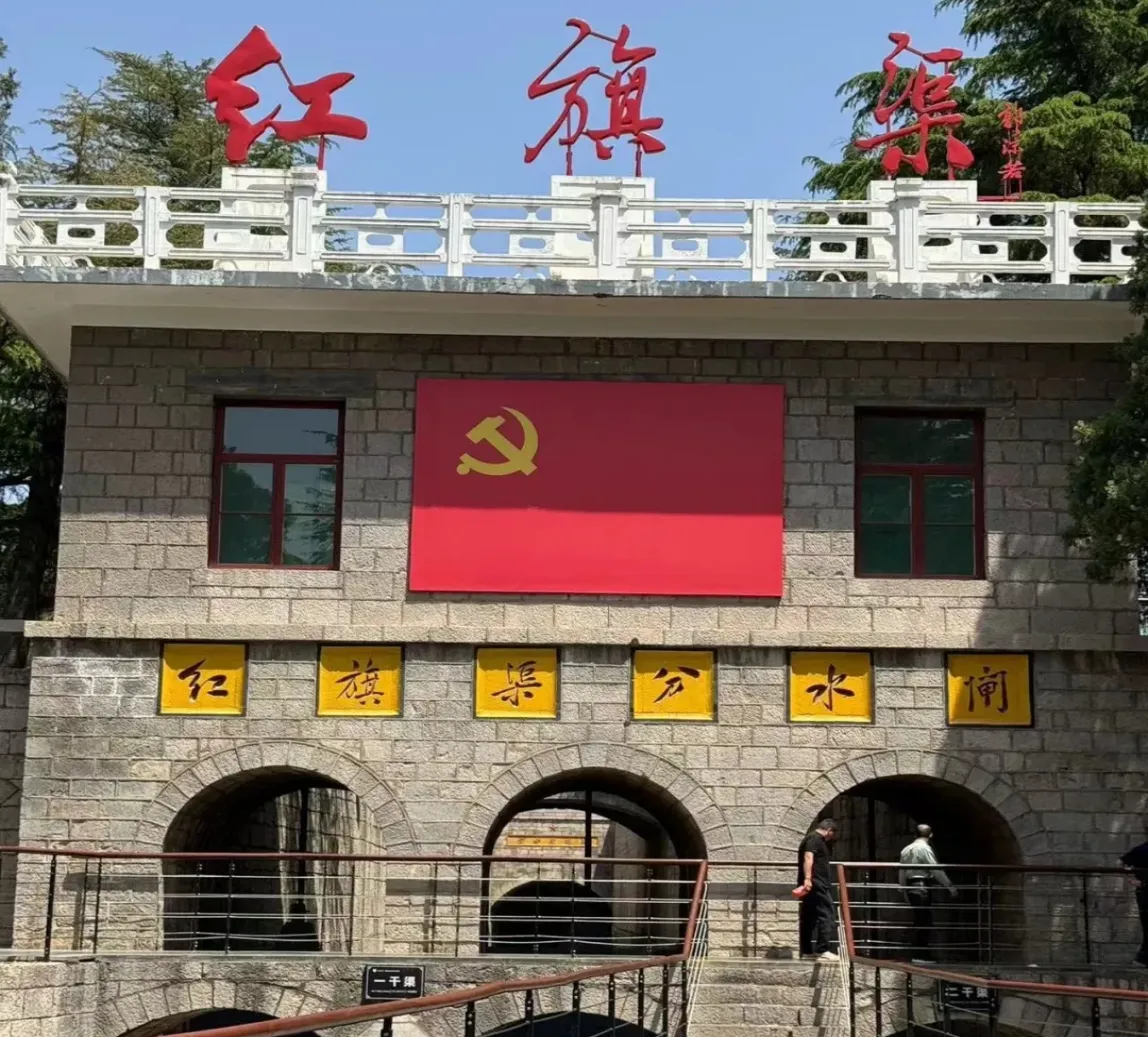
Conocido como el “Tianhe artificial”, el Canal Hongqi es un gran proyecto de conservación del agua construido por la gente de Linzhou en la década de 1960, en condiciones naturales extremadamente duras y con herramientas simples. El canal tiene 1.500 kilómetros de largo, cruza las montañas Taihang y desvía agua del río Zhang para resolver el grave problema de escasez de agua en Linzhou. La construcción del Canal Hongqi no sólo refleja el arduo espíritu de lucha del pueblo chino sino que también creó el “Espíritu del Canal Hongqi” de autosuficiencia, trabajo duro, unidad y dedicación. Hoy en día, el Canal Hongqi se ha convertido en un famoso lugar escénico y una base de educación patriótica, con atracciones como la Cueva de la Juventud y el Salón Conmemorativo del Canal Bandera Roja. Los visitantes pueden realizar un recorrido en barco por el canal, admirar el magnífico paisaje de las montañas Taihang y conocer las conmovedoras historias de la construcción del canal, rindiendo homenaje al espíritu indomable de los constructores.
5. Gran Cañón Taihang
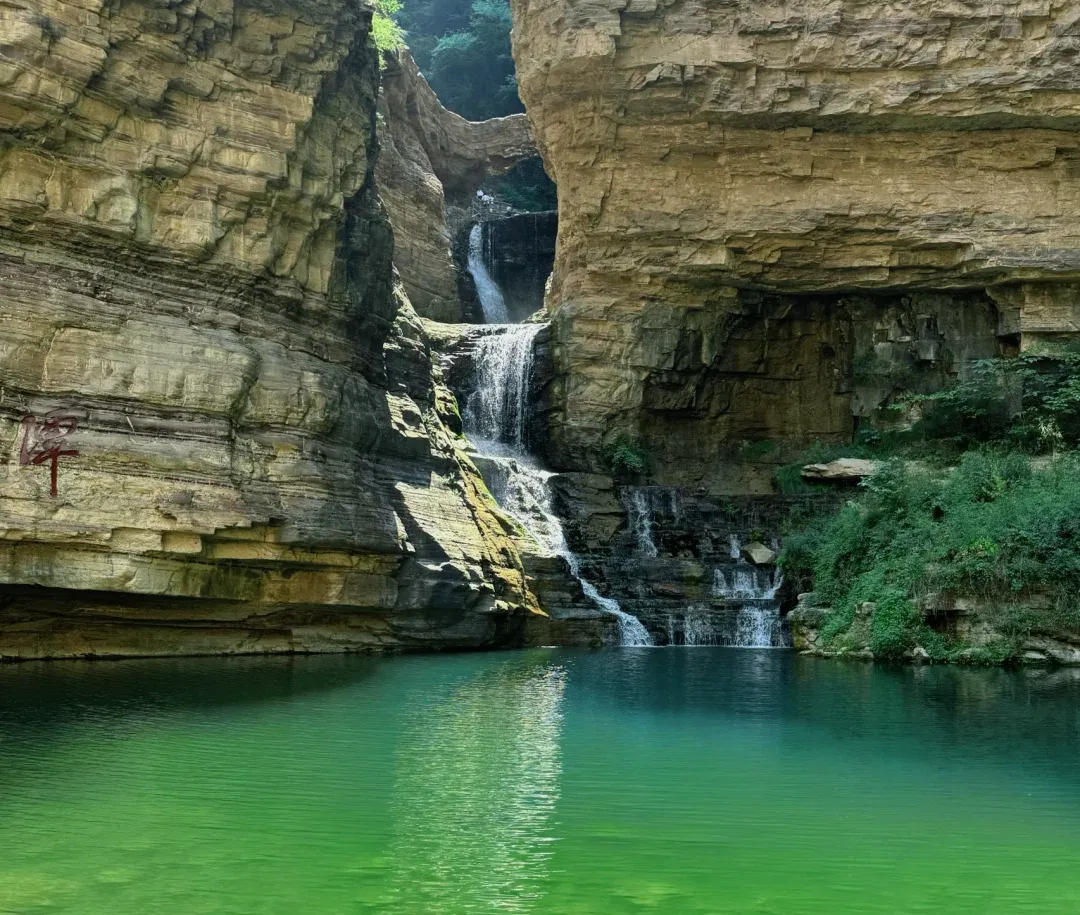
Un espectacular área natural escénica ubicada en las montañas Taihang, el Gran Cañón Taihang es famoso por sus picos escarpados, cañones profundos y arroyos claros, con accidentes geográficos típicos de Danxia y paisajes kársticos. Las principales atracciones incluyen el área escénica de Wang Mangling, el valle de Peach Blossom y el Palacio Nuwa, cada uno con su propio paisaje natural único. El Peach Blossom Valley lleva el nombre de las flores de durazno que florecen en todas las montañas y llanuras en primavera, como un país de hadas. El Palacio Nuwa está relacionado con la leyenda de Nuwa reparando el cielo, con templos antiguos y tallas de piedra, que combinan paisajes naturales con cultura mitológica. El Gran Cañón también ofrece diversas actividades al aire libre, como senderismo, escalada en roca y rafting, que permiten a los visitantes acercarse a la naturaleza y experimentar la grandeza y la belleza de las montañas Taihang.
6. Museo de las ruinas de la cárcel de Cao Cao
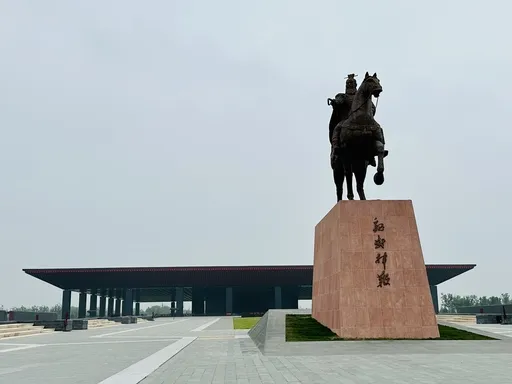
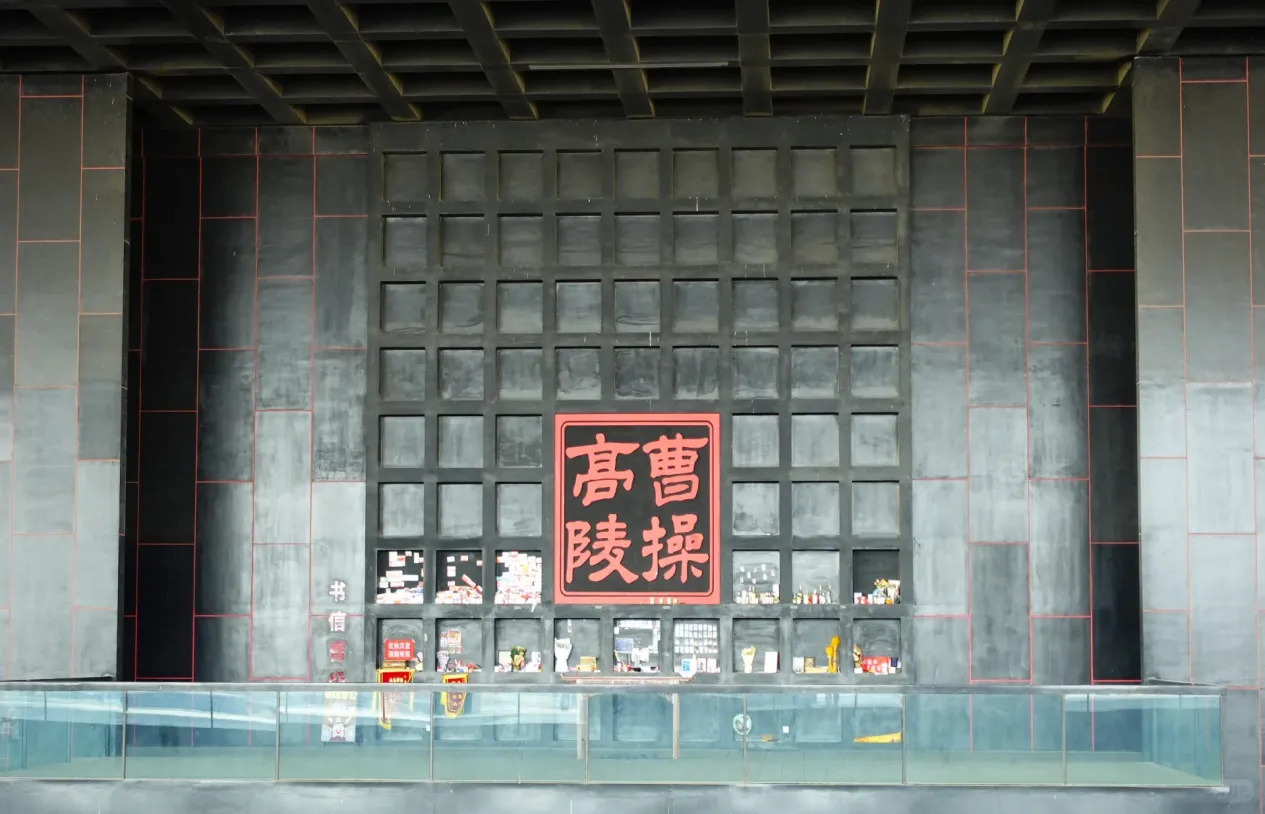
El museo está construido sobre las ruinas del mausoleo de Cao Cao, un sitio histórico controvertido confirmado por excavaciones arqueológicas en los últimos años. Cao Cao fue un famoso político, estratega militar y poeta de finales de la dinastía Han del Este, con una evaluación histórica compleja. El museo muestra el proceso de excavación del mausoleo, las reliquias culturales desenterradas, como tablillas de piedra, espejos de bronce y porcelana, y utiliza tecnologías modernas para restaurar el diseño y la apariencia del antiguo mausoleo. También organiza seminarios académicos y exposiciones culturales para discutir el estatus histórico de Cao Cao y los antecedentes culturales del período de los Tres Reinos. Para los amantes de la historia, este museo ofrece una perspectiva única para comprender la misteriosa vida de Cao Cao y la historia de la era de los Tres Reinos.