
 Inglés
 Francés
 Español
 Ruso
Ruso Árabe
Árabe Italia
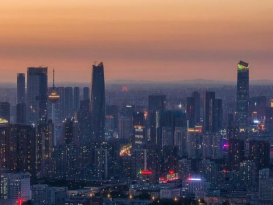
Shenyang, capital de la provincia de Liaoning, es una ciudad central internacional en el noreste de Asia, una ciudad histórica y cultural nacional y un centro de transporte integral internacional, reconocida como la "cuna de una dinastía y la capital de dos generaciones de emperadores". Esta ciudad cuenta con una historia de 7.200 años de cultura humana y una historia de 2.300 años de desarrollo urbano. La construcción de la ciudad comenzó con Qin Kai, un general del estado de Yan durante el período de los Estados Combatientes, quien estableció el condado de Houcheng. En 1625, la dinastía Jin posterior trasladó su capital aquí, y Huang Taiji la rebautizó como Shengjing, convirtiéndola en la capital fundadora de la dinastía Qing y presenciando el surgimiento de la última dinastía feudal de China.
Como lugar de nacimiento principal de la cultura Qing, Shenyang cuenta con tres sitios declarados Patrimonio de la Humanidad por la UNESCO: el Palacio Imperial de Shenyang, el Mausoleo Qing Fuling y el Mausoleo Qing Zhaoling, así como más de 1.500 reliquias históricas y culturales, como las Ruinas Xinle y el Templo del Clan Xibe. La ciudad ha sido testigo de una profunda integración cultural de múltiples grupos étnicos, incluidos los manchúes, los han, los mongoles y los tibetanos. Desde los tiempos modernos, ha servido como núcleo gobernante de los señores de la guerra fengtianos, siendo testigo de las dramáticas transformaciones de la modernización del noreste de China y al mismo tiempo guardando profundos recuerdos rojos. Aquí estalló el "Incidente del 18 de septiembre", que marcó el comienzo de la Guerra de Resistencia del pueblo chino contra la agresión japonesa, y se han transmitido de generación en generación innumerables historias de luchas revolucionarias.
Shenyang es incluso aclamado como el "hijo mayor de la República" y la cuna de la nueva industria china. El título de "Ministerio de Equipamiento de la República" transmite la lucha épica de la industria china de la nada a algo y de la debilidad a la fortaleza. Hoy en día, esta ciudad no sólo conserva su patrimonio histórico milenario sino que también combina la vitalidad y la habitabilidad de una metrópolis moderna. Ha ganado consecutivamente los títulos de Ciudad Civilizada Nacional y Ciudad Más Feliz de China, convirtiéndose en una ciudad central en el noreste de China que combina profundidad histórica con vitalidad contemporánea.
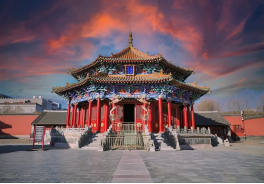
Palacio Imperial en el Palacio de Shenyang Museo en Shenyang Palacio Imperial de Shenyang
El Palacio Imperial de Shenyang se construyó inicialmente en 1625 y se completó en 1636. Sufrió múltiples ampliaciones y mejoras durante los reinados de los emperadores Kangxi y Qianlong, lo que lo convirtió en uno de los dos únicos complejos palaciegos imperiales intactos que quedan en China. En 2004, fue inscrito en la Lista del Patrimonio Mundial como parte del Proyecto de Extensión del Patrimonio Cultural del Palacio Imperial Ming y Qing. Este sitio sirvió como Palacio Imperial de Shengjing antes de la entrada de la dinastía Qing a las Llanuras Centrales. Los emperadores Nurhaci (el emperador fundador) y Huangtaiji (el segundo emperador) de la dinastía Qing dirigieron los asuntos estatales y vivieron aquí, mientras el emperador Shizu Fulin ascendía al trono. Se presenta como un testimonio completo de la transición histórica del primer régimen Qing de un estado tribal regional a un imperio unificado.
El complejo palaciego, que abarca más de 60.000 metros cuadrados, conserva 114 estructuras antiguas y más de 500 habitaciones. Su diseño arquitectónico sigue el patrón de "tres ejes paralelos y tres corredores paralelos", divididos en secciones este, central y oeste, creando un estilo arquitectónico distinto en comparación con la Ciudad Prohibida de Beijing. La sección oriental se centra en el Salón Dazheng octogonal de doble alero y el Pabellón Diez Wang dispuestos en una formación de ganso, recreando vívidamente el sistema político-militar de los Ocho Estandartes de la dinastía Qing. Los pilares enroscados del dragón dorado combinan características arquitectónicas de las culturas manchú, mongola y tibetana. La sección central presenta el Salón Chongzheng, la Torre Fénix y el Palacio Qingning, con su innovador diseño de "palacio alto, salones bajos" que rompe el diseño tradicional de "salones altos, palacio bajo" de los palacios imperiales de las Llanuras Centrales. Este diseño encarna el núcleo de la cultura residencial manchú de plataformas altas. Las habitaciones pequeñas del Palacio Qingning, el Wanzi kang (un suelo tradicional con calefacción) y los postes Suoluo conservan plenamente las costumbres de vida manchúes y las tradiciones de sacrificio chamanistas. El Pabellón Wensu de la sección occidental fue construido específicamente para albergar la Biblioteca Completa de los Cuatro Tesoros. Su paleta arquitectónica negro-verde se alinea con los principios de prevención de incendios de los Cinco Elementos y sirve como modelo de la arquitectura de la biblioteca imperial de la dinastía Qing.
El Palacio Imperial de Shenyang alberga más de 100.000 reliquias culturales, que no sólo representan el pináculo de la integración del arte arquitectónico multiétnico sino que también sirven como testimonio viviente de los inicios de la dinastía Qing. Lleva los recuerdos fundacionales de la dinastía Qing y se erige como un tesoro cultural único en la historia de la arquitectura palaciega china.
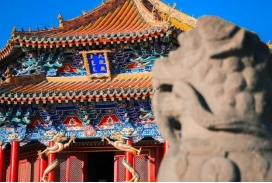
Mausoleo de Qing Zhaoling (Parque Beiling)
El mausoleo de Qing Zhaoling, comúnmente conocido como Beiling, está ubicado en el parque Beiling al norte de la ciudad de Shenyang. Sirve como lugar de entierro conjunto del emperador Taizong Huang Taiji y la emperatriz Xiaoduanwen del clan Borjigit, y es la más grande y magnífica entre las "Tres tumbas del templo exterior" de principios de la dinastía Qing. Catalogado como Patrimonio de la Humanidad por la UNESCO en 2004, el complejo del mausoleo se construyó inicialmente en 1643 (octavo año del reinado de Chongde) y se completó en gran medida en 1651 (octavo año del reinado de Shunzhi). Las expansiones y renovaciones posteriores durante los reinados de Kangxi, Qianlong y Jiaqing finalmente dieron forma a su gran escala actual, que abarca 160.000 metros cuadrados con 38 estructuras arquitectónicas antiguas supervivientes.
El mausoleo Zhaoling de la dinastía Qing se adhiere meticulosamente a la tradición funeraria imperial Ming de "patio delantero, cuartos traseros", al tiempo que incorpora elementos arquitectónicos distintivos de estilo fortaleza manchú, lo que lo convierte en un ejemplo clásico de integración cultural entre la arquitectura del mausoleo manchú y han. El conjunto mira al sur con su orientación norte, dividido en tres secciones de sur a norte: corredor de entrada, estructura principal y cuartos traseros. Los visitantes ingresan a través de la Estela de Desmontaje, el arco de piedra y la Puerta Roja Principal, con pilares ornamentales y relieves de piedra que se alinean simétricamente a ambos lados del camino espiritual. En el centro se encuentra el Pabellón de la Estela que alberga la "Gran Estela Qing Zhaoling de Méritos Divinos y Virtudes Sagradas", inscrita por el propio Emperador Kangxi, que narra los logros civiles y militares del Emperador Huang Taiji. El área central presenta un diseño cuadrado similar a una fortaleza que se asemeja a una ciudad dentro de otra ciudad, con torres en las esquinas en cada cuadrante. El Long'en Hall central sirve como lugar principal de sacrificio, construido sobre una base de granito adornada con exquisitas tallas y azulejos amarillos. Sus murales interiores conservan intacto el arte arquitectónico de principios de la dinastía Qing, mientras que la ciudad del tesoro trasera y el palacio subterráneo proporcionan espacios de entierro para el emperador y la emperatriz.
En 1927, el mausoleo Zhaoling de la dinastía Qing se transformó en el parque Beiling. Hoy en día, el parque se extiende por 4,5 millones de metros cuadrados, donde los pinos centenarios y las paredes rojas con azulejos amarillos crean un paisaje armonioso. Preserva la solemnidad de las tumbas imperiales al tiempo que encarna la elegancia refinada de los jardines urbanos, y sirve como un sitio de patrimonio cultural vital para Shenyang y un destino principal para que los residentes se relajen y los turistas exploren sitios históricos.
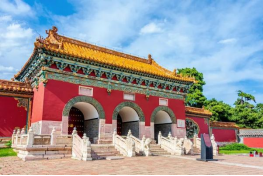
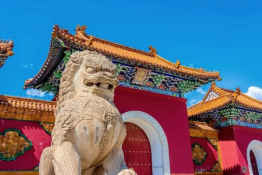
Mausoleo de Qingfu (parque Dongling)
El mausoleo de Qingfu, comúnmente conocido como Dongling, está ubicado al pie sur de la montaña Tianzhu en los suburbios del este de Shenyang. Flanqueada por el río Hun y respaldada por montañas, sirve como lugar de enterramiento conjunto del emperador Qing Taizu Nurhaci y la emperatriz Xiaoci Yehe Nara. Como el primer mausoleo imperial oficial de la dinastía Qing, se lo conoce colectivamente como uno de los "Tres grandes mausoleos exteriores" junto con los mausoleos de Zhaoling y Yongling. Catalogado como Patrimonio de la Humanidad por la UNESCO en 2004, el complejo se construyó inicialmente en 1629 durante la era Tiancong de la dinastía Jin posterior y se completó en 1651 bajo el emperador Shunzhi. Las expansiones posteriores durante los reinados de Kangxi y Qianlong lo transformaron en su gran diseño actual, perfectamente integrado con el terreno montañoso.
La característica más distintiva del mausoleo de Qingfu radica en su diseño montañoso adaptado al terreno, que rompe con la construcción tradicional de las tumbas imperiales en China central. Todo el complejo arquitectónico asciende gradualmente de sur a norte siguiendo los contornos de las montañas, formando un diseño único con una fachada más baja y secciones traseras más altas, creando una forma estrecha y alargada de norte a sur que integra perfectamente los paisajes naturales con los sistemas ceremoniales imperiales. El área central del mausoleo presenta estructuras secuenciales de sur a norte: arcos de piedra, la Puerta Roja Principal, estatuas de piedra a lo largo del Camino Sagrado, 108 escalones de piedra, el Pabellón Estela de los Méritos Divinos, la Ciudad Cuadrada, el Salón de la Gracia Suprema y el palacio subterráneo dentro de la Ciudad del Tesoro. Entre ellos, los 108 escalones de piedra son el elemento arquitectónico icónico de Qingfu. Estos 108 escalones simbolizan los treinta y seis espíritus celestiales taoístas y los setenta y dos demonios terrenales, lo que mitiga eficazmente las diferencias de elevación y al mismo tiempo dota al mausoleo de un profundo significado cultural, un diseño sin paralelo en la arquitectura imperial Qing. La Ciudad Cuadrada adopta un diseño de estilo fortaleza manchú con torres en las esquinas en cada cuadrante. El Salón central de la Gracia Suprema sirvió como lugar central para los sacrificios imperiales durante la era Qing, y sus vigas intrincadamente talladas y vigas pintadas preservan la fusión arquitectónica temprana Qing Manchú-Han. Las estelas dentro del pabellón tienen inscripciones en escritura manchú, china y mongol que relatan los logros de la vida de Nurhaci.
En 1929, el mausoleo Fuling de la dinastía Qing se transformó en el parque Dongling. Hoy en día, el parque se extiende por 557,3 hectáreas, adornado con pinos centenarios que llevan más de 300 años. Sus paredes rojas y azulejos amarillos se mezclan a la perfección con el frondoso bosque, y sirven no sólo como testimonio del legado fundacional de la dinastía Qing, sino también como un hito cultural en el este de Shenyang, donde coexisten la profundidad histórica y la belleza natural.
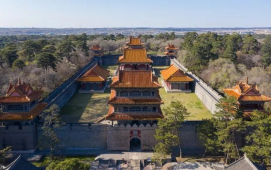
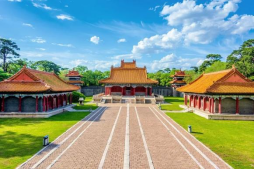
Museo de la Mansión de la Familia Zhang
La Mansión de la Familia Zhang, también conocida como "La Mansión del Gran Mariscal" o "La Mansión del Mariscal Junior", está ubicada en la calle Chaoyang en el distrito Shenhe de Shenyang. Construido en 1914, este complejo sirvió como residencia oficial y casa privada de Zhang Zuolin, el último jefe de estado del gobierno de Beiyang y líder de los señores de la guerra de la camarilla Fengtian, junto con su hijo Zhang Xueliang durante su administración en el noreste de China. Con una superficie total de 53.000 metros cuadrados, se erige como la residencia moderna de celebridades más grande y mejor conservada de China, ganándose la reputación de "Primera residencia de celebridades del noreste de China". Reconocida como Unidad Nacional de Protección de Reliquias Culturales Clave y atracción turística nacional de nivel AAAA, sigue siendo un hito de importancia histórica.
Esta mansión es aclamada como "la residencia de un gran mariscal y la mitad de la historia de la República de China", y fue testigo de una serie de acontecimientos importantes de gran alcance en la historia moderna de China. Sirvió no solo como escenario central para el legendario viaje de Zhang Zuolin desde un héroe de base hasta rey del noreste de China, sino también como centro de toma de decisiones donde Zhang Xueliang trabajó incansablemente para promover el cambio de bandera en el noreste de China y lograr la unificación nacional. Importantes acontecimientos históricos como las dos guerras Zhili-Fengtian, la mediación armada de la Guerra de las Llanuras Centrales y el asesinato de Yang Chang fueron todos orquestados y ocurrieron aquí, lo que lo convierte en un testimonio vivo de la historia moderna de China y de la historia moderna del noreste de China.
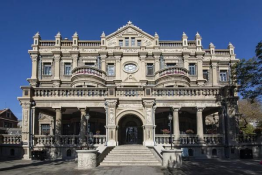
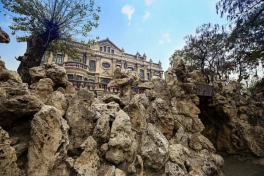
El complejo arquitectónico dentro de la Mansión del Mariscal muestra diversos estilos y sirve como un museo de arte arquitectónico moderno: el cuadrilátero de tres patios es un ejemplo típico de la arquitectura oficial tradicional china, donde las vigas talladas y las vigas pintadas encarnan plenamente la estética china; El gran edificio de estilo Qing que imita la arquitectura romana sirve como estructura central de la Mansión del Mariscal, que alguna vez fue el centro de poder político y militar más alto del noreste de China. El Salón del Tigre dentro del edificio ganó fama mundial debido al "Incidente Yang-Chang" y aún conserva intactos sus muebles originales; el edificio híbrido chino-occidental Xiaoqing, la residencia de estilo japonés de Zhao Yidi y el antiguo emplazamiento de inspiración europea del Border Industry Bank se encuentran dispersos por todo el parque de manera ordenada, combinando estilos arquitectónicos chino, occidental, japonés y ruso. Hoy en día, la Mansión del Mariscal alberga más de 15.000 reliquias culturales y alberga regularmente exposiciones como "Un siglo de Zhang Xueliang" y "Zhang Zuolin y la familia Zhang", que reconstruyen fielmente las trayectorias de vida del dúo de padre e hijo de Zhang y la turbulenta historia del noreste de China en los tiempos modernos, lo que la convierte en un hito central de la cultura moderna de Shenyang.
Museo Histórico "18 de Septiembre" de Shenyang
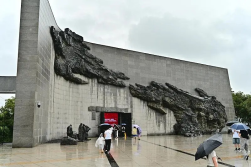
El Museo Histórico "18 de Septiembre" de Shenyang está ubicado en la calle Wanghua Sur en el distrito de Dadong, Shenyang, cerca de la sección Liutiaohu del antiguo Ferrocarril del Sur de Manchuria, donde ocurrió el Incidente del "18 de Septiembre". Es el único museo temático en China e incluso en el mundo que refleja de manera integral la historia del Incidente del "18 de septiembre". Actualmente, es un museo nacional de primera clase, una base nacional de demostración de educación patriótica y una de las primeras instalaciones y sitios conmemorativos de la guerra antijaponesa a nivel nacional.
El museo fue creado en 1991 para conmemorar el 60 aniversario del Incidente del 18 de Septiembre. Experimentó una ampliación oficial en 1999, cubriendo una superficie total de 35.000 metros cuadrados con 9.180 metros cuadrados dedicados a exposiciones. Guiado por la filosofía central de "preservar la memoria histórica y revelar verdades históricas", reconstruye integralmente el contexto histórico del Incidente del 18 de septiembre y la lucha de resistencia de 14 años de militares y civiles del noreste de China. La estructura más emblemática es el Monumento al Calendario Roto, inspirado en un calendario de escritorio abierto. El monumento presenta fechas claramente grabadas, incluido el 18 de septiembre de 1931, junto con relatos históricos detallados del evento. Su diseño plagado de balas narra silenciosamente la historia de humillación y resistencia, sirviendo como símbolo espiritual para que el pueblo chino recuerde su pasado.
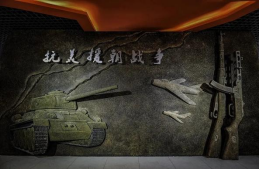
La exposición permanente del museo se centra en la historia del Incidente del 18 de septiembre y los 14 años de Guerra de Resistencia contra Japón en el noreste de China, organizada en seis secciones temáticas. A través de más de 2.000 valiosos artefactos históricos, fotografías, escenas reconstruidas y presentaciones multimedia, revela de manera integral cómo el militarismo japonés orquestó el incidente del 18 de septiembre y lanzó la invasión de China. La exposición destaca la épica lucha de resistencia de 14 años de militares y civiles del noreste de China bajo el liderazgo del Partido Comunista de China, mostrando el espíritu indomable de la nación china. Desde su apertura, el museo ha celebrado la ceremonia anual de toque de campanas "Nunca olvides el 18 de septiembre" el 18 de septiembre y ha desarrollado programas educativos que atraen a más de 200.000 visitantes al año. Se ha convertido en un centro cultural vital para preservar el legado revolucionario y promover el espíritu de resistencia.
Museo Provincial de Liaoning
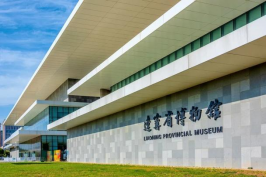
El Museo Provincial de Liaoning está ubicado en el distrito de Hunnan, Shenyang, y es el primer museo histórico y de arte a gran escala establecido por el gobierno popular en la Nueva China. Ahora es uno de los ocho museos nacionales clave construidos conjuntamente por los gobiernos central y local, con una colección de casi 120.000 reliquias (conjuntos) culturales, incluidas 494 reliquias (conjuntos) culturales nacionales de primera clase. Sirve como una ventana cultural central que muestra de manera integral la civilización regional de Liaoning y la historia y cultura de China.
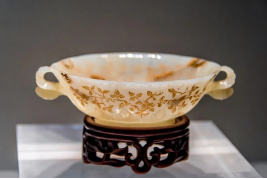
Originalmente establecida como Museo del Noreste en 1949, la institución pasó a llamarse oficialmente Museo Provincial de Liaoning en 1959. A lo largo de siete décadas de desarrollo, ha construido un sistema integral de colección centrado en artefactos arqueológicos y reliquias histórico-artísticas de la provincia de Liaoning. Sus fondos abarcan 20 categorías que incluyen caligrafía, pintura, artículos de bronce, cerámica, artefactos de jade y bordados de seda, y abarcan una línea de tiempo desde el Paleolítico hasta los tiempos modernos. Las colecciones más distintivas del museo incluyen pinturas de la dinastía Jin-Tang-Song-Yuan, bordados de seda kesi del período Song-Yuan-Ming-Qing, artefactos de jade de la cultura Hongshan, artículos de bronce de almacenamiento subterráneo del período Shang-Zhou y porcelana de la dinastía Liao, ganando reconocimiento internacional por su calidad excepcional.
El Museo de Liaoning es uno de los museos de China con la mayor colección y la mejor calidad de caligrafía y pinturas de las dinastías Jin, Tang, Song y Yuan. Sus tesoros incluyen la caligrafía de la dinastía Jin "Elegía para Cao E", el "Monumento onírico a Confucio" de Ouyang Xun de la dinastía Tang, los "Cuatro poemas antiguos en escritura cursiva" de Zhang Xu, las "Mujeres con flores" de Zhou Fang y la "Pintura de grulla auspiciosa" del emperador Huizong, todos ellos únicos en el mundo. Entre ellos, una gran cantidad de caligrafías y pinturas perdidas del Palacio Qing son testigos de los logros máximos de la caligrafía y la pintura chinas. Mientras tanto, los preciados artefactos del museo, como el cerdo-dragón de jade de la cultura Hongshan, el frasco de vidrio con forma de pato de Yan del Norte y los artículos de bronce del período Shang-Zhou de sitios de almacenamiento subterráneos, trazan de manera integral la trayectoria de desarrollo de la cuenca del río Liao desde la civilización antigua hasta la integración de múltiples culturas étnicas, sirviendo como una "historia visible de la civilización del río Liao". En los últimos años, las innovadoras exposiciones especiales del museo, como "Revisitando la dinastía Tang" y "La China Armoniosa", se han convertido en puntos de referencia en el sector cultural y museístico nacional, sirviendo como plataformas cruciales para heredar la excelente cultura tradicional de China y promover la integración de la cultura y el turismo.
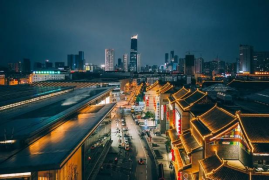
Calle central de Shenyang
Shenyang Zhongjie está ubicado en el área central de la Ciudad Imperial Shenyang Shengjing, adyacente al Palacio Imperial de Shenyang y la Mansión del Mariscal de la Familia Zhang. Construida originalmente en 1625 y llamada Siping Street, que significa "paz en las cuatro estaciones", es la primera calle peatonal comercial de China, conocida como la "Primera calle del noreste de China" y una de las diez calles comerciales más famosas de China. También es un polo de consumo cultural y turístico nocturno a nivel nacional.
La historia de la calle Zhongjie ha resonado con el desarrollo de la ciudad de Shenyang. Después de que Nurhaci trasladara la capital a Shenyang en 1625, Huang Taiji, siguiendo el antiguo principio de "templo ancestral a la izquierda, altar a la derecha y plaza del mercado mirando hacia atrás", transformó las calles en forma de cruz de Shenyang en una cuadrícula de cuatro calles. La calle Zhongjie se convirtió en el área comercial central, con campanarios y torres de tambores construidos en sus extremos este y oeste, convirtiéndola en el corazón comercial de la Ciudad Imperial de Shengjing. Desde el mercado de tributos imperial durante la dinastía Qing hasta la cuna de la industria y el comercio étnico del noreste de China en la era de la República de China, la calle Zhongjie fue testigo del desarrollo completo de la civilización comercial de Shenyang durante casi 400 años. En 1997, la calle Zhongjie fue oficialmente renovada como la primera calle peatonal comercial de China, marcando el comienzo de un nuevo capítulo del desarrollo comercial moderno.
Hoy en día, la calle Zhongjie se extiende por 1,9 kilómetros con un área comercial total de 500.000 metros cuadrados, y presenta un diseño único de "un eje horizontal, un eje vertical y múltiples hutongs" que preserva su rico patrimonio histórico y al mismo tiempo abraza la vitalidad comercial moderna. El distrito conserva monumentos centenarios como el antiguo centro comercial Limin y Jishun Silk House, al tiempo que alberga docenas de marcas consagradas como Cuihua Gold Shop, Laobian Dumplings, Majia Shao Mai y Hu Kuizhang Pen Shop, junto con proyectos de patrimonio cultural inmaterial. También atrae marcas internacionales, productos culturales de moda y lugares populares para cenar, logrando una combinación perfecta de historia y modernidad. Los característicos hutongs adyacentes, como Toutiao Hutong y Guanjuzi Hutong, capturan la atmósfera vibrante del antiguo Shenyang y sirven como una sala de estar urbana que integra el comercio, el turismo y la cultura, lo que los convierte en hitos centrales de la cultura comercial de Shenyang.
Museo Industrial de China
El Museo Industrial de China está ubicado en el distrito de Tiexi, Shenyang, originalmente el taller de fundición de Shenyang Foundry Factory construido en 1939. Alguna vez fue la empresa de fundición especializada más grande de Asia y fue renovado oficialmente para convertirlo en un museo de acceso público en 2012. Como el museo industrial integral más grande de China, ahora es un museo nacional de segundo nivel, un sitio de patrimonio industrial nacional, una base de demostración de educación patriótica nacional y una atracción turística nacional de nivel 4A.
Shenyang ha sido conocida durante mucho tiempo como el "Departamento de Equipamiento de la República", y el distrito de Tiexi es aún más la cuna central de la nueva industria china. El Museo Industrial de China sirve como testigo tangible del proceso de desarrollo de Shenyang e incluso de la industria china. El museo tiene una superficie total de 53.000 metros cuadrados con un área de construcción de 41.000 metros cuadrados, la mitad de los cuales está dedicada a la zona de exposición del patrimonio industrial. Conserva intactos los edificios originales de la fábrica y el equipo de producción de Shenyang Foundry y cuenta con cinco salas de exposición permanente: Historia general, Fundición, Máquinas herramienta, Automóvil y Tiexi. El museo alberga más de 20.000 reliquias culturales, incluidas 10 reliquias de primera clase, que abarcan objetos físicos preciosos y materiales históricos de diversas etapas del desarrollo industrial de China.
El museo alberga numerosos tesoros, incluido el primer emblema nacional de metal de la Puerta de Tiananmen, fundido por la fábrica de máquinas herramienta número 1 de Shenyang en 1951 (réplica 1:1), el primer torno ordinario de la Nueva China y el tubo fundido de mayor diámetro del mundo, entre muchos otros "Primeros de la República" y "Registros industriales". Entre ellos, el Museo de la Fundición ha conservado un conjunto completo de instalaciones de producción de fundición, incluido un horno de cúpula de 10 toneladas, un estanque de arena y un sistema de secado de arena, que recrean las impresionantes escenas de producción industrial de esa época. Es el taller de fundición más grande y mejor conservado que aún existe en China. El Museo de Historia General recorre exhaustivamente todo el recorrido de la industria china desde sus inicios modernos hasta la autosuficiencia después de la fundación de la Nueva China y luego hasta el desarrollo de alta calidad en la nueva era, mostrando el espíritu industrial de generaciones de trabajadores industriales que confiaron en sus propios esfuerzos e hicieron contribuciones desinteresadas. Hoy en día, a través de diversas formas como "Industria + Folclore" e "Industria + Investigación y Aprendizaje", el museo se ha convertido en una importante plataforma cultural para heredar el patrimonio industrial, promover el espíritu de los trabajadores modelo y continuar con el gen rojo, sirviendo como portador central del espíritu urbano de Shenyang, el "Hijo Mayor de la República".