Inglés
 Francés
 Español
 Ruso
Ruso Árabe
Árabe Italia
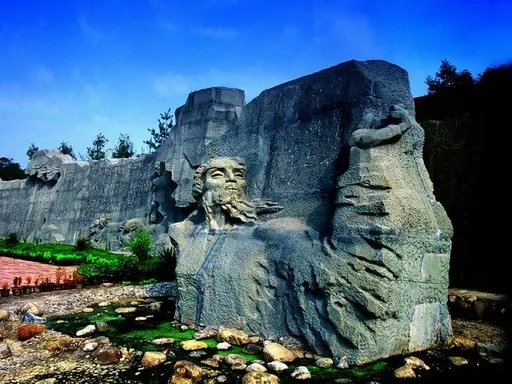
Área escénica de la ciudad natal de Li Bai
Ubicada en la ciudad de Jiangyou, Mianyang, esta área escénica es el lugar de nacimiento de Li Bai, el "Poeta Inmortal" de la Dinastía Tang. Cubre un área de más de 200 acres, incluida la antigua residencia de Li Bai, el Salón Conmemorativo de Li Bai y el Jardín de los Ciervos Blancos. La antigua residencia conserva el estilo original de la dinastía Tang, con patios, pabellones y jardines. El salón conmemorativo exhibe una gran cantidad de reliquias culturales relacionadas con Li Bai, como sus poemas, obras de caligrafía y documentos históricos, que presentan su vida legendaria y sus logros literarios. El área escénica también alberga diversas actividades culturales para conmemorar a Li Bai, lo que atrae a innumerables amantes de la poesía y turistas nacionales y extranjeros.
Zona turística de la ciudad de Beichuan Qiang
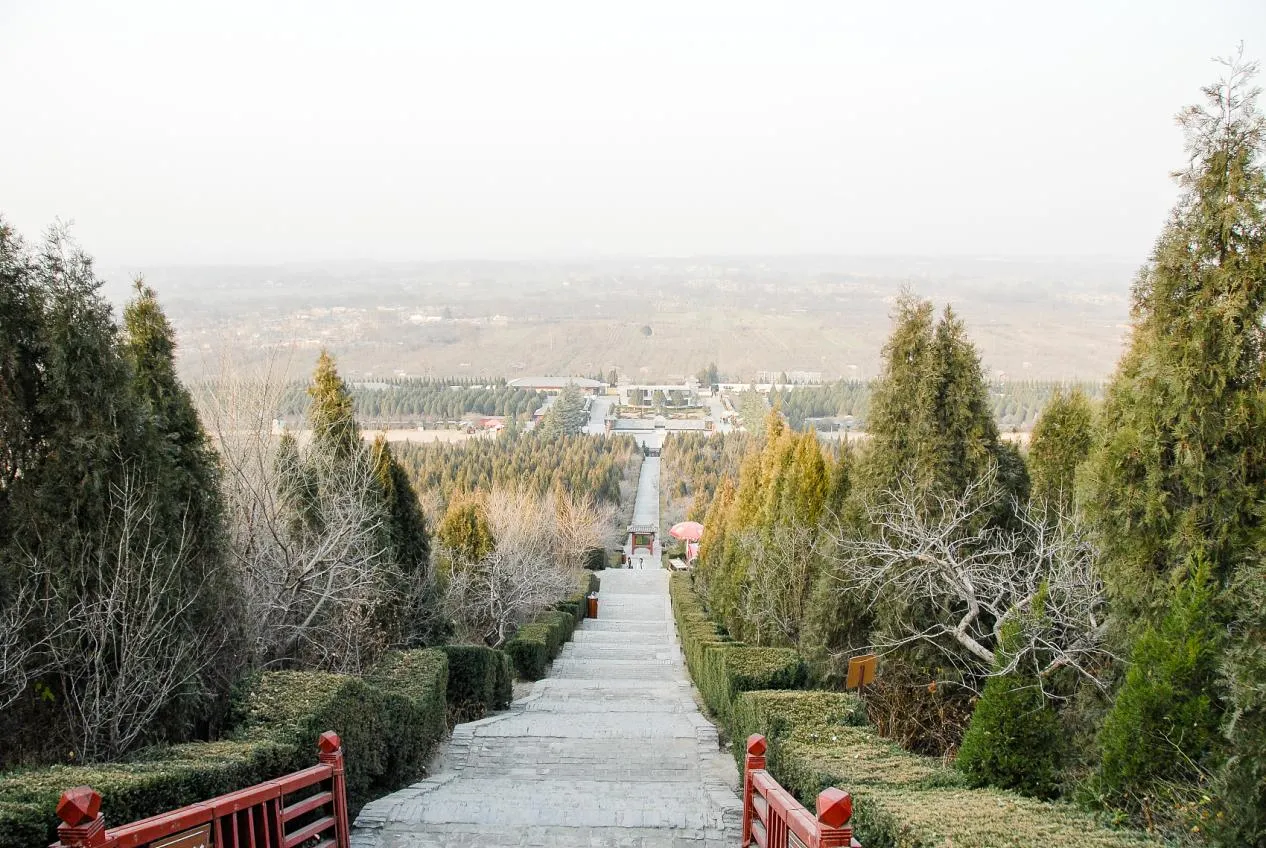
Esta zona turística es un área escénica cultural y conmemorativa construida después del terremoto de Wenchuan, ubicada en el condado autónomo Qiang de Beichuan. Incluye el antiguo sitio del terremoto de la sede del condado de Beichuan, el Salón Conmemorativo del Terremoto de Wenchuan 5.12 y la nueva ciudad de Beichuan Qiang. La antigua sede del condado conserva las ruinas del terremoto y sirve como un monumento solemne al desastre. El salón conmemorativo muestra el proceso del terremoto, los esfuerzos de socorro y los logros de la reconstrucción. La nueva ciudad Qiang presenta una arquitectura tradicional Qiang, como castillos de piedra y torres de vigilancia, con una rica cultura étnica Qiang, que incluye danzas folclóricas, artesanías y comida deliciosa. Es un lugar para recordar el desastre, rendir homenaje a los héroes y experimentar la cultura Qiang única.
Montaña Dubi
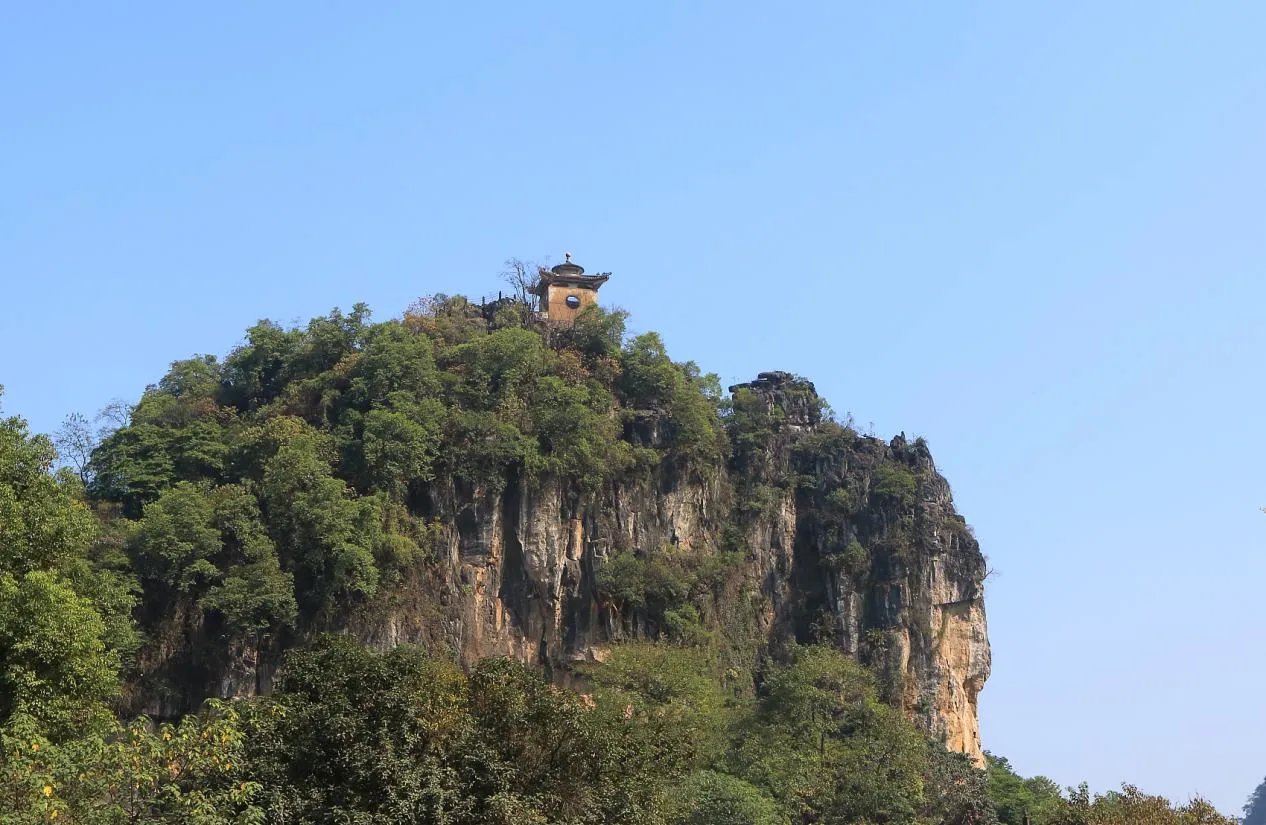
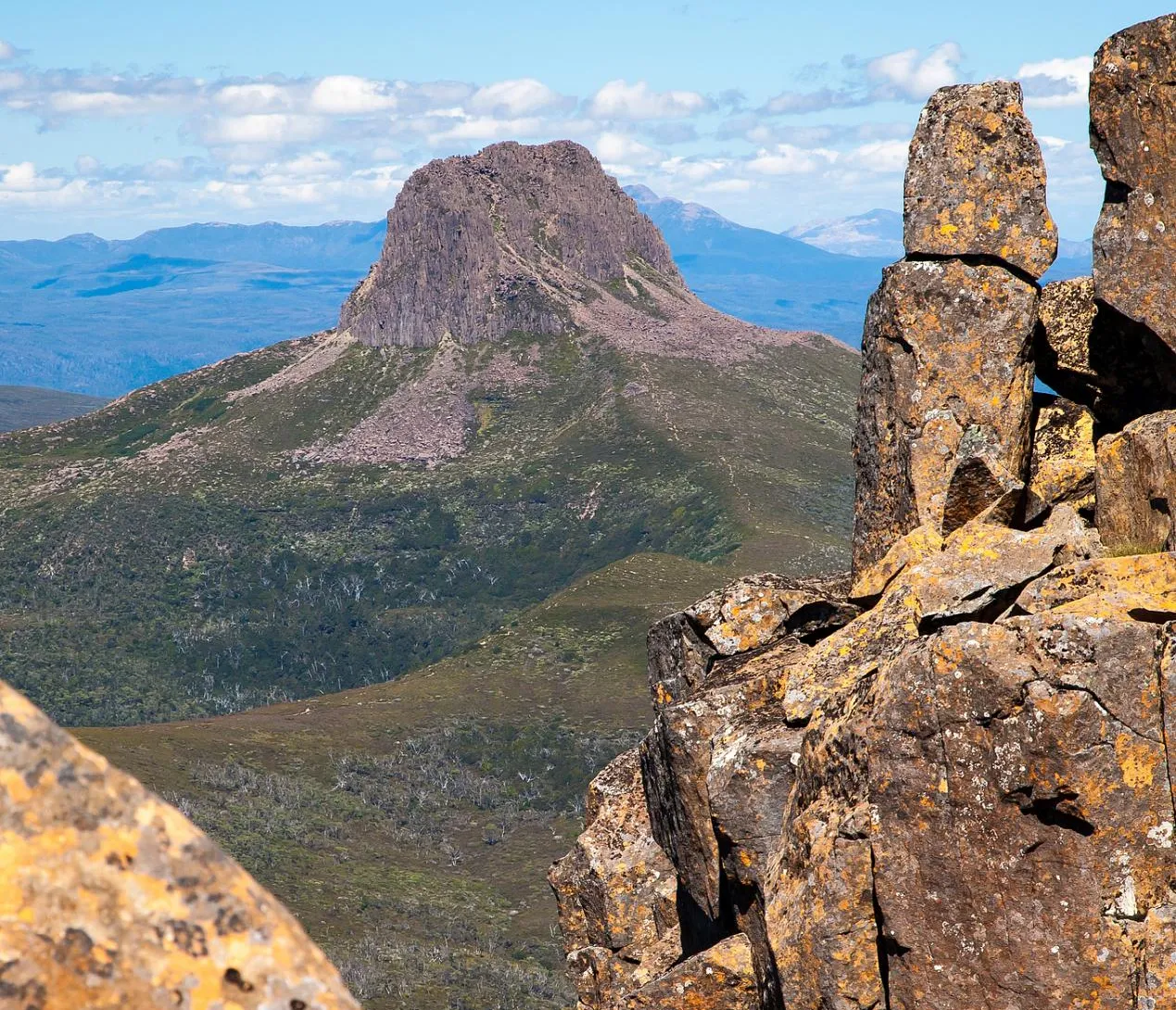
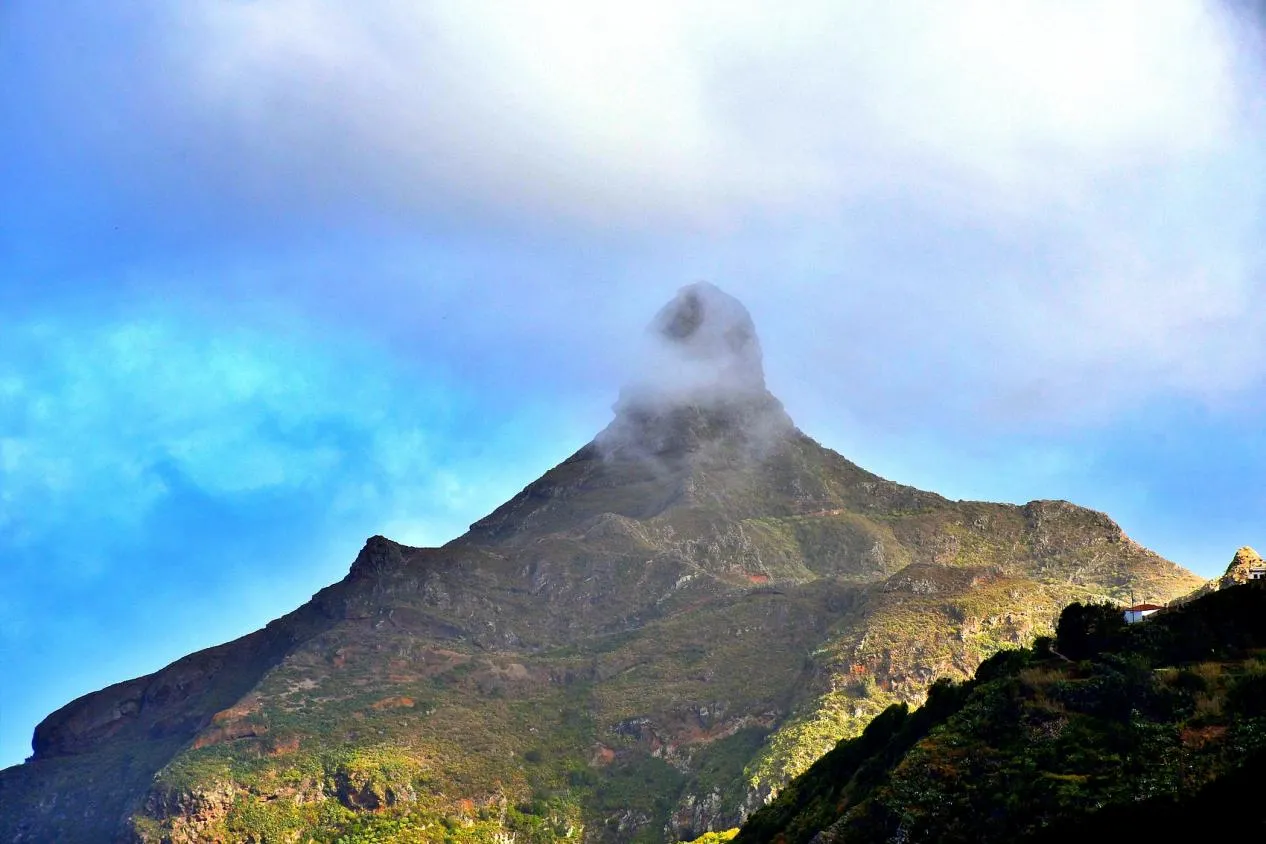
Doubi Mountain is a famous scenic mountain in Jiangyou City, known for its strange peaks and unique rocks. It has a history of over 2,000 years, with many historical legends and cultural relics. The mountain features steep cliffs, peculiar stone formations, and ancient temples. The main scenic spots include the Doubi Temple, the Suspended Plank Road, and the Golden Turtle Peak. The Doubi Temple, built during the Tang Dynasty, houses many precious Buddhist statues and murals. El camino de tablones suspendidos construido sobre el acantilado es emocionante y ofrece una vista panorámica de las montañas y ríos circundantes. It is a popular destination for mountain climbing, sightseeing and exploring historical sites.
Montaña Jiuhuang
La montaña Jiuhuang, ubicada en el condado de Pingwu, Mianyang, es un área escénica que combina paisajes naturales y cultura popular. Tiene una gran altitud, con frondosos bosques, praderas alpinas y claros manantiales de montaña. La montaña alberga muchos animales y plantas raros. También es el asentamiento del pueblo Qiang, con ricas tradiciones culturales Qiang. Los principales lugares escénicos incluyen Qiang Village, Glass Plank Road y Alpine Grassland. Los visitantes pueden experimentar la vida tradicional del pueblo Qiang, ver espectáculos folclóricos como la flauta Qiang y la danza Qiang y disfrutar del hermoso paisaje natural de la montaña. Es un lugar ideal para el ocio, las vacaciones y la exploración cultural.
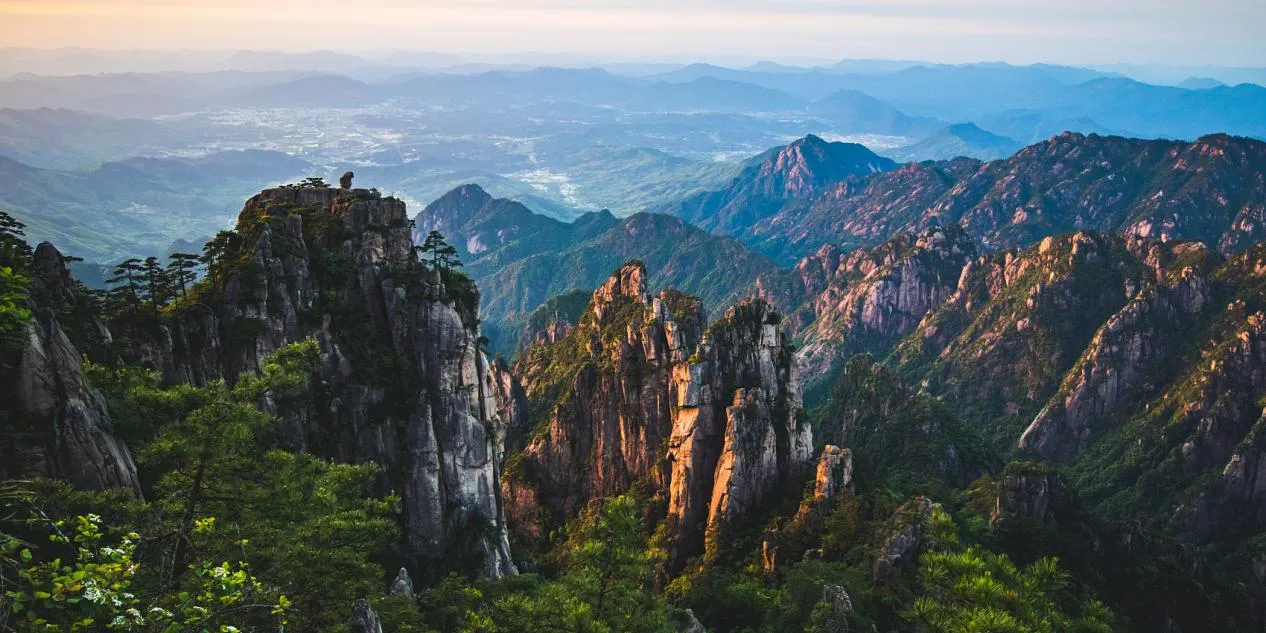
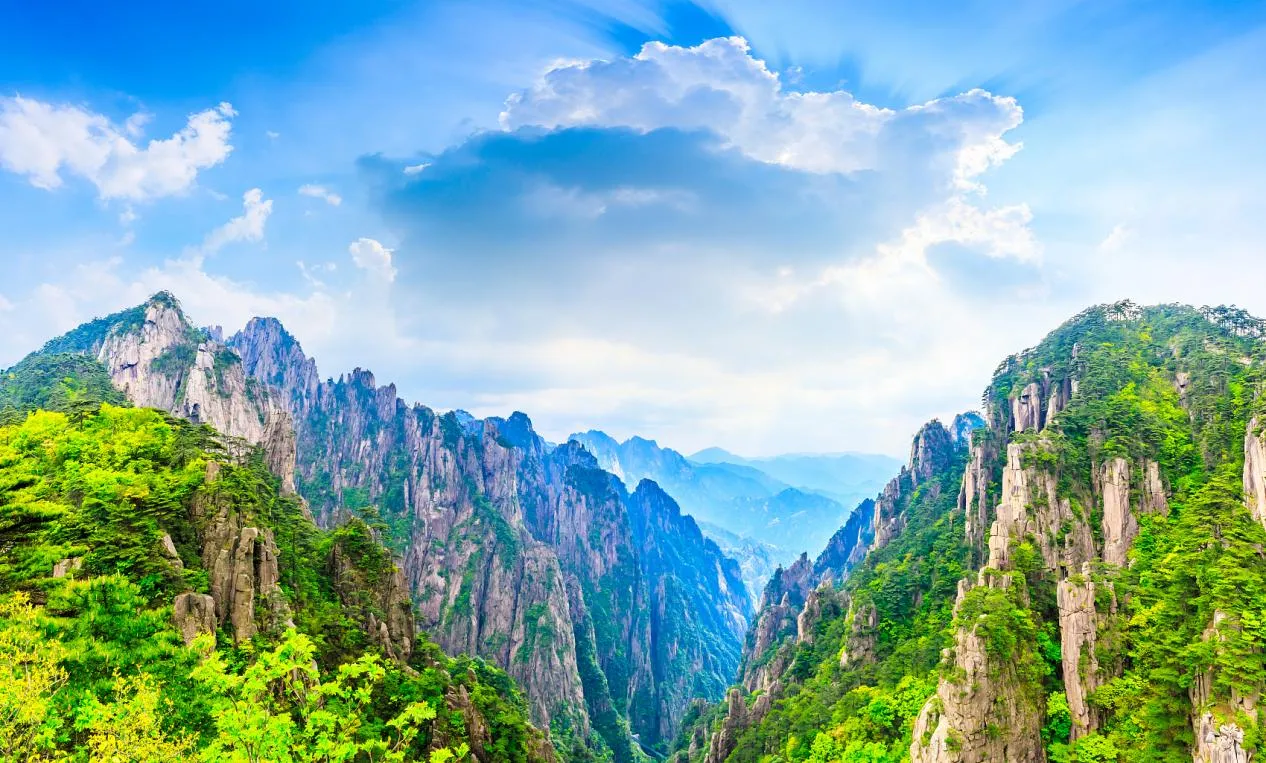
Templo Pingwu Bao'en
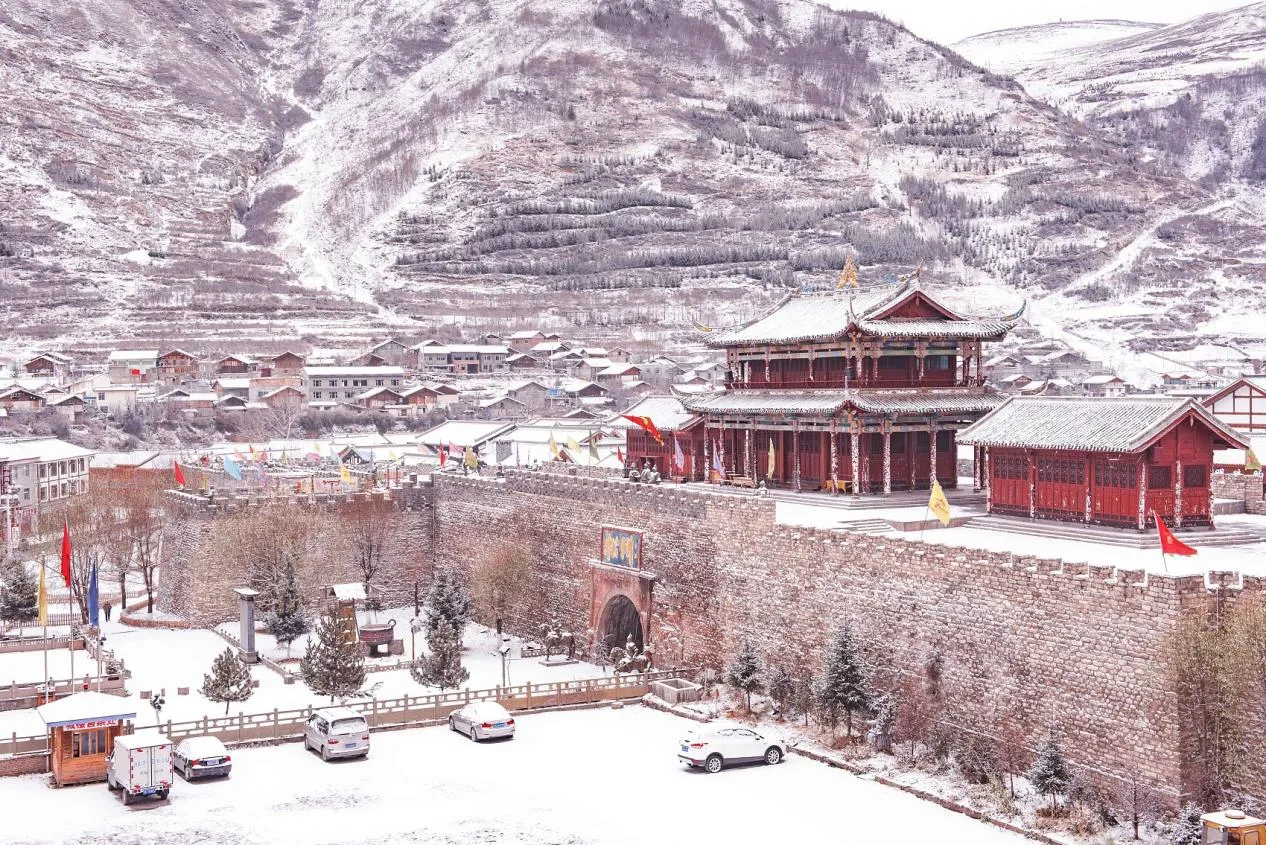
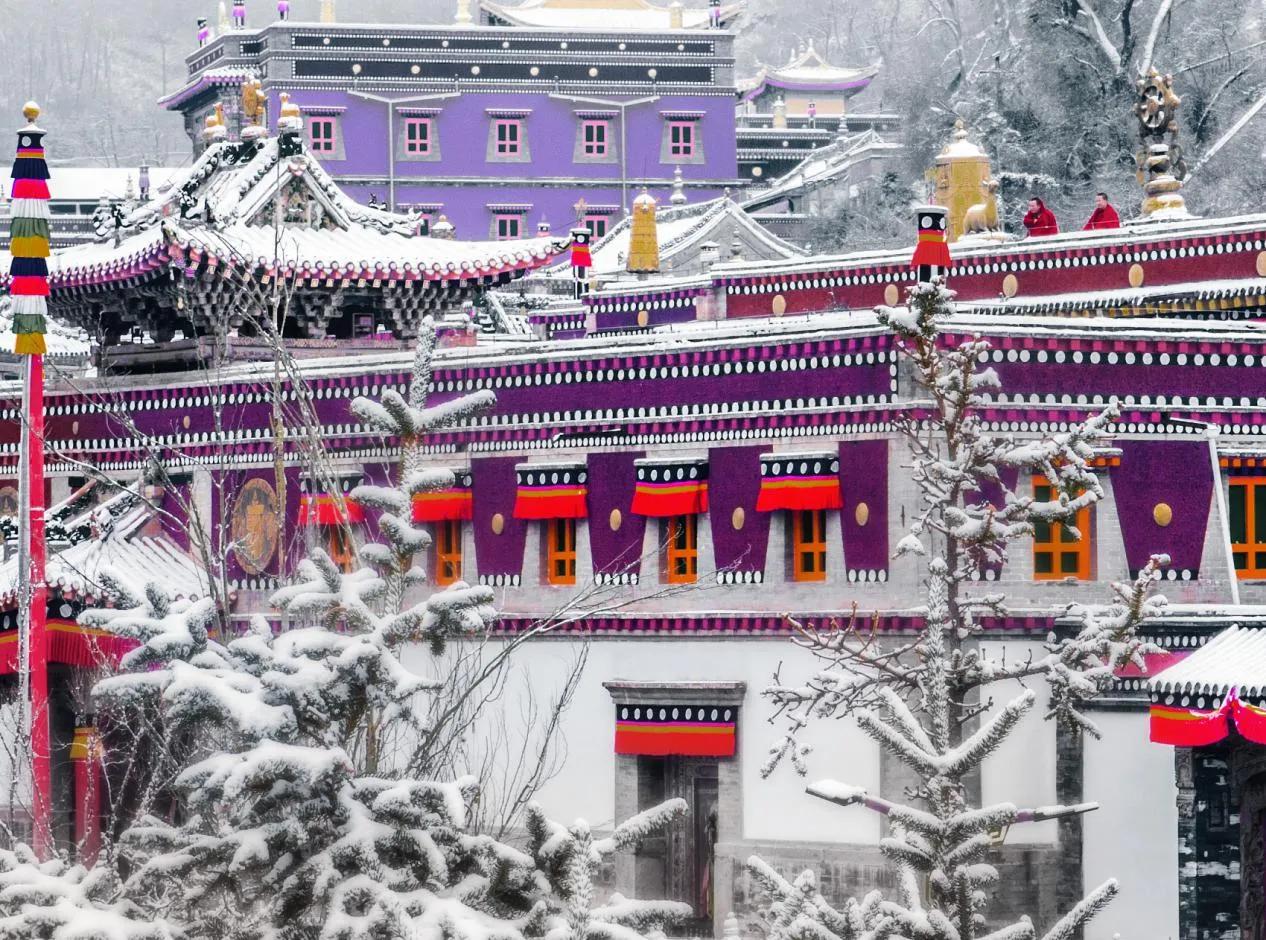
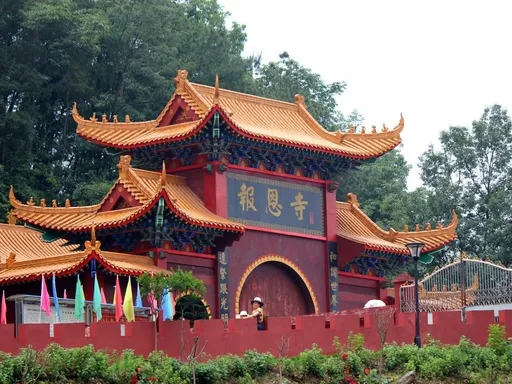
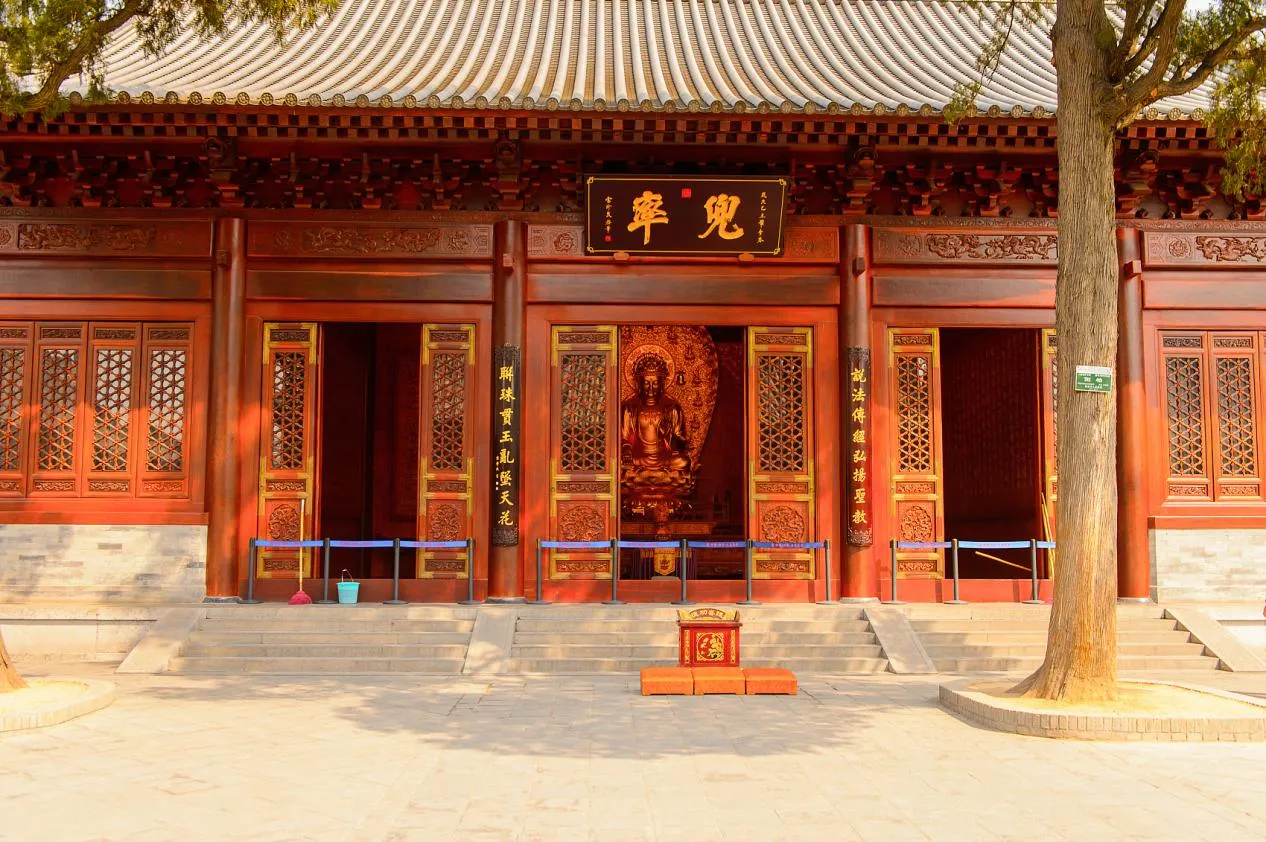
El templo Bao'en en el condado de Pingwu es un antiguo complejo de templos budistas bien conservado construido durante la dinastía Ming, conocido como "la Ciudad Prohibida en las montañas". Fue construido por el cacique local Wang Xi en el siglo XIV y ocupa una superficie de más de 20.000 metros cuadrados. El templo sigue el estilo arquitectónico del palacio imperial de la dinastía Ming, con diseños simétricos, magníficos salones y exquisitas tallas. El salón principal alberga una enorme estatua de bronce de Buda, y los pasillos circundantes están decorados con hermosas tallas de madera y piedra. También tiene una rara pagoda de madera y una gran cantidad de preciosas reliquias culturales, lo que lo convierte en un importante sitio histórico y cultural en Sichuan.
Área escénica de la montaña Fule
La montaña Fule es una montaña escénica y cultural en Mianyang, que combina belleza natural y cultura religiosa. La montaña está cubierta de árboles y flores verdes, con arroyos claros y cascadas. Es el hogar del templo Fule, un famoso templo budista con una historia de más de 1.000 años. El templo tiene muchos edificios antiguos, como el Salón Principal, el Pabellón Guanyin y el Campanario, con exquisitas tallas y estatuas. El área escénica también cuenta con atracciones como el lago Fule y el Valle de Preservación de la Salud. Es un lugar tranquilo para el culto religioso, el turismo de ocio y las vacaciones de verano, con una vista panorámica de la ciudad de Mianyang.