Inglés
 Francés
 Español
 Ruso
Ruso Árabe
Árabe Italia
1. Pastizales de Nalati
Conocida como la "Pradera del Cielo", la Pradera Nalati es una de las praderas alpinas más hermosas y famosas de China, ubicada en el corazón de las montañas Tianshan. Cubre un área de más de 180.000 hectáreas, con colinas verdes, hierba exuberante y yurtas dispersas, creando un escenario pastoral vasto e idílico. La pradera es el hogar del pueblo kazajo, que ha vivido aquí una vida nómada durante siglos, pastoreando ganado vacuno, ovejas y caballos. En verano, la pradera se cubre de coloridas flores silvestres y el clima es fresco y agradable, lo que la convierte en un lugar de veraneo ideal. Los visitantes pueden montar a caballo por las praderas, alojarse en yurtas tradicionales kazajas, probar la auténtica cocina kazaja, como cordero entero asado y kumiss, y disfrutar de animadas actuaciones de danza y música folclórica, experimentando la cultura nómada única y la magnífica belleza natural de las montañas Tianshan.
2. Pastizales de Kalajuna
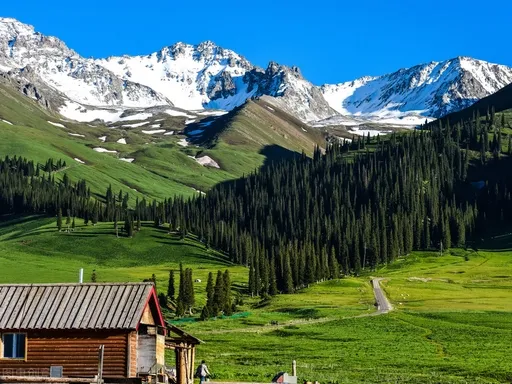
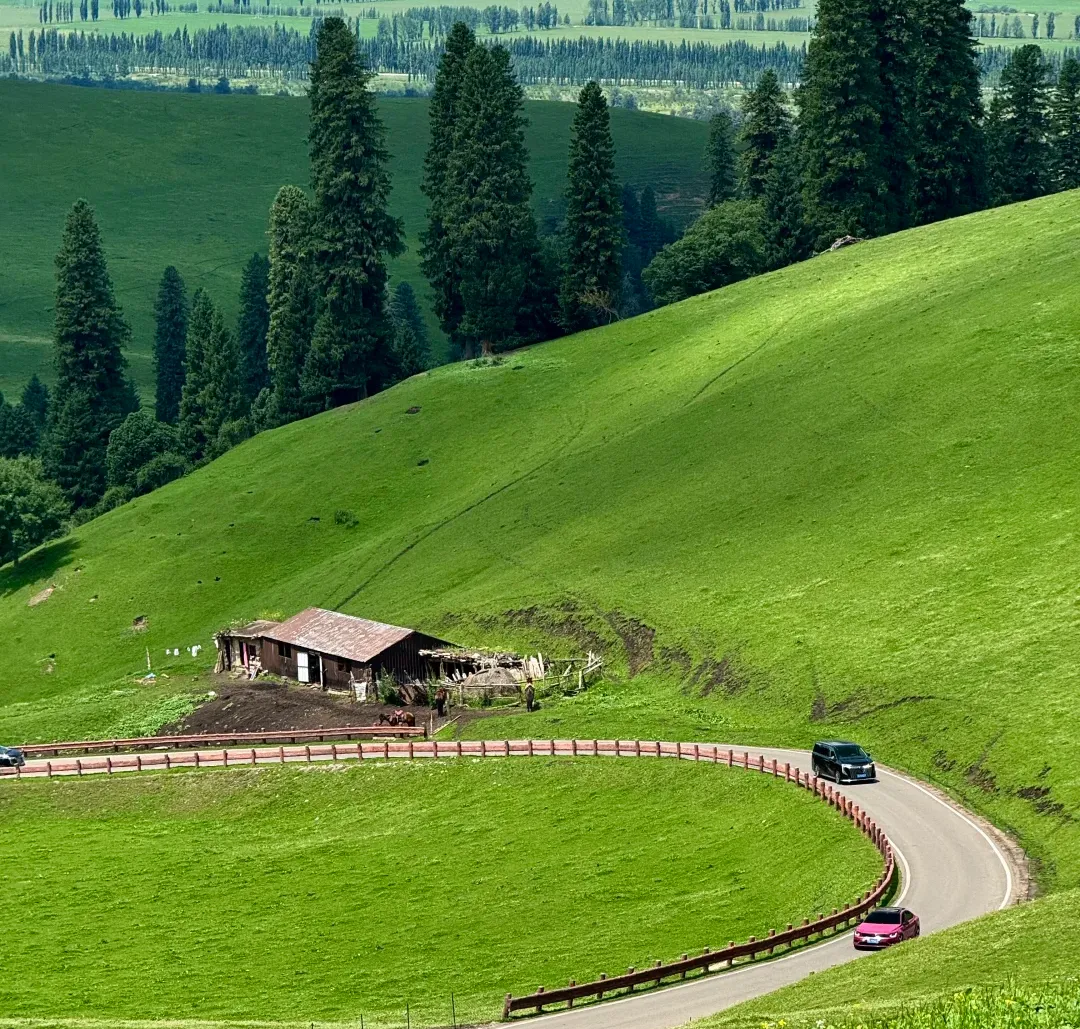
Kalajun Grassland, declarado Patrimonio de la Humanidad por la UNESCO, es una vasta y hermosa pradera alpina ubicada en las montañas Tianshan, conocida por sus diversos paisajes, que incluyen praderas, bosques, cañones y lagos. Cubre un área de más de 280.000 hectáreas, con una rica vegetación y abundante vida silvestre, lo que la convierte en una importante reserva ecológica. La pradera tiene una larga historia de actividad humana, con antiguas pinturas rupestres y ruinas de asentamientos nómadas que se remontan a miles de años. En verano, la pradera se cubre de hierba verde y coloridas flores silvestres, y los distantes picos nevados de las montañas Tianshan forman un impresionante telón de fondo. Los visitantes pueden caminar por los senderos, tomar fotografías panorámicas de los pastizales y las montañas, visitar familias nómadas kazajas y aprender sobre su forma de vida tradicional, disfrutando de la combinación perfecta de paisajes naturales y patrimonio cultural.
3. Lago Salmón
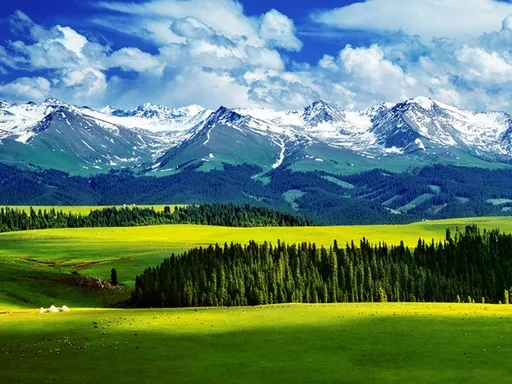
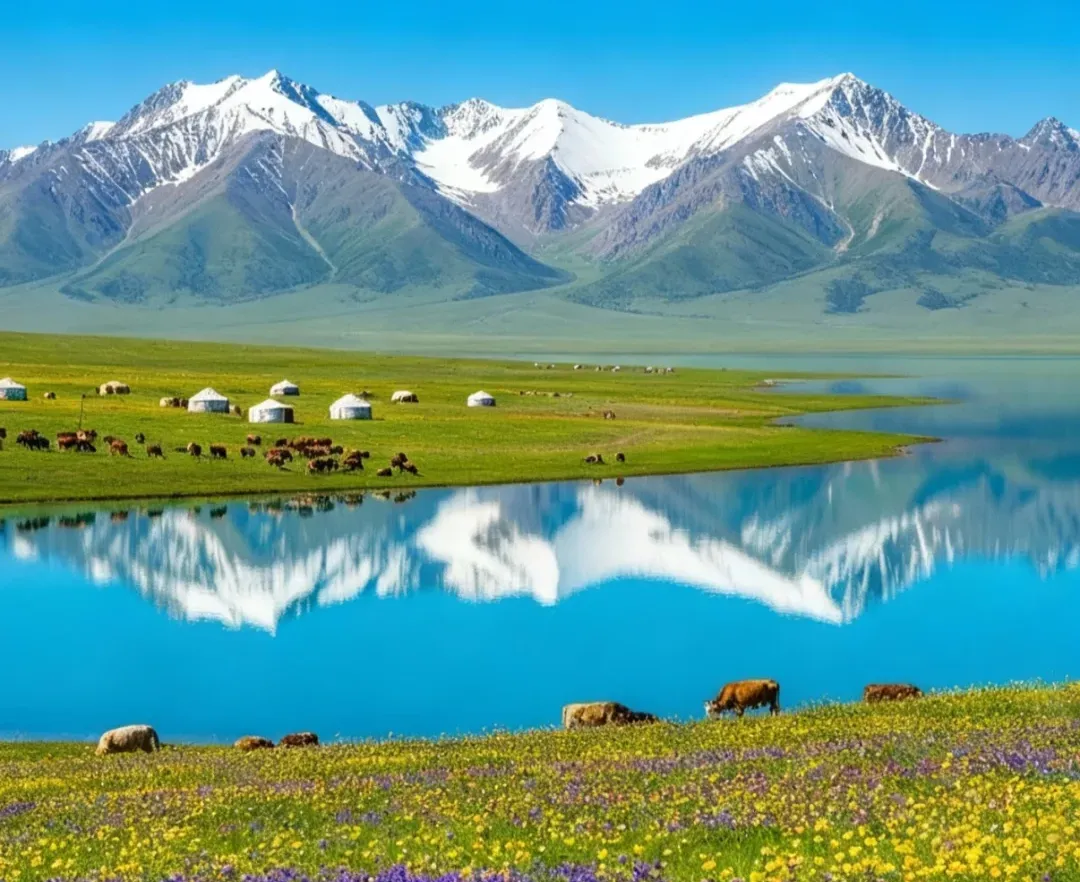
Conocido como la "joya de las montañas occidentales de Tianshan", el lago Sailimu es el lago alpino más alto y más grande de Xinjiang, ubicado en la frontera entre Yili y Bortala. Rodeado de picos nevados, densos bosques y vastas praderas, el agua azul cristalina del lago es tan pura que refleja el paisaje circundante como un espejo. También se le conoce como el "Lago de las Lágrimas" en la leyenda kazaja, lo que añade un toque de romance y misterio a su belleza. El área del lago es parte del área escénica del lago Sayram, que incluye un cinturón escénico junto al lago, un área de cultura nómada de pastizales y una reserva ecológica de humedales. Los visitantes pueden realizar un recorrido en barco por el lago, caminar por los senderos junto al lago, admirar la hermosa puesta de sol sobre el lago y visitar yurtas kazajas cercanas para experimentar las costumbres nómadas y disfrutar del sereno y magnífico paisaje del lago alpino.
4. Puente Guozigou
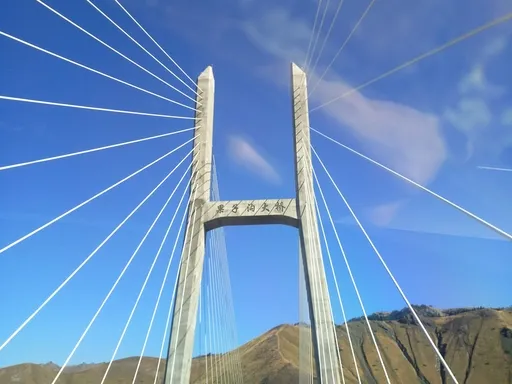
Una maravilla de la ingeniería moderna, el Puente Guozigou es un gran puente atirantado ubicado en el Cañón Guozigou de las montañas Tianshan, que conecta Yili y Urumqi. Es el primer puente atirantado de gran luz en las montañas Tianshan, con una longitud total de más de 700 metros y un tramo principal de 360 metros, que se eleva sobre el profundo cañón. El puente no sólo mejora el transporte entre el norte y el sur de Xinjiang, sino que también se convierte en un lugar escénico único debido a su magnífica ingeniería y su hermoso entorno natural. El Cañón Guozigou es conocido por sus escarpados acantilados, densos bosques y arroyos, y en primavera y verano, el cañón se cubre de flores de durazno y albaricoque, creando una escena pintoresca. Los visitantes pueden detenerse en las plataformas de observación para admirar la grandeza del puente y el impresionante paisaje del cañón, maravillándose ante la combinación de ingeniería humana y belleza natural.

5. Camino antiguo de Xiata
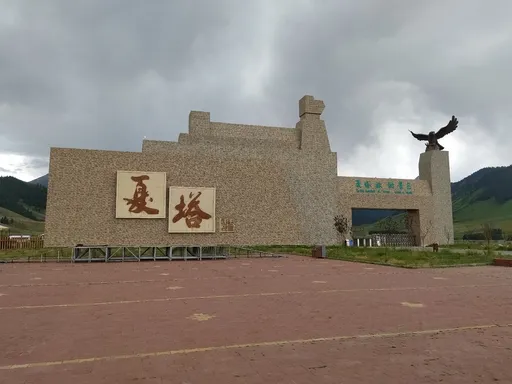
La antigua carretera Xiata, un paso histórico a través de las montañas Tianshan, tiene una historia de más de 2000 años y sirve como una importante ruta comercial y militar que conecta el norte y el sur de Xinjiang. Se extiende a lo largo de más de 120 kilómetros, serpenteando entre picos nevados, profundos cañones y vastas praderas, con un paisaje desafiante y espectacular. La antigua carretera lleva el nombre del río Xiata, que atraviesa el cañón, y también está asociada con la leyenda del antiguo héroe griego Aquiles en algunas historias locales. Hoy en día, es una ruta de senderismo popular para los entusiastas de la aventura y ofrece una oportunidad única de experimentar las dificultades y la belleza de la antigua Ruta de la Seda. Los visitantes pueden caminar por la antigua carretera, admirar el impresionante paisaje alpino, visitar las ruinas de antiguas estaciones de correos y fortalezas militares, y aprender sobre el papel histórico de la carretera en los intercambios culturales y las campañas militares.
6. Campos de lavanda de Huocheng
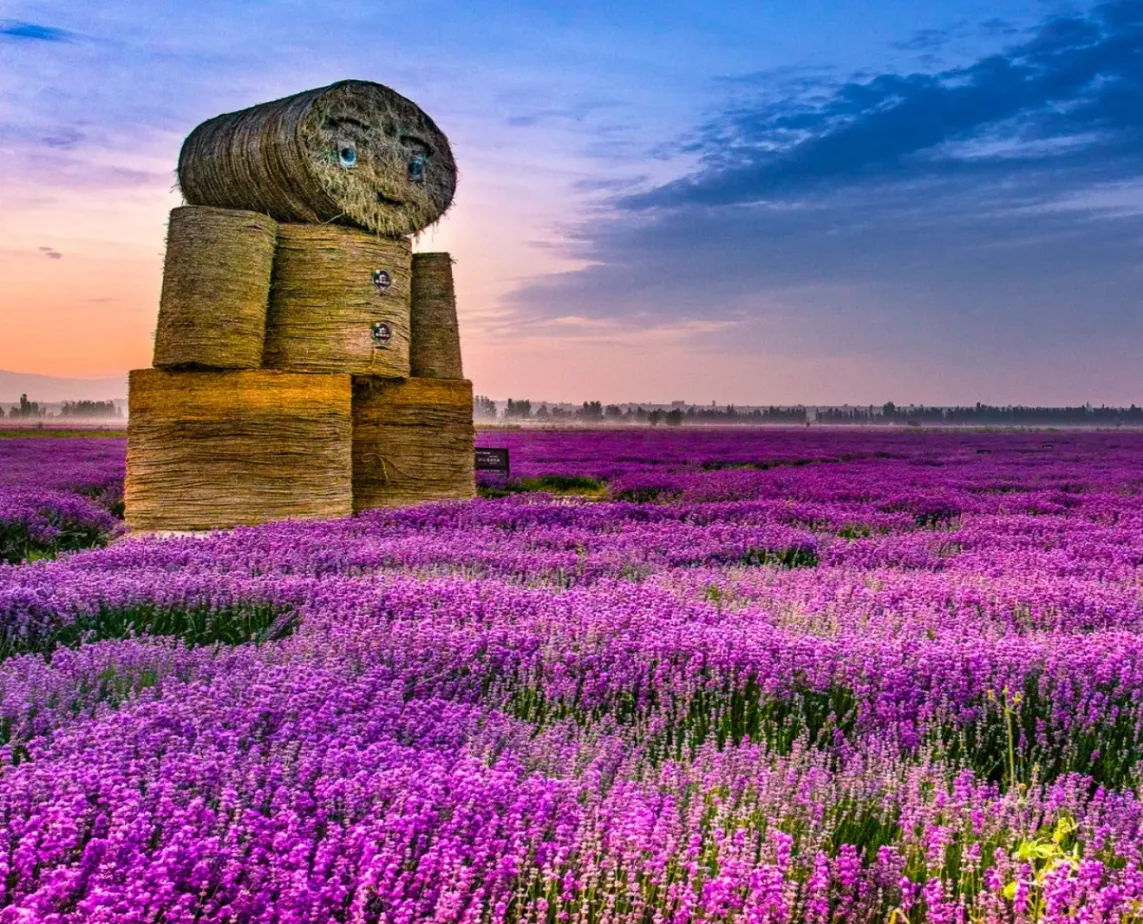
Conocida como la "Capital de la lavanda de China", el condado de Huocheng en Yili es una de las zonas de cultivo de lavanda más grandes del mundo, con una historia de más de 60 años de cultivo de lavanda. Cada verano, de junio a julio, los campos se cubren de flores de lavanda de color púrpura, creando un vasto y romántico mar de color púrpura que atrae a innumerables turistas y fotógrafos. Los campos de lavanda no sólo son una hermosa atracción natural, sino también una importante base agrícola e industrial, que produce aceite esencial de lavanda, flores secas y otros productos de alta calidad. Los visitantes pueden caminar por los campos de lavanda, tomar fotografías con las flores de color púrpura, visitar los talleres de procesamiento de lavanda y comprar productos de lavanda. También hay muchas casas de familia y cafeterías con temática de lavanda en la zona, lo que permite a los visitantes sumergirse en la romántica cultura de la lavanda y disfrutar de la tranquila vida rural en Yili.
7. Condado de Tekes (Ciudad Caleidoscopio)
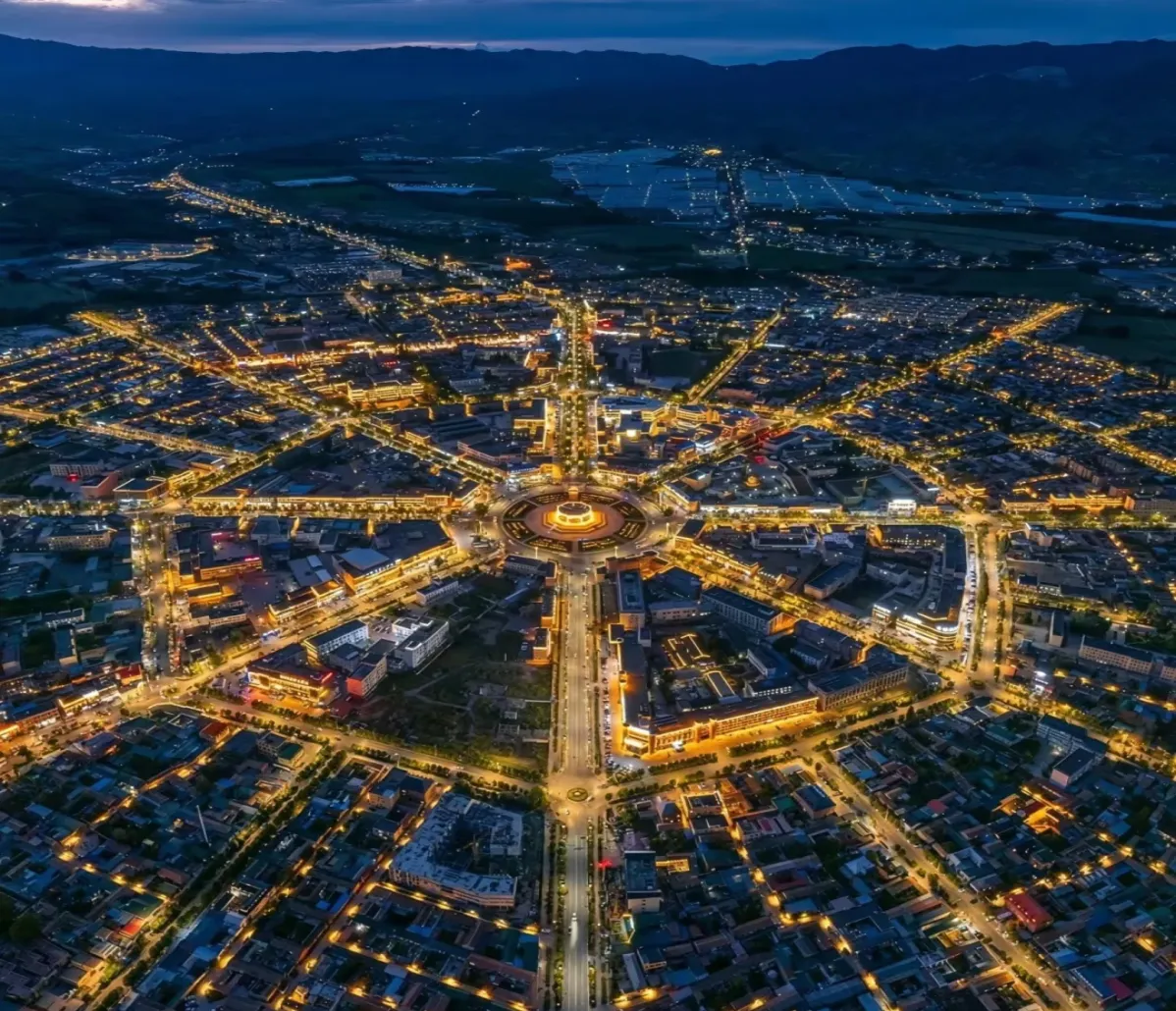
Conocida como la "Ciudad Caleidoscopio", el condado de Tekes en Yili es famoso por su diseño urbano único y su rico patrimonio cultural. Es la única ciudad en el mundo diseñada según el patrón Bagua (Ocho Trigramas), con la plaza central como núcleo y ocho calles principales irradiando hacia afuera, formando un paisaje urbano único y misterioso. El condado tiene una larga historia, con ruinas antiguas y reliquias culturales que se remontan a la dinastía Han Occidental, lo que refleja su importante posición en la Ruta de la Seda. También es el hogar de los pueblos kazajo, uigur y han, con diversas costumbres y tradiciones étnicas. Los visitantes pueden pasear por las calles en forma de Bagua, visitar la plaza central y las ruinas de la antigua ciudad, disfrutar de espectáculos de danza y música folclórica y probar la auténtica cocina étnica, experimentando la combinación única de elementos culturales antiguos chinos y las diversas culturas étnicas de Xinjiang.