Inglés
 Francés
 Español
 Ruso
Ruso Árabe
Árabe Italia
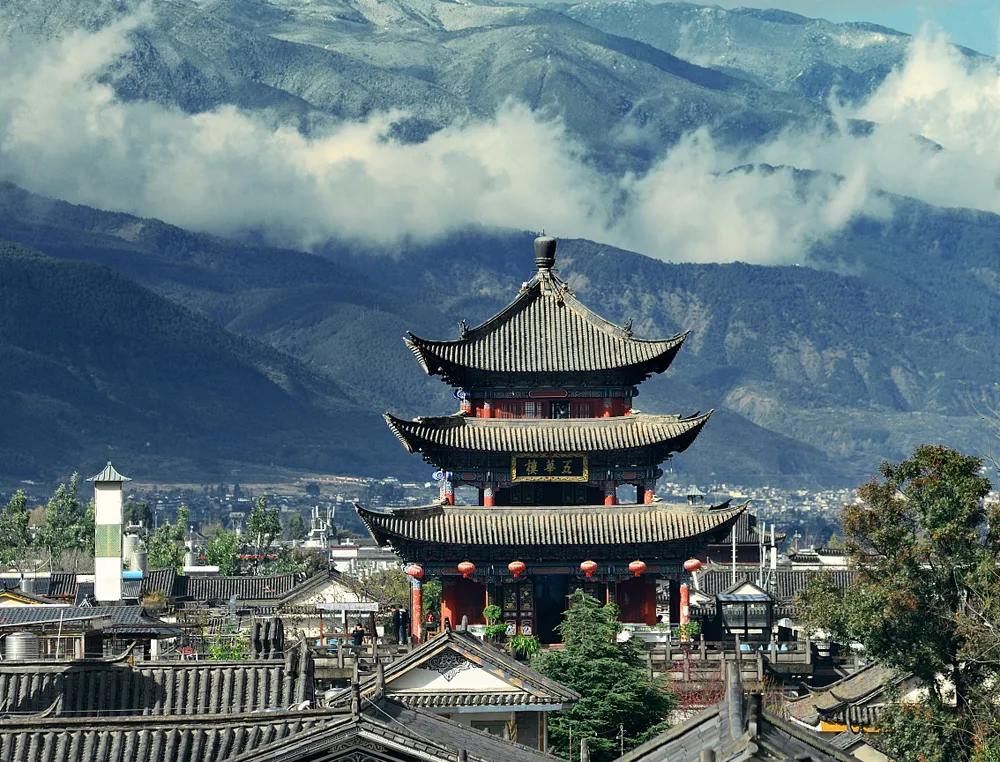
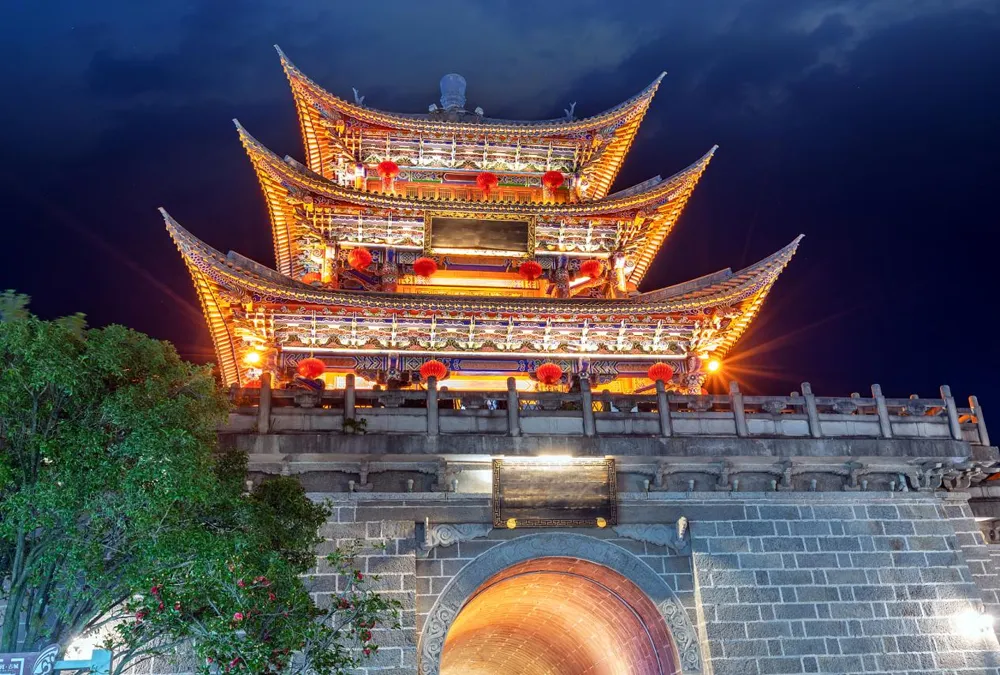
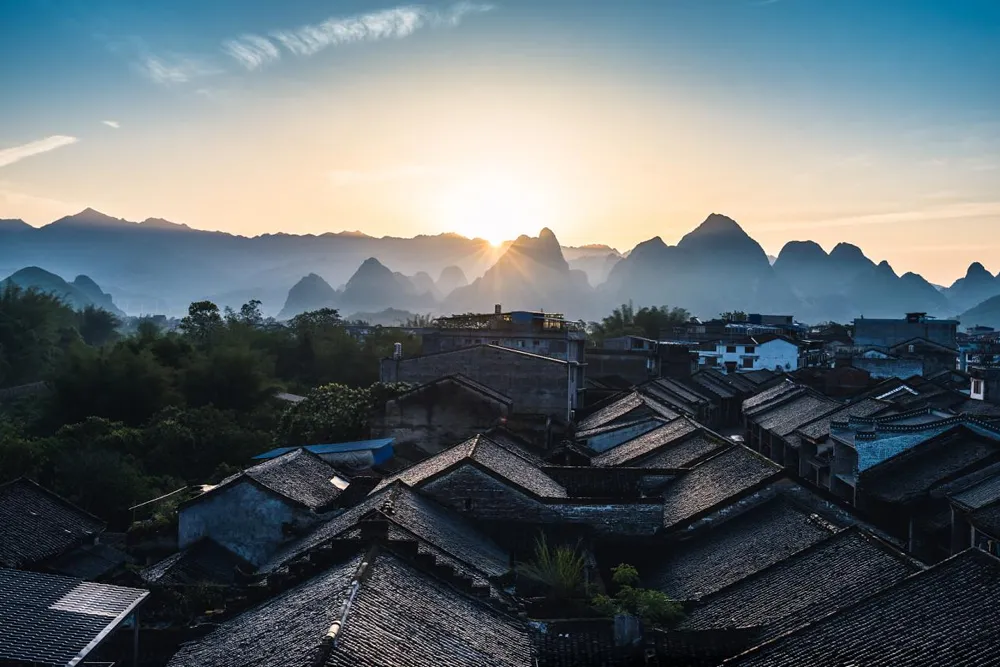
Una vez capital del Reino de Nanzhao y del Reino de Dali, que gobernó Yunnan durante más de 500 años (738-1253), la Ciudad Antigua de Dali es una antigua ciudad amurallada bien conservada al pie de las montañas Cangshan y frente al lago Erhai. La ciudad sigue un diseño de tablero de ajedrez con cuatro puertas principales, y las calles antiguas están pavimentadas con losas de piedra azul, flanqueadas por edificios tradicionales de estilo Bai con azulejos grises, paredes blancas y exquisitas tallas de madera. Foreigner's Street y Renmin Road están repletas de tiendas, cafés y puestos de bocadillos locales, mientras que las calles secundarias más tranquilas conservan el encanto residencial original. Históricamente, Dali fue una parada clave en la antigua Ruta del Té y los Caballos, dando la bienvenida a comerciantes de China, el Tíbet y el Sudeste Asiático, lo que dio lugar a una mezcla de culturas. Las tradiciones del pueblo Bai están profundamente arraigadas en la vida diaria de la ciudad: los visitantes pueden probar el té de tres platos, ver el baile "Bawangbian" de los Bai y participar en el Festival de la Calle March, una de las reuniones étnicas más grandes de Yunnan. La ciudad antigua de Dali no es sólo un sitio histórico sino una ciudad viva donde el pasado y el presente coexisten armoniosamente.
Templo Chongsheng Tres Pagodas
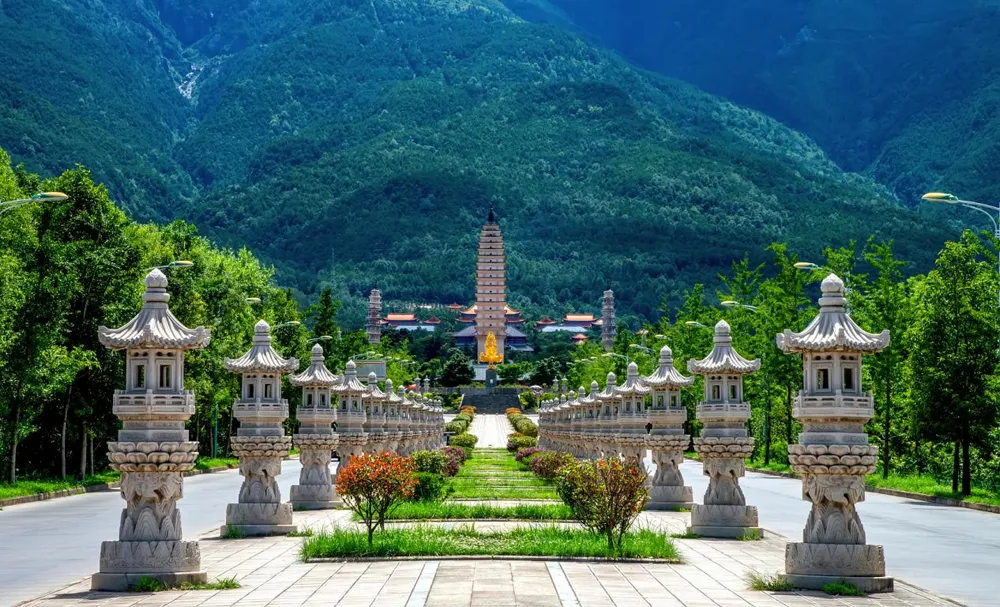
Un símbolo de la historia milenaria de Dali, las Tres Pagodas del Templo Chongsheng se construyeron por primera vez en el siglo IX durante el Reino de Nanzhao, con expansiones posteriores en el período del Reino de Dali, sirviendo como templo budista real. La pagoda principal, la Pagoda Qianxun, tiene 69,13 metros de altura y es una estructura cuadrada de ladrillo de 16 pisos inspirada en la Pequeña Pagoda del Ganso Salvaje en Xi'an, que refleja el intercambio cultural entre Yunnan y las Llanuras Centrales. Flanqueándola hay dos pagodas octogonales más pequeñas, cada una de unos 42 metros de altura. A pesar de los numerosos terremotos a lo largo de los siglos, las pagodas han permanecido intactas, un testimonio de las avanzadas habilidades arquitectónicas de la antigua Yunnan. El complejo de templos alrededor de las pagodas alberga una gran cantidad de reliquias culturales, incluidas estatuas budistas, escrituras y tallas de piedra, muchas de las cuales muestran el estilo único del budismo de Yunnan, que combina influencias han, tibetanas y del sudeste asiático. Las Tres Pagodas no son sólo un hito cultural budista, sino también un símbolo de la sabiduría del pueblo Bai y la integración cultural de larga data en Yunnan.
Montaña Cangshan
Con una extensión de 40 kilómetros de norte a sur, la montaña Cangshan (las Montañas Azules) consta de 19 picos con una altitud promedio de más de 3.000 metros, cuyas cimas nevadas son visibles durante todo el año, creando un impresionante contraste con los bosques verdes que se encuentran debajo. Entre los picos se encuentran 18 arroyos que desembocan en el lago Erhai y nutren las tierras de cultivo y las aldeas circundantes. Cangshan ha sido una montaña sagrada para el pueblo Bai desde la antigüedad; en su mitología, es el hogar de los dioses, y muchos festivales tradicionales están relacionados con la montaña, como el culto al dios de Cangshan. Históricamente, la montaña era una barrera natural que protegía a Dali y una fuente de recursos para los lugareños, proporcionando madera, hierbas medicinales y agua mineral. El área escénica de Cangshan incluye muchas atracciones, como Jade Belt Road, una ruta de senderismo que ofrece vistas panorámicas del lago Erhai y la ciudad de Dali, y el templo Gantong, un antiguo templo budista escondido en los bosques. También es un paraíso para los amantes del aire libre, con oportunidades para practicar senderismo, observación de aves y fotografía alpina, mientras que su importancia cultural lo convierte en una parte integral del patrimonio de Dalí.

Lago Erhai
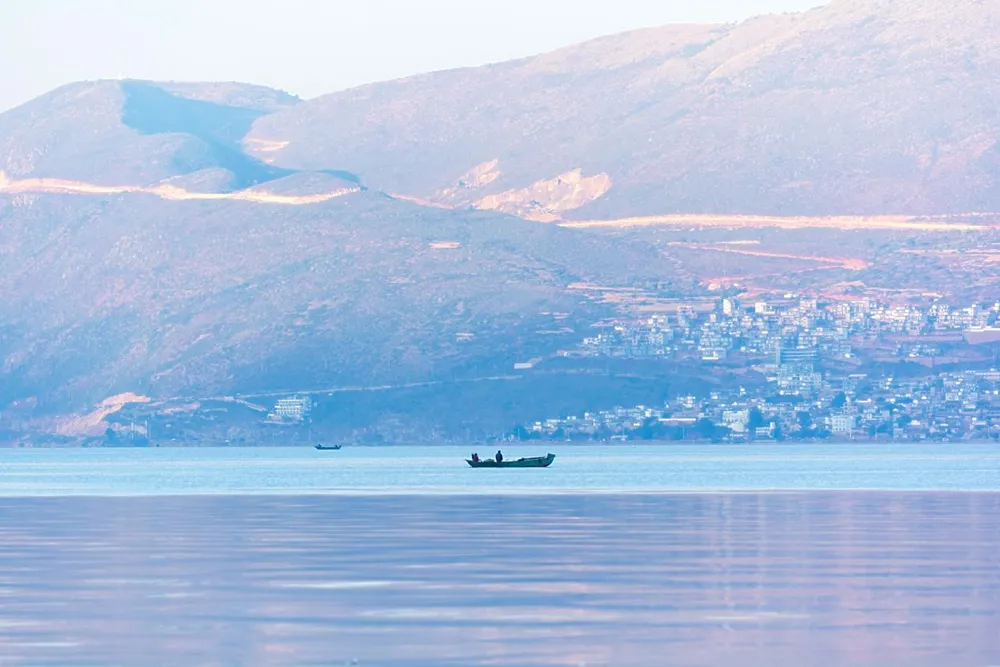
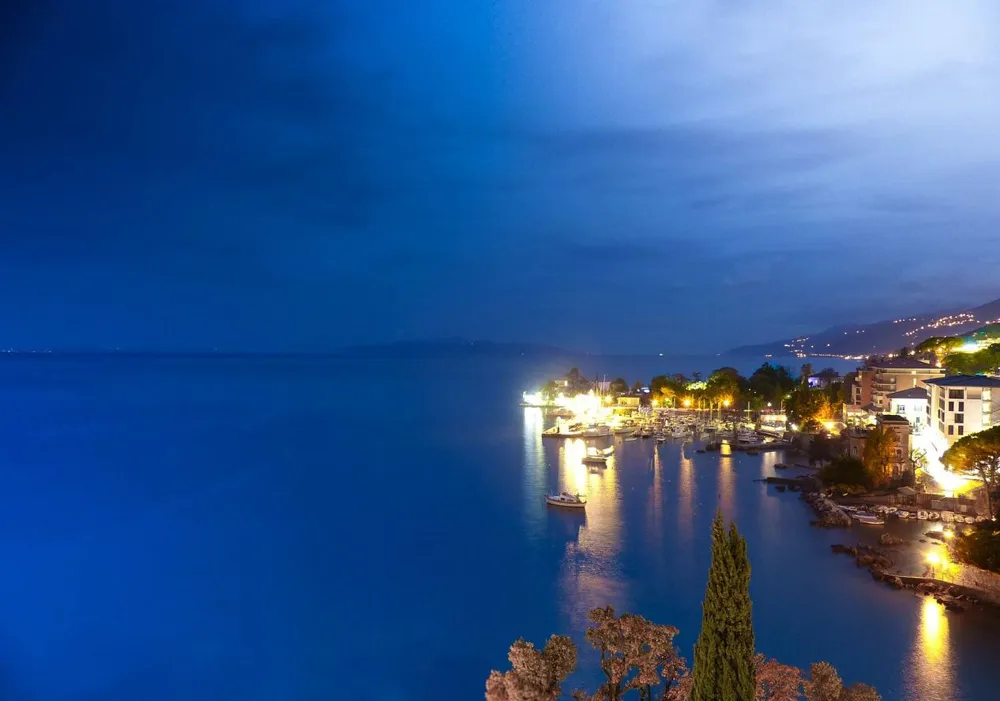
Con forma de oreja, el lago Erhai es el segundo lago de agua dulce más grande de Yunnan y cubre unos 250 kilómetros cuadrados, ubicado entre la montaña Cangshan y la antigua ciudad de Dali. Ha sido el sustento del pueblo Bai durante milenios, proporcionando agua para riego, recursos pesqueros y una ruta de transporte. El lago está rodeado de numerosos sitios históricos y culturales, incluida la pequeña isla Putuo con su antiguo templo, la antigua ciudad de Shuanglang conocida por su cultura pesquera y la antigua ciudad de Xizhou, una aldea Bai bien conservada. El pueblo Bai siente una profunda reverencia por Erhai y muchas de sus tradiciones se centran en el lago; por ejemplo, la costumbre de soltar linternas en el lago durante los festivales para orar por la buena fortuna. Históricamente, Erhai era parte de la ruta acuática de la antigua Ruta del Té y los Caballos, con barcos que transportaban té, sal y otros productos entre Dali y las regiones vecinas. Hoy en día, andar en bicicleta por Erhai se ha convertido en una actividad popular entre los turistas, lo que les permite disfrutar de las aguas cristalinas del lago, los campos verdes circundantes y las aldeas tradicionales Bai a lo largo del camino, mientras experimentan el estilo de vida pacífico e idílico de la población local.
Ciudad antigua de Xizhou
Xizhou, una ciudad típica de la etnia Bai con una historia de más de 1.000 años, está ubicada en la costa noroeste del lago Erhai, famosa por sus complejos residenciales de estilo Bai bien conservados. La arquitectura de la ciudad presenta una combinación única de estilos Han y Bai, con grandes casas con patio, puertas y ventanas de madera tallada y paredes blancas decoradas con caligrafía y pinturas. La mansión de la familia Zhang, construida a principios del siglo XX, es un excelente ejemplo que muestra la riqueza y el gusto artístico de la clase mercantil local de esa época. Históricamente, Xizhou fue una próspera ciudad comercial en la antigua Ruta del Té y los Caballos, con comerciantes que comerciaban té, seda y otros productos entre Yunnan, el Tíbet y el sudeste asiático. La ciudad ha conservado muchas artesanías tradicionales, como el teñido anudado, el tallado en madera y la fabricación de platería, y los visitantes pueden visitar talleres para aprender estas habilidades de los artesanos locales. La vida diaria del pueblo Bai aquí está llena de tradiciones culturales: ceremonias de té de tres platos, danzas folclóricas y festivales de temporada. La ciudad antigua de Xizhou ofrece una visión poco común de la auténtica cultura Bai y la prosperidad histórica aportada por la antigua ruta de los caballos del té.
Ciudad antigua de Shuanglang
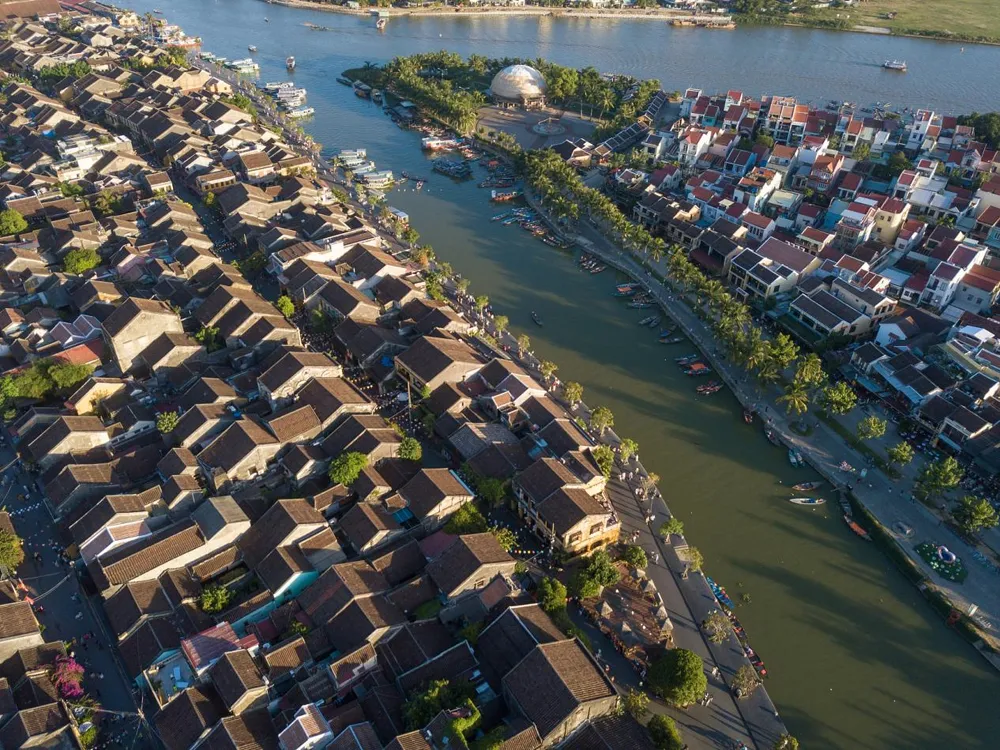
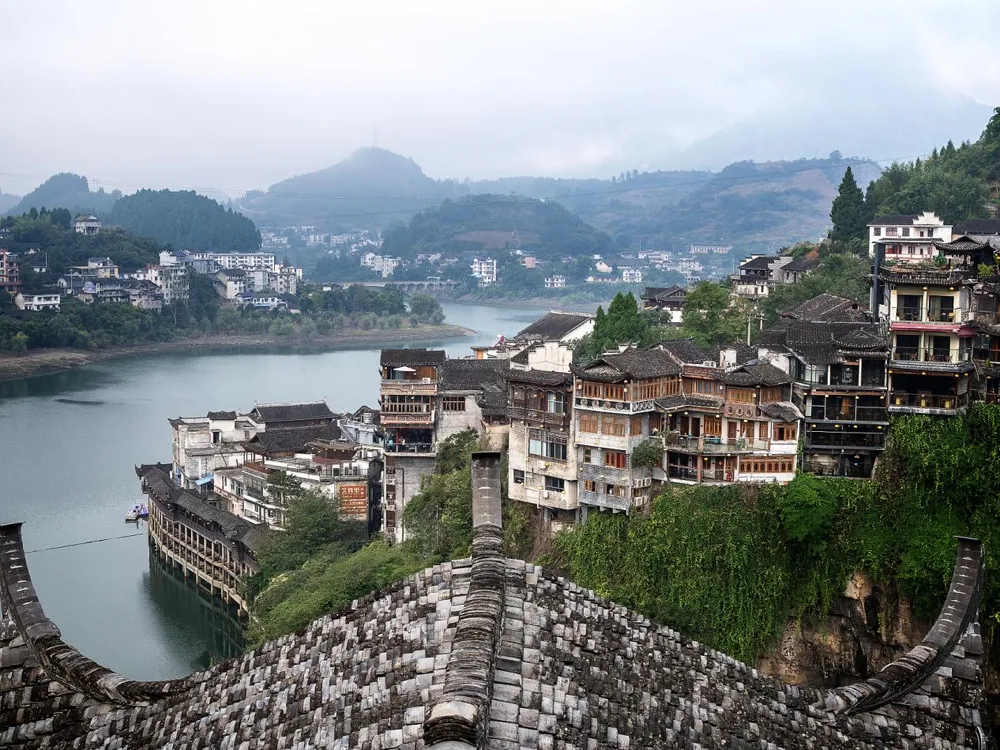
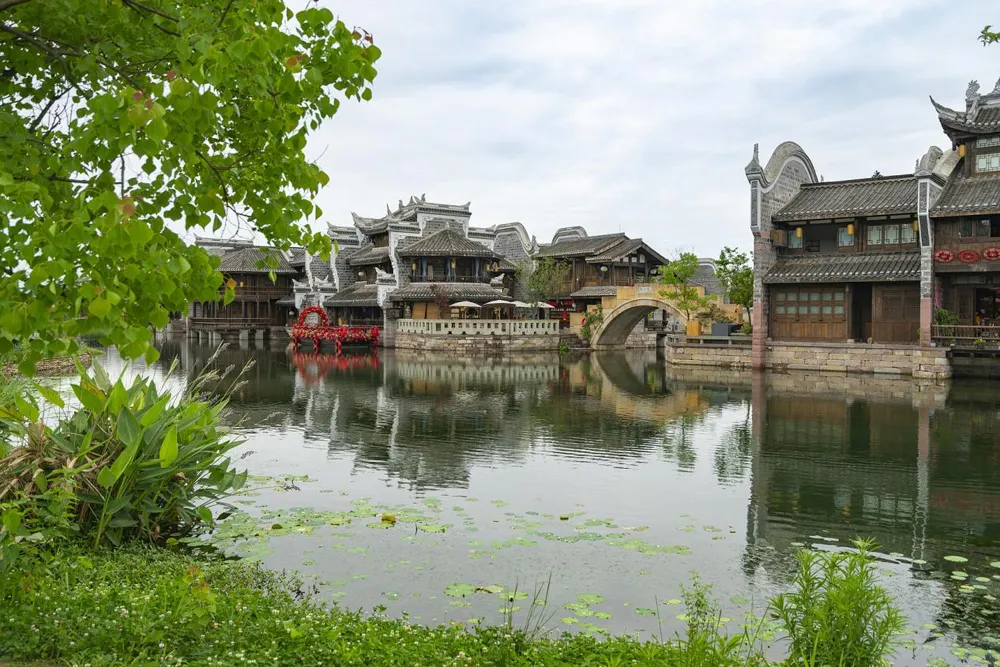
Shuanglang, que alguna vez fue un tranquilo pueblo de pescadores en la orilla oriental del lago Erhai, se ha convertido en un destino cultural y turístico conservando su encanto original. La ciudad está construida a lo largo del lago, con casas tradicionales Bai, calles estrechas de piedra y barcos de pesca atracados en el muelle. Es famosa por ser la ciudad natal de Yang Liping, el renombrado bailarín de pavo real de China, cuyo Palacio del Sol y Palacio de la Luna se encuentran en la ladera, con vista al lago. Históricamente, Shuanglang fue un importante puerto pesquero y una parada en la ruta de transporte acuático de Erhai, y los pescadores locales han conservado su forma de vida tradicional durante generaciones. Las atracciones culturales de la ciudad incluyen el Templo Zhenhai, un antiguo templo budista con una historia de más de 400 años, y las tallas de piedra en los acantilados cercanos. Hoy en día, Shuanglang es conocida por sus casas de huéspedes boutique, galerías de arte y cafés, que atraen a artistas y viajeros de todo el mundo. Los visitantes pueden realizar un recorrido en barco por Erhai, degustar mariscos frescos y disfrutar de la hermosa puesta de sol sobre el lago, mientras experimentan la coexistencia pacífica de las tradiciones pesqueras y la cultura del arte moderno.
mariposa primavera
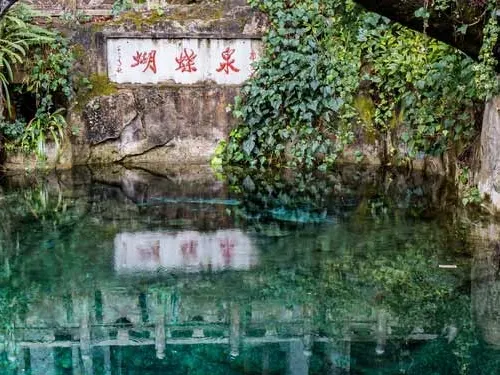
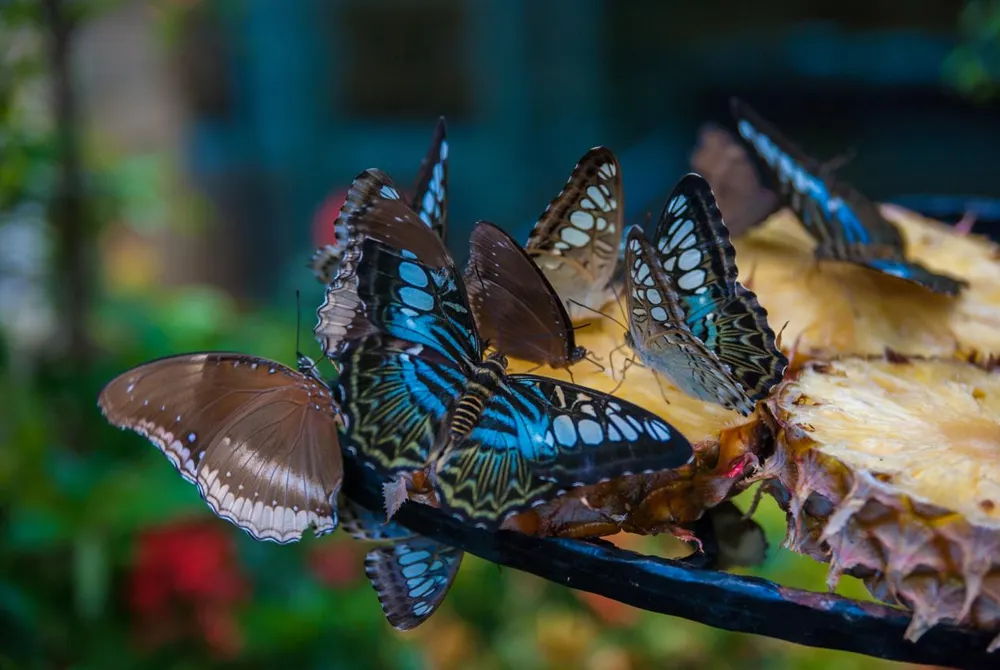
Butterfly Spring, que se hizo famosa por la película clásica china "Cinco flores doradas", se encuentra al pie de la montaña Cangshan, a unos 25 kilómetros de la antigua ciudad de Dali. Es un manantial natural rodeado de frondosos bosques, y cada abril y mayo, miles de coloridas mariposas se reúnen aquí, bailando en el aire y formando una espectacular escena de “grupo de mariposas”, que se ha convertido en un símbolo de amor y romance en la cultura Bai. El manantial tiene una profunda conexión con las tradiciones del pueblo Bai: según las leyendas locales, el manantial lleva el nombre de dos jóvenes amantes de los grupos étnicos Bai y Yi que fueron separados por un cruel terrateniente y finalmente se convirtieron en mariposas, jurando estar juntos para siempre. El pueblo Bai celebra aquí un gran Festival de las Mariposas cada año, donde hombres y mujeres jóvenes cantan canciones populares, intercambian regalos y buscan a sus almas gemelas. El área escénica de Butterfly Spring también incluye un museo de mariposas, que muestra varias especies de mariposas de todo el mundo, y un sendero forestal para practicar senderismo. No es sólo una atracción natural sino también un sitio cultural que encarna la búsqueda del amor del pueblo Bai y su reverencia por la naturaleza.