
 Inglés
 Francés
 Español
 Ruso
Ruso Árabe
Árabe Italia
I. Panorama urbano
La prefectura autónoma de Xishuangbanna Dai está situada en el extremo sur de la provincia de Yunnan. En el idioma Dai, significa "un paraíso ideal y mágico", lo que la convierte en una rara ciudad tropical en China con verano durante todo el año y temperaturas suaves en todas las estaciones. La región cuenta con la única reserva natural de selva tropical de China, con una exuberante vegetación y una densa red de vías fluviales, al tiempo que combina el rico encanto del sudeste asiático con la cultura única de las minorías étnicas del suroeste.
A diferencia del encanto rústico de Dali y Lijiang en Yunnan, Xishuangbanna se destaca por sus maravillas de la selva tropical, su herencia cultural dai y tailandesa y su vibrante vida local. Se ha convertido en un destino turístico popular que combina paisajes naturales, experiencias étnicas, aventuras culinarias y retiros de bienestar, lo que lo convierte en una opción ideal para escapar del frío invernal o del calor veraniego en toda China.
II. Atracciones principales de visita obligada
(1) Jardín Botánico Tropical Xishuangbanna, Academia de Ciencias de China
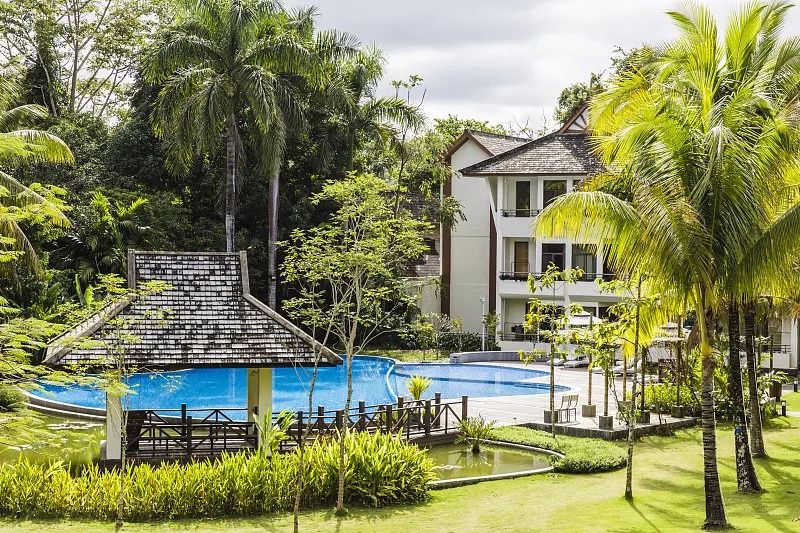
El jardín botánico tropical más grande y rico en especies de China está ubicado en la ciudad de Menglun, alberga más de 5.000 especies de plantas tropicales raras y sirve como un destino emblemático para la educación y el turismo sobre la selva tropical. El parque está dividido en la Zona Oeste y la Zona Este: la Zona Oeste presenta un paisaje meticulosamente diseñado con numerosos lugares populares para tomar fotografías donde los visitantes pueden admirar plantas distintivas como Nymphaea grandiflora, Beringia bungeana y Plectranthus spinulatus; la Zona Este es una zona prístina para caminatas en la selva tropical con auténticos paisajes naturales. De mayo a agosto de cada año, el espectáculo nocturno de luciérnagas crea una atmósfera inmersiva, lo que lo hace ideal para salidas familiares, recorridos educativos y fotografías de naturaleza.
(2)Valle del Elefante
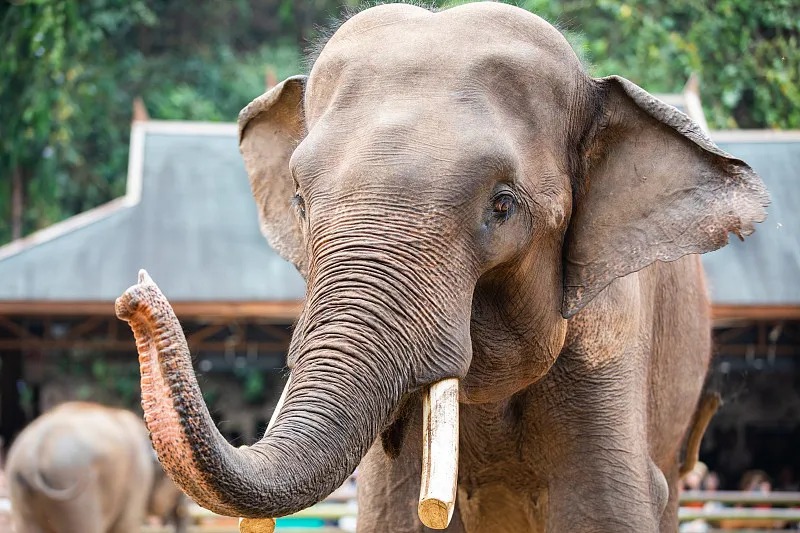
La única zona escénica de China que ofrece observación de cerca de elefantes asiáticos salvajes, preserva un ecosistema de hábitat completo. Con pasarelas de observación elevadas que recrean fielmente las condiciones de vida naturales, los visitantes pueden encontrar manadas de elefantes buscando alimento y jugando en el agua. El sitio también presenta presentaciones interactivas de escuelas de elefantes y experiencias de pastoreo de elefantes en la selva tropical, brindando información inmersiva sobre el comportamiento de los elefantes con un alto valor de participación y entretenimiento, lo que lo convierte en una atracción natural de visita obligada en Xishuangbanna.
(3)Parque Manting + El templo budista principal
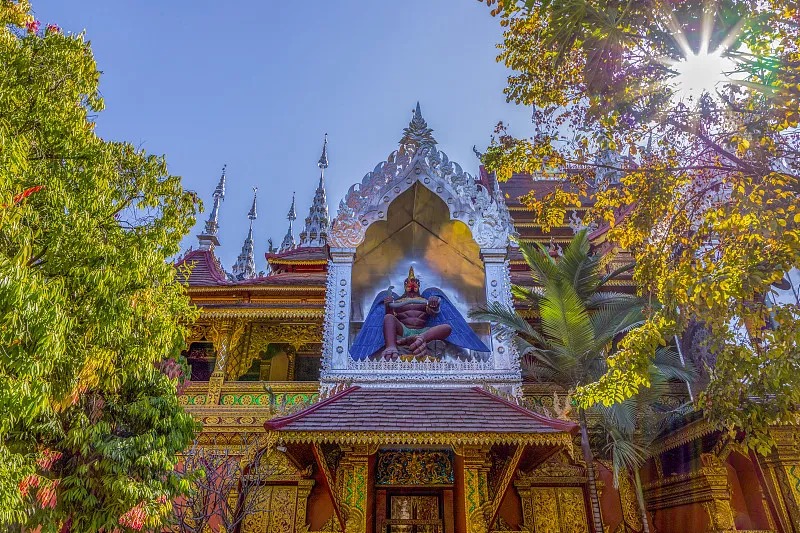
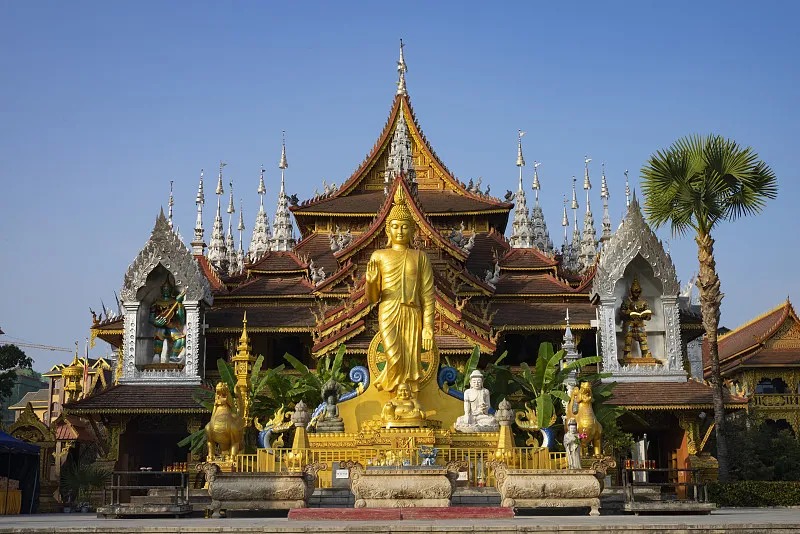
Con una historia de más de 1300 años, el parque Manlang fue originalmente el jardín imperial reservado para los reyes Dai. Cuenta con una exuberante vegetación tropical y un exquisito paisaje estilo Dai, que ofrece impresionantes vistas a cada paso que muestran el refinado encanto del sudeste asiático. Junto al parque se encuentra el Templo Zongfo, el monasterio budista Theravada de mayor rango en Xishuangbanna, con techos dorados y paredes blancas que exudan una grandeza solemne. Abierto al público de forma gratuita, es un lugar ideal para tomar fotografías al estilo tradicional Dai. Por la noche, los visitantes pueden asistir al festival de las hogueras "La Noche del Río Lancang-Mekong", sumergiéndose en actuaciones de danzas y canciones de minorías étnicas junto con rituales ceremoniales de fuego para recibir bendiciones.
(4)Gaozhuang Xishuangjing · Mercado nocturno Starlight
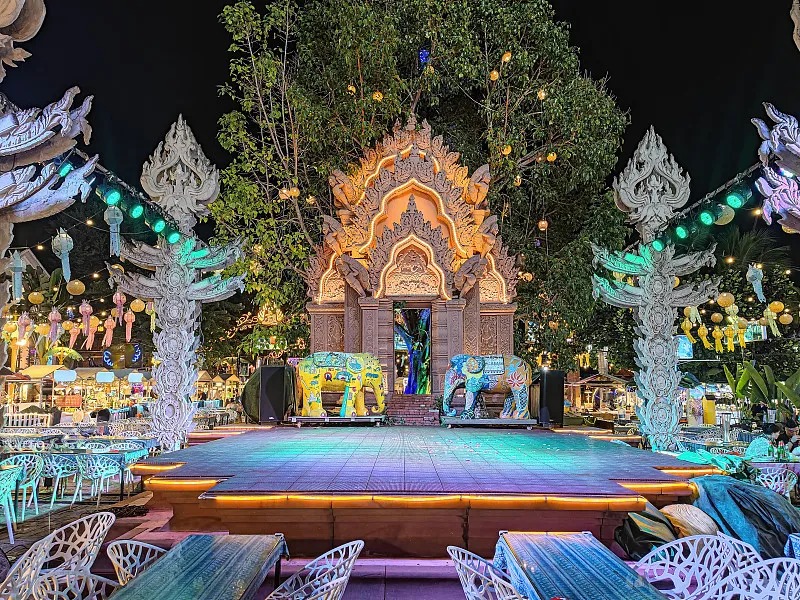
Venerado como el mercado nocturno más grande del Sudeste Asiático, sirve como símbolo emblemático de la ciudad de Xishuangbanna y atracción nocturna central. Después del atardecer, la Gran Pagoda Dorada brilla con luces deslumbrantes mientras toda la calle del mercado nocturno vibra con una actividad vibrante, ofreciendo una amplia gama de ofertas que incluyen bocadillos estilo Dai, artesanías étnicas, ropa del sudeste asiático y accesorios culturales. También es un destino privilegiado para la fotografía de disfraces Dai, con un ambiente nocturno cautivador que lo convierte en un lugar de visita obligada para que los turistas exploren, tomen fotografías y saboreen la cocina local.
(5) Jardín Étnico Dai (Valle de los Olivos)
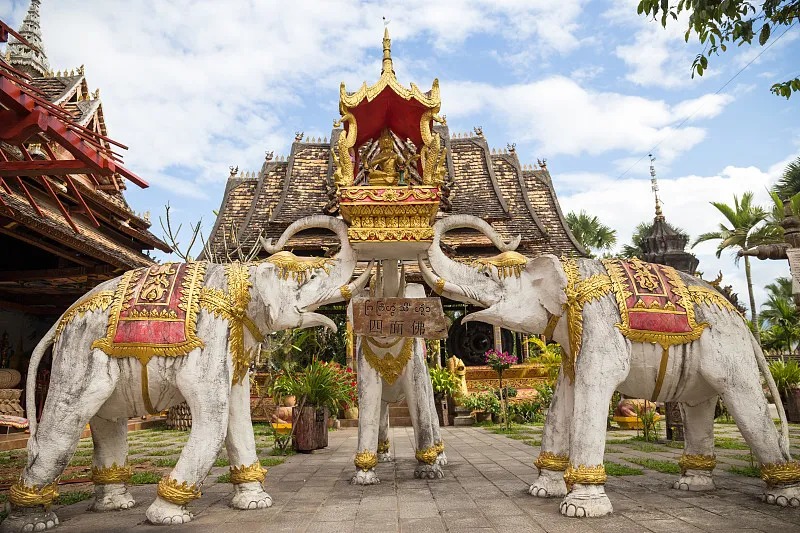
El "Museo de la Cultura Viviente Dai", que comprende cinco pueblos Dai auténticos, conserva plenamente el estilo de vida tradicional Dai. Las aldeas están salpicadas de sencillas casas de bambú sobre pilotes, lo que permite a los visitantes observar de cerca las viviendas Dai y experimentar artesanías del patrimonio cultural intangible, como la fabricación de papel hecha a mano y el tejido de brocados. El parque alberga festividades diarias en las que se salpica agua, lo que permite a los visitantes sumergirse en el ritual de bendición más característico del pueblo Dai, que implica juegos con agua, sin tener que esperar al Festival oficial de salpicaduras de agua: una experiencia altamente interactiva.
(6) Área escénica de Wangtianshu
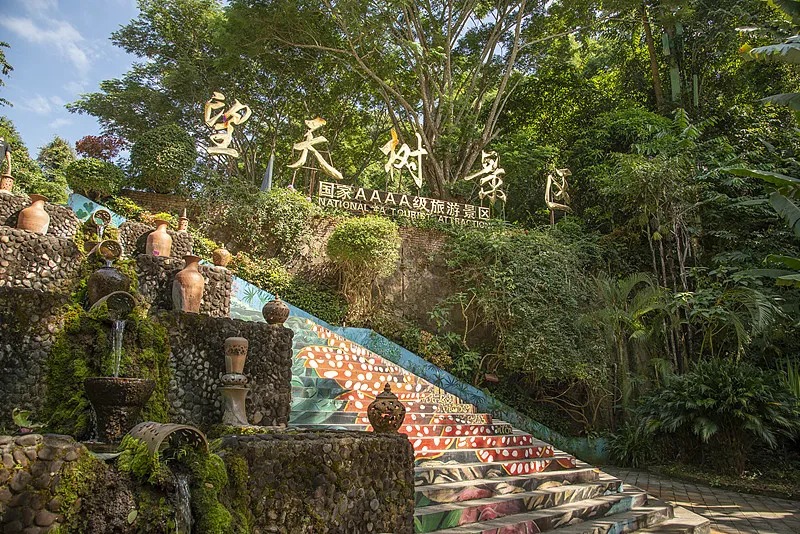
El área escénica central de la selva tropical en el condado de Mengla es famosa por su icónico árbol de 88 metros de altura que llega hasta el cielo, un sello distintivo de la selva tropical. La característica más distintiva del área es el corredor de dosel de 36 metros de altura que se extiende sobre la selva tropical y ofrece vistas panorámicas de todo el prístino ecosistema tropical. Esta emocionante experiencia permite a los visitantes sumergirse en la grandeza de la selva tropical y es ideal para quienes disfrutan del senderismo o buscan aventuras únicas y fuera de lo común.
III. Culturas étnicas distintivas
(1) La cultura central del pueblo Dai
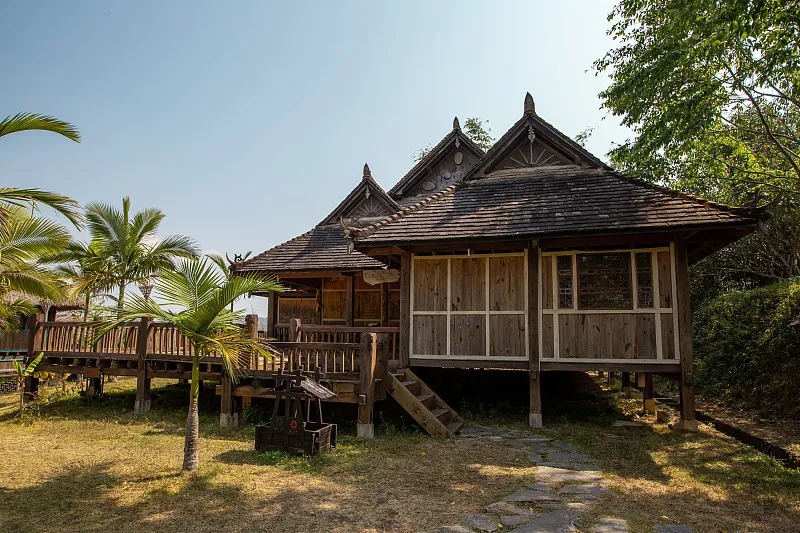
El pueblo Dai constituye el grupo étnico mayoritario en Xishuangbanna y es conocido como el "Pueblo del Agua". Sus costumbres son suaves y sencillas, y todos los miembros se adhieren al budismo Theravada, lo que da lugar a la característica regional distintiva de que "cada aldea tiene un templo y cada hogar practica el budismo". Es una tradición popular única entre los Dai que los jóvenes realicen retiros monásticos de corta duración durante su juventud.
La arquitectura presenta predominantemente casas de bambú sobre pilotes, con pisos superiores para vivir y niveles inferiores para ventilación y prevención de humedad, perfectamente adaptadas al clima tropical cálido y lluvioso de Xishuangbanna. La región cuenta con un profundo patrimonio de arte popular, ejemplificado por la elegante danza del pavo real y la vibrante danza del tambor con patas de elefante. Las escrituras milenarias en hojas de palma, inscritas con plumas de hierro en hojas de palma, sirven como preciosos portadores del legado cultural del pueblo Dai.
(2) Fiestas étnicas distintivas
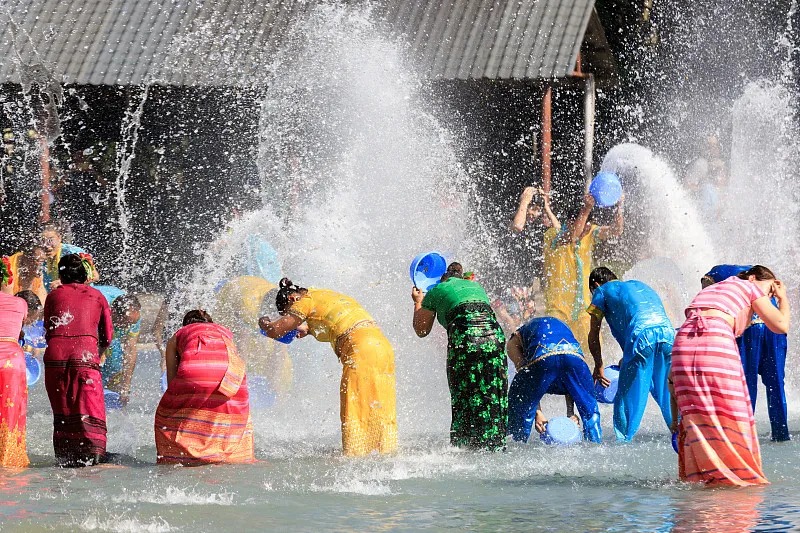
El Festival del Salpicaduras de Agua (del 13 al 15 de abril): El Año Nuevo Dai, el festival más grandioso de Xishuangbanna, cuenta con la participación de todos los residentes de la ciudad en rituales de salpicaduras de agua para recibir bendiciones. Acompañado de carreras de botes dragón, vuelo de cometas, exhibiciones de linternas Kongming y presentaciones de canciones y danzas étnicas, el evento crea una atmósfera vibrante que simboliza la limpieza de impurezas y la bienvenida a la nueva fortuna: un momento perfecto para experimentar las tradiciones culturales Dai.
(3) Patrimonio cultural inmaterial y habilidades populares
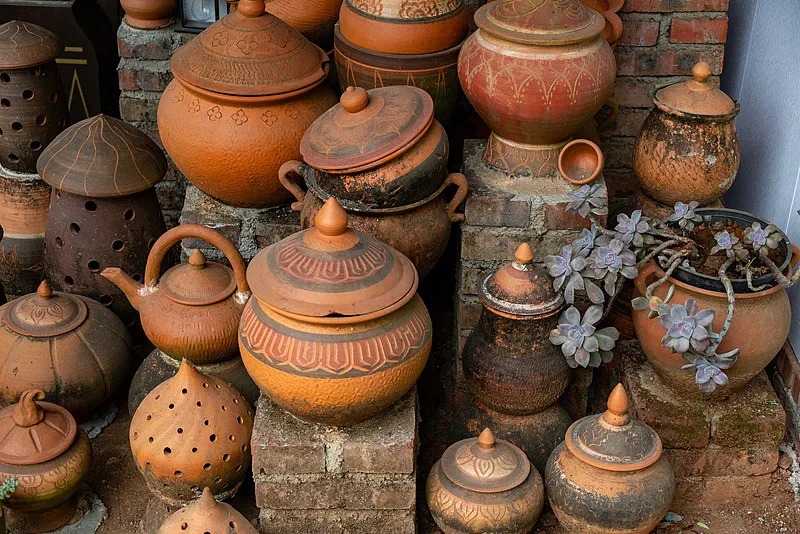
Xishuangbanna cuenta con numerosas técnicas de patrimonio cultural inmaterial a nivel nacional. La tradición de fabricación de cerámica de rueda lenta del pueblo Dai, con una historia de 4.000 años, emplea métodos primitivos como el uso de ruedas tiradas por los dedos y la cocción sobre superficies planas, exhibiendo un encanto simple pero distintivo. Los brocados Dai tejidos a mano presentan colores vibrantes y motivos exquisitos que encarnan tótems étnicos y simbolismos populares, lo que los convierte en objetos de colección y obras de arte de gran valor. Además, el pueblo Jino, la última minoría étnica oficialmente reconocida de China, reside en las Montañas Jino; su cultura única del tambor solar y sus prácticas tradicionales de caza en las aldeas representan otro punto destacado del distintivo paisaje cultural de Xishuangbanna.
IV. Alimentos especiales locales
La cocina Dai es reconocida por sus sabores picantes, frescos y aromáticos, que ofrecen una experiencia refrescante y natural. Basándose en ingredientes de las selvas tropicales y especias tropicales, ha desarrollado un perfil de sabor distintivo del suroeste que elimina la untuosidad, estimula el apetito y deja una impresión duradera.
(1) Platos exclusivos que debes probar
1. Pollo asado Menghai: el manjar definitivo al estilo Dai, que incluye pollos criados en libertad en bosques de bambú y asados sobre fuego de carbón de hierba de limón. La piel se vuelve dorada y crujiente, mientras que la carne permanece tierna y jugosa, perfectamente complementada con la exclusiva salsa Nanmi estilo Dai para una experiencia de sabor excepcional.
2. Pescado al horno con limoncillo: un plato clásico de Xishuangbanna, que incluye tilapia fresca envuelta en limoncillo y asada a la parrilla para eliminar perfectamente los olores a pescado y realzar su aroma. El pescado es tierno y sabroso, y ofrece un equilibrio de sabor agrio y picante con un dulzor persistente, acompañado de una refrescante fragancia herbácea.
3. Arroz morado con piña: Combinando las características de un alimento básico y un postre, este plato presenta arroz glutinoso morado cocido al vapor con piña fresca, mezclando aromas frutales, fragancia de arroz y un sutil aroma a coco para una textura dulce pero cremosa adecuada para todas las edades.
4. Serie estofado: La carne, el pescado, los champiñones y otros ingredientes se envuelven en hojas de plátano y se cuecen a fuego lento o se tuestan para conservar sus sabores originales, impartiendo un aroma herbáceo natural, lo que da como resultado una carne tierna y jugosa con un sabor distintivo.
(2) Aperitivos populares en el mercado nocturno.
1. Patas de pollo: El refrigerio conmovedor de la cocina Dai, estas patas de pollo deshuesadas se combinan con papaya verde, lima, chiles y cilantro, molidas a mano en un mortero de piedra para obtener una textura crujiente, picante y picante que elimina la grasa y abre el apetito, lo que las convierte en una opción imprescindible en los mercados nocturnos.
2. Buluda: un postre Dai exclusivo con una base de leche de coco combinada con sagú, arroz morado, pan seco y coco rallado. Su refrescante dulzura y su rica textura en capas equilibran perfectamente los sabores agridulces característicos de la cocina Dai.
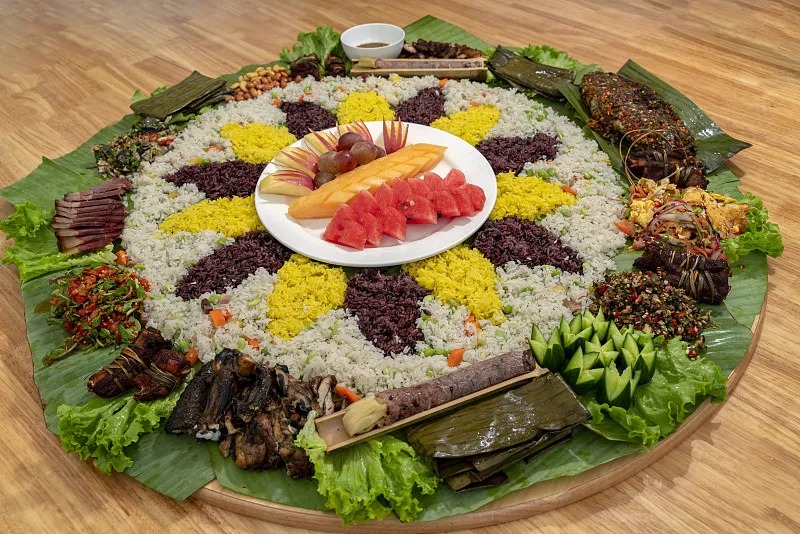
3. Arroz Da Wei elegido a mano: una comida distintiva con un fuerte ambiente ceremonial, servida en hojas de plátano junto con varios ingredientes como pollo asado, carne a la parrilla, platos fríos, arroz glutinoso y salsa para mojar, lo que permite a los invitados comer libremente con la mano. Irradia una atmósfera vibrante y hogareña y es ideal para reuniones de grupo.
(3) Especialidades de Frutas Tropicales
Xishuangbanna es un verdadero paraíso para las frutas, ya que produce abundantes frutas tropicales como mangos, mangostenos, durián, yacas, saka y mini piñas durante todo el año. Estas frutas se cosechan recién durante la temporada alta, tienen un dulzor excepcional y un precio asequible, lo que las convierte en especialidades imprescindibles para los viajeros.
V. Consejos prácticos de viaje
1. Período óptimo de viaje: noviembre a abril del año siguiente (época seca), caracterizado por un clima fresco y confortable con precipitaciones mínimas y abundante sol, lo que lo hace ideal para hacer turismo y vacaciones; De mayo a octubre (temporada de lluvias), cuando la vegetación de la selva tropical es exuberante y las frutas abundan, lo que ofrece una mejor relación calidad-precio.
2. Recomendaciones de vestimenta: La vestimenta de verano es adecuada durante todo el año; Una camisa ligera de manga larga es suficiente. Cuando visite templos budistas, use pantalones o faldas largas; Está prohibida la exposición de hombros y rodillas. Usar ropa tradicional Dai en los mercados nocturnos crea una excelente oportunidad para tomar fotografías.
3. Artículos de viaje esenciales: Debido a la intensa radiación ultravioleta en las regiones tropicales, es necesario llevar protector solar de factor alto y un sombrero para el sol; Dada la prevalencia de mosquitos en las selvas tropicales, el repelente de mosquitos y la crema contra la picazón son esenciales.
4. Guía de transporte: Es conveniente tomar taxis a las atracciones dentro de la ciudad de Jinghong; Para atracciones suburbanas remotas como Wild Elephant Valley, Botanical Garden y Wangtianshu, hay disponibles autobuses de traslado en áreas panorámicas u opciones de uso compartido de automóviles para una experiencia sin complicaciones.