
 Inglés
 Francés
 Español
 Ruso
Ruso Árabe
Árabe Italia
Hangzhou, la capital de la provincia de Zhejiang, anteriormente conocida como Lin'an y Qiantang, es una de las siete antiguas capitales de China y es famosa por ser aclamada como el "Paraíso en la Tierra". Integrando perfectamente paisajes poéticos, el encanto centenario del estilo Song, la cultura zen, la vitalidad del canal y el dinamismo urbano moderno, es una ciudad cultural de renombre mundial y un centro de economía digital. Como destino turístico de ocio de primer nivel en la región de Jiangnan, Hangzhou presenta paisajes pintorescos, un profundo patrimonio y una cocina delicada.
I. Principales atracciones de visita obligada
1. Área escénica de West Lake (Patrimonio cultural mundial · Lugar escénico de nivel 5A)
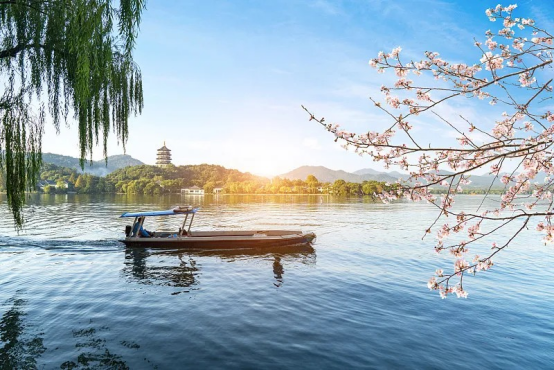
El alma de Hangzhou, esta zona escénica completamente abierta y gratuita es el único sitio del Patrimonio Cultural Mundial basado en un lago en China. Famoso por las clásicas "Diez escenas del Lago del Oeste", presenta vistas pintorescas durante todo el año.
Puente roto con nieve restante: el hito icónico de West Lake y el lugar de nacimiento de la Leyenda de la Serpiente Blanca. El puente cubierto de nieve en invierno crea una escena poética nebulosa e impresionante.
Spring Dawn en Su Causeway: el paisaje primaveral principal de West Lake. La larga calzada, que se extiende a lo largo del lago, está bordeada de flores de durazno y sauces verdes, lo que ofrece una experiencia increíble para caminar o andar en bicicleta.
Tres piscinas que reflejan la luna: un lugar escénico clásico en el Lago del Oeste, que aparece en el reverso del billete de un yuan de China. Los visitantes deben tomar un crucero para llegar a la isla, y la vista nocturna a la luz de la luna es extremadamente soñadora.
Pagoda Leifeng al atardecer: suba a la pagoda para contemplar la vista panorámica del Lago del Oeste. El resplandor del atardecer se extiende sobre el lago al anochecer, creando un paisaje impresionante.
2. Templo Lingyin y Pico Volador (Tierra Santa del Milenio Zen)
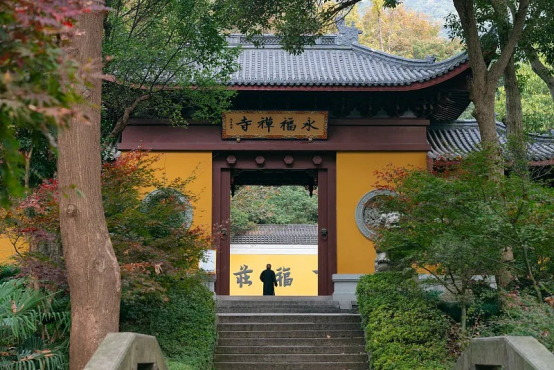
Uno de los diez templos zen antiguos más importantes de China y el lugar donde el legendario monje Jigong practicó el budismo. Con un próspero incienso desde hace miles de años, es un lugar perfecto para la oración y la relajación espiritual en Hangzhou. Flying Peak conserva 328 exquisitas tallas en acantilados que datan de las Cinco Dinastías hasta las dinastías Song y Yuan, con un alto valor histórico y artístico. El antiguo templo cuenta con majestuosos salones y frondosos árboles centenarios, lo que brinda una profunda atmósfera zen y la auténtica cultura budista de Jiangnan.
3. Parque Nacional de Humedales Xixi (Pulmón Verde Urbano · Lugar Escénico de Nivel 5A)
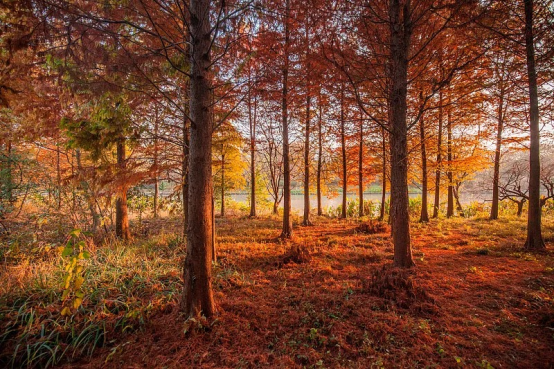
Un raro humedal urbano natural en China y lugar de rodaje de la película If You Are the One. Es elogiado por el paisaje poético de “arroyos sinuosos y juncos brumosos”. Con canales entrecruzados y densos pantanos de juncos, la mejor manera de explorar el humedal es en un bote de remos. Ofrece paisajes distintos en las cuatro estaciones: lluvia brumosa en primavera, lotos en flor en verano, caquis maduros en otoño y juncos cubiertos de nieve en invierno, llenos de encanto natural y salvaje.
4. Parque de las Ruinas de la Ciudad Antigua de Liangzhu (Patrimonio Cultural de la Humanidad)
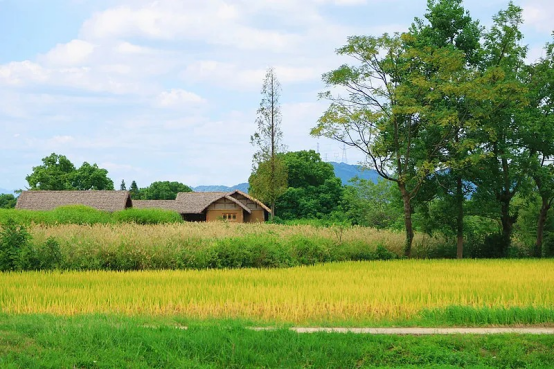
Un sitio sagrado que prueba los 5.000 años de historia de la civilización china, abierto a visitantes con reserva gratuita. Las reliquias bien conservadas incluyen la zona del antiguo palacio, un gigantesco sistema de conservación de agua y tumbas. Combinado con las exhibiciones culturales de jade en el Museo Liangzhu, el parque demuestra plenamente la espléndida civilización neolítica de Liangzhu, lo que lo convierte en un destino central para la investigación cultural y el turismo.
5. Gran Canal Beijing-Hangzhou (tramo Hangzhou)
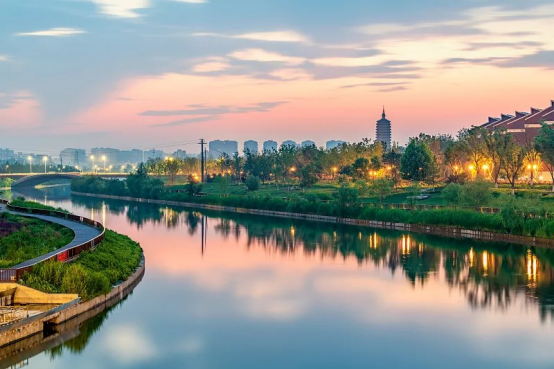
Como Patrimonio Cultural Mundial vivo, el milenario Gran Canal atraviesa Hangzhou. El puente Gongchen, el icónico puente del antiguo canal, es testigo del ascenso y caída del antiguo transporte acuático. Xiaohe Straight Street conserva el estilo original de Jiangnan con casas de paredes blancas, tejas negras y puentes antiguos, preservando la auténtica vitalidad urbana de la antigua Hangzhou. Un crucero nocturno por el canal ofrece una maravillosa experiencia del suave encanto del antiguo canal.
6. Ciudad antigua de Tangqi (Ciudad acuática del Milenio junto al canal)
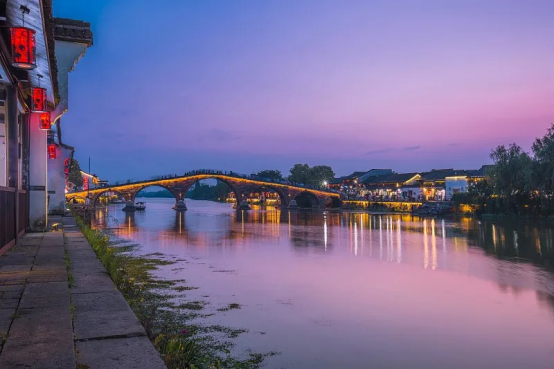
Una antigua ciudad Ming y Qing bien conservada situada junto al Gran Canal, lejos del ruido urbano. Conserva más de 200 edificios antiguos de las dinastías Ming y Qing. El magnífico puente Guangji cruza el canal y la antigua calle está llena de tiendas tradicionales que venden pasteles y conservas tradicionales. Es un lugar ideal para experimentar el estilo ecológico original de los pueblos acuáticos del canal.
II. Cultura urbana única
1. Cultura del paisaje del Lago Oeste
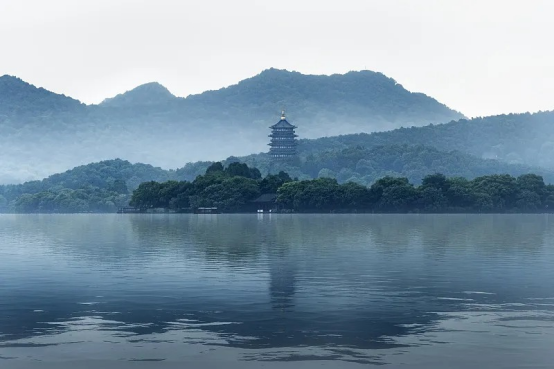
La esencia cultural central de Hangzhou, que integra jardines paisajísticos, budismo zen, historias de celebridades, arte de la seda y cultura del té. Elegante y gentil, representa la estética suprema de la cultura Wu-Yue y el estilo Jiangnan, elogiado por innumerables literatos a lo largo de la historia.
2. Cultura imperial de la dinastía Song del Sur
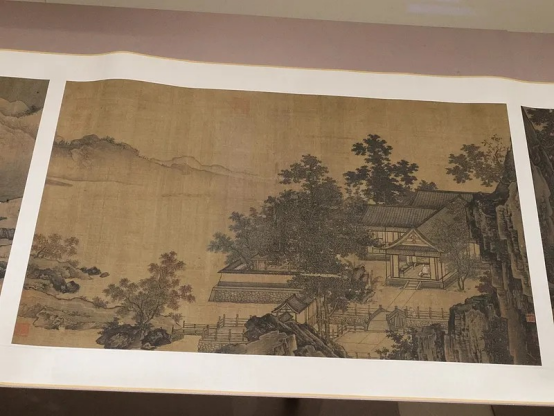
Como capital Lin'an de la dinastía Song del Sur, Hangzhou fue una vez una de las ciudades más prósperas del mundo. Reliquias históricas como la Calle Imperial Song del Sur y las Ruinas del Palacio Deshou heredan los rituales reales, las costumbres populares y la cultura gastronómica de la Dinastía Song del Sur, incorporando el elegante encanto del estilo Song a toda la ciudad.
3. Patrimonio cultural de Wu-Yue
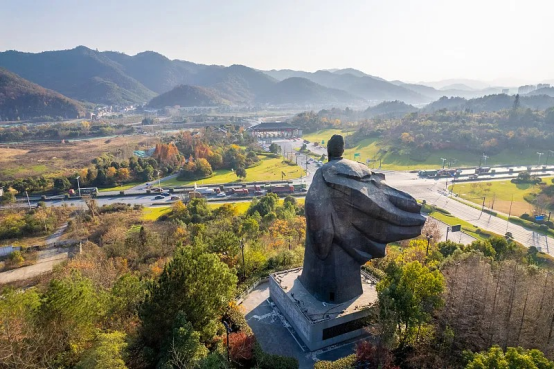
El Reino Wu-Yue estableció su capital en Hangzhou durante las Cinco Dinastías. La filosofía de gobernanza de “proteger el territorio y consolar a la gente” creó el temperamento inclusivo, amable, favorable a los negocios y académico de la ciudad. Los monumentos clásicos, como la Pagoda Leifeng y el Templo Lingyin, se originaron en el período Wu-Yue.
4. Cultura del té Longjing
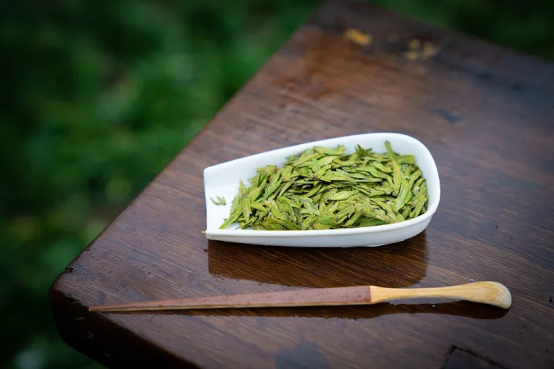
Hangzhou es el origen principal del té West Lake Longjing. Las onduladas montañas de té se extienden a lo largo de Longjing Village y Meijiawu Village. La tradicional cultura del té encarna la estética oriental de “integración del zen y el té”. Los turistas pueden experimentar la recolección, preparación y degustación de té para sentir el encanto poético único de Hangzhou.
5. Patrimonio cultural inmaterial y cultura popular
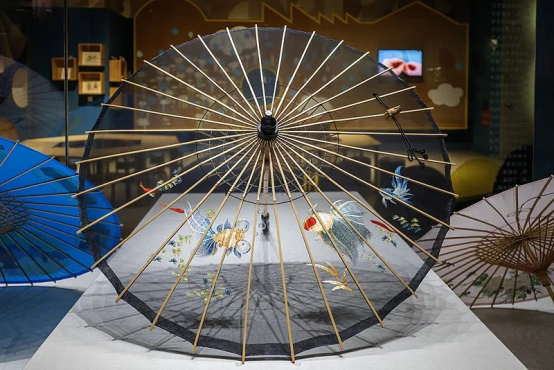
Hangzhou cuenta con numerosos patrimonios culturales intangibles nacionales y provinciales, incluidos los paraguas de seda del Lago Occidental, los abanicos de Hangzhou, la música guqin al estilo Zhe y la artesanía tradicional del pato estofado de Hangzhou. Las artesanías tradicionales se integran en la vida diaria, heredando la exquisita artesanía de Jiangnan y el profundo patrimonio de la ciudad antigua.
III. Cocina especial local
Como principal representante de la cocina de Zhejiang, la cocina de Hangzhou se caracteriza por frescura, elegancia, sabor original y condimentos ligeros. Al adoptar ingredientes de temporada de Jiangnan, es famoso por su sabor suave y refrescante con características locales únicas.
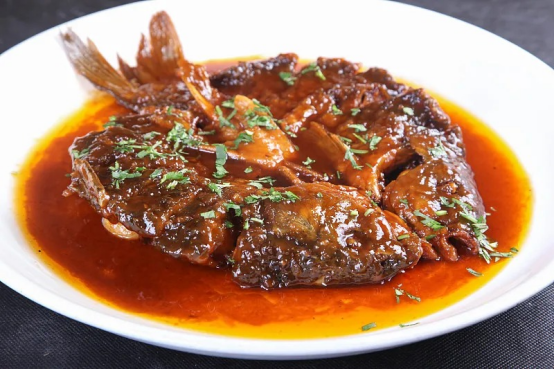
1. Platos clásicos exclusivos de Hangzhou
Pescado con vinagre de West Lake: un plato centenario característico de la cocina de Hangzhou. Cocinado con carpa herbívora fresca, tiene un sabor dulce, ácido y tierno, y sirve como un manjar simbólico de West Lake.
Cerdo Dongpo: un plato legendario de Jiangnan con salsa brillante de color rojo brillante. La carne de cerdo es tierna, suave, grasosa pero no grasosa, con un rico aroma a salsa, popular desde hace miles de años.
Camarones Longjing: un manjar limitado en primavera. Los camarones de río frescos se saltean con tiernas hojas de té Longjing de principios de primavera, combinando una delicada fragancia de té y carne fresca de camarón.
Pollo de los mendigos: El pollo entero se envuelve en hojas de loto y se hornea con barro, lo que da como resultado una carne tierna y deshuesada con un refrescante aroma a hoja de loto y un sabor único.
Sopa de brotes de bambú secos y pato: una nutritiva especialidad de Jiangnan. El pato viejo cocido a fuego lento con brotes de bambú secos crea una sopa rica, fresca y suave adecuada para todas las estaciones.
2. Aperitivos callejeros locales
Fideos Pian'erchuan: el desayuno favorito de la gente local de Hangzhou. Los fideos servidos con verduras encurtidas, brotes de bambú y carne magra tienen un sabor fresco, ligero y masticable con una fuerte vitalidad urbana.
Pastel Dingsheng: Pastel de arroz glutinoso suave relleno de pasta de frijoles rojos, dulce pero no grasoso. Simboliza el éxito y la victoria, siendo un recuerdo clásico de Jiangnan.
Cong Baohui: un bocadillo tradicional de la calle Hangzhou. Las cebolletas y los palitos de masa fritos se envuelven en finas tortitas y se fríen hasta que estén crujientes, conservando el sabor clásico de la ciudad vieja.
Almidón de raíz de loto de West Lake: suave y translúcido, servido con miel dulce de osmanthus. Es una bebida de temporada cálida y dulce perfecta para otoño e invierno.
3. Calles de comida famosas
Hefang Street y Southern Song Imperial Street: reunidas con marcas consagradas como Zhiweiguan, Louwailou y Hu Qing Yu Tang, que ofrecen degustaciones en un solo lugar de platos y refrigerios auténticos de Hangzhou.
Shenlihe Food Street: un mercado nocturno local escondido con mucho ajetreo y delicias diversas.
Pueblo Qingzhiwu: junto al templo Lingyin, este pueblo elegante y artístico alberga numerosos restaurantes creativos de Hangzhou y cocinas de granja.
IV.Resumen de la ciudad
Hangzhou es un paraíso en la tierra que abarca paisajes poéticos, hereda el encanto milenario de la canción y preserva la vibrante vida urbana. Presenta la suave belleza del Lago del Oeste, el tranquilo Zen del Templo Lingyin, la profunda herencia de Liangzhu y la vitalidad eterna del Gran Canal. Combinando la elegancia clásica con el dinamismo moderno y reuniendo una cocina delicada y el estilo único de Jiangnan, Hangzhou presenta paisajes impresionantes y una cultura encantadora a cada paso, mostrando la quintaesencia del encanto milenario de Jiangnan.