
 Inglés
 Francés
 Español
 Ruso
Ruso Árabe
Árabe Italia
Ubicada en la parte noreste de la provincia de Zhejiang, entre Shanghai y Hangzhou, Jiaxing es una ciudad histórica y cultural nacional con un patrimonio consagrado y el encantador paisaje de la ciudad acuática de Jiangnan. Tiene fama de ser "la frontera de Wu y Yue, la fuente de Jiangnan". Famoso por ser el lugar de nacimiento del espíritu del Barco Rojo, alberga ciudades antiguas de primer nivel de Jiangnan, incluidas Wuzhen y Xitang. Dotado de densos ríos y lagos, paisajes espléndidos, un profundo patrimonio cultural y una vibrante vida local, Jiaxing es un fantástico destino turístico de Jiangnan para visitas culturales, vacaciones de ocio y exploración gastronómica.
I. Principales atracciones de visita obligada
1. Área escénica de South Lake (nivel 5A · Monumento cultural rojo clásico)
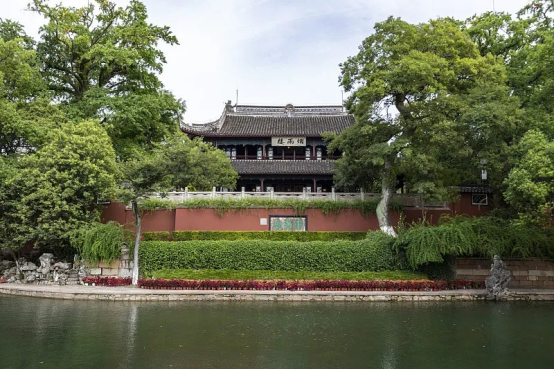
Como símbolo de la ciudad de Jiaxing, South Lake es un origen crucial de la historia revolucionaria de China. Con un paisaje brumoso junto al lago, presenta el icónico Barco Rojo y la antigua Torre Yanyu en la Isla Central. Es el lugar donde concluyó el Primer Congreso Nacional del Partido Comunista de China, que tiene una herencia histórica de color rojo intenso. Los turistas pueden tomar un crucero a la Isla Central y visitar el Salón Conmemorativo Revolucionario para experimentar la cultura roja en profundidad. El área escénica es gratuita para el público e integra perfectamente el paisaje natural y las connotaciones humanísticas, lo que la convierte en un hito de visita obligada en Jiaxing.
2. Wuzhen (Tongxiang · Nivel 5A · Ciudad acuática superior de Jiangnan)
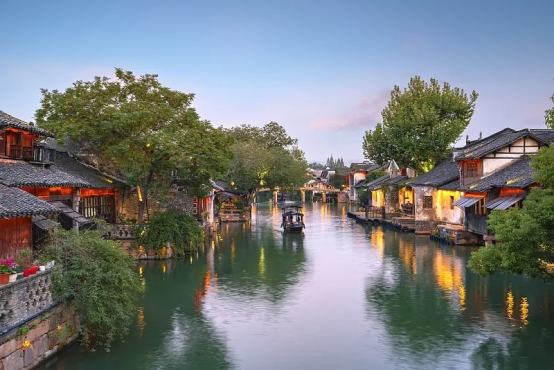
Como una de las ciudades antiguas de agua más bellas de China, Wuzhen consta de dos zonas distintivas: el este de Wuzhen y el oeste de Wuzhen.
El este de Wuzhen conserva un estilo ecológico original y una fuerte vitalidad local. Reúne numerosos sitios culturales, como la antigua residencia de Mao Dun, talleres de calico índigo y salas de exhibición de costumbres populares tradicionales, lo que permite a los visitantes experimentar la auténtica vida popular de Jiangnan y el patrimonio cultural intangible.
West Wuzhen es famoso por sus exquisitas vistas nocturnas. Las casas de paredes blancas y tejas negras están bordeadas de luces junto al río, mientras los botes de remos navegan por los callejones acuáticos. Las atracciones como el Taller de teñido de plantas y la Academia Zhaoshu crean una escena atmosférica impresionante. Considerado como el paisaje nocturno más hermoso de Jiangnan, es un lugar ideal para vacaciones, fotografía y relajación.
3. Ciudad antigua de Xitang (Jiashan · Nivel 5A · Ciudad de agua del corredor brumoso)
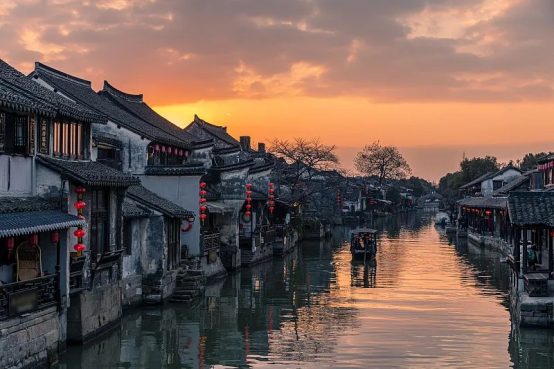
Xitang, famoso por su exclusivo corredor brumoso de kilómetros de largo, es también un popular lugar de rodaje. La antigua ciudad está construida a lo largo de ríos, con sinuosas carreteras de piedra azul, puentes delicados, agua corriente y arquitecturas clásicas de Jiangnan. Presenta una vista tranquila y elegante durante el día y una encantadora atmósfera poética con reflejos de linternas en el agua durante la noche. Menos comercializada que otras ciudades antiguas, presenta una rica vitalidad local y es perfecta para hacer turismo tranquilo, relajarse y experimentar el estilo de vida pausado de Jiangnan.
4. Bloque Histórico Yuehe (Área Urbana · Calle Antigua Libre)
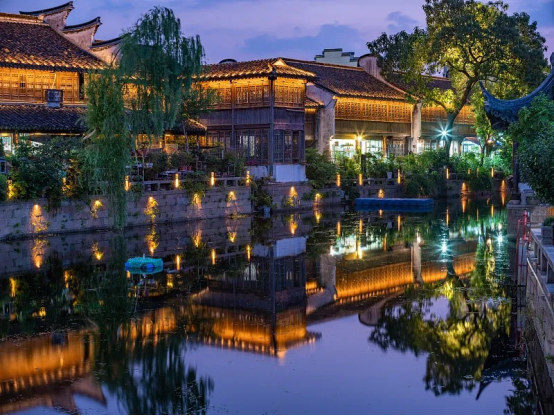
Como el bloque de la ciudad acuática Ming y Qing mejor conservado en el centro de Jiaxing, presenta el diseño clásico de Jiangnan de "tres ríos y tres calles", completo con caminos de piedra azul, terrazas junto al río y antiguos puentes cubiertos. Moderadamente comercializado, conserva bien el estilo local original del antiguo Jiaxing. Los visitantes pueden explorar las tiendas del patrimonio cultural intangible y los callejones antiguos durante el día y disfrutar del brillante paisaje nocturno. Es un destino fundamental de ocio y gastronomía tanto para locales como para turistas.
5. Ciudad antigua de Yangan (Haining · Centro turístico mundialmente famoso de observación de mareas)
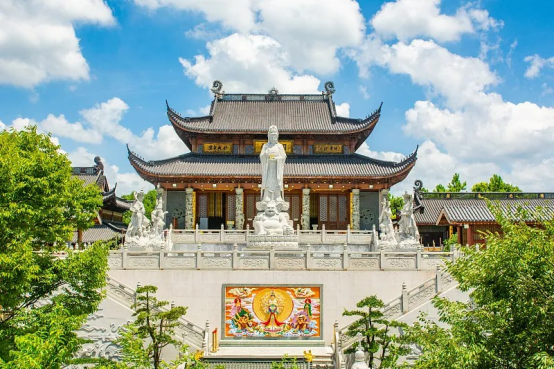
Reconocida por la marea del río Qiantang, la espectacular "marea de una línea" es aclamada como una maravilla natural mundial. El mejor momento para verlo cae el día 18 del octavo mes lunar de cada año, cuando la marea creciente presenta una escena magnífica e impactante. Además de observar las mareas, la antigua ciudad cuenta con numerosas reliquias culturales, incluido el Templo del Dios del Mar, la antigua muralla de la ciudad y el Templo y Academia Confuciano, que combinan impresionantes maravillas naturales y un profundo patrimonio histórico.
6. Meihuazhou (Lago Sur · Lugar secreto de la ciudad acuática de estilo zen)
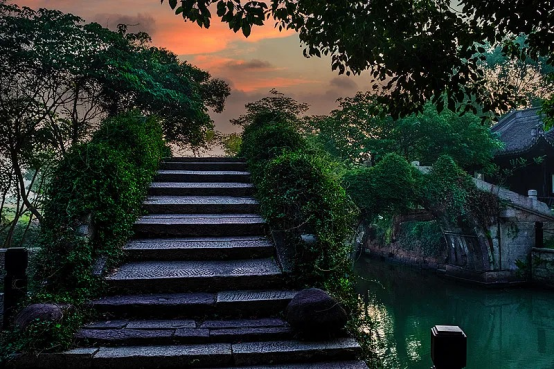
Una joya escondida en una ciudad acuática con menos gente y un encanto antiguo y sereno. Cuenta con el antiguo templo Shifo, árboles de ginkgo milenarios, puentes cubiertos de flores fragantes y arroyos gorgoteantes. Libre de una comercialización excesiva, tiene una tranquila atmósfera zen, ideal para la relajación, la meditación y la fotografía al estilo antiguo.
II. Cultura urbana única
1. Cultura del barco rojo
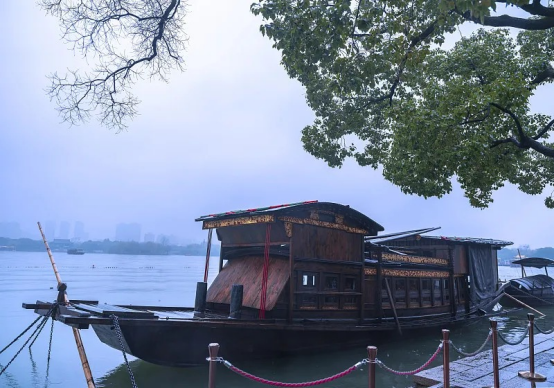
Como tarjeta principal de la ciudad de Jiaxing, el Barco Rojo en South Lake fue testigo de la fundación del Partido Comunista de China. Es una base nacional muy conocida para la educación roja y el turismo cultural rojo con una profunda herencia espiritual.
2.Cultura Majiabang
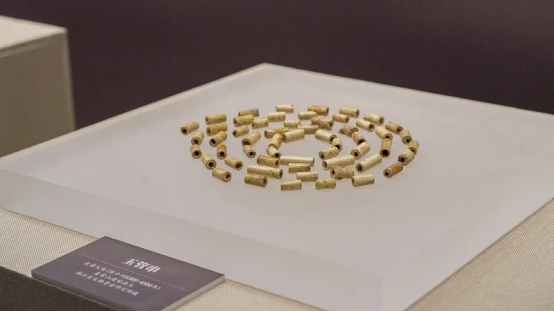
Aquí se originó la cultura Majiabang, de 7.000 años de antigüedad, que sirvió como fuente de la civilización arrocera de Jiangnan y fue testigo de las antiguas raíces agrícolas y humanísticas de Jiaxing.
3. Cultura del Gran Canal
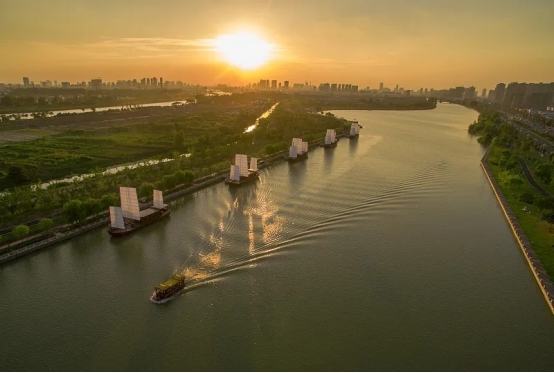
El Gran Canal Beijing-Hangzhou atraviesa Jiaxing. El transporte acuático milenario ha nutrido el comercio de la ciudad y la vida local, dando forma al patrón de la ciudad de prosperar gracias al agua y prosperar gracias al canal.
4. Cultura de celebridades
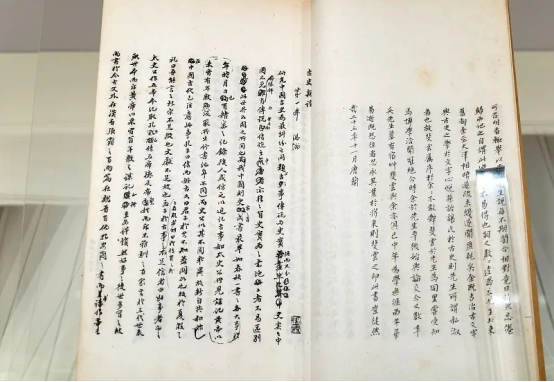
Jiaxing ha sido una tierra de eruditos desde la antigüedad. Ha criado a numerosas figuras modernas y contemporáneas de renombre, entre ellas Mao Dun, Wang Guowei, Feng Zikai, Xu Zhimo y Jin Yong, dotando a la ciudad de una fuerte atmósfera erudita.
5. Patrimonio cultural inmaterial y cultura popular
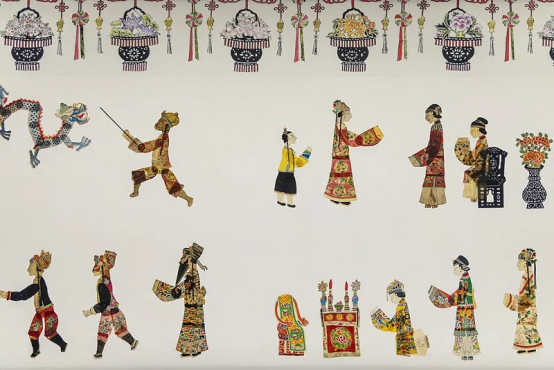
Jiaxing cuenta con abundantes patrimonios culturales intangibles vivos, como la técnica de fabricación de Jiaxing zongzi, el espectáculo de linternas Xiashi, los títeres de sombras de Haining y la artesanía de tejido de seda, heredando la artesanía tradicional y las costumbres populares de Jiangnan.
III. Cocina especial local
1. Platos exclusivos que debes probar
Jiaxing Zongzi: el sabor icónico de Jiaxing. Representado por Wu Fang Zhai y Zhen Zhen Lao Lao, el zongzi de cerdo es rico y sabroso, mientras que el zongzi de cerdo con yema de huevo presenta una yema líquida cremosa y arroz glutinoso, lo que lo convierte en un manjar local indispensable.
Castaña de agua de South Lake: una castaña de agua única y sin cuernos en forma de lingote, exclusiva de South Lake. Tiene un sabor crujiente y dulce cuando está crudo y glutinoso y sabroso cuando se cocina, un manjar estacional del lago en otoño.
Pato estofado Wenhu: un manjar estofado local tradicional con una rica salsa, carne firme y tierna y un sabor dulce y salado moderado. Es un plato de mesa popular y un recuerdo perfecto.
Cordero estofado Tongxiang: un plato clásico de invierno de Jiangnan. El tierno cordero de lago se guisa con salsa de soja espesa y tiene un sabor suave, sabroso y nutritivo, un plato abundante representativo de Jiangnan.
2. Aperitivos locales clásicos
Albóndigas de sopa de la calle Xiexi: una de las principales especialidades locales para el desayuno con envoltorios finos y traslúcidos, relleno de brotes de bambú y relleno de cerdo, y una rica sopa. Tradicionalmente se come abriendo primero el envoltorio para sorber la sopa.
Pastel Xitang Bazhen: un refrigerio tradicional medicinal y comestible elaborado con ocho ingredientes. Es crujiente, dulce y levemente medicinal con un sabor refrescante.
Cerdo al vapor con hojas de loto y arroz: un manjar tradicional de Jiangnan. La panceta de cerdo y el arroz glutinoso se envuelven en hojas de loto y se cuecen al vapor, con carne tierna, arroz fuerte y fragancia de loto sin ser grasoso.
Platos doblemente apestosos al vapor: una especialidad local única que combina tofu apestoso y tallos de amaranto fermentados. Tiene un distintivo sabor sabroso y apestoso y es un excelente acompañante del arroz.
3. Lugares de reunión de alimentos
Bloque histórico de Yuehe: hogar de numerosos restaurantes tradicionales, incluidos Lu Gaojian y Zou Daxian, que ofrecen degustaciones en un solo lugar de auténticos platos y refrigerios locales de Jiaxing.
Mercado Yuexiu: un popular mercado de alimentos local con un alto rendimiento de costos, que reúne diversos bocadillos, bebidas de moda y comidas a la parrilla llenas de vitalidad urbana.
IV. Resumen de la ciudad
Jiaxing es una ciudad de profunda herencia roja y gentil encanto de Jiangnan. Cuenta con la tierna elegancia de las antiguas ciudades milenarias, el magnífico impulso de la marea del río Qiantang, una profunda herencia académica y animadas delicias locales. Un viaje lento en Jiaxing le permitirá admirar el exquisito paisaje de la ciudad acuática, probar la auténtica comida de Jiangnan, percibir el profundo espíritu rojo y experimentar la ternura y profundidad únicas de Jiangnan.