
 English
 French
 Spanish
 Russian
 Arabic
 Italy
Italy
I. Key Highlights of the Overall Itinerary
This route is specifically designed for international students, streamlining unnecessary travel segments and offering a relaxed yet well-paced itinerary. It comprehensively connects the millennia-old cultural heritage of Northeast China, covering eight core themes: the ancient Goguryeo civilization, the Jurchen people during the Jin Dynasty, the origins of the Qing Dynasty, Russian railway heritage, the history of the puppet state of Manchukuo, historical facts of the War of Resistance Against Japan, multi-ethnic folk customs, and modern industrial civilization. The route encompasses all World Cultural Heritage sites, balancing historical study tours, cultural experiences, and field investigations, making it ideal for short-term academic exchanges among foreign students. Operated entirely by high-speed trains, it presents a logical progression from ancient times to the present, showcasing the diverse civilizations and modern development journey of Northeast China from multiple perspectives.
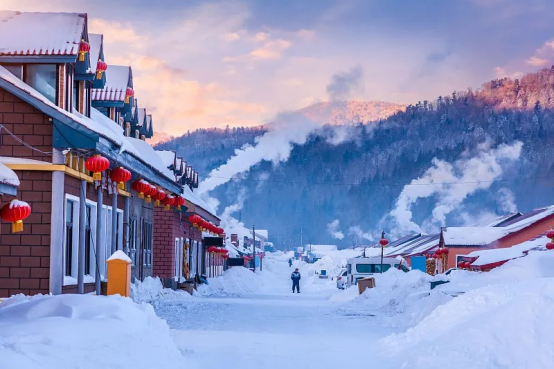
II. Detailed 7-Day Study Tour Itinerary
Day 1: Shenyang – The cradle of the Qing Dynasty, and a site of significant historical events related to the modern Chinese War of Resistance against Japan as well as the history of warlords.
Core thematic areas: the historical development of the Qing Dynasty's rise, the Eight Banners system, the evolution of the Fengtian warlord faction, and the beginning of the September 18th Resistance War.
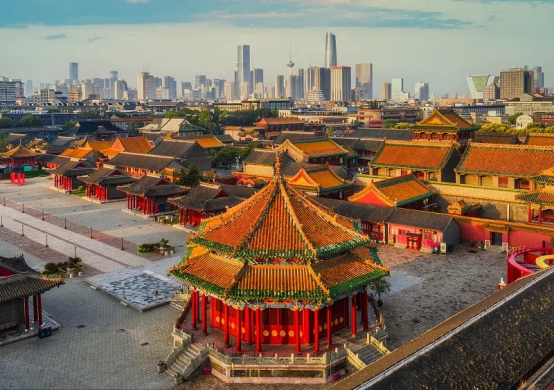
The morning visit to the Shenyang Imperial Palace (a UNESCO World Heritage Site)—one of China's two surviving imperial palaces—featured detailed explanations of its distinctive architectural blend of Manchu, Han, and Mongolian elements, the Eight Banners governance system, and the history of Nurhaci's unification of the Jurchen people and Northeast China before the Qing dynasty's entry into the Central Plains. With bilingual commentary, the tour helped international students grasp the foundational history of Northeast China during the Qing era.
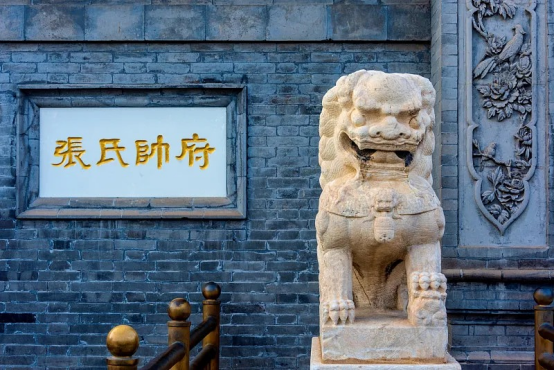
In the afternoon, visitors toured both the Zhang Family Marshal's Mansion and the September 18th Historical Museum. Through the architecturally distinctive complex that blends Chinese and Western elements, they gained insights into major modern events such as the rise of the Fengtian warlords and the change of political allegiance in Northeast China. Leveraging authentic historical artifacts from the museum, the exhibits provided an objective account of the entire September 18th Incident in 1931 and elucidated the historical context of the fourteen-year War of Resistance against Japan in East Asia.
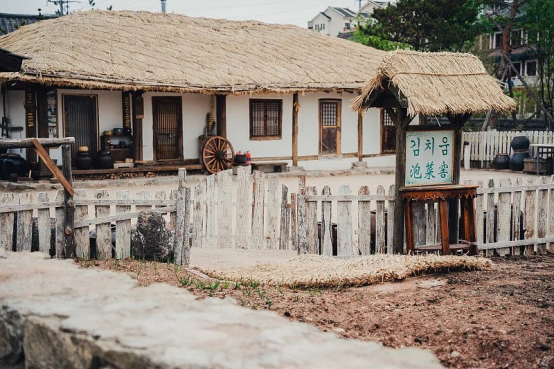
In the evening, visit Xita Korean Ethnic Culture Street to get a preliminary taste of the vibrant multicultural street culture characteristic of Northeast China. Stay overnight in downtown Shenyang.
Day 2: Shenyang → Ji'an | Study Tour on the Ancient Civilizations of Goguryeo
Core thematic focus: The millennia-old civilization of Northeast Asia, World Cultural Heritage sites, and exchanges among ancient frontier regimes
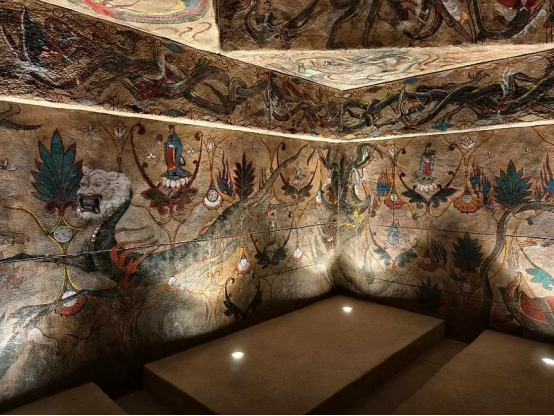
In the morning, we boarded an early-hour high-speed train to Ji 'an, Jilin Province, where we embarked on a comprehensive study tour dedicated to Goguryeo culture. The itinerary included in-depth visits to Wandu Mountain City, General's Tomb (the Eastern Pyramid), and the Goguryeo Museum. We conducted field investigations at the site of this mountainous military capital from two thousand years ago, examined the architectural techniques used in the massive stone royal mausoleum, and, through ancient tomb murals and archaeological artifacts, explored the rise and decline of the Goguryeo regime as well as its cultural and trade exchanges with the Central Plains dynasties and neighboring states in Northeast Asia.
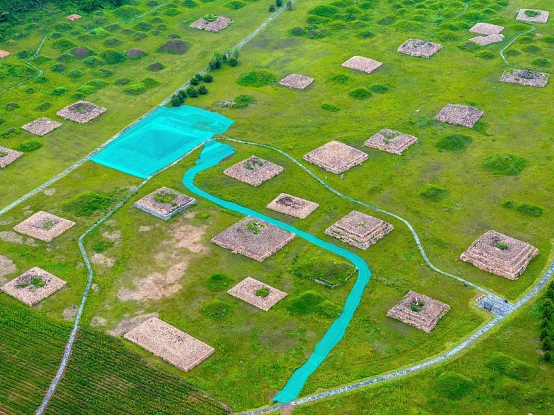
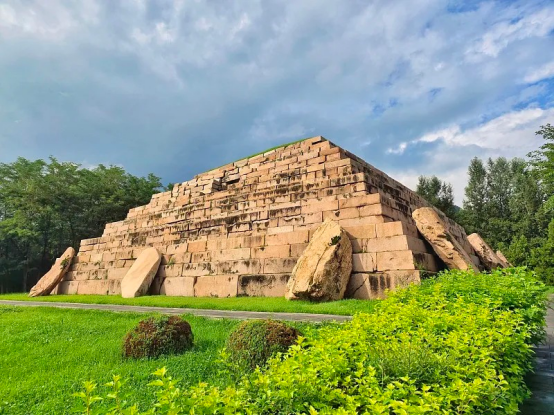
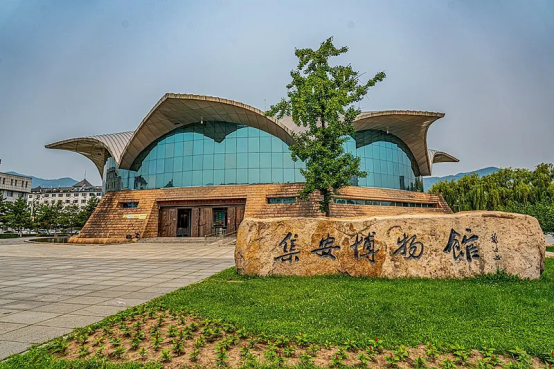
Add unique interactive experiences, including participating in a traditional Goguryeo mural rubbing workshop to fully immerse yourself in the artistic charm of ancient Northeast China's civilization. Stay overnight in Ji' an that evening.
Day 3: Ji'an → Changchun | A documentary account of the colonial history of Manchukuo during its modern period
Core thematic themes: Modern colonial rule; the history of the puppet state of Manchukuo; the contemporary geopolitical landscape of East Asia
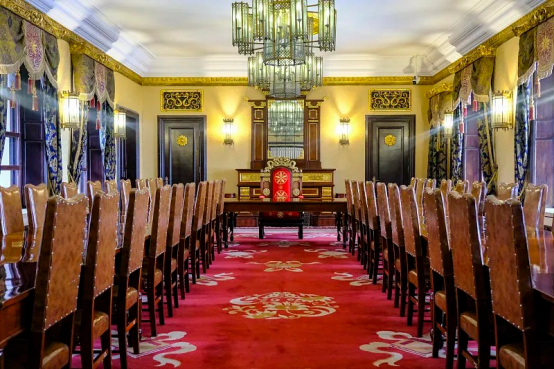
In the morning, we took a high-speed train to Changchun and spent the afternoon visiting the Puppet Manchukuo Imperial Palace Museum. Using the puppet regime of the last emperor Puyi as a focal point, the exhibition combines original archival materials and physical artifacts to provide an objective and rigorous account of the colonial rule of the Manchukuo state from 1932 to 1945, examining the Japanese army's resource plundering, colonial oppression, and the suffering of the populace, thereby helping international students gain a comprehensive understanding of East Asia's colonial history during World War II.
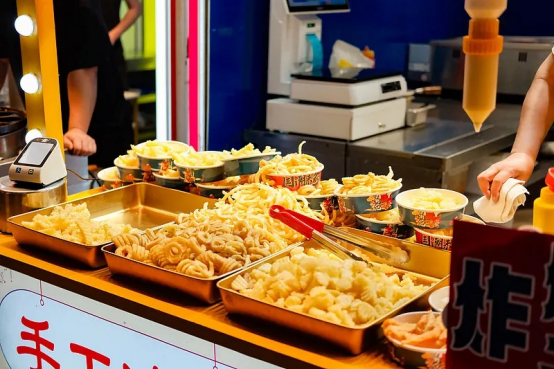
Explore the commercial district along Guilin Road in Changchun during the evening to experience the vibrant atmosphere and urban landscape of Northeast China. Stay overnight in Changchun.
Day 4: Changchun → Yanji | The living folk culture of the Korean ethnic group in this border region
Core thematic areas: History of cross-border ethnic migration; Cultural heritage along the China-North Korea border; Transmission of intangible cultural traditions and folk customs.
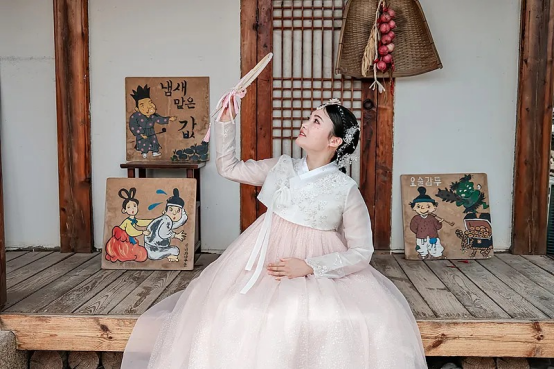
The high-speed train arrived in Yanji City, Yanbian Prefecture in the morning. Upon entering the China Korean Ethnic Folk Culture Park, visitors can immerse themselves in the living traditional culture of the Korean ethnic group. They can freely change into traditional Korean attire, make characteristic dishes such as da-gao and spicy cabbage by hand, watch intangible cultural heritage performances like the Elephant Hat Dance, and gain a comprehensive understanding of the Korean ethnic group's migration history, agricultural culture, and folk customs.
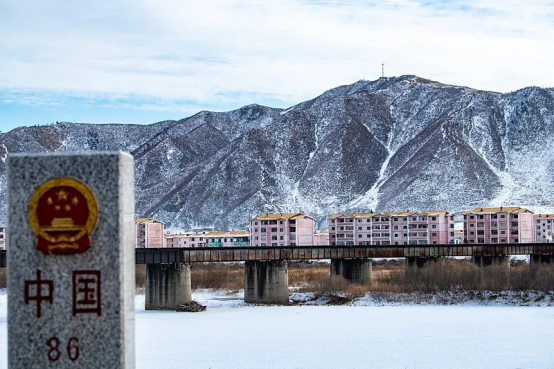
In the afternoon, visit Tumen Border Crossing to observe the border monument up close, where visitors will learn about the geopolitical history of the China-North Korea border, ethnic integration along the frontier, and the evolution of cross-border cultural exchanges. Overnight accommodation is provided in Yanji.
Day 5: Yanji → Hengdaohezi | Russian-style industrial heritage site along the Chinese Eastern Railway
Core thematic areas: Modern railway history of China and Russia; The strategic competition between Russia and Japan in Northeast China; Modern industrial heritage culture.
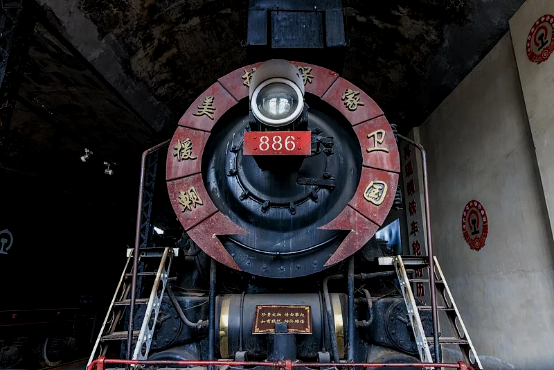
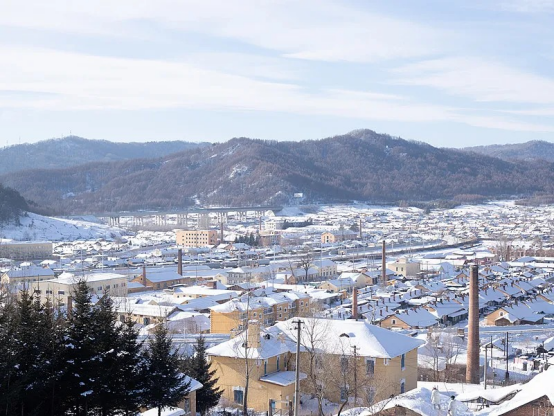
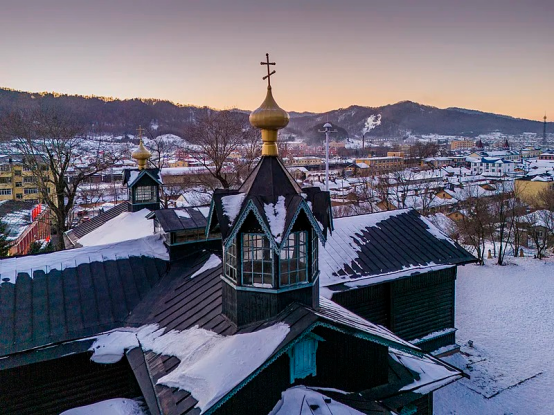
In the morning, we took a high-speed train to Hengdaohezi Town in Mudanjiang—a century-old town that stands as a living heritage site of the Chinese Eastern Railway. The day's itinerary included visits to the railway's fan-shaped locomotive depot, traditional Russian-style wooden houses on the old street, and the century-old Church of Our Lady. We delved into the historical context of the Chinese Eastern Railway's construction during the late Qing Dynasty under Russian rule, examined the power struggles and geopolitical competition between Russia and Japan in Northeast China during modern times, and explored the profound impact of Russian immigrant culture on local cities, architecture, and daily life.
In the evening, take a high-speed train to Harbin and stay there overnight.
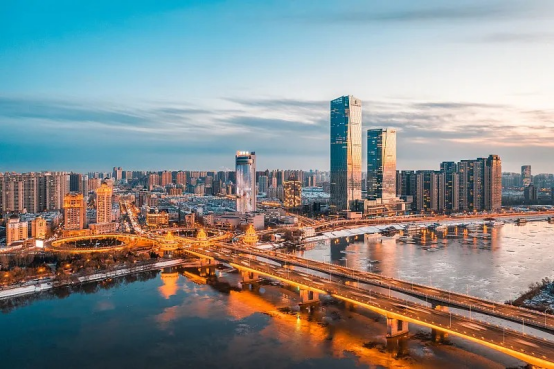
Day 6: Harbin | Historical Facts of World War II · The Cultural History of a City Home to Russian Immigrants
Core thematic themes: the historical facts of Unit 731's invasion of China; the history of immigrants moving to Northeast China; and the urban culture of "Eastern Moscow".
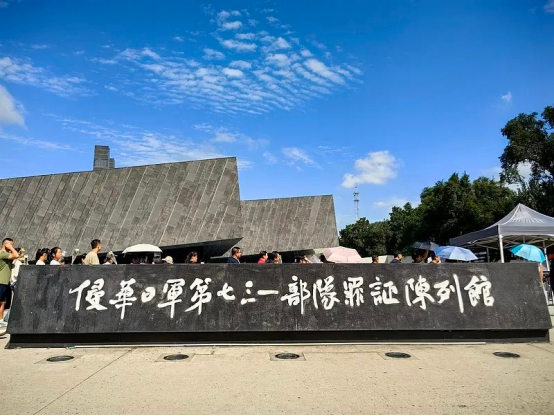
During the morning visit to the Unit 731 Crime Evidence Exhibition Hall, visitors were presented with detailed historical records and physical evidence that objectively reconstruct Japan's war crimes during World War II—including biological warfare and human experiments in China—while learning key historical facts about the East Asian theater of conflict and developing a proper understanding of history.
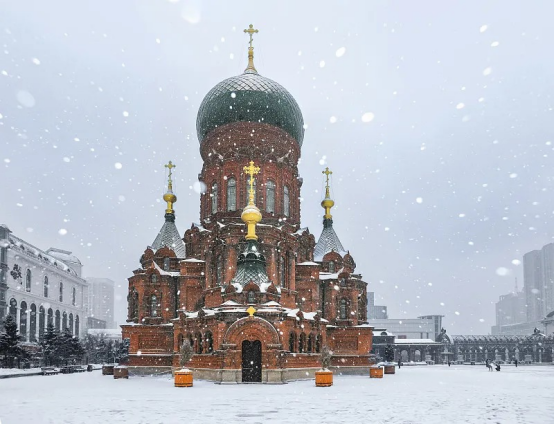
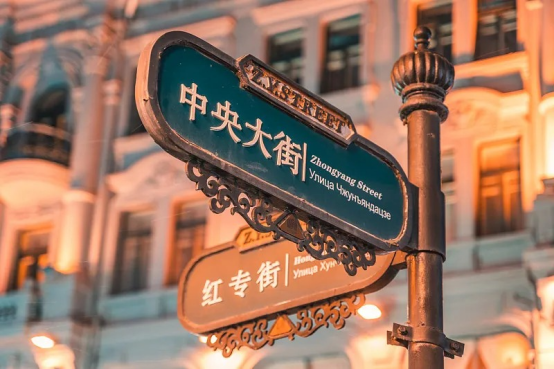
In the afternoon, visit Hagia Sophia Cathedral and the historic Central Street district, exploring the century-old Russian-style architectural complex to trace the history of the late Qing Dynasty migration wave to Northeast China and the settlement and development of Russian immigrants, while understanding Harbin's origins as the "Oriental Moscow" and its multicultural character. In the evening, take a night tour along the Songhua River to experience the city's century-old riverside charm. Overnight stay in Harbin.
Day 7: Harbin | Summary of the Study Tour on Jurchen Civilization during the Jin Dynasty – Return Journey
Core thematic focuses: the founding history of the Jin Dynasty, the history of ethnic minority dynasties in Northeast China, and a comprehensive overview of historical development.
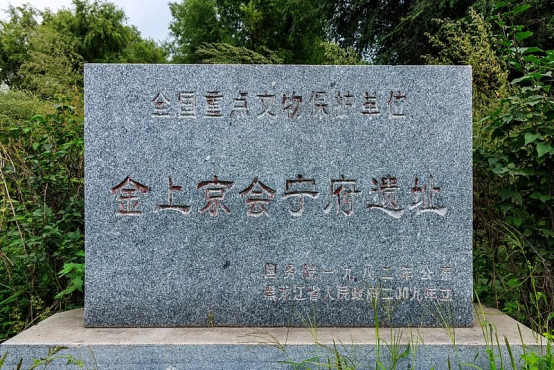
In the morning, we visited the ruins of Huining Prefecture in Acheng's Jin Dynasty capital Shangjing to study the site of the Jin dynasty's founding capital. The tour provided insights into the historical development of the Jurchen people's rise, the north-south confrontation between the Song and Jin dynasties, and how ethnic minorities from Northeast China established their presence in central China, filling a significant gap in the historical record of the region during the Liao and Jin periods.
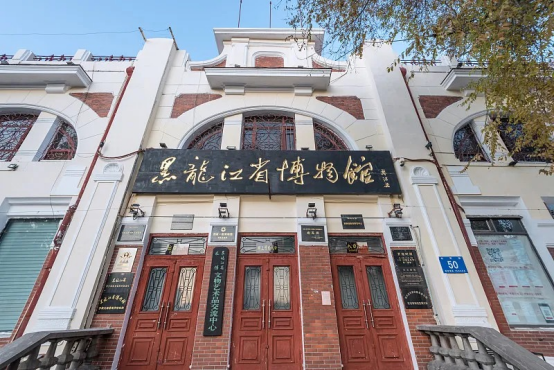
In the afternoon, we visited the Heilongjiang Provincial Museum, which systematically traces the millennium-long historical evolution of Northeast China—from the Goguryeo and Bohai Kingdom periods through the Jin and Qing dynasties, to modern colonial rule and industrialization. Foreign students participated in group discussions to share their learning insights. The itinerary concluded with a return trip from Harbin.
III. Specialized Study Support Services for International Students
1. Bilingual interpretation service: The entire visit is accompanied by bilingual Chinese-English tour guides, and major museums offer multilingual electronic guide devices available for rental to meet the language needs of international students.
2. English Study Task Card: Customized lightweight research topics covering comparisons of ancient ethnic minority regimes in Northeast China, the dual influence of Russian and Japanese powers during modern times on the region, and characteristics of multicultural integration in Northeast China, designed for group discussion-based learning.
3. Immersive cultural experience: Featuring interactive activities such as photographing Manchu traditional attire, reproducing Goguryeo murals, and preparing Korean ethnic traditional cuisine, it moves beyond conventional museum tours while enhancing the fun and engagement of educational visits.
4. Systematic Historical Structure: Strictly following the chronological sequence of "ancient civilization – ethnic minority dynasties – origins of the Qing Dynasty – modern colonial wars – frontier folk customs – industrial heritage," the narrative presents a clear, progressively developing historical framework that enables international students to gain a comprehensive understanding of Northeast China's cultural history.