English
 French
 Spanish
 Russian
 Arabic
 Italy
Italy
Lhasa, the capital city of Xizang Autonomous Region, is nestled in the river valley plain along the middle reaches of the Lhasa River, a tributary of the Yarlung Tsangpo River. With an average altitude of about 3,700 meters and an annual sunshine duration of more than 3,000 hours, it is widely known as the City of Sun. As a sacred land of Tibetan Buddhism and a national historical and cultural city, Lhasa perfectly integrates the magnificent natural scenery of the snow-capped plateau with profound and original Tibetan customs and humanities. It is a core destination for pilgrimage, leisure sightseeing, and in-depth experience of authentic Tibetan culture, attracting tourists and cultural enthusiasts from all over the country all year round.
I. Famous Scenic Spots in Lhasa
1. Potala Palace
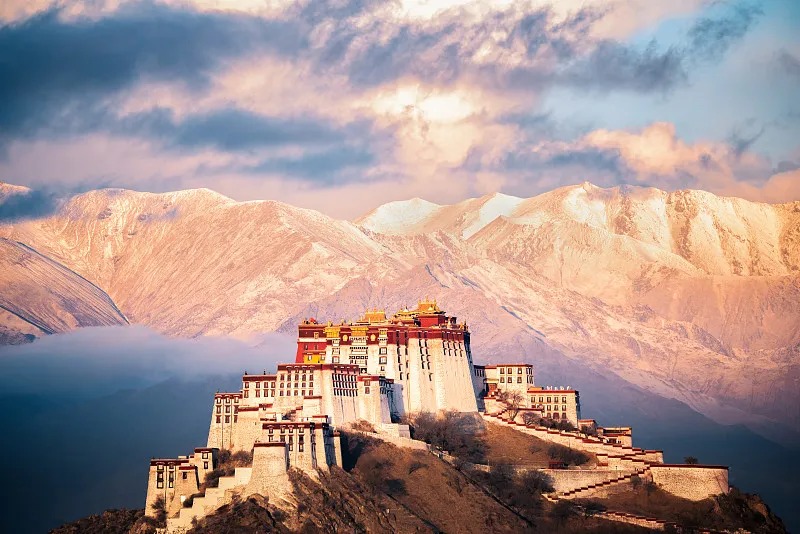
A world cultural heritage and the iconic landmark of Lhasa, the Potala Palace was first built in the Tubo Dynasty. Constructed against the mountain with overlapping buildings, it features well-arranged red and white palace walls and an imposing and grand overall momentum. Inside the palace, there are a large number of well-preserved precious cultural relics, including ancient murals, Thangka paintings, Buddha pagodas, rare Buddha statues and royal ritual treasures. It represents the highest achievement of traditional Tibetan architecture and is also an irreplaceable spiritual symbol in the hearts of Tibetan people. It is necessary to make an online reservation in advance for visiting. It is recommended to visit in the early morning, with soft and beautiful light, fewer crowds and a better sightseeing experience.
2. Jokhang Temple
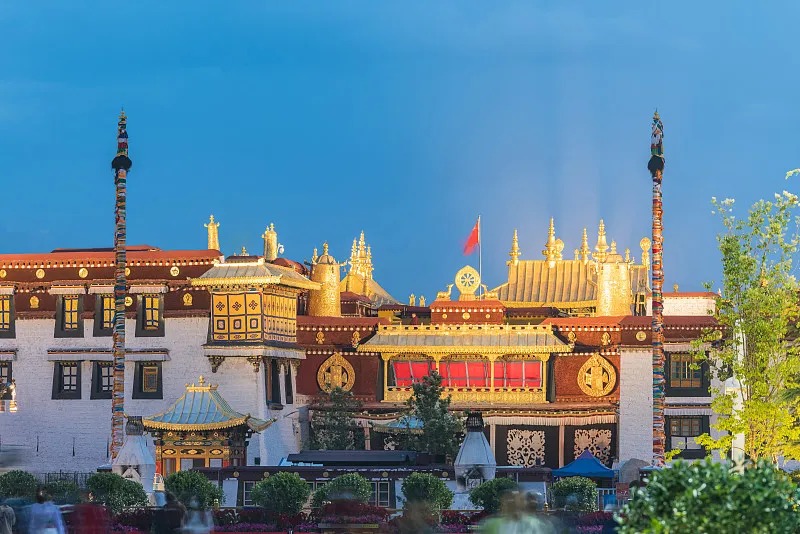
A core ancient temple respected by all sects of Tibetan Buddhism, Jokhang Temple has a history of thousands of years. The most precious treasure enshrined in the temple is the 12-year-old equal-body golden statue of Sakyamuni Buddha, which has become the ultimate pilgrimage destination for devout Tibetan believers from all over the snow-capped plateau. The golden roofs and flying eaves of the temple integrate exquisite architectural characteristics of Tibet, the Central Plains of China, Nepal and India. The corridors inside the temple are covered with ancient murals, recording precious ancient legends and Buddhist stories. Devout believers kowtow and pray in front of the temple square all year round, creating a strong and shocking religious atmosphere.
3. Barkhor Street
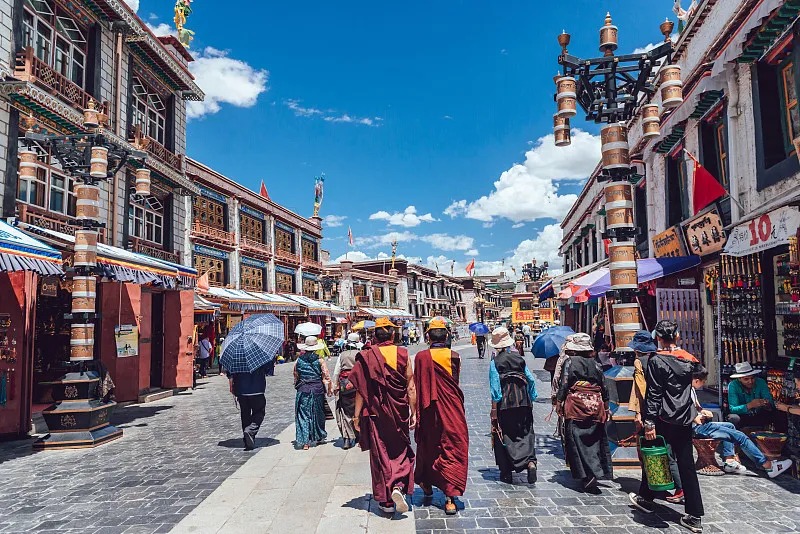
Surrounding Jokhang Temple, Barkhor Street is a thousand-year-old circular pilgrimage road paved with simple bluestone slabs. The whole street retains a large number of original traditional Tibetan dwellings. Along the streets are scattered characteristic handicraft shops, professional Thangka studios and pure Tibetan incense workshops. Local Tibetan residents walk clockwise along the street to turn prayer wheels and pray for blessings every day. Tourists can wander along the ancient streets, feel the unique integration of strong urban fireworks and pious religious beliefs, and it is also a good place to buy practical and exquisite Tibetan souvenirs.
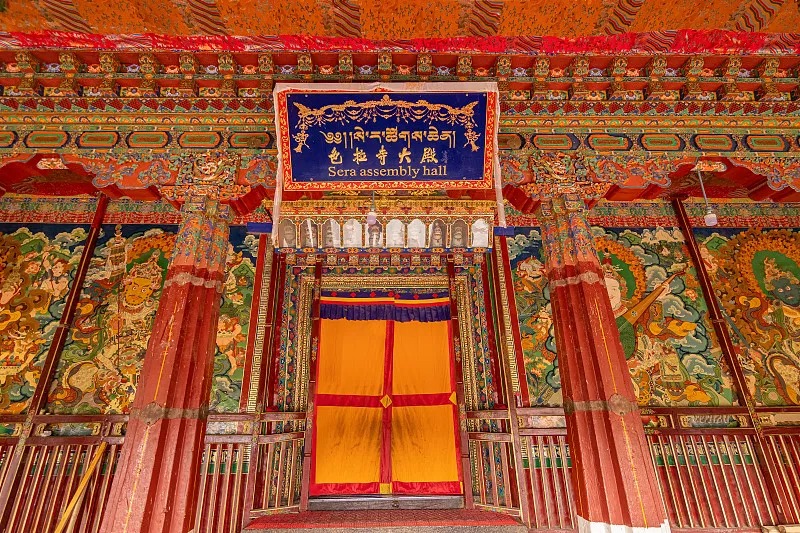
4. Sera Monastery
One of the three major famous monasteries in Lhasa, Sera Monastery is most famous for its monk scripture debates. Every afternoon at a fixed time, lamas gather in the monastery courtyard to carry out professional Buddhist scripture debates. They interact with professional questions and answers, accompanied by standardized ritual gestures. The lamas are focused and serious, and the scene is vivid and distinctive. It is an indispensable special experience to understand the core culture of Tibetan Buddhism. The monastery is covered with lush vegetation, with simple and quiet ancient buildings, bringing people a peaceful and healing sense of tranquility.
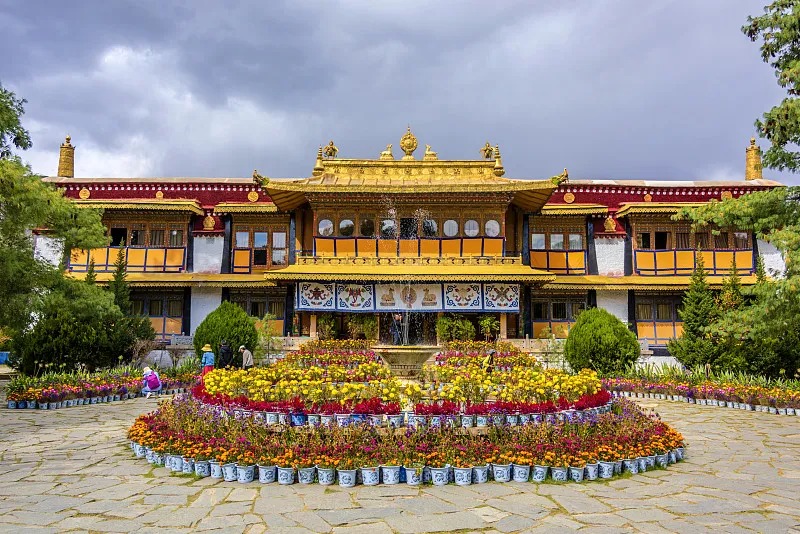
5. Norbulingka
meaning “Precious Garden” in Tibetan, Norbulingka is the traditional summer palace of local religious leaders and the largest and most well-preserved royal garden on the plateau. It blends elegant Tibetan-style palaces, clear lakes, lush ancient trees and exotic garden landscapes. Away from the hustle and bustle of the city, the garden is quiet and comfortable. During major traditional festivals, local villagers and artists gather here to perform classic Tibetan operas, folk songs and dances, allowing visitors to enjoy a relaxed and authentic plateau folk leisure atmosphere.
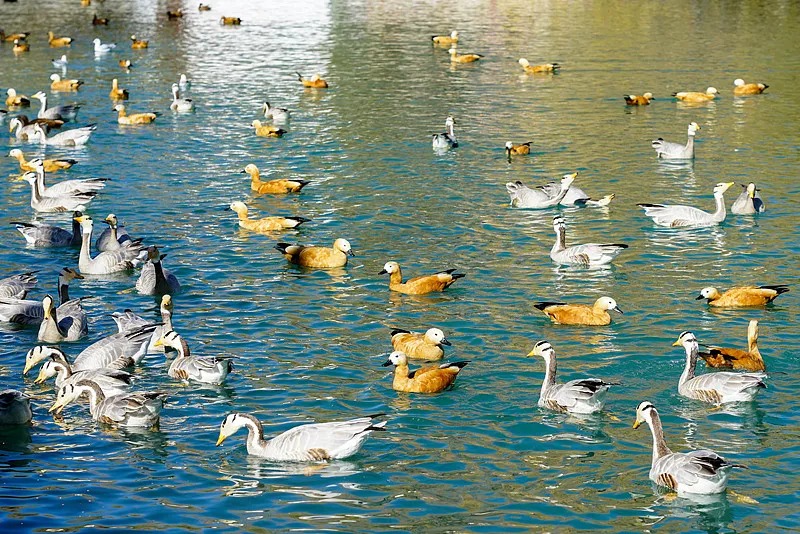
6. Zongjiao Lukang Park
Located right behind the Potala Palace, Zongjiao Lukang Park is the best natural viewing spot to take panoramic photos and reflection shots of the Potala Palace. The lake water is clear and calm, and the ancient poplar trees stand tall all year round. It is a daily leisure place for local residents. Many people walk, chat, turn prayer wheels and relax here. The atmosphere is simple and warm, suitable for slow walking and quiet sightseeing to feel the daily rhythm of Lhasa.
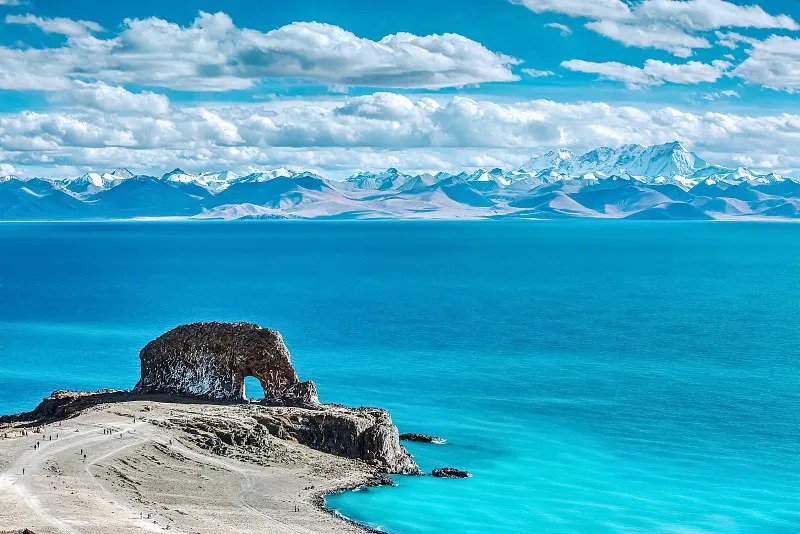
7. Surrounding Natural Scenery: Namtso Lake
As one of the three great sacred lakes in Xizang, Namtso Lake sits at an altitude of 4,718 meters. The lake water is pure crystal blue, surrounded by snow-capped Nyenchen Tanggula Mountains and vast alpine grasslands. The sky, clouds, snow mountains and lake water reflect each other, forming a shocking and pure plateau natural picture. It is a must-go natural scenic spot around Lhasa, loved by photography lovers and outdoor travelers.
II. Local Culture and Folk Customs
Lhasa is the core inheritance center of profound Tibetan culture. Religious beliefs, traditional folk customs and intangible cultural arts have long been integrated into every detail of local people’s daily life, forming a simple, pious and unique regional cultural temperament.
1. Religious Culture
Most local residents believe in Tibetan Buddhism. Turning prayer wheels, walking pilgrimage routes, hanging prayer flags and burning incense are common daily customs. People always follow the traditional rule of walking clockwise when turning temples and pilgrimage roads. Local people are honest, kind and devout. In temples, visitors need to keep quiet, do not step on prayer flags casually, and do not touch Buddha statues and religious utensils at will. Presenting Hada is the most solemn traditional etiquette in Xizang, representing sincere blessings, respect and good luck. People greet each other with “Tashi Delek” to express sincere goodwill and best wishes.

2. Traditional Grand Festivals
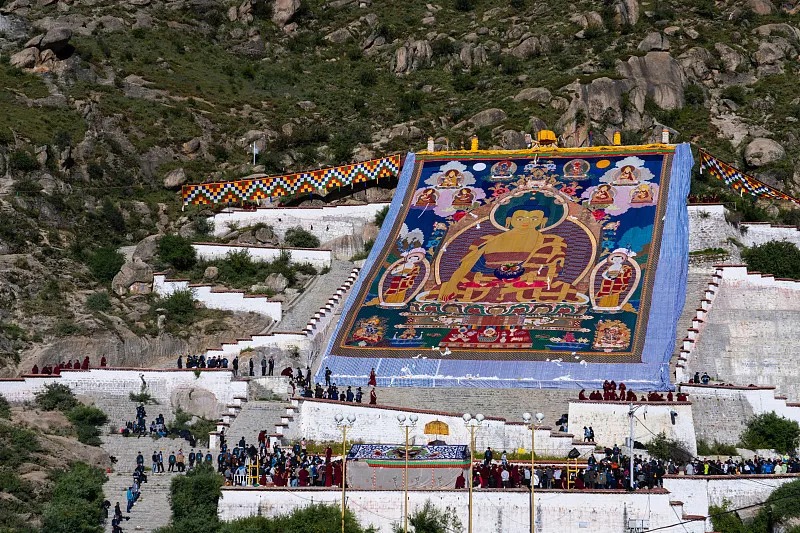
Shoton Festival: It is the most lively and grand traditional festival in Lhasa. The rich festival activities include grand Buddha-unfolding ceremonies, wonderful Tibetan opera performances, traditional yogurt banquets and garden prayer activities. The whole city is full of festive joy, which is the best time to experience the grand plateau folk customs.
Tibetan New Year: It is the most important traditional festival for Tibetan people, equivalent to the Spring Festival in inland areas. Every family cleans their houses carefully, makes various Tibetan traditional pastries, visits relatives and friends, presents gifts, and holds religious blessing ceremonies to pray for peace, health and good harvest in the new year.
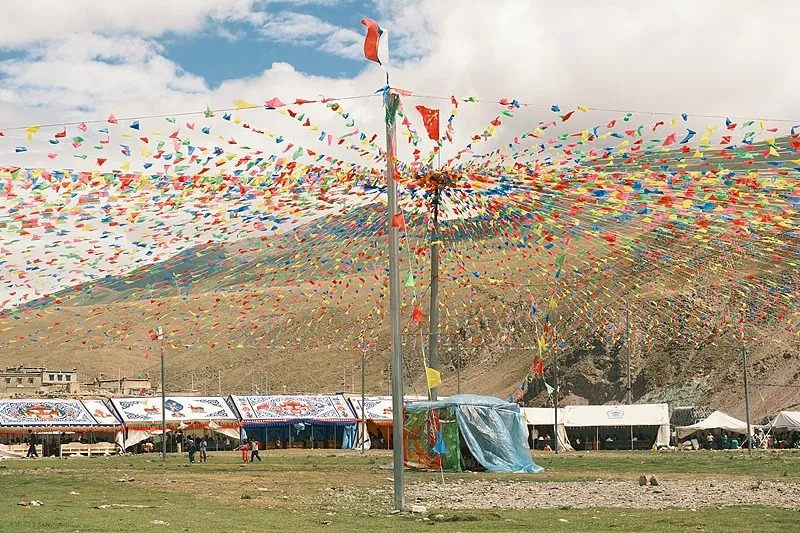
Wangguo Festival: It is a characteristic folk festival that prays for bumper harvests. There are exciting horse races, traditional folk song and dance performances and village parade activities, full of strong pastoral and plateau life atmosphere.
3. Intangible Cultural Heritage and Folk Arts
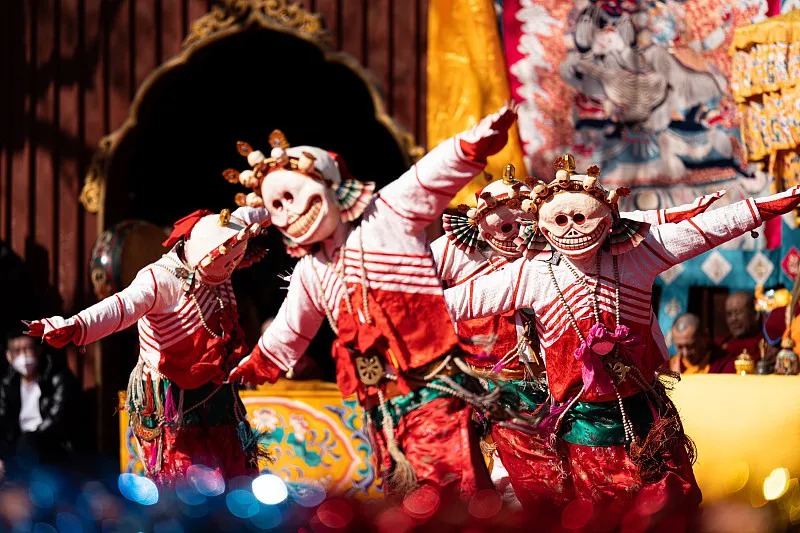
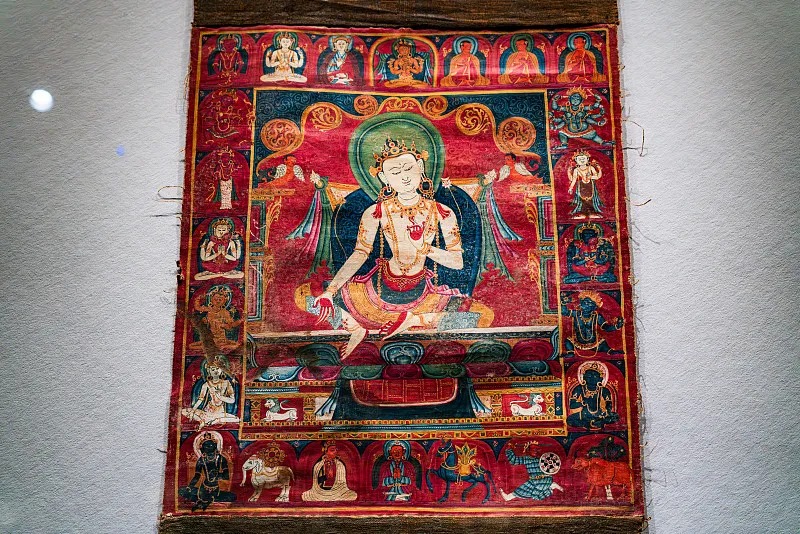
Lhasa is rich in high-quality intangible cultural heritage resources. Thangka painting, ancient Tibetan incense making, traditional Tibetan opera, clay sculpture art, wooden carving craftsmanship and traditional Tibetan knife forging have been passed down from generation to generation with complete techniques. Thangka is bright in color and exquisite in painting, recording ancient Buddhist stories and plateau folk customs. Tibetan opera has gorgeous costumes, unique singing tones and no complicated stage decorations, but it has strong artistic appeal. In addition, local Langma halls are characteristic cultural leisure places, where tourists can enjoy original Tibetan folk songs and dances and immerse themselves in the charm of plateau folk art.
III. Local Special Delicious Food
Lhasa’s special delicacies are all made of pure plateau original ecological ingredients, with mellow taste, strong local characteristics, high satiety and rich nutrition, which can fully adapt to the plateau climate.
1. Butter Tea
The most essential daily drink on the plateau. It is carefully stirred and boiled with plateau butter, traditional brick tea and a little salt. It tastes salty and mellow. It can effectively resist the cold wind on the plateau, relieve altitude reaction discomfort, and warm the body and stomach. It is an indispensable drink in every Tibetan family every day.
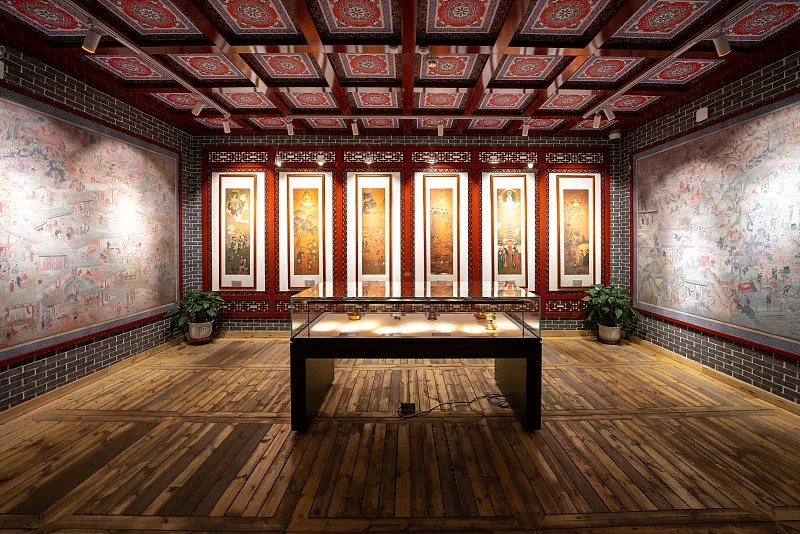
2. Sweet Tea
The representative leisure drink of Lhasa’s streets. It is boiled with pure fresh milk and black tea, with sweet and smooth taste, similar to mellow handmade milk tea. Old-fashioned sweet tea houses are all over the streets of Lhasa. With low price and comfortable environment, they are the most popular social leisure places for local people to chat, rest and relax.
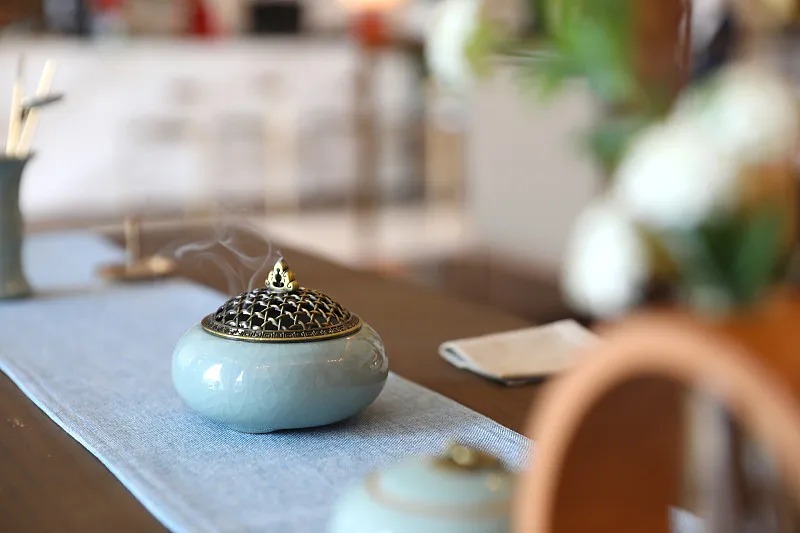
3. Tsampa
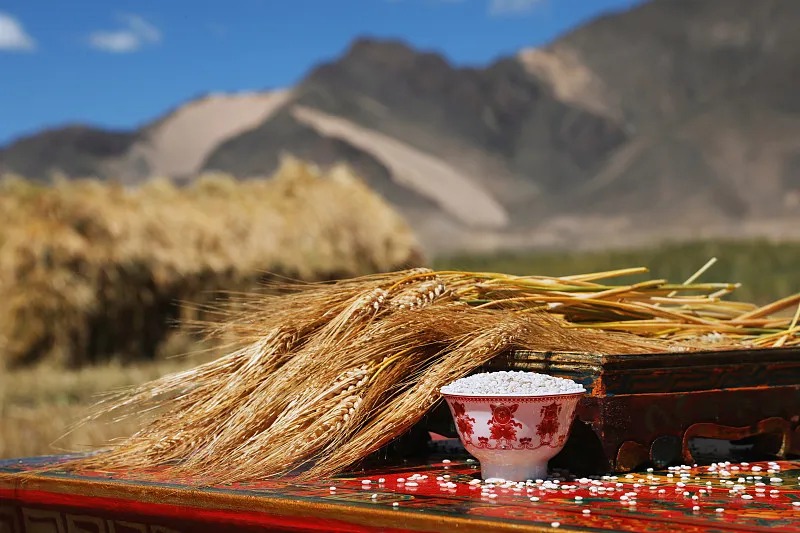
The most classic staple food of Tibetan people. Highland barley is fried and ground into fine powder, then kneaded into balls with butter tea, milk dregs and a little sugar. It has strong natural highland barley fragrance, strong satiety, convenient to carry and cold-resistant, and is the most practical traditional staple food in plateau life.
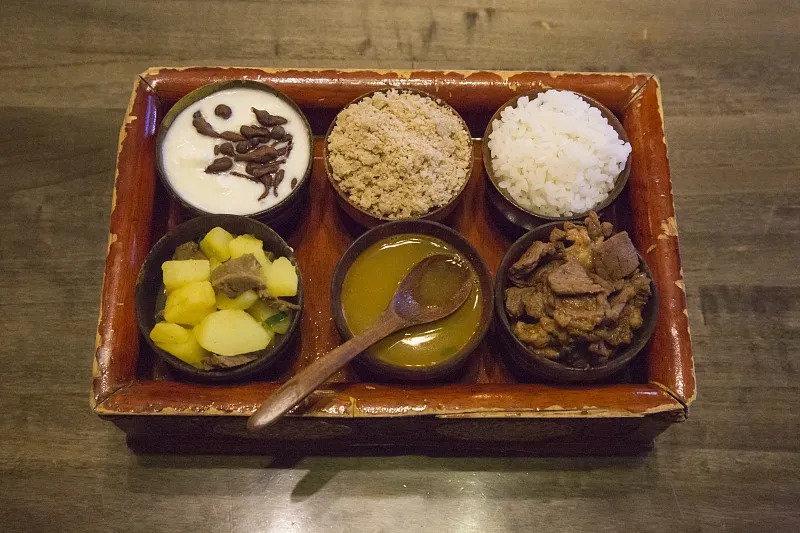
4. Tibetan Noodles
The standard breakfast for local people in Lhasa. The coarse noodles made of highland barley are matched with rich and thick yak bone soup. The noodles are chewy and the soup is delicious and mellow. A bowl of hot Tibetan noodles with a cup of sweet tea is the most authentic daily breakfast combination in Lhasa.
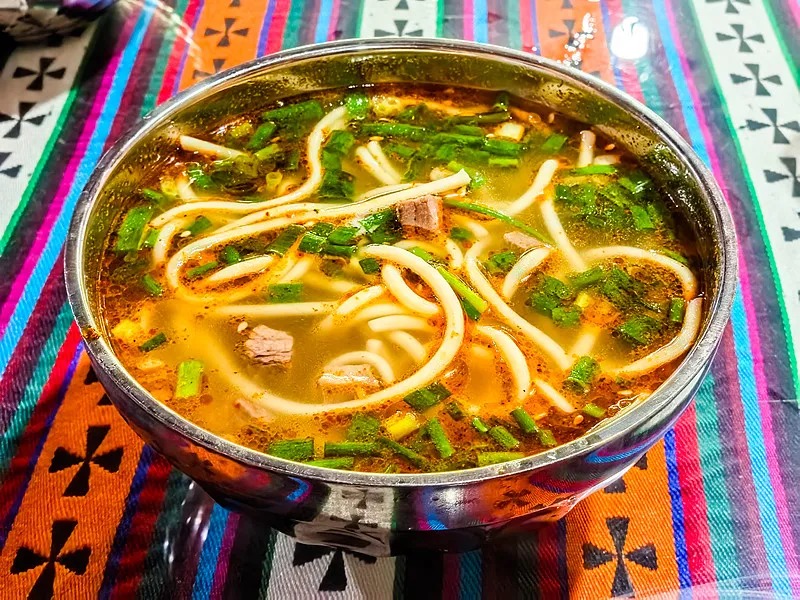
5. Yak Meat Series
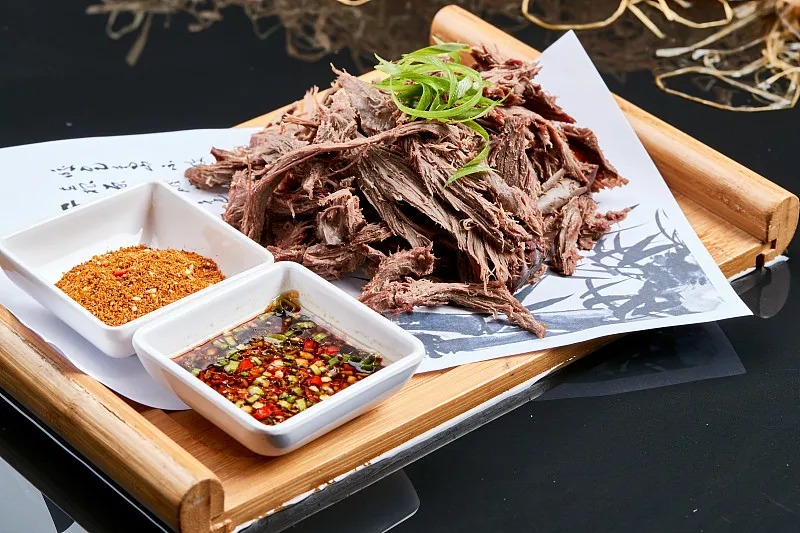
Yak is a pure natural ecological ingredient unique to the plateau. The meat is compact, low in fat and rich in nutrition. The classic eating methods include air-dried yak meat, hot pot yak meat, hand-cooked yak meat and Tibetan-style grilled meat. The meat fragrance is rich and pure, with no peculiar smell, which is deeply loved by tourists.
6. Tibetan Yogurt
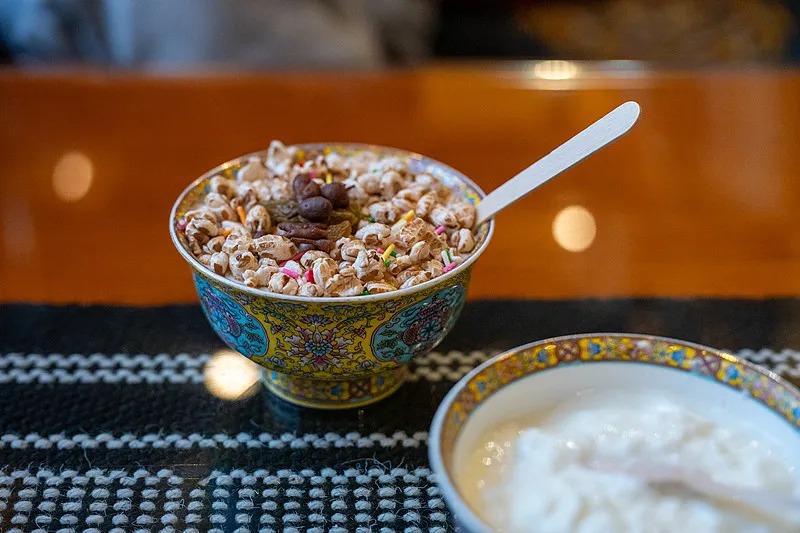
It is naturally fermented with pure yak milk, with strong pure milk fragrance and authentic sour taste. Local people often add an appropriate amount of honey or white sugar to neutralize the sour taste. It is refreshing, greasy-relieving and healthy, suitable for eating after meals.
7. Other Special Snacks
In addition, there are characteristic Tibetan buns, ginseng fruit rice, highland barley wine, milk dregs cakes and other special snacks, with diverse tastes and strong local flavor, which are worthy of tasting one by one to experience the authentic plateau food culture.