English
 French
 Spanish
 Russian
 Arabic
 Italy
Italy
I. Entry Documents | Mandatory Requirements for Foreign Tourists
1. Visa Policy (Unified Standards)
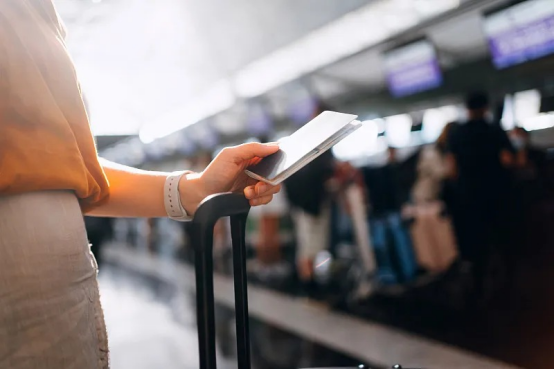
All foreign tourists must apply for an ETA electronic travel visa in advance (official website: eta.gov.lk). No visa-on-arrival option is available; airlines require visa verification during check-in, and applicants without a valid visa will be denied boarding. Visitors from 40 countries including China, the United States, the United Kingdom, Australia, and Japan are eligible for a 30-day free travel visa valid for 180 days.
Essential documents required for entry: passport with at least 6 months of remaining validity, round-trip/renewal flight tickets, full hotel reservation for the entire trip, and proof of sufficient travel funds. Bribery to immigration officials is strictly prohibited; in case of unreasonable difficulties, please contact your country's embassy in Switzerland directly.
Important Prohibition: The Tourism ETA is strictly for sightseeing purposes only. Work, volunteering, commercial photography, or profit-driven activities are strictly prohibited. Violators will face fines, deportation, and inclusion on the entry blacklist.
2. Strict customs inspections (high-risk violations by foreign tourists)
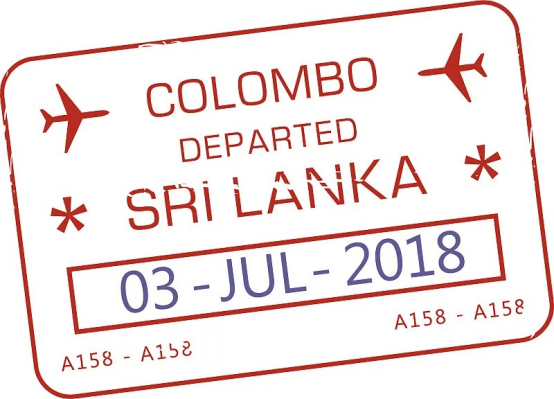
The import of foreign cigarettes is strictly prohibited; even small quantities seized will result in substantial fines or detention. Cigarettes may only be purchased locally in Sri Lanka. Antiques, Buddhist stone carvings, and various cultural artifacts are forbidden from being exported without official authorization, as such actions constitute criminal offenses.
For the import of major foreign currencies and valuable photographic equipment, proactive declaration is recommended to avoid inspection and fines upon departure. Personal medications are limited to small quantities for personal use only and must be accompanied by English-language instructions. The import of psychotropic and narcotic drugs is strictly prohibited.
3. Travel Facilities
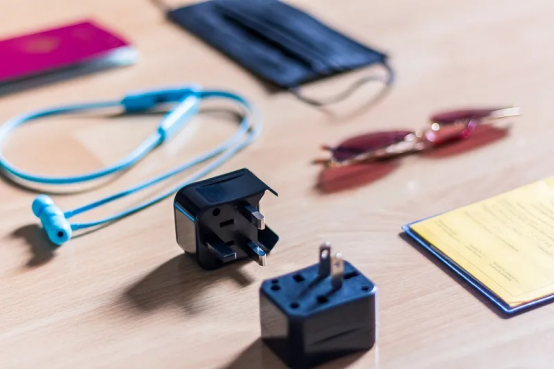
The device uses a UK-standard three-pin plug and requires a converter. Dialog SIM cards are universally compatible across the region, while foreign visitors can use them on multiple networks with signal coverage throughout all scenic areas and mountainous regions of the island.
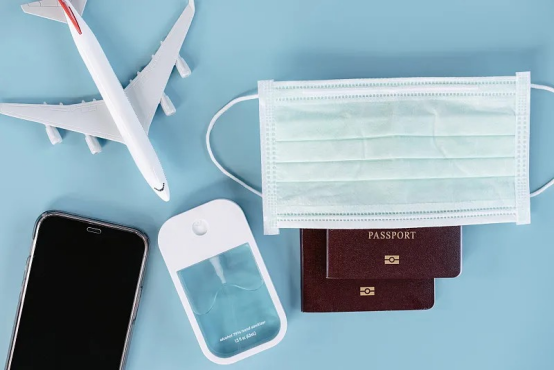
II. Monetary Consumption | Essential Tips for Foreign Tourists
1. Payment Methods
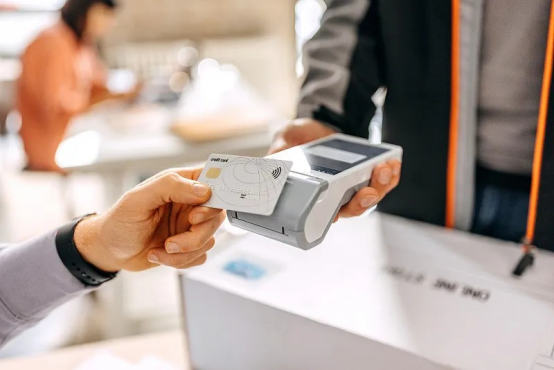
Only high-end hotels and international restaurants accept Visa and Mastercard. Tuk-Tuks, local markets, small shops, and wildlife parks accept only Sri Lankan rupees in cash—always carry cash with you. Airport exchange rates are extremely poor; prioritize withdrawing cash at licensed city banks or overseas ATMs.
2. Tip Culture (Default for foreign tourists)
Tip giving is not legally mandatory, but it constitutes a core source of income for local service providers. Foreign tourists are generally expected to tip to avoid disputes: chartered vehicle drivers receive 300–500 rupees per day; safari guides, 200–400 rupees; hotel baggage handlers or housekeeping staff, 100–200 rupees; and formal restaurants may require round-up payments or accept a 10% tip.
⚠ Refuse assistance from strangers on the street—including help with walking or prayers—for which you may later be forced to ask foreign tourists for large tips.
3. Price Reduction Rules
Local vendors and tuk-tuk drivers typically charge foreign tourists higher prices; however, prices for markets, handicrafts, and short-distance transportation can be negotiated at half price through gentle communication to avoid disputes.
III. Religious Customs | Red Line Prohibitions for Foreign Tourists (Violations Will Be Penalized)
1. Strict dress requirements are enforced for all temples across the region.
All Buddhist temples, Hindu temples, and mosques require foreign visitors to wear shoulder/length coverage; shorts, strapless clothing, crop tops, or holey pants are prohibited entry. Visitors failing to comply may rent a mesh cover at the entrance (charged exclusively for foreign tourists). Swimsuits are permitted only on beaches; outer clothing must be worn when entering urban areas or visiting villages.
2. Strictly prohibited behaviors (high-frequency pitfalls)
It is strictly prohibited to take selfies facing away from Buddha statues, climb on them, or point your feet toward the statues; violators will face fines and temporary detention of identification documents. Individuals with large-scale Buddha tattoos on their bodies may be denied entry or barred from entering religious sites. Upon entering the temple, visitors must remove shoes and hats; it is recommended to bring cotton socks to prevent burns from hot floors. Photography of monks is strictly forbidden without authorization, as is taking intimate photos with them.
3. Local Etiquette Taboos
The use of only the right hand for handing objects, making payments, or shaking hands is considered improper; touching the heads of locals or children (as the head is regarded as a sacred area) is strictly prohibited; intimate gestures such as hugging or kissing are forbidden in public settings. Local customs are conservative, and foreign tourists are advised to refrain from such behaviors; footwear must be removed when entering residential homes or small ancestral halls.

IV. Transportation | A Guide Specifically for Foreign Tourists
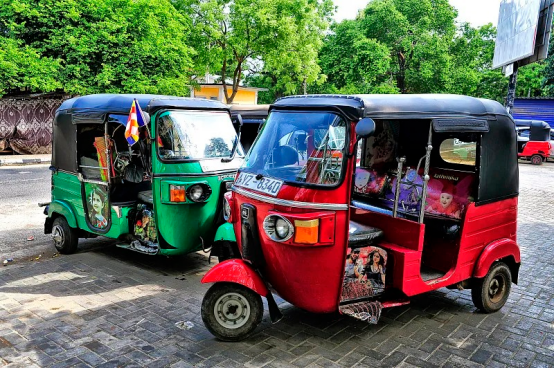
1. Tuk-tuk services: These vehicles lack standardized fare meters and are specifically designed to target foreign tourists. The total cost is agreed upon before boarding, with payment made only upon completion of the journey; using passports as collateral is strictly prohibited (an illegal practice).
2. Popular Train Routes (coastal/mountain areas): Photography on the train carriages is strictly prohibited; numerous foreign tourists sustain injuries due to falls annually; theft of personal belongings by foreigners is prevalent in the carriages; backpacks must be worn at the front.
3. Driving Regulations: Foreign tourists are prohibited from driving without a valid license; they must hold an International Driving Permit (IDP) and obtain local vehicle access permits. Unlicensed driving may result in substantial fines or vehicle impoundment.
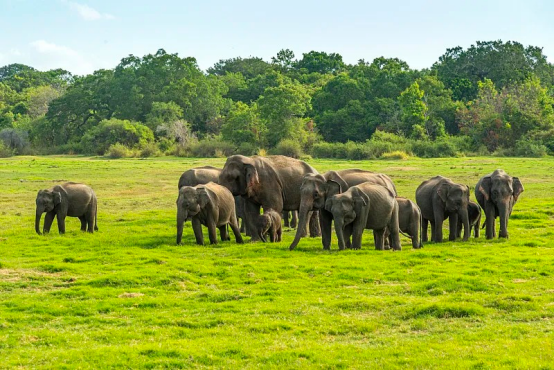
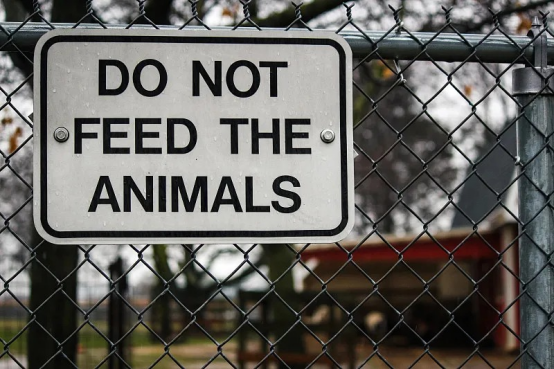
4. Yala Safari: Travel agencies generally offer excessively high prices for foreign tourists; it is recommended to compare prices across multiple platforms. Off-road vehicles are highly bumpy; ensure proper protection for electronic devices, and feeding wild animals is strictly prohibited.
5. Prohibited Areas: Foreign tourists are strictly prohibited from taking unauthorized photographs at military checkpoints, barracks, and government office premises; violators will have their equipment confiscated and be summoned for questioning.
V. Safety and Medical Care | Exclusive Protection for International Visitors
1. Essential insurance coverage: Travel insurance covering overseas medical expenses, emergency rescue services, and repatriation of remains must be purchased. Local public hospitals charge full prepaid fees for foreign tourists, while international hospitals impose exorbitant costs that are difficult to bear without insurance coverage.
2. Security Measures Against Theft: Railway stations, Colombo Market, and core tourist areas are high-risk locations for theft, with thieves specifically targeting foreign tourists; passports, cash, and personal documents should be stored separately, all documents must be photographed, archived, and backed up in the cloud.
3. Identification of targeted scams: Fake police officers demand cash under the pretext of document verification (real police only conduct checks without charging fees); roadside free blessing services, tea garden experiences, and gemstone tours are all fraudulent schemes designed to force consumption; individuals may simply wave their hands to refuse and leave immediately.
4. Natural Safety: Except from December to April when the southwestern coast is safe for sea entry, the waters exhibit strong undercurrents during other seasons, resulting in a high incidence of drowning incidents among foreign tourists. Solo long-distance voyages and crossing warning barriers are strictly prohibited.
5. Health Protection: Dengue fever has a high incidence throughout the year; therefore, always carry potent mosquito repellent. It is strictly prohibited to consume or rinse with tap water. Foreign tourists are highly susceptible to environmental acclimatization disorders; thus, it is advisable to bring gastrointestinal medications, antidiarrheal agents, and anti-motion sickness drugs.

VI. Shopping Guide | Essential Tips for Foreign Tourists
1. Ceylon Black Tea: Tea shops in the scenic area charge foreign tourists a premium of 2–3 times the regular price; it is recommended to purchase it at urban chain supermarkets for better value for money.
2. Gemstones and jewelry: Merchants may falsely claim superior quality and inflate prices for foreign tourists; without official certification, they strictly refuse to purchase precious gems.
3. Handicrafts/spices: All street vendors charge a premium price; we reject the "foreign-exclusive collectible edition" marketing strategy and negotiate significantly lower prices before purchase.

VII. Basic Information & Emergency Contact
1. Language: English is commonly used in tourist attractions and upscale venues; however, English proficiency remains low in remote villages. It's advisable to prepare basic communication phrases in advance.
2. Time Difference: It is 2.5 hours later than Beijing time; foreign tourists must verify the time to avoid missing flights or itinerary arrangements.
3. Emergency Phone Number (for tourists from multiple countries)
Police: 119 | Ambulance: 1990 | Tourist Police (specialized in resolving disputes involving foreign tourists): +94 11 242 1052
Before traveling, be sure to save the contact information of your country's embassy in Sri Lanka. This will enable you to seek immediate assistance in case of theft, disputes, or entry restrictions.

VIII. Guidelines for Sustainable Travel by Foreign Tourists
Do not secretly photograph tea plantation workers or local low-income residents without prior consent; refrain from feeding street monkeys or wild animals, as this may lead to attacks and injuries; strictly comply with local environmental regulations, including the prohibition of littering, with foreign tourists facing more severe penalties for violations.
IX. List of Essential Items to Bring
British standard adapter, high-factor sunscreen, mosquito repellent, temple shawl, non-slip cotton socks, gastrointestinal medication, motion sickness remedy, portable mask, telescope (specific for Safari), identification photos and electronic backups