
 English
 French
 Spanish
 Russian
 Arabic
 Italy
Italy
Jinhua, formerly known as Wuzhou, is located in central Zhejiang Province. As a national historical and cultural city with over 2,200 years of history, it is renowned as the "Cradle of Culture in Southern China" and a "Land of Cultural Heritage." Boasting stunning landscapes, a continuous cultural legacy, and vibrant urban life, Jinhua blends millennia-old charm with modern vitality, making it a premier livable city in the Jiangnan region that combines ecological beauty, cultural landmarks, and distinctive cuisine.
I. Scenic Spots: The mountains and waters preserve ancient charm; the scenery is unparalleled in central Zhejiang
1. Hengdian Film and Television City (5A-level scenic area)
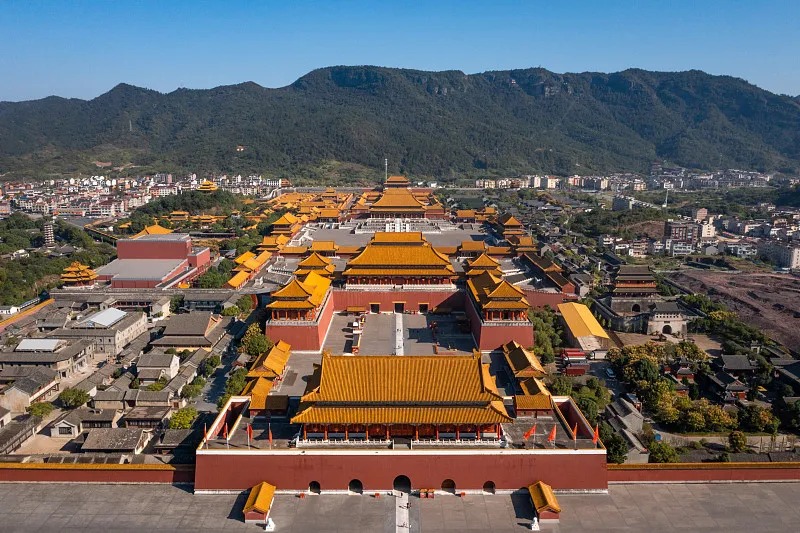
The world's largest film and television production base, hailed as the "Hollywood of the East," features over ten themed parks including the Qin King Palace, The Riverside Scene at Qingming Festival, Ming-Qing Imperial Gardens, and Dream Valley, which faithfully recreate architectural styles from various dynasties such as the Qin-Han, Tang-Song, and Ming-Qing periods. It attracts film crews year-round for shooting, while offering a diverse array of live performances and nighttime tours, making it a popular destination for both filming shoots and leisure vacations.
2. Shuanglong Scenic Tourist Area (5A-level scenic spot)
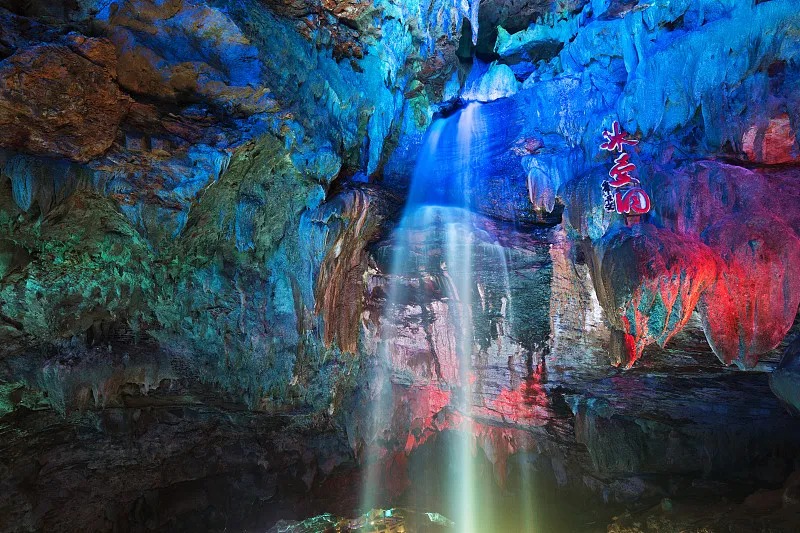
Jinhua's iconic natural scenic area is renowned nationwide for its unique karst cave landscapes. Popularized by Ye Shengtao's classic essay "On the Shuanglong Cave in Jinhua," its signature experience— "entering the cave from a reclining boat" —is thrilling and captivating, featuring stalactites in myriad forms and interplay of light and shadow. With serene mountain forests and fresh air, the site combines natural wonders with cultural heritage, making it an ideal destination for family trips and summer retreats.
3. Wazhou Ancient City (Ancient Sub-city)
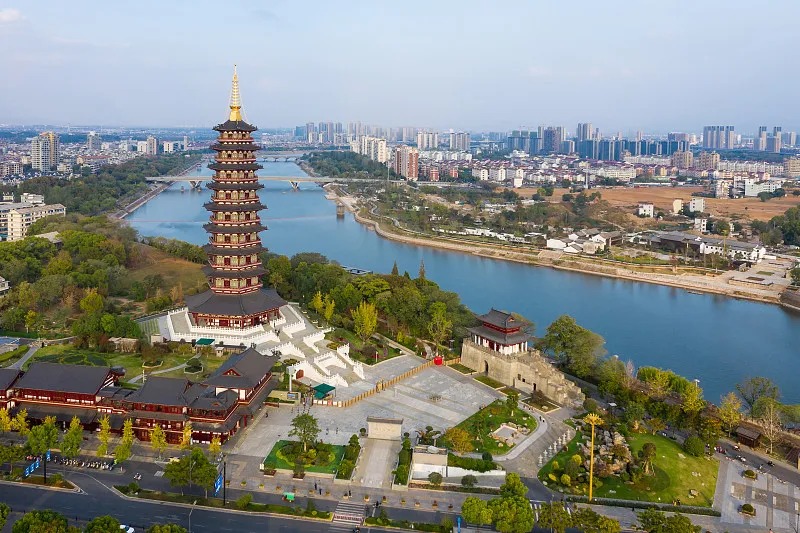
The core area of Jinhuai's millennium-old cultural heritage preserves the original layout of the ancient city's streets and alleys intact. Ancient cobblestone streets crisscross, connecting renowned landmarks such as the Bayong Tower, the Taiping Heavenly Kingdom Prince's Mansion, and the Wanfo Pagoda. By day, the area exudes a timeless charm that allows visitors to explore Wuzhou's thousand-year history; by night, its dazzling lights create an immersive atmosphere filled with intangible cultural heritage shops, distinctive cultural products, and the vibrant energy of everyday life.
4. Zhuge Bagua Village
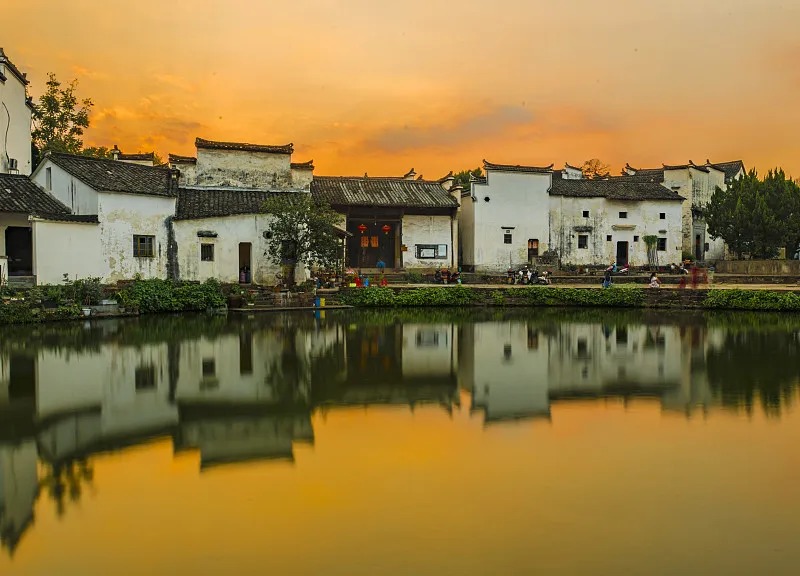
The largest ancient village in China inhabited by descendants of Zhuge Liang serves as a "living fossil" of China's traditional village architecture. Built strictly according to the Nine-Palace and Eight-Trigram layout, the village centers around a bell pool with crisscrossing alleys that wind like a maze, concealing profound mysteries. The well-preserved ancient structures and rich cultural heritage vividly demonstrate the wisdom and legacy of the Zhuge family.
5. Niutoushan National Forest Park

Revered as the "Jiangnan Jiuzhaigou," it stands as the highest peak in central Zhejiang. The scenic area features layered mountain ranges, deep canyons, and abundant waterfalls and streams, with lush vegetation and exceptional ecological conditions. Popular attractions such as elevated cliff walkways and glass observation decks offer thrilling experiences, making this a hidden gem for hiking, oxygen therapy, and immersing oneself in nature.
II. Humanities and Culture: A Thousand-Year Legacy of Wuyi's Cultural Charm
1. Wajue Culture
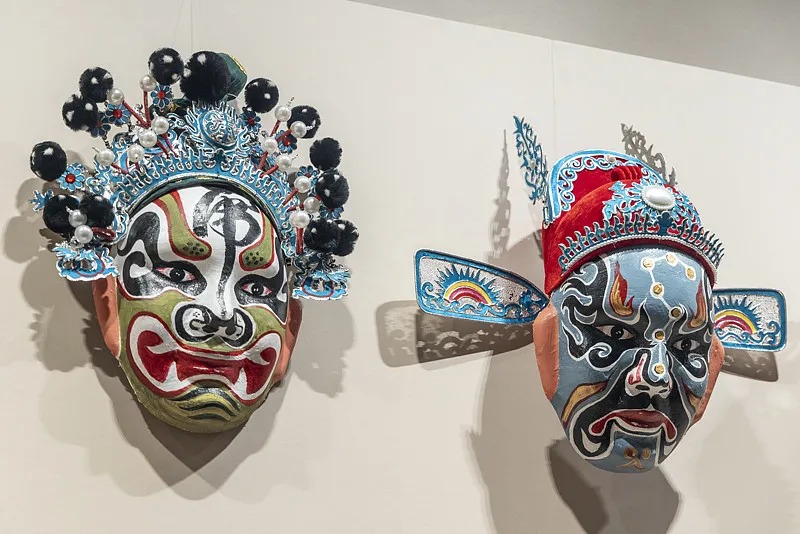
As a national intangible cultural heritage, Wuyu Opera is one of Zhejiang's oldest opera genres and the most representative cultural symbol of Jinhua. Its singing style is powerful, rustic, and emotionally intense, with distinctive performance characteristics that adhere to the principle of "presenting martial scenes in literary terms and literary scenes in martial forms." The movements are precise and the techniques exquisite, blending martial arts aesthetics with theatrical artistry, endowing the opera with profound local appeal.
2. Women's Education Culture
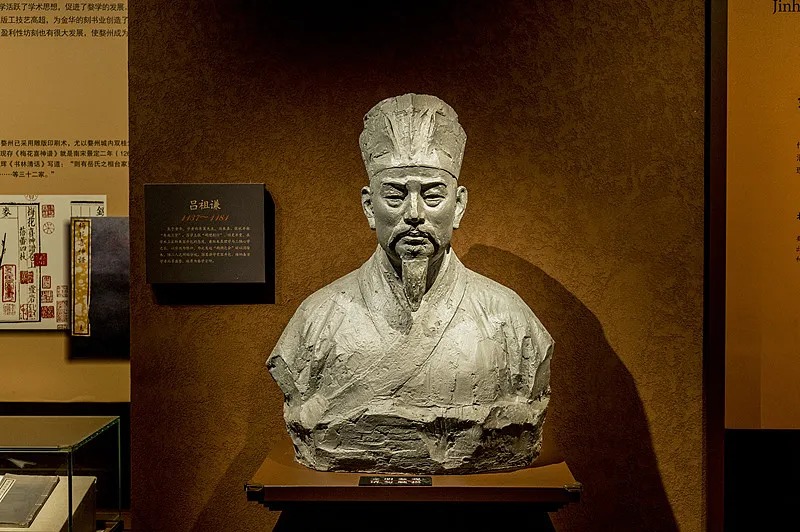
Lü Zuqian, a renowned Neo-Confucian scholar of the Southern Song Dynasty, founded the "Jinhua School" (also known as Wuxue), advocating practical application and truth-seeking through pragmatism to break free from the rigid constraints of traditional Neo-Confucianism. During the Song and Yuan dynasties, the "Four Masters of Beishan" carried forward the intellectual legacy and deepened their exploration of Neo-Confucianism, establishing Jinhua as the central academic hub in the Jiangnan region. The tradition of valuing literature and education endured for millennia, becoming deeply ingrained in the city's cultural fabric.
3. Traditional artisanal craftsmanship
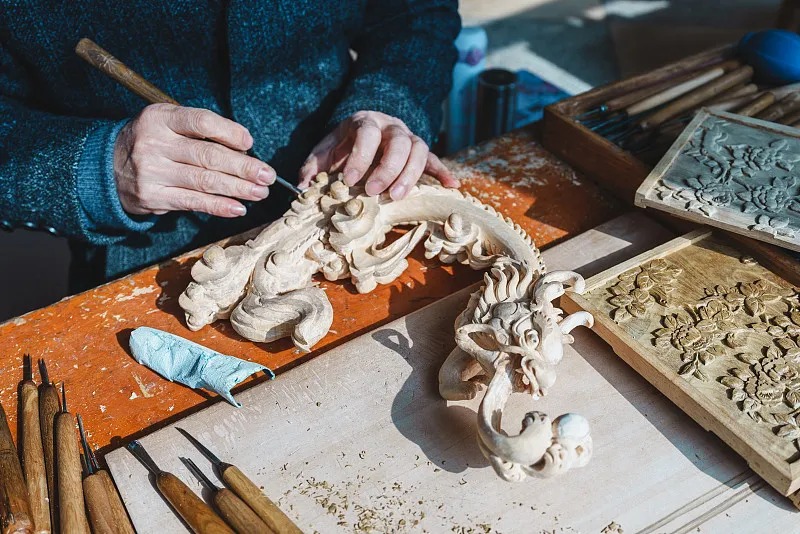
Dongyang Wood Carving: The foremost among China's four major wood carving traditions, it boasts a history of over 1,800 years. Characterized by exquisite craftsmanship and intricate, elegant compositions, it is widely used in ancient architecture, rosewood furniture, and decorative screen ornaments, serving as a classic representative of Chinese artisanal artistry.
Yongkang Tin Carving: A nationally recognized intangible cultural heritage craft, where artisans meticulously shape the pieces by hand. The tin artifacts exhibit a warm, lustrous finish and feature simple yet majestic designs that combine practical functionality with artistic beauty.
Wuzhou Kiln: One of the six renowned kilns of the Tang Dynasty, it pioneered a unique milky glaze technique. Its ceramics feature an antique texture and a warm, lustrous glaze, serving as a testament to the rise, decline, and continuity of Jinhua's millennia-old ceramic culture.
III. Signature Dishes: The Fireworks of Eight Wuzhou Regions – A Timeless Flavor
1. Jinhua Ham
One of the world's three premier ham varieties and a National Geographical Indication product, it stands as the flagship culinary hallmark of Jinhua. Crafted from locally sourced "Liangtouwu" pork rump meat, this premium product undergoes dozens of traditional processes including curing, fermentation, and air-drying. The resulting meat exhibits a vibrant crimson hue with an ideal lean-to-fatty ratio, offering a richly savory flavor profile and lingering aftertaste—making it both an exquisite ingredient and a perfect gift choice.
2. Jinhua Crispy Cake
This provincial-level intangible cultural heritage classic snack preserves a millennium-old flavor. With pickled mustard greens and lard as the filling, it is baked over charcoal fire until its outer crust becomes crispy and crumbly with an aromatic aroma, while the filling offers a savory yet perfectly balanced sweetness and saltiness. Portably preserved, it stands as Jinhua's most representative souvenir gift.
3. Lanxi Chicken Egg Fritters
Ten distinctive rural snacks from Zhejiang, representing the iconic cuisine of Lanxi. These thin noodle sheets are filled with fresh meat and chopped scallions, then pan-fried over low heat until golden and crispy. The filling is subsequently mixed with fresh egg liquid and simmered until cooked through. The final product boasts a crispy exterior and tender interior, where the aroma of eggs and meat blends harmoniously, offering a taste rich in the authentic flavor of everyday life.
4. Yongkang Meat and Wheat Cake
Yongkang's signature street food features a chewy, thick dough skin wrapped with fillings like pickled mustard greens and pork belly. Grilled over charcoal, it develops a golden hue while offering a firm crust, juicy meat, and a rich, savory flavor that leaves you feeling full—making it the go-to home-style delicacy for locals.
5. Dongyang Womian
Dongyang's classic signature noodle dish appears to have a thick dough consistency, yet it is rich in ingredients. The noodles are firm and smooth, paired with a variety of ingredients such as ham, shrimp, shredded tripe, and seasonal vegetables, which are simmered into a thick broth. Each noodle absorbs the broth fully, resulting in a flavorful, aromatic, and warming dish that is suitable for all ages.
V.Summary
Jinhua combines breathtaking mountain and water landscapes, a millennium-old cultural heritage, and authentic local cuisine. It embodies both the serene grandeur of an ancient city and the vibrant energy of a modern metropolis, making it a renowned Jiangnan cultural tourism destination worthy of thorough exploration and leisurely appreciation.