
 إنجليزي
 فرنسي
فرنسي إسباني
 روسية
روسية عربي
عربي إيطاليا
مقدمة إلى مدينة تشيتشيهار
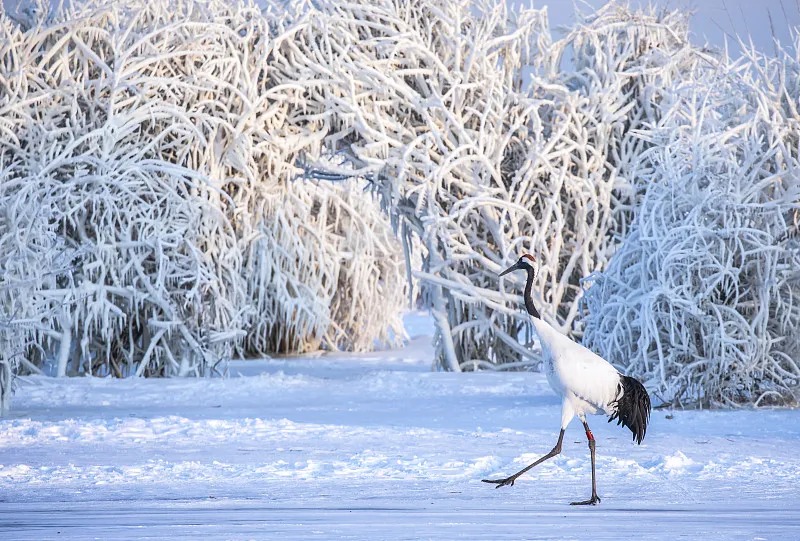
تشيتشيهار، المعروفة أيضًا باسم مدينة الكركي، تستمد اسمها من لغة دور، والتي تعني "المرعى الطبيعي". إنها مدينة مركزية رئيسية في مقاطعة هيلونغجيانغ الغربية، وهي مدينة تاريخية وثقافية مشهورة على المستوى الوطني، ومركز نقل وطني شامل عند تقاطع هيلونغجيانغ وجيلين ومنغوليا الداخلية. وتشتهر على نطاق واسع بأنها "مسقط رأس الرافعات ذات التاج الأحمر في الصين" و"العاصمة العالمية لمطبخ الشواء". تقع في المناطق النائية لسهل سونجنين ويمر نهر نينجيانغ عبر المدينة، وتغطي مساحة إجمالية قدرها 42 ألف كيلومتر مربع وتتمتع ببيئة الأراضي الرطبة ذات المستوى العالمي. مع شتاء بارد ورائع وصيف بارد وممتع، فهي مدينة ثقافية وسياحية مشهورة في المناطق الحدودية الشمالية للصين، وتجمع بين الجمال الطبيعي والتراث التاريخي العميق.
يمكن إرجاع التراث الثقافي للمدينة إلى العصر الحجري الحديث قبل 7000 عام. وتشهد ثقافة أنغانغشي ذات الشهرة العالمية على أصل وازدهار حضارة الصيد والقنص في شمال الصين. تأسست تشيتشيهار رسميًا كمدينة في عام 1691، وتم نقل يامن جنرال هيلونغجيانغ إلى هنا في عام 1699، لتبدأ تاريخها الممتد لـ 255 عامًا كعاصمة مقاطعة هيلونغجيانغ، مما يجعلها المركز العسكري والسياسي للمنطقة الحدودية الشمالية الشرقية لأسرة تشينغ وكذلك مدينة رئيسية لمقاومة الغزو الروسي وتحصين الحدود. وفي العصر الحديث، أطلقت حرب جيانغتشياو ضد اليابان، بقيادة الجنرال ما زانشان، الطلقة الأولى للمقاومة المسلحة الصينية ضد العدوان الياباني هنا، مما أدى إلى تزوير الدم البطولي للمدينة. بعد تأسيس جمهورية الصين الشعبية، باعتبارها قاعدة صناعية قديمة رئيسية تم بناؤها خلال فترتي الخطة الخمسية الأولى والثانية، أصبحت موطنًا لعدد من الشركات الأساسية الوطنية بما في ذلك شركة China First Heavy Industries وشركة CRRC Qiqihar Rolling Stock Co., Ltd.، التي تدعم مسؤولية "الابن الأكبر للجمهورية الشعبية" وتدعم العمود الفقري لصناعة تصنيع المعدات في البلاد.
اليوم، تشيتشيهار هي الموقع الأساسي للحفظ العالمي للرافعات ذات التاج الأحمر، مع دمج ثقافة الكركي بعمق في روح المدينة. لقد عاشت وتكاثرت هنا 36 مجموعة عرقية أصلية، بما في ذلك قبائل دور وإوينكي وقرغيز، على مدى أجيال، مع تكامل متعمق بين ثقافات صيد الأسماك والقنص والثقافات البدوية والزراعة. إن الثقافة الحدودية لأسرتي لياو وجين، والحضارة الحديثة لسكك حديد شرق الصين، وثقافة الحرب الحمراء المناهضة لليابان تعزز جمال بعضها البعض، وتشكل المزاج الفريد لهذه المدينة الحدودية الشمالية القديمة، التي تفتخر باتساع المراعي ونعمة الأنهار وعمق التاريخ وصخب الحياة المحلية الأصيلة.
مقدمة إلى المواقع السياحية الشهيرة في تشيتشيهار
1. محمية تشالونج الطبيعية الوطنية
تقع محمية تشالونغ الطبيعية الوطنية في ضاحية تشيتشيهار الجنوبية الشرقية، وتغطي مساحة إجمالية قدرها 210 آلاف هكتار. إنها أكبر أرض رطبة للقصب في آسيا ورابع أكبر منطقة في العالم، فضلاً عن أنها أول محمية طبيعية في الصين تركز على طائر الكركي المتوج الأحمر كهدف الحماية الرئيسي. كانت من بين الدفعة الأولى من المواقع المدرجة في قائمة رامسار للأراضي الرطبة ذات الأهمية الدولية في عام 1992، وحصلت على جائزة الجذب السياحي الوطنية على مستوى AAAAA في عام 2024، لتكون بمثابة الحامل الأساسي لسمعة تشيتشيهار باسم "مدينة الرافعات". اسم "Zhalong" نشأ من لغة Daur، المرتبطة بأسطورة قديمة لتنين عملاق يحمي الأرض المحلية. منذ آلاف السنين، كانت أرض صيد الأسماك والأقليات العرقية مثل شعب دور والمنغوليين، وتشكل الحكمة البيئية الأصلية للتعايش المتناغم بين الإنسان والطبيعة.
وباعتبارها أكبر موطن لتربية الرافعات ذات التاج الأحمر في العالم، تعد تشالونج موطنًا لـ 6 من أصل 15 نوعًا من الرافعات الموجودة في العالم، من بينها تمثل مجموعات الرافعات ذات التاج الأحمر البرية ما يقرب من خمس المجموع العالمي، مما يجعلها الموقع الأساسي للحفاظ على الرافعات العالمية وأبحاثها. تتميز الأراضي الرطبة البيئية الأصلية هنا، والتي تشكلت من فيضان نهر Wuyuer، بمستنقعات القصب الشاسعة والبحيرات المتناثرة، حيث يعيش ويتكاثر أكثر من 260 نوعًا من الطيور، مما يشكل نظامًا بيئيًا كاملاً للأراضي الرطبة. لعقود من الزمن، تمسك أجيال من حماة طيور الكركي، الذين يمثلهم الشهيد شو شيوجوان، بمواقعهم هنا، وكتبوا قصصًا مؤثرة بين البشر وطيور الكركي، وشكلوا ثقافة فريدة من نوعها لطيور الكركي. واليوم، فإن التدريب البري وعروض الطيران للرافعات ذات التاج الأحمر، ومتحف علوم الأراضي الرطبة، والمعارض التي تحمل موضوع ثقافة الكركي في المنطقة ذات المناظر الخلابة، جعلت منها معيارًا عالميًا للسياحة البيئية للأراضي الرطبة التي تدمج الحماية البيئية وتعليم العلوم والسياحة الثقافية ومشاهدة المعالم السياحية، وحتى الرمز الروحي للثقافة الحضرية في تشيتشيهار.
2. قصر هيلونغجيانغ العام
تم بناء قصر هيلونغجيانغ العام لأول مرة في العام الرابع والثلاثين من حكم كانغشي من أسرة تشينغ (1695)، تحت رعاية سابوسو، أول جنرال في هيلونغجيانغ. تم نقله إلى مدينة تشيتشيهار مع يامن جنرال هيلونغجيانغ في عام 1699، ليكون بمثابة المقر الرسمي ومكتب أعلى قائد عسكري وسياسي لمنطقة هيلونغجيانغ في عهد أسرة تشينغ. إنه أحد قصور جنرالات الحدود القليلة الموجودة في عهد أسرة تشينغ في الصين، ويشهد أكثر من 200 عام من تاريخ حكم الحدود الشمالية الشرقية. أثناء تشغيل القصر، عينت حكومة تشينغ ما مجموعه 76 جنرالًا من هيلونغجيانغ، 71 منهم كانوا متمركزين وعملوا هنا، بما في ذلك سابوسو، الجنرال الجدير بالتقدير في معركة ياكسا، والجنرال شوشان، الذي مات من أجل بلاده في القتال ضد الغزو الروسي، وكل منهما يرتبط ارتباطًا وثيقًا بسلامة وشرف الحدود الشمالية الشرقية.
لم يكن هذا القصر جوهر النظام العسكري والسياسي لشمال شرق الصين في أسرة تشينغ فحسب، بل كان أيضًا مركز القيادة لمقاومة عدوان روسيا القيصرية، وشهد التاريخ الكامل لحكم الحدود في أسرة تشينغ. في العام السادس والعشرين من حكم جوانجكسو (1900)، سقطت مدينة تشيتشيهار، واحتلت روسيا القيصرية قصر الجنرال لمدة سبع سنوات. من أواخر عهد أسرة تشينغ إلى فترة جمهورية الصين، عملت على التوالي كمقيم في المؤسسات الأساسية العسكرية والسياسية والمالية والضريبية لمقاطعة هيلونغجيانغ، مسجلة بشكل كامل التحول التاريخي لشمال شرق الصين من نظام الولاية العسكرية لأسرة تشينغ إلى نظام المقاطعات الحديث. اليوم، تم نقل قصر الجنرال إلى منطقة جزيرة مينغيو ذات المناظر الطبيعية الخلابة، ويغطي مساحة قدرها 6300 متر مربع، مما يعيد بالكامل اللوائح المعمارية الرسمية لأسرة تشينغ. يعرض الفناء آثارًا ثقافية ثمينة ومواد تاريخية حول إدارة الحدود في عهد أسرة تشينغ والتاريخ المناهض لروسيا. إنه ليس فقط موقعًا تاريخيًا وثقافيًا رئيسيًا محميًا على المستوى الوطني، ولكنه أيضًا موقع عرض أساسي لثقافة الحامية الحدودية لمقاطعة هيلونغجيانغ وقاعدة تعليمية وطنية مهمة، تحمل الجوهر الروحي لمثابرة سكان الحدود الشمالية في حراسة المنطقة.
3. موقع أنجانجشى
يقع موقع أنغانغشي في منطقة أنغانغشي في تشيتشيهار، وهو موقع من العصر الحجري الحديث يعود تاريخه إلى حوالي 7500 عام. إنها الممثل الأساسي للثقافة الصخرية الصغيرة في الأراضي العشبية الشمالية في الصين، بالإضافة إلى أنها تحمل الاسم نفسه لـ "ثقافة أنغانغشي". تم إدراجه كموقع تاريخي وثقافي رئيسي محمي على المستوى الوطني في عام 1988، وهو الشاهد الأساسي على حضارة ما قبل التاريخ في حوض نهر نينجيانغ. تم التنقيب العلمي في الموقع لأول مرة في عام 1930 على يد السيد ليانغ سيونغ، عالم الآثار الصيني الشهير. تم اكتشاف عدد كبير من الآثار الثقافية التي تعود إلى عصور ما قبل التاريخ، بما في ذلك الحجارة الصغيرة والمصنوعات اليدوية العظمية والفخار، مما أدى إلى سد الفجوة في آثار العصر الحجري الحديث في الأراضي العشبية الشمالية في الصين، وأعاد كتابة فهم المجتمع الأكاديمي بالكامل لحضارة ما قبل التاريخ في شمال الصين، والمعروف باسم "علامة فارقة في علم آثار ما قبل التاريخ في شمال الصين".
يتكون مجمع الموقع من 22 موقعًا من العصر الحجري الحديث و17 موقعًا من عهد أسرتي لياو وجين، بمساحة إجمالية تبلغ 75 كيلومترًا مربعًا، تعرض بالكامل مشاهد حياة الصيد والقنص للأسلاف القدماء في سهل سونجنين. وتتركز الآثار الثقافية المكتشفة على أحجار صغيرة مضغوطة بدقة مثل رؤوس السهام الحجرية والسكاكين الحجرية والكاشطات، المتطابقة مع أدوات الصيد مثل سهام الأسماك العظمية ورؤوس الحراب العظمية، مما يؤكد أن هذا مكان ميلاد مهم لحضارة الصيد والقنص في شمال الصين. لقد شكلت نظامًا فريدًا لثقافة الصيد والصيد في الأراضي العشبية، وله قيمة لا يمكن تعويضها لدراسة التبادلات الثقافية في عصور ما قبل التاريخ في شمال شرق آسيا وأصل المجموعات العرقية في شمال الصين. اليوم، تم تجهيز الموقع بمتحف موقع أنغانغشي، الذي يعرض بشكل منهجي الآثار الثقافية ما قبل التاريخ، وترميم المشاهد الأثرية وسياق التطور الحضاري. إنها ليست فقط قاعدة بحثية مهمة لعلم آثار ما قبل التاريخ في شمال الصين، ولكنها أيضًا مصدر للتراث الثقافي في تشيتشيهار، حيث تقدم بشكل كامل حضارة نينجيانغ التي يبلغ عمرها 7000 عام، ومكانًا أساسيًا لاستكشاف جذور ثقافة الصيد والصيد الشمالية.
4. شارع روسيا
يقع شارع روسيا في منطقة أنغانغشي في تشيتشيهار، وتم بناؤه لأول مرة في عام 1903 مع إنشاء خط السكة الحديد الشرقي الصيني. يبلغ طوله الإجمالي 1451 مترًا، وهو أفضل مجمع معماري على الطراز الروسي وأفضل الحفاظ عليه على طول خط السكة الحديد الشرقي الصيني. تم إدراجه كموقع تاريخي وثقافي رئيسي محمي على المستوى الوطني في عام 2013، وتم اختياره كأحد الشوارع التاريخية والثقافية الشهيرة في الصين في عام 2015، ويُعرف باسم "المحطة الأولى لسكك حديد شرق الصين". يوجد على جانبي الشارع بأكمله أكثر من 100 قرن من المباني ذات الطراز الروسي، تغطي أنواعًا مختلفة بما في ذلك المباني السكنية والمحطات والكنائس والنوادي والمستودعات، ومجموعة متنوعة من الأساليب بما في ذلك الكبائن الخشبية الروسية التقليدية والمباني المبنية من الطوب على الطراز الروسي وفن الآرت نوفو. يتم الحفاظ على التفاصيل مثل المنحوتات والأقواس والأسقف المنحدرة على واجهات المبنى بشكل جيد، مما يجعله شارعًا نادرًا على الطراز الروسي عمره قرن من الزمان في الصين.
باعتبارها مرفقًا إضافيًا مهمًا للسكك الحديدية الشرقية الصينية، كانت محطة Ang'angxi ذات يوم محطة تنظيم من الدرجة الثانية للسكك الحديدية. وفي ذروته، استقر هنا آلاف المواطنين الروس، مما جعل شارع روسيا الموقع الأساسي للتبادلات الثقافية غير الحكومية بين الصين وروسيا في ذلك الوقت. وعلى مدى القرن الماضي، شهدت صعود وسقوط خط السكة الحديد الشرقي الصيني، والتنمية الصناعية في شمال شرق الصين الحديث، والتبادلات غير الحكومية بين الصين وروسيا، مع الاحتفاظ بعدد كبير من العلامات التاريخية للحضارة الصناعية الحديثة وتكامل الثقافتين الصينية والغربية. يحتفظ شارع روسيا اليوم بشكل كامل بنسيج الشارع والأسلوب المعماري الذي كان موجودًا منذ قرن مضى. تكمل المباني ذات الطراز الروسي التي يعود تاريخها إلى قرن من الزمان والتي تتميز بسحر غريب المناظر الطبيعية المحيطة بالأراضي العشبية والأراضي الرطبة. إنها ليست مجرد نافذة عرض أساسية لتاريخ وثقافة خط السكة الحديد الشرقي الصيني، ولكنها أيضًا شاهد حي على التبادلات الثقافية الصينية الروسية. عند السير على طول الشارع، تنطلق المنازل الخشبية الروسية التي يعود تاريخها إلى قرن من الزمان مقابل غابات البتولا على طول الشارع، كما لو كانت تعود إلى مدينة السكك الحديدية قبل مائة عام، مما يجعلها معلمًا فريدًا لتكامل تاريخ تشيتشيهار الحديث والنمط الأوروبي.
5. لونجشا بارك
تم بناء Longsha Park لأول مرة في عام 1904 تحت رعاية Cheng Dequan، جنرال هيلونغجيانغ في أواخر عهد أسرة تشينغ، وكان اسمه في الأصل Cangxi Park وأعيد تسميته إلى Longsha Park في عام 1917، وهو مشتق من معنى "الجنرال يخرج من القلعة، ويعبر صحراء رمال التنين الشاسعة لآلاف الأميال". إنها أقدم حديقة حضرية تم بناؤها في مقاطعة هيلونغجيانغ، وهي واحدة من أقدم الحدائق الحضرية الشاملة في شمال شرق الصين، وهي منطقة جذب سياحي وطنية على مستوى AAAA، والمعروفة باسم "الحديقة الشهيرة خلف سور الصين العظيم". تغطي الحديقة مساحة 64 هكتارًا، وتدمج بين الحدائق الكلاسيكية والمواقع التاريخية والمناظر الطبيعية البيئية وأماكن الترفيه والتسلية. على مدى قرن من الزمان، كانت الرئة الخضراء الحضرية لمدينة تشيتشيهار والموقع الأساسي للحياة الثقافية للمواطنين، وتحمل الذاكرة الحضرية لأجيال من الناس في مدينة كرين.
تنتشر الحديقة بالمواقع التاريخية ولها تراث ثقافي عميق للغاية. تم بناء برج وانغجيانغ، الواقع بجوار بحيرة لاودونغ في الحديقة، لأول مرة في عام 1907. عند تسلق البرج، يمكنك الاستمتاع بإطلالة بانورامية على نهر نينجيانغ بأكمله والمناظر الحضرية، مما يجعله معلمًا حضريًا كلاسيكيًا في تشيتشيهار. تم بناء ضريح شو قونغ لأول مرة في عام 1926، لإحياء ذكرى الجنرال شوشان، جنرال هيلونغجيانغ الذي توفي من أجل بلاده في الحرب ضد الغزو الروسي. مع الطوب والبلاط الرمادي، فهو مهيب ومهيب، ويعرض بشكل كامل المواد التاريخية لحياة الجنرال شوشان، وهو قاعدة تعليمية وطنية مهمة في مقاطعة هيلونغجيانغ. المباني القديمة مثل مبنى المكتبة وجناح تشنغجيانغ وجناح تيانيوان في الحديقة كلها مباني كلاسيكية من أواخر عهد أسرة تشينغ إلى فترة جمهورية الصين، حيث تدمج بين عظمة الحدائق الكلاسيكية الشمالية وروعة حدائق جيانغنان. تتميز حديقة لونغشا اليوم بأزهار متفتحة في الربيع، وأشجار خضراء مورقة في الصيف، وغابات ملونة متعددة الطبقات في الخريف، وجنة الجليد والثلج "مشهد لونغشا الجليدي" في الشتاء، مع مناظر طبيعية رائعة في جميع الفصول الأربعة. على مدار قرن من الزمان، لم تكن نموذجًا للحدائق الحضرية فحسب، بل كانت أيضًا ناقلًا مهمًا لتاريخ وثقافة تشيتشيهار. تقام معارض المعبد المحلية والعروض الشعبية ومعارض الخط والرسم على مدار السنة، مما يجعلها مكانًا أساسيًا تتكامل فيه الثقافة المحلية لمدينة كرين بشكل عميق مع حياة المواطنين.
6. ساحة هيبينج (ساحة السلام)
تقع ساحة خه بينغ على ضفة نهر نينجيانغ في تشيتشيهار، في مواجهة المنطقة الحضرية الرئيسية عبر النهر، وتم بناؤها في عام 2005 لإحياء الذكرى الستين لانتصار حرب المقاومة الشعبية الصينية ضد العدوان الياباني والحرب العالمية ضد الفاشية. تبلغ مساحتها الإجمالية 41400 متر مربع، وهي واحدة من أكبر الساحات التذكارية التي تحمل موضوع الحرب المناهضة لليابان في شمال شرق الصين، والمعلم الأساسي للثقافة الحمراء في تشيتشيهار. مع الموضوع الأساسي المتمثل في "تذكر التاريخ وتكريم الشهداء والاعتزاز بالسلام وخلق المستقبل"، فإنه يعرض بشكل كامل الملحمة البطولية لحرب جيانغتشياو ضد اليابان وتاريخ الحرب المجيد المناهض لليابان على مدار 14 عامًا للجيش والشعب في شمال شرق الصين، وهو قاعدة تعليمية وطنية مهمة.
بعد حادثة موكدين في عام 1931، قاد الجنرال ما تشانشان، القائم بأعمال رئيس مقاطعة هيلونغجيانغ في ذلك الوقت، الحامية عند جسر نهر نينجيانغ في تشيتشيهار لإطلاق أول طلقة مسلحة منظمة وواسعة النطاق للقوات الصينية ضد العدوان الياباني. أصبحت حرب جيانغتشياو ضد اليابان حدثًا بارزًا في تاريخ الحرب الصينية ضد اليابان، وتم بناء ميدان هيبينج لإحياء ذكرى هذه الفترة من التاريخ. تشمل المناظر الطبيعية الأساسية للساحة الجدار التذكاري للحرب المناهضة لليابان، ونصب النصر التذكاري، والتمثال البرونزي للجنرال ما زانشان، ونصب جيانغكياو التذكاري للحرب المناهضة لليابان، وجدار بصمة اليد العامة. من بينها، يتكون الجدار التذكاري للحرب المناهضة لليابان من 6 نقوش بارزة، تستنسخ بشكل واضح المشاهد التاريخية لحرب جيانغتشياو المناهضة لليابان والمعارك الدموية للجيش المتحد الشمالي الشرقي المناهض لليابان. تم نقش أسماء وبصمات أيدي الآلاف من قدامى المحاربين المناهضين لليابان على الجدار التذكاري الذي تبلغ مساحته 3000 متر مربع، ليصبح بمثابة حامل ثمين لتذكر التاريخ. إن ميدان هيبينج اليوم ليس فقط موقعًا أساسيًا لإحياء ذكرى الحرب ضد اليابان ووراثة الروح الحمراء، ولكنه أيضًا مساحة ثقافية عامة حضرية على طول نهر نينجيانغ. ويتكامل مشهد ضفاف النهر بشكل مثالي مع المشهد التذكاري الأحمر، وتقام أنشطة التعليم الوطني والعروض ذات الطابع الأحمر على مدار السنة، مما يضمن انتقال الروح البطولية لحرب جيانغتشياو ضد اليابان من جيل إلى جيل، وجعلها الرمز الأساسي للروح الحضرية البطولية في تشيتشيهار.
7. معبد داتشنغ (معبد ماهايانا)
يقع معبد داتشنغ، المعروف أيضًا باسم معبد بوذا الكبير، في منطقة تيفنغ في تشيتشيهار. بدأ البناء في عام 1939 واكتمل رسميًا في عام 1943. وهو أحد أكبر مجمعات البناء البوذية الموجودة ذات البلاط المزجج في مقاطعة هيلونغجيانغ. ومعبد جيلي في هاربين ومعبد بور في تشانغتشون ومعبد تسيين في شنيانغ، يُعرف باسم "المعابد البوذية الأربعة الكبرى في شمال شرق الصين". تم إدراجه كمعبد بوذي رئيسي وطني في عام 1983، وهو أحد الأماكن الأساسية لانتشار وتراث الثقافة البوذية في شمال شرقي الصين. تم بناء المعبد تحت رعاية السيد شو، وهو راهب كبير في مدرسة تيانتاي. بعد أكثر من 80 عامًا من الرياح والأمطار، يحتفظ بالكامل باللوائح المعمارية والسياق الثقافي للمعابد البوذية الحديثة، وهو عمل كلاسيكي للهندسة المعمارية البوذية في شمال الصين.
يغطي المعبد بأكمله مساحة 53000 متر مربع، ويتخذ تصميمًا متماثلًا للمحور المركزي المواجه للشمال والجنوب، ويتكون من بوابة الجبل، وقاعة الملوك السماويين، وقاعة ماهافيرا، ومكتبة سوترا البوذية، وقاعة قوانيين ذات الألف يد ومباني أخرى. تدمج الهندسة المعمارية الشاملة بين عظمة العمارة الرسمية الشمالية وهيبة المعابد البوذية، مع الطوب الرمادي والبلاط المزجج الأصفر والأفاريز المقلوبة ومجموعات الأقواس، مما يمثل زخمًا رائعًا. الميزة الأكثر تميزًا للمعبد هو تخطيطه المعماري ذي الثمانية تريجرامات، حيث تكون قاعة ماهافيرا هي القلب الأساسي والقاعات المساعدة الموزعة في اتجاهات الثمانية تريجرامات، وهو أمر نادر للغاية بين المعابد البوذية في الصين. إنه يدمج بشكل مثالي الثقافة البوذية التقليدية وثقافة Zhouyi، مع قيمة فنية معمارية عالية للغاية. يضم المعبد عددًا كبيرًا من الآثار الثقافية الثمينة بما في ذلك الكلاسيكيات البوذية وتماثيل بوذا والمنحوتات الحجرية. من بينها، تمثال قوانيين ذو الألف يد المنحوت على الخشب في قاعة قوانيين ذات الألف يد، يتمتع بحرفية رائعة وجمال مهيب، وهو عمل كلاسيكي للتماثيل البوذية في شمال شرق الصين. لأكثر من 80 عامًا، لم يكن معبد داتشنغ موقعًا لحج المؤمنين البوذيين في شمال شرق الصين فحسب، بل كان أيضًا ناقلًا مهمًا للثقافة الشعبية في تشيتشيهار. تقام هنا اجتماعات دارما البوذية السنوية ومعارض المعابد الشعبية، حيث تتكامل الثقافة البوذية بعمق مع العادات الشعبية المحلية في شمال شرق الصين، مما يجعلها معلمًا مشهورًا يجمع بشكل مثالي بين الثقافة الدينية والمناظر الطبيعية الإنسانية في مدينة كرين.
8. منطقة جزيرة مينغيو ذات المناظر الخلابة
تقع منطقة جزيرة مينجيوي ذات المناظر الطبيعية الخلابة في المجرى الأوسط لنهر نينجيانغ في شمال غرب منطقة تشيتشيهار الحضرية، وهي جزيرة نهرية تحيط بها المياه من جميع الجوانب في نهر نينجيانغ، وتبلغ مساحتها الإجمالية 7.66 كيلومتر مربع. حصلت على اسمها لأن الجزيرة على شكل قمر مشرق ينعكس على سطح الماء لنهر نينجيانغ. وتُعرف هذه الجزيرة مع جزيرة صن في هاربين باسم "الجزر الشقيقة لسهل سونغنين". إنها منطقة جذب سياحي وطنية على مستوى AAAAA، بالإضافة إلى كونها منطقة ذات مناظر خلابة في تشيتشيهار تجمع بين البيئة الطبيعية والتاريخ الإنساني. كانت تسمى في الأصل جزيرة سيشوي، في وقت مبكر من عهد أسرتي مينغ وتشينغ، وكانت طريقًا رئيسيًا للنقل المائي في حوض نهر نينجيانغ، حيث كانت الأقليات العرقية مثل شعب دور ومانشو تمارس الصيد والصيد والعيش، مما ترك علامات غنية للثقافة المائية في حوض نهر نينجيانغ.
وتتميز الجزيرة بمناظر طبيعية فريدة، ويحيط بها نهر نينجيانغ مع الغابات الخضراء. تتشابك الأراضي العشبية والأراضي الرطبة والبحيرات والغابات لتشكل نظامًا بيئيًا طبيعيًا أصليًا كاملاً. وتتميز بأمواج زرقاء شاسعة ونباتات مورقة في الصيف، وتغطيها الثلوج والجليد في الشتاء، مع مناظر طبيعية فريدة في جميع الفصول الأربعة. تتمتع الجزيرة بتراث إنساني وتاريخي عميق للغاية. تم بناء مجمع المباني القديم الأساسي، معبد وانشان، لأول مرة في عهد وانلي من أسرة مينغ، وأعيد بناؤه عدة مرات في عهد أسرة تشينغ، ويعود تاريخه إلى أكثر من 400 عام. يتكون المعبد من جناح الإمبراطور اليشم، وجناح باييانغ، وجناح الثلاث نجوم، وجناح سانكينغ، والمعروفين مجتمعين باسم "فناء تشونغلينغ القديم". تدمج الهندسة المعمارية بين الثقافات البوذية والطاوية والكونفوشيوسية، مع عوارض منحوتة وعوارض خشبية مطلية، بسيطة ومهيبة، وهي واحدة من مجمعات البناء القديمة القليلة الموجودة في سلالتي مينغ وتشينغ في حوض نهر نينجيانغ. بالإضافة إلى ذلك، تم ترميم مجمع المباني القديم لقصر هيلونغجيانغ العام بالكامل في الجزيرة، والذي يعرض بشكل منهجي تاريخ حامية هيلونغجيانغ الحدودية في عهد أسرة تشينغ، مما يكمل المناظر الطبيعية. تضم جزيرة مينجيو اليوم مجموعة متنوعة من المشاريع التجريبية مثل القطار الصغير القديم الذي يدور حول الجزيرة، والسفن السياحية، والمشي لمسافات طويلة في الأراضي الرطبة، والترفيه على الجليد والثلج. إنه ليس فقط الحاجز البيئي الحضري لتشيتشيهار، ولكنه أيضًا منتجع سياحي يدمج بشكل مثالي تاريخ وثقافة حوض نهر نينجيانغ مع المناظر الطبيعية، ليصبح جزيرة نهرية فريدة من نوعها أرضًا سرية لمدينة كرين.