
 English
 French
 Spanish
 Russian
 Arabic
 Italy
Italy
China traditional festivals are vibrant carriers of Chinese civilization, embodying the life wisdom, ethical concepts, and aesthetic tastes of our ancestors. From spring to winter, from the beginning of the year to the end of the year, festivals such as Spring Festival, Lantern Festival, Qingming Festival, Dragon Boat Festival, Qixi Festival, Mid-Autumn Festival, and Double Ninth Festival link the life rhythms of the Chinese people. With core themes like blessings, ancestor worship, and reunion, they deeply integrate natural cycles with humanistic emotions. Passed down for thousands of years, these festivals have become important bonds that maintain ethnic identity and transmit cultural roots.
I. New Year Prayer for Abundance: Spring Festival and Lantern Festival
The Spring Festival, the most grand traditional celebration of the Chinese nation, was historically known as "New Year's Day" or "Yuanri." Its essence lies in bidding farewell to the old and welcoming the new, praying for blessings and auspiciousness, while embodying the cherished aspirations of family reunions and national prosperity. Its origins trace back to the ancient "Laji" rituals, where ancestors worshipped deities and spirits at year's end to express gratitude for blessings and seek bountiful harvests. The festival took its initial form during the Han Dynasty, became a nationwide celebration in the Tang Dynasty, and saw its ceremonial customs mature and endure through the Ming and Qing dynasties.
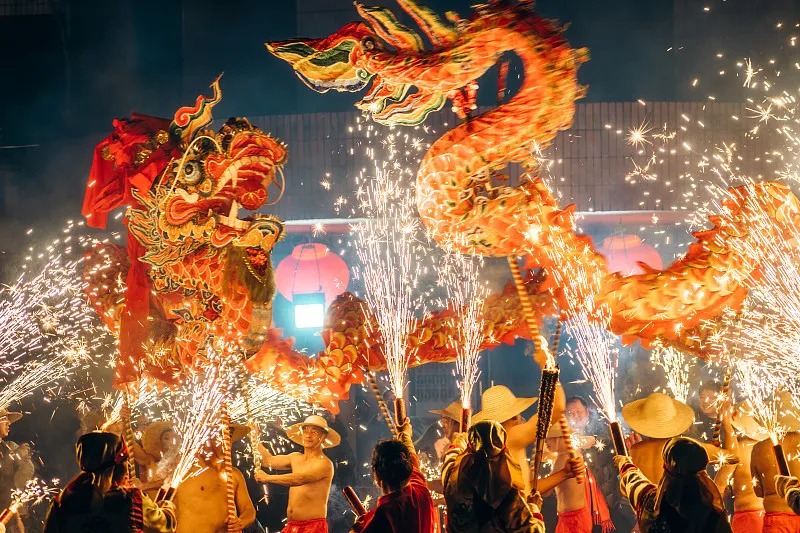
The Spring Festival traditions span from the twelfth lunar month to the 15th day of the first lunar month, forming a complete festival system: on the eighth day of the twelfth lunar month, people drink Laba porridge; on the 23rd, they worship the Kitchen God; on the 24th, they clean the house to "eliminate the old and welcome the new"; on New Year's Eve, they paste Spring Festival couplets and the character for "blessing"; they stay up late to bid farewell to the old year; on the first day, they exchange New Year greetings; and on the fifth day, they perform the "Po Wu" ritual to welcome the God of Wealth. The New Year's Eve dinner stands as the core ceremony, where families gather to share delicacies—dumplings symbolizing the transition between old and new, rice cakes representing "prosperity year after year," and fish signifying "abundance throughout the year." While modern elements like the Spring Festival Gala and WeChat greetings have been integrated, the essence of reunion and blessings remains unchanged, making it the most solemn cultural symbol for Chinese communities worldwide.
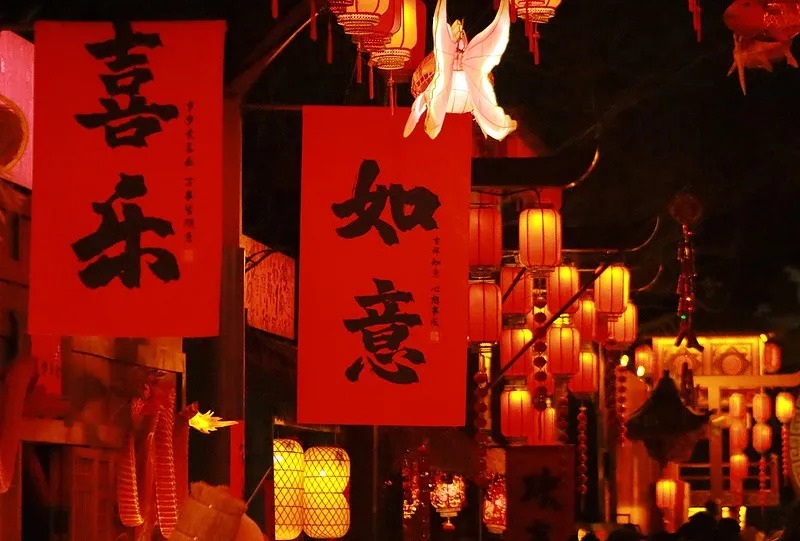
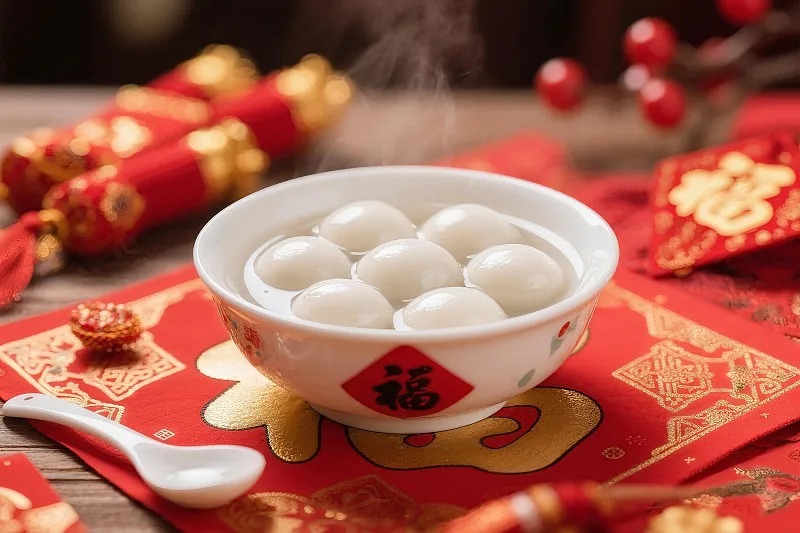
The Lantern Festival, also known as the "Shangyuan Festival," follows the Spring Festival and falls on the 15th day of the first lunar month—the first full moon night of the new year. Its origins trace back to ancient sacrificial rituals, Taoist San Yuan Festival celebrations, and Buddhist lamp-burning ceremonies. By the Tang Dynasty, it had evolved into a nationwide festive occasion, while the Song Dynasty introduced customs like lantern riddle guessing and eating tangyuan (glutinous rice balls). At its core, the festival thrives on lively traditions: admiring lantern displays, solving riddles, performing dragon and lion dances, and enjoying tangyuan. Lanterns symbolize light and blessings, riddles offer intellectual challenges, and the festival itself represents family reunion and harmony. Today, lantern fairs have become iconic events across China. Time-honored traditions like Nanjing's Qinhuai River Lantern Festival and Chengdu's Wuhou Temple Lantern Festival blend centuries-old heritage with modern technology, creating cultural spectacles that combine visual appeal with interactive experiences.
II. Spring Sequence Qingming Festival: Dual Celebrations of Ancestral Worship and Spring Outing
The Qingming Festival is a holiday blending natural and cultural significance, celebrated around April 5th on the Gregorian calendar. As one of the 24 solar terms, it also marks a traditional occasion for ancestor worship and tomb sweeping, with its core themes being "honoring ancestors, practicing filial piety, and connecting with nature." Its origins trace back to the ancient "Cold Food Festival" and "Shangsi Festival." During the Han Dynasty, the Cold Food Festival involved fire prohibition rituals for ancestral worship, while the Shangsi Festival featured spring outings and purification ceremonies. Over time, these traditions merged during the Tang Dynasty, evolving into the core customs of the Qingming Festival.
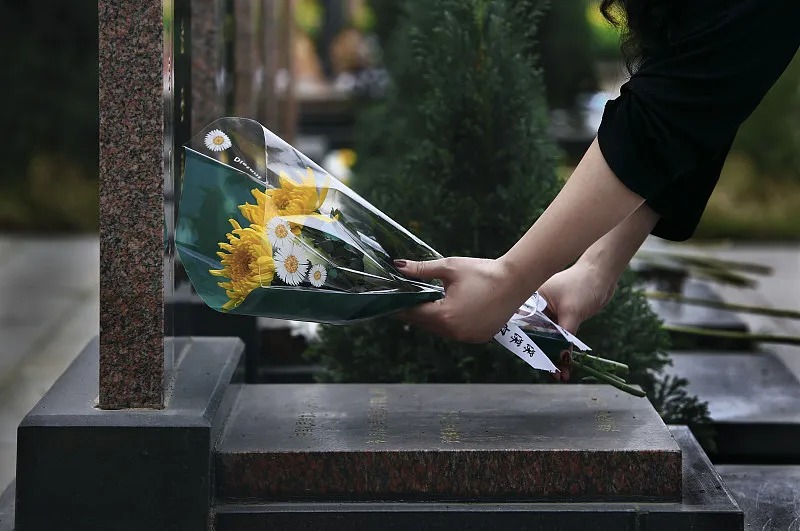
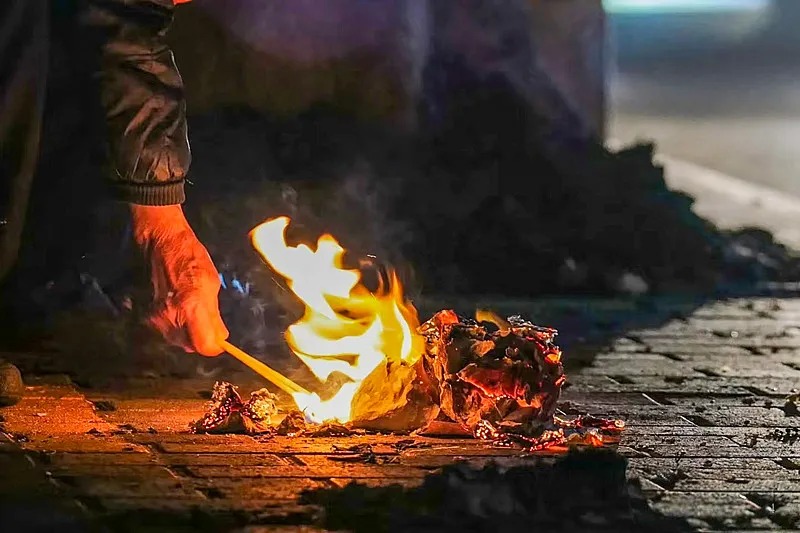
The Qingming Festival blends solemnity with vitality through its traditions. Ancestral worship and tomb sweeping form the core rituals, where visitors pay respects at gravesites by cleaning graves, burning incense, and offering flowers to express remembrance and gratitude. Spring outings follow as seasonal leisure activities, with people traveling in groups after winter dormancy to enjoy spring scenery, fly kites, and adorn themselves with willow branches and flowers, celebrating nature's rebirth. Time-honored customs like eating green rice balls (made from mugwort and glutinous rice), swinging on swings, and tug-of-war continue to this day. These fragrant, soft treats are a signature delicacy of the Jiangnan region. By integrating the ethical principle of "honoring ancestors" with the natural philosophy of "harmony between humanity and nature," the festival not only preserves traditional filial piety but also offers people a chance to rejuvenate through connection with nature.
III. Midsummer Health: Patriotic Sentiment During the Dragon Boat Festival
The Dragon Boat Festival, observed on the fifth day of the fifth lunar month, is also known as the "Duanwu Festival" or "Double Fifth Festival." Its core significance lies in warding off evil spirits and epidemics, praying for health and well-being, while also embodying the patriotic sentiments associated with Qu Yuan's legacy. Originating from the totemic rituals of the ancient Yue people and summer epidemic prevention practices, the festival later acquired profound cultural connotations through legends commemorating Qu Yuan, becoming the most widely celebrated festival with enduring symbolic meaning.
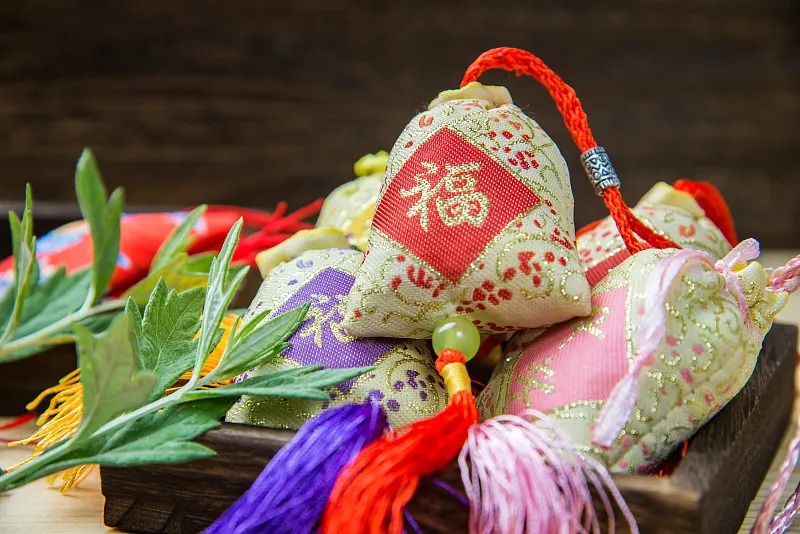
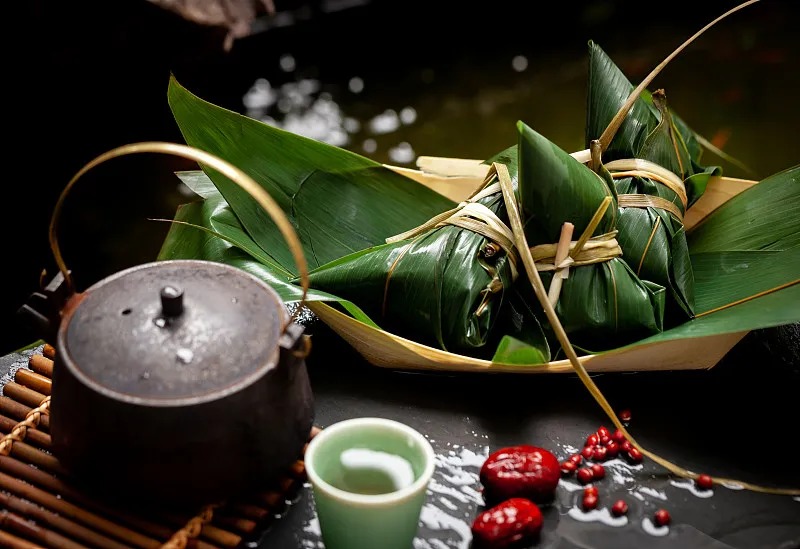
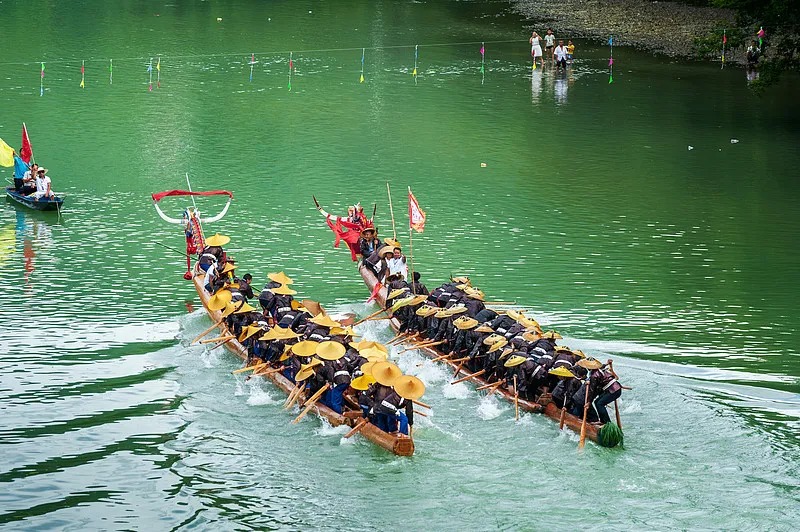
The Dragon Boat Festival customs are rich in regional characteristics and life wisdom. Eating zongzi stands as the most representative tradition, said to commemorate Qu Yuan's suicide by drowning in the river. Ancient people would toss zongzi into the water to protect themselves from fish and shrimp. Today, zongzi varieties abound, with sweet versions from northern China and savory ones from southern regions each boasting unique flavors. Dragon boat racing originated from ancient water deity worship ceremonies and later evolved into collective commemorations honoring Qu Yuan. During races, thunderous drumbeats and swift boat movements showcase teamwork and perseverance. Customs like hanging mugwort and calamus, wearing sachets, tying colorful ropes, and applying realgar wine all stem from summer-era practices for disease prevention and exorcism. The aromatic scent of mugwort and calamus repels insects, while sachets containing fragrant herbs soothe the mind—testaments to our ancestors' wisdom. Today, dragon boat racing has become an international sporting event, and the Dragon Boat Festival itself has been inscribed on UNESCO's Intangible Cultural Heritage list, serving as a vital medium for transmitting patriotic sentiments and folk wisdom.
IV. Autumn Reunion: Qixi Festival and Mid-Autumn Festival
The Qixi Festival in late summer and the Mid-Autumn Festival in early autumn, with "romantic longing" and "family reunion" as their core themes respectively, embody the Chinese people's beautiful aspirations for emotions and family.
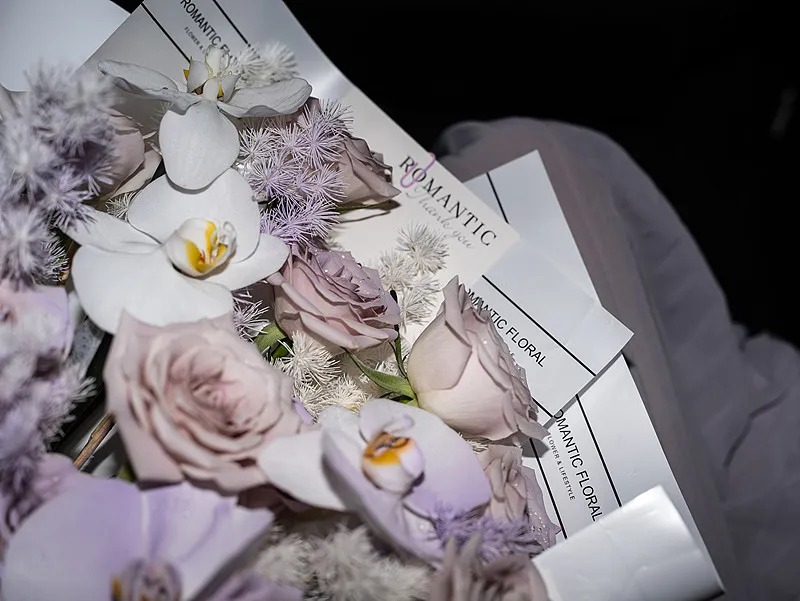
The Qixi Festival is celebrated on the seventh day of the seventh lunar month, also known as the "Skill Begging Festival" or "Daughters 'Day," and is a traditional "Valentine's Day" in China. Its origin is related to the myth of the Cowherd and the Weaver Girl, who are said to have been reunited by magpies building a bridge across the Milky Way on this day. The customs of Qixi revolve around "skill begging," with ancient women displaying fruits in their courtyards and threading needles to pray for dexterity and marital bliss. Additionally, practices such as worshipping the Weaver Girl, eating skill fruits, and stargazing have been passed down to this day. Nowadays, the Qixi Festival has gradually become a time for young people to express their love, preserving traditional romantic connotations while incorporating modern notions of romance, serving as an emotional bridge between the classical and the contemporary.

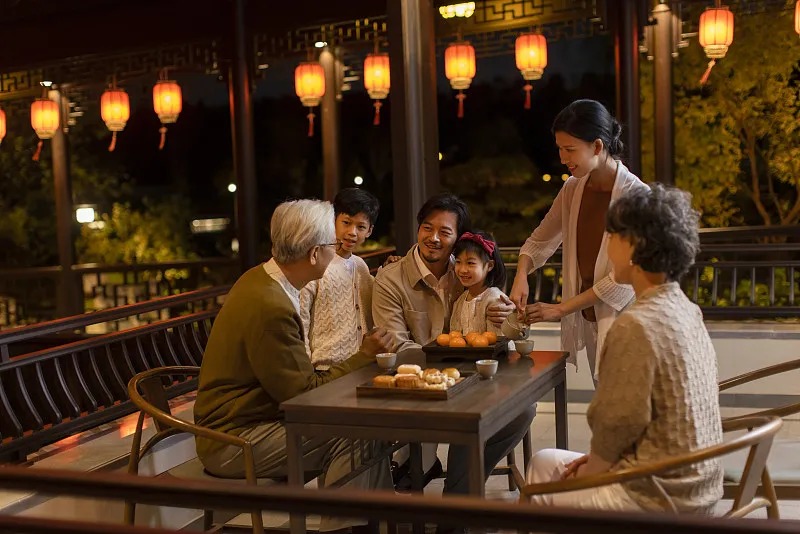
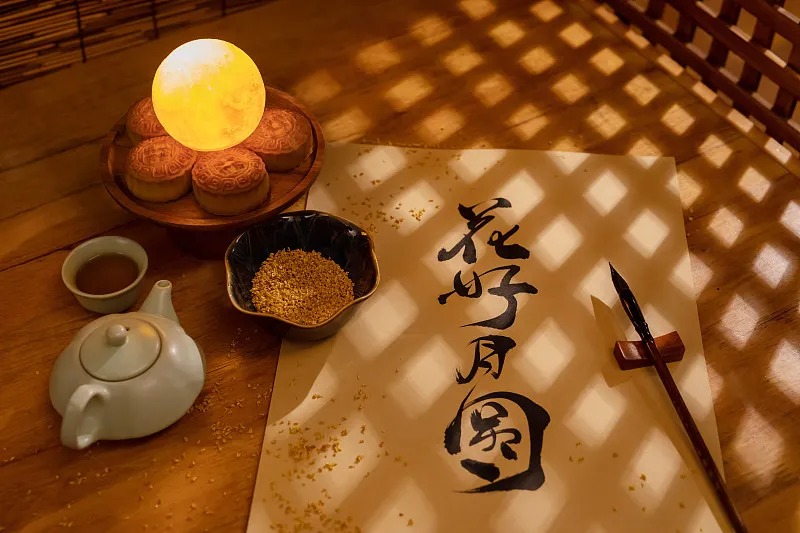
The Mid-Autumn Festival is celebrated on the 15th day of the eighth lunar month, named for the full moon and family reunions, with its core theme being "reunion under the moon and praying for blessings and longing." Its origins can be traced back to ancient moon worship customs. The custom of moon appreciation flourished during the Tang Dynasty, and by the Song Dynasty, a complete Mid-Autumn Festival celebration system had taken shape. During the Ming and Qing dynasties, it became a traditional festival as important as the Spring Festival. Mid-Autumn Festival customs revolve around the "moon": moon appreciation is the central activity, where families gather in the courtyard to admire the bright moon overhead, expressing their hopes for reunion; eating mooncakes is a hallmark custom, with their round shape symbolizing reunion. Today, they come in a wide variety of flavors and have become a popular gift for friends and relatives. Additionally, customs such as moon worship, guessing lantern riddles, and drinking osmanthus wine each carry their own charm. The Mid-Autumn Festival embodies the Chinese people's steadfast pursuit of family reunions. No matter where they are, people strive to return to their hometowns to reunite with their families. The beautiful vision of "sharing this moment across the world" makes the Mid-Autumn Festival an important festival for maintaining family bonds and fostering nostalgia.
V. Respecting the Elderly in Late Autumn: Life Reverence on the Double Ninth Festival
The Double Ninth Festival is observed on the ninth day of the ninth lunar month. Due to the homophonic similarity between "jiujiu" and "jiujiu" (meaning "longevity"), it carries the symbolic meaning of "long life," with its core essence being "respecting and caring for the elderly, and climbing high places to pray for blessings." Its origins are associated with ancient sacrificial practices and Taoist health preservation concepts. It was officially designated as a festival during the Tang Dynasty and developed core customs such as mountain climbing, chrysanthemum appreciation, and elderly care during the Ming and Qing dynasties.
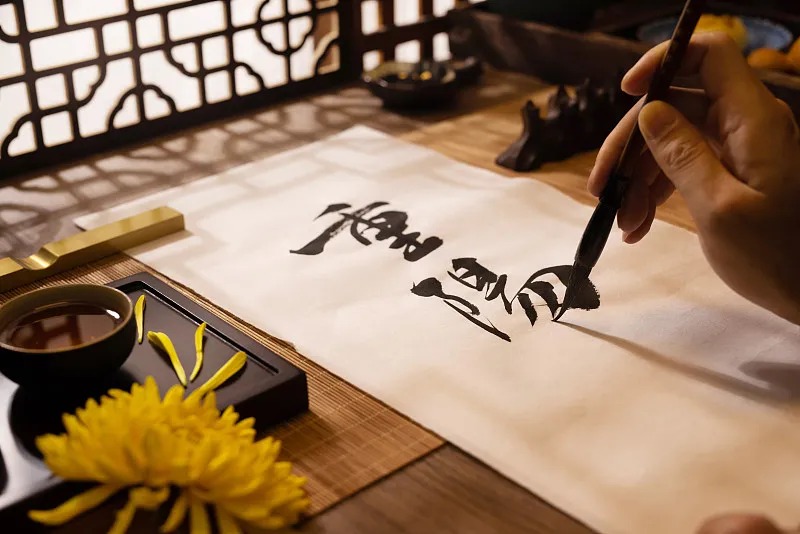
The Double Ninth Festival is steeped in cultural traditions. Climbing high places remains its core activity—ancient wisdom held that it could ward off disasters and bring blessings, while today it serves as a way to connect with nature and exercise. Chrysanthemum appreciation and chrysanthemum wine consumption stem from autumn health preservation practices: chrysanthemums symbolize resilience and purity, while their wine offers wellness benefits. The custom of wearing dogwood (Zhiyu) stems from ancient beliefs to repel evil spirits and disasters. Though this practice has faded over time, "dogwood" has become a cultural emblem of the festival. Modern observances emphasize filial piety, with regions hosting senior-friendly banquets and elderly talent shows to uphold the Chinese tradition of "filial piety as the foremost virtue." In 2012, the festival was designated as "Senior Citizens' Day," reinforcing contemporary values of respecting and caring for the elderly, breathing new life into this ancient celebration.
Contemporary Value and Inheritance of Traditional Festivals
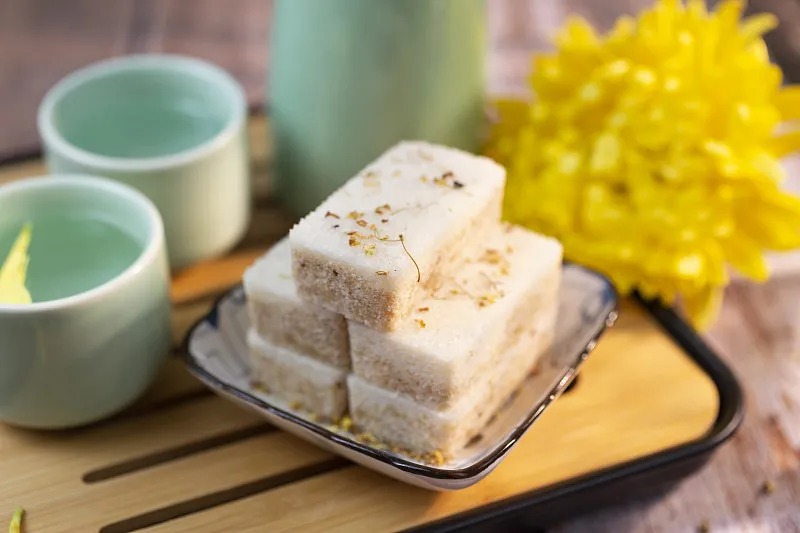
Traditional festivals stand as living legacies of Chinese civilization, serving not only as historical memories but also as cultural genes. Through inheritance and innovation, these festivals steadfastly uphold the core principles of "putting people first, harmonizing with nature, and integrating family and nation." They allow us to reflect on history and honor our ancestors while strengthening family bonds and embracing life. Preserving and passing down traditional festivals means safeguarding our cultural roots, ensuring the spiritual essence of Chinese civilization thrives through generations.