English
 French
 Spanish
 Russian
 Arabic
 Italy
Italy
The Awakening Lion: An Introduction to China’s Southern Lion Dance Culture
The Awakening Lion, also known as the Southern Lion, is a national intangible cultural heritage rooted in the Lingnan region. Together with the Northern Lion, it forms the two major schools of Chinese lion dance. In 2006, "Lion Dance (Guangdong Awakening Lion)" was inscribed on the first national list of intangible cultural heritage. Having evolved over thousands of years, it integrates martial arts, dance, percussion music and handicraft lion head making, serving not only as a folk ritual for blessings during festivals but also a cultural symbol etched in the hearts of Chinese people, embodying the national spirit of perseverance, prosperity and evil dispelling.
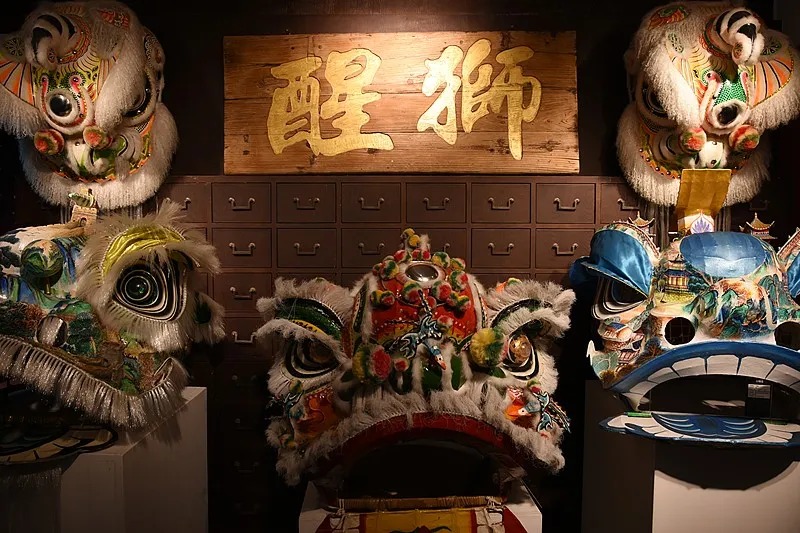
The culture of the Awakening Lion boasts a long history. Its prototype originated from animal dances in the Hundred Operas of the Han Dynasty. After court lion dances matured in the Tang Dynasty, they were brought to Lingnan by migrants from central China. Folklore tells that strange beasts haunted Nanhai during the Ming Dynasty. Locals made colourful lion props and beat gongs and drums to scare the beasts away, giving birth to the custom of lion dancing to ward off misfortune, hence the name "Awakening Lion". In Cantonese, "awakening" means revival and inspiration. Every performance opens with the lion opening its eyes, symbolising the awakening of a dormant auspicious beast and the arrival of brightness and new life. Nanhai in Foshan is the birthplace of the Awakening Lion, while Suixi in Zhanjiang is hailed as "China’s Hometown of Awakening Lions". Hundreds of folk lion troupes have been passed down in these two regions for centuries.
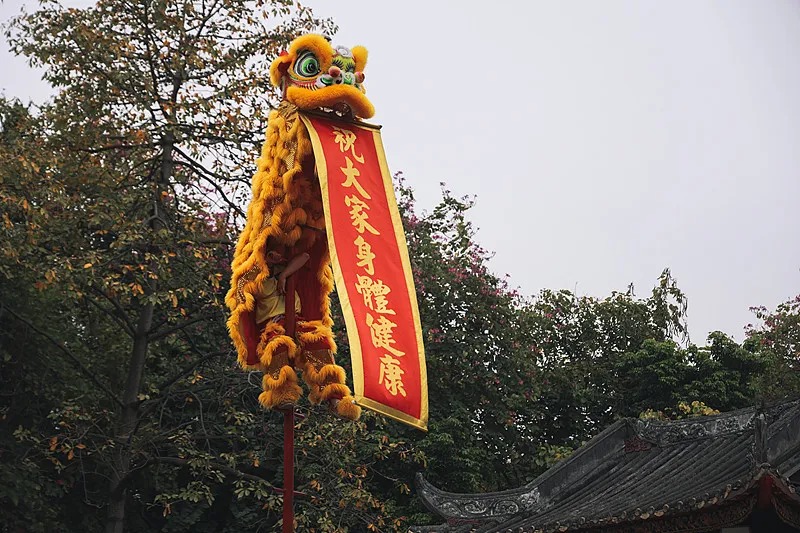
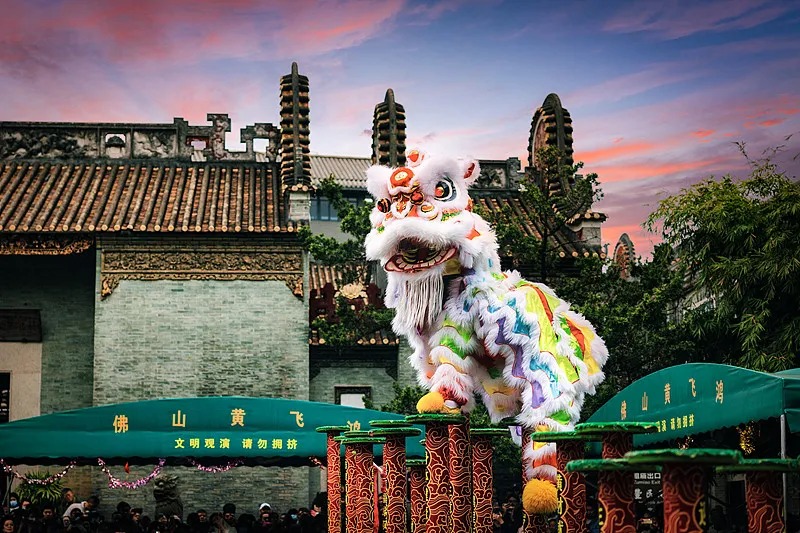
"Plucking the Green" is the core highlight of an Awakening Lion show. Vendors and households hang lettuce tied with red envelopes high up. The lion leaps to pluck the lettuce; "green" sounds identical to "clear" in Chinese, so the act represents sweeping away bad luck and attracting wealth. Spitting out the lettuce afterwards symbolises endless vitality. The high-pole lion dance is an extraordinary feat. Performers leap, spin and balance on plum blossom poles nearly three metres high with wide gaps between them. The breathtaking stunts test coordination and skill, embodying the spirit of courage and perseverance. This art has graced the Olympic and National Games stages, stunning global audiences.
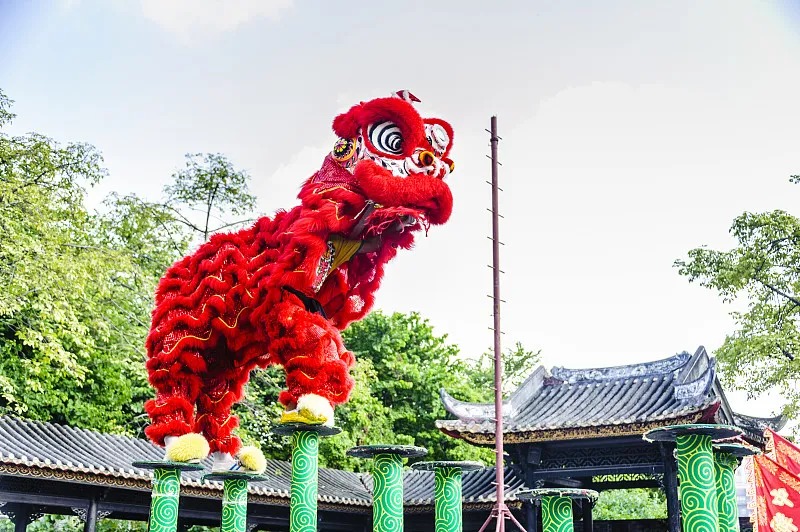
The Awakening Lion is deeply woven into ordinary people’s lives. Lion dances are indispensable for Lunar New Year visits, shop openings, ancestral hall ceremonies and temple fairs. Traditionally, lion dance troupes are closely linked to martial arts schools. Practitioners dance to strengthen their bodies and cultivate virtue, valuing respect for masters and modesty. Today, many schools have lion dance clubs and physical education courses featuring lion dance basics. Youngsters learn stances and drum rhythms, passing down the ancient craft to new generations.