English
 French
 Spanish
 Russian
 Arabic
 Italy
Italy
The values and lifestyle of China's traditional culture are the spiritual core of Chinese civilization that has endured for over five thousand years, the cultural genes ingrained in the bones and blood of the Chinese nation, and the fundamental principles guiding the lives and conduct of the Chinese people. It is not a cold dogma sealed away in ancient texts, but a living culture deeply integrated into daily speech and behavior, family order, and social operations. Despite the passage of millennia, it continues to profoundly influence the thinking patterns, behavioral norms, and emotional attachments of the Chinese people. This complete cultural system, with "harmony" as its core origin, family ethics as its social foundation, ritual norms as its behavioral standards, and patriotic sentiments as its value pursuit, constructs the unique spiritual world and life landscape of the Chinese people.
I. The Spiritual Origin with Harmony as Its Core
The entire system of traditional Chinese values is rooted in the core philosophical concept of "harmony," which is deeply embedded in the millennia-old agrarian civilization of China. In the agricultural production model that relied on the weather for sustenance, the ancestors of Huaxia realized early on that human survival and development are inherently bound to the natural rhythms and the interplay of heaven and earth: spring planting, summer weeding, autumn harvesting, and winter storage—all production activities must align with the natural seasons. The flooding and drying of rivers, as well as the alternation of cold and warm climates, directly determine the survival of ethnic groups. It was this profound symbiotic relationship with nature that led the ancestors to form the core worldview of "unity between heaven and humanity," which also represents the most fundamental essence of the "harmony" culture.
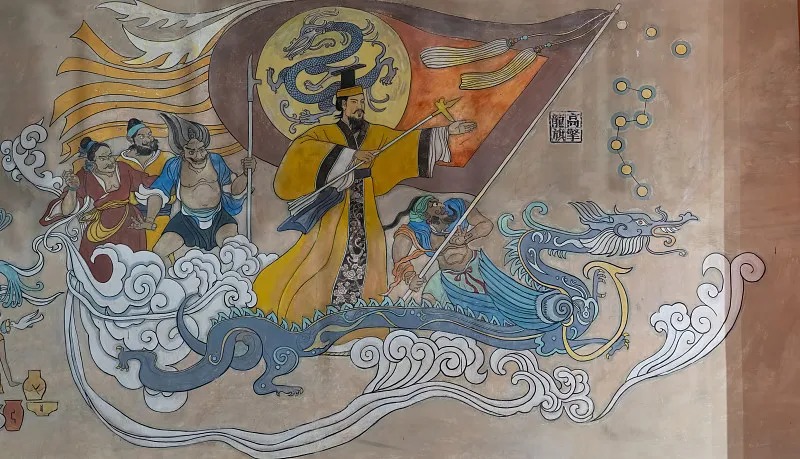
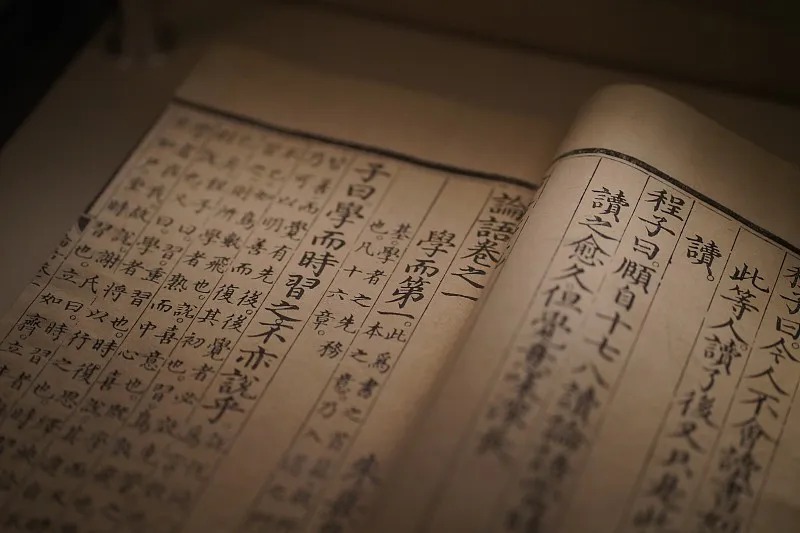
"The unity of heaven and humanity" is not an isolated proposition of any single school of thought, but rather a common spiritual core that permeates the two major mainstream ideological systems of Confucianism and Taoism. From different dimensions, they construct China's understanding of "harmonious coexistence between humans and nature," forming a complementary and symbiotic ideological system. In Confucian thought, the core essence of "the unity of heaven and humanity" is "the harmony of virtue between heaven and humanity." Confucianism holds that the essence of the Way of Heaven is "benevolence" and "goodness," representing an unceasing vitality, an inclusive spirit that embraces all things, and a balanced and impartial law. As the pinnacle of creation among all things in heaven and earth, humanity's core mission is not to conquer nature or transform the cosmos, but to cultivate one's character and moral integrity, aligning one's words and deeds with the laws of the Way of Heaven, thereby achieving spiritual resonance between humans and the universe. The Doctrine of the Mean states: "When the mean and harmony are realized, heaven and earth find their places, and all things flourish." This statement precisely elucidates Confucianism's ultimate pursuit of "harmony": when humans attain the highest degree of balance and harmony, heaven and earth will find their rightful places and continue to thrive, and individual moral cultivation will ultimately resonate with the laws governing the universe. This philosophy extends from a worldview to a life philosophy, ultimately forming the core values of the Five Constants— "benevolence, righteousness, propriety, wisdom, and trustworthiness" —transforming reverence for heaven and earth into responsibility and goodwill toward others, society, and the nation.
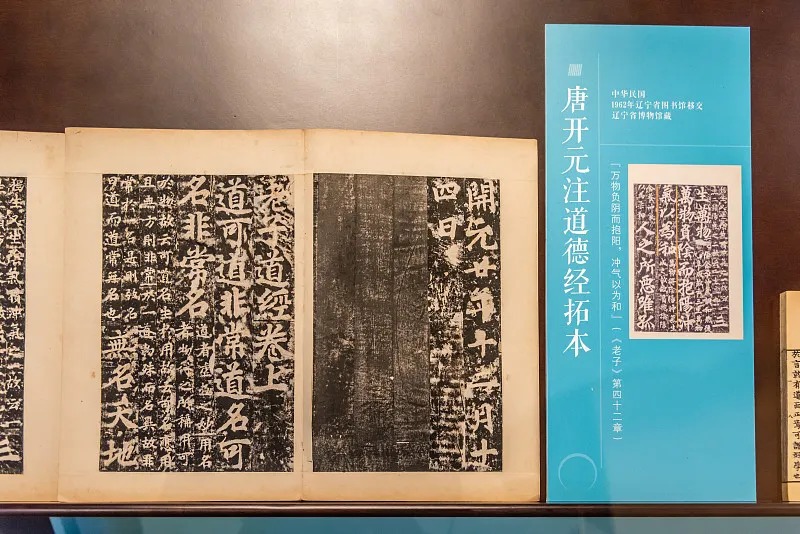
In the Daoist ideological system, "the unity of heaven and humanity" manifests as the core tenet of "the Dao follows nature." Laozi explicitly states in the *Tao Te Ching*: "Man follows the earth, the earth follows heaven, heaven follows the Dao, and the Dao follows nature," profoundly revealing the essential relationship between humans and nature: humans are not the masters of heaven and earth but rather a part of nature; all things in the world follow their own inherent laws. True wisdom lies not in forced intervention or going against the tide, but in abandoning excessive subjective desires, adhering to the natural laws of things, and merging with heaven and earth. The "harmony" pursued by Daoism is a balanced state free from coercion or obsession, embodying the inclusiveness and magnanimity described as "the highest good is like water, which benefits all things without contention." Zhuangzi's *On the Equality of Things* further extends this concept, proposing the idea of equality among all things without distinctions of nobility or inferiority, breaking down the boundaries between humans and all things, and expanding the connotation of "harmony" to a broader realm. This philosophy complements Confucianism's worldly responsibilities perfectly, enabling Chinese people to embrace the ambition of "cultivating oneself, regulating the family, governing the state, and bringing peace to the world" in favorable circumstances, and to maintain the magnanimity of "picking chrysanthemums by the eastern fence, leisurely gazing at the southern mountains" in adversity, thereby constructing a spiritual world for Chinese people with a balance between tension and relaxation.
II. Ethical System Based on Family
If the "harmony" culture is the spiritual core of China's traditional values, then the ethical system centered on the family serves as the social foundation for the rooting of these values. In Chinese culture, the family has never been merely a bloodline community but the fundamental unit of social order, the most essential carrier of cultural inheritance, and the ultimate spiritual sanctuary for individuals to find their place in life. The origin of this system can be traced back to the patriarchal system of the Western Zhou period, where the Zhou emperor established the primogeniture system as the core, dividing large clans into smaller ones, thereby constructing a "homologous structure of family and state" —the family as a miniature state, and the state as an enlarged family. The ethical order within the family is the foundation of the entire social order and national governance. Confucian thought proposes the life progression path of "cultivating oneself, regulating the family, governing the state, and bringing peace to the world," placing "regulating the family" at the critical juncture between personal cultivation and state governance. It holds that only by managing one's family well, fostering good family traditions, and adhering to family ethics can one effectively govern the state and stabilize the world.
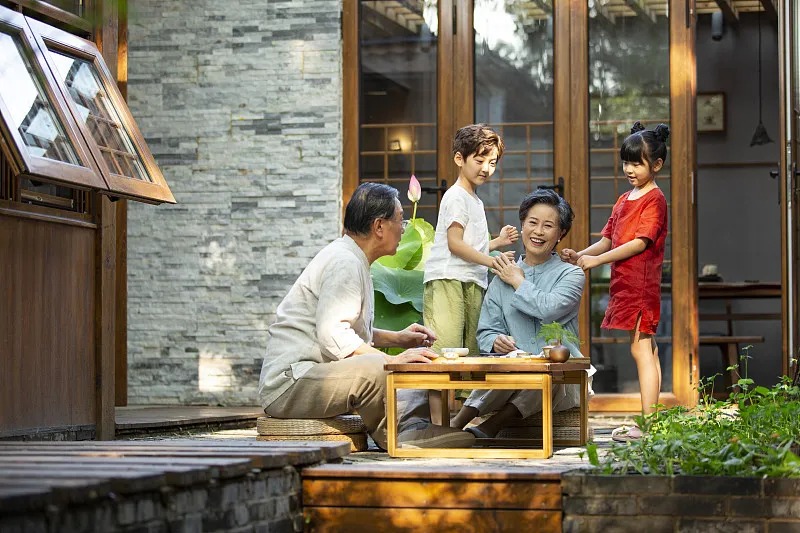
In this family ethics system, "filial piety" is undoubtedly the core, revered by the Chinese as "among all virtues, filial piety comes first." The concept of "filial piety" in Chinese culture is far more than simply supporting one's parents; it constitutes a complete and multidimensional ethical system encompassing three essential dimensions: material support, spiritual respect, and the inheritance of family values, none of which can be omitted. The Classic of Filial Piety states: "Filial piety is the root of virtue and the foundation of education," viewing filial piety as the cornerstone of all moral qualities and asserting that all teachings in the world derive from filial piety. This has made filial piety culture the cornerstone of Chinese family ethics.
III. Social Conduct Guidelines Centered on Etiquette
China has long been known as the "Land of Etiquette" in the world. "Etiquette" is a crucial component of China's traditional culture, serving as a concrete manifestation of traditional values in daily social interactions and public life, shaping the unique social behaviors and behavioral norms of the Chinese people. The "etiquette" culture of China can be traced back to the Zhou Gong's establishment of rites and music during the Western Zhou period. After the founding of the Western Zhou Dynasty, the Zhou Gong, based on summarizing the strengths and weaknesses of the systems of the Xia and Shang dynasties, formulated a comprehensive system of rites and music covering various aspects such as sacrifices, court assemblies, social interactions, family life, and funerals. The core principle was "rites distinguish differences, music harmonizes unity" — "rites" were used to delineate social order and clarify identity boundaries, while "music" served to harmonize emotions and unite people. The two complemented each other, transforming "rites" from cold rules into deeply ingrained teachings. This system regarded "rites" as the core tool for resolving disputes and regulating social order, enabling every individual in society to adhere to corresponding behavioral norms in their respective roles, thereby achieving social harmony and stability.
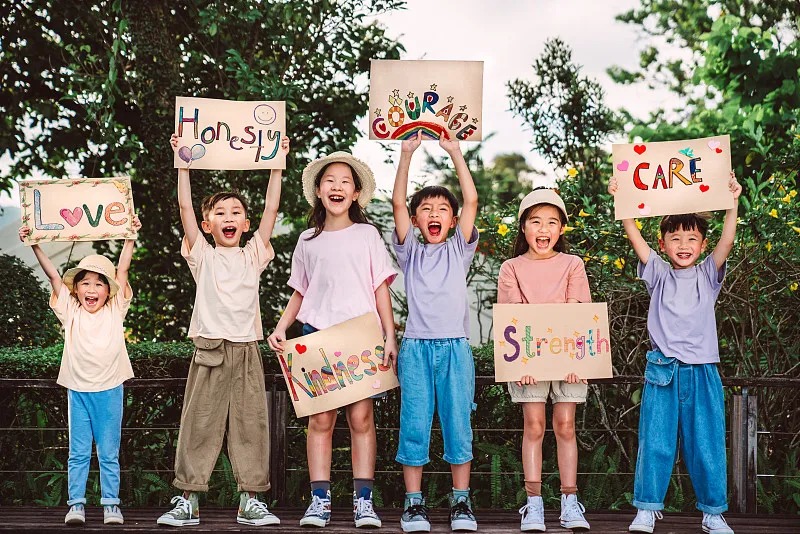
After more than three thousand years of development, China's "Li" culture has long shed its early elaborate formalities and evolved into a set of deeply ingrained social norms and wisdom for dealing with the world. Its core essence remains unchanged: "respect" —respect for heaven and earth, respect for ancestors, respect for others, and respect for oneself. In daily social interactions, Chinese people consistently advocate the approach of "treating others with humility," rejecting ostentation, arrogance, and complacency, while emphasizing that "excess invites loss, and humility brings benefit," treating everyone around them with humility. This humility is by no means a sign of inferiority or cowardice, but rather a self-cultivation stemming from the heart, a respect for others, and a restraint on oneself.
In social interactions, Chinese people always regard "warmth, kindness, respect, frugality, and humility" as the ideal personality traits—gentleness, kindness, respectfulness, thriftiness, and yielding. These five virtues form the core principles guiding Chinese social behavior. When interacting with others, they emphasize "keeping one's word." Confucius said, "A person without integrity is hard to understand," and honesty is regarded as the foundation of one's character. The virtue of keeping promises is celebrated through generations, while acts of betrayal are universally condemned. When faced with choices involving interests, Chinese people prioritize "considering righteousness when encountering profit," believing that "a gentleman loves wealth but acquires it through proper means." They refuse to compromise principles or ethics for short-term gains, which is a moral baseline ingrained in Chinese culture. When conflicts arise in relationships, Chinese people advocate "harmony above all," avoiding extreme confrontation or conflict. Instead, they tend to empathize with others, resolve disputes through communication, and achieve harmonious coexistence.
The etiquette norms of China are not only reflected in daily social interactions but also form a complete "Five Rites" system, permeating every aspect of social life. The Jili (auspicious rites) are sacrificial rites used to honor heaven, earth, ancestors, and deities, expressing reverence and gratitude, and are the foremost among the Five Rites. The Xuli (mourning rites) are funeral rites used to mourn the deceased and comfort families, demonstrating respect for life and remembrance of the departed. The Junli (military rites) are ceremonial rites for military occasions such as troop deployments, inspections, and triumphs, showcasing military discipline and national prestige. The Binli (guest rites) are diplomatic and social rituals used in court assemblies, diplomatic visits, and guest receptions, standardizing etiquette between individuals of different statuses. The Jiali (celebratory rites) encompass all joyous occasions including weddings, coming-of-age ceremonies, festivals, and banquets, representing the most accessible etiquette in everyday life.
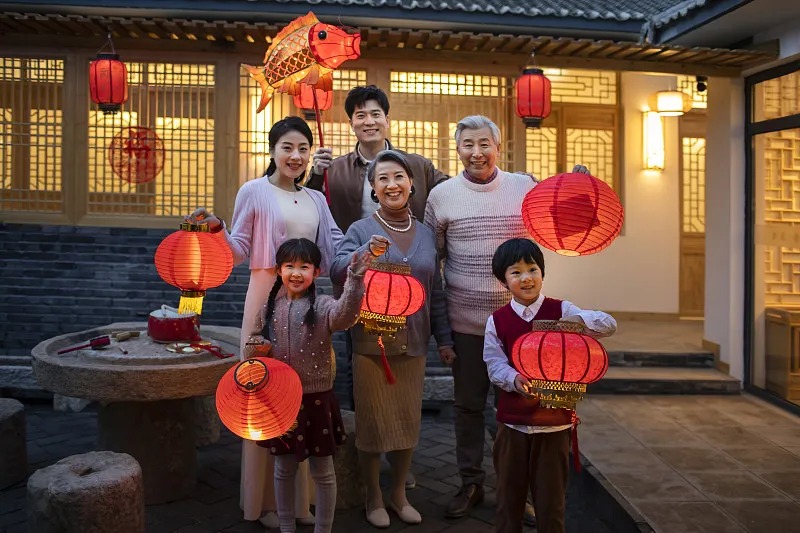
This system of etiquette permeates every significant milestone in the lives of China: from the full moon ceremony and hundred-day ceremony after a baby's birth, to the coming-of-age rituals of the crown ceremony and hairpin ceremony, then to the wedding ceremony when marriage takes place, and finally to the funeral ceremony after the passing of elders. Each crucial stage of life has corresponding etiquette norms. These rituals are not only about ceremonial sense but also serve as life education and reminders: the coming-of-age ceremony reminds young people to shoulder the responsibilities of family and society from now on; the wedding ceremony reminds couples to respect each other as honored guests and stay together for life; the funeral ceremony reminds descendants to honor their ancestors and never forget their roots.
In modern society, traditional etiquette culture has undergone creative transformation, discarding the dregs of feudal hierarchy while preserving its core values of respect, humility, and kindness. Today, courtesy in public settings, humility in interpersonal interactions, respect for elders, and goodwill toward others are all contemporary manifestations of traditional etiquette culture. This set of etiquette norms not only shapes the courteous social image of the Chinese people but also establishes a stable and orderly social order, allowing traditional culture to truly integrate into the daily lives of the Chinese people, remaining vibrant after thousands of years.