English
 French
 Spanish
 Russian
 Arabic
 Italy
Italy
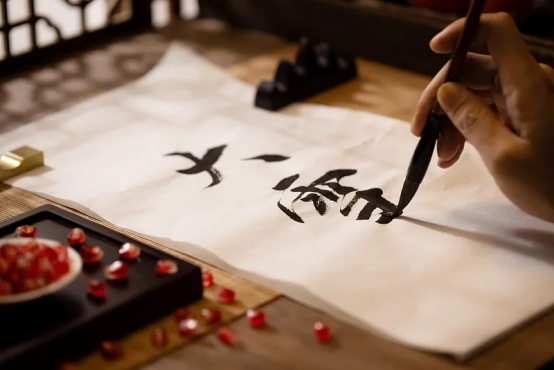
As one of the oldest and most widely spoken languages in the world, Chinese is not only a tool for communication but also a core carrier of Chinese civilization. From the inscriptions on oracle bones to the standardization of modern Chinese characters, from the conciseness of classical Chinese to the widespread use of Mandarin, Chinese has preserved profound cultural roots while continuously absorbing new elements of the times over thousands of years of evolution. It has become a spiritual bond that sustains national identity and conveys wisdom, integrating the thinking patterns, values, and lifestyle of the Chinese people into every syllable and character.
I. Historical Evolution of Chinese Language: From Oracle Bones to the Modern Linguistic River
The developmental trajectory of Chinese language is a chronicle of evolution that resonates with Chinese civilization, broadly divided into four phases: ancient, medieval, modern, and contemporary, each bearing distinct imprints of its era.
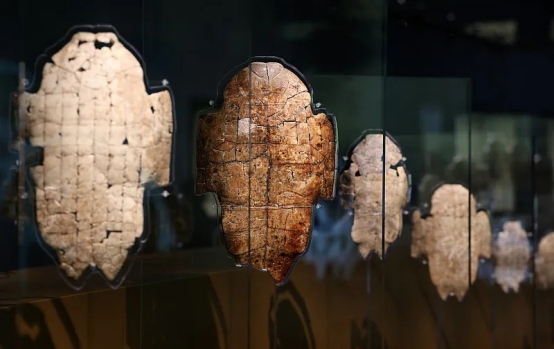
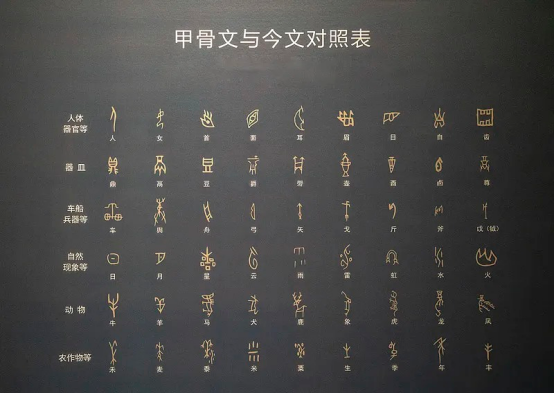
Ancient Chinese (from the Pre-Qin period to the Han Dynasty) marked the foundational era of the Chinese language, using oracle bone script and bronze inscriptions as writing mediums while maintaining near-perfect alignment between spoken and written language. As the earliest surviving mature writing system, oracle bone script was carved onto turtle shells and animal bones, documenting rituals, military campaigns, and agricultural practices during the Shang Dynasty. Its characters predominantly featured pictographic and ideographic forms, retaining distinct pictorial characteristics. Bronze inscriptions cast on bronze vessels exhibited more regular lines and gradually enriched vocabulary. During this period, the *Book of Songs* and *Chu Ci* established the foundation of Chinese literature, while classical Chinese prose began to take shape. Their concise and refined expression style became a model for subsequent written language traditions.
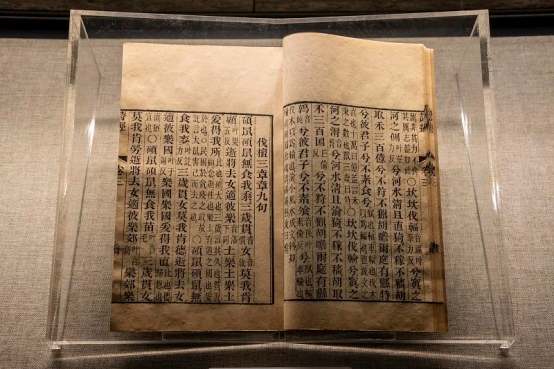
Middle Chinese (from the Wei-Jin period to the Tang-Song dynasties) was a transformative era for Chinese phonetics, vocabulary, and grammar. During the Wei-Jin and Southern-Northern Dynasties, ethnic integration facilitated linguistic exchanges, and the introduction of Buddhism brought numerous Sanskrit loanwords such as "Bodhi," "moment," and "monk." The flourishing poetry of the Tang Dynasty further matured the Chinese phonetic system, with the gradual refinement of level-tilt and rhyme rules. The emergence of rhyme books like *Qieyun* and *Guangyun* marked the beginning of standardized Chinese phonetics. The rise of vernacular literature in the Song Dynasty, exemplified by works like *All Men Are Brothers* and *Romance of the Three Kingdoms* that adopted colloquial expressions, promoted the integration of written and spoken language.
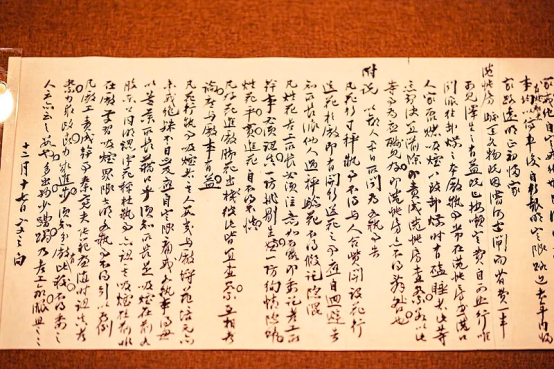
II. The Cultural Code of Chinese Characters: Eastern Wisdom Combining Form and Meaning
Chinese characters are the core carriers of the Chinese language. Their unique character-creation system and structural aesthetics embody the thinking patterns and cultural wisdom of the Chinese people, forming a striking contrast with Western alphabetic scripts.
The creation of Chinese characters follows the "Six Principles of Character Formation" — pictographic, ideographic, associative compound, phonetic-ideographic, loan, and borrowed. Among these, pictographic, ideographic, and associative compound characters form the foundation of Chinese writing, while phonetic-ideographic characters became the mainstream in later character creation. Pictographic characters such as "sun," "moon," "mountain," and "water" directly mimic the forms of objects, serving as the "living source" of Chinese characters. Ideographic characters like "up," "down," "root," and "end" express meanings through abstract symbols, reflecting the logical thinking of ancient people. Associative compound characters such as "rest" (a person leaning against a tree to rest), "pick" (a hand picking grass and trees), and "crowd" (three people forming a crowd) combine multiple characters to convey meaning, subtly revealing the Chinese people's understanding of relationships between things. Phonetic-ideographic characters consist of a semantic component and a phonetic component, as seen in "river," "lake," and "sea" (where the semantic component "氵" indicates meaning categories and the phonetic component indicates pronunciation). This structure retains semantic features while simplifying character creation, accounting for over 90% of all Chinese characters today.
III. Symbiosis of Language and Culture: Folklore and Philosophy in Chinese
Chinese language and China culture permeate and coexist with each other. The vocabulary, idioms, and proverbs in language all conceal folk customs, philosophical thoughts, and ethical concepts, becoming "living fossils" of culture.
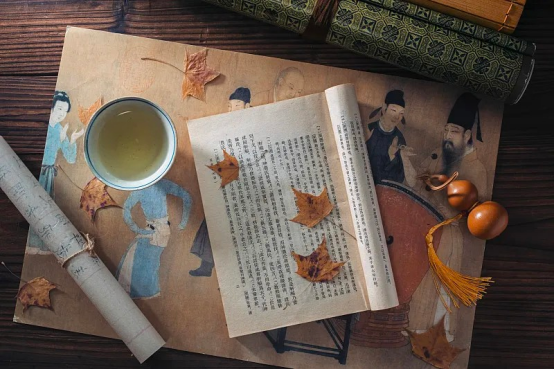
Chinese vocabulary is richly imbued with folk culture. Solar terms like "Start of Spring," "Qingming," "Start of Autumn," and "Winter Solstice" seamlessly integrate natural cycles with agricultural practices and daily customs, embodying the philosophy of "harmony between humanity and nature." Festive terms such as "Spring Festival," "Dragon Boat Festival," "Mid-Autumn Festival," and "Double Ninth Festival" carry traditional themes of blessings, family reunions, and respect for elders. Idioms like "adorned with lanterns and decorations," "dragon boat races," "full moon and blooming flowers," and "climbing high to gaze afar" vividly recreate festive scenes. Culinary terms including "dumplings," "zongzi," "mooncakes," and "qingtuan" are not merely food names but deeply intertwined with holiday traditions and regional culture, becoming vital symbols of folk heritage.
IV. Contemporary Inheritance and Cross-Cultural Communication of Chinese Language
In the era of globalization and informatization, Chinese language faces challenges in inheritance and innovation while seizing opportunities for cross-cultural communication, continuously rejuvenating itself through upholding traditions and adapting to contemporary needs.
The domestic transmission of Chinese language emphasizes standardization and popularization. With the expansion of education, Mandarin has become the national lingua franca, eliminating geographical communication barriers. Chinese character education not only focuses on literacy and writing but also prioritizes the transmission of cultural connotations. Initiatives like calligraphy programs in schools and poetry competitions allow young people to appreciate the beauty of Chinese characters and the charm of traditional culture. The advent of the internet era has spawned numerous new Chinese terms such as "like," "live streaming," "involution," and "carbon neutrality," which meet modern communication needs while maintaining the language's vitality. Simultaneously, dialect preservation has become a crucial component of cultural inheritance. As carriers of regional culture, dialects embody unique folk customs and memories. Today, they are being effectively protected and developed through programs featuring dialects and intangible cultural heritage initiatives.
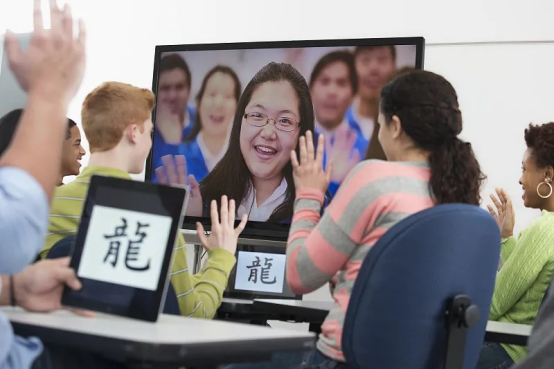
The future of Chinese lies in balancing inheritance and innovation. We must adhere to the cultural roots of Chinese characters, preserving traditional elements such as classical Chinese literature, idioms, and calligraphy to sustain the cultural essence of the language. At the same time, we need to adapt to the times by incorporating modern vocabulary and expressions, making Chinese more inclusive and practical. As the core carrier of Chinese civilization, Chinese is not only a spiritual bond for the people of China but also an important window for the world to understand China. In cross-cultural exchanges, it will continue to convey Chinese concepts like "harmony in diversity" and "universal harmony," contributing to the mutual learning and exchange of human civilizations.