English
 French
 Spanish
 Russian
 Arabic
 Italy
Italy
I. Tracing the Origins of Civilization: Historical Evolution of Traditional Chinese Medicine Culture
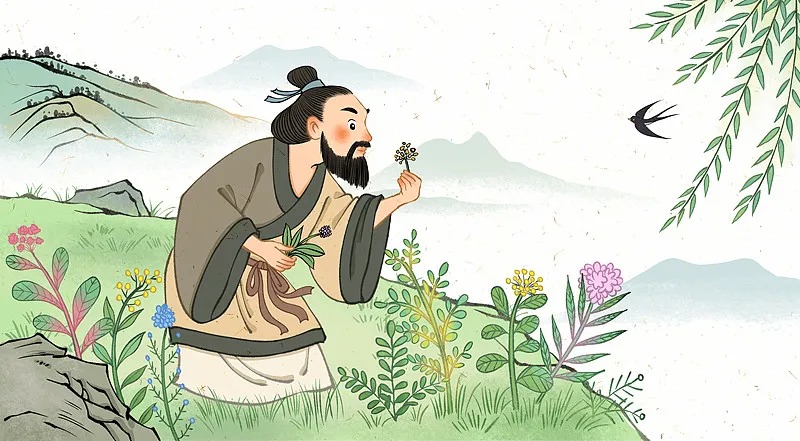
The formation of Traditional Chinese Medicine (TCM) culture represents the crystallization of millennia of practical accumulation and theoretical refinement by the Chinese nation. In ancient times, the legend of "Shennong tasting hundreds of herbs" initiated explorations into the concept of food and medicine sharing the same origin. The invention of alcohol and decoctions during the Xia and Shang dynasties laid the foundation for pharmaceutical processing techniques. The emergence of specialized divisions such as dietary physicians, disease specialists, wound healers, and veterinarians during the Western Zhou period marked the embryonic stage of TCM's diagnostic and therapeutic system. During the Spring and Autumn and Warring States periods, Bian Que's summarized "Four Diagnostic Methods" —observation, auscultation and olfaction, inquiry, and palpation—became the cornerstone of clinical diagnosis in TCM practice.
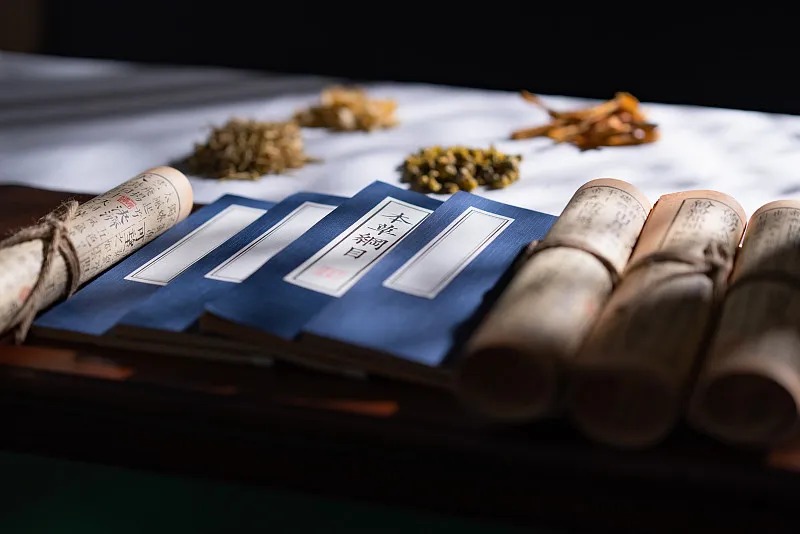
The Qin and Han dynasties marked the formative period of Traditional Chinese Medicine (TCM) theory. The *Huangdi Neijing* established the holistic concept of "unity between heaven and humanity" and the meridian theory, while the *Shennong Bencao Jing* formulated fundamental principles for herbal compatibility. The *Treatise on Cold Damage and Miscellaneous Diseases* pioneered the syndrome differentiation-based treatment model. These three classical texts collectively constructed the theoretical framework of TCM. From the Sui and Tang dynasties through the Ming and Qing dynasties, TCM culture continued to flourish: Sun Simiao's *Da Yi Jing Cheng* established the medical ethics standard of "benevolent heart and benevolent practice," Li Shizhen's *Compendium of Materia Medica* completed scientific classification of medicinal plants, and Ye Tianshi's *Treatise on Febrile Diseases* refined the epidemic prevention system. This period witnessed the development of a comprehensive disciplinary system encompassing internal medicine, surgery, gynecology, pediatrics, acupuncture, and orthopedics.
II. Theoretical Core: Philosophical Wisdom of Traditional Chinese Medicine Culture
The core appeal of Traditional Chinese Medicine (TCM) culture lies in its embodiment of Eastern philosophical thinking, which has formed a distinctive life cognition system:
• The holistic concept of unity between heaven and humanity: It advocates the interconnectedness between the human microcosm and the natural macrocosm, emphasizing that life activities should align with seasonal rhythms and regional environments, while opposing the isolated perspective on diseases. The Yellow Emperor's Inner Canon states, "Between heaven and earth, within the six directions, the qi permeates the nine provinces, nine orifices, five viscera, and twelve joints, all connected to the cosmic qi," laying the ideological foundation for holistic diagnosis and treatment.
• The dialectical perspective of Yin-Yang and the Five Elements: Explaining physiological and pathological changes in the human body through the principles of the unity of opposites between Yin and Yang, and the interdependent relationships of generation and inhibition among the Five Elements. Traditional Chinese Medicine (TCM) posits that health is defined as the balance of Yin and Yang, while disease manifests as their imbalance. The core of diagnosis and treatment lies in "harmonizing Yin and Yang." By analyzing the relationships between organs through the generation and inhibition mechanisms of the Five Elements, systemic regulation is achieved.
• The preventive concept of "treating disease before it occurs": Advocating the principle that "sages do not treat existing diseases but prevent them," this approach emphasizes proactive health management by employing methods such as constitution regulation and lifestyle intervention to prevent disease onset. This philosophy aligns with modern preventive medicine and further highlights the health wisdom of Traditional Chinese Medicine (TCM) that prioritizes prevention over treatment.
III. Diagnostic and Treatment System: The Practical Vehicle of Traditional Chinese Medicine Culture
Traditional Chinese Medicine (TCM) diagnosis and treatment centers on "syndrome differentiation and treatment," forming a diversified therapeutic system:
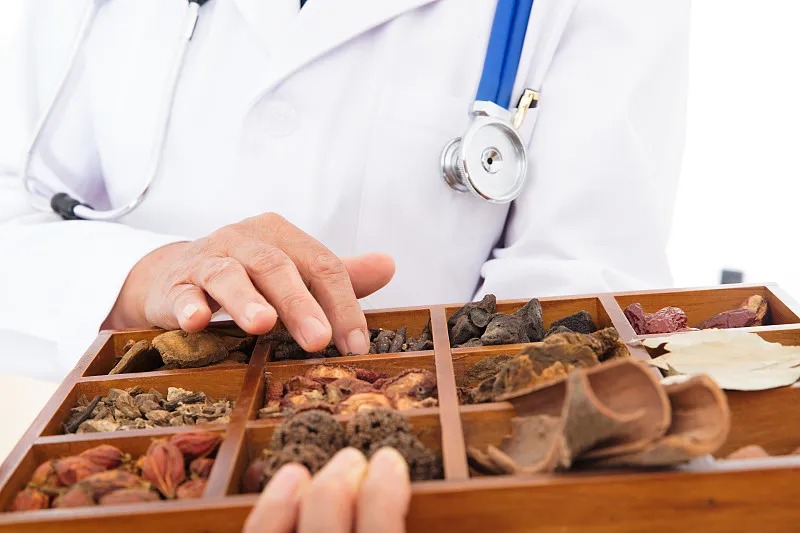
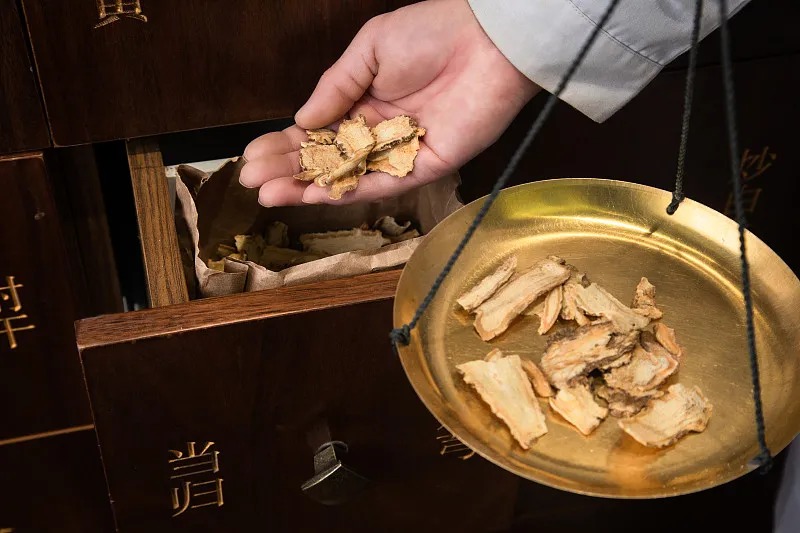
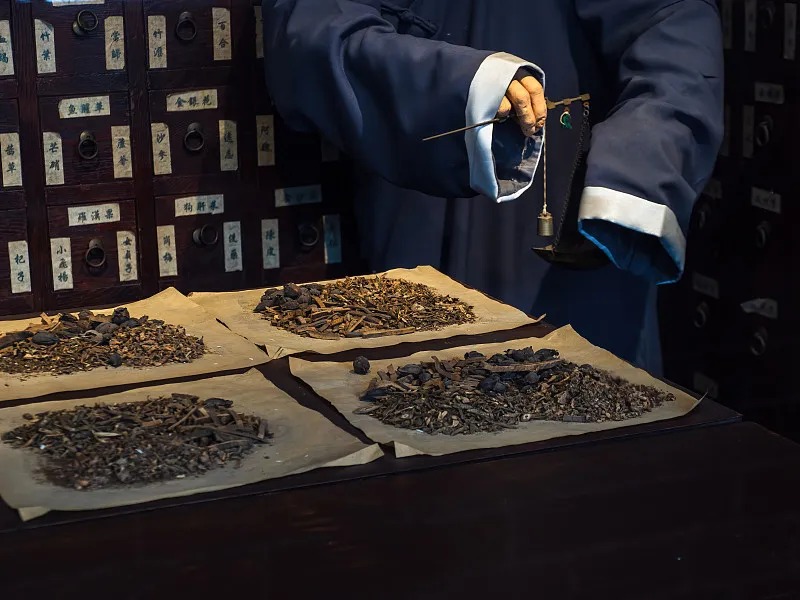
• Traditional Chinese Medicine (TCM) Therapy: Divided into oral and topical applications. Oral formulations include tea preparations, granules, and pills, while topical applications consist of plasters and ointments. TCM compatibility follows the principle of "Jun-Chen-Zuo-Shi" (ruler-minister-assistant-helper), emphasizing drug-syndrome compatibility and caution regarding contraindications to avoid toxic risks. For instance, Aconite (Fuzi) must be processed and used according to standardized protocols to prevent potential poisoning from aconitine alkaloids.
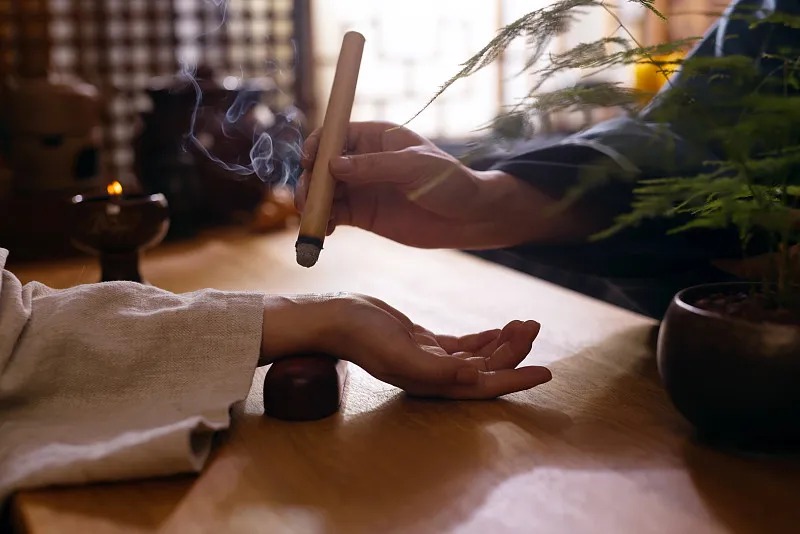
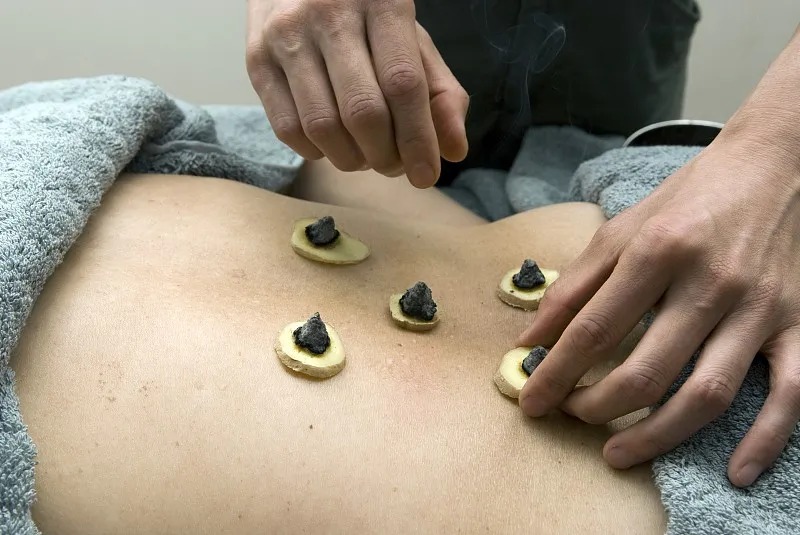
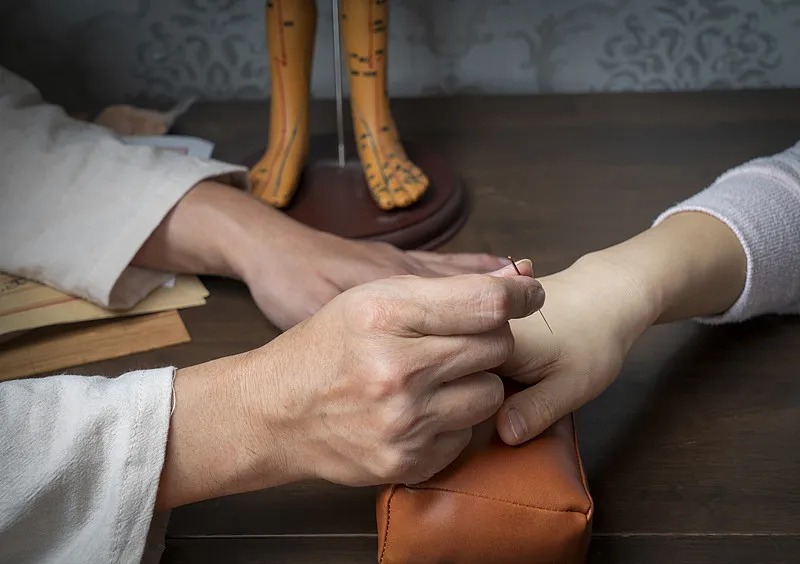
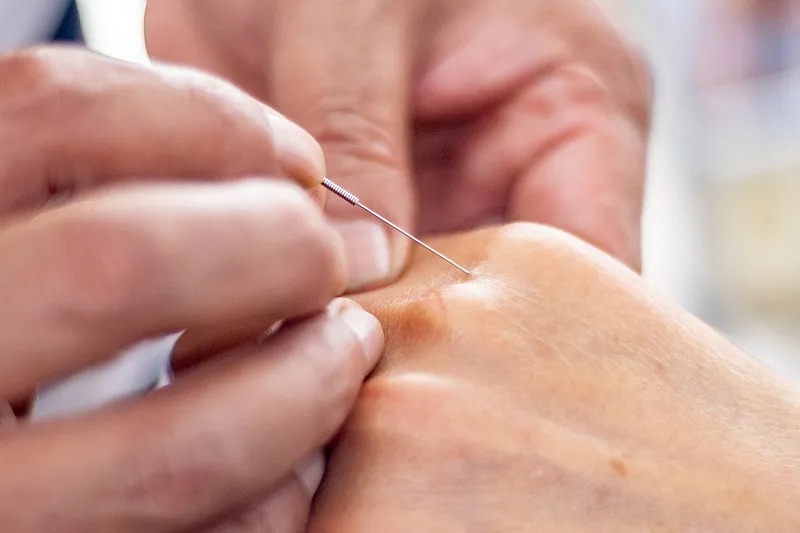
• Acupuncture Therapy: Includes needle techniques, moxibustion, and cupping. The fine needle puncture method treats pain and allergic diseases by stimulating acupoints; moxibustion utilizes the thermal effect of burning mugwort leaves to regulate deficiency-cold syndromes; cupping employs negative pressure to adhere to the skin, promoting meridian circulation and resolving blood stasis. All these therapies must strictly adhere to operational protocols to avoid risks such as needle syncope and burns.
• Massage Therapy and Trauma Management: Traditional Chinese Medicine (TCM) massage regulates qi and blood circulation through meridian manipulation, commonly applied for muscle sprains and pediatric disorders. Trauma management techniques focus on the treatment of fractures and dislocations, emphasizing appropriate pressure application and precise manipulation. Both therapeutic modalities require practitioners to possess profound knowledge of meridians and extensive practical experience.
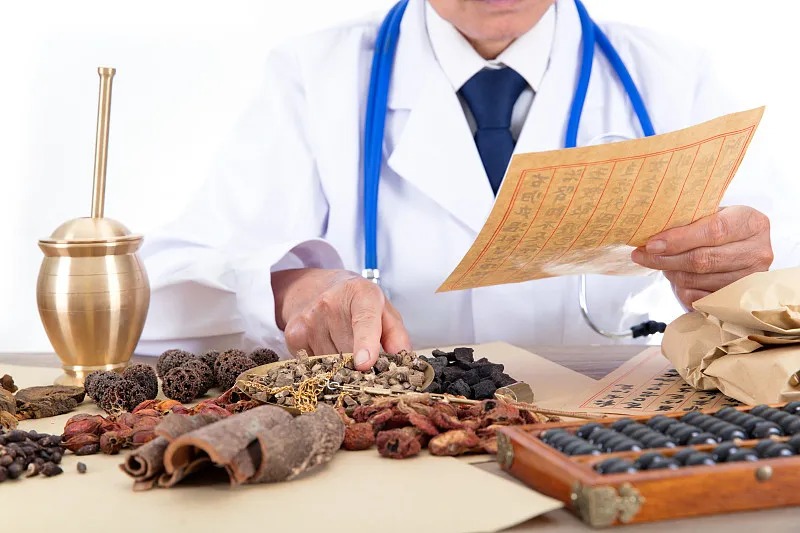
IV. Cultural Connotation: The Value Pursuit of Traditional Chinese Medicine Spirit
Traditional Chinese Medicine (TCM) culture is not only a medical technical system, but also embodies the moral aspirations and humanistic sentiments of the Chinese nation:
• The Medical Ethics of Great Physicians with Utmost Integrity: In *The Great Physician with Utmost Integrity*, Sun Simiao proposed that physicians should "treat all patients equally, as if they were their closest relatives," regardless of their social status or financial circumstances, and always approach them with sincerity. This ethical perspective of "benevolent heart and benevolent skills" has served as a guiding principle for medical practitioners throughout history, embodying the core value of "medicine as a benevolent art."
• A meticulous academic attitude: Traditional Chinese Medicine (TCM) inheritance emphasizes "studying classics and practicing clinical work," requiring both in-depth research of ancient texts and practical experience accumulation. The establishment of renowned TCM masters' inheritance studios aims to perpetuate this "master-apprentice education" model, ensuring the dynamic transmission of diagnostic and therapeutic skills alongside academic philosophies.
• The inclusive and open-minded spirit: Traditional Chinese Medicine (TCM) culture has continuously absorbed knowledge from various fields such as astronomy, geography, and philosophy during its development. In modern times, it has actively integrated with Western medicine, forming a complementary diagnosis and treatment model combining TCM and Western medicine. This open and inclusive characteristic has enabled TCM to maintain its vitality.
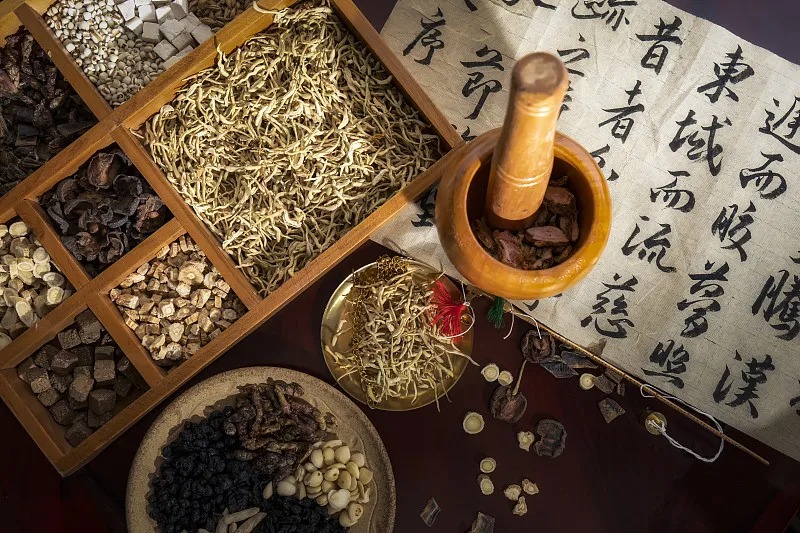
V. Contemporary Value: The Modern Rebirth of Traditional Chinese Medicine Culture
In modern society, traditional Chinese medicine (TCM) culture is demonstrating renewed vitality:
• Health China's important support: The concept of "preventive treatment" in Traditional Chinese Medicine (TCM) has been integrated into the national basic public health services. Secondary and above TCM hospitals generally establish "preventive treatment" departments to provide personalized health management services for the public. In 2015, the diagnosis and treatment volume of TCM-related medical institutions accounted for 15.7% of the total medical services nationwide, with relatively low costs, demonstrating its value in benefiting the people.
• A significant source of scientific and technological innovation: Tu Youyou extracted artemisinin from Artemisia annua and was awarded the Nobel Prize in Physiology or Medicine; Wang Zhenyi and Chen Zhu applied arsenic-based traditional Chinese medicine agents in leukemia treatment, achieving international recognition. These achievements demonstrate the modern scientific value of traditional Chinese medicine theory, accelerating the modernization process of traditional Chinese medicine. Currently, traditional Chinese medicine has developed over 40 dosage forms, with an industrial output value reaching 786.6 billion yuan.
• A pivotal bridge for cultural exchange: As an integral component of global traditional medicine, Traditional Chinese Medicine (TCM) therapies such as acupuncture and herbal medicine have been disseminated to numerous countries and regions worldwide. Classical texts like "The Record of Exonerating the Injured" and "Compendium of Materia Medica" have been translated into multiple languages. Innovations including the acupuncture bronze mannequin and variolation techniques have achieved several world-first medical milestones, showcasing the wisdom of Chinese civilization to the international community.