English
 French
 Spanish
 Russian
 Arabic
 Italy
Italy
I. Historical Tracing: The Evolutionary Process of China's Kung Fu
Chinese martial arts (also known as wushu) is a unique cultural carrier formed by the Chinese nation over thousands of years of history, with its origins traceable to the productive labor and tribal conflicts of ancient ancestors. In primitive society, people developed basic techniques such as punching, kicking, slashing with knives, and chopping with axes for hunting and self-defense; during the Xia, Shang, and Zhou dynasties, military training promoted the development of weapon techniques and unarmed combat, making "martial dance" an important form of ritual and military training.
During the Spring and Autumn and Warring States periods, "knightly culture" emerged alongside the nascent development of folk martial arts. Confucius 'assertion that "archery does not prioritize skin damage, as different disciplines measure strength" reflected the ceremonial ethos of early martial arts. The Qin and Han dynasties witnessed the popularity of combat sports like wrestling and hand-to-hand fighting, with historical accounts such as "Bian Zhuang's Tiger Assassination" in the Book of Han demonstrating the maturation of practical martial techniques. The Sui and Tang dynasties saw the establishment of the military examination system, making martial arts a crucial criterion for selecting military talent. Shaolin kung fu gradually took shape through the integration of Zen Buddhism and martial arts. The Song, Yuan, Ming, and Qing dynasties marked the golden age of martial arts, characterized by diverse schools and the emergence of classic styles like Tai Chi, Bagua Zhang, and Wing Chun. Martial arts classics such as The Essentials of Martial Arts and The New Book of Effective Discipline were preserved, forming a technical system that emphasized "internal and external cultivation combined with the balance of hardness and softness."
II. Core Concept: The Philosophical Essence of Kung Fu
Chinese kung fu is not merely a combat technique, but a philosophical system integrating the wisdom of Confucianism, Buddhism, and Taoism, with its core concepts embodied in three dimensions:
• The natural philosophy of "unity between man and nature": Advocates that martial arts movements should conform to natural laws, imitating animal postures (e.g., Tai Chi mimics cranes, and Monkey Fist mimics monkeys), pursuing the realm of "man follows earth, earth follows heaven, and heaven follows the Dao," emphasizing harmonious unity with the environment.
• The holistic cultivation philosophy of "internal refinement of qi and external training of muscles, bones, and skin" constitutes the core principle of martial arts practice. Internal cultivation focuses on qi, spirit, and intention to nurture spiritual realms, while external training emphasizes physical conditioning through body movements, hand techniques, and footwork, ultimately achieving the supreme goal of "harmonious integration of form and spirit."
• The ethical perspective prioritizing virtue: "Martial Virtue" (Wude) constitutes the soul of martial arts culture, emphasizing the principle of "learning etiquette before acquiring skills, and cultivating virtue before practicing martial arts." Martial artists must adhere to the principles of benevolence, integrity, and humility, oppose bullying the weak with strength, and advocate for the peaceful ethos of "ceasing arms as the essence of martial arts."
III. Major Schools: Diverse Manifestations of Kung Fu
China has numerous kung fu schools, which can be divided into three major systems based on geographical regions and technical characteristics, each with its own unique features:
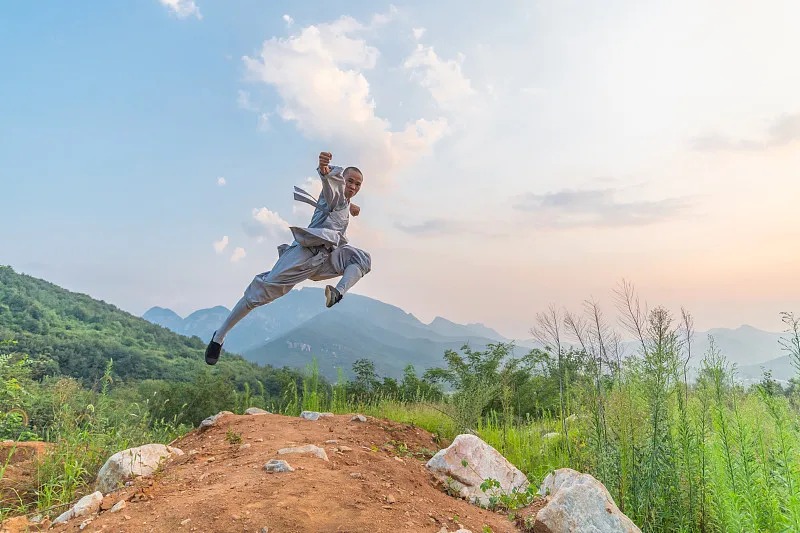
• Shaolin School: Originating from Shaolin Temple on Mount Song in Henan Province, it is renowned as "the cradle of martial arts under heaven." Known for its powerful and unadorned techniques, it emphasizes hard power cultivation (such as Iron Palm and Golden Bell Cover), with techniques encompassing boxing (Shaolin Fist) and weapon combat (Shaolin Staff). The school advocates "subduing opponents through force" and integrates both Zen meditation and practical combat value.
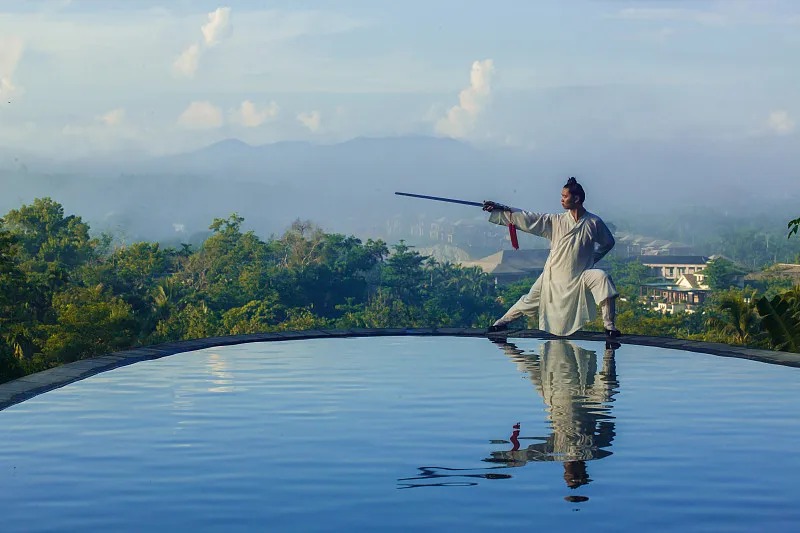
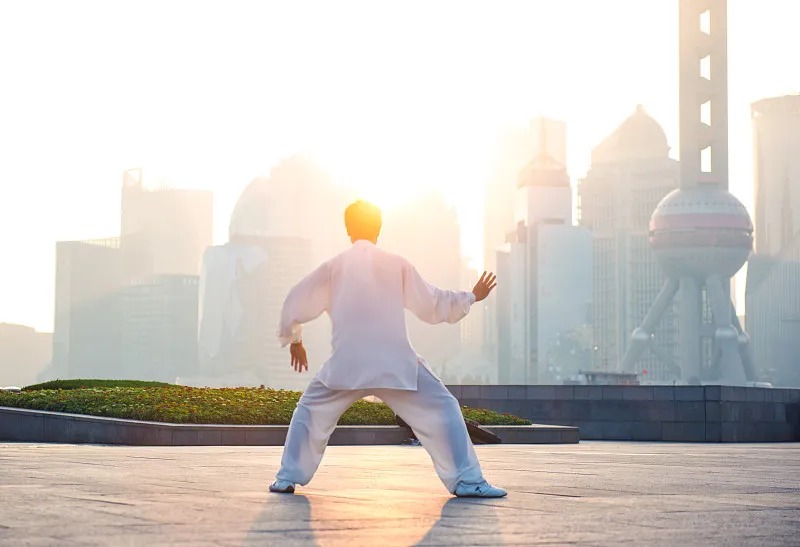
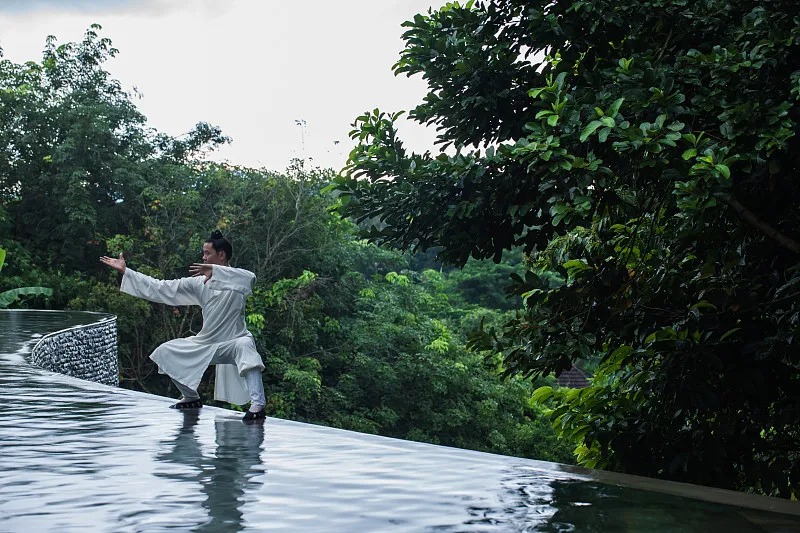
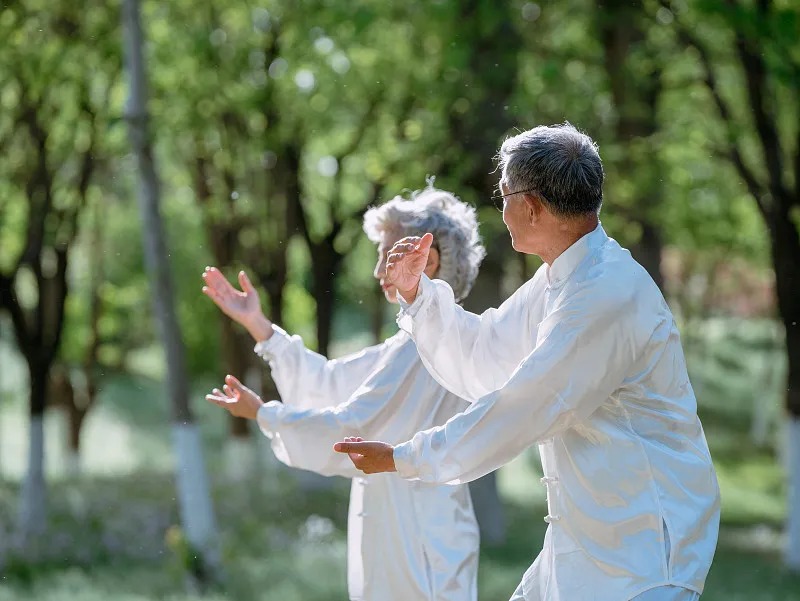
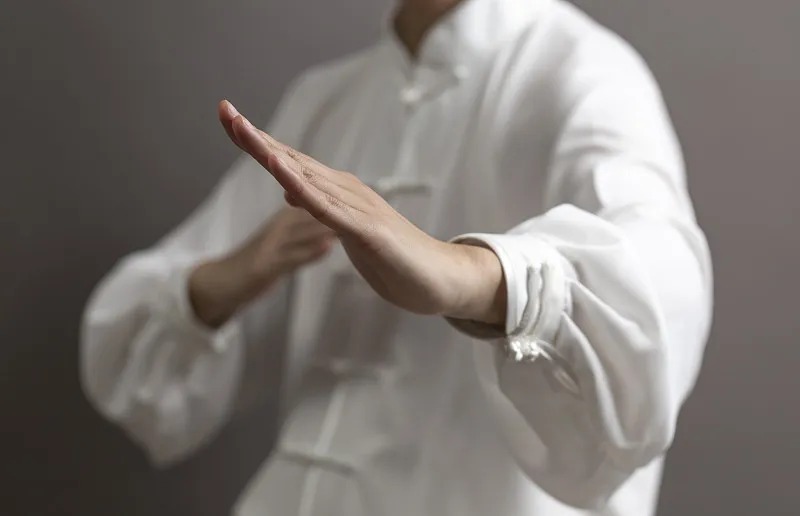
• Wudang School: Originating from Wudang Mountain in Hubei Province, it is deeply integrated with Taoist culture. Its core characteristics include overcoming hardness with softness and controlling movement through stillness. Tai Chi Chuan and Bagua Zhang are representative martial arts styles, emphasizing the circulation of internal energy and flexible body movements. It advocates the principle of "overcoming hardness with softness" and is suitable for self-cultivation, mental discipline, and self-defense.
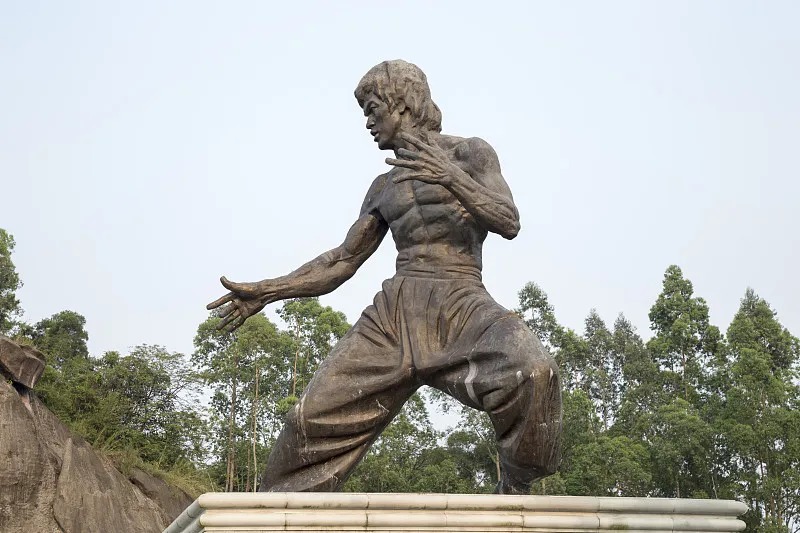
• Southern School Kung Fu: Popular in the Lingnan region, characterized by concise and powerful movements with agile footwork. Representative styles include Wing Chun, Hung Kuen, and Choi Li Fo Kung Fu. The "Cham Sao" technique of Wing Chun and the vigorous routines of Hung Kuen exhibit unique styles, emphasizing close-range offense and defense as well as rapid enemy subduing, making them suitable for street combat.
In addition, there are local schools such as the Emei School (Sichuan) and the Kongtong School (Gansu), as well as martial arts styles like Xingyi Quan and Tongbei Quan, which emphasize internal kung fu, collectively forming the diverse landscape of China's martial arts.
IV. Cultural Connotation: Spiritual Value of Kung Fu
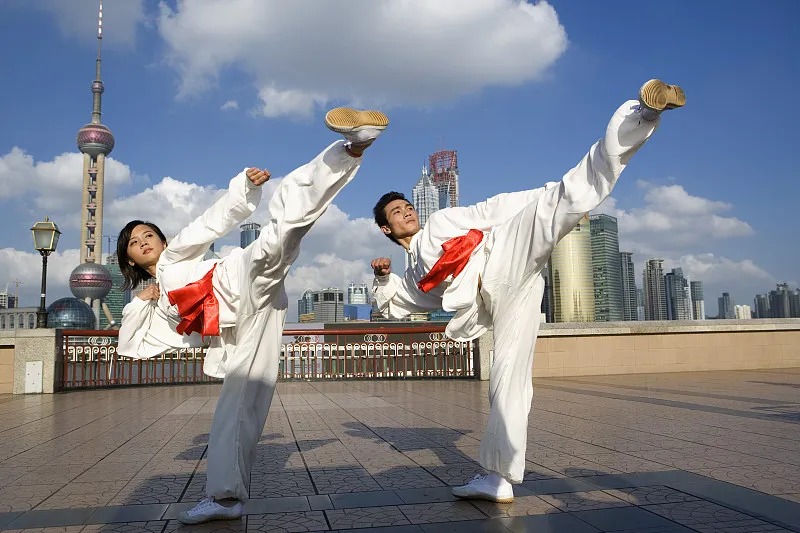
China's kung fu transcends the realm of sports competition, embodying the spiritual pursuits of the Chinese nation:
• The life philosophy of self-cultivation and character refinement: Martial arts training is not merely physical exercise but also spiritual cultivation. Through prolonged practice, practitioners develop unyielding willpower and composed mental states, achieving "understanding the Dao through martial arts" and attaining the perfection of personality.
• The Sense of Responsibility and Patriotism: Generations of martial artists upheld the belief that "the greatest hero serves the nation and its people," stepping forward during times of national crisis. From Yue Fei's "devoted loyalty to the country" to Huo Yuanjia's "Mizong Quan gaining renown overseas," the spirit of martial arts has always been closely intertwined with the fate of the nation.
• The cultural genes preserved through etiquette: Kung fu emphasizes etiquette norms, with rituals such as the master-apprentice ceremony and combat etiquette reflecting traditional virtues of respecting teachers, valuing principles, humility, and friendliness. The principle of "stopping at the point of contact" in combat demonstrates cultural connotations of respecting opponents and opposing violence.

V. Contemporary Value: The Contemporary Rebirth of Kung Fu
In modern society, Chinese kung fu has regained new vitality, becoming a cultural bridge connecting tradition and modernity, China and the world:
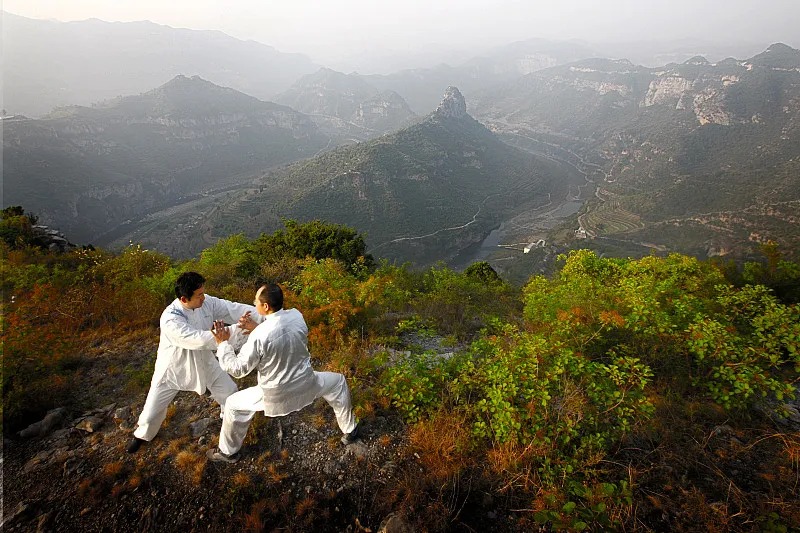
• A Preferred Choice for National Fitness: Martial arts disciplines such as Tai Chi and Baduanjin have become popular choices for public fitness due to their gentle, slow-paced nature and health-enhancing characteristics. The number of Tai Chi practitioners nationwide exceeds 30 million, with related courses incorporated into physical education curricula in primary and secondary schools.
• The international calling card of cultural dissemination: Through films and television (such as "Shaolin Temple" and the "Ip Man" series), martial arts competitions (World Wushu Championships), and overseas martial arts schools, kung fu has spread to over 150 countries and regions worldwide, becoming an important window for foreigners to understand Chinese culture.
• Distinctive IP integrating culture and tourism: Events such as the Shaolin Martial Arts Festival and Wudang Tai Chi Cultural Tourism Festival have facilitated the deep integration of kung fu with tourism and cultural creative industries, forming a culturally distinctive economic industrial chain that drives local development.
• Effective methods for physical and mental healing: Modern research indicates that kung fu training can alleviate stress and improve sleep quality. Tai Chi has been utilized as an adjunct therapy for conditions such as hypertension and depression, embodying the health wisdom of "preventive treatment before disease onset."